REVIEW · BEIJING
A Beijing Tour of Essentials Along the Central Axis
Book on GetYourGuide →Operated by Wander with Jacob · Bookable on GetYourGuide
Beijing’s Central Axis is history in motion. I love how this route links Tiananmen Square to the Forbidden City with a logical flow, not a random grab-bag of sights. I also like having an in-person guide such as Jacob, who’s known for clear explanations and patience. One drawback: expect crowds and security slowdowns, especially on big national holiday days, so your pace may feel less relaxed.
You’ll also get the contrast that makes Beijing fun: Qianmen Street for preserved hutong culture, then Wangfujing Street for the modern shopping pulse. The day ends with a view payoff from Jingshan Park, so the skyline makes sense after walking the historic spine. If you hate walking or crowded queues, plan for breaks and wear shoes you trust.
What makes this tour worth your time
- Central Axis route keeps the story straight, from symbols to palace politics to modern street life
- Reserved entry + tickets included saves you the stress of figuring out access windows
- Jacob-style guiding focuses on explanations you can actually use as you look around
- Tiananmen to Forbidden City approach includes the walk through the underpass and the big arrival moment
- Qianmen hutong atmosphere gives you traditional texture without needing an all-day side trip
- Jingshan Park viewpoints are a smart final act, helping you map the city in your head
In This Review
- Why Beijing’s Central Axis is the smartest way to start
- Tiananmen Square: what you’re really looking at (and how to handle it)
- From Tian’an Men Gate to the Forbidden City Palace Museum
- Qianmen Street: preserved hutongs and real neighborhood energy
- Wangfujing Street: the future side of Beijing
- Jingshan Park: your final view makes the whole day click
- How a strong guide (like Jacob) changes the experience
- Tickets, time windows, and why the day runs longer than you expect
- Getting there: pickup zones and what you may pay extra
- What the $42 price gets you (and what to compare it to)
- Who this tour is best for
- Should you book this tour?
- FAQ
- FAQ
- What’s the duration of this tour?
- Does the price include entrance tickets?
- What attractions are included?
- Is pickup included?
- Which languages are offered?
- What do I need to bring?
- How flexible is cancellation?
Why Beijing’s Central Axis is the smartest way to start
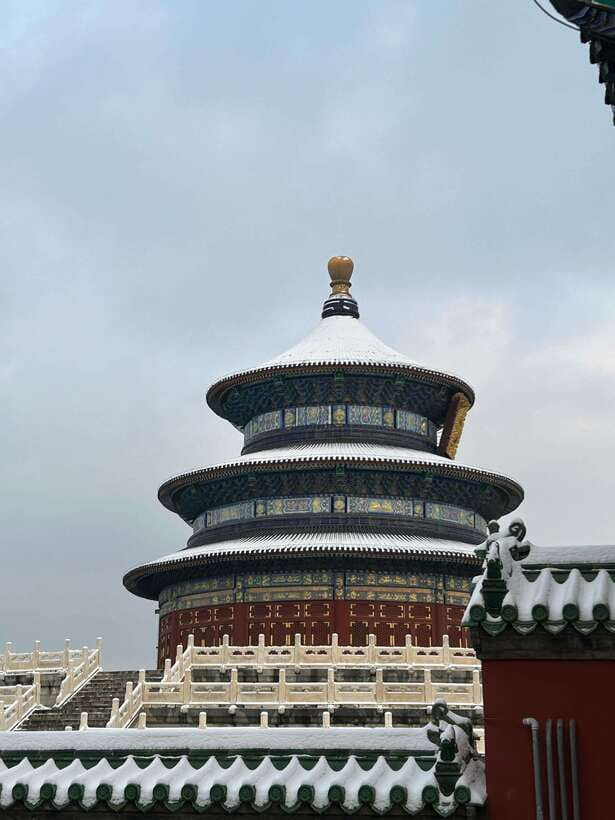
If it’s your first time in Beijing, the city can feel like a pile of famous landmarks. This tour solves that problem by using the Central Axis as a backbone. Instead of hopping randomly, you follow a straight line of meaning: national power (Tiananmen), imperial rule (Forbidden City), neighborhood life (Qianmen/hutongs), modern momentum (Wangfujing), and a high-angle city read (Jingshan Park).
The best part for you is that the order helps your brain. You see a massive plaza, then you move into the palace complex, then you shift to street life. By the time you reach the final viewpoint, you can look over Beijing and recognize what you already walked through.
Also, because this is a private or small-group format, you’re less likely to feel like you’re trapped in a moving wall of bodies. You still need to be practical—Beijing’s top sites can be busy—but the structure gives you breathing room at the right moments.
Tiananmen Square: what you’re really looking at (and how to handle it)
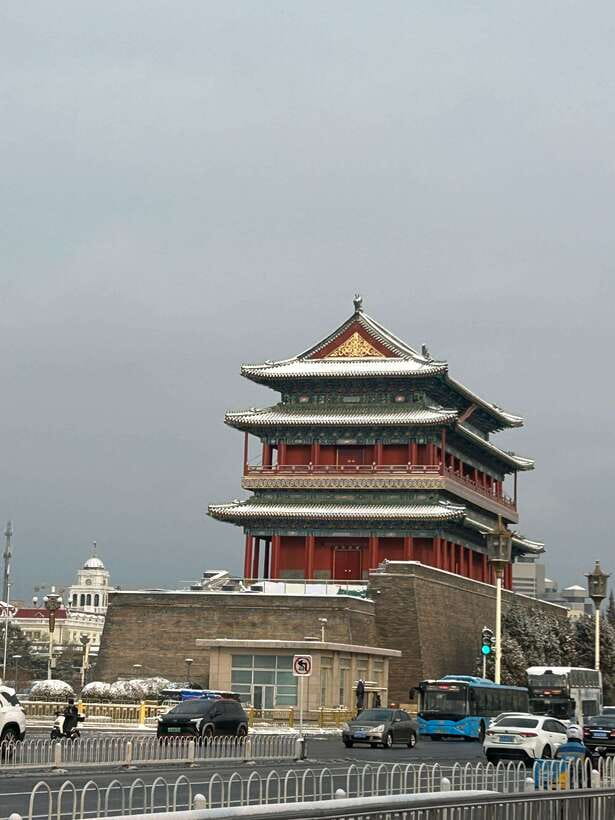
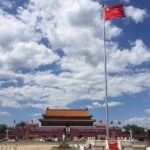
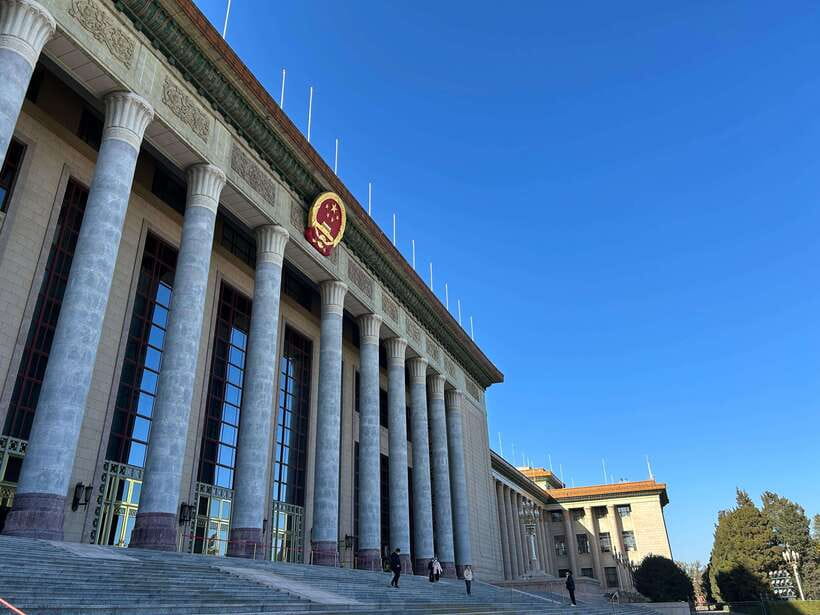
You start at Tiananmen Square, the huge urban plaza that sits at the center of modern Beijing. Here, you’re not just looking at buildings—you’re looking at a physical statement about the state. The itinerary keeps you there for about an hour, which is enough time to notice scale and symbols without turning it into a long slog.
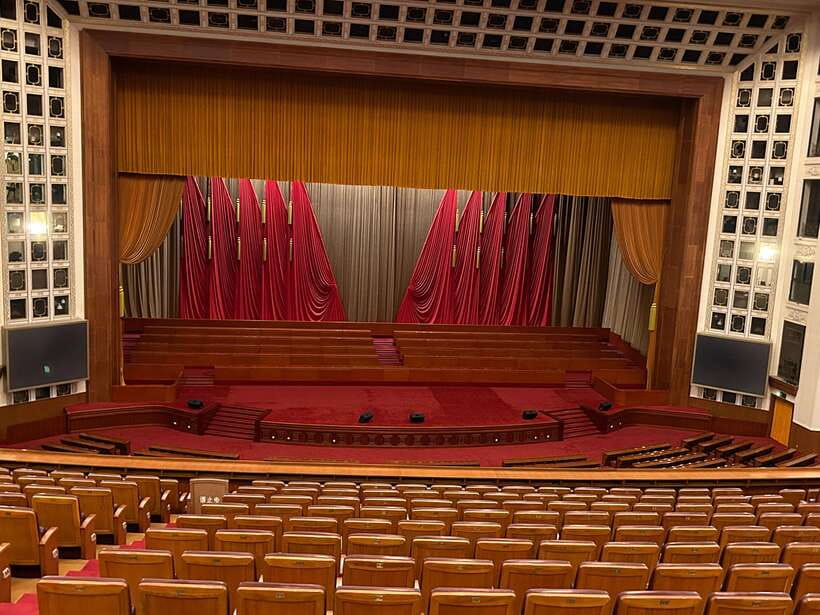
You’ll also cover key sites inside the square area, including the National Museum of China, the Chairman Mao Memorial Hall, and the Great Hall of the People, plus the Zhengyangmen Gate located in the square zone. The tour then transitions you by walking down an underpass toward the Tian’an Men Gate itself.
Practical tip: plan for slow walking and security checks. This isn’t a fast sightseeing sprint. If your travel dates land on a major holiday, crowds can get intense. The good news is the day is designed with the reality of crowds in mind, with organized pacing and reserved access where it counts.
You can also read our reviews of more tours and experiences in Beijing.

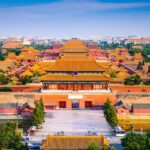
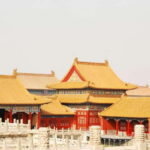
From Tian’an Men Gate to the Forbidden City Palace Museum
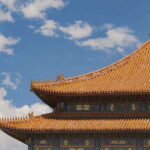
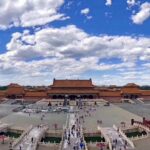
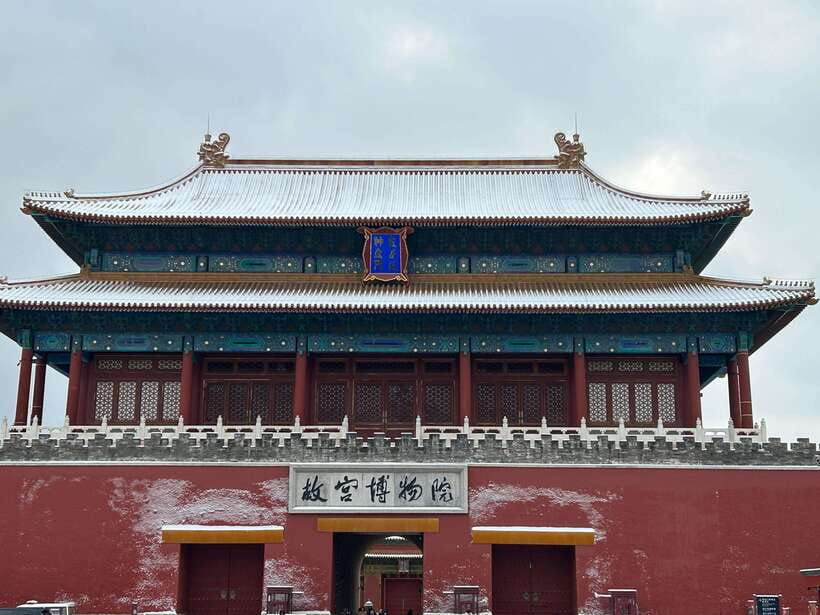
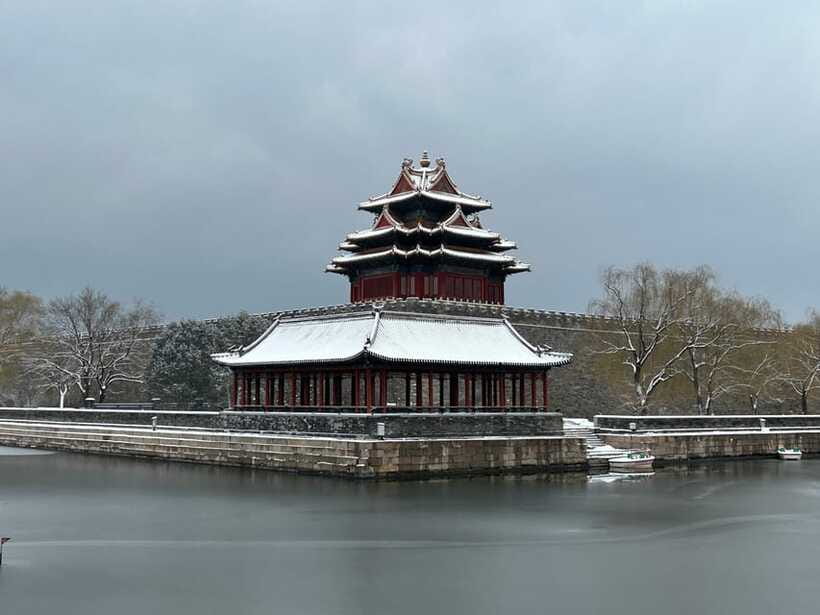
The Forbidden City is one of those places where you either feel lost in the scale—or you start feeling oriented right away. This tour helps you avoid the lost-in-the-rooms feeling because it comes after the square and the gate approach. You already understand the geography when you enter.
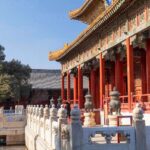
You’ll spend around 3 hours at the Forbidden City (Palace Museum). That time is important. In just 60–90 minutes you can see a few highlights, but it’s easy to miss what makes the complex feel like a system. In three hours, you can slow down enough to connect architecture to function.
What I like about this setup is the forced logic of the route. The itinerary has you walk toward the Forbidden City after the Tian’an Men Gate approach, so the entrance doesn’t feel random. You experience it as a transition from the civic center into the imperial core.
Possible drawback: three hours inside can still be tiring if you’re moving at a slow pace. If you know you need frequent rest stops, wear comfortable shoes and don’t treat the tour like you must cover every corner. The goal is to understand what you’re seeing, not to tick every box.
Qianmen Street: preserved hutongs and real neighborhood energy
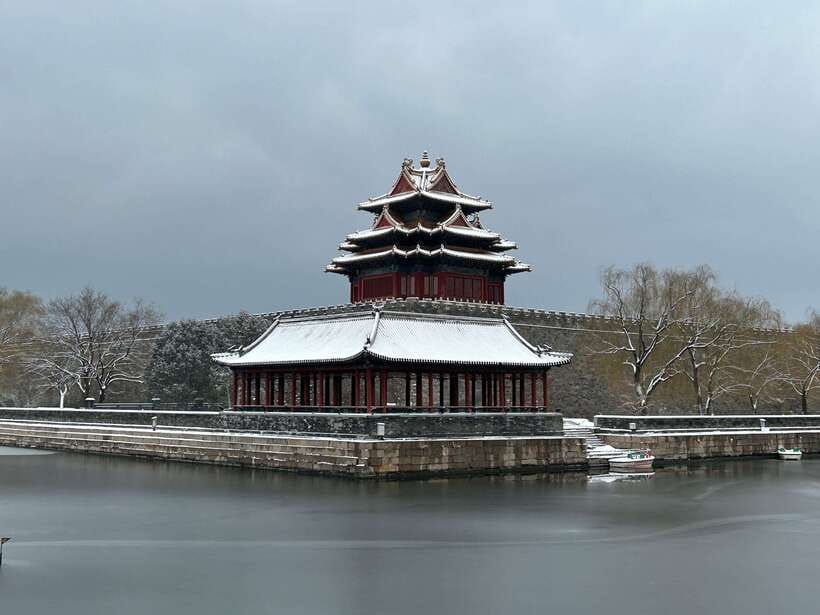
After the Forbidden City, the tour shifts gears to something more human-scale: Qianmen Street and the hutong culture connected to it. You get about 1 hour here, with a mix of guided time and free time for shopping.
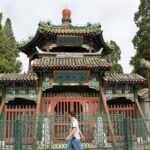
Qianmen is interesting because it’s not just a single street postcard. It’s a gateway to preserved hutong atmosphere, letting you experience a different pace of Beijing. The tour’s value here is that you’re not guessing which alleyways are worth your time—you’re given an easy entry into the style of old Beijing life.
During your free time, you can browse and shop, and the itinerary is deliberately flexible so you can follow your interests. If your goal is photos, souvenirs, or snacks, this is the slot to do it.
The main consideration: because you’ll also be around popular tourist areas, prices can vary. If you plan to buy gifts, compare options quickly and don’t assume the first place is the best deal.
Wangfujing Street: the future side of Beijing
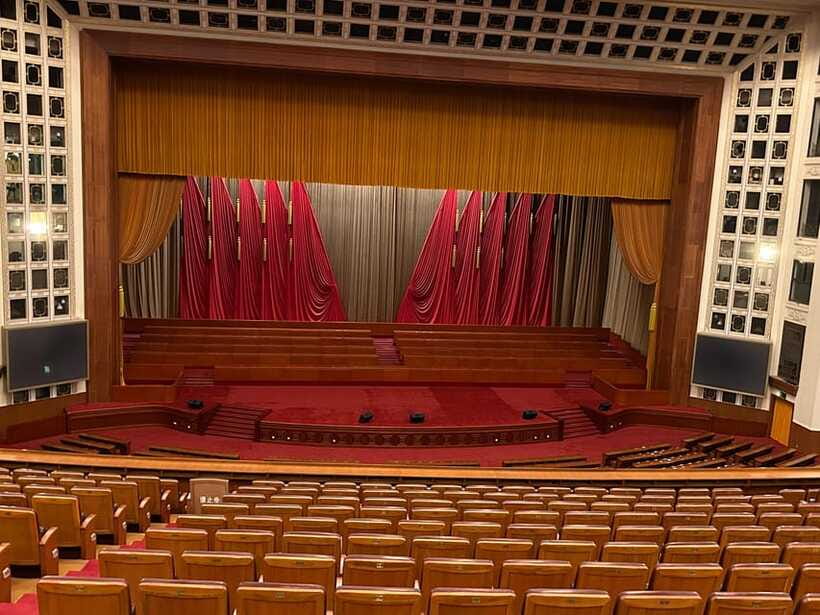
Next comes Wangfujing Street, where you feel the modern city right away. You’ll spend about an hour here, enough time to get a sense of the street and pick your own pace.
Why Wangfujing fits into the Central Axis story: it’s the modern counterpoint to the imperial and traditional scenes you just saw. You’re not doing this tour only for old walls and ancient halls. You’re also seeing how the city lives now—through shopping, street energy, and the constant stream of people.
You’ll have a guided walk for context, then you can wander within the time window. If you’re the type who likes to end a tour with something practical—like a last-minute shopping stop—Wangfujing is a good place to do it.
Small warning: it can feel crowded in the prime walking hours. If you get overwhelmed easily, keep your head up, move steadily, and don’t stop suddenly in the flow.
Jingshan Park: your final view makes the whole day click
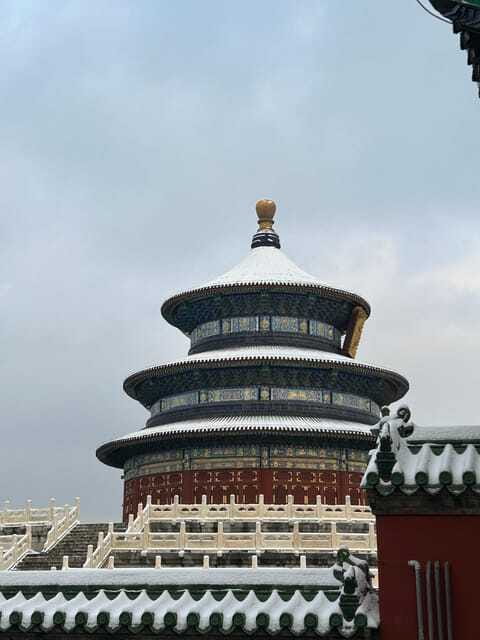
The day closes at Jingshan Park, where you get a city view that helps you connect the dots. You’ll have about 1 hour for this stop.
This is a clever ending because your brain needs a “map moment.” After walking the square, the palace complex, the traditional streets, and the modern shopping district, the view turns your route into something understandable. From up high, the scale makes more sense, and you can better picture where key landmarks sit in relation to each other.
If you time it well, you’ll also get great photo opportunities. Just keep expectations realistic: it’s still a viewpoint in a public park, so you’ll share space.
How a strong guide (like Jacob) changes the experience
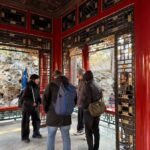
This tour leans heavily on guidance. That matters more than you might think with Beijing’s top sites. The Forbidden City is huge, and Tiananmen Square is more about symbolism than simple sightseeing. A good guide helps you read what you’re seeing, not just point it out.
In the feedback tied to this operator, Jacob comes up repeatedly as the person who makes the day work: professional, serious, and patient, with a strong ability to explain history in a way you can follow. People also highlight his flexibility—useful when crowds or timing create stress.
You also get both Chinese and English guidance, and the tour is offered in private or small groups. That flexibility helps if you have questions mid-walk instead of saving everything for the end.
One consideration to keep in mind: with any group tour, timing matters. If there’s any confusion about where you should meet after a free-time segment, you might end up continuing on your own for a bit. You can avoid that by confirming the plan at the start of each free window—where you’ll meet and what time you need to be back.
Tickets, time windows, and why the day runs longer than you expect
This experience lists a duration range of 2.5 to 8 hours, depending on the option and starting times available. That’s a wide spread, so before you book, double-check the option you choose and how it fits your schedule.
A realistic way to think about it:
- You’ll have a break at a local café with free time (about 30 minutes).
- Then the timed sight stops are roughly: Tiananmen Square (~1 hour), Forbidden City (~3 hours), Qianmen Street (~1 hour including shopping time), Wangfujing (~1 hour), and Jingshan Park (~1 hour).
Where the extra time comes from is the real Beijing: walking between zones, security processes, and crowd flow. This is why the tour’s reserved entry for major attractions is valuable. You’re not just paying for a guide; you’re paying for reduced friction at the hardest-to-navigate points.
Getting there: pickup zones and what you may pay extra
Pickup is optional. The tour notes that pickup is free in many central Beijing districts, including Dongcheng, Xicheng, Haidian, Chaoyang, Fengtai, Daxing, Shijingshan, and Shunyi. Suburban pickup costs extra.
Also important: transportation during the tour is included, but airport express is not included. And the itinerary also flags that the fee to move from your meeting point to the attractions isn’t included.
So here’s the practical move: confirm the exact meeting point for your option and ask how you’re getting from there to the first major stop. If you’re already in central districts, it’s usually straightforward. If you’re arriving from farther out, it can affect total cost.
What the $42 price gets you (and what to compare it to)
At $42 per person, the big value is that the tour includes tickets and reserved entering for the attractions listed, plus in-person guidance. It also includes a guidance step before entering China, and transportation during the day (with airport express excluded).
To judge value, compare the cost of:
- buying entry tickets yourself,
- coordinating access timing,
- and paying for a guide who can handle the flow and explanations.
If you’re the kind of traveler who likes to wander without spending time figuring out logistics, this price makes more sense. You pay for structure. Structure is what saves time in Beijing’s biggest sites.
What’s not included is mainly transfers from your specific meeting point, plus the airport express if that’s part of your route. If those aren’t a big part of your travel plan, this can be a very efficient way to see the core “essentials” along the Central Axis.
Who this tour is best for
This is a strong fit if:
- It’s your first time in Beijing and you want the Central Axis route.
- You prefer a clear plan with timed stops instead of building your own day.
- You want a guide who helps you understand what you’re looking at, especially at the Forbidden City.
- You’re traveling with a small group or prefer not to be in a huge crowd.
It may be less ideal if:
- You want a totally self-paced day with zero structured timing.
- You strongly dislike crowds, even if reserved entry helps.
- You’re limited by mobility and aren’t comfortable with walking between major areas.
Should you book this tour?
If you want a smart first day in Beijing—history up front, neighborhoods in the middle, and a viewpoint finish—this tour is a good bet. The reserved entries plus guided flow do real work for you. You’ll spend less energy on logistics and more energy understanding why these places matter.
I’d book it when: you’re short on time, first-time in Beijing, or you want the Central Axis route done in the right order. I’d hesitate if you have very tight mobility needs or you hate crowds so much that even a well-organized day would feel stressful.
Either way, do yourself a favor: confirm your meeting details early, and when you book, follow the security and passport/ID requirements so you don’t lose time at the gates.
FAQ
FAQ
What’s the duration of this tour?
The tour duration is listed as 2.5 to 8 hours, depending on the option you select. You can check availability to see starting times.
Does the price include entrance tickets?
Yes. Tickets and reserved entering are included for the attractions covered in the itinerary.
What attractions are included?
The tour covers Tiananmen Square, the Forbidden City (Palace Museum), Qianmen Street, Wangfujing Street, and Jingshan Park.
Is pickup included?
Pickup is optional. Most parts inside Beijing City are free for pickup, while the suburban area costs extra.
Which languages are offered?
Live guidance is available in Chinese and English.
What do I need to bring?
You should bring a passport or ID card for children.
How flexible is cancellation?
Free cancellation is available up to 24 hours in advance for a full refund.