REVIEW · BEIJING
Confucius Temple and Imperial College Entrance Ticket
Book on Viator →Operated by Unique Beijing Tours · Bookable on Viator
Schooling in stone feels personal.
This short stop near Lama Temple turns into a surprisingly satisfying lesson in how imperial China trained scholars. I love the English instructions you can use to explore on your own, and I also love the stone steles that connect the place to real names tied to the Imperial Examination. One thing to consider: if you want the stories behind everything, you may prefer the optional guided upgrade, because the site still rewards slow reading.
I also like the value here. For $8 you get the entrance fee included, and you can use your prepaid ticket to beat the worst lines. It’s built for people who want flexible pacing in a compact area, and it’s private, so it’s just your group.
Plan on spending real time here, though. The museum and its scholarly halls can easily become a 2–3 hour reading session, not a quick glance-and-go.
In This Review
- Key Highlights You’ll Actually Feel
- Confucius Temple and Guozijian Museum: A Smart Two-Site Win Near Lama Temple
- Temple of Confucius: 1302 Details and the Power of the Stone Steles
- Guozijian Museum: What the Imperial College Actually Was
- Self-Guided Value: English Signage That Actually Helps
- Guided Upgrade: When a Guide Is Worth the Extra Cost
- Timing, Crowds, and How to Build the Day
- What This Tour Is Really Good For
- Small Logistics Notes That Save Headaches
- Should You Book the Confucius Temple and Guozijian Entrance Ticket?
- FAQ
- How much does the Confucius Temple and Guozijian Museum entrance ticket cost?
- How long does the experience take?
- Is an English-speaking guide included?
- Where are these sites located?
- When will I receive my tickets?
- How far in advance should I book?
- Is this a private tour?
- Is free cancellation available?
- Is the experience suitable for most travelers?
Key Highlights You’ll Actually Feel
- English support throughout: Clear enough to self-guide without guessing.
- Stone steles linked to real scholars: You’re looking at the Imperial Examination results in physical form.
- Confucius Temple + Guozijian in one area: One ticket covers both major sights.
- Imperial college context in museum halls: Learn how education worked across dynasties.
- Prepaid ticket convenience: Helps you move through entry smoothly.
- Works with or without a guide: Upgrade only if you want extra story detail.
Confucius Temple and Guozijian Museum: A Smart Two-Site Win Near Lama Temple
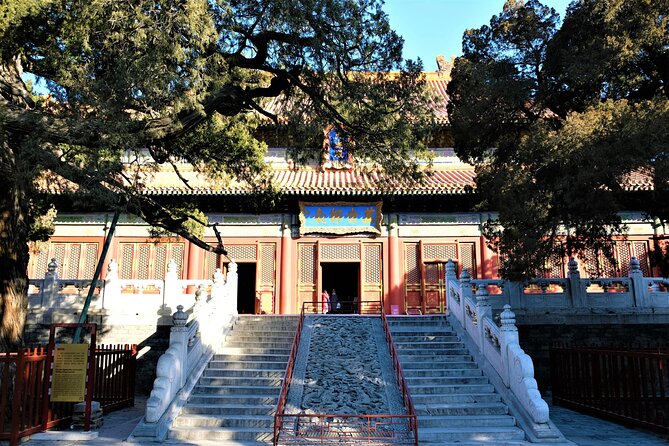
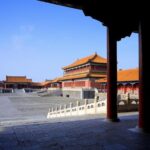
Beijing has a way of stacking big cultural landmarks close together, and this is one of those easy pairings. You’ll find the Temple of Confucius and the Guozijian Museum just a short walk from the Lama Temple area, so you can slot this into a day without complicated transit planning.
What makes this ticket feel worth your time is the mix of “sacred space” and “education system.” The Temple of Confucius is the spiritual and ceremonial side, while Guozijian (the former imperial college site) explains how learning was structured and rewarded. If you’re the kind of person who likes to understand how something worked, not just what it looks like, this combo clicks.
And you don’t have to commit to a full guided tour to enjoy it. The experience is designed so you can use the prepaid entry and explore at your own pace. If you do choose the English-speaking guide option, you’ll get the human context that turns artifacts and inscriptions into clear stories.
You can also read our reviews of more tours and experiences in Beijing

Temple of Confucius: 1302 Details and the Power of the Stone Steles
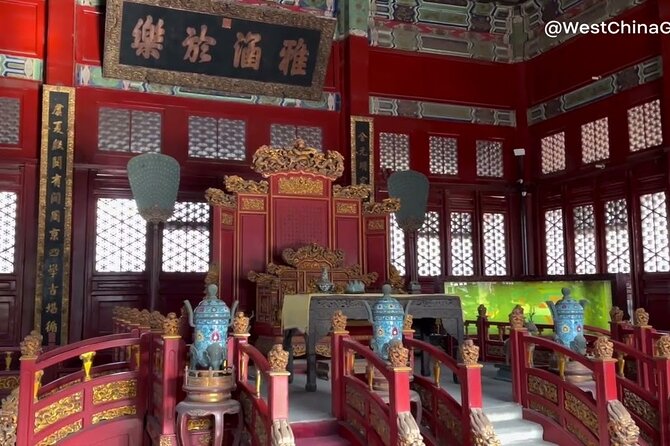
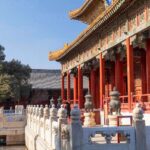
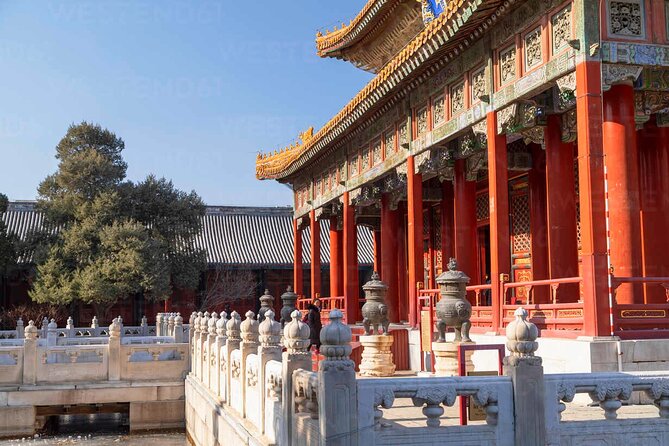
The Temple of Confucius in Beijing is considered the second largest of its kind in China, after the one in Confucius’ hometown of Qufu. That scale matters because it changes the feeling from a small stop into a place where you can actually wander and take in the craftsmanship.
The temple was originally built in 1302 for officials to honor Confucius and conduct sacrifices. Today, you’ll see statues and carvings that reflect that long ceremonial purpose. The standout feature, though, is what you find in the stone steles.
These hundreds of stone steles record the names of scholars who passed the Imperial Examination. That’s a big deal for how you experience the site. Instead of just admiring ornamentation, you’re confronted with something concrete: the exam system produced real outcomes, and those outcomes were kept permanently in stone. It’s not abstract. It’s names, written to last.
Practical tip: give yourself permission to slow down here. If you rush, steles become just tall slabs. If you take even a little time, you start to notice patterns—how the recording system worked, how the inscriptions are presented, and how visitors are meant to read and reflect.
Guozijian Museum: What the Imperial College Actually Was
Right next to the Confucius Temple sits Guozijian Museum. The original complex was constructed in 1306, when this area served as the imperial college across the Yuan, Ming, and Qing dynasties. Today, that same campus becomes a museum space made of multiple scholarly halls and stone steles.
If you’ve ever wondered how education could be both strict and formalized for centuries, Guozijian is where that idea becomes real. The museum showcases the educational system in imperial China, and the halls are laid out so you can follow the theme without feeling totally lost.
The vibe is different from the temple. The Temple of Confucius feels like a place of honoring. Guozijian feels like a place of systems: how learning was organized, how scholarship was evaluated, and how the exam ladder fit into official life.
I like this museum because it doesn’t rely only on big monuments. It leans into the structure of learning—how the state translated education into measurable achievement. Even if you don’t read every character, you can still understand the framework from the way the exhibits are arranged and explained.
Self-Guided Value: English Signage That Actually Helps
One of the best surprises here is how usable the English support is. I found the exhibits and English instructions helpful enough that you can navigate without feeling like you’re stuck in guesswork. You can spend a good chunk of time just reading and looking, and the information doesn’t feel hidden behind language barriers.
This matters because the topic is detail-heavy. The Imperial Examination and the educational system come with plenty of terms and structure. If your understanding is only partial, it’s easy to feel like you’re missing the point. The English signage helps you connect the dots so you don’t have to choose between convenience and learning.
Based on how people pace this site, plan on 2–3 hours if you enjoy reading. If you’re more of a scan-and-go person, you can do less, but you’ll likely leave wishing you had time for the stone inscriptions and the hall exhibits.
Guided Upgrade: When a Guide Is Worth the Extra Cost
The ticket option includes the entrance fee, and there’s also an optional upgrade for a guided tour. If you go with the upgrade, the value is simple: you’ll get the histories and stories behind what you’re looking at.
A guide helps most when you want to move beyond description into interpretation. For example, the stone steles are fascinating, but they’re even more satisfying when someone explains how the examination system worked and why those names mattered. A good guide also helps you understand what you’re seeing in the halls of Guozijian, so you don’t just read labels—you grasp the logic.
If you’re comfortable exploring by yourself and you enjoy quiet reading time, you don’t necessarily need the guide. If you prefer a faster, more narrative route, the upgrade is the smarter move.


Timing, Crowds, and How to Build the Day
This is a “short walk” kind of experience, which makes it easier to arrange with nearby sights. It’s also designed around prepaid entry, so you’re not waiting around while everyone scrambles at the door.
For timing, I suggest going earlier in your day if your schedule allows. Temple-and-museum areas can get busier, and the best experience here comes when you can take time with the steles and the exhibit explanations. If you hit it late, you can still enjoy it, but reading time may shrink.
Duration is listed as about 1 day (approx.), but that doesn’t mean you must rush. For most people, the actual on-site exploring time will depend on how much you read. If you plan around a half-day to three-quarter-day slot, you’re usually safe.
What This Tour Is Really Good For
This ticket is best for travelers who want culture that rewards attention. If you like places where you can connect physical objects to real systems—education, exams, institutions—this will feel satisfying.
It’s also a good fit if you:
- Want a low-cost, high-value cultural stop (entrance fee included at $8)
- Enjoy learning at your own pace with English support
- Like the idea of comparing sacred space (Confucius Temple) with civic structure (Guozijian)
- Prefer a private group experience, since only your group participates
If you’re the type who wants constant motion and quick photo stops, you might find this more “slow and meaningful” than “fast and flashy.” That’s not a problem, it’s just the style of the place.
Small Logistics Notes That Save Headaches
A few details can make the day smoother:
- Your tickets are sent 5 days before your travel date, so don’t wait until the last moment.
- It’s near public transportation, which helps if you’re combining it with other nearby stops.
- You’ll receive confirmation at booking, and the experience is set up as a private tour/activity for your group.
One extra caution from an entry issue people have run into: make sure you have access to your entry QR codes and that both codes (if provided for multiple people) are ready to show at the temple entrance. If something doesn’t work, having the provider’s contact info on hand is your backup plan.
Should You Book the Confucius Temple and Guozijian Entrance Ticket?
I’d book it if you want a straightforward, good-value way to see two major Beijing landmarks in one go. The English signage makes self-guiding genuinely workable, and the stone steles turn the visit from pretty to meaningful. At $8 with entrance included, it’s hard to argue against at least trying it, especially if you’re the type who likes reading and details.
Skip it (or consider the guided upgrade) only if you strongly prefer purely visual attractions and don’t want to spend time with exhibits and inscriptions. This place rewards calm attention.
FAQ
How much does the Confucius Temple and Guozijian Museum entrance ticket cost?
It costs $8.00 per person, and the entrance fee is included.
How long does the experience take?
The duration is approximately 1 day.
Is an English-speaking guide included?
An English speaking tour guide is included if you select the related option.
Where are these sites located?
They’re in Beijing, and the Temple of Confucius and Guozijian Museum are near the Lama Temple area and public transportation.
When will I receive my tickets?
Tickets are sent 5 days before your travel date.
How far in advance should I book?
On average, this is booked 15 days in advance.
Is this a private tour?
Yes. This is a private tour/activity, and only your group participates.
Is free cancellation available?
Yes. You can cancel up to 24 hours in advance for a full refund.
Is the experience suitable for most travelers?
Most travelers can participate.