REVIEW · BEIJING
Beijing Royal Banquet with Chinese culture prefermance
Book on GetYourGuide →Operated by cowbunny · Bookable on GetYourGuide
Royal banquets in Beijing feel surprisingly modern. This Royal Banquet experience happens at Yuxiandu, a royal-cuisine museum in Haidian with a big tasting space, a historical exhibition area, and a transparent, energy-saving central kitchen. It’s also the kind of meal that has drawn celebrities and politicians, so it has that real “this is an event” feeling.
What I like most is how it ties food to setting. I like the idea of starting in a cultural and historical exhibition space, then moving into the tasting experience area for the meal. And I really appreciate the mix of classic high-end ingredients and comfort foods on the same menu, from braised sea cucumber with fish maw to youtiao with milk.
One thing to consider: at $150 per person for 2.5 hours, this isn’t a quick, budget bite. Go in hungry, and be ready for a full sit-down meal experience rather than a casual snack stop.
In This Review
- Key highlights at a glance
- Before You Go: Haidian meeting point and arrival timing
- Yuxiandu’s royal-cuisine spaces: exhibition, tasting, and a transparent central kitchen
- How the 2.5-hour banquet actually plays out
- The menu: appetizer platter to roast duck and longevity noodles
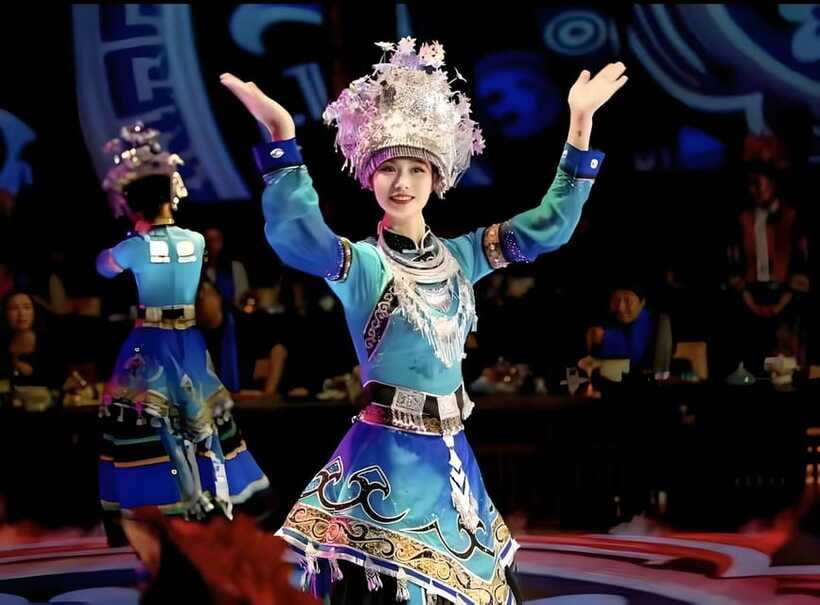
- Chinese cultural performances: why they fit the meal
- Price and value: is $150 per person worth it?
- Who this royal banquet suits best (and who might not enjoy it)
- Quick FAQ
- FAQ
- How much does the Beijing Royal Banquet cost?
- How long is the experience?
- Where do I meet for the tour?
- What languages are available with the host or greeter?
- What time should I arrive for lunch or dinner?
- What’s included in the package?
- Can I cancel and get a refund?
- Should you book Beijing Royal Banquet with Chinese culture performance?
Key highlights at a glance
- Skip-the-line separate entrance makes the start feel smooth
- Yuxiandu’s royal-cuisine museum blends history with a modern, green kitchen setup
- Royal-style performance keeps the evening from feeling like only food
- A show-and-taste menu runs from appetizer platters to longevity noodles
- Bilingual host or greeter (Chinese and English) helps you keep up during the experience
Before You Go: Haidian meeting point and arrival timing
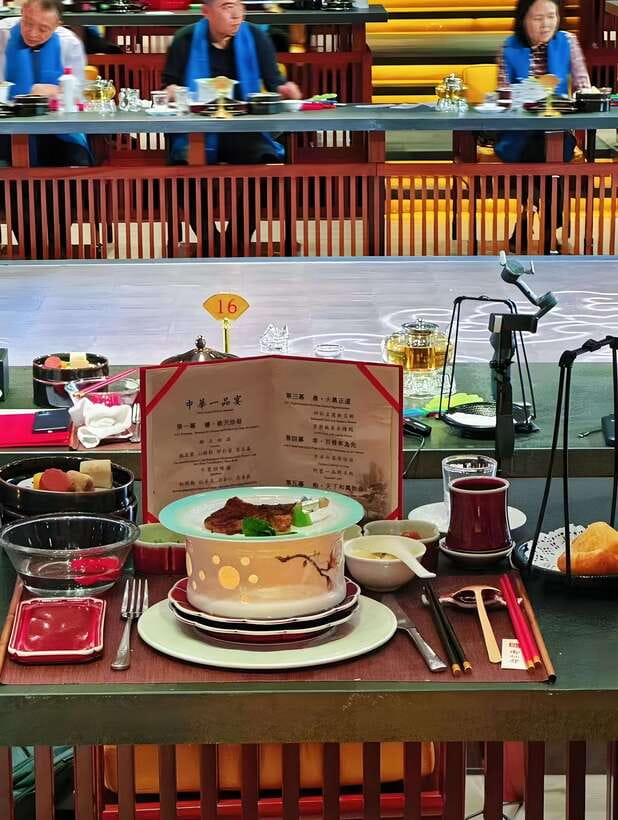
You’ll meet at No. 117, West Fourth Ring North Road, Haidian District, Beijing. Plan to arrive with margin, because the experience has set mealtime windows. For lunch, arrive before 11:15. For dinner, arrive before 18:15.
This is also one of those experiences where the details matter: you get skip-the-line access through a separate entrance, so you’ll want to be on time to take advantage of that. If you’re traveling around Beijing earlier that day, build in a buffer so you don’t feel rushed.
You can also read our reviews of more tours and experiences in Beijing.

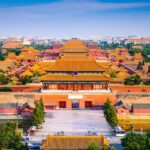
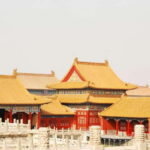
Yuxiandu’s royal-cuisine spaces: exhibition, tasting, and a transparent central kitchen
The setting is part of the value here, and it isn’t just for decoration. Yuxiandu includes a royal cuisine historical and cultural exhibition area of about 1,500 square meters, plus a royal cuisine tasting experience area of more than 10,000 square meters. That scale matters because it signals you’re not eating in a tiny dining room. You’re moving through a designed experience.
Then there’s the central kitchen: it’s described as transparent, green, environmentally friendly, and energy-saving. That’s practical, not just marketing. A transparent setup usually means you can better understand how food is handled and prepared. It also supports consistency, which is a big deal when a meal includes dishes that require careful timing and temperature control.
Even if you don’t read every detail in the exhibition space, the overall message is clear: this banquet is meant to feel like court-style dining, not just a restaurant meal.
How the 2.5-hour banquet actually plays out
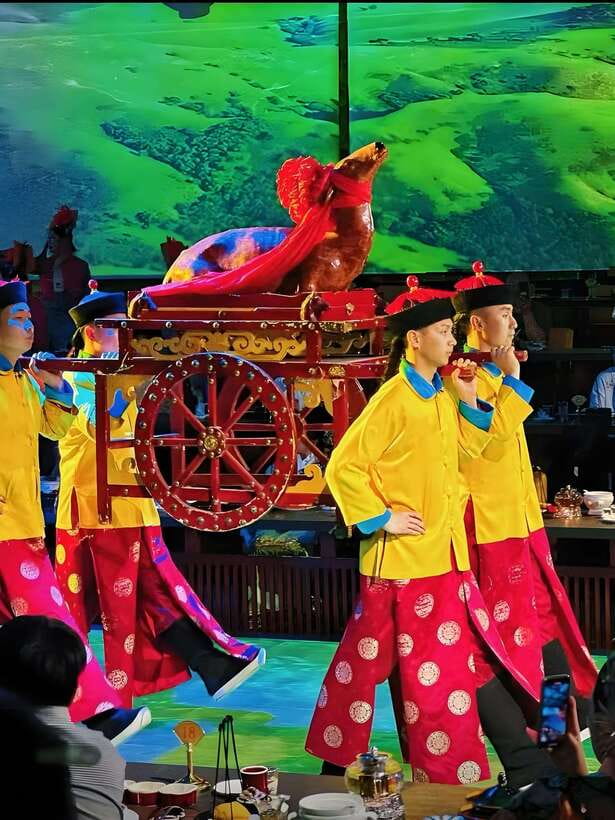
The experience is built around a tight time block: 2.5 hours. That’s long enough for a real progression—welcome, cultural element, then multiple courses—without turning into a marathon evening.
Here’s what you can expect from the flow based on what’s included and listed:
- You’ll enter using the separate entrance (your time stays your own).
- You’ll be hosted by a bilingual greeter (Chinese and English) who can help you navigate the experience.
- You’ll move through the museum-like setting designed for royal cuisine.
- You’ll enjoy a royal banquet meal with Chinese cultural performances as part of the experience.
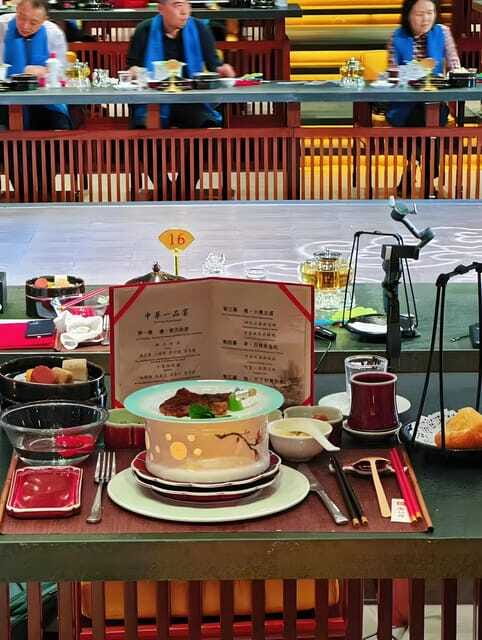
The menu is clearly staged like a tasting itinerary. You start with snack and appetizer elements, then move into main courses that mix premium braises, roasted meats, and warming soups. The ending leans into classics—noodles, youtiao with milk, and a sweet dairy finish.
The menu: appetizer platter to roast duck and longevity noodles
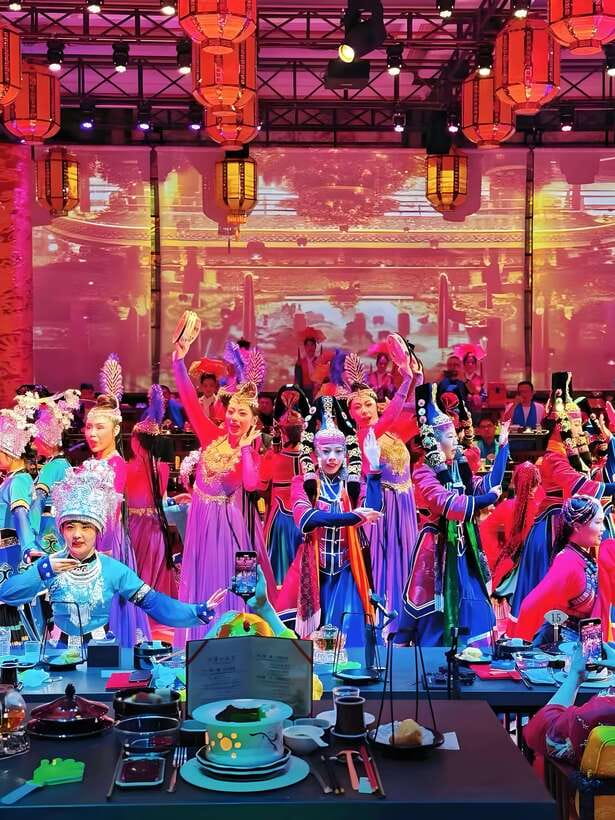
Let’s talk food, because this is a banquet, not a buffet.
Appetizer platter
You’ll begin with a small spread designed to open up the palate. This part matters because it sets the rhythm. It’s meant to get you ready for heavier flavors that show up later, especially the braised and roasted dishes.
Braised sea cucumber with fish maw (casserole)
This is one of the most luxury-leaning items on the list. Sea cucumber and fish maw have a reputation for being prized ingredients, and the casserole style suggests slow, careful cooking. If you’ve never tried this combo, consider it the “royal” moment of the meal—silky, gelatinous textures are often part of the appeal, even if the exact mouthfeel is up to the kitchen.
Marinated tofu and bamboo shoots
This course adds a grounded, savory balance. It also helps break up the richer flavors you’ll encounter next. Tofu and bamboo shoots usually bring a lighter chew and fresh bite compared with braised meats and seafood.
Roast duck with jujube wood
Wood choice is the story here. Jujube wood points to a specific smoking or roasting aroma. Roast duck is also the kind of dish people remember, because it has both texture (crisp skin) and depth from roasting. Even if you order duck in many cities, the wood-driven flavor is the hook.
Chinese cabbage in soup
A soup course is a smart pivot. Cabbage in soup is warming and can cleanse the palate between heavier items. It also makes the meal feel more complete, not just a lineup of rich dishes.
Roasted lamb
Then you get to another roasted meat. Lamb brings a different flavor profile than duck and often satisfies people who want something more hearty. This is the kind of course that makes a banquet feel like a full court-style spread.
Longevity noodles with poached eggs
This is the “finish with meaning” course. Longevity noodles signal tradition, and the poached eggs add a softer richness. It’s also a good bridge between savory courses and dessert-style sweetness.
Deep-fried dough sticks (youtiao) with milk
Yes, it sounds familiar, but it belongs here. Youtiao with milk is comfort food energy, especially after a string of mains. It’s a fun reminder that royal banquets aren’t only about rare ingredients—they also include everyday favorites elevated in presentation.
Yoghurt filled with honey
The final sweet note lands with dairy and honey. It’s gentle enough to wrap up the meal without turning it into a sugar overload, and it gives you a clear ending point to the banquet.
If you’re the type who likes to pace yourself, you can treat each course like a stop: cleanse, contrast, then enjoy.
Chinese cultural performances: why they fit the meal
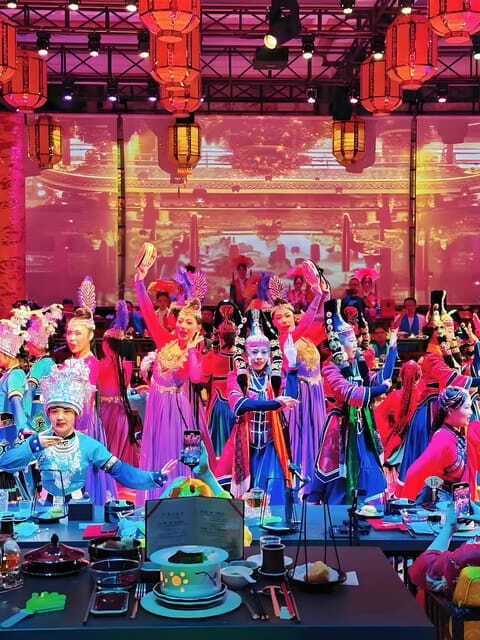
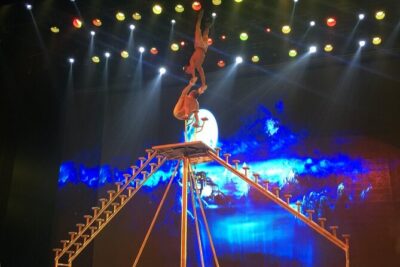
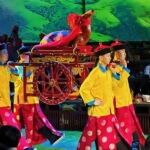
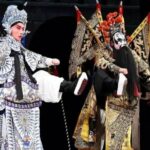
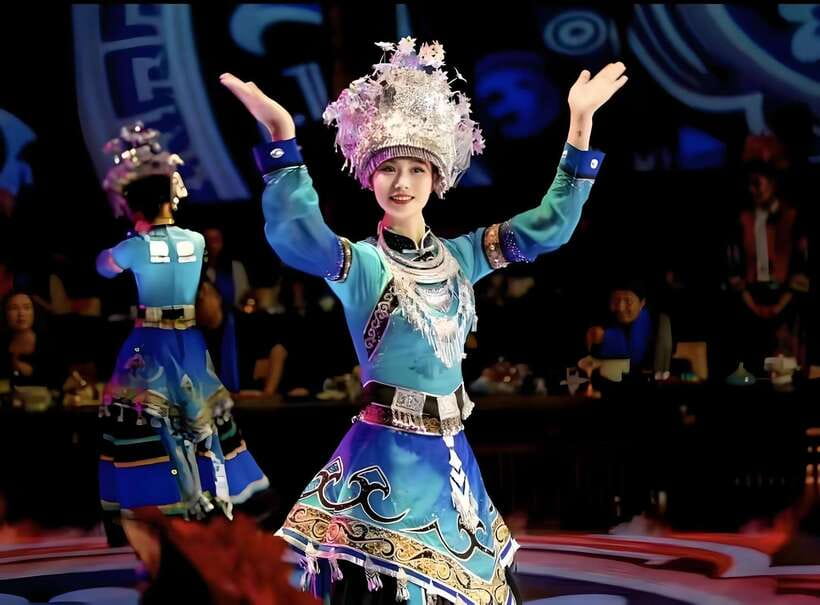
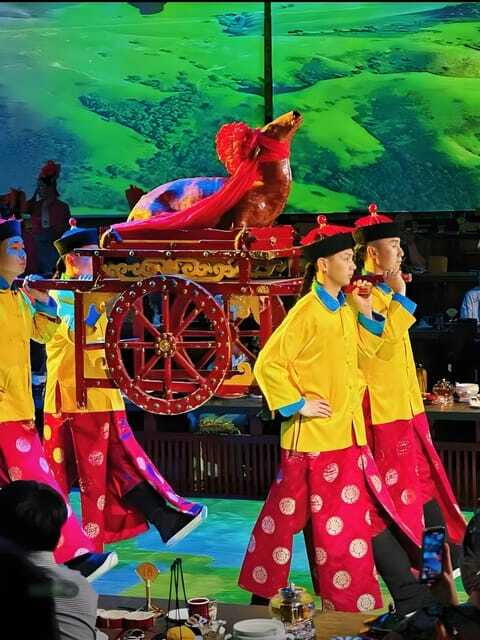
You’re promised Chinese cultural performances, and that’s a key part of the value. In experiences like this, the performances aren’t just background noise. They give the meal context. Court-style cuisine has a performance-and-ritual feel to it, so the show helps the food land as a cultural event, not only a dining transaction.
The practical upside: having entertainment integrated into the 2.5-hour block can reduce the pressure of “what do I do between courses?” You’re not stuck scrolling on your phone while waiting. You can sit, watch, and eat at a steady pace.
Just be ready to stay with the rhythm of the night. If you prefer quick in-and-out meals, this format may feel slower than you’re used to.
Price and value: is $150 per person worth it?
Let’s be honest: $150 per person isn’t the price of street food or a casual dinner. But this isn’t a casual dinner. You’re paying for a package that combines:
- A royal banquet meal with multiple courses
- Chinese cultural performances
- A museum-style setting with both exhibition and large tasting areas
- Skip-the-line entry through a separate entrance
- A bilingual host or greeter (Chinese and English)
You can think of it as paying for three things at once: the food, the presentation environment, and the guided experience. If you love food culture and want something that feels designed for visitors (not just locals ordering off a menu), the price can make sense.
If you’re mainly hunting for budget eats, you’ll likely feel sticker shock. But if you want a single night in Beijing that feels curated around a theme, this is the kind of splurge that can pay off in memories.
Who this royal banquet suits best (and who might not enjoy it)
This experience is a strong match if you:
- Want a structured cultural food event rather than roaming a neighborhood with a plan
- Like trying classic, traditional ingredients in a single sitting
- Appreciate being hosted and guided in Chinese and English
- Prefer experiences that feel polished, with skip-the-line convenience
It may be less ideal if you:
- Don’t like long multi-course meals
- Prefer to explore Beijing independently with minimal set programming
- Are sensitive to rich, heavy courses. This banquet includes braised and roasted items, plus a few comfort classics.
A useful mindset: treat it like a show you can eat, with food as the main character.
Quick FAQ
FAQ
How much does the Beijing Royal Banquet cost?
The price is listed as $150 per person.
How long is the experience?
The duration is 2.5 hours.
Where do I meet for the tour?
The meeting point is No. 117, West Fourth Ring North Road, Haidian District, Beijing, China.
What languages are available with the host or greeter?
The host or greeter supports Chinese and English.
What time should I arrive for lunch or dinner?
Arrive before 11:15 for lunch, and before 18:15 for dinner.
What’s included in the package?
The included item is the Royal banquet experience.
Can I cancel and get a refund?
Yes. You can cancel up to 24 hours in advance for a full refund.
Should you book Beijing Royal Banquet with Chinese culture performance?
If you want one Beijing night that mixes palace-style food, a museum-like cultural setup, and Chinese cultural performances, this is a compelling choice. I’d book it if you like the idea of tasting a full menu rather than picking a couple dishes and calling it a day.
I’d skip it if $150 feels too steep for your style, or if you prefer flexible, spontaneous meals. For everyone else, it’s the kind of experience where the setting, the courses, and the show all point in the same direction: royal cuisine as a complete event.