REVIEW · BEIJING
Beijing Forbidden City Ancient Ruins Ticket Pass
Book on Viator →Operated by 北京周游研学旅行社有限公司 · Bookable on Viator
This ticket saves real time. With a mobile ticket and the option to tie your visit to private English guidance for certain picks, it’s a smart way to build your own Beijing day without hand-holding. I also like the free PDF tips you get before you arrive, because it helps you understand what you’re looking at instead of just walking around. One thing to watch: entry to big-name sites like the Forbidden City depends on correct prebooking details, and there’s at least one reported case where people were turned away.
You can choose from several major stops across central Beijing, plus the classic Great Wall at Mutianyu. The value is real at around $5 per person, but the product doesn’t cover transportation or a full guided package, so you still need to plan how you’ll get between places.
In This Review
- Key things to know before you book
- A $5 Beijing ticket that lets you choose your landmarks
- Mobile entry in China: fast when your details are correct
- The free PDF tips: how they actually improve your visit
- Jingshan Park: the short stroll with a “before you enter” payoff
- Mutianyu Great Wall: best-preserved walls, but plan around missing add-ons
- Forbidden City Palace Museum: where reservation rules can make or break entry
- Temple of Heaven plus Summer Palace and Beihai: build your calm Beijing route
- National Museum of China: a strong choice when you want context
- Price and value: when this ticket really makes sense
- Should you book the Beijing Forbidden City Ancient Ruins ticket pass?
- FAQ
- What do I need to enter the sites?
- What is included in the ticket price?
- Does the Mutianyu option include cable car or toboggan rides?
- Is transportation included from the station or airport?
- How far in advance do I need to reserve the Forbidden City or National Museum?
- What info do I need to prebook the tickets?
Key things to know before you book

- Mobile ticket entry: you swipe or show your passport to staff at the gate.
- Free ePDF prep: you receive multiple Beijing and China history PDFs before arrival.
- Pick-your-site flexibility: one ticket product with different options for different landmarks.
- Mutianyu limits: the Mutianyu option covers entrance and shuttle back and forth, not cable car or toboggan.
- Reservation timing matters: Forbidden City and National Museum require advance reservation, and peak season needs prebooking with passport details.
- No transport included: you’re near public transit, but pick-up, car rental, and guide time are not included for the separate ticket options.
A $5 Beijing ticket that lets you choose your landmarks
At about $5 per person, this is the kind of ticket that’s mostly about access and convenience, not luxury. Instead of forcing a rigid tour schedule, you select which place you want through the product options. That matters in Beijing, where your best experience often comes down to pacing, weather, and when you want to be where.
I like that the product gives you a way to visit multiple top sights without paying a full guided-tour price. You also get a bundle of prep materials ahead of time, so you can arrive already knowing a few key names and concepts instead of guessing.
The trade-off is you’re still responsible for your travel flow. The ticket price covers entry fees (for the chosen option) and the PDF tips, but not the “getting around” part. If you want someone to drive, pick you up, and handle everything, this isn’t built for that.
You can also read our reviews of more tours and experiences in Beijing
Mobile entry in China: fast when your details are correct
This is a mobile ticket experience. When you arrive, you’ll either swipe the ticket or show your passport to the staff for entry. That sounds simple, and it is, as long as your prebooking information lines up with your passport.
Here’s the consideration I want you to take seriously: for peak periods, you must provide first name, last name, and passport number so tickets can be prebooked. The guidance also warns that if your Forbidden City reservation is made too close to the date, additional fees may apply for a tour guide component.
One reported problem in the available feedback involved being denied entry at the Forbidden City entrance after purchasing to enter independently. I can’t guarantee anything for your specific booking, but it’s a good reminder: double-check your option type, your reservation timing, and your passport data before you head to the gate.
The free PDF tips: how they actually improve your visit

The biggest “value add” isn’t the ticket itself. It’s the free ePDF tips you receive online in advance. You get a City-walk guide, shopping suggestions, modern Beijing pointers, and special food ideas. There’s also an intro to Chinese history, aimed at helping you connect the sites to the bigger story.
This matters because Beijing’s landmarks are layered. Without a little context, it’s easy to see buildings and call it done. With the prep PDFs, you’re more likely to notice why a hall is where it is, what a park’s design is trying to say, or how an imperial site fits into Chinese history.
I also like that the PDFs are meant to help you plan around real interests: where to walk, what to eat, and where modern Beijing fits in. So even if you’re doing classic sites, you can still leave room for the places that feel current and human, not just ceremonial.
Jingshan Park: the short stroll with a “before you enter” payoff
Jingshan Park is right in the central Beijing orbit, and it’s a useful warm-up stop before you tackle the imperial complexes. It’s historically tied to the Ming and Qing dynasties as an imperial garden, and it’s known for a hill built using earth from the Forbidden City construction. That alone gives you a neat mental link: you’re standing on terrain that came from building the palace area.
The park is also about views. Even if you don’t spend hours here, climbing to vantage points helps you get oriented. You’ll likely feel the scale of the palace area faster after seeing the skyline and rooflines from above.
The only “drawback” is time. If you’re tight on daylight or you’re determined to rush, Jingshan can become a quick stop instead of a helpful one. I’d treat it as a grounding moment, not just a checkbox, because that viewpoint changes how you read what comes next.
Mutianyu Great Wall: best-preserved walls, but plan around missing add-ons

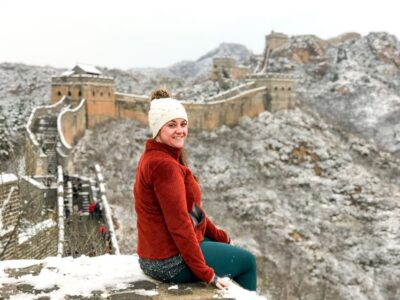
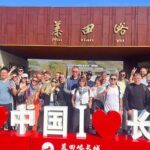
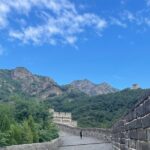
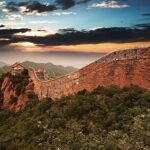
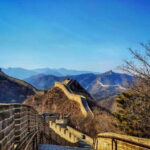
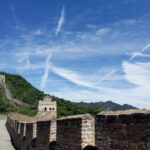
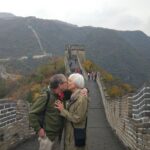
If you choose the Mutianyu option, you’re going to one of the most scenic Great Wall sections. It’s described as best-preserved and set about 70 km to the northeast of Beijing, with dense watchtowers and a notable setup often described as three-watchtowers-in-one. There’s also a cable-car/chairlift route up, and a toboggan-style descent is commonly used there.
Now the important part: for this product, Mutianyu covers entrance fees and a shuttle bus back and forth. It specifically notes that the cable car/rope way and toboggan run are not included, so you need to decide in advance whether you’ll buy those separately.
Value-wise, that’s not a deal-breaker. Many people actually like mixing modes—walk a stretch, take transport for the steep parts, then walk again. But you should budget time and money if you want the fun rides. If you’re expecting the ticket to cover everything on the wall, you’ll be surprised.
A smart way to use this option is to plan for a comfortable visit length, then choose your effort level. If you want maximum views with less stair fatigue, you’ll likely spend on transport. If you want the full walking experience, you can skip the add-ons and use your legs.
You can also read our reviews of more city tours in Beijing
Forbidden City Palace Museum: where reservation rules can make or break entry
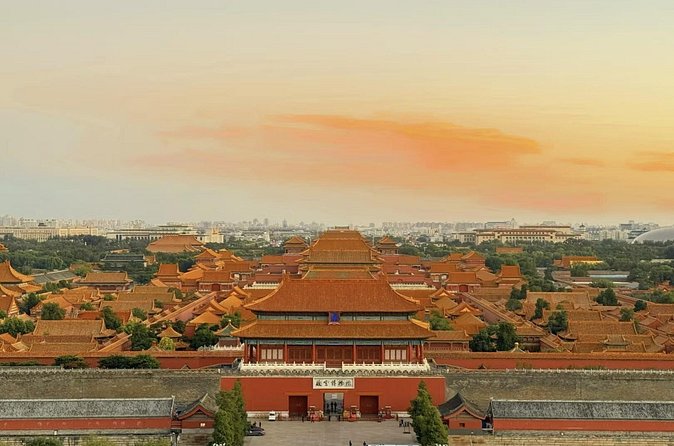
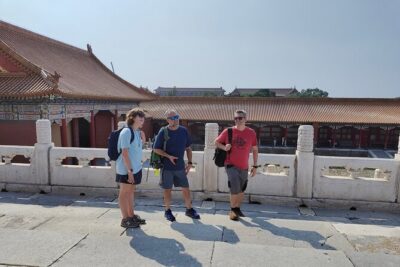
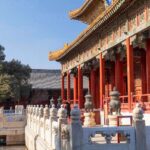
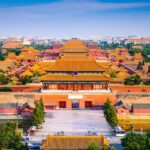
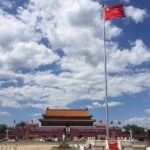
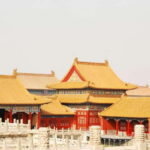
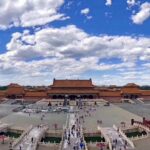
This is the centerpiece choice. The Forbidden City is described as the world’s largest imperial palace complex, with hundreds of buildings and a long run as the seat of power during the Ming and Qing dynasties. You’re looking at a dense mix of architecture, court space, and preserved treasures.
If you pick the Forbidden City option tied to the service, there’s a path that can include an optional private English tour-guide. That guidance can help you understand what you’re seeing and also assist with logistics like taking taxi or Didi for transportation, with the fee paid by you.
Here’s the reality check: this category is also where the reservation requirements are strict. The information says you should reserve at least seven days in advance. If your reservation is within seven days, additional tour guide fees may apply. The product also requires passport details to prebook tickets in peak season.
And remember that reported entry issue: if your reservation details or the option type doesn’t match what staff expect at the gate, you can end up blocked. The safest approach is boring but effective: submit your passport info on time, reserve early, and re-confirm what your option includes.
On-site, plan for a realistic pacing strategy. The Forbidden City is big. Even with context, you’ll enjoy it more if you focus on fewer areas deeply rather than sprinting everywhere.
Temple of Heaven plus Summer Palace and Beihai: build your calm Beijing route
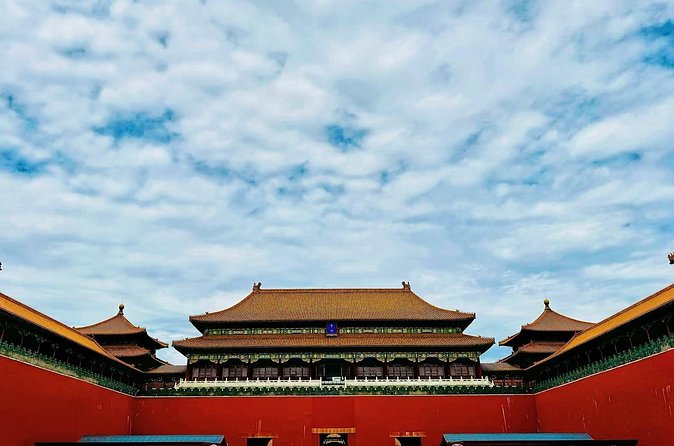
These three stops work beautifully as a “take a breath” circuit after the heavy imperial drama of the palace complex.
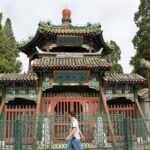
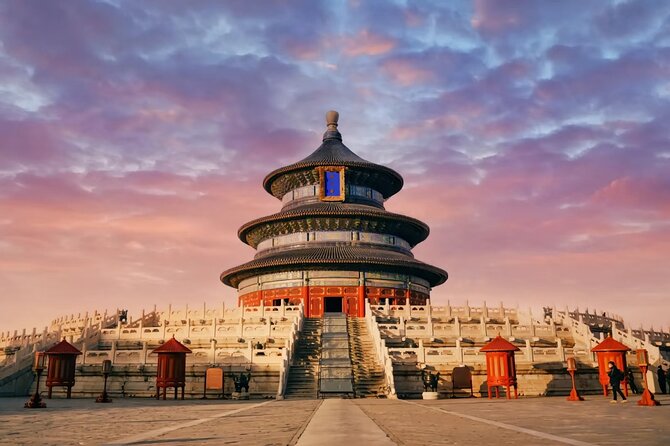
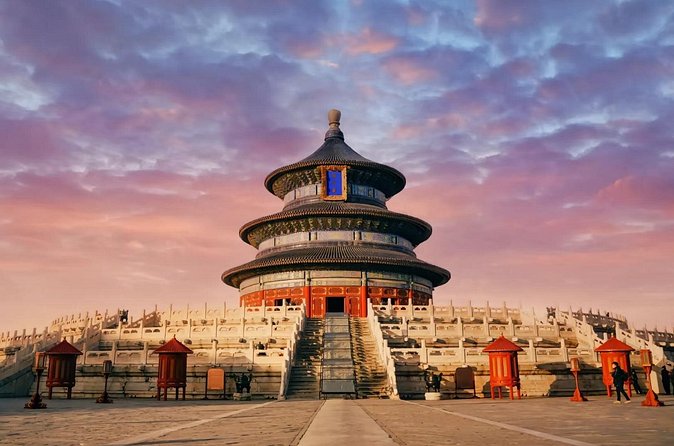
Temple of Heaven is a UNESCO site connected to sacrificial rituals by Ming emperors. The star attraction is the Hall of Prayer for Good Harvests, and you’ll also find the Echo Wall, which is famous for how sound behaves in that space. The grounds cover a large area, and the park-like calm can be a nice change of pace when crowds are intense.
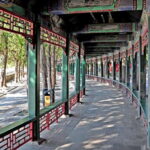
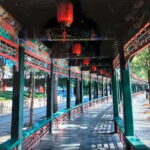
Summer Palace (Yiheyuan) adds water and gardens to the story. It’s an imperial garden setting built in the 1700s and rebuilt later, centered around Kunming Lake and Longevity Hill. Key highlights mentioned include the Marble Boat and the Long Corridor, plus the Seventeen-Arch Bridge. This is the kind of place where design and nature blend, so it tends to reward slow walking.
Beihai Park (Beihai Gongyuan) is another imperial garden experience, known for the White Dagoba, the Nine-Dragon Wall, and a Jade Flowery Islet. It’s former royal retreat space now open as a public park, which often makes it feel easier to enjoy without feeling like you’re “stuck” in history only.
The potential drawback is crowd management and transit. You’ll want to group these stops by geography and time of day. If you stack all three tightly, your legs may be done before your interest is. If you stack two, you’ll likely have more energy for the details you actually came for.
National Museum of China: a strong choice when you want context
The National Museum of China is an important cultural stop, especially if you want the story behind the visuals. The information describes its background through earlier history museum work, plus a 2003 establishment through a merger. That framing signals something useful: this isn’t only about one exhibit style. It’s about a bigger narrative of Chinese history and identity.
You might find this museum pairs well with your other palace and park visits. While the Forbidden City and Temple of Heaven show power and ritual in physical form, a museum helps you connect the themes to timelines and themes more directly.
The key caution is reservation timing. The information says you should reserve at least seven days in advance for tickets. If you book within seven days, additional tour guide fees may apply.
Also, this is one of the places where you might choose a date based on weather. If the day is too hot or too rainy for a long outdoor wall walk, you’ll likely appreciate an indoor option.
Price and value: when this ticket really makes sense
Let’s talk value in plain terms. At around $5 per person, you’re mainly paying for entry access to a chosen set of landmarks plus the free PDF materials. You’re not paying for transportation, pick-up/drop-off, car rental, or a full-time guide included in the separate ticket price.
That makes it a great fit if:
- you already enjoy planning and want flexibility,
- you can navigate Beijing using public transit or taxi when needed,
- you like “prep before you go” so the sights mean more.
It’s not ideal if:
- you want a complete guided itinerary with transportation handled,
- you’re trying to do everything without any planning,
- you’re expecting cable cars, toboggans, and shuttle extras to be included for the Great Wall.
Also, the product emphasizes safety and support, including 7×24 online service and an instruction to make an online group. That’s reassuring, but it still doesn’t replace your need for smart scheduling.
Should you book the Beijing Forbidden City Ancient Ruins ticket pass?
I’d book it if you want a flexible, low-cost entry route and you’re willing to do two things well: provide your passport details on time and reserve key sites early. If you do that, the free PDFs can make your whole trip feel more connected, not just a series of photos.
I’d think twice if you hate reservation rules or if you’re booking very close to your visit date. This product is clear that Forbidden City and National Museum reservations have timing requirements, and there’s evidence that mismatched access can lead to a bad day at the gate. In other words: treat the paperwork as part of the experience.
If you’re the type who likes to move at your own pace, this ticket can be a smart backbone for a classic Beijing itinerary.
FAQ
What do I need to enter the sites?
You can use the mobile ticket by swiping or showing your passport to the staff at the entrance.
What is included in the ticket price?
The ticket includes the ticket fee for your selected option and useful ePDF tips to help you learn about Beijing before you arrive.
Does the Mutianyu option include cable car or toboggan rides?
No. For the Mutianyu option, the price includes entrance fees and shuttle bus back and forth, but cable car/rope way and toboggan run are not included.
Is transportation included from the station or airport?
No pick-up and no transportation are included. There is no car rental and no pick-up/drop-off from station or airport with this product.
How far in advance do I need to reserve the Forbidden City or National Museum?
The information says to reserve at least seven days in advance for both the Forbidden City and the National Museum of China.
What info do I need to prebook the tickets?
You need to provide the group’s first name, last name, and passport number so the tickets can be prebooked, especially during peak season.