REVIEW · BEIJING
Beijing Forbidden City Tour With Entry Tickets
Book on Viator →Operated by Discover Beijing's Treasures with Alex Zhang · Bookable on Viator
The Forbidden City makes more sense with a guide. This tour is built for fast orientation in Beijing’s most famous palace complex, with an English-speaking guide unpacking Ming and Qing history and the 24 emperors who ruled from inside these walls. I like that the admission ticket is handled for you, and I also like the way the guide ties stories like Puyi and Reginald Fleming Johnston to what you’re actually seeing.
One thing to consider: if you book less than 7 days before a visit during peak season, you might need to queue with your passport to get your tickets on the day of the tour.
You meet at Donghuamen Subdistrict and finish at the North gate area, with extra ideas from your guide for what to do next, like JingShan Park behind the Forbidden City.
In This Review
- Key things that make this Forbidden City tour practical
- Why a guided Forbidden City visit saves you real time
- The 4-hour flow: what you can realistically see
- Stop 1: Palace Museum entry and the stories that bring it alive
- How your guide turns architecture into meaning
- The emperors talk: why it’s not just names and dates
- Ending near the North gate: what to do right after your tour
- Price and value: is $36 with tickets a fair deal?
- Where you meet and where you finish (and why it helps)
- What the guide experience feels like in practice
- Best for you if you like order, stories, and a short route
- Practical tips to make the most of your 4-hour window
- Should you book this Forbidden City tour?
- FAQ
- Is the Forbidden City–Palace Museum admission included?
- How long is the tour?
- Does the tour include an English-speaking guide?
- How does the mobile ticket work?
- What if I book less than 7 days in advance during peak season?
- Where do I meet, and where does the tour end?
- How big is the group?
- What will the guide recommend after the tour?
- Can I cancel if my plans change?
Key things that make this Forbidden City tour practical
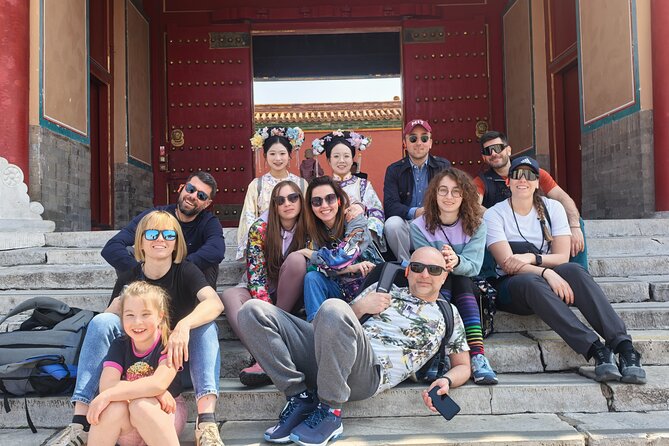
- English-speaking guide that explains what you’re looking at, not just facts on a page
- Admission ticket included so you start sightseeing instead of ticket-hunting
- Mobile ticket support, with clear backup info if you’re visiting in busy periods
- Small group size (max 20) which keeps questions from getting lost
- Finish near the North gate, with guidance for JingShan Park or Tiananmen Square
Why a guided Forbidden City visit saves you real time
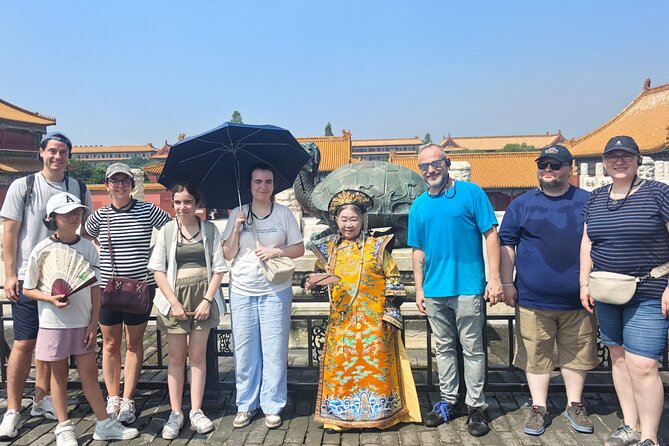
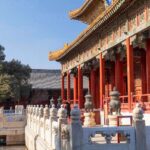
The Forbidden City is huge, and it has a lot of rules written into the architecture. Without help, it’s easy to walk past the meaning and only notice the size. With a guide, you get a map for the place in your head: where power sat, how space was organized, and why certain areas mattered.
I especially like tours that give you context while you walk. You’ll be hearing about construction and historical background, but also about the emperors and the personal stories tied to the complex. That turns marble and timber into a story you can follow.
A good sign here: the guides named in feedback include Alex, Jessica, and Dan, and the tone of the comments is consistent—clear communication, staying aware of time, and keeping things organized even during crowds. You’re not just buying entry; you’re buying a smoother visit.
You can also read our reviews of more tours and experiences in Beijing
The 4-hour flow: what you can realistically see
This is listed at about 4 hours, and the main museum time is set at around 3 hours 30 minutes with admission included. That schedule works best if you want a solid overview rather than trying to tick off every corner like a checklist.
You’ll start from the Donghuamen Subdistrict meeting area in Dongcheng and finish at the North gate area of the Forbidden City (the tour ends there). That ending matters because it naturally sets you up to continue on foot or by nearby transit.
One practical point: the pace should feel doable for most people, since the tour is built around one core stop and then a handoff to where to go next. If you’re the type who loves slow museum wandering for hours, you might still want extra time after this tour, but for many travelers, 4 hours is the sweet spot.
Stop 1: Palace Museum entry and the stories that bring it alive
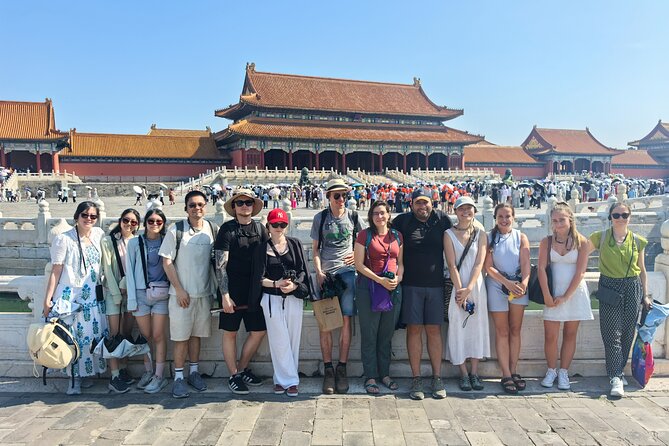
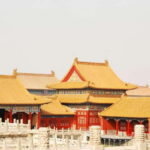
Your tour time centers on the Forbidden City–the Palace Museum. You’ll get an English explanation that covers construction history and how the Palace Museum became what it is today.
This is where the personal stories are a major part of the value. The guide’s talk includes tales connected to Puyi, the last emperor of China, plus the story of Reginald Fleming Johnston, a Scotsman who lived in the Forbidden City. Those aren’t random trivia; they help explain how the complex changed after the Qing Dynasty ended and how the site opened to the public.
I like that the tour also includes a long view of imperial life: you hear about the 24 emperors connected to the Ming and Qing dynasties. When you learn even a small amount about who lived where, you stop treating rooms and courtyards like generic sets and start seeing them as stages with specific roles.
There’s also a nice timing angle. The Palace Museum is marking its centenary from its establishment in 1925 to 2025, and this tour points you toward that anniversary feeling rather than letting the visit pass as just another sightseeing stop.
How your guide turns architecture into meaning
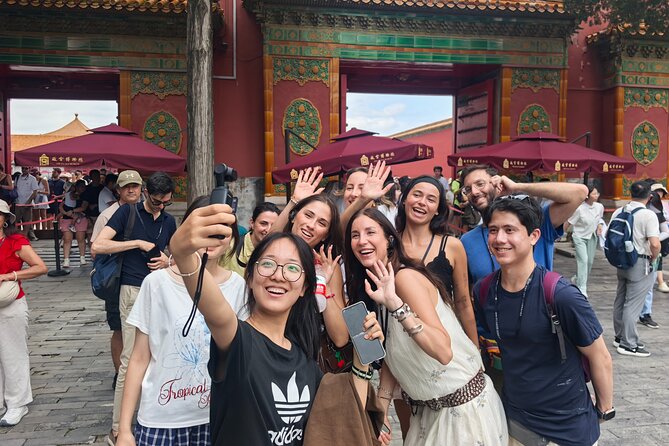
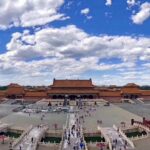
The Forbidden City is not one building. It’s a system: gates, halls, courtyards, and ceremonial routes, all designed to control movement and signal status.
A good guide helps you notice patterns fast. You’ll be getting explanations that connect history, culture, and symbolism to the layout as you go. That matters because the complex is visually impressive, but it can still be confusing if you only have signs in English and your own guesswork.
From feedback themes, the guide experience is strongly focused on clarity and communication. People highlight that guides were helpful and efficient, with time-conscious pacing that keeps you from getting stuck waiting while the group lags behind.
If you like history that feels attached to real locations, this is a strong match. If you prefer a silent museum experience, you might find narration a bit active, but the tour is designed for a balanced mix of walking and explanation rather than nonstop talking.
The emperors talk: why it’s not just names and dates
The mention of 24 emperors might sound like a lot, but in a short tour window, the goal is usually understanding, not memorization. A good Forbidden City guide uses the emperor stories to point out what the space is trying to communicate.
Think of it like this: emperors weren’t only rulers. They were the reason the complex was arranged how it was. Learning that the site hosted lives across the Ming and Qing eras helps you interpret why certain ceremonial spaces look the way they do, and why the palace layout feels formal and controlled.
The Puyi thread is especially useful because it gives the ending of an era emotional weight. Then Johnston gives you a different angle: how foreigners encountered the site and how the Palace Museum era relates to the earlier imperial world.
Even if you only catch a few story beats, they give your brain hooks. Those hooks make it easier to remember what you saw, and easier to return later and feel like you’re reading the buildings.
You can also read our reviews of more city tours in Beijing
Ending near the North gate: what to do right after your tour
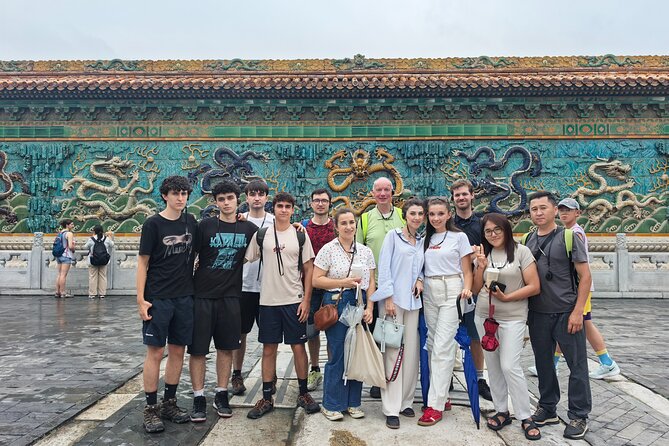
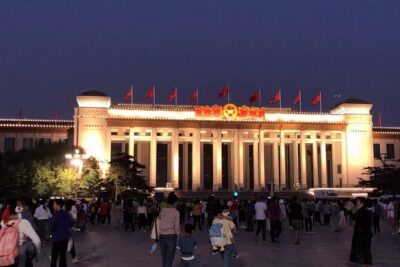
This tour doesn’t trap you inside one exit-only experience. Before the end, your guide gives suggestions for what you want next, including two popular follow-ups: JingShan Park behind the Forbidden City, and the way to Tiananmen Square.
JingShan Park is a standout recommendation because you can climb to the top of the hill for panoramic views over the Forbidden City and older parts of Beijing. That kind of viewpoint is the perfect way to reset your brain after hours of close-up corridors and halls.
Tiananmen Square guidance also makes sense. Finishing near the North gate gives you a head start toward the next major city landmark sequence. You’re not starting from scratch with directions and planning right after the tour.
If you’re building your own day route in Beijing, this is a small detail that saves time. A guide’s suggestion can steer you toward the view you’ll actually remember rather than the one that looks good on a map but doesn’t fit your energy level.
Price and value: is $36 with tickets a fair deal?
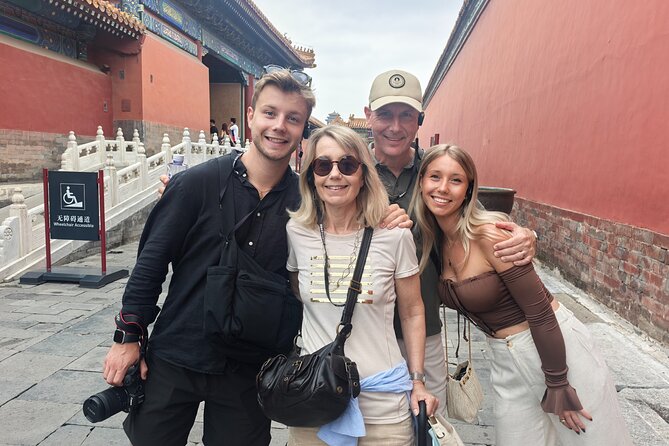
At $36 per person for an approximately 4-hour guided visit with admission tickets included, the value is strongest for three reasons.
First, you’re paying for guided interpretation. You’re not just buying a seat near the entrance; you’re paying for a structure that makes the complex easier to understand while you’re in it.
Second, admission handling matters. The tour includes tickets, so you’re less likely to lose your morning (or your afternoon) dealing with queues. That turns into real value if you have limited time in Beijing.
Third, small group size helps keep the experience moving. With a maximum of 20 travelers, you generally get better communication and fewer bottlenecks than large mass tours.
One more caution: during peak season, if you book under 7 days in advance, you may need to wait in line with your passport to get tickets on the day. That doesn’t erase the value, but it can affect your stress level and timing. If you’re flexible, booking earlier is the simplest fix.
Where you meet and where you finish (and why it helps)
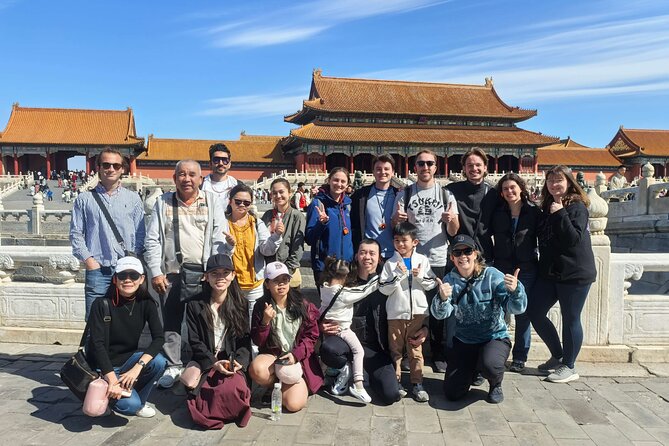
Meeting is at Donghuamen Subdistrict, Dongcheng, Beijing (100006). The tour ends at the North gate area of the Forbidden City (noted as Gate of Divine Prowess coordinates, 100006 on the listing information).
That end point is useful. If you’re aiming to continue to nearby sights, you’ll likely find the route more direct than if you were dumped back by a random entrance. It also means you can shape the rest of your day around the north side ideas your guide shares.
Also, the tour is listed as near public transportation. That’s a practical advantage because Beijing can eat time if your trip timing forces you into long transit transfers.
What the guide experience feels like in practice
Feedback patterns point to guides who manage pacing and keep communication clear. People specifically call out time-conscious guiding and strong English communication, including mentions of Dan and Alex.
This matters because the Forbidden City is not a calm stroll. If your guide is good at maintaining flow, you spend more time seeing and less time waiting in crowd pressure. And because the guide explains symbolism and architecture as you walk, the group tends to move with a purpose rather than drifting from photo to photo.
Service animals are allowed, and the experience is open to most travelers. It’s also capped at 20, which usually means you won’t feel like you’re inside a moving crowd wall of bodies.
If you’re someone who wants structure but still enjoys freedom, this fits well. The guided part is the core, and then you get a couple of targeted next steps for after.
Best for you if you like order, stories, and a short route
This is a strong pick if:
- You want a guided overview in a limited time window
- You like learning how architecture connects to politics, culture, and symbolism
- You prefer having tickets handled so your day doesn’t get hijacked by logistics
- You want a clear handoff after the tour to JingShan Park or Tiananmen Square
It may be less ideal if you:
- Want to spend most of the day inside the Palace Museum browsing at your own pace
- Plan to linger in one hall for a long time and feel irritated by group timing
- Are very sensitive to crowd movement at major entrances (the Forbidden City always draws big numbers)
Practical tips to make the most of your 4-hour window
Even with a great guide, your choices shape your experience. Since the main museum time is around 3.5 hours, pick what matters most to you before you arrive: emperors and stories, construction history, or specific visual areas.
Wear shoes you can walk in for a few hours. The Forbidden City rewards steady movement more than stopping every two minutes for photos.
Bring a simple plan for after the tour. If JingShan Park is on your list, aim to go soon after you exit while you still have the site “in your head.” If Tiananmen Square is your next stop, ask your guide for the cleanest route that matches your end-of-tour direction.
Also, if you’re traveling during peak season, consider booking early enough to reduce the chance of lining up with your passport. Waiting is doable, but it’s a avoidable stress when you’re on a tight schedule.
Should you book this Forbidden City tour?
If you want the Forbidden City to feel understandable rather than overwhelming, I think this tour is a smart booking. For $36, you get a structured overview in about 4 hours, plus admission tickets, plus an English-speaking guide who connects major emperor-era stories to what you see on the ground.
Book it if:
- You have a short Beijing window and want the best use of it
- You value clear explanations and efficient pacing
- You like the idea of finishing near the North gate with next-step suggestions
Skip it or consider another option if:
- You’re planning a longer Palace Museum day and want unstructured time
- You hate any possibility of waiting during peak season, especially if you’re booking close to your visit date
FAQ
Is the Forbidden City–Palace Museum admission included?
Yes. The tour package includes admission tickets.
How long is the tour?
The tour is listed at about 4 hours, with roughly 3 hours 30 minutes of time for the Palace Museum portion.
Does the tour include an English-speaking guide?
Yes. The tour is described as having an English-speaking tour guide.
How does the mobile ticket work?
The experience is listed with mobile ticket support, and you’ll receive confirmation at booking time.
What if I book less than 7 days in advance during peak season?
During peak season, if you book less than 7 days in advance, you may need to wait in line on the day of the tour with your passport to get tickets.
Where do I meet, and where does the tour end?
You start at Donghuamen Subdistrict, Dongcheng, Beijing 100006, and the tour ends at the North gate area of the Forbidden City (Gate of Divine Prowess area coordinates are listed).
How big is the group?
The maximum group size is 20 travelers.
What will the guide recommend after the tour?
Before the end, your guide provides information and suggestions, such as visiting JingShan Park behind the Forbidden City for panoramic views, or going toward Tiananmen Square.
Can I cancel if my plans change?
Free cancellation is available. You can cancel up to 24 hours in advance for a full refund, and cutoff times follow the local time of the experience.