REVIEW · BEIJING
Beijing Old Hutongs Tour by Rickshaw
Book on Viator →Operated by Hantang International Travel Service · Bookable on Viator
Old Beijing feels close on a rickshaw. I like the slow weave through real hutongs on a traditional pedicab, and I also like the chance to meet a family and sip Chinese tea in a local tea house. The one thing to watch is that some time gets spent in sales stops, so you’ll want to keep your focus on experiences, not bargain hunting.
You’ll start with the Drum/Bell Tower area, get admission to the sights, then head into the maze-like alleys where daily life still happens. Hotel pickup and drop-off (within a defined zone) makes this much less stressful than trying to piece it together solo, especially if it’s your first day in Beijing.
For a lot of people, the biggest plus is the pacing: a short, guided taste of older neighborhoods without the all-day commitment. Just don’t expect every stop to feel equally “local,” because the tour includes experiences in places that also sell things.
In This Review
- Key things to know before you go
- Rickshaw Through Beijing Hutongs: What You’ll Actually Experience
- Drum and Bell Towers: Views Worth the Stair Climb
- The Hutong Home Visit: Real Life, Variable Vibes
- Tea Tasting in a Local Tea House: A Small Cultural Win
- Silk Factory and Shopping Stops: Fun for Some, Frustrating for Others
- Price and Value: Is $77 a Smart Deal?
- Pickup and Getting There: The 4th Ring Rule
- Guide Quality: Why Names Like Gale and William Matter
- Group Size Reality: Maximum Capacity vs Your Actual Day
- Who Should Book This Hutong Rickshaw Tour
- Should You Book This Beijing Old Hutongs Tour?
- Quick checklist before you go
- FAQ
- How long is the Beijing Old Hutongs tour?
- Is hotel pickup included?
- What’s included in the ticket price?
- Is food included?
- Will I visit a silk factory?
- What is the cancellation policy?
Key things to know before you go

- Rickshaw time is the point: you’re not just walking past hutongs—you’re traveling through them.
- A real-home stop is built in: you’ll visit with a Chinese family and hear about everyday life.
- Tea tasting is included: you’ll taste freshly prepared varieties, not just get a quick demo.
- Bell and Drum Towers are part of the deal: admission is included and you’ll climb for views.
- Pickup is organized around the 4th Ring: if you’re farther out, you’ll meet at a set location.
- A silk-factory style stop may happen: it depends on interest, and shopping is often part of the visit.
Rickshaw Through Beijing Hutongs: What You’ll Actually Experience
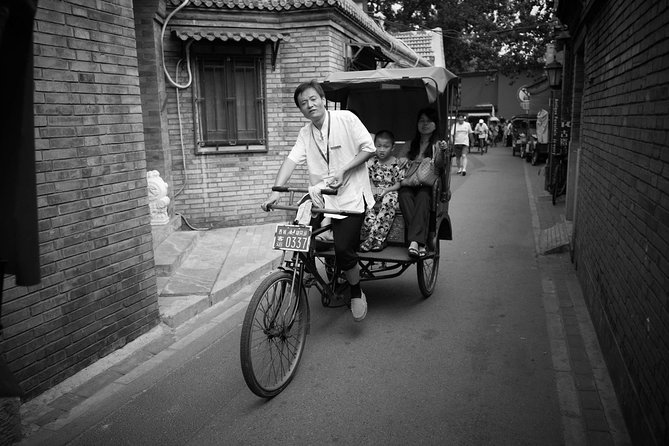
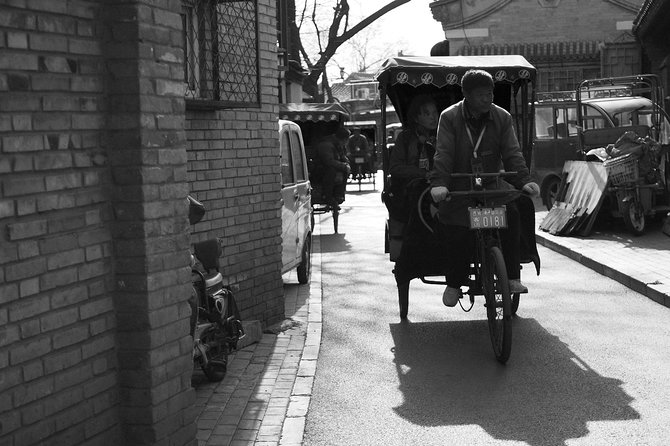
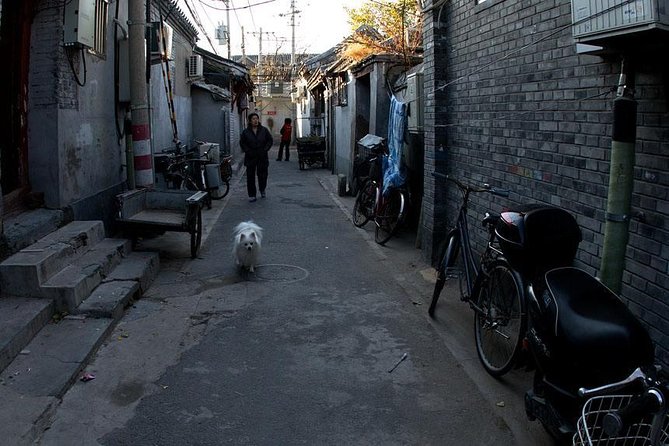
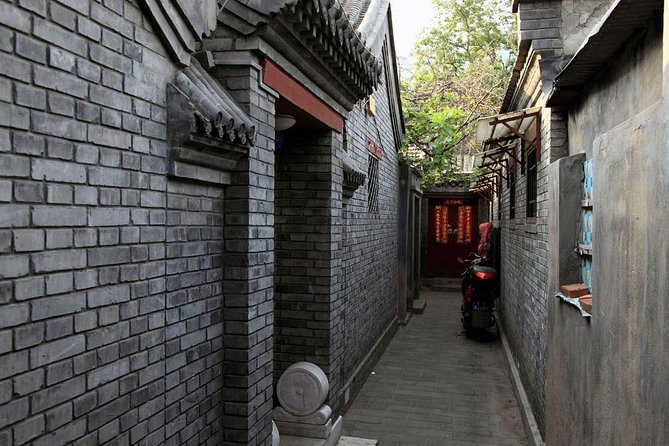
This tour is designed around one simple idea: hutongs are best felt from the inside, not stared at from a bus window. You’ll ride in a traditional rickshaw setup, moving through narrow, winding lanes where the city feels older and slower. Even when modern Beijing is all around, these alleys keep a different rhythm.
I like that the hutong portion is long enough to matter—about 2 hours—so you get more than a photo-op loop. You’ll also learn what the hutong layout is about: communities built around small lanes, shared courtyards, and daily routines you’d miss if you only hit the big landmarks.
One practical note: rickshaw riding can feel cold in winter. Keep your layers handy, and wear shoes that can handle uneven surfaces and sudden staircases later.
You can also read our reviews of more tours and experiences in Beijing.


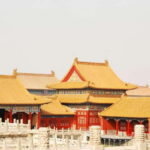
Drum and Bell Towers: Views Worth the Stair Climb
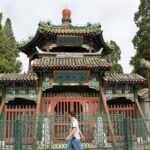
The tour starts near the Drum and Bell Towers, then you’ll spend time at both sites. The key moment is climbing up—especially at the Drum Tower—because the reward is a bird-view look over old Beijing blocks. It’s the clearest way to connect the streets you’re about to ride with the bigger neighborhood pattern.
Expect steep steps. One guide handled the timing well for some groups, but the stairs are not optional here. If you have mobility issues or you’re traveling with someone who struggles with stair climbs, plan a strategy before you show up.
Also, tower visits can vary day to day. Some schedules are quieter, while other days may include more of the traditional atmosphere (like drum-related performances). You can’t count on a specific show every day, but the view and setting are the real anchors.
The Hutong Home Visit: Real Life, Variable Vibes
One of the strongest parts is the home visit. You’ll greet a family and get insight into traditional customs and how people live. This is where the tour shifts from sightseeing to people-watching in a more respectful way.
That said, the “home visit” experience can range. On some days, you may get a fuller interaction—like conversation, a genuine feel of how the household runs, and time to ask questions. On other days, you might find the visit is brief or more structured, with someone mainly showing a bit of the space and sharing information.
My advice: go in curious, not demanding. Ask simple questions about daily routines, what the home layout is for, or what they think visitors miss when they only see major sights. Even short interactions can feel meaningful if you’re paying attention.
Tea Tasting in a Local Tea House: A Small Cultural Win
Tea is not an afterthought on this tour. After the tower area and hutong wandering, you’ll head to a traditional tea house for tasting. You’ll get freshly brewed varieties, and you’ll learn a bit about how tea is prepared and what different types taste like.
I like the format because it slows the whole experience down. It’s a break from walking and climbing, and it gives you something concrete to take home: flavors and memories, even if you skip any purchases.
One practical consideration: the tea house often has a shop, and some tea is priced for tourists. If you’re not planning to buy, you can still enjoy the tasting without feeling pressured—just keep your wallet closed until you decide.
Silk Factory and Shopping Stops: Fun for Some, Frustrating for Others
At the end, you might have a chance to visit a silk factory, depending on interest. In many versions of this kind of stop, you’ll see how silk products are made and you may get small animal-related visuals—like silk worm cocoons—while you’re learning.
Here’s the honest tradeoff. These stops can be interesting if you like seeing how products are made and you enjoy browsing. But if you came for culture and photos only, you may feel like the tour shifts into sales mode—especially when the tour includes a tea shop and a silk-focused store.
My tip: treat these as optional browsing. If you’re not into shopping, focus on the demonstration and move through quickly when the pitch starts. It’s the fastest way to keep the day feeling like a tour instead of a sales circuit.




Price and Value: Is $77 a Smart Deal?
At $77 per person for about 3 hours, this tour sits in the “short-and-structured” category. You’re paying for a guided rickshaw experience, a tower visit with admissions included, plus tea tasting and transport.
Here’s how to judge whether it’s worth it for you:
- You get professional English-speaking guidance and included admission tickets.
- You get hotel pickup and drop-off (but only within a defined zone).
- The tour includes guided cultural stops that cost time and money if you tried them independently.
What you don’t get is food and beverages. So you’ll want to plan a meal before or after, not during. If you’re hungry, you may feel rushed when the tasting and shopping moments happen.
Overall, it’s good value if your goal is a guided taste of hutong life plus a view from the towers. If your main goal is a huge, packed day of top sights, you may prefer a more landmark-heavy itinerary.
Pickup and Getting There: The 4th Ring Rule
Logistics matter on short tours, and this one is built around pickup. You’ll be collected by an air-conditioned vehicle if your hotel is within the 4th ring circle highway.
If your hotel is farther out, you won’t be picked up from your front door. Instead, you join at a set meeting point at Prime Hotel (No. 2, Wangfujing Ave.) at either 8:30AM or 1:00PM.
That’s important because it affects your day timing. If you’re staying near the center, life is easy. If you’re farther out, build in buffer time so you don’t miss the start.
Also, confirm your details with your operator the day before. A few service-related issues have shown up in past experiences, including guide mix-ups or guides not arriving on time. Most days run smoothly, but short tours don’t forgive delays.
Guide Quality: Why Names Like Gale and William Matter
The guide can make or break this kind of tour because you’re balancing stairs, narration, and timing between stops. When it goes well, you’ll get clear explanations and help making sense of what you’re seeing.
From the experiences shared, guides like Gale and William are praised for English skills, punctuality, and detailed explanations. Others are remembered for being friendly and helpful with families or for keeping the flow moving.
If you want the best chance of a strong experience, ask the day you book who will guide you and confirm meeting time. On tour day, arrive a bit early so you’re not starting stressed.
Group Size Reality: Maximum Capacity vs Your Actual Day
The tour lists a maximum of up to 999 travelers, which sounds enormous. In real life, your day may feel more intimate than that number suggests, especially if you’re booking outside major peak periods.
But keep your mindset flexible. Even if you’re with a small group, you’ll still experience fixed stops—tower stairs, tea house tasting, and a hutong route that takes time. If you need lots of personal space or very slow pacing, go in expecting a structured visit.
The good news: a 3-hour format keeps the inconvenience level reasonable. You won’t get stuck for a half day if you don’t love the pace.
Who Should Book This Hutong Rickshaw Tour
This tour fits best if you want:
- A quick, guided look at Beijing’s hutong neighborhood life
- A rickshaw ride that actually takes you through narrow lanes
- A mix of landmarks (Bell/Drum Towers) and local-style stops (home and tea)
It’s also a decent pick if you’re traveling with kids who want the novelty of riding a rickshaw, as long as everyone can handle the cold and the stair climb.
You might want to skip it if:
- You’re only interested in major landmark icons and want maximum time at places like the Forbidden City or the Great Wall.
- You strongly dislike shopping stops or price-heavy demo environments.
- You can’t do stairs, since tower climbs are part of the experience.
Should You Book This Beijing Old Hutongs Tour?
I think you should book it if your visit to Beijing needs one “older neighborhood” anchor without taking up your whole day. The rickshaw time and the tower views give you contrast: modern Beijing is loud, but the hutongs show you a slower side of the city.
I’d be cautious if your top priority is a specific mansion or a very strict, exact set of cultural interactions. The tour includes a home visit and tea tasting, but the depth can vary, and there can be sales-oriented stops at the end. If you’re okay treating those as optional browsing, you’ll likely enjoy the day more.
Quick checklist before you go
- Wear comfortable shoes for steep stairs
- Bring layers for rickshaw time in colder months
- Have a rough plan for food since meals aren’t included
- Keep an eye on your schedule at pickup, especially if you need to meet at Prime Hotel
FAQ
How long is the Beijing Old Hutongs tour?
The tour is approximately 3 hours total, including the hutong time (about 2 hours) and time at the Bell and Drum Towers (about 30 minutes), plus the home and tea stops in between.
Is hotel pickup included?
Yes, pickup and drop-off are included for hotels within the 4th ring circle highway. If your hotel is outside that area, you join at Prime Hotel (No. 2, Wangfujing Ave.) at 08:30AM or 01:00PM.
What’s included in the ticket price?
You’ll get a professional English-speaking guide, tea tasting, admissions to the included sights, and rickshaw travel through the hutongs, plus hotel pickup/drop-off within the pickup zone.
Is food included?
No. Food and beverages are not included.
Will I visit a silk factory?
You might have the chance to visit a silk factory at the end, depending on interest.
What is the cancellation policy?
You can cancel for a full refund up to 24 hours before the experience starts. If you cancel less than 24 hours before, the amount paid is not refunded.