REVIEW · BEIJING
Beijing Royal Dinning Experience with cultural performance
Book on GetYourGuide →Operated by NIUTU · Bookable on GetYourGuide
A royal meal in an old courtyard feels like a time machine. It’s set just 2 kilometers from the Forbidden City, in a luxe compound with courtyard charm. I particularly like the royal dining format tied to a culture-first courtyard setting, not just a restaurant meal.
My other big win is how the evening unfolds through a chronological cultural performance, synchronized with each dish and built around stories tied to what you’re eating. The main drawback is language: the show runs in Mandarin, so you may miss parts of the narrative unless you have help or you’re OK eating by the rhythm of the evening rather than the details.
In This Review
- Key highlights you’ll feel fast
- A Courtyard-First Royal Dinner Near the Forbidden City
- The Chronological Performance That Times Itself With Your Courses
- The Menu: Appetizers, Tea, Wine, and the Sea Cucumber and Abalone Main
- Timing for Lunch at 12:00 and Dinner at 6:30
- Price and Value: Is $99 Worth It?
- Getting There Without Stress: Use the Address, Not Guesswork
- Photography From the Top Floor and Courtyard Seasonal Views
- Who This Royal Dining Experience Fits Best
- Should You Book This Royal Dining Experience?
- FAQ
- How far is the Beijing Royal Dining Experience from the Forbidden City?
- How long is the experience?
- When do the lunch and dinner performances start?
- What time should I arrive?
- Is the cultural performance included?
- Is it wheelchair accessible, and is there a child ticket rule?
Key highlights you’ll feel fast
- Courtyard setting 2 km from the Forbidden City: central-city luxury without being inside the main crowd.
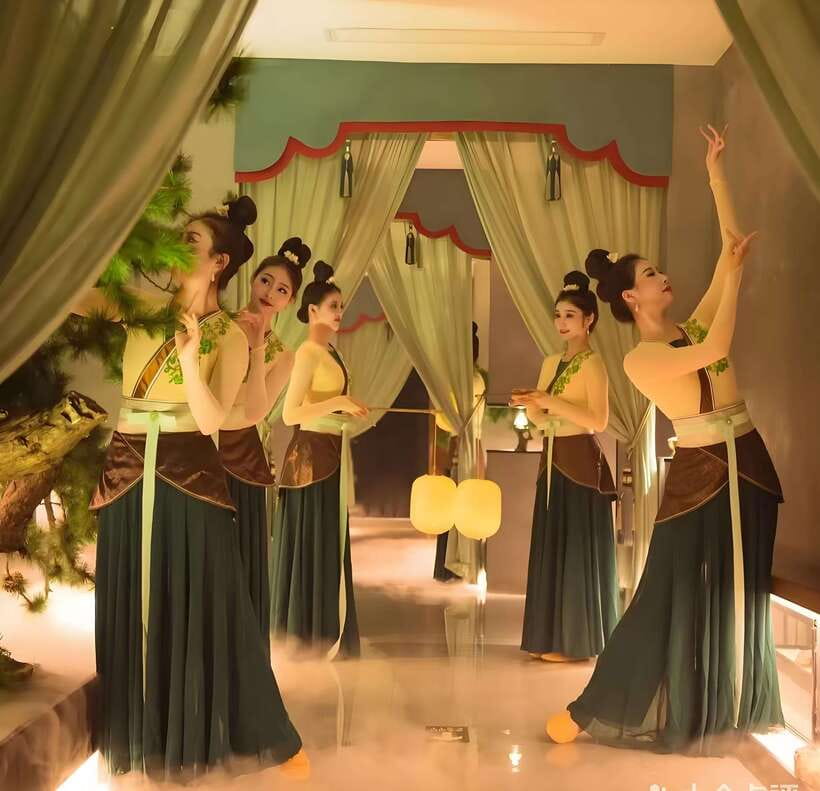
- Chronological storytelling matched to each course: scenes move in step with what arrives at your table.
- Cultural performance integrated into the meal: it’s not just background entertainment.
- Menu focus on premium seafood: sea cucumber and abalone anchor the main course.
- Historic links to Tan Zongjun and Tan’s cuisine: the venue connects the meal to a Qing-era story.
A Courtyard-First Royal Dinner Near the Forbidden City
Beijing can be intense. Lines, noise, and huge sights can wear you down. This experience offers a calmer kind of sightseeing: you step into a luxurious courtyard and let the evening unfold at a measured pace.
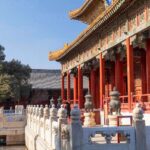
The setting matters. The compound keeps a traditional courtyard layout, so you’re not stuck in a generic “show restaurant.” And the scenery changes by season, which is a small detail that ends up feeling big when you’re trying to take in Beijing beyond the famous landmarks.
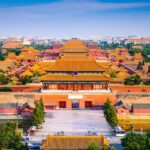
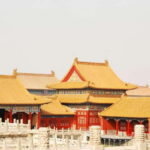
Location-wise, it’s close: you’re about 2 kilometers from the Forbidden City. That proximity is useful. You get the feeling of being near the heart of Imperial Beijing without committing your whole day to moving around the busiest areas.
One more visual bonus: on the top floor, you can see the White Pagoda Temple and the Temple of Emperors of All Dynasties. Even if you’re mainly there for the meal, that view gives you a simple “pause and look” moment before the performance starts.
You can also read our reviews of more tours and experiences in Beijing.

The Chronological Performance That Times Itself With Your Courses
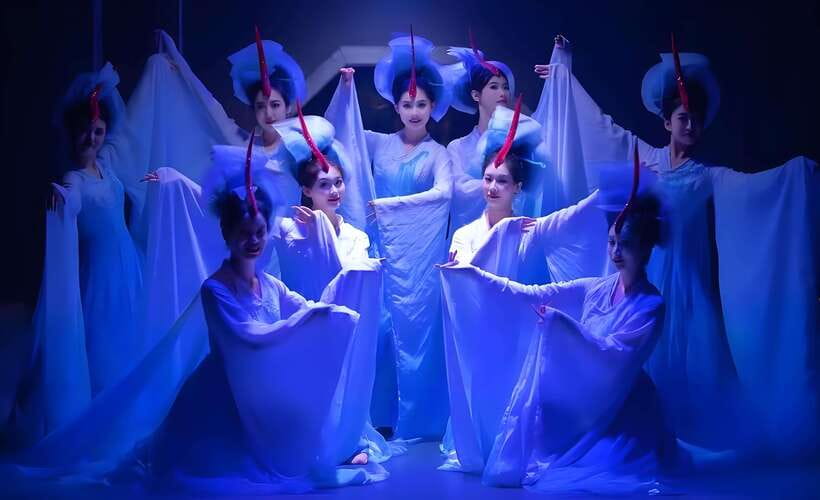
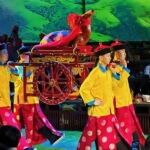
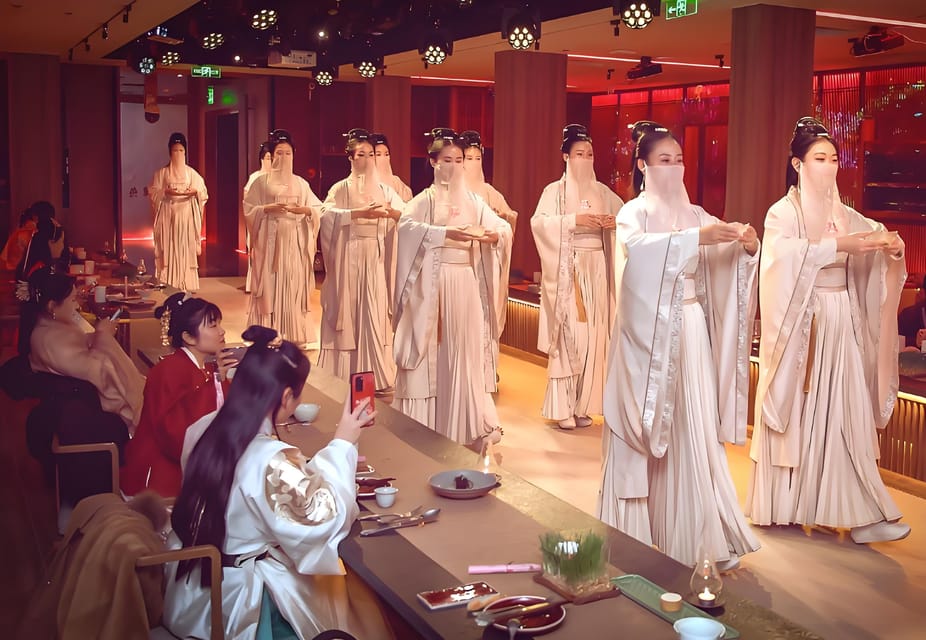
Here’s the part that makes this more than a dinner show. The performance is arranged in chronological order, synchronized with the dishes as they come out. Each course isn’t just served; it’s paired with a story performance that matches what you’re about to taste.
That structure changes how you eat. Instead of waiting for your next plate while wondering what you’re actually getting, you’re watching and listening for the cues that connect the stage to the table. The result is a smoother flow through the evening.
The venue’s background also feeds the theme. The courtyard traces back to a residence associated with Tan Zongjun, noted as the second place in the imperial examination during the Qing Dynasty. Later, it developed into the birthplace of official cuisine linked to Tan’s cuisine. That’s not just trivia on a wall. It helps explain why the show is built around course-by-course stories, not random skits.
One practical note: the show is in Mandarin. That doesn’t kill the experience, but it can affect how much meaning you pull from the staging and dish explanations. If you don’t read Mandarin, you’ll probably enjoy it most if you treat it like live theater plus a guided dinner rhythm, rather than expecting to follow every line of dialogue.
The Menu: Appetizers, Tea, Wine, and the Sea Cucumber and Abalone Main
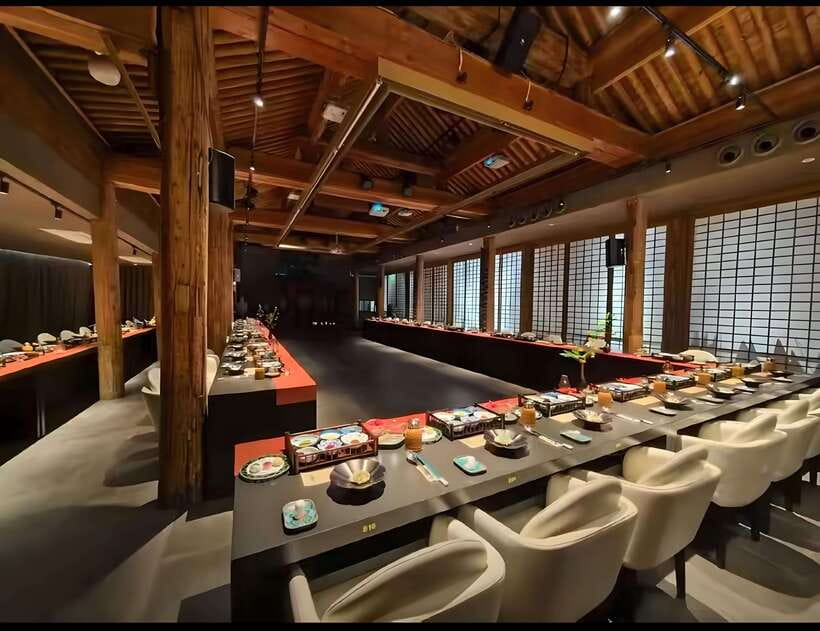
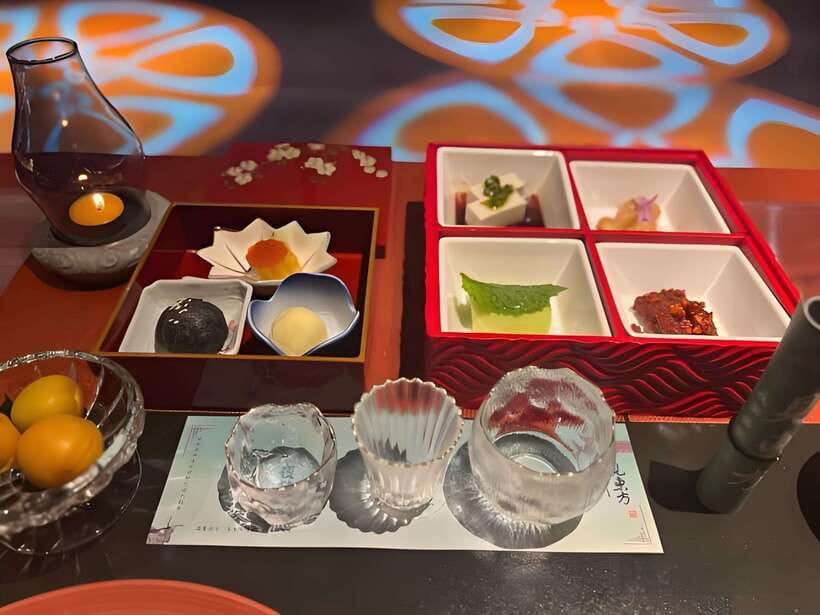
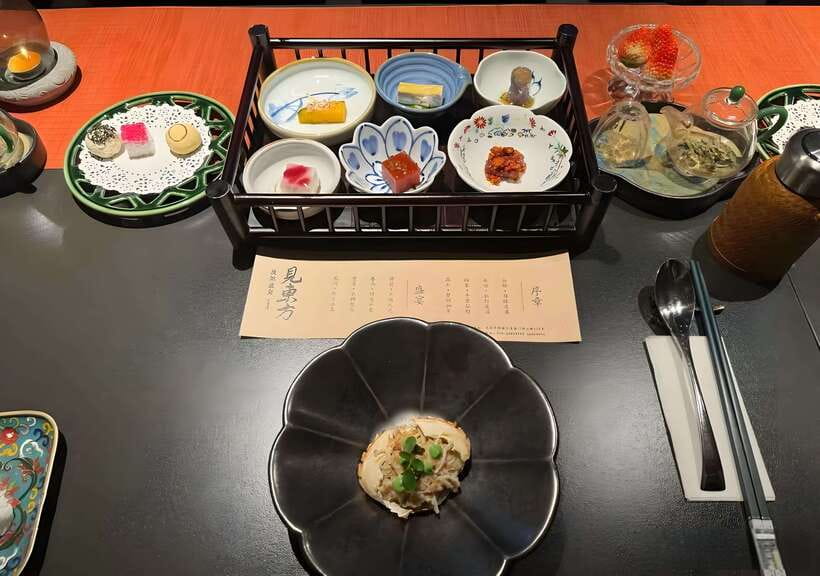
This is a royal dining experience, so you should expect a plated, course-style meal rather than a buffet. The meal includes appetizers and desserts, plus tea and meaningful wine during the experience.
The main meal is built around premium seafood: sea cucumber and abalone. If you like rich, slightly briny flavors and you’re curious about traditional high-end Chinese cooking, this is the centerpiece you came for.
What I appreciate about this setup is that it matches the theme of the event. The meal isn’t generic. It’s formatted so the performance and the food tell the story together, with each dish having its own narrative beat.
That said, the best way to manage expectations is to think “traditional serving style” rather than “western fine dining.” The presentation can be beautiful, and the plating is designed to look right on stage, but the flavors and textures may be unfamiliar if you’re used to simpler flavors. Reviews included both praise for authenticity and notes that the food story wasn’t always clearly explained.
If you’re a “tell me what I’m eating” person, plan to lean on what you see and smell, not just what you can decode in Mandarin. Ask questions if staff can help, but don’t count on full dish-by-dish translation being effortless.
Timing for Lunch at 12:00 and Dinner at 6:30
The experience runs for about 2 hours, and there are set start times:
- Lunch performance starts at 12:00 PM
- Dinner performance starts at 6:30 PM
You’ll want to arrive 30 minutes early. This isn’t wasted time. It gives you a buffer for finding the courtyard entrance and getting seated calmly before the performance starts.
Why early arrival matters here: the performance is synchronized with dishes. If you’re late and rushed, you’ll miss the early storytelling moments that set the tone for the whole meal.
Once you’re in, the flow is built around the show and the courses. Expect that the stage will be the “clock” for the night, and your table will get served in a sequence that matches what you’re watching.
Price and Value: Is $99 Worth It?
At $99 per person, the value question comes down to what you want from the evening.
For me, the strongest value case is when you want both:
1) a high-end meal format, and
2) a cultural performance that’s tied directly to what you eat.
If you just want food, you might find cheaper meals in Beijing. If you just want a show, you can find performances elsewhere too. The point of this experience is the combination: you’re paying for a synchronized package where the performance and the menu move together.
Also, the setting helps. Being in a preserved courtyard in the city center—rather than a basement theater—adds comfort and atmosphere. And the premium main ingredients (sea cucumber and abalone) are not small-ticket items. Put that next to a 2-hour, structured evening, and the price starts to make sense as a “complete event,” not just dinner.
The main value risk is language. If you really need detailed explanations in a language you understand, the Mandarin-only nature could lower your enjoyment. In that case, you’ll still likely enjoy the staging and the food, but you may not get the full meaning of the story for every dish.
Getting There Without Stress: Use the Address, Not Guesswork
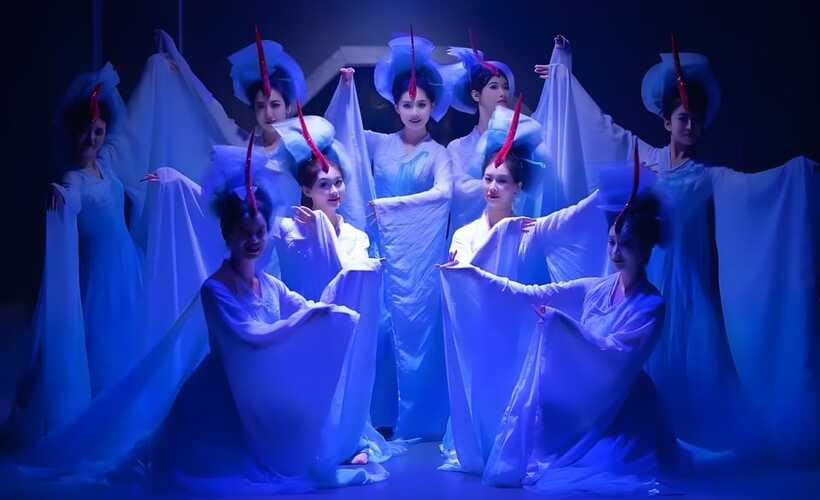
A lot of Beijing experiences fail at the “how do I find it” step. Here, take location seriously because the venue can be tricky when you rely on map guesses.
A smart approach is simple: when you travel by rideshare, put the exact address provided for the booking into the app. That helps the driver reach the correct compound entrance instead of sending you to a look-alike location.
If you’re walking after grabbing dinner elsewhere, give yourself time to orient. Courtyards can be tucked behind gates, and you don’t want to show up rushing while the performance clock is ticking.
Photography From the Top Floor and Courtyard Seasonal Views
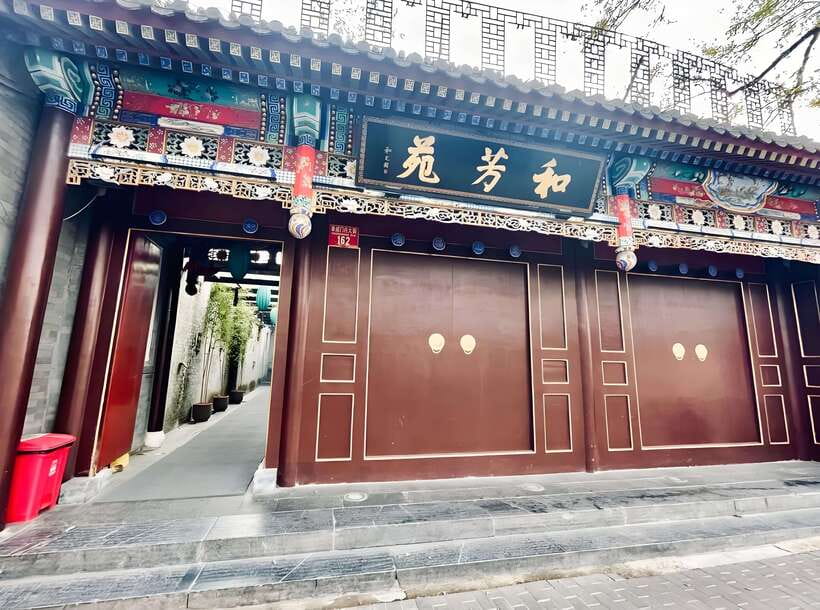
This is one of those experiences where photos aren’t just a souvenir. The venue’s architecture and views help you remember the place, not just the food.
On the top floor, you can look out toward major sights like the White Pagoda Temple and the Temple of Emperors of All Dynasties. That’s a nice contrast to the dinner setting: stage theater below, landmark sightline above.
Inside the courtyard, the seasonal look changes. Depending on the time of year you go, you’ll get different light and different courtyard mood. That matters if you’re traveling in winter or spring and you want something more atmospheric than photos taken on a sidewalk near a megasite.
Who This Royal Dining Experience Fits Best
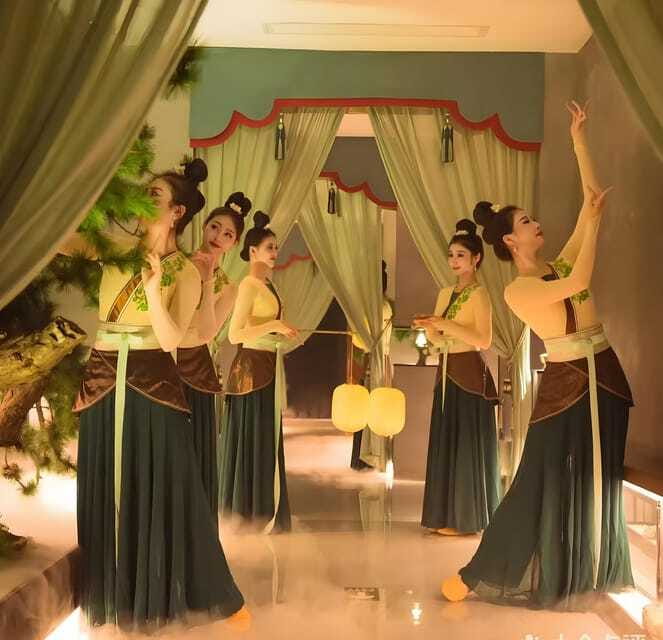
This works especially well if you fall into one of these groups:
- You want a structured cultural night with a meal instead of a free-form restaurant evening.
- You enjoy Chinese history themes, especially Qing-era cuisine connections, and you like when a meal has a story.
- You’re open-minded about seafood delicacies like sea cucumber and abalone.
- You like theater, even if you’re watching it in Mandarin. The choreography and timing are designed to carry you through the course sequence.
It may not be the best fit if:
- You need full dish explanations in English to enjoy the meal.
- You strongly dislike unfamiliar flavors and premium textures (this is not a simple “safe” menu).
For most visitors, though, it lands well because even without perfect understanding, the logic of the dinner-show format is easy to follow.
Should You Book This Royal Dining Experience?
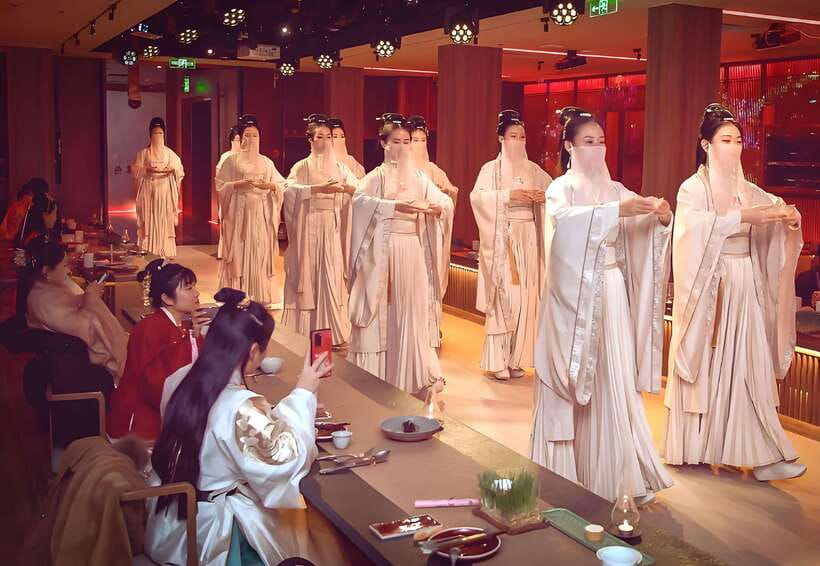
I’d book it if you want a memorable Beijing night that combines royal-style dining with a performance that’s actually connected to what you’re served. The courtyard setting near the Forbidden City makes it feel special, and the synchronized, chronological format gives the meal structure.
Skip it (or go with lower expectations) if you’re very language-dependent and you’re expecting a full English narrative of every dish. Mandarin might limit the story detail for you, even if you still enjoy the visuals and the course-by-course flow.
If you’re on the fence, consider this rule of thumb: if “show + premium meal” is your ideal evening, you’ll probably like it. If you’re mainly shopping for food quality only, compare menus and prices elsewhere. But if you want an event, this one is built like an event.
FAQ
How far is the Beijing Royal Dining Experience from the Forbidden City?
It’s about 2 kilometers from the Forbidden City.
How long is the experience?
The duration is 2 hours.
When do the lunch and dinner performances start?
Lunch starts at 12:00 PM, and dinner starts at 6:30 PM.
What time should I arrive?
Please arrive 30 minutes before the performance starts.
Is the cultural performance included?
Yes. The cultural performance and the royal dining experience are included.
Is it wheelchair accessible, and is there a child ticket rule?
It is wheelchair accessible. Children under 120 centimeters must buy a child ticket; children over 120 centimeters must buy an adult ticket.