REVIEW · BEIJING
Beijing Tai Chi and Tea Ceremony Experience
Book on Viator →Operated by Beijing San Feng Tai Chi Club · Bookable on Viator
Taoist calm in the middle of Beijing.
This 3-hour Beijing Tai Chi and tea ceremony experience is a smart, low-pressure way to understand the why behind the movements and the drinking rituals. I like that the class is tied to Taoism and the idea of moving your qi through relaxation, not just copying poses. I also like that the tea portion is hands-on: you’ll taste 4–5 Chinese teas, get guided through a Kungfu-style ceremony, and learn how tea supports calm, reflection, and stable temperament.
In the Tai Chi hour, you’ll learn basic relaxation and typical Tai Chi movements, plus self-massage methods, with instruction from an English-speaking master. Eric, a humble and patient teacher (especially for beginners), checks your experience level and shapes the lesson to match, so you’re not lost. Then, at the tea house, Alice helps you make sense of tea quality and tea culture while you sip and slow down.
One consideration: this isn’t a full meal stop. You’ll have tea and some snacks during the ceremony, but if you’re hungry, plan for food before or after since the focus here is movement and tasting, not eating your way through Beijing.
In This Review
- Key highlights you should know before you go
- First hour: Tai Chi taught as a Taoist practice (not a workout class)
- Tea house hour: how Kungfu tea turns tasting into meditation
- What you’ll learn (and why it’s useful in real life)
- Where it happens: Jixiaolan Former Residence area logistics that make mornings easier
- Price and value: is $95 worth it?
- Who this fits best (and who might want something else)
- Small planning tips that make your morning go smoothly
- FAQ
- Is this experience private?
- How long is the Tai Chi and tea ceremony?
- Where do I meet for the tour?
- What time does it start?
- What’s included in the price?
- Is food included?
- What should I wear?
- Can I cancel for a refund?
- Should you book Beijing Tai Chi and Tea Ceremony?
Key highlights you should know before you go
- Taoist framing for Tai Chi: you’ll learn the cultural meaning (qi, harmony with nature), not just steps.
- Beginners welcome, level-adjusted teaching: Eric checks your experience and keeps the pace friendly.
- Self-massage and relaxation forms: practical tools you can try later, not only a single routine.
- Kungfu tea ceremony guidance: Alice helps you understand tea quality and how to drink mindfully.
- Taste 4–5 teas with snacks: enough variety to compare flavors without turning it into a long food tour.
- Private group experience: it’s only your group, so questions and pacing feel easier.
First hour: Tai Chi taught as a Taoist practice (not a workout class)
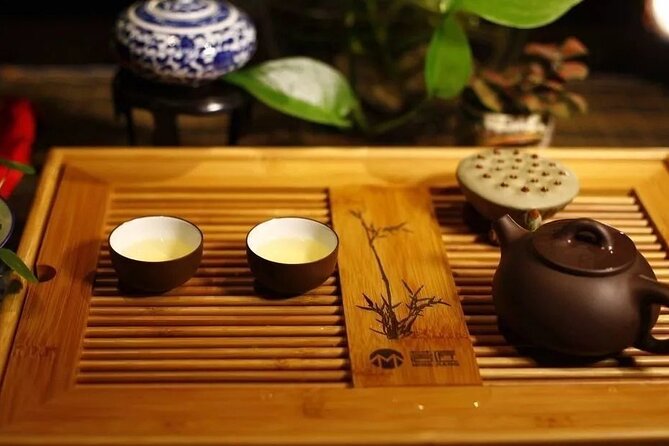
Tai Chi can look simple from the sidewalk, but the method is all about control—breath, attention, and slow movement that you can feel in your body. This experience starts with the idea that Tai Chi is rooted in Taoism, where relaxation work supports the flow of qi through your body. That context matters because it changes what you pay attention to while you practice. You’re not just thinking, move your arms and shift your weight. You’re learning how to soften, how to settle your mind, and how to connect eyes, body, and intention.
The teaching portion focuses on several practical pieces. You’ll start with relaxation forms, then move into typical Tai Chi movements in a way that’s approachable for beginners. There’s also self-massage—small techniques you can use to support comfort and awareness. The goal is to help you feel the “decent qi” idea in real terms: less tension, smoother motion, and a calmer way of being in your own body.
Eric’s style shows up in the way the lesson is organized. In the guidance I’ve seen described, he checks where you’re starting from and adjusts the class accordingly. That’s a big deal in a group setting, because Tai Chi errors are common and usually hard to fix without friendly feedback. If you’re new, that patience keeps things from getting intimidating.
What to watch for during your practice
Tai Chi isn’t about looking athletic. It’s about staying present. Even if you’re not sure what “presence” feels like, the class structure makes it easier: you’ll be guided to pay attention to your mind, eyes, and body. That kind of instruction helps you avoid the two most common beginner traps—moving too fast and holding tension in your shoulders and jaw.
Possible drawback in this first hour
If you’re expecting a deep historical lecture or a long, advanced form drill, you might feel the time is short. This is a basics-and-understanding format. The payoff is that you leave with a clear starting point you can continue practicing later.
You can also read our reviews of more tours and experiences in Beijing.



Tea house hour: how Kungfu tea turns tasting into meditation
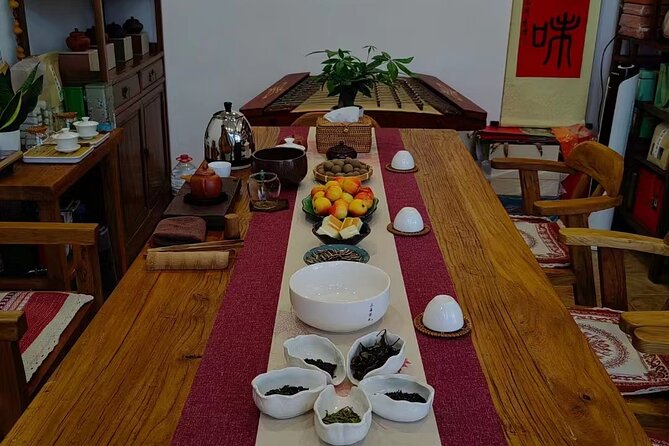
After moving your body, the ceremony shifts your pace down a notch. The tea portion is built around tasting and learning, led by Alice. You’ll get to try 4–5 types of Chinese tea and sample 3–5 snacks, with assistance from the tea master to help you recognize tea quality. The tea house setting is where the experience connects to the Taoist themes you heard at the beginning.
Chinese tea has an important place in Taoist practice in the way this tour explains it. Tea drinking is framed as supporting cultivation—enhancing Shen (spirit/mind), helping with moral conduct and temperament, and encouraging internal focus. Even if you don’t take these ideas literally, you’ll probably notice the practical effect: sipping slows you down and makes comparison easier.
What you’ll actually do
You’ll be guided through a Kungfu tea ceremony, which means the approach is methodical. Instead of dumping tea into a cup and chatting, you’ll learn how to notice the differences between teas—aroma, taste, and the way the tea feels as you drink. Alice’s guidance is aimed at helping you distinguish quality yourself, rather than treating the tasting like a magic show with answers provided from the start.
How the snacks fit in
The ceremony includes some snacks, which makes it easier to stay comfortable while you compare multiple teas. You still won’t be eating like you’re on a meal break, but the snacks help you avoid the distracted, half-hangry feeling that can ruin a quiet activity.
A note on flavor expectations
Tea is personal. Some people come expecting a lineup of instantly recognizable flavors; others are excited to be surprised. Either way, the value here is that you learn how to taste with intention, so your brain doesn’t just label everything as tea and move on.
What you’ll learn (and why it’s useful in real life)
This is one of those experiences where the details matter, because what you learn can travel with you.
From Tai Chi, you’re getting more than a “cool cultural thing to do.” You learn:
- basic relaxation work that you can use when you’re tense
- typical Tai Chi movements suited for beginners
- self-massage methods you can try later
From the tea ceremony, you’re learning:
- how to distinguish tea quality yourself
- how a Kungfu ceremony works as a mindful routine
- a clearer view of tea culture and why tea supports calm and reflection
For value-minded travelers, this is important: you’re not just paying for one moment. You’re paying for skills you can repeat. A 3-hour experience won’t make you a Tai Chi master or a tea sommelier, but it can give you a foundation that makes future practice easier.
If you’re the kind of traveler who likes structured activities (but doesn’t want something exhausting), this format is ideal. It also pairs well with a sightseeing morning because it uses your first hours for something focused, then leaves you free afterward.
Where it happens: Jixiaolan Former Residence area logistics that make mornings easier
The meeting point is Jixiaolan Former Residence (Ji Xiao Lan Gu Ju), in Qianmen, Xicheng District, Beijing (100052). The start time is 9:00 am, and the activity ends back at the meeting point.
Two practical notes help a lot:
- Wear comfortable walking shoes. Even if you aren’t doing long-distance walking, you’ll move enough for your feet to care.
- You’re near public transportation, which makes it easier to connect this morning activity to other sights without planning private transport.
Because this is described as a private tour/activity with only your group participating, the experience tends to feel less crowded than some larger group classes. That matters with Tai Chi: you need some space, and you benefit from being able to see and ask questions without shouting.
If you’re pairing it with Temple of Heaven plans
One reason this tour fits well into many itineraries is timing. A calm morning class and tea session works nicely before or after popular downtown sights. If your day includes the Temple of Heaven, this kind of activity gives you a more restful start than rushing from one site to another.
Price and value: is $95 worth it?
At $95 per person for about 3 hours, you’re paying for two guided sessions: Tai Chi instruction for an hour and a tea ceremony/tasting led by a tea master. The price also includes coffee and/or tea and all fees and taxes.
What you get for the money (the part people care about)
- A structured beginner-friendly Tai Chi lesson with level checking
- Tea tasting of 4–5 tea types, guided so you can compare quality
- A Kungfu tea ceremony experience, not just a random sip-and-go
- Snacks during the tea session, so you’re not working through it on an empty stomach
What you don’t get
Food isn’t included as a full meal. So if you’re the type who needs a proper breakfast or lunch, plan to eat separately.
The value question usually comes down to your travel style. If you want something authentic that helps you slow down and understand a tradition, this price feels reasonable. If you only want quick photo-friendly activities with zero learning, then you may feel you could do something cheaper. But if you like guided learning, the pairing of Tai Chi + tea is what justifies the cost.
Also, there’s mention of group discounts and a mobile ticket, which are the kind of “small but useful” details that make the experience easier to book and attend.



Who this fits best (and who might want something else)
This experience is best for you if:
- you’re a beginner or curious about Tai Chi but want guidance
- you like cultural practices that connect the mind and body
- you want an activity that feels calm without being passive
- you enjoy guided tasting and learning how to notice differences
It might be less ideal if:
- you’re expecting a long, advanced Tai Chi drill
- you want a full meal included (you’ll get tea and snacks, not a full food stop)
- you prefer highly energetic exercise classes only
The nice thing is that the class is taught with experience level in mind. That reduces frustration, especially if you’re stiff or unsure what you’re doing at first.
Small planning tips that make your morning go smoothly
A little prep goes a long way with Tai Chi and tea.
- Go in wearing layers you can move in. The experience asks for relaxation and controlled movement, so you’ll want clothing that doesn’t restrict your arms or shifts.
- Arrive with a clear head. Your eyes and mind are part of the lesson, so don’t show up rushing from a late breakfast.
- Think of tea as a comparison session. Instead of trying to memorize everything, focus on two things: aroma and how the tea feels after swallowing.
If you’re coming straight from sightseeing the day before, prioritize sleep. A calm class works better when your body isn’t already depleted.
FAQ
Is this experience private?
Yes. It’s a private tour/activity, and only your group will participate.
How long is the Tai Chi and tea ceremony?
It lasts about 3 hours.
Where do I meet for the tour?
You’ll meet at Jixiaolan Former Residence (Ji Xiao Lan Gu Ju), in Qianmen, Xicheng District, Beijing 100052.
What time does it start?
The start time is 9:00 am.
What’s included in the price?
The experience includes coffee and/or tea, plus all fees and taxes.
Is food included?
Food isn’t included as a full meal. You’ll have tea and you can expect 3–5 snacks during the tea house portion.
What should I wear?
Wear comfortable walking shoes.
Can I cancel for a refund?
Yes. You can cancel for a full refund up to 24 hours before the experience’s start time.
Should you book Beijing Tai Chi and Tea Ceremony?
Book it if you want a meaningful, beginner-friendly introduction to Tai Chi with real cultural context, then a tea ceremony where you learn to taste rather than just sample. The $95 price makes more sense when you look at the full package: guided movement, guided tea learning, and a calmer pace that fits into a morning itinerary.
Skip it if you’re only after quick sightseeing photos or you’re looking for a more intense fitness class. Also plan your meals separately, since this is tea-and-snacks, not a full meal tour.
If you like traditions you can understand and carry home—this one is worth your morning.