REVIEW · BEIJING
Beijing: Yonghe Lama Temple Entry Ticket
Book on GetYourGuide →Operated by Andy's private china tours · Bookable on GetYourGuide
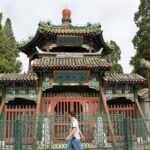
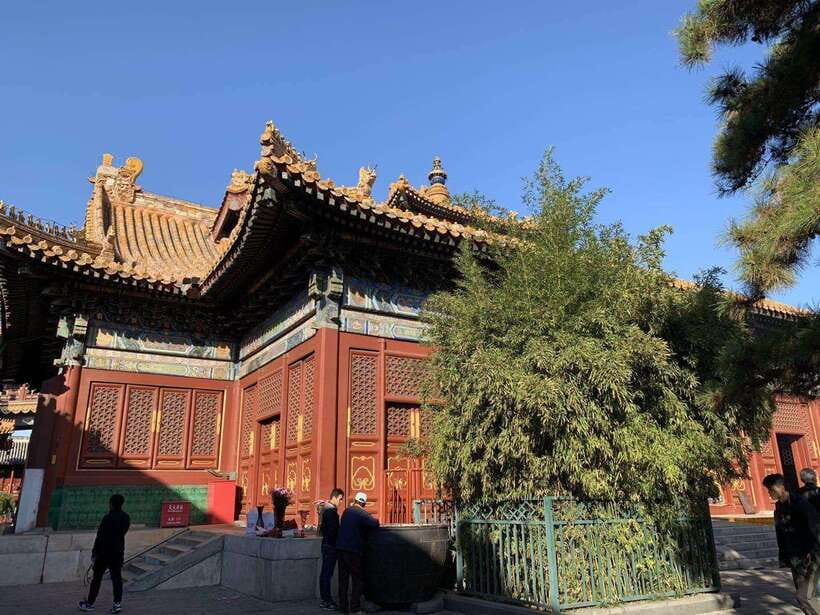
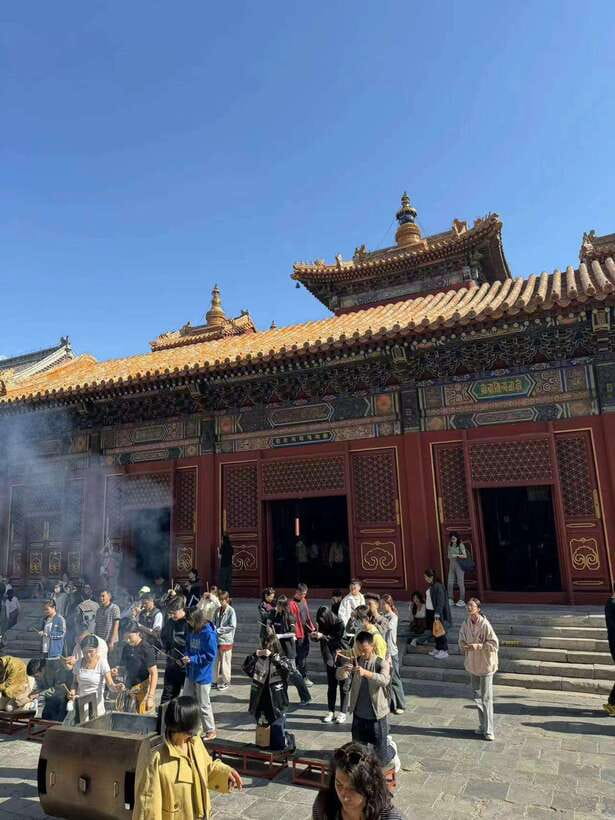
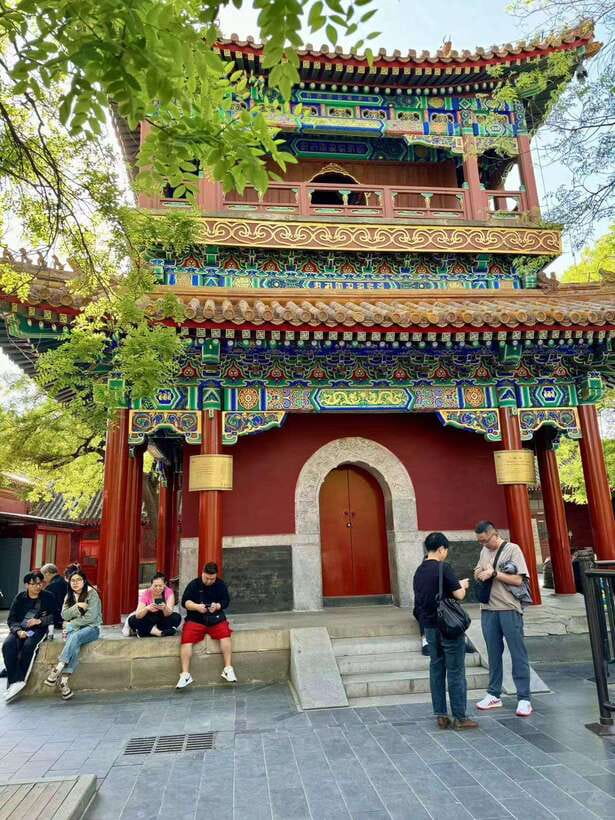
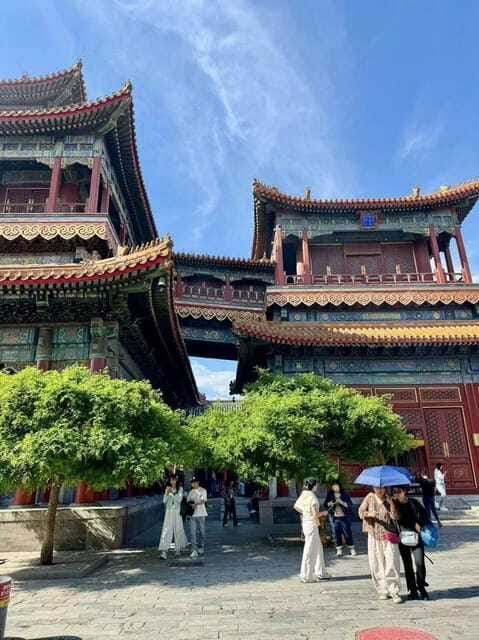
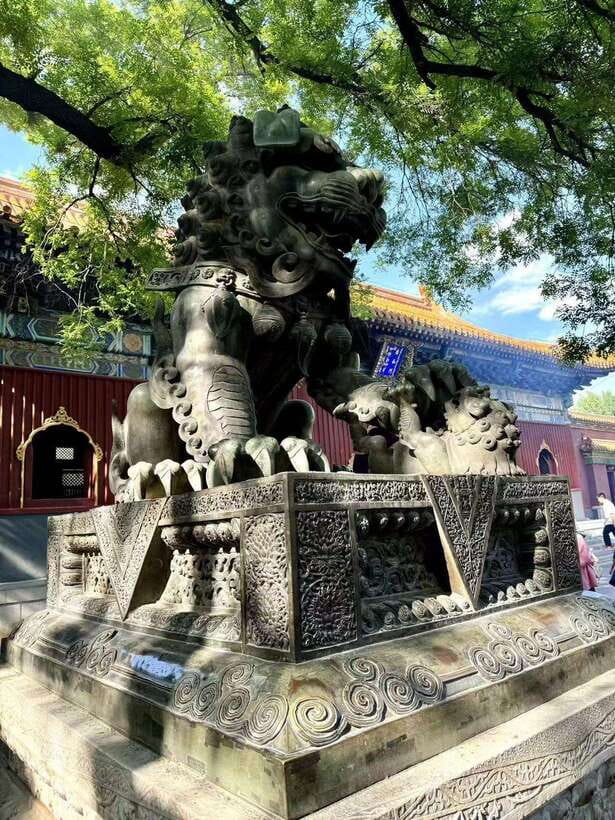
QR codes and temples, a great combo. This ticket makes the Yonghe Lama Temple easy to enter, and the site itself is a major one: Beijing’s principal and largest Buddhist temple, known as the Yonghe Lamasery. I like that the highlights focus on what matters—this complex is described as the largest and most perfectly preserved lamasery in present-day China.
Two things I especially like: first, the entry method is simple. Just use the QR code and your passport, and you can get in without the usual ticket struggle. Second, you’re not just looking at a pretty set of buildings—you’re learning how a palace became a Buddhist center, including the later arrival of Tibetan monks under Emperor Qianlong.
One thing to watch: the GetYourGuide QR itself is not valid. You’ll need to use the right QR from your email or WhatsApp, or entry can turn into an unnecessary headache.
In This Review
- Key things to know before you go
- Why Yonghe Lamasery is the biggest Buddhist stop in Beijing
- From city-wall palace to monastery: the Yongzheng and Qianlong story
- Price and value of the $9 QR ticket
- QR entry rules: using your passport without ticket hassle
- How to get there fast: Subway Line 2/5 and Exit F
- Making the most of a 2-hour visit
- Who should book this Yonghe Lama Temple entry ticket?
- Should you book this? My straight answer
- FAQ
- How long is the Yonghe Lama Temple entry experience?
- How much does the Yonghe Lama Temple entry ticket cost?
- What do I need to enter Yonghe Lamasery?
- Does this ticket let me skip the ticket line?
- Is the GetYourGuide QR code valid for entry?
- Where can I get to Yonghe Lamasery by subway?
- Which bus stops are near the temple?
- What’s included with the ticket price?
- Can I cancel for a refund?
Key things to know before you go
- Skip the ticket line by using your QR code at entry
- Bring your passport along with the QR to enter
- This is Beijing’s top lamasery: the principal and largest Buddhist temple
- Imperial-era story: built in 1694 for Emperor Yongzheng, later turned into a monastery
- A designed 2-hour visit window with checkable starting times
- Easy public transit access via Subway Line 2 or Line 5 to Yonghegong (Yonghe Temple) Station
Why Yonghe Lamasery is the biggest Buddhist stop in Beijing
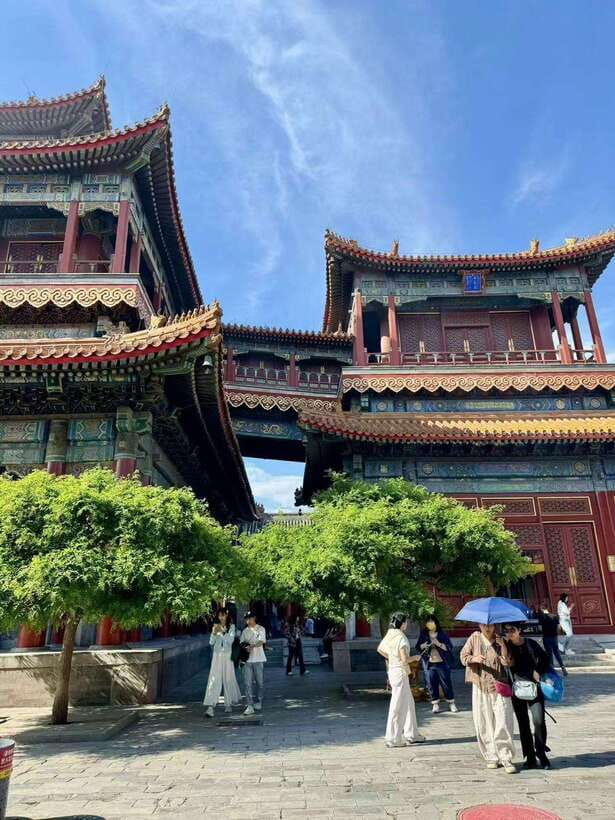
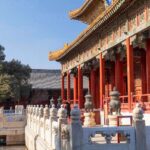
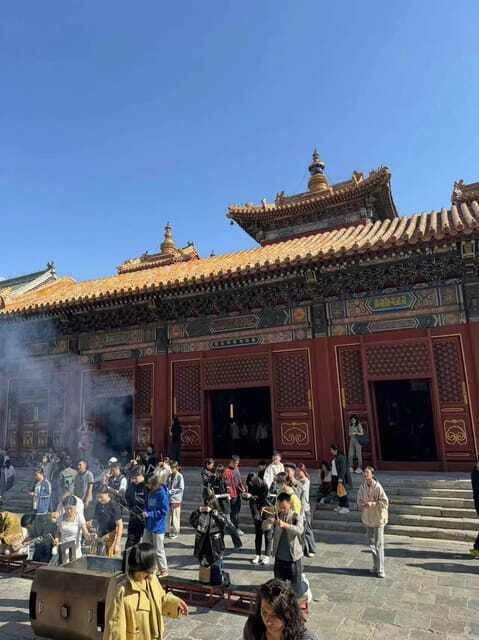
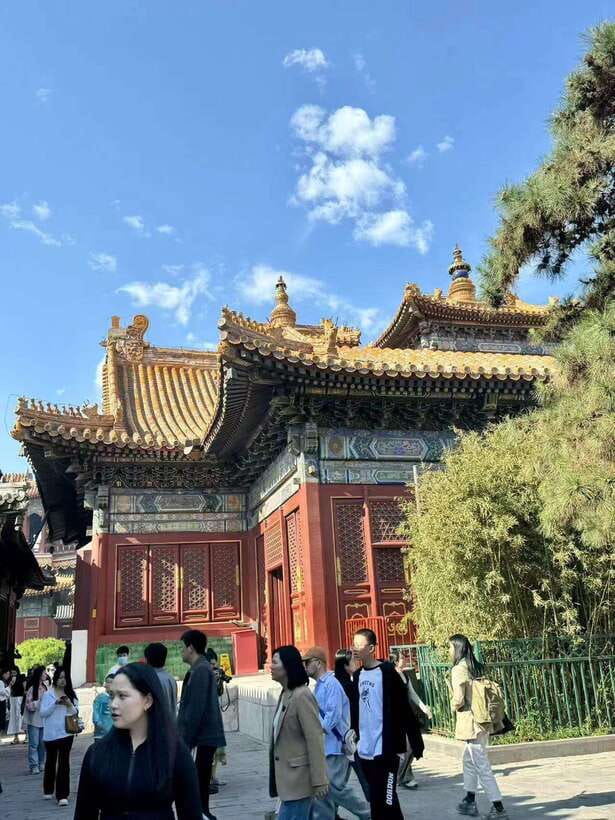
Yonghe Lama Temple is the kind of place where scale helps your brain catch up. It’s not a small neighborhood shrine; it’s Beijing’s principal and largest Buddhist temple, and it’s the main Yonghe Lamasery site most people aim for. Even if you only have a short window, this is one of those spots where the size and preservation level give you an immediate sense of why it matters.
I also like that the highlights put the emphasis where it counts: the lamasery is described as the largest and most perfectly preserved in present-day China. That’s a useful promise. Instead of wondering whether you’ll see something impressive, you can plan on a strong, well-kept site.
And yes, there’s a practical angle too. The whole point of this ticket experience is fast entry. If you’re stacking Beijing sights and you want one big temple visit without wasting time, this format makes it easier.
You can also read our reviews of more tours and experiences in Beijing
From city-wall palace to monastery: the Yongzheng and Qianlong story
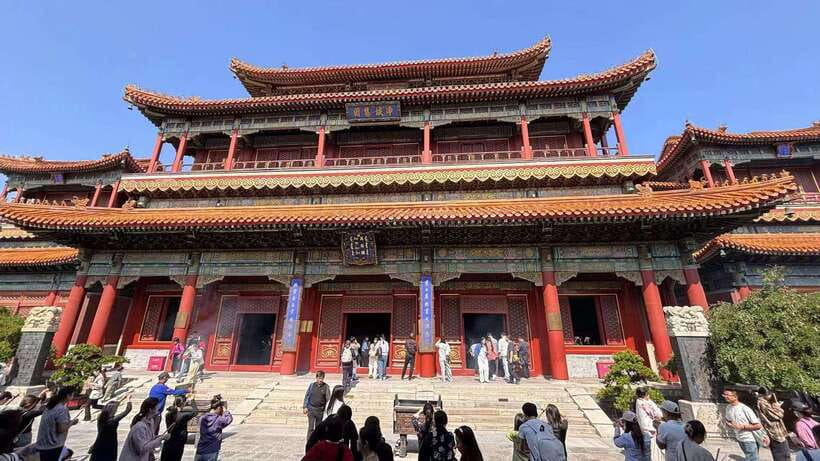
Here’s the part that makes this temple more interesting than a standard stop on a photo list. The site’s origin is tied directly to China’s imperial power, then shifts toward a major Buddhist center.
The complex was built in 1694, linked to Emperor Yongzheng. Before Yongzheng rose to the throne in 1722, the location was used as part of the city-wall setting for him. That’s already a clue you’re standing in a space that once served political and elite purposes, not just religious ones.
Then the story turns. Emperor Qianlong, Yongzheng’s son, later sent for 300 Tibetan monks and 200 Chinese students, and in 1744 they were housed in the palace area. From that point on, the dwelling served as a temple and monastery. The result is why Yonghe Lamasery is considered one of the greatest centers of Buddhism outside Tibet.
You don’t need to memorize dates, but it helps you look at the place with the right question in mind: how did a palace setting become a monastic center with Tibetan and Chinese influence? Keeping that in your head makes the visit feel more like a living story and less like a quick walk-by.
Price and value of the $9 QR ticket
The price is $9 per person. For a major Beijing landmark, that’s relatively low, and the value comes from two practical things.
First, you get the Yonghe Lamasery ticket. Second, the booking services charge is included. In other words, you’re not paying extra on top in the moment for the ticket itself—what you see is what you’re buying.
Then there’s the biggest value-add: skip the ticket line and enter with a QR code. In places like this, time can be your real expense. If you arrive at a busy hour, the ability to go straight to entry instead of losing time to queues is a genuine benefit, not just a marketing line.
Also, the visit is 2 hours. That matters because it sets expectations. You’re not buying an all-day experience. You’re buying a focused, manageable temple visit that can fit inside a sightseeing day.
Finally, you get planning flexibility: free cancellation up to 24 hours in advance and a reserve now & pay later option. If your Beijing schedule might shift, this reduces the risk of having your ticket locked to a single rigid plan.
QR entry rules: using your passport without ticket hassle
This ticket is built around one clean process: QR code + passport. That’s the core idea. You don’t need to chase a physical ticket or print anything if you can access your QR on your phone.
But here’s the key warning you should take seriously: the GetYourGuide QR is not valid. You must use the correct QR you receive in your email or on WhatsApp. If you show up with the wrong code, you can’t talk your way into entry.
My advice is simple:
- Check your email and WhatsApp before you leave for the temple.
- Open the QR code screen before you arrive, so you’re not fighting weak signal at the last second.
- Keep your passport easy to reach. At entry, you want zero rummaging.
If you’re traveling with a group and you’re the one holding documents, this is also where you earn points. Keep the QR and the passport with the person who will present them.
How to get there fast: Subway Line 2/5 and Exit F
Yonghe Lama Temple sits in an area that’s fairly easy to reach using Beijing’s subway system. The most straightforward option is to use Subway Line 2 or Line 5 to Yonghegong (Yonghe Temple) Station.
When you exit, look for Exit F. From there, the walk is described as only a few meters, then turning east. The total walk time is about two minutes.
That short walk is a big deal. Temple mornings can get hectic, and you don’t want your schedule eaten up by wandering around station exits.
If you prefer buses, there are several lines listed (like 13, 116, 117, 684, and others). You can get off at Yonghegong Station, or the Yonghegong Qiao Dong / Yonghegong Qiao Bei stops. If you’re traveling with someone sensitive to walking, buses can be convenient, though they can also be slower depending on traffic.
Making the most of a 2-hour visit
The time you’re given here is 2 hours, with starting times based on availability. That’s enough time to absorb the place if you keep your pacing realistic.
I’d plan your visit like this:
- Arrive with enough buffer to handle entry smoothly using the QR code and passport.
- Spend your time inside the main temple areas and in the key parts of the complex, rather than trying to sprint from one corner to another.
- Look for the story behind the setting: palace origins, then a shift into a monastic and monastery function after 1744.
One drawback to be honest about: if you want a slow, deep read of every sign, you might feel rushed in two hours. This ticket format isn’t designed as a long meditation retreat. It’s designed for an efficient, full-value sightseeing window.
If you’re visiting alongside other Beijing must-sees, this is actually a plus. A two-hour core stop keeps the day balanced so you’re not exhausted before your next attraction.
Also, the temple is listed as wheelchair accessible, so it’s built to be usable for visitors who need it.
Who should book this Yonghe Lama Temple entry ticket?
This is a strong match if:
- You want simple entry without ticket-line delays
- You’re doing a temple day and need a major site that fits a 2-hour block
- You care about the historical arc from Yongzheng-era palace use to a Buddhist monastery under Qianlong
- You like practical planning and prefer your bookings to support flexibility (free cancellation and reserve now & pay later)
It may be less ideal if:
- You want a very long, unhurried visit where you can take your time with everything at walking pace for the entire day
- You’re the type who relies on a printed or automatically generated QR at the gate and you don’t want to handle the email/WhatsApp QR requirement
Should you book this? My straight answer
I think you should book this if your top goal is a fast, low-stress way to enter one of Beijing’s key Buddhist landmarks. The combination of low cost, QR + passport entry, and skip-the-line value is exactly what you want when sightseeing time is limited.
Just be strict about the QR detail. Double-check the QR from your email or WhatsApp before you head out, since the GetYourGuide QR isn’t valid. If you follow that one rule, this ticket becomes one of the easiest “big ticket” temple entries you’ll handle in Beijing.
If you want, tell me your visit day and what other sights are on your list. I can help you place Yonghe Lamasery into a realistic route and timing plan.
FAQ
How long is the Yonghe Lama Temple entry experience?
The duration is listed as 2 hours.
How much does the Yonghe Lama Temple entry ticket cost?
The price is $9 per person.
What do I need to enter Yonghe Lamasery?
You can enter using the QR code and your passport.
Does this ticket let me skip the ticket line?
Yes, it’s described as skip the ticket line.
Is the GetYourGuide QR code valid for entry?
No. The info states that the Get your guide QR is not valid, and you should use the correct QR found in your email or WhatsApp.
Where can I get to Yonghe Lamasery by subway?
Take Subway Line 2 or Line 5 to Yonghegong (Yonghe Temple) Station, then exit from Exit F.
Which bus stops are near the temple?
You can use buses including 13, 116, 117, and 684 to Yonghegong Station, or other listed buses to Yonghegong Qiao Dong Station or Yonghegong Qiao Bei Station.
What’s included with the ticket price?
It includes the Yonghe Lamasery ticket and the ticket booking services charge.
Can I cancel for a refund?
Yes. You can cancel up to 24 hours in advance for a full refund.