REVIEW · BEIJING
Datong Yungang Grottoes and Hanging Monastery 1-day from Beijing by Train
Book on Viator →Operated by Great Wall Hiking, Camping and Trekking Operator · Bookable on Viator
Two UNESCO sites, one fast train day. This Datong day trip works because the newly built Beijing–Datong bullet train cuts the travel time down to about 2 hours each way, so you’re not spending your whole day commuting. I also like that it’s set up as a true private experience, with a dedicated team to keep everything moving.
My favorite part is the human side: your Datong guide, Star, speaks fluent English and knows how to explain Shanxi history in a way that sticks. You’ll also get a Shanxi-style lunch taste that you won’t find in typical Beijing meal routines, which makes the day feel like more than just “two attractions and back.”
One drawback to consider: you’re on a schedule, and the Hanging Temple can get very crowded in peak months (March–October). If waiting stretches past about 1.5 hours, the better move is to view the temple from below instead of pushing your way into a long line.
In This Review
- Key highlights to know before you go
- A Bullet Train Shortcut From Beijing to Datong
- Yungang Grottoes: Northern Wei Carving Mastery
- The Hanging Temple at Xuankong Si (and the Waiting-Test)
- Your Private Day: Guide Star, Timing, and Shanxi Lunch
- Tickets, Mobile Entry, and What the $399 Includes
- Practical Tips for Enjoying Both Stops Without Stress
- Who This One-Day Datong Tour Fits Best
- Should You Book This Datong Day Trip From Beijing?
- FAQ
- How long is the Datong trip from Beijing by train?
- Which attractions are included?
- Are admission tickets included?
- Is lunch included?
- Is this a private tour?
- Is pickup offered, and do you use mobile tickets?
- What should I know about peak season at the Hanging Temple?
Key highlights to know before you go
- Beijing–Datong in about 2 hours each way on the bullet train
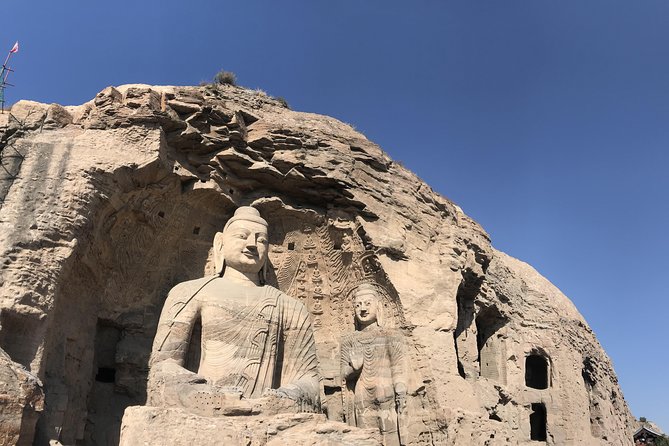
- Yungang Grottoes: Northern Wei Buddhist cave art from 460–525 AD
- Xuankong Temple (Hanging Monastery): built into a cliff with Buddhism, Taoism, and Confucianism together
- English guide Star with strong time management so you see both stops
- Admissions included for both the grottoes and the hanging temple
- Shanxi-style lunch as part of the day’s rhythm
A Bullet Train Shortcut From Beijing to Datong
The core idea here is simple: use the new rail connection to turn Datong into a realistic day trip. You get roughly 12 hours total, and the train runs about 2 hours each direction, which is the difference between a tiring tour and one you can actually enjoy.
Because it’s a private tour, you’re not stuck pacing with a large crowd or hunting for the right group at train transfers. Pickup is offered, and the itinerary is built around the two major sights: Yungang Grottoes first, then Hengshan Hanging Temple.
One small but important reality check: even with fast train travel, you’ll still start early and spend the day moving. Think of it as a focused culture day, not a leisurely “sleep in and wander” kind of outing.
You can also read our reviews of more tours and experiences in Beijing


Yungang Grottoes: Northern Wei Carving Mastery
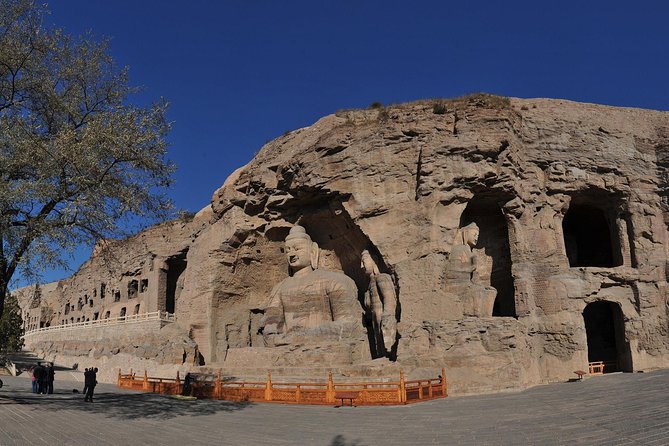
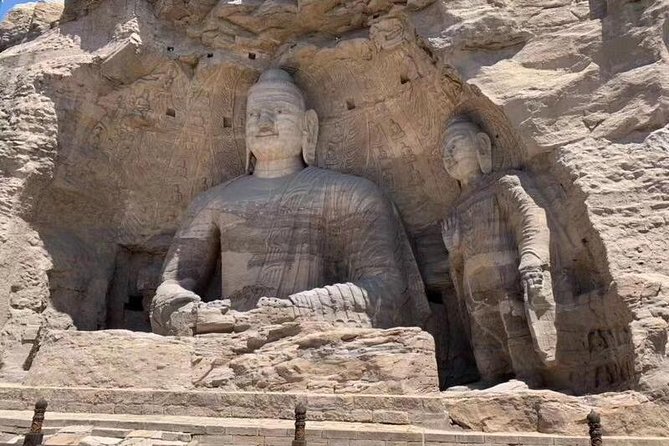
Yungang Grottoes are one of China’s headline rock-cut sculpture sites, and they’re famous for a reason. The grottoes were created between 460 and 525 AD during the Northern Wei Dynasty, and the artwork represents an early fusion of Buddhist symbolic art from South/Central Asia with Chinese traditions.
You’ll have about 2 hours here, and that time window matters. With this kind of site—252 grottoes and more than 51,000 Buddha statues and statuettes—you want to look smart, not just look fast. With a good guide like Star, you can focus on what’s significant rather than getting lost in the sheer volume.
The UNESCO angle is useful here, because it explains why the site is preserved at an elite level. It’s not just old art; it’s considered a masterpiece of early cave art, and the mix of influences is part of what makes Yungang stand out.
Practical note: the grottoes are architectural and visual, so you’ll get the most if you keep your eyes moving between overall design and details. This is the stop where a guide truly earns their spot.
The Hanging Temple at Xuankong Si (and the Waiting-Test)
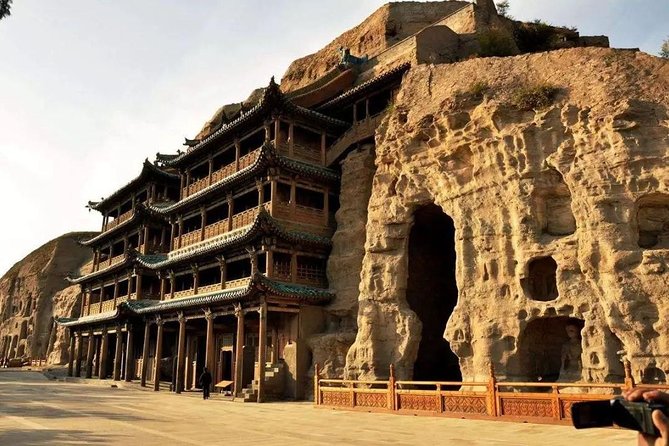
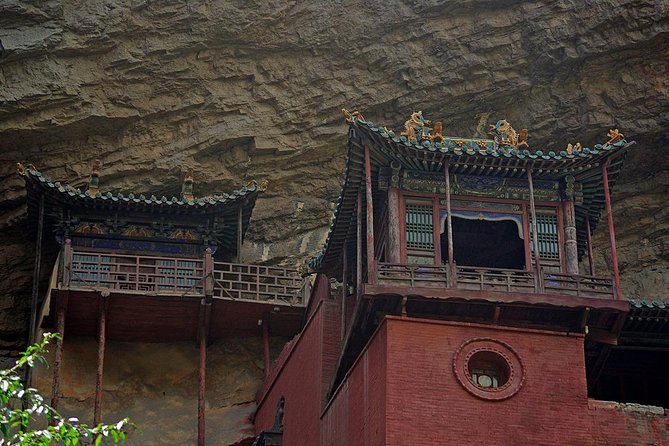
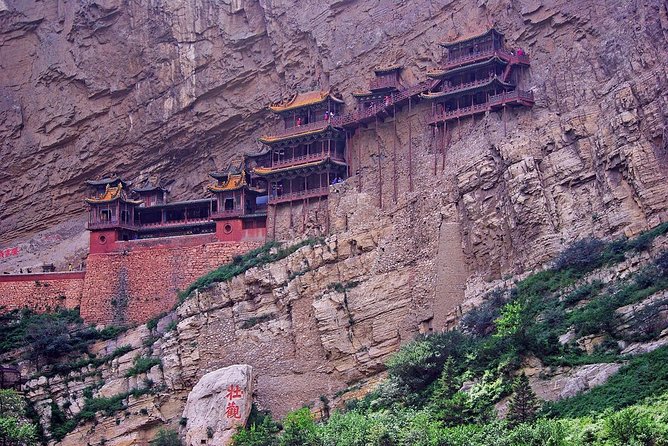
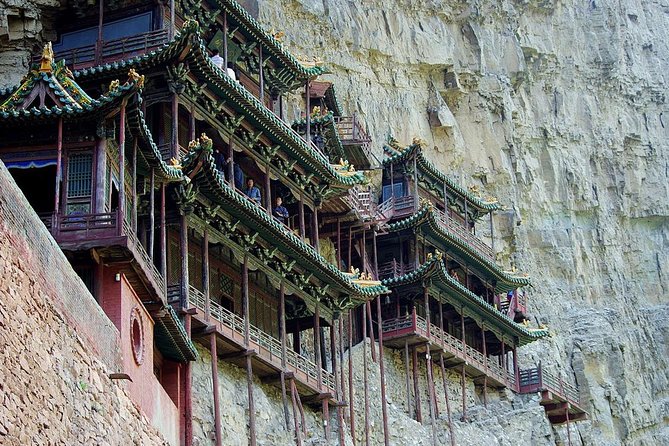
Next comes the Hengshan Hanging Temple, also known as Xuankong Temple—a cliffside temple famous for being built into sheer rock. It’s about 1,500 years old, and the structure is supported by hidden wooden beams embedded in the rock. The cliff setting also helps protect parts of the complex from weather.
What makes this place genuinely unusual is the way it combines Buddhism, Taoism, and Confucianism in one site. This isn’t a single-faith museum stop. It’s more like a historical “why the world has so many beliefs” lesson, carved into the landscape.
You’ll have about 1 hour at the temple, which is tight but workable. The peak-season consideration is the key thing to understand: from March to October, visitor numbers are high and advance reservations are recommended (at least one week), and they can be competitive.
There’s also a practical rule of thumb provided for that peak crunch. If on-site waiting time goes beyond 1.5 hours, you’re advised to switch to viewing the temple from below rather than losing half your schedule to a line. That’s the kind of real-world guidance you want on a packed day.
Your Private Day: Guide Star, Timing, and Shanxi Lunch
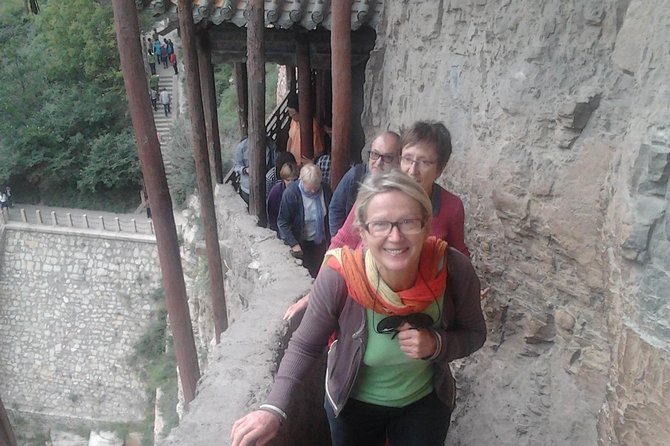
In a one-day tour, your biggest luxury is time management. The schedule here is designed around two major sites plus transit, and the guide’s job is to keep you from spending your best hours wandering inefficiently. Star’s English skills and historical context are a major reason people rate this trip so highly.
I also like that the experience isn’t only sightseeing. There’s a Shanxi-style food lunch included, presented as a taste you won’t get in Beijing. Even a simple included meal can change the feel of the day, because you’re practicing the local rhythm instead of eating whatever is closest to a train platform.
Because this is private, your day can feel smoother. You’re not negotiating with other people’s pace, and there’s less stress around getting everyone to the right place at the right moment.
Still, be honest with yourself: this is a “see the sights” day. If you want time to linger for hours without moving, you’ll need to manage your expectations before you book.
Tickets, Mobile Entry, and What the $399 Includes
The price is $399 per person, and the value is mostly in what’s covered and what’s removed from your workload. Admissions for both major stops are included, so you’re not spending mental energy figuring out entry fees on the fly.
You also get a pickup option, group discounts, and mobile ticket support. Mobile ticketing may sound small, but when you’re doing a compressed day with trains and timed sites, it reduces friction—especially when multiple steps could otherwise slow you down.
The private setup matters too. Even if you’re not traveling solo, the tour is described as private, meaning you won’t be sharing the experience with strangers. That can be worth real money when the agenda is tight and the two stops are popular.
Is it expensive? In raw sticker terms, yes, but compare it to the cost of doing everything yourself with timing pressure: train logistics, ticket planning, guide interpretation, and the risk of running into peak-season lines with no plan. Here, the day is built to protect your time.
If you’re the type who likes to research every step and build your own plan, you might find a cheaper path. But if you want a guided, timed day with the key sites handled, this price can feel fair.

Practical Tips for Enjoying Both Stops Without Stress
This day trip succeeds when you treat it like a plan, not a vague idea. Start by deciding what kind of traveler you are: if you want the context and want your time managed, a private guided day is a strong match.
For the Hanging Temple, plan around crowds if you’re going March–October. Advance reservations are recommended and competitive, and you should be mentally ready for the possibility of waiting. Remember the provided guidance: if waiting climbs beyond about 1.5 hours, it’s better to view from below than force the entry.
For Yungang Grottoes, the key is using your 2 hours wisely. Ask for pointers on what to prioritize: the site has an overwhelming number of grottoes and figures, so “seeing everything” isn’t the goal. The best outcomes happen when you pick meaningful features and understand why they matter.
Bring essentials for a long day: water, comfortable shoes, and layers. Cave sites and cliffside areas can feel different from street-level weather, and the day is long enough that you’ll appreciate being prepared.
Finally, if you’re nervous about finding the right starting point, note that the meeting points are near public transportation. That makes it easier if you need to flex on how you arrive.
Who This One-Day Datong Tour Fits Best
This tour is a great fit if you’re in Beijing with one extra day and you want to use it well. Datong has two of the region’s biggest cultural draws, and the structure of the day keeps you from turning it into a logistics headache.
You’ll probably love it if:
- You want an English guide who can explain what you’re seeing, not just drive you between sites
- You prefer a private day where pace and timing are managed for you
- You care about historical context tied to real places like Northern Wei cave art and cliffside temple architecture
You might want to reconsider if:
- You dislike early starts and fixed schedules
- You’re only interested in casual sightseeing and don’t care about interpretation
- You’re sensitive to the possibility of crowd-related waiting during peak months
Should You Book This Datong Day Trip From Beijing?
If you want a clean, well-timed day that hits the Yungang Grottoes and Hanging Temple without turning travel into a second job, I’d book it. The strongest reasons are the private format, admissions included, and having Star as a fluent English guide who’s focused on time management and context.
If you’re going in the March–October peak stretch, go in with a plan for the Hanging Temple lines. But even then, the itinerary’s built-in guidance about when to switch to viewing from below helps you keep your day enjoyable.
Bottom line: book this if you’re chasing meaning, not just checklists, and you want the most efficient use of your extra day in Beijing.
FAQ
How long is the Datong trip from Beijing by train?
The tour runs about 12 hours in total.
Which attractions are included?
You visit the Yungang Grottoes and the Hengshan Hanging Temple (Xuankong Temple).
Are admission tickets included?
Yes. Admission tickets for both stops are included.
Is lunch included?
Yes. You’ll have a taste of Shanxi-style food at lunch, which isn’t found in Beijing in the same way.
Is this a private tour?
Yes. It’s described as private, meaning only your group participates.
Is pickup offered, and do you use mobile tickets?
Pickup is offered, and the tour includes mobile ticket use.
What should I know about peak season at the Hanging Temple?
From March to October, visitor numbers are high. Advance reservations are required and highly competitive, and if waiting on-site exceeds 1.5 hours, you’re recommended to view the temple from below rather than entering.