REVIEW · BEIJING
Exclusive Private Photography & Video Tour to The Forbidden City
Book on Viator →Operated by Beijing Tours by Better China Trip · Bookable on Viator
Photography inside the Forbidden City is easier. This private photo and video tour pairs an English-speaking guide with professional shooting, so you focus on seeing and capturing rather than figuring things out. I love that Forbidden City admission is included and you start with real context, not just a checklist of sights. The main consideration: you’ll still walk a fair bit in a big complex, and the experience needs good weather to run smoothly.
I also like the pacing. The total time is about 4 to 5 hours, with roughly 2 hours of walking between key stops, so you can actually linger where photos work instead of rushing every doorway.
My one real caution is comfort and expectations. This is photography-forward and private, which is great, but it can feel like a lot of ground for anyone who wants a slow, no-schedule museum day.
In This Review
- Key highlights worth your attention
- Forbidden City at photo-speed: how this private tour actually feels
- Getting there comfortably: pickup, vehicle, and where the day ends
- Palace Museum first stop: where the story and the camera meet
- Gate of Great Harmony and Hall of Great Harmony: power at the entrance
- Middle and Preserving Harmony: the smaller stops that make your photos feel complete
- Moving into the inner court: Gate of Heavenly Purity and Palace of Heavenly Purity
- Hall of Union and Palace of Earthly Tranquility: symbolism you can photograph
- Imperial Garden and Jingshan Park: ending with beauty and a viewpoint
- Is $190 a good deal for a private photo and video tour?
- Guides like Ren, Licia, and Lisa: what their approach does for your photos
- Who should book this tour, and who might prefer something else?
- Should you book the Forbidden City private photo and video tour?
- FAQ
- What’s the duration of the Forbidden City photography and video tour?
- Is admission to the Forbidden City included?
- Does the tour include Jingshan Park?
- Do you offer hotel pickup?
- Is the tour private?
- Is there a guide who speaks English?
- Do I get professional photos and videos?
- Is there transportation during the tour?
- Where does the tour start and end?
- What if the weather is poor?
Key highlights worth your attention
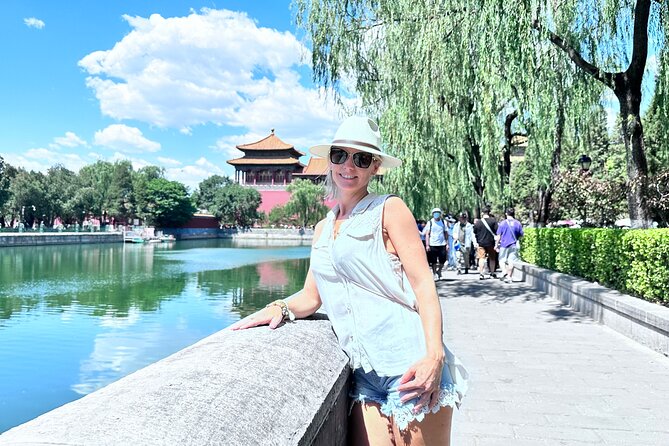
- Your guide handles the shooting: professional photography and video are part of the experience, not an add-on
- Start-to-finish support: hotel pickup/drop-off (within 4th Ring Road) plus an air-conditioned vehicle and bottled water
- Top ceremonial buildings: Gate of Great Harmony, Hall of Great Harmony, and more major halls in focused time blocks
- Inner court access by story: Gate of Heavenly Purity and Palace of Heavenly Purity help you understand the shift from public to political space
- Courts of rulers and empresses: Hall of Union and Palace of Earthly Tranquility bring the symbolism to life
- Finish with a payoff view: Imperial Garden beauty and the panoramic lookout from Jingshan Park
Forbidden City at photo-speed: how this private tour actually feels
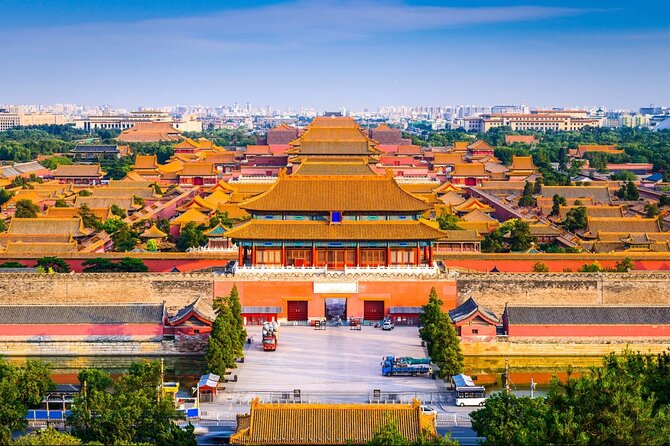
The Forbidden City can be overwhelming. It’s huge, ceremonial, and easy to get lost in while trying to take good photos at the same time. What makes this tour different is that your guide works as your photo partner. You’re not just following someone’s narration—you’re getting direction for where to stand, how to frame, and how to capture the scale of the spaces.
You also get a private setup, meaning the pace fits your group. That matters here because photography often comes down to timing: the moment you line up symmetry, the angle that shows layered roofs, or the light that hits the hall fronts. With only your group, the guide can slow down when you find a shot you really want.
The tour is about 4 to 5 hours total. In that window, you’re seeing the big ceremonial spine of the Palace Museum and then moving toward the inner-court buildings, before finishing at Jingshan Park. The walk between sites is estimated at around 2 hours, so you should plan for movement even though you’re not “hiking” outside the core complex.
And yes, the “photo and video tour” part is not marketing fluff. The included service is professional photography and videos by your guide. That’s a big deal if you’ve ever shown up with a phone on a selfie stick and realized you were the one missing from your own photos.
You can also read our reviews of more city tours in Beijing
Getting there comfortably: pickup, vehicle, and where the day ends
One practical win: hotel pickup and drop-off is included for hotels within the 4th Ring Road. If your hotel is in that area, you skip the awkward logistics of finding a ride and managing time before your ticket moment.
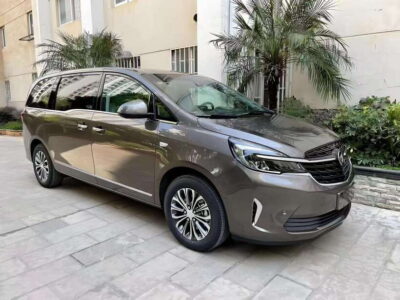
During the tour you also have a private transfer service and an air-conditioned vehicle, plus bottled water. Beijing can run hot or change fast, so the air-conditioned breaks matter more than you’d think—especially when you’re out with camera gear.
The day starts at Hotel Kapok Beijing (Dong Hua Men Da Jie area). It ends at Jingshan Park. If you prefer, you can take you back to your hotel within 4th Ring Road. That ending location is smart because Jingshan Park is your natural “look back at the city” finale—more on that later.
Palace Museum first stop: where the story and the camera meet
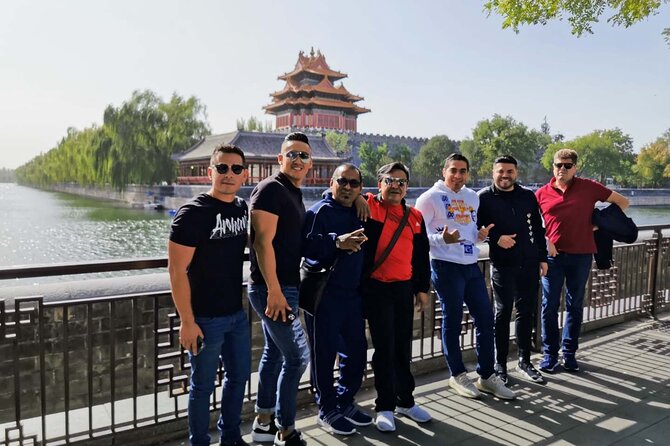
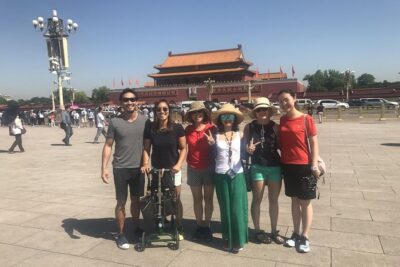
You’ll begin at Forbidden City – The Palace Museum, with about 2 hours on site there. This is where your guide’s job becomes most obvious: they help you make sense of the complex so your photos aren’t just pretty buildings with no emotional or historical weight.
The Palace Museum portion is also the foundation for everything else. Once you understand where the ceremonial spaces sit and why the buildings are arranged the way they are, the later stops start to feel connected. That makes your photo set stronger, too, because you’re capturing a sequence rather than isolated moments.
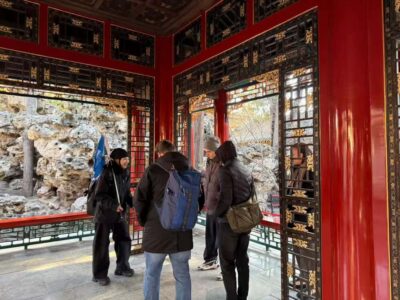
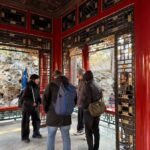
Practical photo tip: even if you love architecture, take a few photos at human level. The Forbidden City looks like scale and geometry from far away, but close-up details—wood structures, gates, and roof lines—give your album balance. A good guide will help you get those close details without losing the overall composition.
Gate of Great Harmony and Hall of Great Harmony: power at the entrance
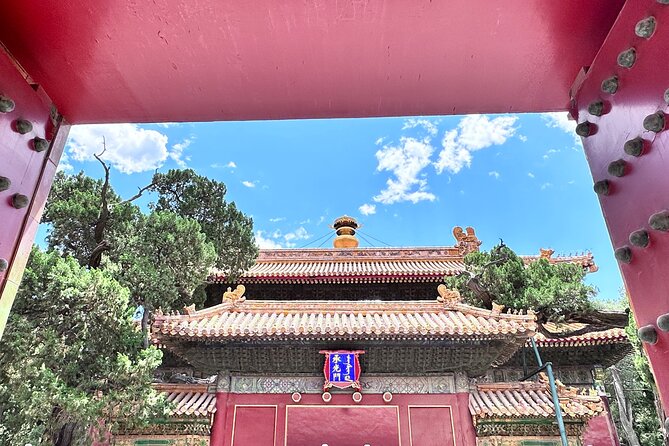
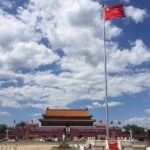
Next up is the Gate of Great Harmony (Taihe Men), a short stop at about 15 minutes with admission free. This gate is described as the grand entrance with symbolic importance. That’s exactly why it’s a must-shoot: you’re not just photographing a gate, you’re photographing a statement.
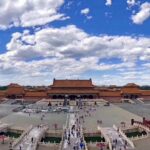
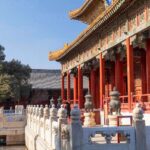
After that you move to the Hall of Great Harmony (Taihe Dian) for about 20 minutes. This is treated as the heart of imperial power—and you can see why. The hall is built for ceremony, with a sense of presence that changes how you frame it. If your photos usually look flat, this is where your guide’s direction helps you correct that. You want images that show depth and height, not just a front-facing wall.
Possible drawback to keep in mind: these kinds of ceremonial stops are popular, so patience helps. You might have to wait for a clear composition. The advantage of a private tour is that your guide can time your positioning for the best chance at clean shots.
Middle and Preserving Harmony: the smaller stops that make your photos feel complete
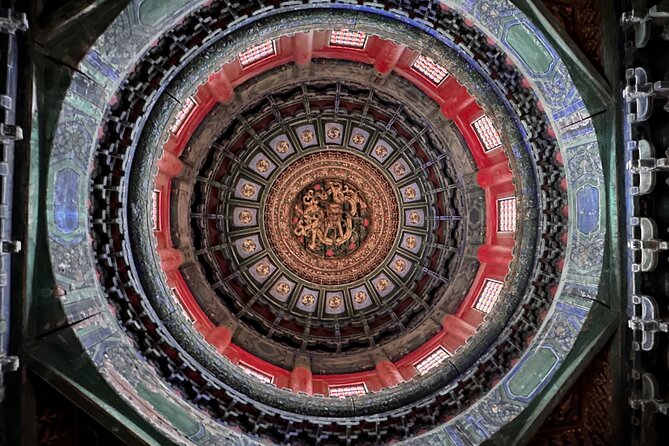
The tour then continues to two halls that help fill in the logic of the complex.
- Hall of Middle Harmony (Zhonghe Dian) is about 10 minutes and tied to emperors preparing for important ceremonies.
- Hall of Preserving Harmony (Baohedian) takes about 15 minutes, described as a place for banquets and ceremonies.
These are shorter stops, which is actually good for photography. Big halls can tempt you into spending too long, chasing one perfect shot. Shorter time blocks keep you moving while still giving you a chance to capture each space’s personality.
If you’re building a photo story, these stops help you show contrast. You get the dramatic “main” hall energy, then you get the ceremonial support spaces that explain how the day-to-day machinery of power was staged. Your album reads like a narrative, not a random set of rooftops.
You can also read our reviews of more private tours in Beijing
Moving into the inner court: Gate of Heavenly Purity and Palace of Heavenly Purity
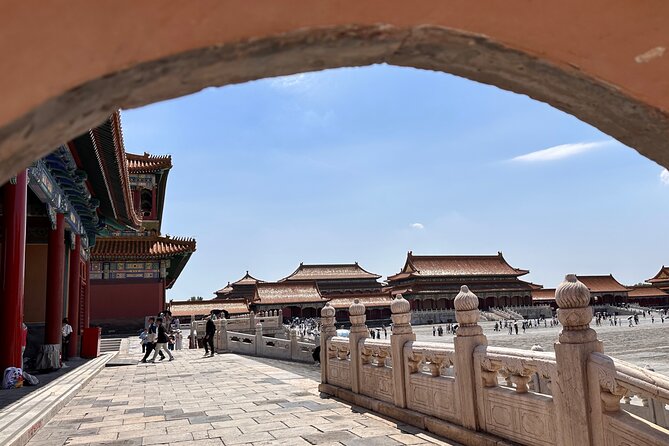
The experience shifts when you reach the Gate of Heavenly Purity (about 10 minutes). This gate is described as an entrance to the inner court where emperors conducted daily affairs. That single phrase changes how you should think about your photos. Instead of treating everything as pure ceremony, you start looking for the human scale of governance.
Then comes Palace of Heavenly Purity for about 15 minutes. The description calls it the emperors’ living quarters in the Ming and Qing dynasties and also the political center. In other words, this isn’t only about what was performed. It’s about where decisions were made and where life happened.
For photography, this is where you’ll probably appreciate the guide’s storytelling. When you understand a building’s role, you tend to frame differently. Your photos feel more intentional, and your captions (even if you write them only in your notes app) make sense.
Hall of Union and Palace of Earthly Tranquility: symbolism you can photograph
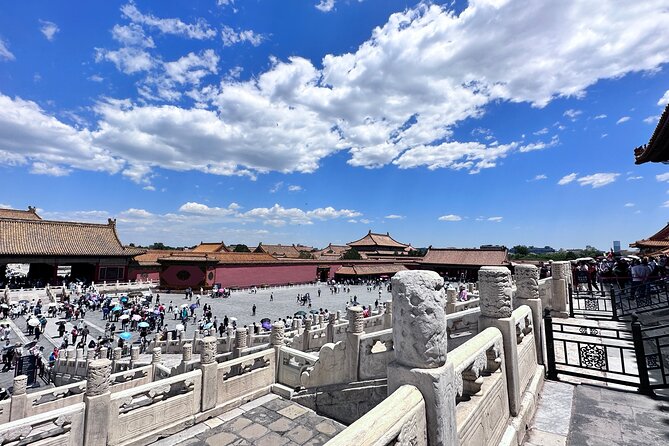
Next, you’ll visit:
- Hall of Union (about 10 minutes): described as symbolizing harmony and unity in imperial China.
- Palace of Earthly Tranquility (about 15 minutes): described as the residence of imperial empresses, with a serene ambiance and exquisite design.
These stops are short, but they’re valuable because they broaden the tour beyond the most obvious “power” imagery. Harmony, unity, tranquility—these words guide how you should look at the space. If you only photograph grand halls, your set can feel heavy. These locations help soften the tone and add emotional contrast.
They also help your tour feel more complete. The Forbidden City is not a single theme. It’s a whole court system, and the empress residence theme is a different angle on who had influence and how the palace spaces were used.
Imperial Garden and Jingshan Park: ending with beauty and a viewpoint
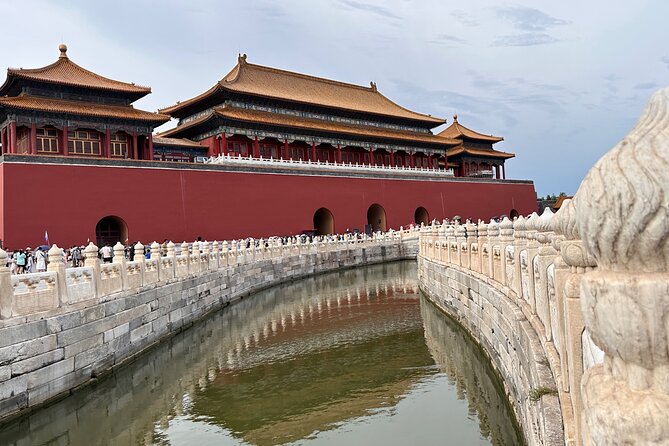
The tour then reaches the Imperial Garden of the Palace Museum for about 20 minutes. The description notes blooming flowers and royal-garden beauty. Garden time works because it’s a reset for your eyes after strong architectural lines. It’s also the kind of place where you can get portraits and detail shots without feeling like you’re copying the main-hall viewpoint everyone takes.
Finally, you finish at Jingshan Park for about 30 minutes. This is your viewpoint finale, with panoramic views of Beijing’s ancient charm from the summit, plus historic pavilions and gardens. Even if you’ve photographed the Forbidden City already, the park view helps you understand the complex in relation to the city.
I like ending here because your camera gets a new job. Instead of capturing the palace front, you capture context—how the Forbidden City sits in the broader urban world. It makes your album feel grounded, not stuck inside one courtyard.
Is $190 a good deal for a private photo and video tour?
At $190 per person for a 4 to 5 hour private tour, the value depends on what you compare it to.
This price includes more than a guide. You get Forbidden City and Jingshan Park admission, an English-speaking guide, hotel pickup/drop-off within 4th Ring Road, a private transfer service, air-conditioned vehicle, bottled water, and most importantly professional photography and videos by your guide.
If you’ve ever paid separately for entry tickets, a guide, and then still relied on random phone snapshots for photos, this packaged approach saves time and frustration. The biggest “value” item isn’t the tour itself—it’s the photo and video service. You’re outsourcing the hardest part: getting images that look like you planned them.
A small planning note: this experience is often booked about 14 days in advance on average. If you’re traveling during busy periods, I’d aim to reserve earlier so you’re not waiting for a slot.
Guides like Ren, Licia, and Lisa: what their approach does for your photos
From the guide stories I’ve seen connected with this kind of tour, a theme shows up again and again: they don’t just list facts, they manage your time and your photos.
Ren is praised for excellent English and deep knowledge of the Forbidden City, with extra history shared even on the ride there. That kind of pre-context matters because it helps you understand what you’re about to shoot before you arrive, so your attention lands in the right places.
Licia gets credit as both a friendly guide and an amazing photo taker who knows a lot about the sites. When a guide is strong with photography, you get practical help quickly—how to stand, when to move, and what angles show the buildings best.
Lisa also stands out for tourist management—answering concerns and taking wonderful pictures—plus a reputation for cordiality. That’s the underappreciated part of a private tour: it keeps you from feeling stressed when you’re in a massive, crowded space with camera gear.
Even if you don’t have one of those names as your guide, the standard seems to be consistent: strong language skills, good pacing, and real photo attention.
Who should book this tour, and who might prefer something else?
This is a great fit if you:
- Want a private Beijing experience with a guide who helps you produce actual photo results
- Care about getting strong images at major Forbidden City ceremonial locations
- Prefer English speaking guidance and a smooth day with pickup, vehicle, and water
- Like having time blocks rather than walking all day alone trying to plan your own route
It may be less ideal if:
- You want a very slow, unstructured visit with lots of independent wandering
- You’re sensitive to walking. The schedule includes movement, and estimates put walking around 2 hours
- Weather is a big concern for you. The experience requires good weather, and a weather-related change can happen
Should you book the Forbidden City private photo and video tour?
If your goal is a confident Forbidden City visit with professional photos and video taken for you, I’d book this. The mix of admission included, hotel pickup within the right area, comfortable transport, and a guide who actively helps with photography makes it feel like a smart use of time.
I’d hesitate only if you’re looking for a long, self-paced museum day where you don’t want to follow a timed route at all. Otherwise, this is exactly the kind of private tour that turns a famous place into a set of images you’ll actually be proud to share.
FAQ
What’s the duration of the Forbidden City photography and video tour?
The tour runs about 4 to 5 hours.
Is admission to the Forbidden City included?
Yes. Entry and admission to the Forbidden City are included.
Does the tour include Jingshan Park?
Yes. Jingshan Park admission is included, and the tour ends there.
Do you offer hotel pickup?
Hotel pickup and drop-off are included for hotels within 4th Ring Road of Beijing.
Is the tour private?
Yes. It’s a private tour/activity, and only your group participates.
Is there a guide who speaks English?
Yes. The tour includes an English-speaking tour guide.
Do I get professional photos and videos?
Yes. Your guide provides professional photography and videos as part of the experience.
Is there transportation during the tour?
Yes. There’s a private transfer service and an air-conditioned vehicle during the tour.
Where does the tour start and end?
It starts at Hotel Kapok Beijing and ends at Jingshan Park, with an option to return to your hotel within 4th Ring Road.
What if the weather is poor?
The experience requires good weather. If it’s canceled due to poor weather, you’ll be offered a different date or a full refund.