REVIEW · BEIJING
Forbidden City, Summer Palace & Temple of Heaven Tour
Book on GetYourGuide →Operated by Catherine Lu's Tour · Bookable on GetYourGuide
Three UNESCO giants, one guided Beijing day. This private, 8-hour loop helps you see Beijing’s old power center, then slows down by lakes, then finishes at a religious world of symbolism, all with a private guide and skip-the-line entry.
I especially like the way the Forbidden City is explained in a clean split between the Outer Court (where rulers exercised power) and the Inner Court (where the emperor and family lived). I also like the Summer Palace because it’s not just buildings—it’s views, water, and pavilions that make the day feel less like a museum march.
The main trade-off is time on your feet. Between walking grounds and the mandatory security checks at major sites, you should plan for a busy, slightly unpredictable flow even with ticket lines handled.
In This Review
- Key highlights at a glance
- The Forbidden City is a maze. This tour helps you read it.
- Outer Court vs Inner Court: what to notice so it doesn’t blur together
- The lunch and tasting stop: a smart energy reset, not just a meal
- Summer Palace: lakes, pavilions, and a calmer rhythm
- Temple of Heaven: where emperors performed the ritual retreat
- Price and value: why $99 can work if you hate ticket lines
- Pickup, meeting point, and how to not waste morning time
- Ticket lines vs security checks: the real timing issue
- Languages, private groups, and guide quality you should look for
- What to bring and when to go for the smoothest day
- Who this tour suits best
- Should you book this Forbidden City, Summer Palace, and Temple of Heaven tour?
- FAQ
- What is the duration of the tour?
- Which attractions are included?
- Are admission tickets included?
- Is hotel pickup available?
- What languages are the live guides available in?
- Do I need to provide passport details?
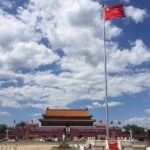
- Is lunch included, and is Tiananmen Square included?
Key highlights at a glance
- Skip-the-line entry at the Forbidden City, Summer Palace, and Temple of Heaven
- South Meridian Gate start to get oriented fast in the Forbidden City
- Outer Court vs Inner Court context so the palace actually makes sense
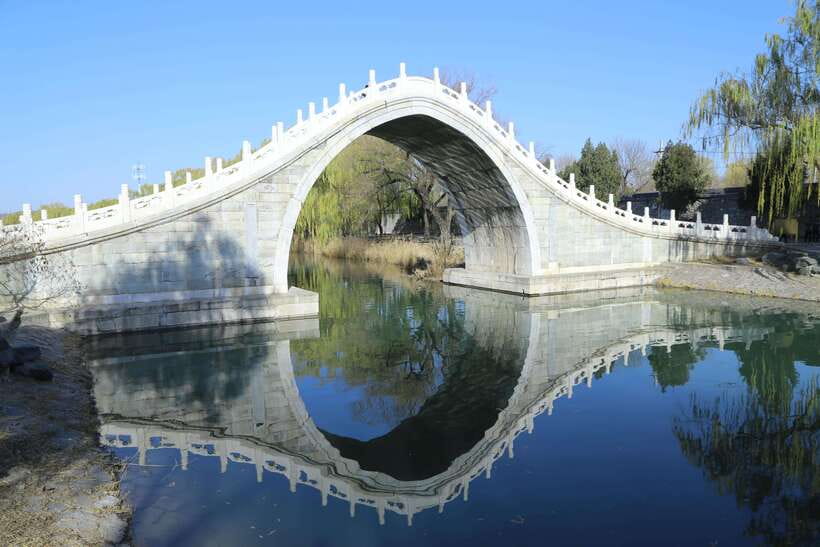
- Summer Palace lakes, bridges, and pavilions for a scenic reset
- Temple of Heaven park setting where the complex fits into a larger public green space
- Local lunch plus a 40-minute food tasting to keep energy up
The Forbidden City is a maze. This tour helps you read it.
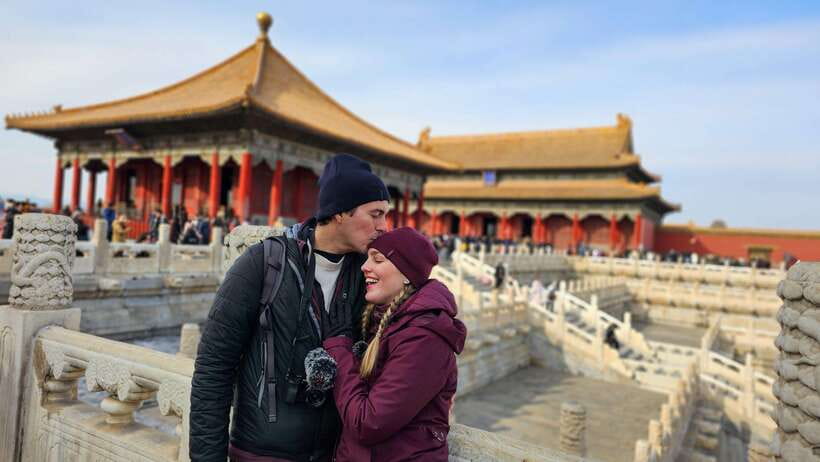
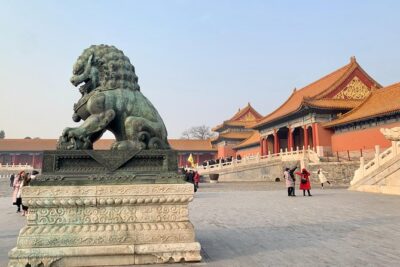
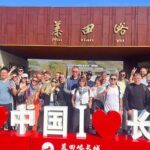
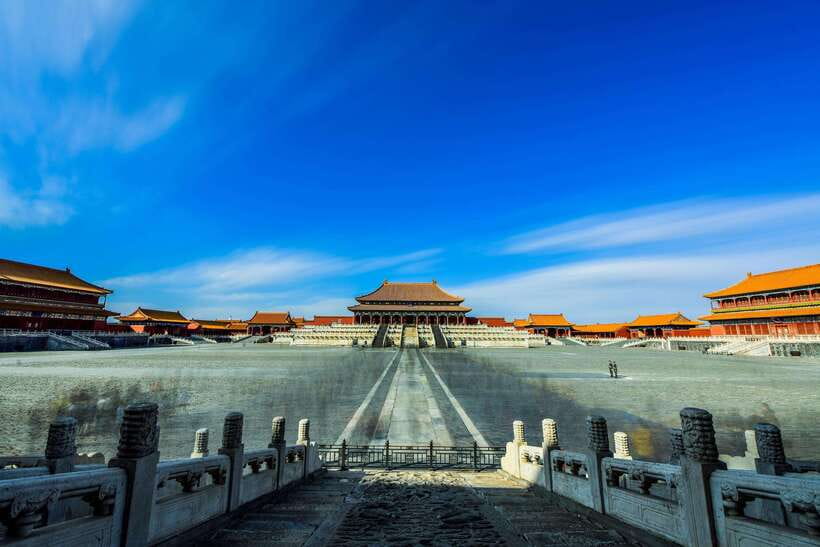
The Forbidden City can feel like wandering through scale and symbolism. A good guide turns that confusion into a map you can carry in your head. On this tour, you start with a practical pickup, then head straight to the palace grounds and walk in from the South Meridian Gate—a classic entry point that sets you up for the main story.
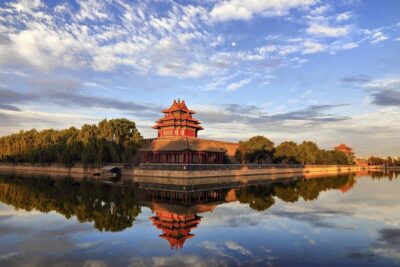
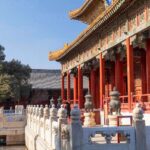
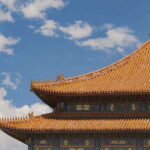
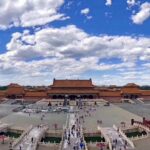
You’ll spend about 3 hours inside the Forbidden City with guided sightseeing and photo stops. The big win is not trying to memorize everything. Instead, you get the timeline and purpose in real terms: the palace served as home for emperors and also the ceremonial and political center of the Chinese government across the Ming and Qing dynasties, which ruled for roughly 500 years.
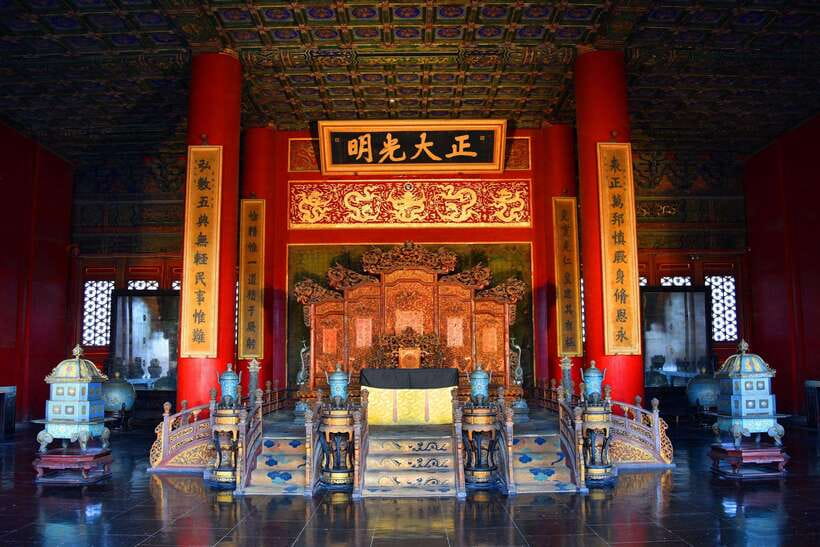
Here’s what I’d focus on during the tour. Look for how the layout changes as the day moves from front-stage power to behind-the-scenes life. The explanation of the Outer Court (where the emperor held supreme power over the nation) versus the Inner Court (where the emperor lived with the royal family) helps you understand why the architecture looks the way it does.
A possible drawback: this is a lot of stone and steps in one stretch. If your legs are sensitive, take micro-breaks whenever your guide pauses for stories. You’ll enjoy it more if you stay mobile instead of forcing long blocks without rest.
You can also read our reviews of more city tours in Beijing
Outer Court vs Inner Court: what to notice so it doesn’t blur together
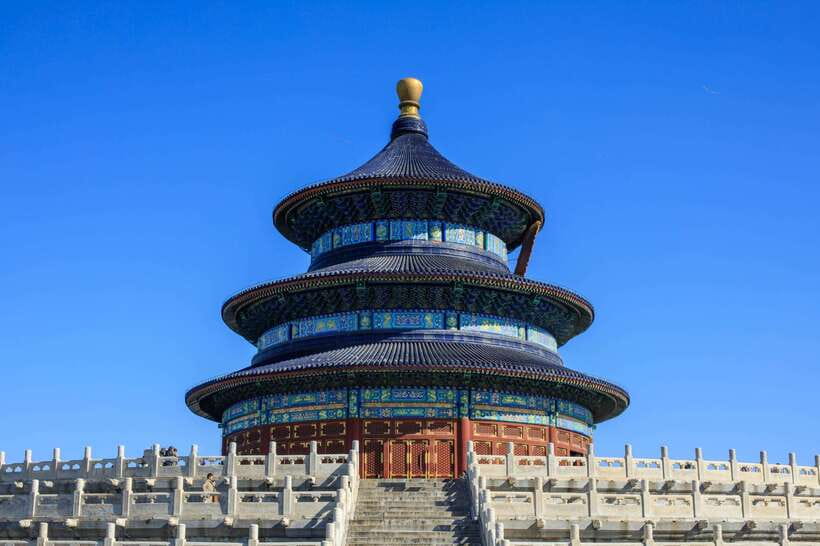
The Forbidden City is huge, and your brain will try to shrink it into one big blur unless you give it handles. The Outer Court and Inner Court framing gives you two mental buckets.
In the Outer Court, you’re watching for power-at-a-distance. Think ceremonial space, formal lines, and the sense that the buildings are arranged to project authority. The Inner Court is more private and domestic in feel, even if it’s still built for majesty. Your guide helps connect that shift to how rulers lived day to day versus how they represented themselves publicly.
You’ll also hear the political and symbolic logic behind the complex. That matters because the Forbidden City isn’t only beautiful. It’s structured. It’s meant to communicate rank, control, and order. When you get that, you stop seeing it as just crowds and start seeing it as a functioning worldview.
If you’re traveling with teens or anyone who tunes out when history lectures get heavy, this is where a good guide earns their keep. It’s still history, but it’s the kind that explains why you’re standing where you are.
The lunch and tasting stop: a smart energy reset, not just a meal
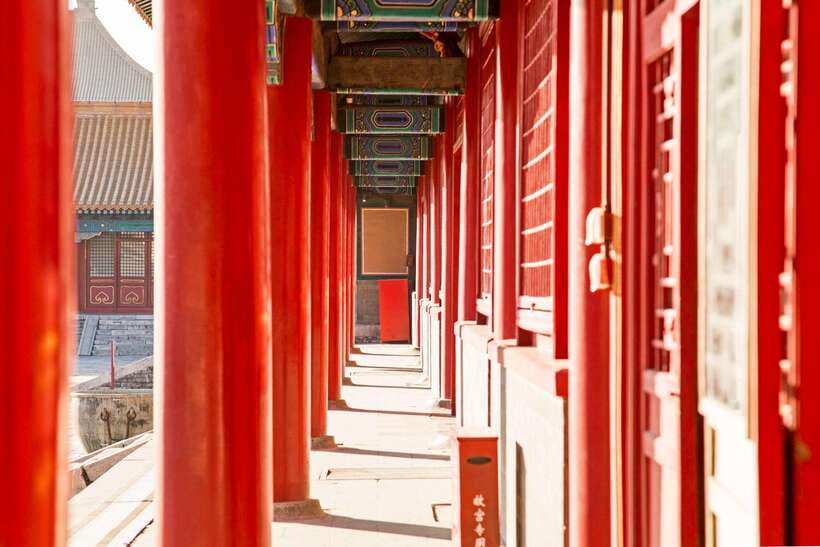
Between palaces, you get a break for food. The plan includes a 40-minute food tasting in Beijing, plus an authentic lunch at a local restaurant (included for this experience, with options depending on booking).
This matters more than you might think. A long day inside major sites is a hydration-and-energy puzzle. If you skip real food, you’ll lose patience faster and walk slower. The tasting portion also gives you a taste of how locals eat, not just what’s served in tourist zones.
I like that the schedule builds in this kind of pause. Even if you’re not picky, it keeps the afternoon from feeling like the first part, only hotter and more crowded. You’ll come back to the Summer Palace and Temple of Heaven with sharper attention.
One thing to plan for: the tour is 8 hours total with three headline attractions. If you have specific dietary needs, it’s worth mentioning them when you book, especially since the lunch mentions options.
Summer Palace: lakes, pavilions, and a calmer rhythm
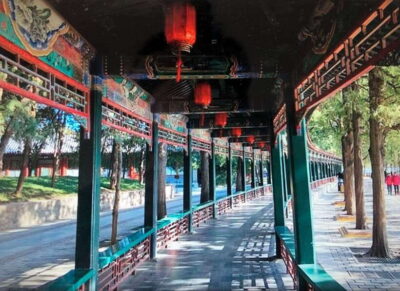
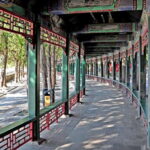
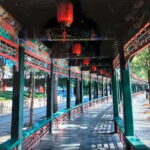
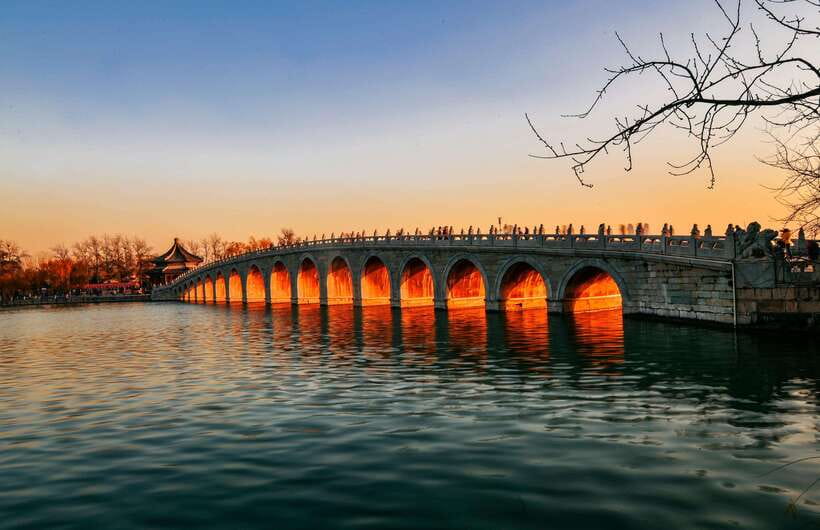
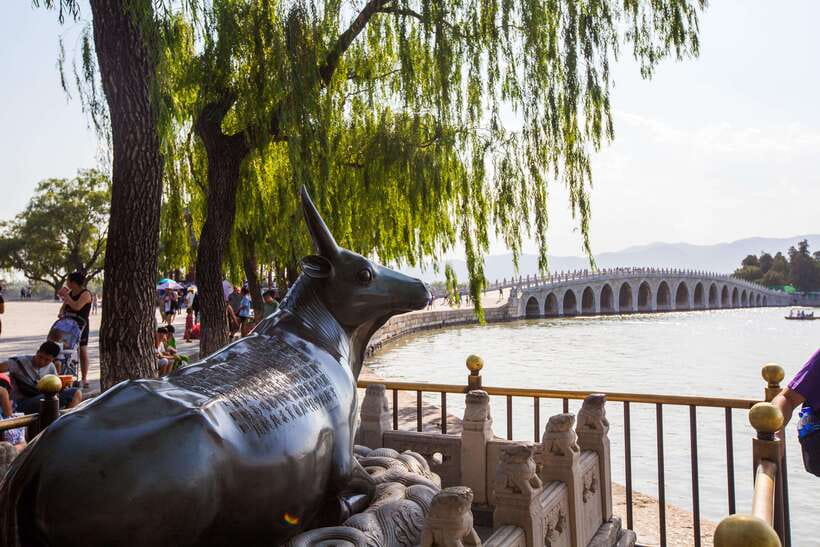
After lunch, you head to the Summer Palace for about 2 hours of guided touring. This is the spot where Beijing changes its mood. Instead of focusing on administrative power, you’re looking at how imperial households escaped heat by retreating to a sprawling landscape of water and architecture.
The highlight is the lake setting: lakes, pavilions, and bridges. You’re not just passing buildings. You’re moving through a complex where views matter, and your guide helps you see the relationships—where water frames the structures, how bridges connect spaces, and why the pavilions are positioned where they are.
This is also a good counterbalance to the Forbidden City. The Forbidden City is dense with meaning and crowds. The Summer Palace feels wider, even when it’s busy. In practical terms, that can make photos easier because you get more space and different sightlines.
Here’s the drawback to keep in mind. The Summer Palace is a large site, and the day is already packed. If you’re trying to see every corner, you may feel rushed. This is exactly the situation where a private guide helps. They can keep you on the most meaningful routes and pacing so the day stays enjoyable.
Temple of Heaven: where emperors performed the ritual retreat
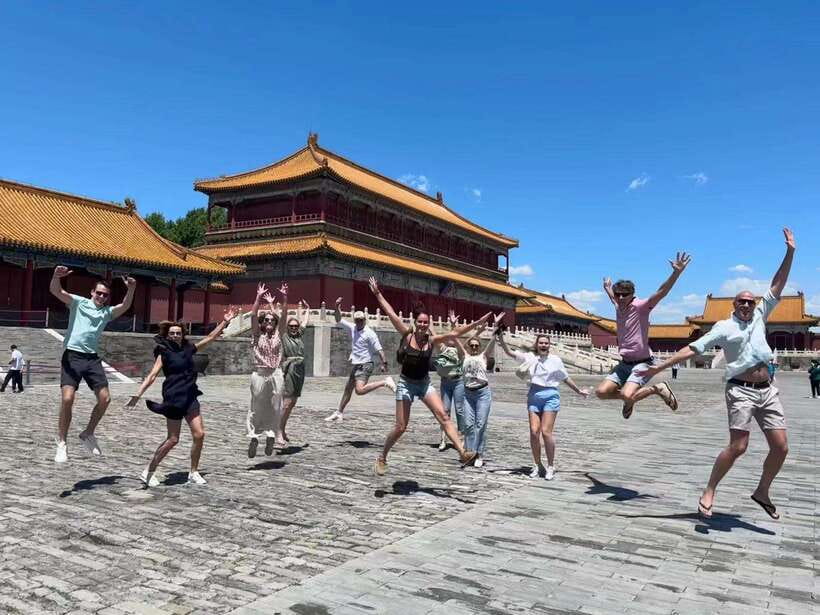
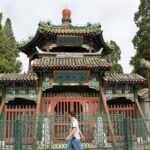
Your final major stop is the Temple of Heaven, functioning as a religious retreat of former emperors. You’ll spend about 1 hour there, including a photo stop and guided visit, then return to your hotel.
What I like about this site is the setting. The grounds today function as a public park, so the complex doesn’t feel isolated from daily life. You’ll often notice park energy—space to breathe, locals moving through paths, and a broader sense of scale than you get inside the palace walls.
The guide’s job here is important. Temple sites can look similar at first glance if you’re only focused on photos. With context, you start to see how the layout supports ritual and symbolism. The Temple of Heaven is less about imperial administration and more about the idea of harmony and the emperor’s relationship to the heavens.
Practical note: the final stop is shorter, which is good. By then, you’ve already walked a lot. Use the Temple of Heaven hour to slow down, look up at key structures, and take in the open-air atmosphere.
Price and value: why $99 can work if you hate ticket lines
At $99 per person for an 8-hour private guided day, the value hinges on what’s included. You get:
- Private guide
- Transportation (private transfer or public transport depending on your option)
- Hotel pickup and drop-off (for eligible hotels in the downtown area)
- Forbidden City entry ticket
- Summer Palace entry ticket
- Temple of Heaven entry ticket
- Local lunch
- A skip-the-ticket-line style experience
That combination is what often makes the price feel fair. Buying three major-site tickets separately is not the only cost—time is too. When you’re short on days, saving time at entry points can be the difference between enjoying a place and just surviving it.
Also, since the itinerary is tight, you’re paying for someone to manage the order of stops and keep the day from turning into “which line is the right line” chaos.
If you’re traveling solo, this tour can also be a smart way to avoid being stuck outside major sites with no plan. The private format keeps you from losing half a day to confusion.
Pickup, meeting point, and how to not waste morning time
This tour is built around pickup and a clean start. If pickup is available with your booking, the operator picks clients from the hotel lobby within 4th ring road Beijing downtown.
If you’re not using pickup, the meeting point listed is Grand Hotel 北京贵宾楼饭店, at 35 East Chang’an Ave, Dongcheng District, Beijing 100006. For getting there, you can either take a Didi or taxi and show the Chinese address, or use subway Line 1 to Tian’anmen Dong and walk a few minutes from exit B.
The practical tip: choose the meeting method that keeps you calm. The Forbidden City day starts early enough that a frantic commute can ruin your energy before you even enter.
Also bring your passport or ID card. Ticket reservations are tied to it.
Ticket lines vs security checks: the real timing issue
Even with the ticket line managed, you still face mandatory security checks at entry points. Waiting time for security can be long during peak seasons, and it’s separate from ticket lines.
This is the key reason I recommend treating the day as flexible. A tour can get you into the line faster, but it can’t stop security staff from doing what they do. Plan to arrive ready: water, comfortable shoes, and a mindset that this part is non-negotiable.
Good guides handle this by controlling pacing and offering short explanations while you wait, so your time doesn’t feel wasted. The tour’s private format helps you stay organized instead of drifting with the crowd.
Languages, private groups, and guide quality you should look for
The guide is live and available in French, German, Italian, Spanish, Chinese, and English. That matters a lot for these sites because the value is in interpretation, not just entry tickets.
If you’re choosing a guide option, look for one who can connect stories to what you’re actually seeing in front of you. Based on real guide experience in this program, names like May, Tony, Tom, Gary, Amy, Angel, Bill, and Linda have been associated with fast pacing, clear answers, and a focus on helping you understand daily life and politics behind the architecture.
Even if you don’t know the guide name in advance, you can still judge quality by how the guide communicates. Do they answer your questions? Do they help you take better photos by telling you where to stand? Do they keep the day moving without making you feel rushed? That’s the difference between seeing three famous places and actually getting them.
What to bring and when to go for the smoothest day
At minimum, bring your passport or ID card. For footwear, pick shoes that work for lots of walking. These three attractions mean uneven surfaces, ramps, and long stretches between highlights.
Weather matters too. The tour notes that sites generally stay open during rainy or snowy days, unless heavy weather forces government closures. If Beijing is having one of those days, keep an eye on the schedule changes from the guide on the ground.
If you want the day to feel easier, wear layers. Palaces can be windy, and outdoor parks can swing in temperature. You’ll feel better when you can adjust without stopping to hunt for a jacket.
Who this tour suits best
This tour works best if you:
- Have limited time and want three major sites in one day
- Prefer a guide to explain the meaning behind layouts and symbols
- Want local lunch as part of the plan instead of improvising
- Don’t want to deal with entry logistics across multiple attractions
If you’re the type who loves slow museum time and wants to linger for hours in one hall, you might find the schedule intense. This is a highlights-and-context day, not a stay-and-breathe day.
It’s also a good fit for families and first-timers because the structure is clear: power, retreat, and ritual. You’ll leave with a fuller sense of how the empire expressed itself in different ways.
Should you book this Forbidden City, Summer Palace, and Temple of Heaven tour?
If you want a well-paced Beijing “greatest hits” day with tickets included, transportation handled, and a guide who keeps you from getting lost in scale, I’d book it. For the price, the real value is not only entry access—it’s time saved and context provided so the sites don’t blur into one crowded list.
Book it especially if you’re visiting Beijing for a short window or you hate the stress of planning lines and routes across three huge areas. You’ll still work hard walking, and you should expect security checks to affect timing. But the payoff is a full day that feels organized and meaningful, not just busy.
FAQ
What is the duration of the tour?
The tour lasts 8 hours.
Which attractions are included?
The tour includes the Forbidden City, the Summer Palace, and the Temple of Heaven.
Are admission tickets included?
Yes. Entry tickets for all three sites are included, and the tour offers a skip-the-ticket-line experience.
Is hotel pickup available?
Pickup is optional, and the tour can pick clients from hotel lobbies within the 4th ring road of Beijing downtown, depending on the booking option.
What languages are the live guides available in?
Live guides are available in French, German, Italian, Spanish, Chinese, and English.
Do I need to provide passport details?
Yes. You’re asked to provide passport details when booking so the tickets can be reserved.
Is lunch included, and is Tiananmen Square included?
Lunch is included as a local restaurant meal. Tiananmen Square is listed as not included.