REVIEW · BEIJING
Jinshangling Great Wall Of Beijing Tickets And Other Option
Book on GetYourGuide →Operated by Private China Trips · Bookable on GetYourGuide
A Great Wall day can be a mad sprint. Jinshanling works because tickets and timing are handled before you arrive, so your morning climbs faster. I like that this style of trip aims for less crowded walking, and you still get those classic watchtowers and dramatic skyline views.
Two big wins for me: you’re picked up early from Beijing (about 7AM) and you’re headed to a section that feels more varied and defensive than the super-popular stretches. You also get a practical add-on flow after the Wall, like a stop at a Jade Museum, Tea House, or Silk Museum option, depending on what you choose.
One thing to consider: it’s a long travel day up in the mountains, and the booking note requires sending your passport details after you book. Also, it’s not suitable for pregnant women, and pets aren’t allowed.
In This Review
- Key things I’d plan around before you go
- Jinshanling Great Wall: Why This Section Feels More Human
- Getting to Jinshanling: The 130 km Morning Drive from Beijing
- Tickets and Time Savings: What Booking Up Front Actually Changes
- Jinshanling’s Architecture: Brick, Wood, Boat-Canopy Roofs, and Multi-Eye Towers
- The Wangjing Building: The Cloudline Spot You’ll Want to Aim For
- Walking Strategy: How to Find Quiet After the First Crowds
- How the Day Flows: From Wall Time to Museum Stops
- Optional Upgrades: More Famous Attractions Without Losing Your Rhythm
- Price and Value: What You Get for Around $30
- Who This Trip Fits Best (and Who Might Skip It)
- The Booking Note You Shouldn’t Ignore: Passport Details
- Should You Book This Jinshanling Great Wall Ticket and Transfer Option?
- FAQ
- What time is pickup in Beijing?
- How far is Jinshanling from Beijing?
- What’s included in the price?
- What is not included?
- Do I need to bring my passport?
- Are pets allowed?
- Is it refundable if plans change?
- What languages are supported?
Key things I’d plan around before you go
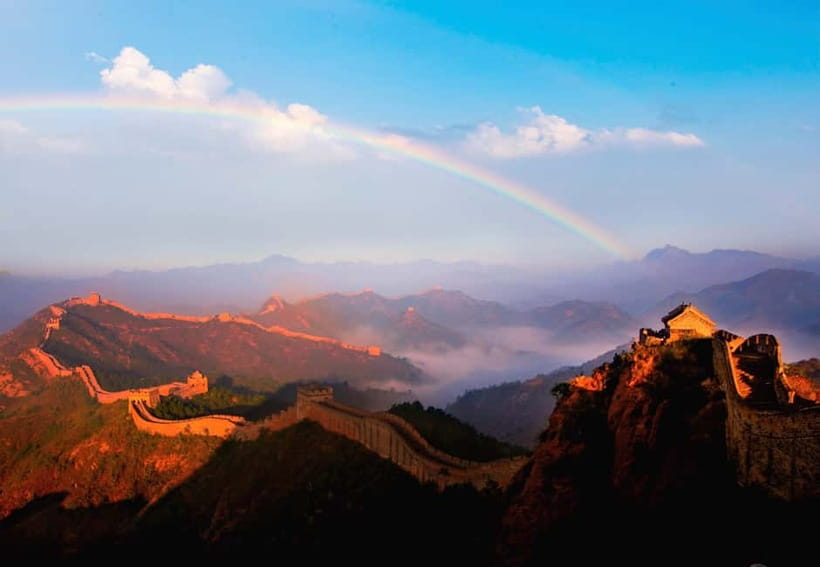
- Pre-book Jinshanling tickets to reduce waiting and keep your morning schedule sane
- Go early from Beijing (around 7AM) to help you dodge heavier crowds
- Jinshanling’s architecture is different by the mountain, with unusual towers and roof shapes
- Climb toward Wangjing Building for that cloudline, big-distance view
- After-Wall museum options (Jade, Tea, Silk) or Gubei Water Town add flexibility
- Optional upgrades let you tack on other well-known attractions without wrecking your day
Jinshanling Great Wall: Why This Section Feels More Human
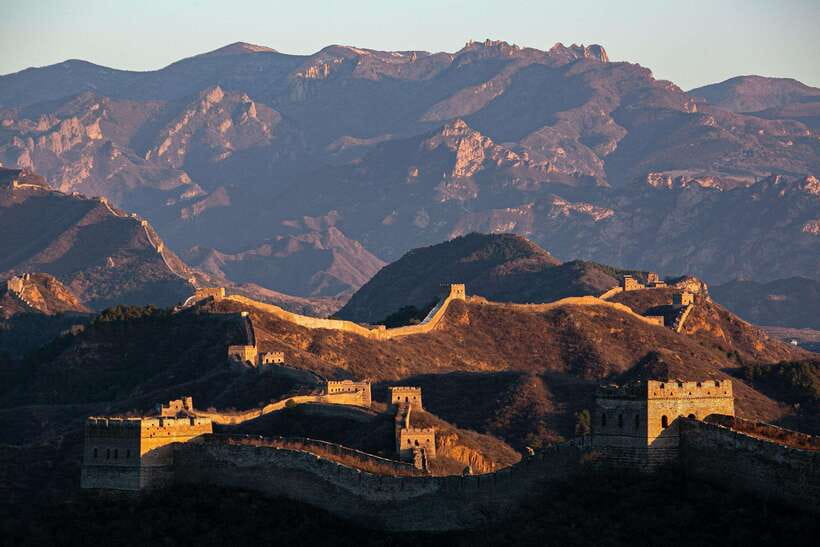
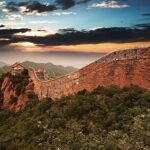
If you’ve ever visited a Great Wall section where it turns into a line with occasional steps, you’ll appreciate Jinshanling’s vibe. This area is known for having different architectural forms from mountain to mountain, so the Wall doesn’t feel repetitive.
Here’s what that means in real life: you won’t just see the same tower every few minutes. You’ll notice changes in materials and building style—there are brick and wooden structures, plus brick-and-stone combinations. You also get piers in different shapes (square, round, and flat), which makes the walk visually interesting instead of purely strenuous.
The second reason I like Jinshanling is the defenses. The layout uses staggered heights—platforms and buildings sit at different levels—so it reads like an actual siege system, not just a scenic strip. That’s part of why it can feel a bit more satisfying than the most famous stretches.
You can also read our reviews of more tours and experiences in Beijing

Getting to Jinshanling: The 130 km Morning Drive from Beijing
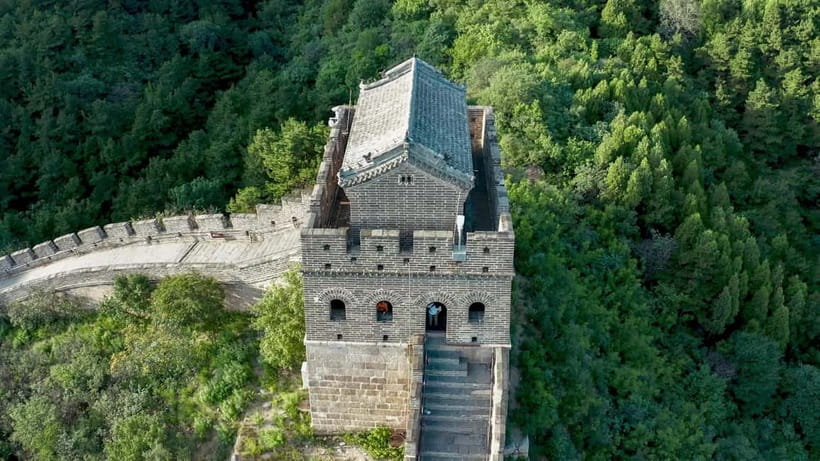
Jinshanling is about 130 kilometers from downtown Beijing. The tour is built around an early start: your driver picks you up from your Beijing hotel at 7AM and heads out.
That timing matters. A mountain drive in the morning is easier to work with, and you’re arriving before the day peaks. It also makes your time on the Wall feel less rushed.
A practical note: meeting point details can vary based on what you book. In the simplest setup, you’re starting from your hotel, but always double-check what your provider confirms so you don’t end up at the wrong pickup point with a puzzled taxi driver.
Tickets and Time Savings: What Booking Up Front Actually Changes
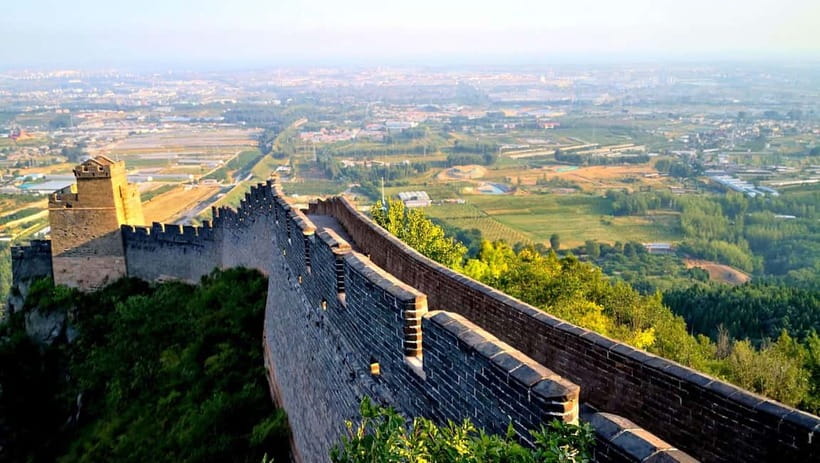
What you’re buying here is not just the entry ticket—it’s the smooth part of getting there. Jinshanling entrance tickets are included, and the booking charge is handled as part of the service.
When you pre-book tickets and a Beijing transfer option, you usually save the most painful minutes: the time spent sorting paperwork or trying to organize entry on the spot. In one experience, the organization was excellent, with tickets sent over WhatsApp and then followed by a car and driver. The point isn’t the app—it’s that the handoff was handled, so the day ran like a plan.
There’s also an admin step you should take seriously. After booking, you’ll need to send your passport name, passport number, and date of birth to the local service provider. This is common for Chinese ticketing, but you don’t want to scramble on the morning of departure.
Jinshanling’s Architecture: Brick, Wood, Boat-Canopy Roofs, and Multi-Eye Towers
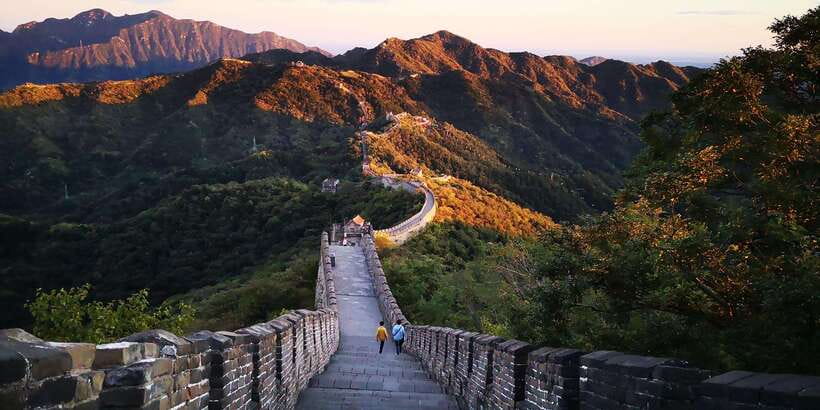
Jinshanling is packed with architectural details that don’t show up in the same way elsewhere. The Wall here includes a range of building types: brick and wooden buildings, brick-and-stone buildings, and towers that vary not only by structure but by location on the mountains.
Look for this pattern as you walk: the architectural form can change from mountain to mountain, with one style per section. You might see square or round piers, then a bit later a roof silhouette that looks like a ship’s canopy. Roof shapes are described as boat canopy, dome, quadrangle, and octagonal spire, depending on the tower area.
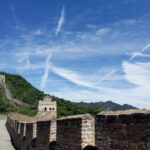
Then there are the watchtowers and storehouse buildings. One detail worth keeping in mind: Jinshanling includes multi-eye watchtower elements. Even if you’re not counting windows, these features help you understand the Wall as a working defense system.
For photos, this is a gift. You can point your camera in one direction and get a tower silhouette; turn your head and you get a different roof profile and pier shapes. It keeps the Wall feeling alive, not uniform.
The Wangjing Building: The Cloudline Spot You’ll Want to Aim For
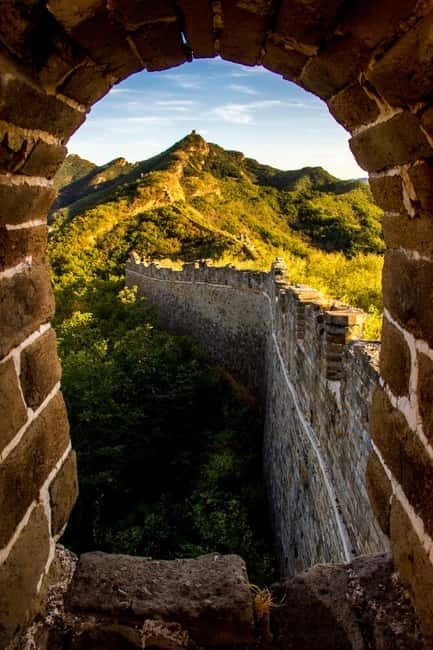
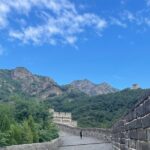
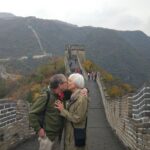
At the highest point of Jinshanling, there’s the Wangjing Building, described as being inserted into the clouds. Even if the fog is light or the sky is clear, the idea is the same: you’re climbing toward the viewpoint that gives you the biggest sense of distance.
From the highest area, you can look out toward Beijing in the morning sunshine—and you can also catch the idea of Beijing’s lights at night. Whether you’re there at the exact right moment for lights depends on timing, but the view concept is built into the location.
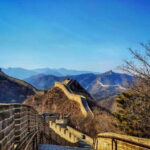
When you reach the high point area, you’re also surrounded by other recognizable ridgelines. The description includes Fog Ling Mountain on the east, Crouching Tiger Ridge to the west, Miyun Reservoir to the south, and a forest sea and peaks to the north.
Even if you can’t identify every feature in the first five minutes, I’d treat the climb like this: you’re not just chasing a viewpoint. You’re walking through a landscape panorama, with the Wall as the spine.
Walking Strategy: How to Find Quiet After the First Crowds
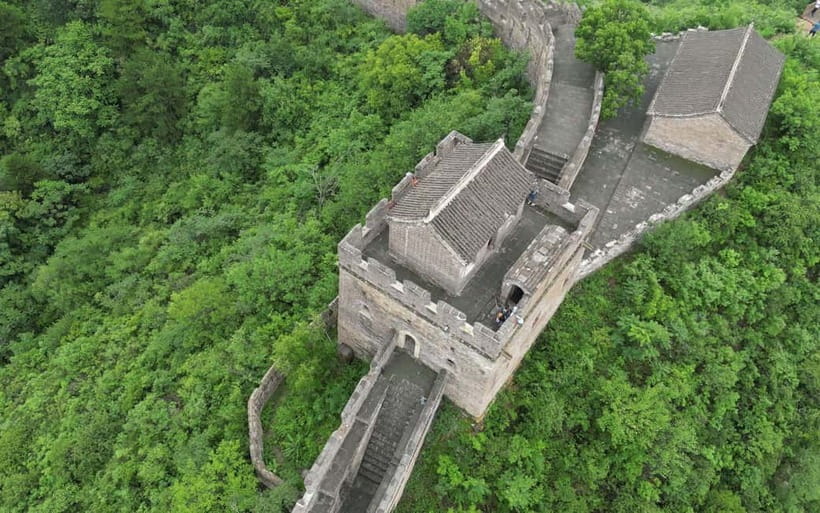
Let’s talk about crowd management, because it can make or break the day. One experience notes that the beginning has a bit of a crowd, but once you walk farther along the Wall, it thins out fast. The best part: you can end up with stretches where you feel like you have the Wall to yourself.
That matches how early start trips usually work: you catch the flow early, then you move at your own pace after the busier bottleneck. My advice is simple: don’t rush to the first pretty spot just because other people are moving. If you keep walking, you’ll likely get more open views and fewer photo bottlenecks.
Also, plan for weather. The descriptions mention fog and wide weather conditions, and mountain visibility can change quickly. Bring layers so you’re not overheating on the climb and then freezing when the breeze hits at higher elevations.
How the Day Flows: From Wall Time to Museum Stops
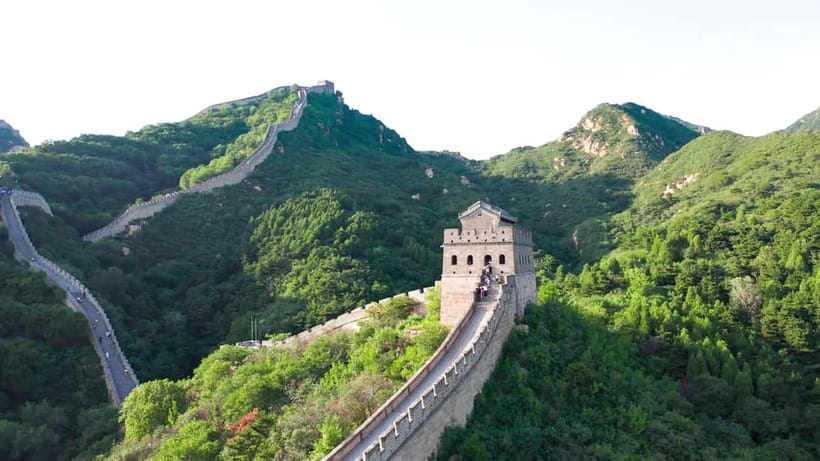
A Jinshanling day doesn’t have to end with the last step back down. On the way back to the city, you may visit a cultural stop such as a Jade Museum, a Tea House, or a Silk Museum.
These aren’t the same as a random add-on shop. The point is that they give you a more relaxed counterbalance after your hike. Your feet get a break, your eyes get a break, and you still leave with something tangible about Chinese craft and everyday culture.
That said, you should treat museum time as flexible rather than mandatory. If you’re traveling with limited energy, focus on what you’d actually enjoy. If you’re more excited by the Wall than indoor stops, keep your expectations realistic and spend only as long as feels worth it.
Optional Upgrades: More Famous Attractions Without Losing Your Rhythm
This trip includes an optional upgrade to visit other more famous attractions. The value here is scheduling: you can stack experiences without starting from scratch with separate tickets and separate transportation arrangements.
I like optional upgrades in this format for one reason—your main anchor is still Jinshanling. You’re not turning the day into a chaotic checklist where the Wall becomes a side quest.
The same goes for added options after Jinshanling. You might be able to choose Gubei Water Town or other historical attractions and book additional trips. Water Town-style areas can be a nice evening pacing option, especially if you want something more relaxed than climbing.
Price and Value: What You Get for Around $30
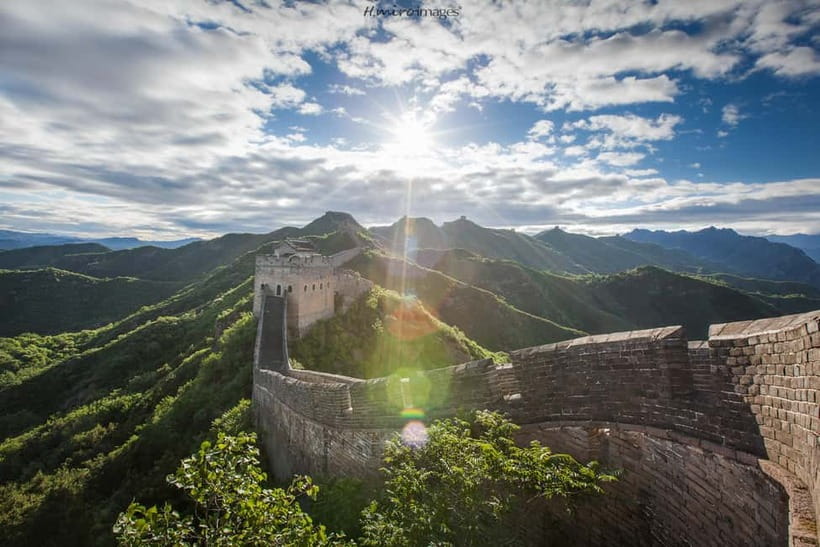
The price listed is $30 per person. At that price, the key question is what’s included, and whether the service prevents wasted time.
Here’s what’s included: Jinshanling entrance ticket charges and a booking charge. What’s not included: lunch, gratuity (highly recommended), and private transfer.
That leads to the real value angle: the best part is not the ticket alone—it’s the pre-planning. When you book Beijing transfer and Jinshanling tickets in advance, you reduce the friction of getting to a remote Wall section and dealing with entry on the fly.
So think of $30 as a Wall access base, plus the booking service that helps you show up ready to go. If you’re already planning to handle your own transport, you might compare the cost versus DIY tickets and rides. If you want a smoother chain—from hotel pickup to entry—this format often feels like better value than it looks on paper.
Who This Trip Fits Best (and Who Might Skip It)
This is a strong match if you:
- Want a Great Wall section that’s known for variety and defense-style structure
- Prefer fewer crowds and are willing to start early
- Like detailed sightseeing where you notice towers, piers, and building shapes
- Want flexibility for optional museum stops or Gubei Water Town
It’s not a match if you:
- Are pregnant (it’s noted as not suitable)
- Need a pet-friendly plan (pets aren’t allowed)
Also, consider your walking comfort. The experience is built around climbing and moving along the Wall, with multiple viewpoints and towers. If long outdoor walking is tough for you, think carefully about what kind of pace you can handle.
The Booking Note You Shouldn’t Ignore: Passport Details
After you book, you’ll be asked to send your passport name, passport number, and date of birth to the local service provider. Do this promptly once you receive instructions.
This is one of those tasks that seems small until the day comes. If you delay, it can create last-minute stress—exactly what you’re trying to avoid by booking early in the first place.
Should You Book This Jinshanling Great Wall Ticket and Transfer Option?
I’d book this if you want the Great Wall without turning the logistics into your main activity. The early pickup around 7AM, the included Jinshanling ticket, and the focus on smoother handling are the big reasons it makes sense.
I’d skip or rethink it if you dislike long travel and mountain walking, or if your situation falls into the not-suitable category like pregnancy. If your priority is only a quick, casual view with minimal physical effort, consider whether a different approach would fit you better.
If you do book, use that early-morning schedule to your advantage. Walk a bit beyond the first busy stretch, and you’ll likely find the calmer Wall moments people talk about—where the views feel bigger because you’re not surrounded by constant foot traffic.
FAQ
What time is pickup in Beijing?
Pickup is scheduled at 7AM from your Beijing hotel.
How far is Jinshanling from Beijing?
Jinshanling is about 130 kilometers from downtown Beijing.
What’s included in the price?
The included items are the Jinshanling Great Wall entrance ticket charge and a booking charge.
What is not included?
Not included are private transfer, lunch, and gratuity (highly recommended).
Do I need to bring my passport?
Yes. You should bring your passport.
Are pets allowed?
No. Pets are not allowed.
Is it refundable if plans change?
Yes. You can cancel up to 24 hours in advance for a full refund.
What languages are supported?
The host or greeter works in Chinese and English.