REVIEW · BEIJING
Ming Tombs Admission Ticket
Book on GetYourGuide →Operated by PANDA144 experience · Bookable on GetYourGuide
Stone emperors and underground halls take your breath. This one-day Ming Tombs admission gets you into a big slice of China’s Ming imperial world—tombs, stone creatures, and even an underground palace setup.
I especially love the Sacred Way walk. The path between tombs is lined with serious stone statues, and you can take it at your own pace. I also like the underground palace at Dingling—rare to see something like this open to the public, and it makes the whole place feel oddly close, not just historical.
One thing to plan for: the tombs are spread out. You’ll likely need transport between sites, and electric carts cost extra.
In This Review
- Key highlights worth your time
- Ming Tombs in a day: what your $19 ticket really buys
- Price and logistics: the part that decides whether you enjoy the day
- Entering the Sacred Way: where the Ming really show off their sculpting
- Changling (Emperor Yongle): big architecture and the Hall of Eminent Favor
- Dingling (Emperor Wanli): the underground palace that changes the whole mood
- Zhaoling (Emperor Muzong): restoration and lifelike stone carving
- What to look for: artifacts, architecture, and the craftsmanship mindset
- Practical tips so your day flows (and doesn’t turn into stress)
- Who should book this Ming Tombs admission ticket
- Should you book? My take on the value
- FAQ
- What is included with the Ming Tombs admission ticket?
- Where are the Ming Tombs located?
- How long do I need for the Ming Tombs?
- How do I enter the site?
- Do I need a passport?
- Are electric carts included?
- What items are not allowed?
- Is this ticket refundable?
- Is it suitable for children?
Key highlights worth your time
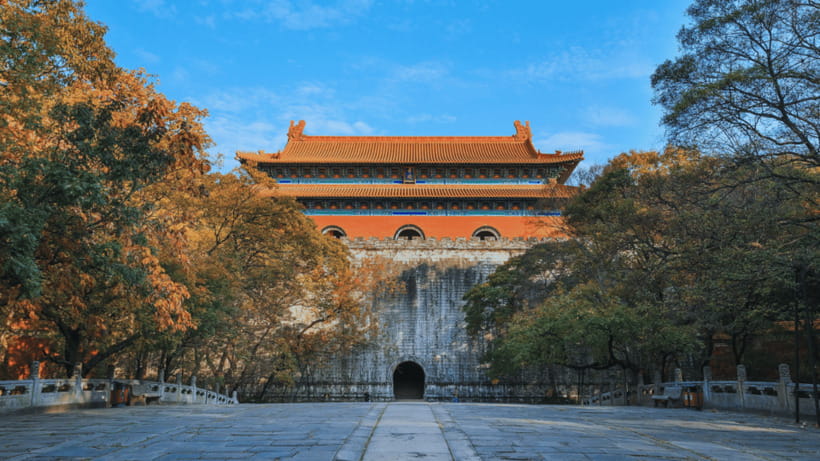
- Sacred Way stone statues: a long, memorable stretch that’s easy to wander and photograph
- Changling at Yongle’s tomb: a major, impressive stop with major hall architecture to match
- Hall of Eminent Favor: a specific highlight with its double-eaved roof and golden nanmu pillars
- Dingling underground palace: the only underground palace opened to the public here
- Zhaoling at Muzong’s tomb: restored and worth slowing down for the stone carving details
- QR-code entry: admission is friction-free once you have the code ready
Ming Tombs in a day: what your $19 ticket really buys
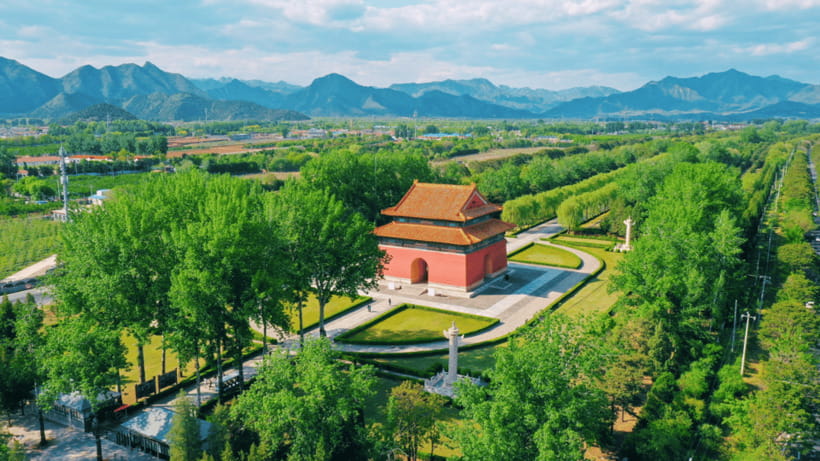
The Ming Tombs site sits about 50 kilometers north of Beijing, in the Changping District, at the southern foot of Tianshou Mountain. It’s not one building you pop into. It’s an imperial complex spread across a landscape of tombs, halls, relic areas, and connecting pathways.
Your admission covers Ming Tombs experiences including Dingling, Changling, Zhaoling, and the Sacred Way depending on the option you choose. In practice, that means you’re using your day to stitch together the “story” of the Ming emperors resting here—13 emperors are associated with these tombs, from 1368 to 1644.
At $19 per person, value depends on how you move. If you show up with a plan for hopping between the tomb areas, you get a lot of big sights for the money: major tomb architecture, an open underground palace (a standout), and the signature statue-lined Sacred Way.
If you don’t plan transport, the ticket can feel like you’re racing. The good news is the site is set up so you can still make meaningful choices in a single day—you’re not forced to see everything in a single hour.
You can also read our reviews of more tours and experiences in Beijing


Price and logistics: the part that decides whether you enjoy the day

The ticket is timed for a specific date, and you’ll enter based on the admission method provided with your booking (it’s a QR code approach). That’s a huge deal when sites get busy. You want a system that gets you inside fast, and this is one of those situations where being prepared actually pays off.
Before you go, there’s a key practical requirement: you’ll need to provide your full name exactly as it appears on your passport and your passport number to complete booking. If that doesn’t get matched in time, the booking can be canceled. That’s one reason I treat passport details like a trip-critical task, not an afterthought.
Also note a real-world snag that can ruin a morning: one booking issue reported was that the attendee arrived at an address listed online and learned their tickets weren’t valid at that spot. The person was redirected to a different location about 10 km away, which meant they missed their chance to enter on time. The takeaway for you is simple: confirm where you should go for your specific entry method and time slot, and don’t assume the first address you see is your only option.
Finally, electricity-powered convenience isn’t automatically included. Electric carts require an additional fee, so if you’re relying on them, budget for it. If you’re walking, bring comfortable shoes and expect some longer stretches between areas.
Entering the Sacred Way: where the Ming really show off their sculpting
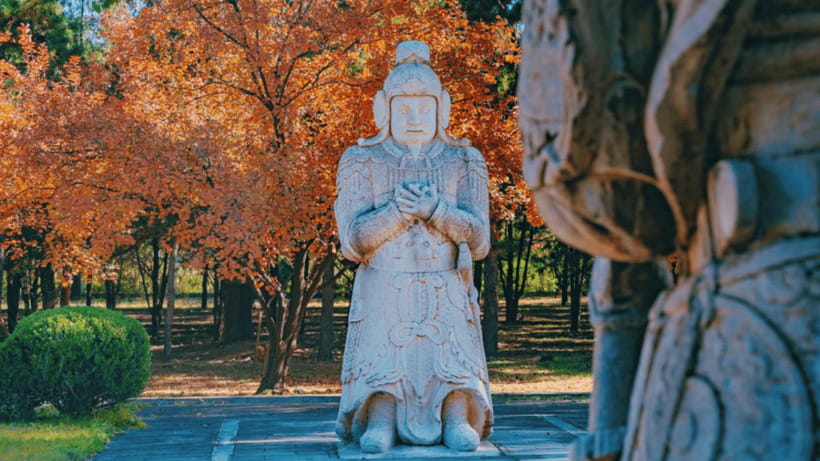
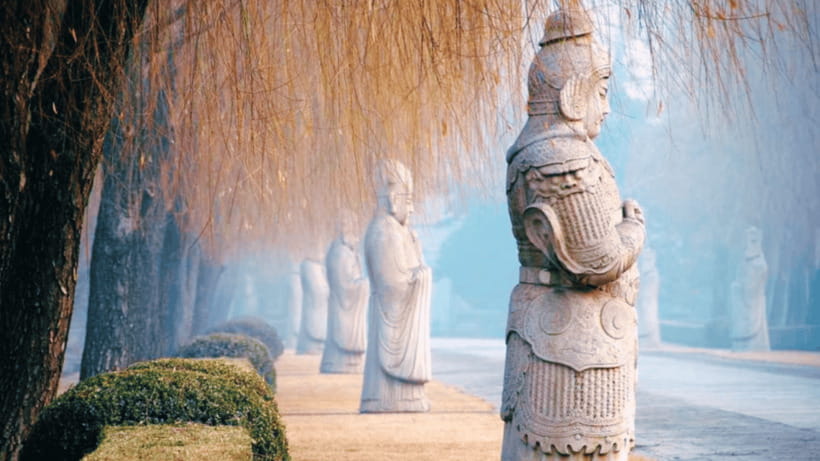
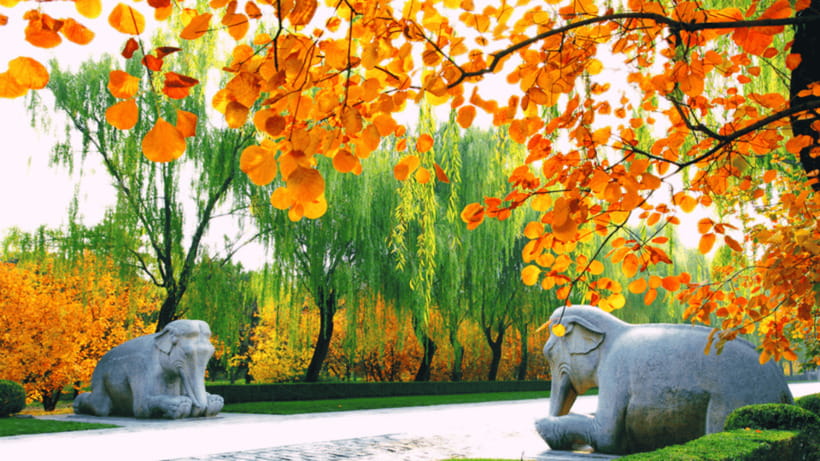
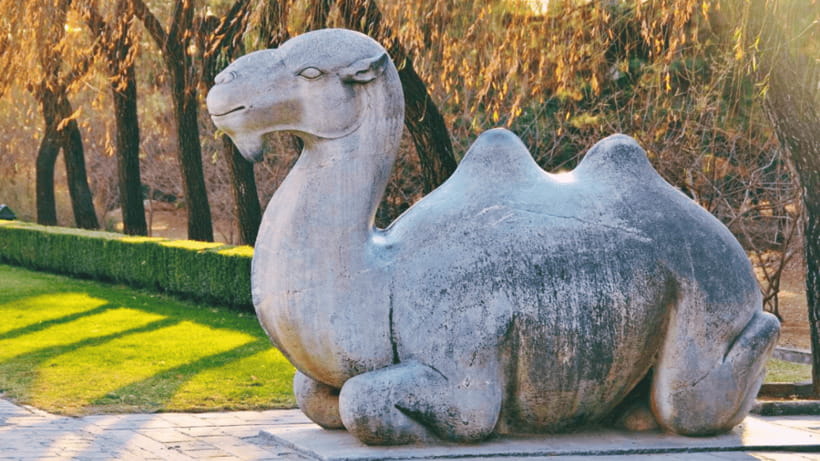
After you’re in the main tomb areas, the Sacred Way is one of the best “warm-up” experiences. It’s a pathway that connects tomb zones and is lined with stone statues and carvings meant to communicate imperial power. This is the kind of place where you’ll feel the difference between reading about Ming sculpture and actually seeing it up close.
What makes this section work is pacing. You can stroll, stop, and look. The statues are detailed, and the scale makes them feel intentional rather than decorative. You’ll also get a natural sense of direction and structure: the Sacred Way acts like a spine through the complex.
A practical note: if you’re trying to fit multiple tombs into a day, don’t treat the Sacred Way like something to “speed through.” Spending time here pays back later. Once you’ve seen the style of the stonework, you start noticing similar craftsmanship choices in the halls and underground palace spaces.
Also, this is a good place for photos—but don’t only chase pictures. Look at the stone carvings from multiple angles. Many details show up as you change your position rather than when you stand in one spot.
Changling (Emperor Yongle): big architecture and the Hall of Eminent Favor
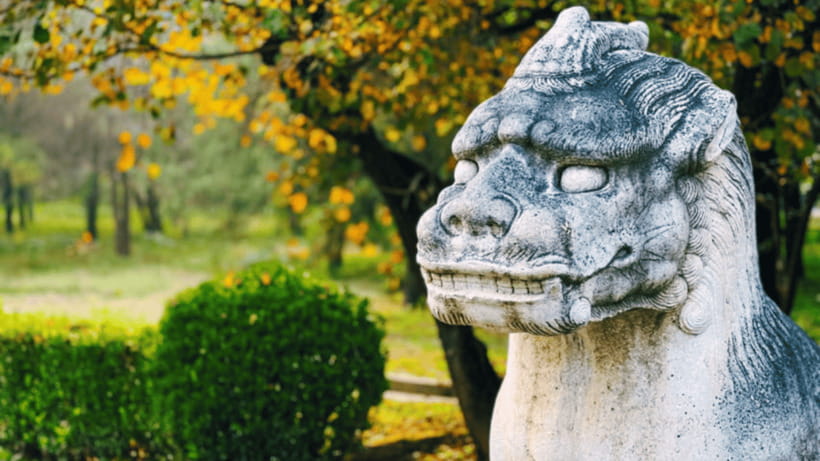
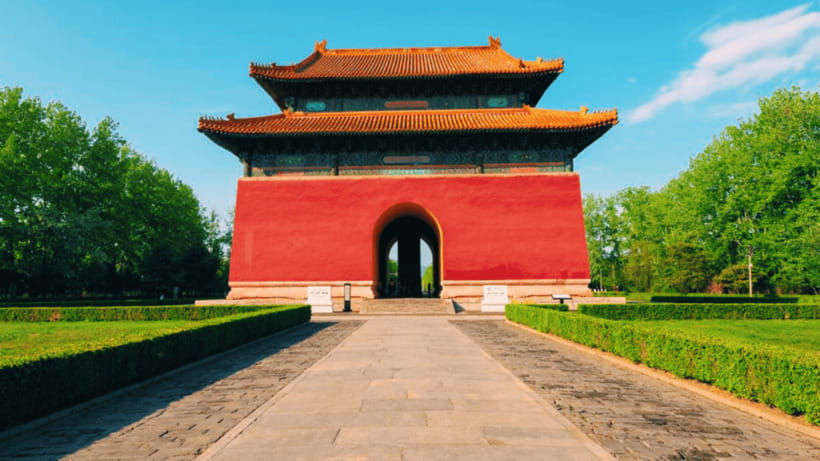
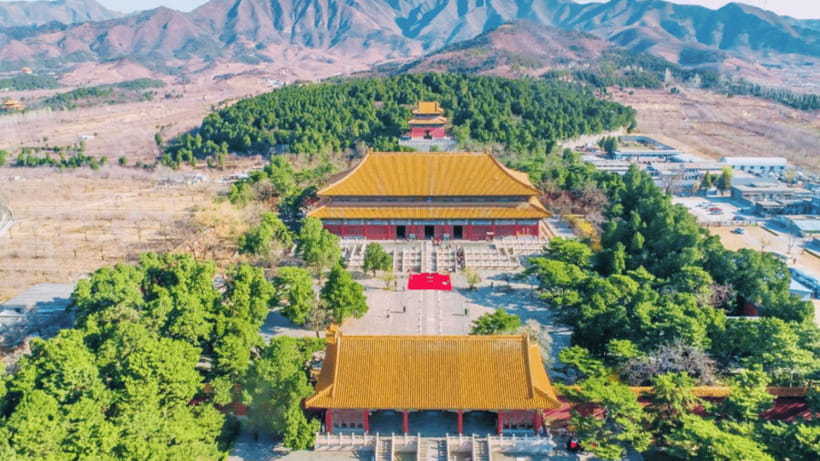
One of the major tomb stops is Changling, the mausoleum of Emperor Yongle (Zhu Di). This is described as the largest and most impressive of the Ming Tombs. Even without any advanced background, you’ll likely feel the “major site” vibe here. It’s not a token stop.
At Changling, you’re mainly here for two things: the tomb architecture and the experience of standing in spaces built to project authority. This is where the Ming approach to design feels most overt—symmetry, strong structure, and a sense that every approach matters.
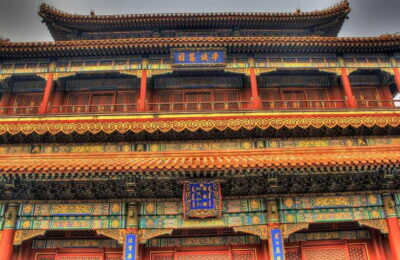
The standout named hall in the Changling area is the Hall of Eminent Favor. It’s noted as the only remaining hall of its kind at the Ming Tombs, and it includes a double-eaved roof and precious golden nanmu pillars. That’s the kind of detail that’s easy to miss if you’re rushing, so give yourself room to slow down.
How to enjoy Changling in a real-world way: treat it as your “main event.” Start here if you can, or make sure you give it enough time that the details don’t become a blur. If the day starts to feel compressed, it’s better to spend 20 extra minutes here than to skim a smaller feature later.
Dingling (Emperor Wanli): the underground palace that changes the whole mood
If Changling feels like power expressed above ground, Dingling shifts the mood. Dingling is the tomb of Emperor Wanli, and it’s singled out because it has the only underground palace opened to the public at the Ming Tombs.
That matters. You’re not only looking at a carved exterior. You’re moving into a space designed for the living world to access what was meant to be hidden. The underground setting makes the architecture feel more enclosed, more deliberate, and more “engineered” than you might expect.
The practical advantage here is focus. Underground spaces tend to limit long wandering, which can be a blessing when you’re trying to see multiple stops in one day. You’ll probably find yourself paying closer attention to structure and materials because there isn’t as much open-area wandering to break your attention.
You also get a different relationship to time. On the surface, the stone statues and hall design communicate continuity. Underground, the experience emphasizes enclosure, preservation, and the Ming preference for building systems that last.




Zhaoling (Emperor Muzong): restoration and lifelike stone carving
The named Zhaoling stop is the tomb of Emperor Muzong. Here, the key detail is that it has been restored so you can see the splendor of a Ming imperial mausoleum more clearly.
Restored areas are worth your attention for one simple reason: you’re getting a better read on design intent. Restoration doesn’t mean everything looks brand-new; it means you’re seeing the architecture in a state closer to what it was meant to communicate.
Zhaoling also connects strongly to the theme that runs through the whole complex: craftsmanship. The Ming Tombs are known for their scale and well-preserved structures, but what you’ll likely feel most is the human work in the stone carvings. The experience notes specifically mention lifelike sculptures and masterpieces of ancient Chinese stone carving art.
What I’d do at Zhaoling: plan a slower walk through the key carving areas. Stand back, then move closer for the lines and proportions. Many stone carving details are best understood when you compare how they look from a distance versus up close.
What to look for: artifacts, architecture, and the craftsmanship mindset
Beyond the headline sights, the ticket experience includes viewing ancient architecture and access to cultural and historical exhibits, plus you’ll see numerous artifacts.
Here’s how I think about these kinds of tomb sites: you’re not just consuming information. You’re learning a style. The Ming approach to imperial spaces uses architecture, symbolism, and sculpture to reinforce authority. If you treat each hall and pathway as a “design decision,” the site starts making sense.
When you’re walking, keep an eye out for:
- how spaces transition from outdoor approach to hall or underground enclosure
- repetition in motifs and the consistent “imperial” feel of the stonework
- how statues and carvings are placed to guide attention, not just decorate
If you’re coming from a general Beijing sightseeing mindset, you might be expecting one or two great spots. This complex works better when you treat it like a themed set: Sacred Way statues prepare you for the level of carving, Changling gives you the architectural scale, Dingling adds the underground twist, and Zhaoling brings restoration into focus.
Practical tips so your day flows (and doesn’t turn into stress)
A one-day ticket is a time squeeze if you’re doing it without a plan. So here are choices that help.
First, wear comfortable walking shoes. The tombs cover a large area and the distances between Changling, Dingling, Zhaoling, and the Sacred Way are long enough that you should assume transport is part of the day.
Second, don’t assume you can rely on walking alone. One helpful strategy used on the ground was arranging a private driver on-site to move between the tomb sections included with the ticket, then taking metro back to Beijing afterward. You don’t need the same plan, but you should think in terms of using a driver or other transport for inter-tomb legs.
Third, choose your order. If your goal is architecture plus carvings, it’s usually smart to start with the major tomb and then build toward the underground palace and restored areas.
Finally, bring your passport. It’s required as part of the trip requirements.
Who should book this Ming Tombs admission ticket
This is a good fit if you:
- want major Ming imperial tomb architecture without paying for a full guided tour
- like stone sculpture and want to see serious work in person
- have a day in Beijing and want a meaningful side trip north of the city
It’s also ideal if you’re the kind of traveler who likes structure. Tomb complexes reward a patient approach. If you prefer a chaotic, fast-moving day, you’ll still be able to see plenty—but you might feel the walking and transport demands more strongly.
One clear note from the rules: it’s not suitable for children under 18, so this is more of an adult-focused historical outing.
Wheelchair accessibility is listed, but the day still involves moving between areas. If mobility is a factor for you, plan for extra help or paid cart use so you can enjoy the sights rather than fight the terrain.
Should you book? My take on the value
Book it if you want a one-day ticket that gives you the core Ming Tombs experience: Sacred Way plus major tomb stops, including Dingling’s underground palace. For $19, that’s strong value—especially because admission gets you into multiple named sites rather than one isolated attraction.
Skip or rethink if you:
- hate logistics and would rather avoid any inter-site transport planning
- want a totally hands-off experience with a guide narrating every step (guided tours aren’t included here)
- are traveling with needs that make walking between distant areas harder, since carts cost extra
If you do book, your best move is to treat the day like a route, not like random wandering. Confirm where you enter for your timed slot, get your QR code ready, and build in enough time between tomb areas. Do that, and the Ming Tombs can be one of the most rewarding historical stops you’ll make around Beijing—quietly impressive, and very real.
FAQ
What is included with the Ming Tombs admission ticket?
The ticket includes Ming Tombs entry and historical sites you select through your option, including Dingling, Changling, Zhaoling, and the Sacred Way (depending on your option). It also includes viewing ancient architecture and access to cultural and historical exhibits.
Where are the Ming Tombs located?
They’re in Changping District, about 50 kilometers north of Beijing, at the southern foot of Tianshou Mountain.
How long do I need for the Ming Tombs?
The activity is valid for 1 day, and you’ll check availability to see starting times. Plan a full day because the tomb areas are spread out.
How do I enter the site?
Entry is handled using the QR code provided with your booking.
Do I need a passport?
Yes. You should bring your passport.
Are electric carts included?
No. Electric cart usage requires an additional fee.
What items are not allowed?
The rules say no pets, no weapons or sharp objects, and no alcohol and drugs or explosive substances.
Is this ticket refundable?
Tickets are non-refundable once sold. You also have free cancellation up to 24 hours in advance for a full refund.
Is it suitable for children?
It is not suitable for children under 18.