REVIEW · BEIJING
Mutianyu Wall, Summer Palace & Old Summer Palace Day Tour
Book on GetYourGuide →Operated by BusDa · Bookable on GetYourGuide
One day, three icons of Beijing. This Mutianyu + Summer Palace + Old Summer Palace day trip is a smart way to see more than just one headline sight, and it’s built around smoother logistics like skip-the-ticket-line entry and an easy shuttle inside the scenic areas. I especially like that Mutianyu feels quieter and more relaxed than the most-famous alternative, with restored paths and great views without the same chaos.
Two other things I like: you get a real English-speaking guide (and in real-world runs, guides like Yo-yo, Christina, Lee, and Selina show up and keep people moving), and the day flows from dramatic imperial gardens to the haunting ruins of Yuanmingyuan. One possible drawback: it’s a long 8–10 hour day, and the Wall portion plus optional add-ons (like cable car or toboggan) can stretch your timing even more if you’re not choosing carefully.
In This Review
- Key things worth knowing before you go
- Booking value: what $21 buys you (and what it doesn’t)
- Meeting point and getting oriented fast
- How the coach day usually feels: long, organized, and built for movement
- Mutianyu Great Wall: the calmer Wall with real choices
- Summer Palace: imperial gardens, lake views, and the Long Corridor
- Old Summer Palace (Yuanmingyuan): ruin-and-memory instead of glamour
- Where the itinerary shines: three stops that form a full arc
- Who this tour is best for
- What to choose if you want the best experience
- The guide experience: why names matter on this tour
- Practical prep: what you must provide
- Should you book this Mutianyu + Summer Palace + Old Summer Palace tour?
Key things worth knowing before you go
- Mutianyu Great Wall is often the calmer pick, with watchtowers, stone walkways, and wide mountain views
- Skip-the-ticket-line plus a free shuttle bus inside the scenic area keeps friction low
- Three UNESCO-class stops in one day: imperial pleasure at Summer Palace, then reflection at Old Summer Palace
- English live guide support that keeps the group together (I’d plan on it saving you real time)
- Flex points exist: weather can change the Wall plan, and you may get adjusted options like Badaling if Mutianyu isn’t open
Booking value: what $21 buys you (and what it doesn’t)
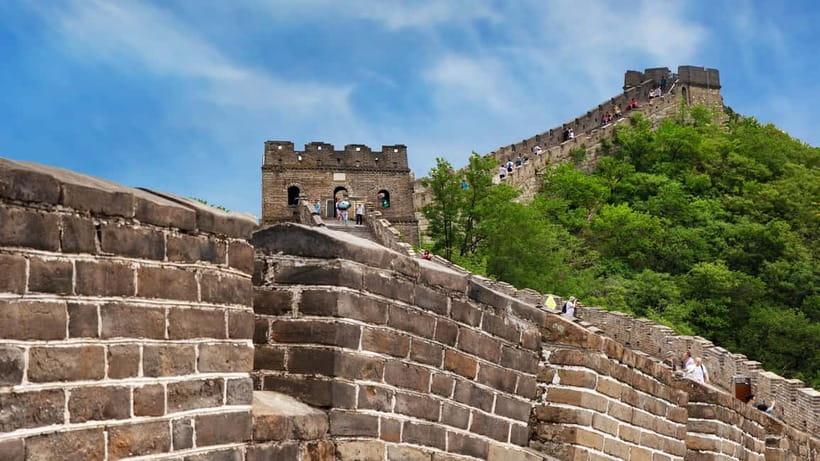
At $21 per person, the biggest value isn’t just the sights. It’s the way the day is packaged: round-trip coach transport is included if you select the transfer option, entrance tickets are covered for the selected sites, and you also get a free shuttle bus inside the scenic areas. That combination matters in Beijing, where “just buy tickets and figure it out” can turn into wasted time.
The tradeoff is also pretty clear: optional extras cost money. If you add the cable car (140 RMB) or toboggan (140 RMB) at the Wall, and you want the Summer Palace boat ride (100 RMB), your total bill rises quickly. Also, the itinerary runs long enough that you’ll want to decide early which options are worth your time.
You can also read our reviews of more tours and experiences in Beijing.



Meeting point and getting oriented fast
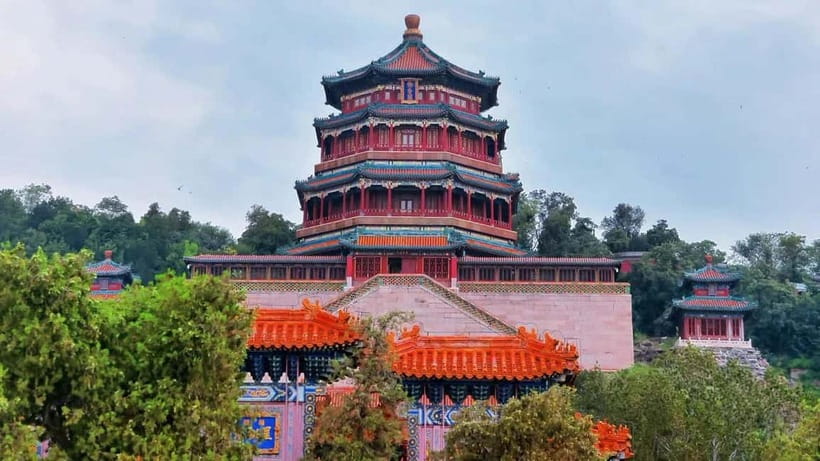
You meet at Exit B, Hepingxiqiao Station (Subway Line 5). The check-in detail is practical: look for the BusDa tour guide wearing a green vest with the BusDa logo. If you’re arriving by taxi, show 和平西桥地铁站B口 to the driver.
This matters because you’re on a tight schedule. When groups start cleanly at the subway exit, the rest of the day tends to run smoother—less waiting, fewer people scattered, fewer stressful text messages.
How the coach day usually feels: long, organized, and built for movement
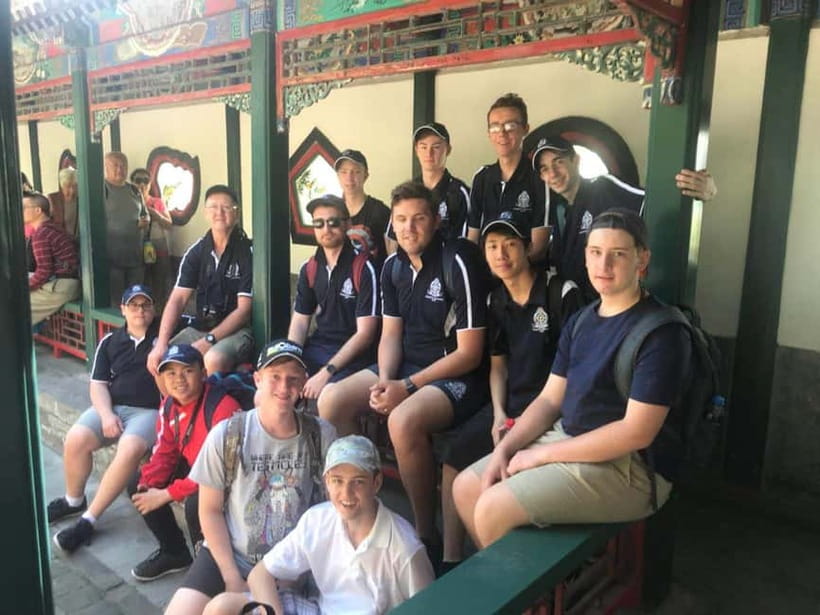
This is a guided coach tour for 8–10 hours. That means you’re not going to treat the day like a relaxed museum morning. It’s more like: travel, arrive, see, move again, and repeat.
In the real comments from travelers, the thing that keeps coming up is organization and guide attention. People praise guides by name—Jackie Chan (yes, that name shows up), Panda (driver), Christina, Yoyo/Yo-yo, Chali, Lee, and Samantha among others—because the guides help you stay oriented and informed. One detail I’d take seriously from the notes: if you’re sensitive to comfort, check that the bus AC is actually on once you’re seated.
If you like an itinerary that keeps you from second-guessing transit and ticketing, this setup fits.
Mutianyu Great Wall: the calmer Wall with real choices
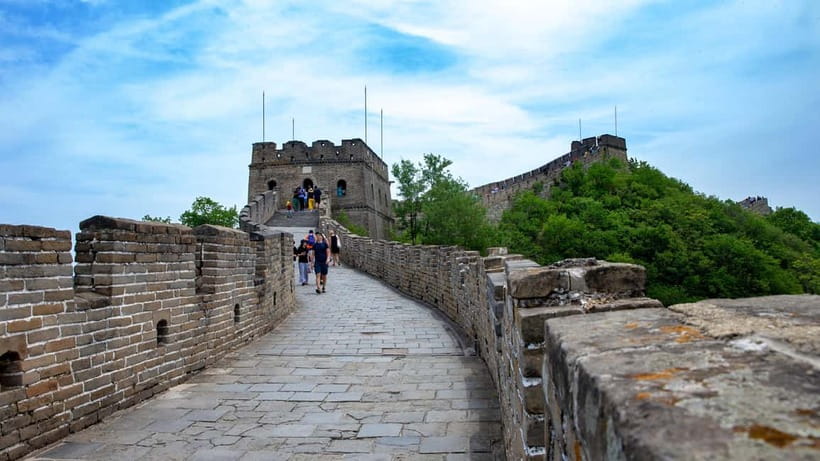
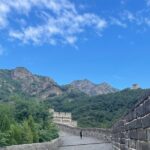
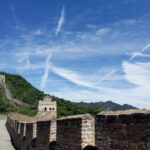
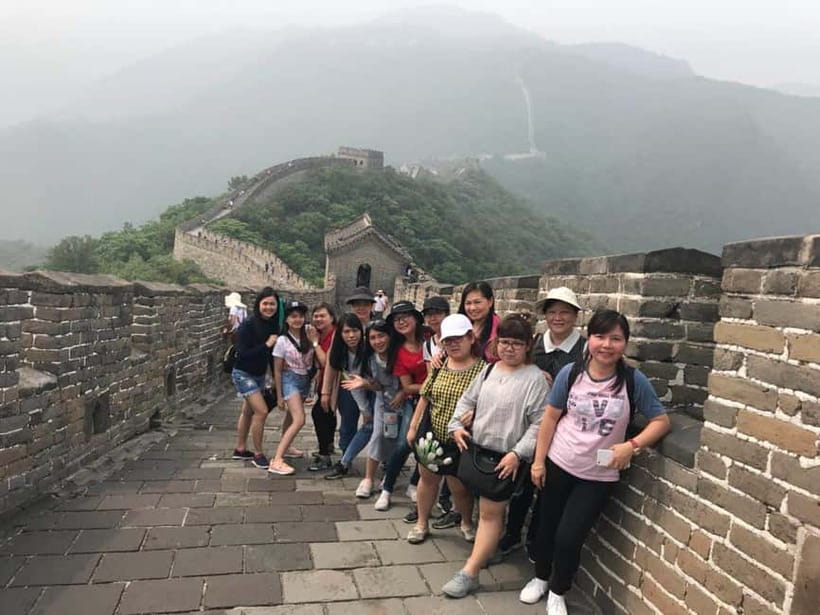
Mutianyu Great Wall is the headline stop, and it’s popular for good reason. Compared with the busiest Wall sections, Mutianyu tends to feel more peaceful and “workable,” with rolling hills and forested mountain ridges guiding the views. The wall stretches along the ridgeline, and there are watchtowers spaced so you can break the walk into sections instead of doing one exhausting straight line.
What you’ll like here:
- Restored stone paths and clear walking areas that make exploring easier
- Watchtowers and viewpoints that keep the scenery changing
- A visit that feels more like exploring than fighting crowds
There are also practical add-ons if you want to control your effort:
- Cable car (140 RMB) can reduce uphill walking
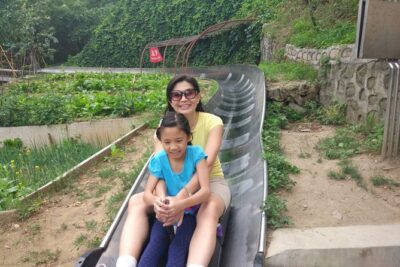
- Toboggan (140 RMB) adds an action element on the way down
Here’s the key timing reality: Mutianyu includes free time for exploring, but your exact amount of wall time can shift based on how fast the group moves and what the weather does. One run adjustment came up in the feedback: if Mutianyu is closed due to conditions, the tour can switch to Badaling so you still see a Great Wall. That’s not something you can guarantee, but it’s a good sign you’re not left with a blank day.
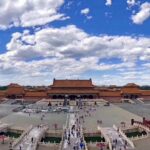
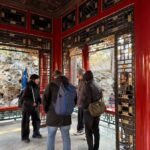
Summer Palace: imperial gardens, lake views, and the Long Corridor
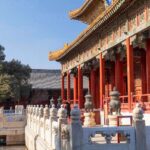
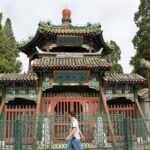
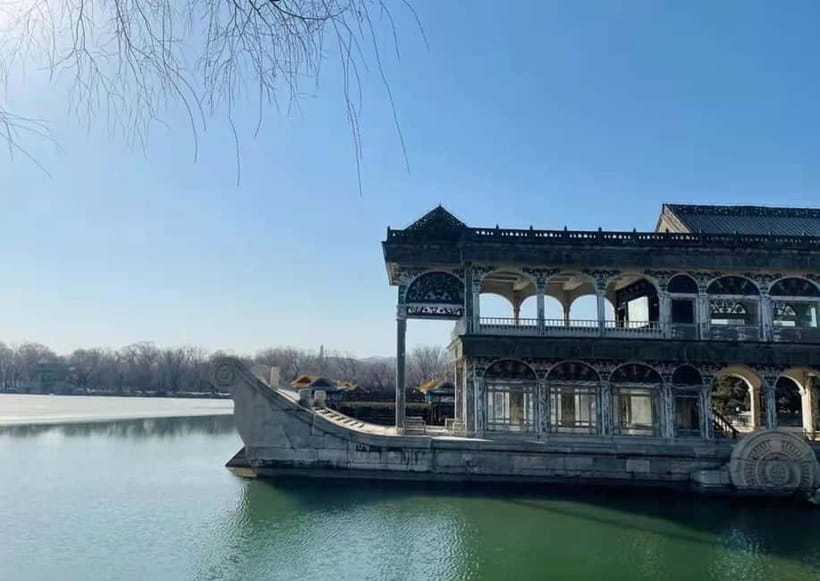
After the Wall, the mood changes. The Summer Palace is China’s large imperial garden complex, and it’s designed around water and walking paths. You’ll be dealing with a different kind of beauty here—less “climb and conquer,” more “wander and notice.”
What to focus on:
- Kunming Lake for wide open views and a cooler pace after the mountain air
- Longevity Hill as the counterpoint to the lake—good for photos and for getting your bearings
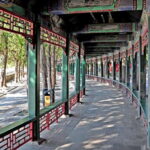
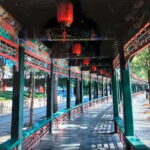
- The Long Corridor, famous for its painted details and its role as a moving gallery
This is also where you can pick your comfort level. You may be able to enjoy a boat ride (100 RMB) depending on conditions. If you’re tired from the Wall, the boat gives you a break from constant walking. If you still have energy, lingering along the corridor and lakeside paths tends to be the best use of time.
One small heads-up from the provided site info: the Tower of Buddhist Incense (Foxiang Ge) is closed on Mondays. Your guide should help you plan around that day-of reality, but it’s good to know ahead of time so you don’t build a fantasy photo mission around it.

Old Summer Palace (Yuanmingyuan): ruin-and-memory instead of glamour
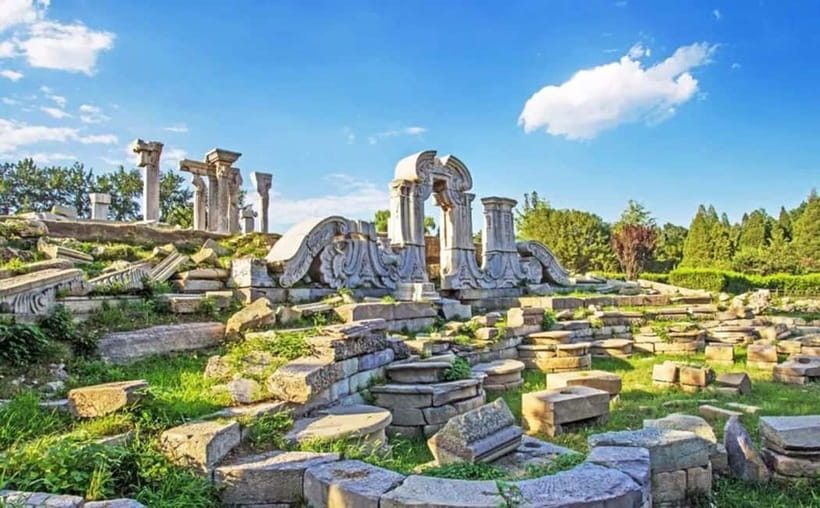
Then comes the stop that hits differently: Old Summer Palace (Yuanmingyuan). This isn’t a “perfectly restored attraction.” It’s a ruined imperial garden complex, and the broken stone structures and scattered relics create a mood of loss rather than celebration.
If you like history with emotional weight, this is the contrast that makes the whole day tour worth it. You go from imperial leisure at the Summer Palace to the painful gap between past splendor and later destruction. The ruins don’t try to distract you. They just sit there, and you naturally slow down.
A practical consideration: because this is a ruins site, you might prefer more time at the Wall instead. One note from feedback suggested that skipping Old Summer Palace (on some versions) could allow more Wall time. You can’t assume that option will always be available, but it’s a fair “fit” question: do you want maximum Wall time, or do you want the full three-stop story?
Where the itinerary shines: three stops that form a full arc
This tour works because the three places connect thematically even though they’re physically separate:
- Mutianyu shows how power was built in stone and strategy
- Summer Palace shows the comfort side of imperial life—gardens, corridors, and lakes
- Old Summer Palace shows what happens when power collapses and plans are shattered
That “arc” is why I think it’s more than a box-check tour. You’re not just stacking famous names; you’re moving through different kinds of meaning.
Who this tour is best for
This is a strong match if:
- You want to see three major Beijing icons in one organized day
- You prefer guided help for ticketing and timing
- You care about less crowded Wall time (Mutianyu often feels more relaxed than the most packed options)
- You’re okay with a full day and optional add-ons that you can choose—or skip—based on energy
If you’re the type who wants to linger for hours at one place with zero schedule pressure, you might find the pacing tiring. But if you want a structured day that reduces guesswork, this delivers.
What to choose if you want the best experience

Since the tour offers different options, here’s how I’d think about it before you pick:
- If you’re budget-focused, choose a version where you still get entry tickets and the main sights, and skip pricey extras unless you truly want them.
- If you hate transfers, pick the option with hotel pickup and drop-off (optional pickup is available for hotels within Beijing’s 4th Ring Road; farther out may cost more).
- If you want lunch included, the package with buffet lunch can be a convenience win because it avoids searching for food between sites.
Also, make an early decision about whether you want cable car and toboggan at the Wall. They can save energy, but they also add costs and can affect how your timing feels.
The guide experience: why names matter on this tour
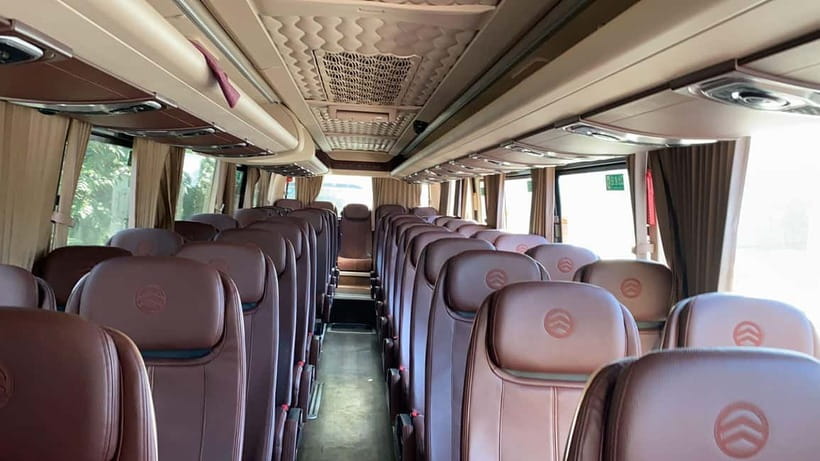
One reason this tour earns trust is consistency around guide help. In the feedback, guides were repeatedly credited for being friendly, organized, and attentive—names that show up include Jackie Chan, Christina, Yoyo/Yo-yo, Chali, Lee, Selina, and Samantha. People also mention a driver like Panda who helped keep the day smooth.
For you, that means the experience isn’t just “here’s a ticket and good luck.” A good guide helps you:
- find the right meeting spots fast
- stay aligned when the group moves quickly
- understand what you’re seeing (instead of just walking past plaques)
If you get one of the well-rated guides, you’re likely to feel cared for without turning the day into a scripted lecture.
Practical prep: what you must provide
The tour requires extra info at booking. You’ll need to provide the full name, nationality, and passport number for each participant, plus a reachable WhatsApp number for urgent contact.
This is one of those unglamorous details that makes everything else easier. Don’t treat it casually—set up a working WhatsApp number so you’re reachable if the plan needs adjustment.
Should you book this Mutianyu + Summer Palace + Old Summer Palace tour?
Yes, if your goal is to maximize value and keep stress low. The combination of skip-the-ticket-line, free shuttles inside scenic areas, an English-speaking guide, and three major sights in one 8–10 hour window is exactly the kind of deal that saves time and energy.
I would think twice if you’re chasing a perfectly slow pace or you’re strongly set on one optional activity—especially since the Wall plan can shift with weather and Foxiang Ge is closed Mondays. Also, if you’re not interested in ruins, Old Summer Palace might feel emotionally heavy and you may wish you had more Wall time.
If that sounds like your style, book it—and plan to use the free time well at Mutianyu. That’s where the day often makes its first big impression.

-400x267.jpg)