REVIEW · BEIJING
Peking Duck & Beyond:Exploring the Best Eats in Beijing’s Hutongs
Book on Viator →Operated by Discover Beijing Tours · Bookable on Viator
Hot pots, hutongs, and duck—fast. This private Beijing tour is built around 15+ food tastings in the older lanes of Dongsi Hutong, with a Peking duck feast that anchors the whole experience.
I like that you get a real private guide who can explain what you’re eating and how it fits into local daily life, too—guides like Miko earned top marks for being friendly and culture-smart.
Pickup is a plus when you’re staying centrally, and unlimited soft drinks and beer keep the mood easy. One thing to consider: this is a tight ~3-hour walking-and-snacking plan, so if you prefer slower sightseeing or have very sensitive dietary needs, you’ll want to plan carefully and message your guide about what you can’t eat.
In This Review
- Key highlights you’ll actually feel
- Dongsi Hutongs: food culture in the lanes, not the set-design
- 15+ tastings: why this format feels like better value than a single restaurant
- The private guide element: what you gain beyond the menu
- Stop 1: Dongsi Hutong walk-through and how it sets your food mood
- Stop 2: LongFuSi Jie and Mongolian hot pot in a copper pot
- Stop 3: Dongsiliu Alley and Yunnan cross-bridge rice noodles
- What’s included (and how to use it to your advantage)
- Timing and pacing: 3 hours in the hutongs is fast (in a good way)
- Who this tour fits best (and who might want to skip)
- Price and logistics: how to judge if $88 is worth it for you
- Should you book Peking Duck & Beyond?
- FAQ
- How long is the tour?
- What food will I try?
- Do they offer hotel pickup?
- Is this tour private?
- Can I request dietary requirements?
- What’s the cancellation policy?
Key highlights you’ll actually feel
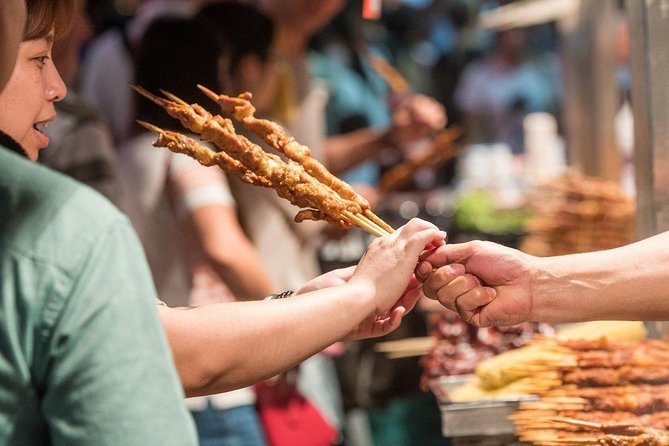
- 15+ separate tastings across three hutong stops, not just one big meal
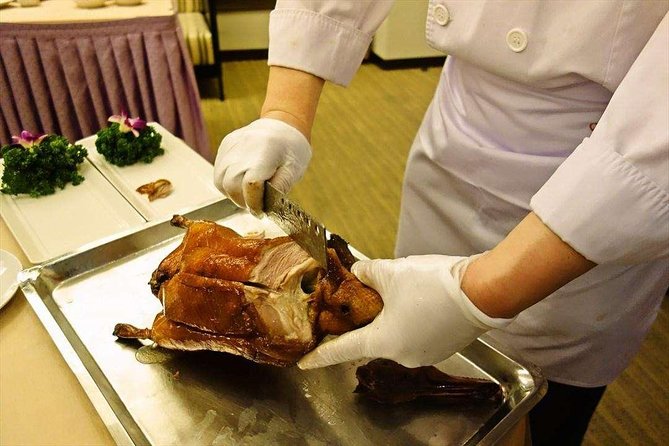
- Peking duck as a main event, plus other classic Beijing bites like dumplings
- Hot pot in a style tied to Mongolian roots, served in a copper pot setup
- Cross-bridge rice noodles at a Yunnan-style spot tucked into the hutongs
- Unlimited soft drinks and beer, which makes the tour feel good value for the portion size
Dongsi Hutongs: food culture in the lanes, not the set-design
If your Beijing plan includes time in hutongs, you’ll know the difference between seeing alleys and experiencing life inside them. This tour focuses on Dongsi Hutong, where the streets are narrow, the courtyard housing feels close up, and the pace naturally slows. That matters, because Chinese food culture is partly about timing—snacks between meals, hot food pulled fresh, and conversations that happen while you eat.
The real win here is that you’re not only walking through a pretty neighborhood. You’re stopping often, tasting different styles, and getting context from your guide as you go. That turns a “look around” stroll into something more practical: you learn what to order when you’re on your own later.
You can also read our reviews of more tours and experiences in Beijing.

15+ tastings: why this format feels like better value than a single restaurant
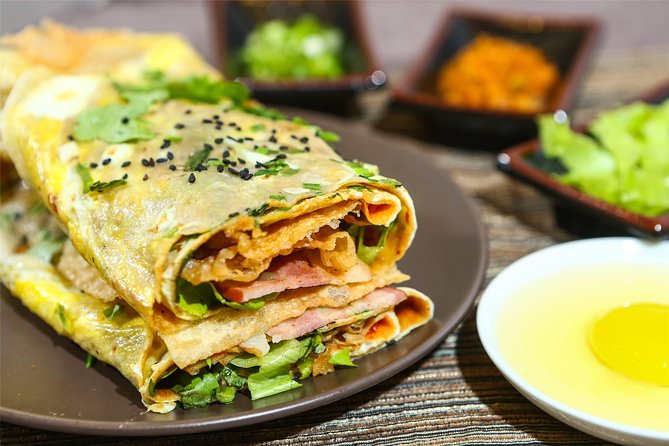
At $88 per person for about 3 hours, a lot of food tours would still feel like you’re paying mainly for a guide and a couple of tastings. Here, the math works better because the experience is built on 15+ food tastings plus the big headline meal: Peking duck.
Unlimited soft drinks and beer also change the feel of the tour. You’re not constantly choosing between paying extra for drinks or getting a tiny sip. Instead, you can focus on tasting variety—hot, savory, and sometimes spicy—without making your wallet do mental gymnastics every stop.
What you should expect from this format:
- You’ll likely eat a series of small servings rather than one massive buffet style plate.
- You’ll taste foods that represent different regions and traditions (Beijing plus other northern and southern styles).
- You’ll get a guided order plan, which is especially helpful if your Chinese is limited.
The private guide element: what you gain beyond the menu
A private tour means you’re not stuck behind a slow group or trying to translate while the staff moves fast. More importantly, a good guide helps you connect the dots.
This tour promises a private guide who explains Chinese food and culture while you stroll and snack. In the reviews, the friendliness and teaching style stood out—one guide named Miko was praised for making both culture and history feel approachable, not lecture-y. You don’t need deep academic explanations to enjoy food, but you do want someone who can tell you why a dish is famous and what makes it worth trying.
If you’re the type who gets annoyed by generic “this is Beijing duck” talk, this format should fit you better.
Stop 1: Dongsi Hutong walk-through and how it sets your food mood
Your tour begins in the heart of the hutong area: Dongsi Hutong. You’ll walk narrow alleys lined with courtyard houses, and it’s the kind of setting where food choices start to make more sense. When streets are tight and everyday life is close, you feel how meals work here—fast, local, and often focused on comfort rather than presentation.
This first stop is also where you’ll get oriented. Even if you’ve visited Beijing before, it helps to see how this area “holds” daily routines. That matters because you’re not just eating; you’re learning the neighborhood rhythm so you’ll know where to go next time.
Potential drawback: the hutong walk can be a bit of a “concentrated start.” If you’re not used to walking in older neighborhoods (uneven sidewalks, narrow passages), plan for that comfort level and wear shoes you trust.
Stop 2: LongFuSi Jie and Mongolian hot pot in a copper pot
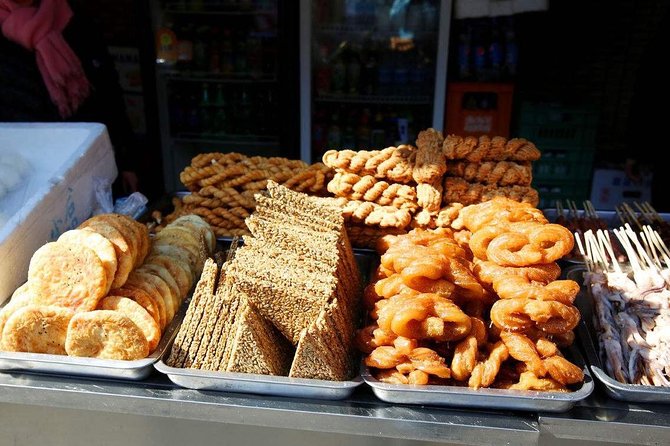
Next up is LongFuSi Jie, and the tour leads you to a Mongolian hot pot restaurant. Hot pot is one of those foods that feels simple until you actually try it in real local form. The tour description calls out a copper pot setup, tied to a history that began in royal courts and became popular with the general public later on.
Why this stop is worth putting on your first Beijing trip:
- Hot pot gives you a shared-table experience. Even on a private tour, it teaches how locals eat together.
- You can taste multiple ingredients and flavors without ordering completely separate dishes.
- It’s warm, filling, and helps balance out the sharper flavors you may taste at other stops.
What I’d watch for: hot pot styles can be spicy or strongly flavored depending on the broth. The good news is your tour is guided, so you can ask for mild options right there. If you have dietary restrictions, this is the moment to speak up before things start cooking.

Stop 3: Dongsiliu Alley and Yunnan cross-bridge rice noodles
Your final food stop takes you to Dongsiliu Alley, where the tour heads to a Yunnan-style restaurant hidden within the hutongs. The star dish here is cross-bridge rice noodles, known for its broth-forward, flavorful setup with fresh ingredients.
Cross-bridge rice noodles are one of those “you have to be there to get it” dishes. The concept is built around broth and timing, so you don’t just eat noodles—you experience the structure of the meal. That makes it a strong ending, because after duck and hot pot, noodles feel like a calmer finish that still tastes special.
What can be tricky: if you’re expecting a quick “instant noodle” vibe, this is different. It’s more about the broth and the way the dish comes together. If you prefer ultra-light meals, you might want to pace your servings earlier so your stomach is ready.
What’s included (and how to use it to your advantage)
This tour includes food tasting (15+ different tastings), a professional guide, Peking duck, and unlimited soft drinks and beer.
It’s also worth knowing what’s included versus optional:
- If you choose the option with pickup (labeled as Option 3 in the tour details), you’ll get private transfer with hotel pick up and drop off.
- If you choose not to, you’ll meet at the start point listed near public transit.
Value tip: because drinks are included, you’ll likely get more enjoyment out of the experience if you’re comfortable trying at least a few different items instead of playing it safe at every stop. If you’re the kind of eater who hates wasting food, a tasting format actually helps you try more with less decision fatigue.
Timing and pacing: 3 hours in the hutongs is fast (in a good way)
The duration is listed as about 3 hours, and each major stop runs around 1 hour. That’s a realistic length for a first-day food plan. It’s also short enough that you can still do other Beijing basics the same day.
But “short” can still feel busy. You’ll be walking, listening, and eating repeatedly. If you get overwhelmed in crowded places, the private format helps. Still, you’ll want to come ready to snack—not ready to take a long museum break.
Best approach for your comfort:
- Eat a light breakfast or skip a heavy meal beforehand.
- Wear comfortable shoes, because hutong walking is part of the experience.
- If you drink alcohol, treat the included beer as a bonus, not a challenge.
Who this tour fits best (and who might want to skip)
This experience suits you if:
- You want an easy first introduction to Beijing food without trying to figure out ordering alone.
- You’re excited about Peking duck and also want the rest of the meal to be more varied than a single restaurant.
- You like walking through neighborhoods that feel lived-in, not staged.
You might want to pass if:
- You’re looking for big sightseeing stops or long photo sessions. This is a food-first plan.
- You have very specific dietary restrictions and need a highly controlled menu. The tour says you can advise dietary needs at booking, but it still depends on what’s available at each tasting spot.
Price and logistics: how to judge if $88 is worth it for you
Let’s talk value. $88 per person is not cheap, but this tour stacks benefits:
- 15+ tastings rather than two or three dishes
- A guide who helps you understand food culture
- Peking duck as a featured element
- Unlimited soft drinks and beer
- A neighborhood focus on Dongsi Hutong plus a specific itinerary
The biggest “cost saver” is mental energy. If you’ve ever tried to plan Chinese food ordering while traveling, you know decisions take time. A guided tasting plan reduces guesswork and helps you sample more of what Beijing is known for.
If you can add hotel pickup (Option 3), that also saves hassle, especially if you’re staying in central Beijing and don’t want to coordinate transit mid-meal.
Should you book Peking Duck & Beyond?
Book it if you want a smart, food-centered way to start your Beijing trip—especially if Peking duck is on your must-eat list and you’d like the tour to handle the ordering and pacing. The private guide format and the sheer number of tastings make it a strong choice for getting more variety in less time.
Skip it if your dream Beijing day is long sightseeing and you’re not that interested in eating multiple small courses. Also skip if you know you can only handle a very narrow range of foods, because the whole point of the tour is variety.
In short: if you want Beijing flavors in real hutong lanes, with a guide to explain what you’re tasting, this is a practical first pick.
FAQ
How long is the tour?
The tour is approximately 3 hours.
What food will I try?
You’ll enjoy 15+ food tastings, including a Peking duck feast, hot pot, northern Chinese dumplings, local liquor, and more.
Do they offer hotel pickup?
Hotel pickup and drop-off are available if you choose the related option (Option 3). If you choose a smaller group tour or meet the guide at the meeting point, pickup is not included.
Is this tour private?
Yes. It’s a private tour/activity, and only your group will participate.
Can I request dietary requirements?
Yes. You should advise any specific dietary requirements at the time of booking.
What’s the cancellation policy?
You can cancel for a full refund up to 24 hours in advance. If you cancel less than 24 hours before the start time, the amount you paid will not be refunded.