REVIEW · BEIJING
Private 4-Day Tour: Beijing, Xi’an, Chengdu & Shanghai
Book on Viator →Bookable on Viator
This route is built for momentum. You’ll get a private guide across Beijing, Xi’an, and Chengdu, with arranged transport and included entry tickets so the trip stays smooth even when the days get busy. If you’re lucky with the guide team (names like Julia, Vicky, and Mollie show up in past experiences), you’ll get clear context fast, not just photo stops.
I especially like two things about how this tour is set up. First, the logistics are handled: pickup from your Beijing hotel, private air-conditioned vehicles in each city, and the right mix of bullet trains and a flight to Shanghai. Second, the itinerary hits major “wow” sights and then slows down for real food moments like Peking roast duck, Muslim Quarter snacks, and Sichuan hot pot.
One thing to think about: it’s tightly packed and involves flight and train days, so you’ll want to travel light and be okay with a schedule that moves from site to site. Also, if your timing lands on a Monday, plan for a change since the Forbidden City is closed then.
In This Review
- Key points that make this tour worth planning for
- Why this Beijing–Xi’an–Chengdu–Shanghai plan fits real time limits
- Morning pickup to Mutianyu Great Wall: cable car and calmer views
- Summer Palace after lunch: the royal garden break
- Tiananmen, Forbidden City, Temple of Heaven, then flying to Xi’an
- Xi’an’s Muslim Quarter dinner and the Terracotta Warriors moment
- City Wall: a practical way to feel the old city shape
- Terracotta Warriors: the one you plan your day around
- Chengdu: tea at Wenshu Temple and hot pot with spice control
- Panda morning at the breeding center, then finishing in Shanghai
- Price and value: what $2,180 buys you in 4 days
- Should you book this private 4-day tour?
- FAQ
- What time does the tour start?
- Is this a private tour?
- Are hotel pickups included in Beijing and on the last day?
- Which intercity transport is included?
- What are the included hotels?
- What meals are included?
- Are entrance fees included?
- Does the itinerary change if the Forbidden City is closed?
- What do I need to book the trains, flight, and hotels?
- Can I get a refund or make changes if plans shift?
Key points that make this tour worth planning for
- Mutianyu Great Wall by cable car: round-trip rides, with a section known for being less crowded
- UNESCO stops done with a guide: Forbidden City and Temple of Heaven are included with time to explore
- Real local meals included: Peking roast duck in an old courtyard, plus Muslim Quarter dinner and Sichuan hot pot
- Comfort upgrade where it counts: 5-star stay in Xi’an and 4-star in Chengdu with breakfast buffets
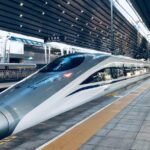
- Fast intercity travel: Beijing–Xi’an and Xi’an–Chengdu by bullet train, then Chengdu–Shanghai by flight
- Great finale option: Shanghai airport transfer to your chosen hotel, station, or port
Why this Beijing–Xi’an–Chengdu–Shanghai plan fits real time limits
This tour is for you if you want the highlights of China’s biggest “culture-and-icons” cities without doing the planning math. You start in Beijing, then move west to Xi’an and Chengdu, and end in Shanghai. The pace is not slow tourism, but it’s not chaotic either, because your guide and driver handle the travel legs and the ticketed sites.
You’ll also like the structure: each day has a clear anchor sight (Great Wall, Forbidden City, Terracotta Warriors, pandas), and then the tour wraps with something meaningful, like a temple area, a tea tasting, or a meal tied to local identity. That balance matters. It turns the trip from a checklist into a route you can actually remember.
The private format helps with one more practical thing: you’re not stuck timing your photos around a big group. The tour is designed around “you,” your guide, and a driver who’s there to keep the day moving.
You can also read our reviews of more private tours in Beijing
Morning pickup to Mutianyu Great Wall: cable car and calmer views
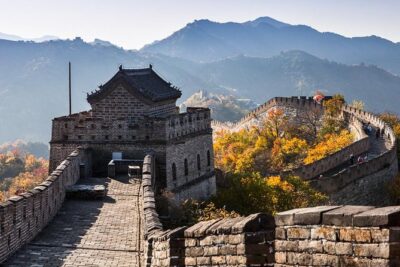
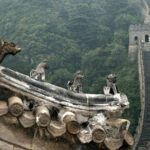
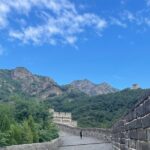
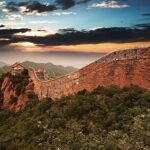
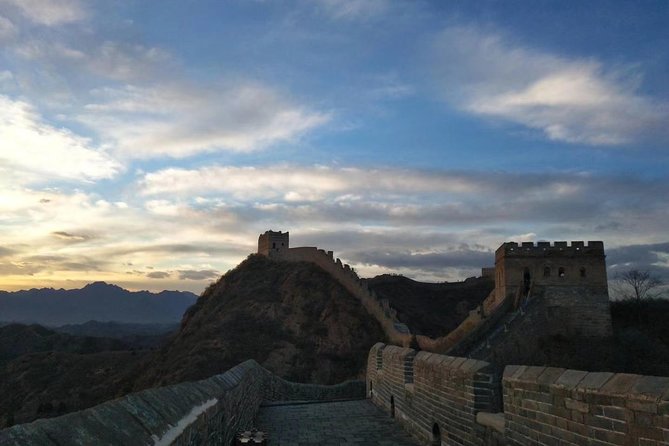
Day 1 begins with a hotel pickup in downtown Beijing at 8:00am. Your first stop is Mutianyu Great Wall, widely considered one of the best-preserved sections near Beijing. It’s also described as less crowded than other sections, which is a big deal here. The Great Wall is famous, but crowding can turn the experience into waiting and rushing.
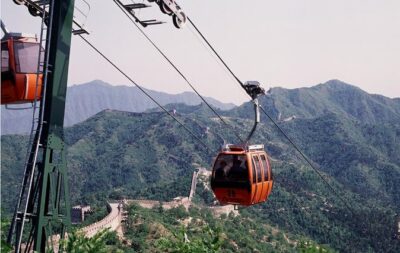
The tour includes round-trip cable car rides to the Wall. That’s a smart value add because the climb is the part that most people don’t want to deal with after a long trip day. You’ll get the viewpoints with less physical grind, and you can spend your energy on the Wall itself rather than logistics.
After your Great Wall time, you’ll go to a popular local restaurant for lunch. You’re not guessing what to order, and you’re not burning time searching. This matters when you have only four days.
Summer Palace after lunch: the royal garden break
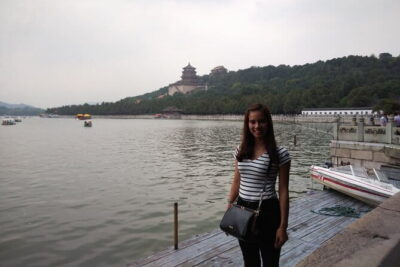
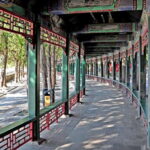
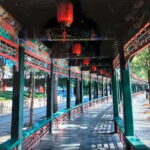
Then the day shifts from fortification to calm: Summer Palace (Yiheyuan). This is the largest and best-preserved royal park in China, known for natural views and cultural elements—basically a royal escape, built to show off both nature and planning. The tour frames it as the Museum of Royal Gardens, which is a helpful mental cue. You’re not just strolling; you’re seeing how the designers used water, paths, and structures to create atmosphere.
Expect around two hours here, then a drive back to your Beijing hotel. This return leg is useful. Day 1 ends with a proper reset instead of pushing right into another late-night stop.
Practical tip: wear shoes you can walk in comfortably. Even with cable cars doing some of the heavy lifting, parks and Palace grounds involve steady walking.
Tiananmen, Forbidden City, Temple of Heaven, then flying to Xi’an
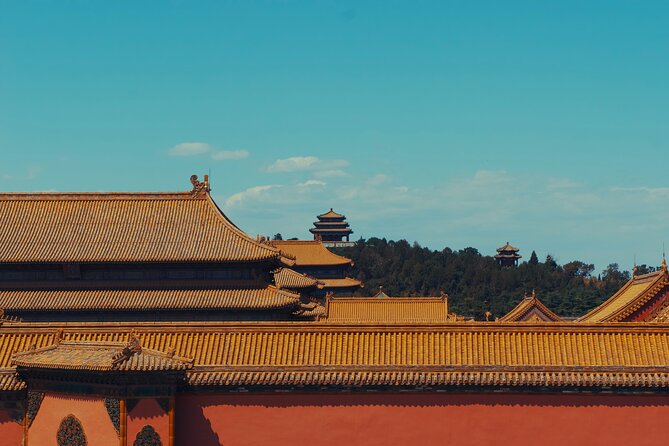
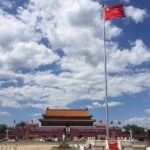
Day 2 is where this tour earns its “efficient” reputation. You start at Tiananmen Square first thing. The square is described as the largest square in the world and tied to major modern moments like Mao memorial-related sites and China’s political buildings. Admission here is free, and your time is about 30 minutes. That short window is intentional: it gives you context without swallowing the whole day.
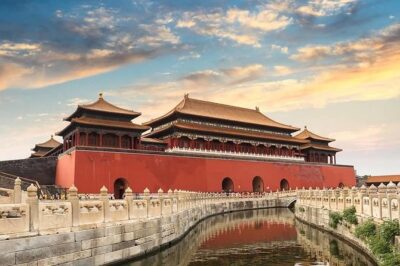
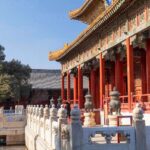
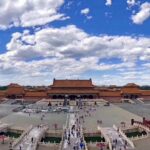
Then you enter the Forbidden City (Palace Museum) through Tiananmen Gate. The tour includes entry and a guided visit of about three hours. The scale is what hits you: built roughly 600 years ago in the Ming Dynasty, with over 8,400 rooms. With a guide, it’s easier to understand what you’re seeing beyond walls and courtyards, because you can follow the purpose of each grand area—work halls in front, private living areas in the back.
Here’s the one major consideration. The Forbidden City is closed every Monday. If your tour date falls on a Monday, it will be replaced with Summer Palace or Lama Temple. This is a real scheduling detail, not a suggestion. When you choose dates, check the day of the week so you know what you’re signing up for.
After Forbidden City, lunch is at a local popular restaurant in an old courtyard, and the highlight here is Peking roast duck. That’s not random. It’s a classic Beijing food marker and a good way to keep your day rooted in place, not just monuments.
Next comes Temple of Heaven, another UNESCO site, where emperors offered prayers for good harvests. You’ll explore with your guide for about two hours. Around the temple is a park area where locals practice Tai Chi, sing, and dance—so you get a mix of monumental architecture and everyday rhythm in the same space.
Then you’re back on the move: you’ll drive to Beijing International Airport and catch a flight to Xi’an. That flight step is what allows the tour to cover three huge cities in four days. It’s also why the day ends earlier in a “travel” way.
Xi’an’s Muslim Quarter dinner and the Terracotta Warriors moment
Once you land in Xi’an, your local guide and driver pick you up at the airport exit and take you to downtown. Your first real neighborhood stop is the Muslim Quarter, starting with an intro and then dinner there. The tour frames Xi’an’s Muslim Quarter as a Silk Road starting-point story with a large Muslim community running many of the restaurants. You’ll eat representative snacks and dishes that are part of the area’s day-to-day food identity.
This evening meal is one of my favorite parts of the route. It gives you a different side of Xi’an from the big-ticket sites. Terracotta Warriors are history on a monumental scale, but Muslim Quarter dinner is food you can taste and walk off slowly.
Then you head to your included 5-star hotel in Xi’an with breakfast buffet the next morning.
City Wall: a practical way to feel the old city shape
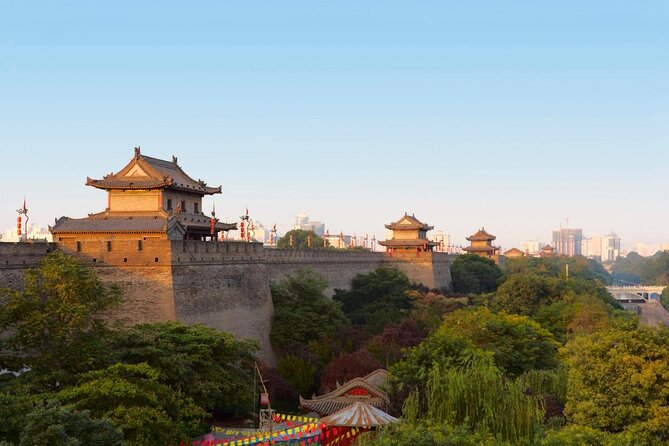
Day 3 starts with Xi’an City Wall (Chengqiang). The tour includes admission and about one hour here. The wall is described as constructed in the early Ming Dynasty, about 600 years ago, and it’s known as the best-preserved and longest city wall in China.
Why it works in a tight itinerary: it gives you “city geography” in a single stop. Instead of only seeing individual artifacts, you get the sense of how the city was protected and how people moved. The wall is about 14 kilometers long, and your one-hour visit makes it a quick but memorable orientation point.
Terracotta Warriors: the one you plan your day around
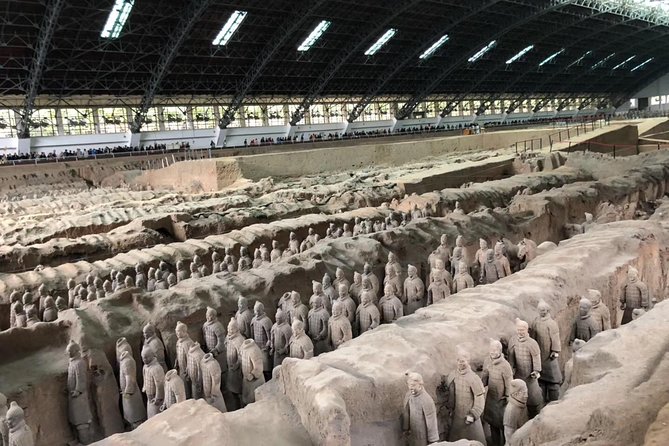
After the wall, it’s time for the big one: The Museum of Qin Terracotta Warriors and Horses. The tour includes entry and about three hours here. You’ll see more than 8,000 life-sized terracotta figures and horses excavated from three burial pits, created to guard the first emperor in the afterlife.
The tour also includes the origin story: a farmer discovered the underground army in 1974 while digging a water well. It’s the kind of detail that helps you remember why this site became famous, not just what it contains. The scale is why three hours feels right. With the guide, you can focus on the differences across pits and the overall concept rather than getting lost in the sheer number of statues.
Then you switch modes: bullet train to Chengdu. The journey takes around four hours through the Qinling mountain range. You’ll arrive with the tour team waiting at the station exit.
Chengdu: tea at Wenshu Temple and hot pot with spice control
Chengdu is where the pace gets a bit more human. You start with a visit to Wenshu Temple (Wenshu Yuan Monastery) for tea tasting. The tour says it’s the oldest temple in Chengdu, dating back to the Sui Dynasty (about 1,400 years ago). Tea tasting here isn’t a gimmick if your guide sets it up well. It’s a soft cultural reset between major sights, and it keeps you from rushing straight from one monument into the next.
After that, the tour is built around meals that actually feel like Chengdu. Dinner is Sichuan hot pot at a popular local restaurant. There’s an important practical note: if you don’t eat spicy food, the tour can choose a non-spicy hot pot. That’s worth paying attention to, because Sichuan hot pot can be punishing if you’re not expecting the heat level.
Finally, you check into a included 4-star hotel in Chengdu with breakfast buffet for the next morning.
Panda morning at the breeding center, then finishing in Shanghai
Day 4 begins with the Giant Panda Breeding Research Base (Xiongmao Jidi) early in the morning. The tour specifically notes that pandas are typically very active in the morning, so you’re aiming for better viewing chances. You’ll see pandas including newborns, and there’s time to watch them eating bamboo breakfast and playing.
This is one of those experiences where timing matters. Morning activity can change your whole day, and your tour plan is built around that.
Then you fly to Shanghai from Chengdu. After arrival, a local driver meets you at Pudong International Airport and takes you to your Shanghai destination—your booked hotel, train station, or port. The tour data says this is meant to keep things hassle-free so your Shanghai days can start without stress.
Note: the tour includes guidance and private vehicle in Beijing, Xi’an, and Chengdu, but the final leg in Shanghai is handled as airport transfer via driver. That’s still useful, just different from having a full guide.
Price and value: what $2,180 buys you in 4 days
At $2,180 per person, this is not an impulse buy. It’s priced like a service-heavy itinerary: private transport, a professional guide in multiple cities, included entrance fees, and major intercity movement by bullet train and flight.
Here’s what you’re getting that drives value:
- Hotels included where most tours cut corners: one night 5-star in Xi’an with breakfast buffet, and one night 4-star in Chengdu with breakfast buffet. That’s real comfort after long travel days.
- Ticketed sights covered: admission tickets are included for the listed attractions, so you’re not juggling queues or pricing.
- Time saved by being planned: you’re not spending your limited days working out train schedules and route transfers between distant sites.
- Food built into the experience: lunch and dinner are planned around iconic local dishes—Peking roast duck, Muslim Quarter snacks, and Sichuan hot pot, with an option for non-spicy hot pot.
The main “value tradeoff” is that you pay for convenience and guidance. If you love independent travel and you’re comfortable planning trains, entrances, and airport transfers yourself, you might be able to do something cheaper. But if you want a smooth, high-input itinerary with less decision fatigue, this price starts to make sense.
Also, read the fine print on commitments. The tour is non-refundable and cannot be changed for any reason. If your schedule might shift, that’s a risk to factor in.
Should you book this private 4-day tour?
I think you should book it if you want a focused route across Beijing, Xi’an, Chengdu, and then Shanghai, and you prefer someone else handling the hard parts: pickup, private transport, entry tickets, and the timing between cities.
This tour is a good fit for:
- First-time visitors who want the biggest “China icons” without planning stress
- Travelers who appreciate strong guides and included meals
- People who can handle a busy schedule and travel legs (bullet trains plus a flight)
You might skip it if:
- You want lots of free time to wander on your own each day
- You’re traveling with a flexible schedule and can’t risk non-refundable terms
- You’re hoping for a slow, rural pace. This is city-focused and time-managed.
If you can commit to the dates and you like guided, efficient sightseeing with comfort built in, this is one of the more practical ways to hit a huge amount of China in just four days.
FAQ
What time does the tour start?
The meeting start time is 8:00am, with pickup offered from your downtown Beijing hotel for the first day.
Is this a private tour?
Yes. It’s a private tour/activity, so only your group participates.
Are hotel pickups included in Beijing and on the last day?
You’re asked to provide your booked hotel information in Beijing and Shanghai so the tour can arrange hotel pickup and drop-off service for the tour’s first day and the last day. Shanghai also includes an airport transfer to your booked hotel, train station, or port.
Which intercity transport is included?
The tour includes bullet trains from Beijing to Xi’an and from Xi’an to Chengdu, plus a flight from Chengdu to Shanghai.
What are the included hotels?
One night of 5-star accommodation in Xi’an (with a breakfast buffet) and one night of 4-star accommodation in Chengdu (with a breakfast buffet) are included.
What meals are included?
The tour includes 4 lunches and 1 dinner, plus 2 breakfast buffets (for the included hotel stays).
Are entrance fees included?
Yes. All entrance fees of the listed sightseeing places are included in the tour package.
Does the itinerary change if the Forbidden City is closed?
Yes. The Forbidden City will be closed every Monday, and the tour replaces it with Summer Palace or Lama Temple.
What do I need to book the trains, flight, and hotels?
You need to provide each participant’s passport full name, number, expiry, and country at the time of booking, since the bullet train, air flight, and hotel accommodation require this information.
Can I get a refund or make changes if plans shift?
No. The experience is non-refundable and cannot be changed for any reason. If you cancel or ask for an amendment, the amount you paid will not be refunded.