REVIEW · BEIJING
Private China Tour to Beijing, Xi’an, Zhangjiajie and Shanghai
Book on Viator →Operated by Travel China Guide · Bookable on Viator
One big trip, four big regions, and very little hassle. This private route strings together the top sights in Beijing, Xi’an, Zhangjiajie, and Shanghai with airport/hotel pickups and guided time that keeps you moving without feeling rushed. It also mixes iconic must-dos with a few smart local-style moments like a Hutong rickshaw ride and a snack walk in Xi’an’s Muslim Quarter.
I especially love the way the itinerary handles the “day-to-day logistics” for you. You get an airport meet on arrival in Beijing, professional guides and drivers throughout, and domestic travel built in between cities (high-speed train to Xi’an plus flights to Zhangjiajie and Shanghai). That means you spend your energy on sights, not on figuring out connections.
My main watch-out is physical pacing. You’ll stack big attractions across 11 days, including a long day in Zhangjiajie and optional steep experiences like the 999 stairs on Tianmen Mountain, plus the general note that it’s not suitable for people over 80 years old. If you want a more relaxed pace, this may feel intense.
In This Review
- Key things I’d plan around
- Beijing’s Imperial Core: Tiananmen, Forbidden City, and Hutongs
- Badaling Great Wall and Ming Tombs: Big Views, Real Scale
- Summer Palace to Xi’an: Gardens, Power, and a High-Speed Reset
- Terracotta Warriors and Small Wild Goose Pagoda in Xi’an
- Xi’an City Wall, Great Mosque, and the Muslim Quarter Snack Walk
- Flying into Zhangjiajie: Forest Park Stars and the Glass Bridge
- Tianmen Mountain and the 999 Stairs Choice
- Shanghai’s Old Charm and New Skyline: Yu Garden, the Bund, and River Time
- Day 11 Departure: Easy Exit from Shanghai
- Price and Logistics: Does $2,999 feel like value?
- Who this private tour suits best
- Should you book this private China tour?
- FAQ
- How long is the tour?
- Which cities does the tour include?
- Is airport pickup included?
- What transportation is included between cities?
- Are attraction tickets included?
- What meals are included?
- Is the tour private and can we request vegetarian meals?
Key things I’d plan around
- Private guide + experienced driver in every city, with coordinated handoffs
- Built-in intercity travel: high-speed train Beijing→Xi’an, then flights to Zhangjiajie and Shanghai
- Top-ticket highlights are included on several days (Forbidden City, Great Wall at Badaling, Terracotta Warriors, Summer Palace)
- Real local texture: Hutong rickshaw ride and a snack tour in Xi’an’s Muslim Quarter
- Zhangjiajie signature experiences including Avatar-style peaks and the No.1 glass bridge
- Meals aren’t constant every day: breakfast is included for 10 days, lunch for 6 days
Beijing’s Imperial Core: Tiananmen, Forbidden City, and Hutongs
Beijing opens strong, and it’s set up to get your bearings fast. After you clear customs, your guide meets you at Beijing Airport and you’re driven to your hotel for check-in—one of those unglamorous details that makes the first day feel smooth instead of chaotic.
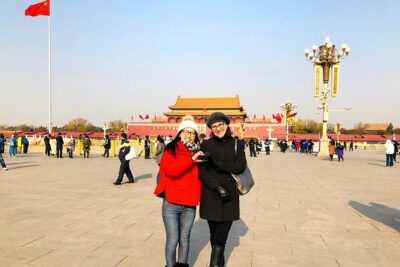
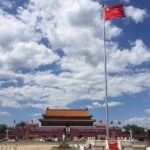
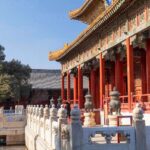
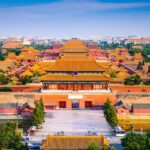
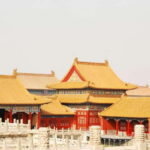
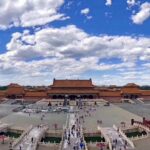
The next morning, you visit Tiananmen Square, including time to see the sheer scale of this vast urban space. From there, you head straight into the Forbidden City (Palace Museum), where you get a guided walkthrough through halls and pavilions tied to how emperors ran political affairs. For many first-timers, this is the “anchor” stop: it’s where Beijing stops being just buildings and starts being a story you can follow.
Later, you shift gears with a Hutong tour around Shichahai. A rickshaw ride through traditional alleyways (about 40 minutes) is a simple, low-effort way to understand the old city layout without spending half a day doing research. It also gives you a contrast to the grandeur you saw at Tiananmen and inside the palace grounds.
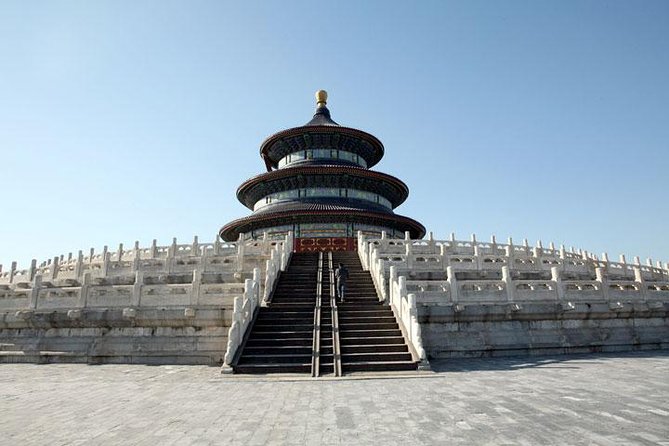
Then you end the day at the Temple of Heaven, where emperors worshipped the God of Heaven. Even if you don’t read every detail on site, you’ll like the way the space feels designed for ritual and symmetry—one of those places where walking slowly pays off.
You can also read our reviews of more private tours in Beijing
Badaling Great Wall and Ming Tombs: Big Views, Real Scale
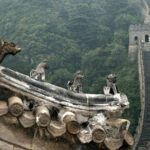
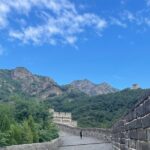
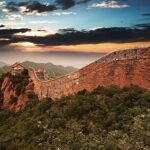
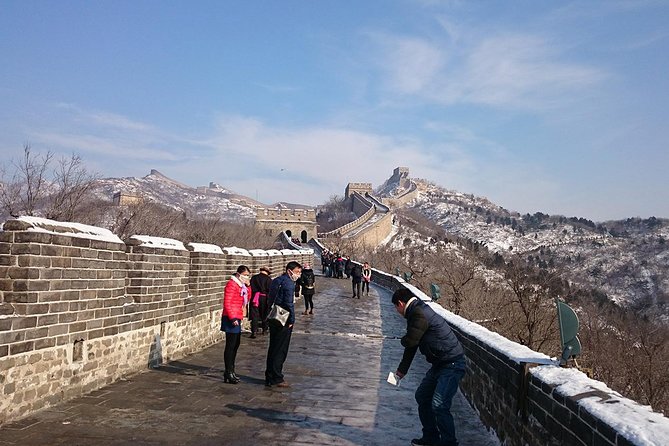
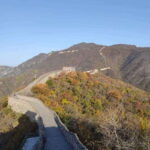
If you only do one Great Wall moment, make it Badaling. You’ll go in the morning, with guided time on the wall itself, so you can actually see the wall’s line stretching up and down the hills instead of just taking a few distant photos. Badaling is famous for a reason: the scale is dramatic, and it’s one of the easiest wall sections to access for most people.
On the same day, you visit the Ming Tombs, the resting place of 13 Ming emperors. Your focus is on two key highlights: the Sacred Way and Dingling Tomb. This stop works well after the Great Wall because it continues the theme of imperial authority—just expressed through tomb architecture and ceremonial approach roads rather than military defense.
As you head back toward the city, there’s also a quick photo pass by the Bird’s Nest (time for pictures only, tickets not included). It’s not the main event, but it’s a nice snapshot if you like modern landmarks alongside the older imperial world.
Summer Palace to Xi’an: Gardens, Power, and a High-Speed Reset
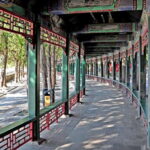
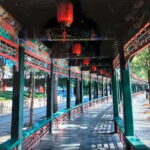
Day 4 starts with the Summer Palace (Yiheyuan), the largest existing imperial garden. The best part of a guided visit here is pace: you’re not trying to guess what to prioritize across a huge site. With its lakes, halls, and classic imperial landscaping, it gives you a calmer mood after two days of monumental architecture.
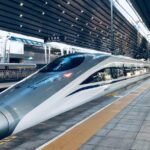
Then comes the big travel pivot: you take a high-speed train to Xi’an. That’s a practical choice in China, and it keeps your schedule efficient. Once you arrive, your Xi’an guide and driver pick you up at the railway station and transfer you to the hotel, so you’re not dealing with finding your way late in the day.
Terracotta Warriors and Small Wild Goose Pagoda in Xi’an
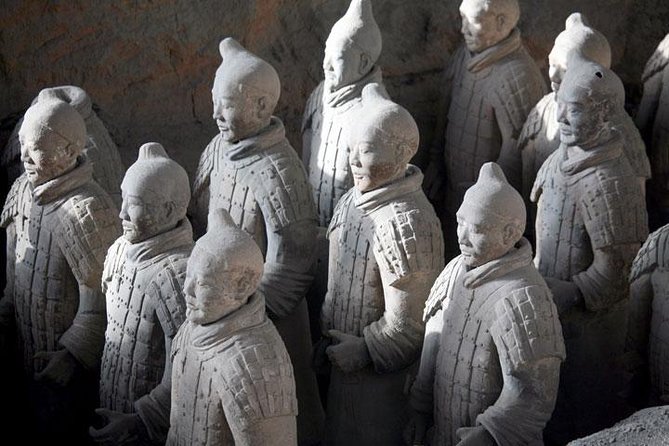
Xi’an is all about “ancient China you can stand in front of.” The first major stop is the Museum of the Qin Terra-cotta Warriors and Horses, with time to see the excavated pits and the weapons and warrior figures. This isn’t a quick glance stop. It’s built as a full morning/afternoon type experience (about 4 hours), so you can actually take in the details and the sheer number of figures.
After that, you move to the Small Wild Goose Pagoda and the adjacent Xi’an Museum. The pagoda is old-school brick-and-stone architecture, and the fact that it has survived earthquakes gives it a grounded, real-world feel. It’s also a good contrast to the Terracotta Warriors: same “long-ago China,” different expression.
Xi’an City Wall, Great Mosque, and the Muslim Quarter Snack Walk
One of my favorite parts of this Xi’an sequence is that it doesn’t only hit famous ruins. You start with the Xi’an City Wall, with a look at local life in the City Wall Park first, then time to visit the wall itself. It’s practical because it helps you understand the city’s shape and defensive history from the outside.
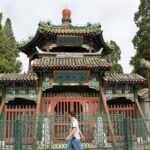
Next comes the Great Mosque of Xi’an, which stands out for its Islamic architectural features. You’ll like this stop if you’re the type who enjoys seeing how cultures overlap in a single city rather than sticking to one theme.
Then you get the Muslim Quarter, with free time to stroll and a snack tour at a popular restaurant. Lunch isn’t listed as the main format here—this is more about sampling. It’s a smart way to break up temple and museum time without turning the day into chaos.
In the afternoon, you visit Tomb of Emperor Jingdi (Hanyangling), also called Han Yang Ling Museum. This Han Dynasty site (202 BC–220 AD) adds another layer to Xi’an beyond Qin-era fame, with an emphasis on excavation areas.
Flying into Zhangjiajie: Forest Park Stars and the Glass Bridge
On Day 6, you fly from Xi’an to Zhangjiajie, with a guide and driver meeting you and transferring you to the hotel. Flights cut down wasted time, and the itinerary keeps the “travel friction” low by handling pickups on both ends.
Then you dive straight into Zhangjiajie National Forest Park on Day 7. This day is built around major viewpoints and signature structures: a Bailong Elevator ride up toward the Yuanjiajie Scenic Area, plus time at the Southern Sky Column shooting spot. The big idea here is seeing why this area looks otherworldly in photos and film.
On a practical level, this full day is long—about 8 hours—and it’s worth packing water and wearing shoes that handle steps. The park is famous for heights and viewpoints, so a calm mindset and good footing matter more than trying to “speed-run” every stop.
Day 8 continues with the Zhangjiajie Grand Canyon, described as a landscape experience mixing mountains, caves, and water. You then move to Golden Whip Brook for a relaxing hike along the most beautiful stretch (about 7.5 kilometers). That length is no joke, but it’s not the kind of climb that destroys the day—more of a scenic walk through forest and stream views.
Tianmen Mountain and the 999 Stairs Choice
On Day 9, the highlight is Tianmen Mountain National Forest Park, with time around Tianmen Cave. The itinerary mentions the 999 stairs as an option if you’re energetic. You don’t need to treat it as a badge; choose based on your comfort level and how the day feels.
This stop works well because it adds a different kind of drama compared with Forest Park. Where Zhangjiajie’s icons are about columns and canyon walks, Tianmen tends to feel like a vertical journey—something you remember when you look back at the trip as a whole.
Afterward, you take an evening flight to Shanghai, then transfer to your hotel. Getting into Shanghai late evening sounds like it might add stress, but because the guide and driver handle the transfer, you land and switch gears without getting stuck figuring it out yourself.
Shanghai’s Old Charm and New Skyline: Yu Garden, the Bund, and River Time
Shanghai day 10 starts with the Shanghai Urban Planning Exhibition Hall, which helps you understand how the city grew from a small fishing village into a major modern metropolis. It’s a smart “orientation” move because you’ll recognize more of what you see later when you get out into the streets.
Then you visit Yu Garden (Yuyuan), a classic private garden with over 400 years of history. It’s a good fit for travelers who want beauty that’s less about spectacle and more about design detail—courtyards, pavilions, and carefully shaped spaces.
From there, you pass Yuyuan Bazaar outside the garden and take in a bit of local street life. The itinerary then adds the Huangpu River experience with an Huangpu River Cruise, including views of buildings with both Chinese and Western architectural styles along the Bund area.
The Bund (Wai Tan) is next, with about an hour of free time for your own exploring. This is where you can match your energy to the day: linger for the skyline views, step into side streets, or simply enjoy the contrast between older facades and newer towers.
Finally, you end at Tianzifang, a cultural street in old lanes. It’s a nice way to wrap Shanghai with something human-scale after all the large-city imagery.
Day 11 Departure: Easy Exit from Shanghai
On the final day, you check out and your driver and guide escort you to catch your homeward flight. That last handoff matters. Even though you’re traveling on your own timing at the airport, you don’t have to worry about your hotel-to-airport route.
Price and Logistics: Does $2,999 feel like value?
At $2,999 per person for an 11-day private tour, the value question comes down to what you get bundled and how smoothly it’s handled.
Here’s what you’re effectively paying for:
- Private guide and driver across multiple cities (not shared)
- Air-conditioned vehicle throughout ground days
- Domestic travel included for key legs: one-way economy flights from Xi’an/Zhangjiajie/Shanghai, plus the high-speed train to Xi’an
- Hotel accommodation in twin-sharing rooms
- A lot of entrance tickets included on major attractions (Forbidden City, Great Wall at Badaling, Terracotta Warriors, Summer Palace, and others)
- Meals that reduce daily decision fatigue: breakfast for 10 days, lunch for 6 days
- Daily water (two bottled waters per person)
If you’re comparing this against the cost of doing four cities independently—guides, tickets, transfers, trains, and flights—this package starts to look more reasonable. You’re paying for the “glue” that keeps China travel from turning into planning work.
Timing also matters. This tour is typically booked about 114 days in advance, so if you’re traveling in a high-demand season, early booking helps you avoid compromises.
Who this private tour suits best
This tour is a strong match if you:
- Want major highlights without navigating ticket lines and transport yourself
- Prefer private guiding for clearer context and easier pacing
- Like a mix of imperial sites, ancient archaeology, dramatic nature, and modern city views
- Can handle long days, especially in Zhangjiajie
It’s less ideal if you:
- Want very slow sightseeing with lots of downtime
- Need frequent mobility breaks beyond normal sightseeing pace
- Fall into the note that it’s not suitable for people over 80 years old
If you have a vegetarian option, you can ask for it when booking. That’s one of those small details that can make the whole trip easier.
Should you book this private China tour?
You should book it if your priority is getting the big icons right—Great Wall at Badaling, Forbidden City, Terracotta Warriors, Zhangjiajie’s signature viewpoints including the glass bridge, and Shanghai’s Bund area—with a setup that keeps transfers organized.
I’d hold off if you’re hoping for a light-touch itinerary. The route is packed by design, and Zhangjiajie days are physically demanding if you choose optional climbs like the 999 stairs. If you love big sights and don’t want the planning burden, this tour is a solid value for the money.
FAQ
How long is the tour?
The tour is about 11 days.
Which cities does the tour include?
It covers Beijing, Xi’an, Zhangjiajie, and Shanghai.
Is airport pickup included?
Yes. You’re met at Beijing Airport after customs, and you also have drivers and guides for city transfers.
What transportation is included between cities?
You use a high-speed train from Beijing to Xi’an, and one-way economy-class airfare is included from Xi’an to Zhangjiajie and Zhangjiajie to Shanghai.
Are attraction tickets included?
Many major sites include admissions in the tour price, such as the Forbidden City, Great Wall at Badaling, Terracotta Warriors, Summer Palace, and more. Some items are not included (for example, Bird’s Nest tickets are not included).
What meals are included?
Breakfast is included for 10 days and lunch for 6 days. Two bottled waters per person per day are also included.
Is the tour private and can we request vegetarian meals?
Yes, it’s private with only your group participating. A vegetarian option is available if you advise at booking.