REVIEW · BEIJING
Tickets to all Beijing attractions (Forbidden City optional)
Book on GetYourGuide →Operated by Sister tours · Bookable on GetYourGuide
Beijing’s icons in just a few hours. This ticket bundle helps you move between major landmarks fast, and I really like the skip-the-ticket-line setup plus the electronic guide map for keeping your bearings. One thing to consider: you’ll still do a moderate amount of walking, and which sights you hit depends on the option you book.
If you’re short on time, this is the kind of experience that helps you understand why Beijing matters—from the earliest days through court culture at the Forbidden City area and landmark squares like Tiananmen. I also like that the provider notes the price includes several fee components, so you can see what you’re paying for instead of feeling surprised later.
In This Review
- Key points before you go
- How a Beijing ticket bundle really works (and why $3.46 can be good value)
- Choosing your starting point: Tiananmen Square, Yunghe Gong, and other smart options
- Guozijian orientation: a fast history-focused walk
- Forbidden City and Tiananmen Square history: what you’re actually learning
- Temple of Heaven: the landmark you recognize even on a tight schedule
- Great Wall entry points in 1–3 hours: think highlights, not a full hike
- Lama Temple and Summer Palace: religion and leisure in one circuit
- Bell and Drum Tower plus Prince Gong’s Mansion and Confucius sites
- Guide quality: what English support can look like (and why Mina matters)
- Practical stuff that will save your day
- Is this tour best for you? My quick decision guide
- FAQ
- Which attractions are covered in this ticket experience?
- How long does the experience take?
- Is the Forbidden City included or optional?
- Do I need a passport to reserve?
- Is the GetYourGuide QR code a valid ticket?
- What’s included in the price?
- What should I bring and what’s not allowed?
Key points before you go
- Skip-the-ticket-line access helps on crowded days at major sites
- Start from 9 different locations, so you can pick what’s closest to you
- A one to three hour window works well for first-time orientation
- Temple of Heaven, Lama Temple, Summer Palace, Great Wall give you big “Beijing overview” coverage
- You’ll get an electronic guide map plus information consultation
- Passport details may be required to complete the reservation
How a Beijing ticket bundle really works (and why $3.46 can be good value)
This experience is priced per person at $3.46, and that number is meant to be an all-in booking total for the attractions you select. The important detail is that the price is described as three parts: the actual attraction ticket price plus a platform fee and a purchasing fee. That breakdown matters because “cheap” deals can sometimes hide extra add-ons; here, you’re told the components up front.
What you get is mostly attraction tickets plus an electronic guide map of scenic spots and information consultation. What you don’t get is the stuff that usually costs real money in Beijing tours: hotel pickup/drop-off, food and drinks, transportation, and a standard “tour guide” fee (though guided time can appear for specific segments). So think of this as a ticket-and-navigation help, not a full-service escorted day.
For value, your best bet is pairing this with your own practical planning: choose a start point that minimizes backtracking, wear shoes you can walk in, and use the map to keep your time under control. If you do that, the “short duration” makes sense instead of feeling rushed.
You can also read our reviews of more tours and experiences in Beijing
Choosing your starting point: Tiananmen Square, Yunghe Gong, and other smart options
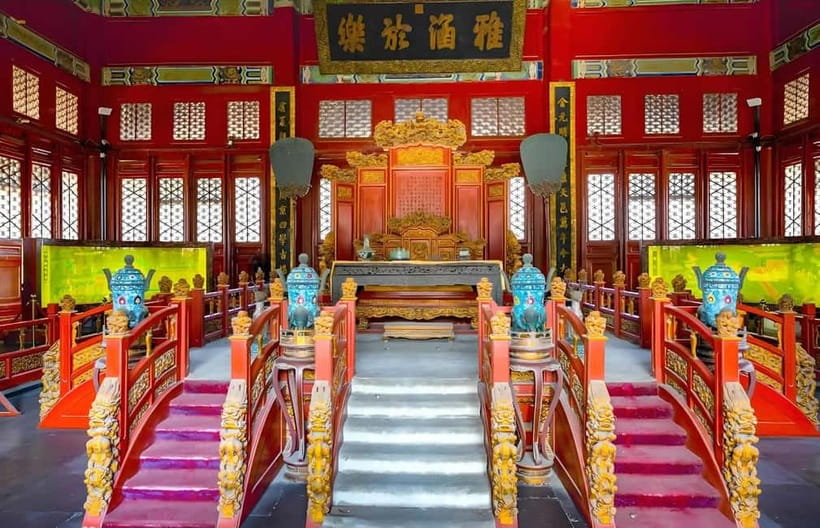
One of the most useful parts is that you can start from one of nine location options. The list includes places like 天安门广场 (Tiananmen Square), 恭王府 (Prince Gong’s Mansion), 午门 (Meridian Gate), 景山公园 (Jingshan Park), 天坛公园南门 (Temple of Heaven South Gate), and 雍和宫 (Yunghe Gong / Lama Temple). There are also options like 亚运熊猫馆, 肯德基, and 中国工艺美术馆.
Why this is more than just a convenience: Beijing attractions can be spread out, and wandering from the wrong side of a complex wastes time. Starting near what you want to see first is one of the simplest ways to protect your schedule when you only have 1 to 3 hours.
Practical tip: pick the start point that matches the first site you care about most. If you’re most curious about the Temple of Heaven, starting near the Temple of Heaven South Gate is the obvious win. If your priority is the older imperial district, starting around the Tiananmen area or Meridian Gate makes more sense.
Guozijian orientation: a fast history-focused walk
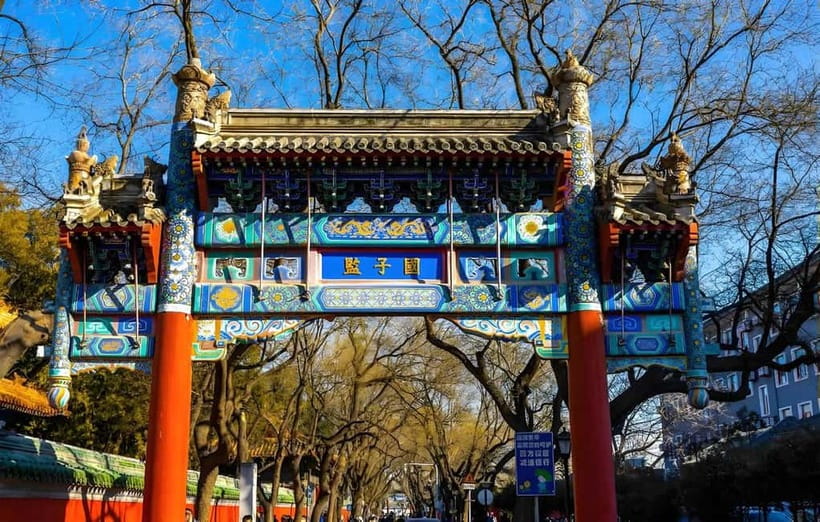
A highlighted stop is Guozijian, with a format listed as guided tour, sightseeing, and walking for about 1 hour. Even if your total experience is short, this kind of focused orientation time is valuable because it gives you a mental map before you get pulled into the scale of the big-name sites.
Guozijian is tied to education and the scholar world, which is a different angle than palace history. That matters because Beijing isn’t only temples and emperors; it’s also institutions and ideas that shaped how people lived. If you go into the next sights with that context, you’ll notice more than just pretty walls.
The drawback: with only an hour there, don’t expect time for a long, slow pace. If you like reading every plaque and taking your time, you may want extra time before or after. But if you want a clear “what is what” experience in a limited window, this segment does the job.
Forbidden City and Tiananmen Square history: what you’re actually learning
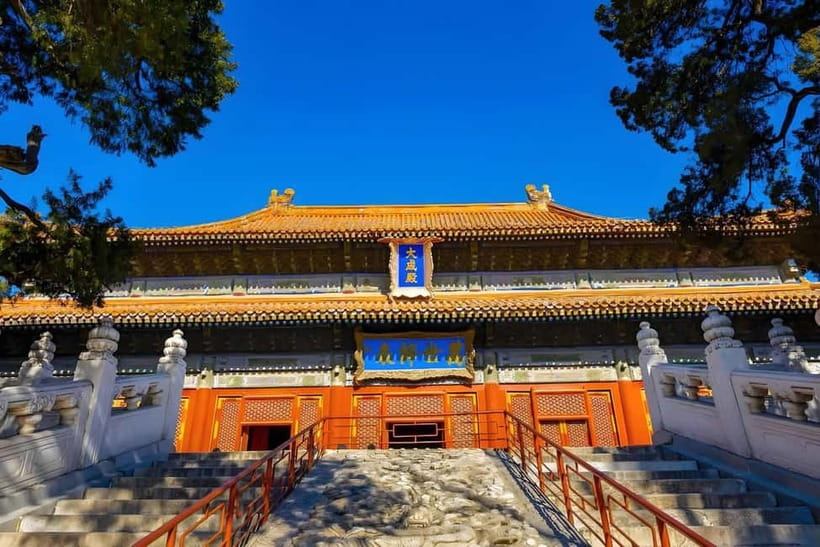
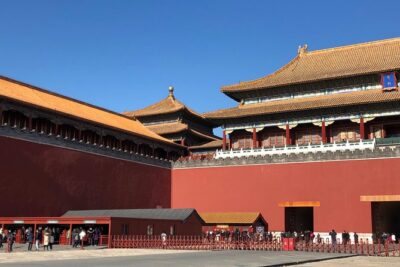
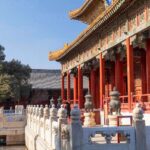
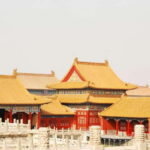
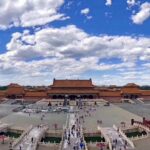
The experience is designed to help you discover the history of the Forbidden City and Tiananmen Square. The Forbidden City is specifically described as optional, so you can decide how much you want to prioritize that particular palace complex.
Even when the Forbidden City is optional, the value here is the storyline connection: Tiananmen is tied to state power and public space, while the Forbidden City represents the core of the imperial court. When you see them as connected chapters—rather than separate photo stops—the place starts to make sense.
Also, you’re not only told about the “big moment” era. The highlights mention learning about Beijing from its earliest days. That’s a good sign if you’re doing your first Beijing trip because it helps you avoid the common mistake of treating the city like a list of monuments.
Consideration: you’ll likely cover key viewpoints and major areas rather than treating the Forbidden City like a full-day deep dive. If you’re the type who wants hours inside every gate and exhibition, plan extra time separately.
Temple of Heaven: the landmark you recognize even on a tight schedule
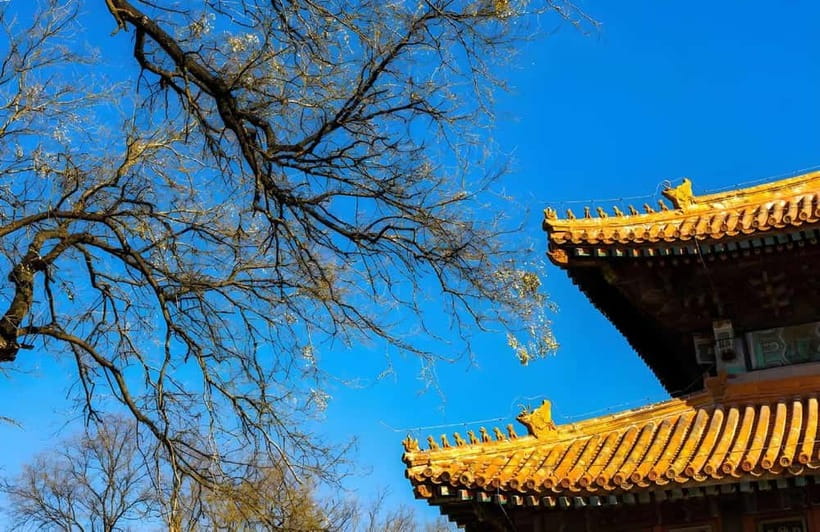
One of the attractions called out clearly is the Temple of Heaven, described as a major Beijing landmark building. The Temple of Heaven is one of those sights where the architecture and layout do a lot of storytelling. You don’t need to be an expert to notice the thought behind it.
In a short experience, the best thing you can do is aim for understanding the “why” behind the space, not just the postcard angle. This tour format supports that because it includes a guided-orientation style segment and then rolls you into other iconic sites. That structure helps you avoid the “I saw it, but I don’t know what it means” feeling.
If your timing is tight, Temple of Heaven is a smart anchor. It’s a strong visual identity for the city, and even a brief visit usually gives you something to work with when you’re planning what to see next day.
You can also read our reviews of more city tours in Beijing
Great Wall entry points in 1–3 hours: think highlights, not a full hike
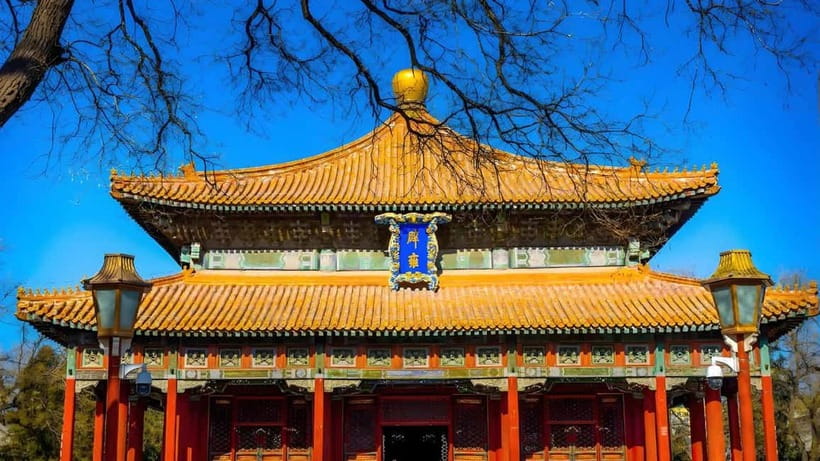
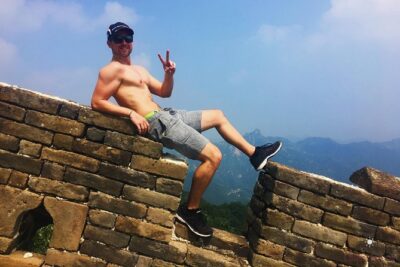
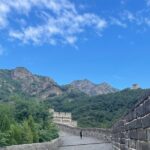
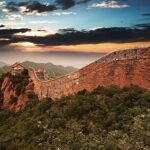
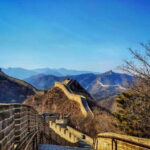
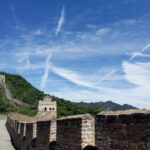
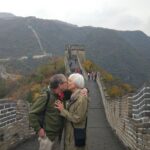
The Great Wall of China is included as a key highlight, framed as one of the seven wonders of the world. This is the biggest reality check to understand up front: a 1 to 3 hour experience doesn’t mean you’ll do an all-day trek. In most short formats, you can expect a “see the scale, take the photos, get the meaning” type of visit.
That can still be worth it. The key is adjusting expectations. For me, the value of a Great Wall visit in a short window is the perspective shift: you finally see what people mean when they describe it as a feat of engineering and endurance.
What you should watch for is timing and walking comfort. The overall experience calls for comfortable shoes and notes moderate walking. So if the Great Wall segment is part of your plan, you’ll want a cautious pace and a bottle of water ready.
Lama Temple and Summer Palace: religion and leisure in one circuit
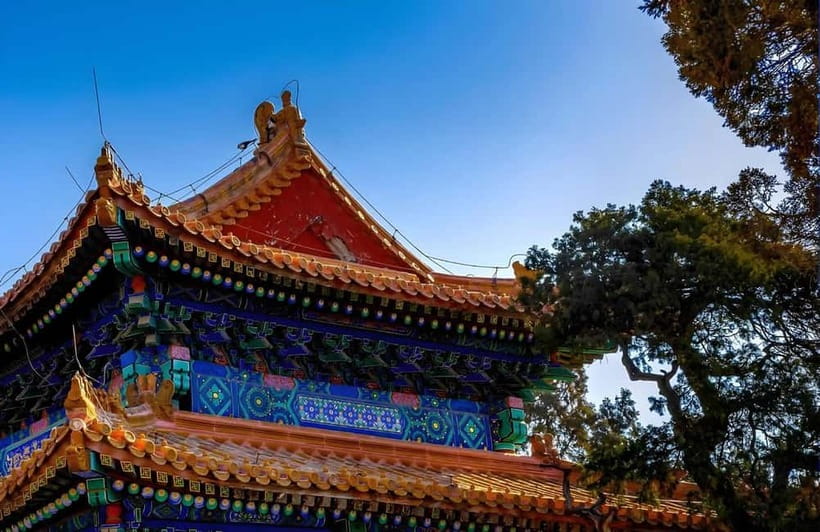
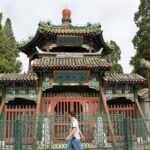
Two other major stops are Lama Temple and Summer Palace. This is a nice pairing because they show different sides of Beijing culture. Lama Temple represents a religious tradition with its own atmosphere and architectural cues, while Summer Palace is tied to imperial leisure and scenic design.
That contrast is one reason this kind of itinerary works well for first-timers. You get more than one “type” of Beijing in a short day. You’re not stuck only in palace walls or only in one style of sightseeing.
If you’re deciding what matters most to you, here’s a simple approach:
- Want atmosphere and spiritual architecture? Prioritize Lama Temple.
- Want grand gardens and the imperial recreation angle? Prioritize Summer Palace.
You can also start at 雍和宫 (Yunghe Gong), which lines up nicely with Lama Temple access and can cut down on transit time inside your day.
Bell and Drum Tower plus Prince Gong’s Mansion and Confucius sites
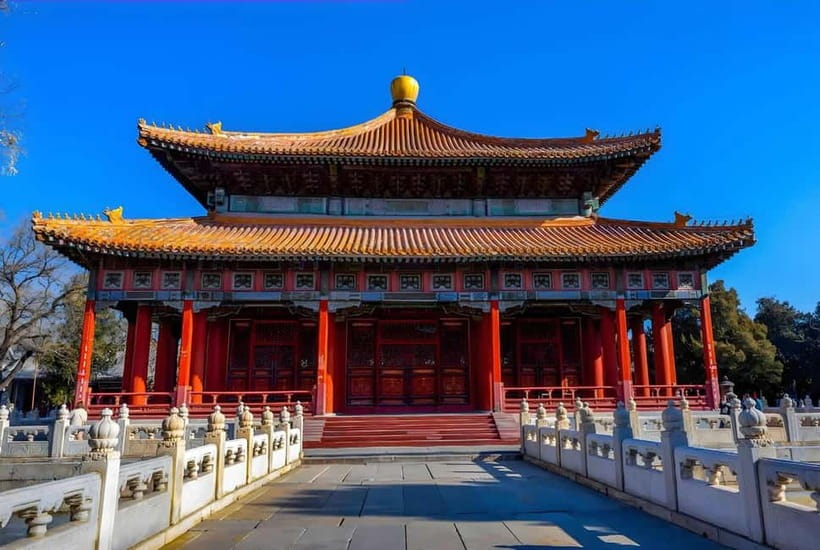
Beyond the headline attractions, the experience lists several additional sites that round out the “whole city” feel. These include the Bell and Drum Tower, Prince Gong’s Mansion, the Temple of Confucius, and the Imperial College.
Why these extra stops matter: Beijing isn’t only emperors and walls. These locations connect to civic life, education, and the urban structure of different eras. Even if each stop is shorter due to the limited duration, the combined picture makes your first visit feel less like random sightseeing.
A bonus is variety in photography and mood. Bell and Drum Tower areas tend to give you a sense of the city’s rhythms, while Prince Gong’s Mansion and the Confucius/Imperial College zone emphasize culture and learning.
Guide quality: what English support can look like (and why Mina matters)
The inclusion list mentions information consultation and an electronic guide map, and it also notes that a tour guide is not listed as included. At the same time, one itinerary segment is described as a guided tour and a review specifically highlights a guide named Mina with very good English.
So the practical takeaway is this: if you care about understanding what you’re seeing, pay attention to the parts described as guided. If your booking includes guided time, you’re in better shape to get context quickly instead of relying only on your own reading.
Also, the review praising Mina for an enjoyable afternoon is a reminder to look for language support. If your comfort level depends on English explanations, that’s a strong factor in your planning.
Practical stuff that will save your day
Bring the basics and you’ll thank yourself later:
- Comfortable shoes (moderate walking is part of the plan)
- Hat and sunscreen (weather runs all conditions, dress for it)
- Camera for architecture and historical sites
- Water for the walking pace
What not to bring is also clearly listed: pets, drones, alcohol and drugs, and firework. Keeping it simple helps you avoid last-minute issues at entry points.
One more thing that matters: the provided GetYourGuide QR code is not a valid ticket. You’re instructed to communicate via WhatsApp or wait for a confirmation email. And you may need to provide passport information (full name, passport ID, date of birth, gender) in advance to complete the reservation. If you don’t, the reservation can be canceled with a cancellation fee.
If any of that sounds annoying, it’s still worth knowing. Beijing attractions often require passport-based details for certain access rules, and being ready prevents wasted time.
Is this tour best for you? My quick decision guide
Book this experience if you:
- Want a short, efficient way to see major Beijing landmarks like Temple of Heaven, Lama Temple, Summer Palace, and the Great Wall
- Like structure when you have limited hours and you don’t want to hunt for tickets
- Would benefit from an electronic guide map and information consultation to reduce stress
Skip it (or consider adding a separate guide) if you:
- Want a slow, deeply explanatory day where every detail gets time
- Don’t want to handle the practical ticket instructions, especially the note that the QR code is not a direct ticket
- Are traveling with someone over 95 years, since it’s listed as not suitable
Also, there’s a clear caution for true beginners: if you know nothing about Beijing and don’t have any guide, a self-guided style approach may not be ideal. If you’re in that category, consider pairing this with local guidance for the best payoff.
FAQ
Which attractions are covered in this ticket experience?
It lists popular attractions such as the Forbidden City (optional), Tiananmen Square, the Temple of Heaven, the Summer Palace, the Great Wall of China, the Bell and Drum Tower, the Lama Temple, Prince Gong’s Mansion, the Temple of Confucius, and the Imperial College.
How long does the experience take?
The duration is listed as 1 to 3 hours.
Is the Forbidden City included or optional?
The Forbidden City is described as optional.
Do I need a passport to reserve?
You may need to provide passport information (full name, passport ID, date of birth, gender) in advance to complete the reservation.
Is the GetYourGuide QR code a valid ticket?
No. The QR code is stated to not be a valid ticket, and you should communicate via WhatsApp or wait for a confirmation email.
What’s included in the price?
Attraction tickets, an electronic guide map of scenic spots, and information consultation.
What should I bring and what’s not allowed?
Bring comfortable shoes, a hat, a camera, sunscreen, and water. Not allowed: pets, drones, alcohol and drugs, and fireworks.