REVIEW · BEIJING
Traditional Chinese Tea Ceremony Experience
Book on GetYourGuide →Operated by Hutong Calligraphy · Bookable on GetYourGuide
Your first cup starts with your senses. This Beijing tea ceremony is a heritage ritual where you learn how tea is made, not just what it tastes like. I like the hands-on feel of each step, from warming the teapot to pouring with timing, and I also like that you sample multiple styles (including oolong, pu-erh, green, jasmine, and flower tea) with 5 mini cups. One thing to consider: it is not a sightseeing tour with a roaming tour guide or transportation, so come prepared to get yourself to the meeting point.
Expect a friendly tea master and a calm tea house setting, with English support from the host/greeter. You’ll get a mini lesson in mindfulness and respect through tea brewing, and you’ll leave knowing why water temperature and steeping time matter so much. Duration runs from about 30 minutes up to 3 hours depending on the session you book.
In This Review
- Key things that make this tea ceremony worth your time
- Why this Beijing tea ceremony feels different than a tasting
- What you’ll do during the ceremony: from warmed teapot to timed pours
- The tea lineup in plain language: oolong, pu-erh, jasmine, and flower tea
- 30 minutes to 3 hours: how to plan your day around the timing
- Setting matters: a tea house moment in Beijing Hutong life
- Price and value: what $9 includes and what you should budget for
- Tea master personalities and English support you can expect
- Buying tea to take home without overpaying your future self
- Who should book this, and who should skip it
- Should you book this Beijing tea ceremony?
- FAQ
- Where does this tea ceremony take place?
- How long does the experience take?
- What is included in the price?
- Is transportation included?
- Do I need a tour guide for this activity?
- Is this suitable for children?
- Is this suitable during pregnancy?
- What language is used?
- Do I need to provide a phone number when booking?
- Can I pay later and cancel if needed?
Key things that make this tea ceremony worth your time
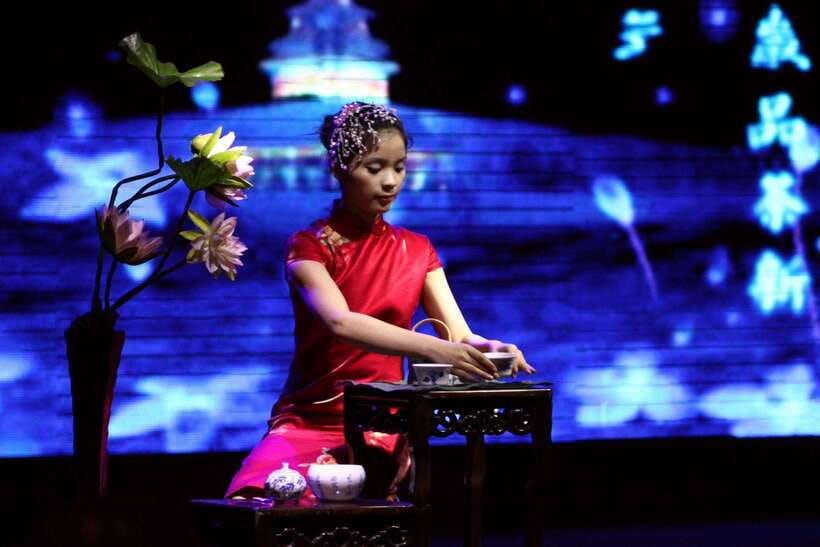
- You taste and learn at the same time: smell the leaves, watch the brewing, then drink in small cups
- Multiple tea types in one session: oolong, pu-erh, green, jasmine, and flower tea show up across the lineup
- English support: the host/greeter is English-speaking, and tea masters have led sessions fluently in English
- It’s structured like a ritual: warming the teapot and careful pouring are part of the teaching
- Optional tea shopping afterward: you can buy tea to take home, at your own expense
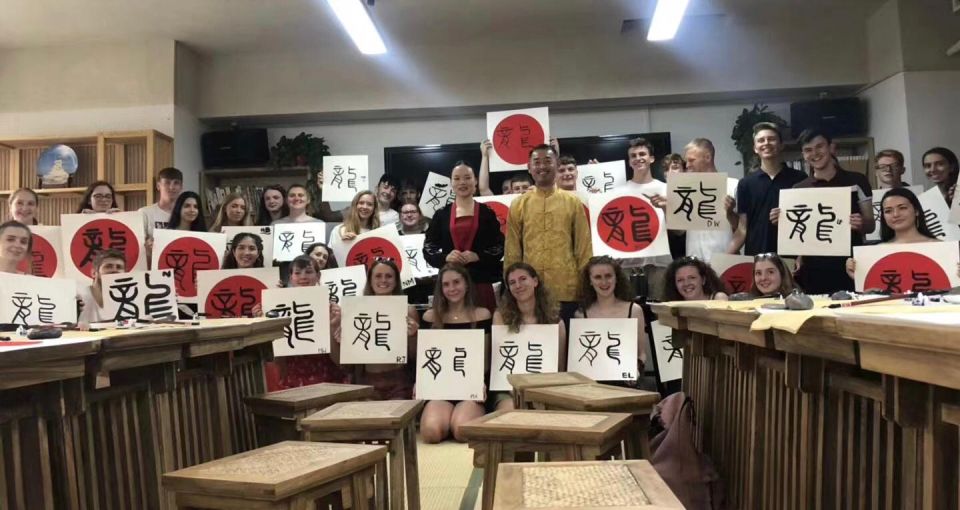
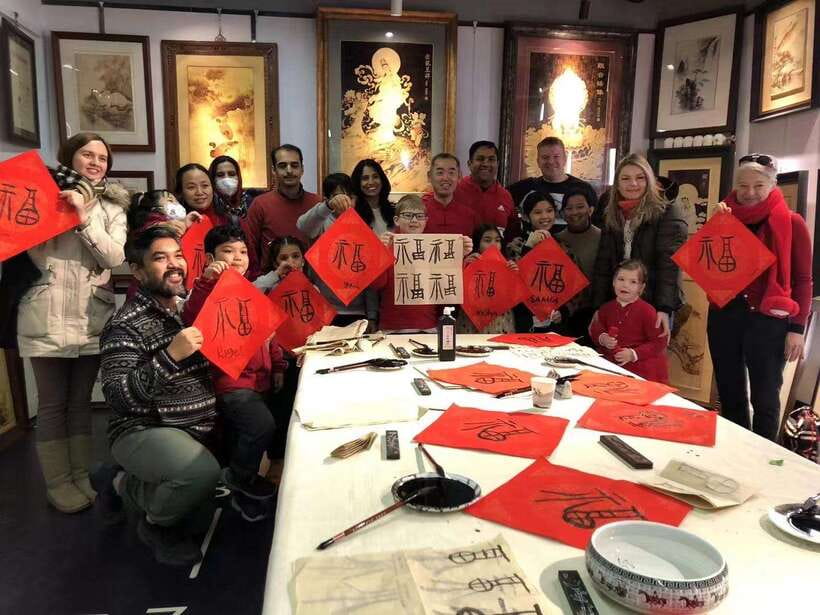
- Some visits may include calligraphy moments: Hutong Calligraphy is behind the experience, and past guests highlighted calligraphy
Why this Beijing tea ceremony feels different than a tasting
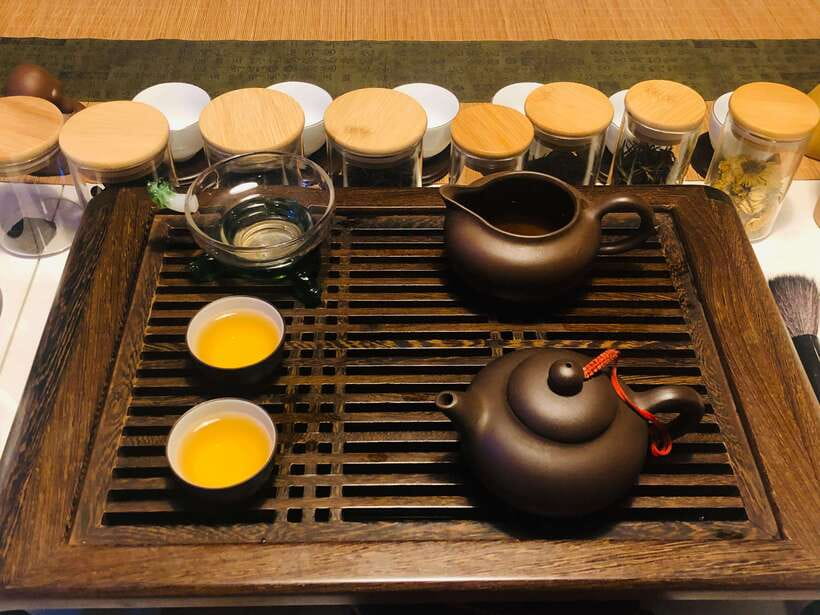
Tea tastings can turn into a who-can-sip-fast contest. This one is built like a quiet practice. You don’t just drink; you learn to notice aroma first, then flavor, then how the tea changes with each steep.
What I like is the tone: respectful and unhurried. The ceremony is presented as a way to experience harmony and mindfulness, which matters in Beijing where your days can get loud and rushed. You’ll also feel the practical side right away when the tea master explains temperature and timing in plain terms, then shows you how those details shift the taste.
The other big plus is variety without overwhelming you. In a single session you can encounter teas that behave differently in the cup—so you start building real intuition fast, not just collecting labels. And if you’re traveling with kids who are old enough for this (more on that later), the “watch, smell, try” format keeps attention better than lectures do.
You can also read our reviews of more tours and experiences in Beijing.

What you’ll do during the ceremony: from warmed teapot to timed pours
The heart of the experience is simple: each step has a reason. You arrive, get greeted, and then the tea master leads you through the ceremony in a way that turns brewing into something you can follow.
Here’s the flow you should expect:
- Warming the teapot: it’s not just for comfort. Warming helps set up the right brewing environment.
- Smelling the leaves: you learn to notice how high-quality leaves release aroma before water even touches them.
- Water temperature guidance: you’ll be taught that different teas respond best to different heat levels.
- Steeping time: timing is treated like part of the technique, not an afterthought.
- Pouring and serving in sequence: careful pouring is part of how the tea is presented and tasted.
Even when your English is limited, you’ll usually get the gist because the master demonstrates the actions while explaining the why. One nice detail from recent sessions is that guides have taken photos for people, so you’re not just standing there holding a cup like a statue.
Also, the experience can run longer than you’d expect. That sounds vague, but it’s useful: if your group wants more repetition—another aroma check, another steep—you’ll usually have time to do it.
The tea lineup in plain language: oolong, pu-erh, jasmine, and flower tea
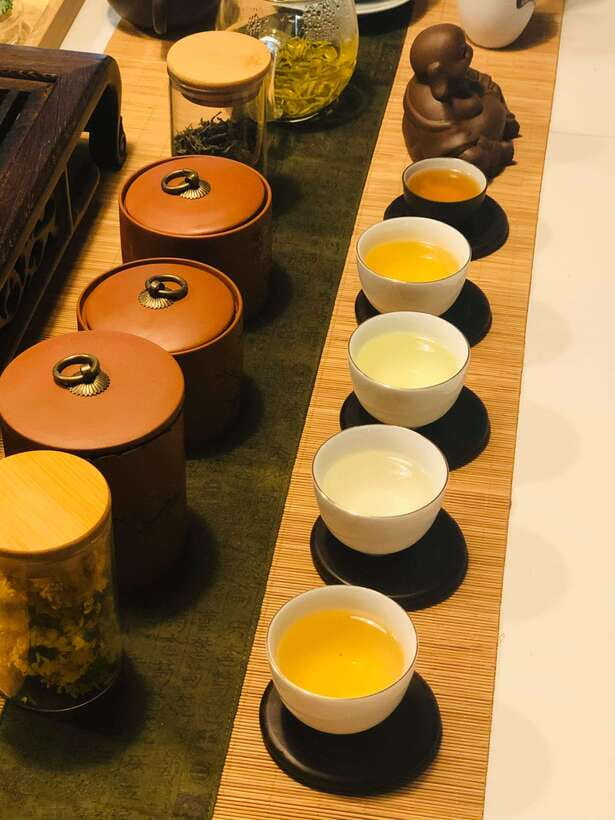
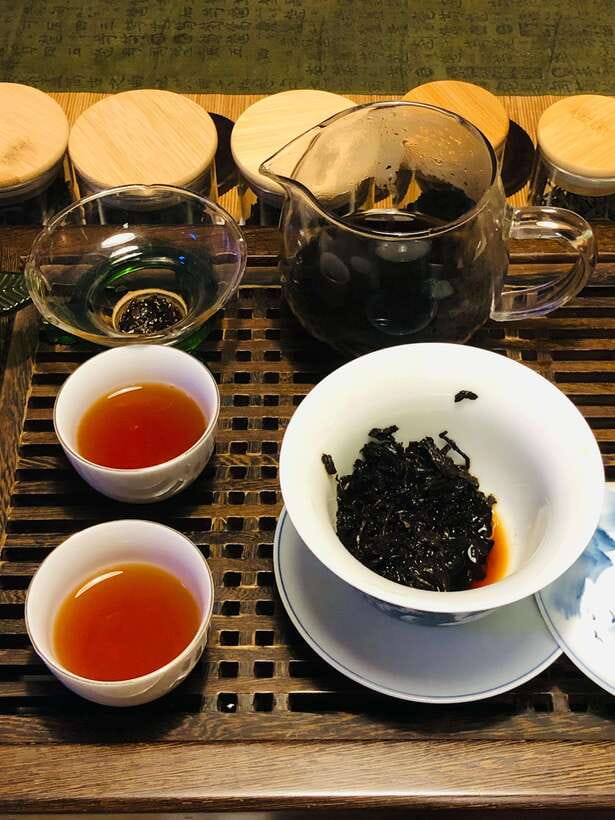
The tea menu is built to show range. You might encounter oolong, pu-erh, green tea, jasmine tea, and flower tea, depending on what your session offers. The point isn’t to memorize names; it’s to feel how each type behaves.
Oolong often comes across as balanced and layered when brewed well. Pu-erh can feel earthy and deep, and it tends to reward patience because timing really affects the cup. Green tea is usually sharper and more delicate, where water heat and steep length can make a big difference. Jasmine tea adds floral notes on top of a tea base, so your first smell check matters even more than usual.
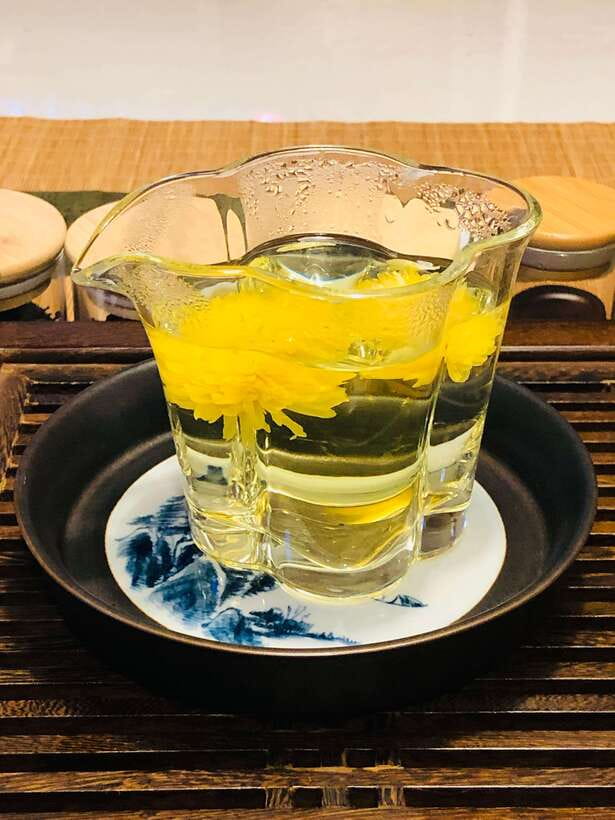
Flower tea is its own category in how it looks and smells. Even if you’re not a tea person, it tends to be the one people talk about afterward because it feels visual and aromatic at the same time.
The real win is that the tea master connects each tea to technique. Instead of saying, This tastes like this, they explain how steeping time and water temperature shape what you notice. Once you understand that, you can buy tea later without treating it like a mystery box.
30 minutes to 3 hours: how to plan your day around the timing
The duration range is wide: 30 minutes – 3 hours. That usually means sessions are flexible—some are quicker tastings, others are slower and more instructional.
Here’s how I’d plan it:
- If you have a tight schedule, book a shorter session. You’ll still get meaningful instruction, but it’ll be more focused.
- If you want more practice with smelling, pouring, and steeping timing, choose the longer end. You’ll get more time to ask questions and compare cups.
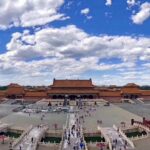
This is also worth thinking about if you’ve been doing big “must-see” stops in Beijing, like the Forbidden City. Tea can be a good decompression activity. One practical reason: you’re sitting down in a calm place, and your senses get the job of sightseeing for a bit.
One more timing note: after the ceremony, you can buy tea at your own expense, then you’ll be walked back to the meeting point. So build in a little breathing room for browsing, even if you plan to buy nothing.
Setting matters: a tea house moment in Beijing Hutong life
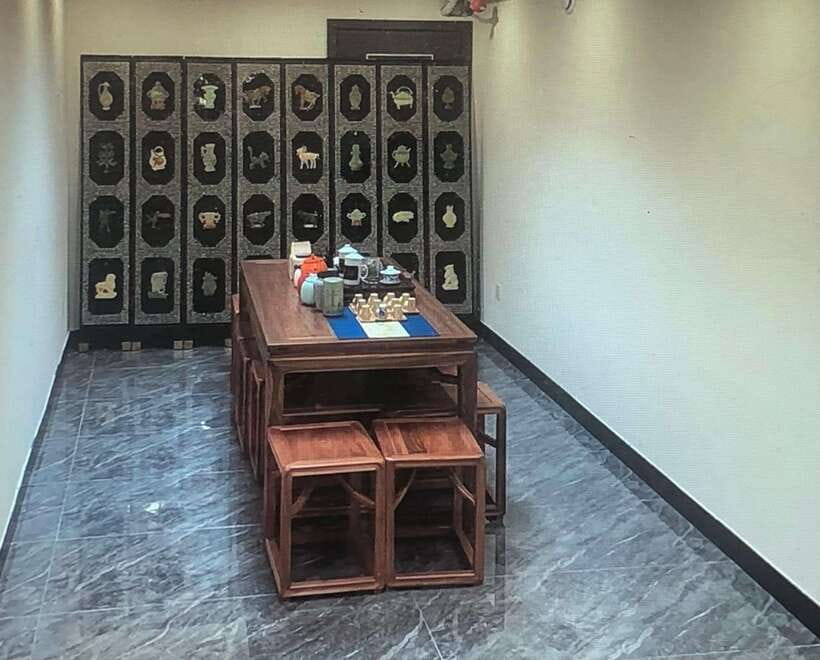
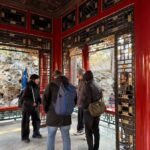
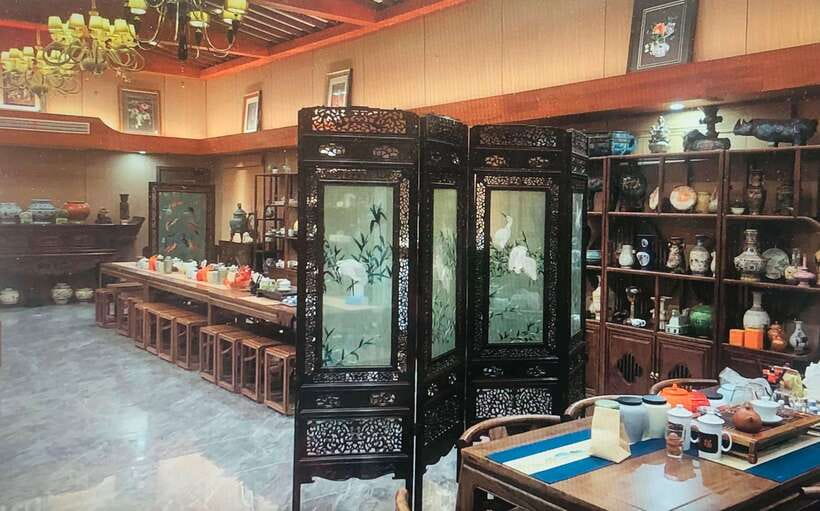
The ceremony takes place in a traditional tea setting tied to Hutong culture through the operator, Hutong Calligraphy. That matters because the experience isn’t just about tea—it’s about the environment that supports the ritual.
Think of it as a pocket of quiet in the city. Hutong neighborhoods have a way of slowing your pace, and a tea house makes that slowdown feel intentional. Even if you only stay for the time listed, you get the cultural context: this is how people gather, chat, and treat daily life as something worth doing carefully.
If you’re the type who likes “small cultural experiences” more than large museum stops, this should fit your style. And if you’re the type who likes souvenirs that don’t feel like clutter, tea can be a smarter buy than a random fridge magnet.

Price and value: what $9 includes and what you should budget for
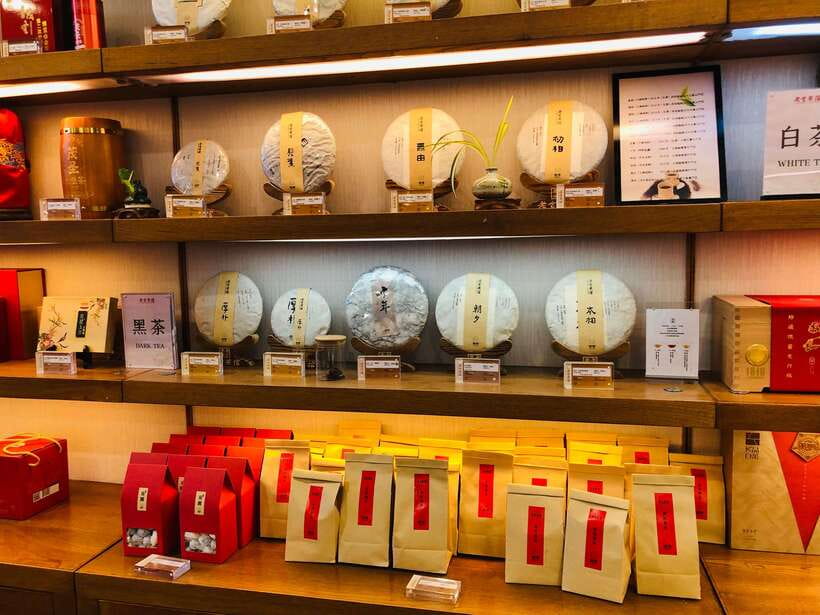
At $9 per person, this is one of the easiest cultural activities to justify in Beijing. The included parts are the real value: the tea ceremony itself and 5 mini cups tea.
What’s not included:
- No tour guide for broader sightseeing
- No transportation
- No shopping expenses
- Anything not listed as included
So the best way to think about value is this: you’re paying for instruction and tasting time, not for a full-day itinerary with logistics handled. If you’re already in central Beijing and can reach the meeting point, the price is strong.
One more practical point: tea shopping is optional. The ceremony typically ends with the chance to purchase tea to take home. Since shopping is not included, treat it like a bonus, not a requirement. If you want to buy, go with what you enjoyed in the cup. It’s the quickest way to avoid regret.
Tea master personalities and English support you can expect
English support is listed as host or greeter in English. In practice, tea masters have been fluent in English in recent sessions, with names like Richard Li and Ricardo showing up, and Feye as a host in some experiences. There’s also been a mention of Kostya leading a session in Russian, so the style can vary a bit by the instructor.
Why this matters for you: tea ceremonies work best when you can understand the technique. You’ll get the most out of the experience if you follow the explanations about water temperature and steeping time. English support makes that easier.
If you’re traveling with kids, this also helps. The ceremony can be hands-on without turning into a lecture, which is why older children (like 10 and 13) have been happy in past sessions. Still, the activity is not suitable for children under 7.
Buying tea to take home without overpaying your future self
The ceremony gives you a straightforward way to choose tea. You taste different types, you learn how the process affects flavor, then you see products in a shop setting.
When you shop, use this simple approach:
- Buy small first if you’re not sure what you like
- Match the tea to what you actually enjoyed tasting in the ceremony
- Ask questions about how it’s best brewed, since you just learned the technique basics
Because the ceremony emphasizes temperature and timing, you’ll have a leg up. A lot of tea purchases fall flat because people don’t brew them correctly afterward. With what you learn here, you’re more likely to get good results at home.
And if you don’t want to buy anything, that’s fine. You can enjoy the teaching and the tasting and treat shopping as purely optional.
Who should book this, and who should skip it
This experience is a good match for:
- People who want a practical cultural activity, not just an observation
- Food-and-senses travelers who like rituals and step-by-step learning
- Families with kids old enough to sit through a ceremony (this isn’t for the little ones)
It’s not suitable for:
- Children under 7 years
- Pregnant women
If you’re sensitive to longer sitting and quiet instruction, consider the shorter sessions. If you’re the type who asks lots of questions, aim for the longer end of the duration range.
Also, if you’re expecting a classic guided tour with transportation and a broader route across Beijing, adjust your expectations. This is about the ceremony and tea education, not about getting you across the city.
Should you book this Beijing tea ceremony?
Yes, if you want a meaningful cultural reset that costs little and teaches you something you can use later. For $9, the combination of 5 mini cups plus guided brewing technique is strong value, especially if you enjoy food, aromas, and careful steps.
Book it now if:
- You can reach the meeting point on your own
- You’re curious about why tea tastes the way it does
- You want a calmer activity between bigger Beijing sights
Skip or reconsider if:
- You need transportation included
- You’re bringing a child under 7
- You’re pregnant (it is listed as not suitable)
If you do book, bring a patient mindset. Tea is slow on purpose. That’s the point—and it’s exactly why this kind of experience can end up being one of your most memorable hours in Beijing.
FAQ
Where does this tea ceremony take place?
It’s in Northern China, specifically in Beijing for the traditional tea ceremony experience.
How long does the experience take?
It lasts about 30 minutes to 3 hours, depending on the starting time and session length.
What is included in the price?
The included items are the tea ceremony and 5 mini cups of tea.
Is transportation included?
No. Transportation is not included.
Do I need a tour guide for this activity?
No tour guide is included. You’ll have an English host/greeter for the experience.
Is this suitable for children?
It is not suitable for children under 7 years old.
Is this suitable during pregnancy?
No. Pregnant women are not suitable for this activity.
What language is used?
English.
Do I need to provide a phone number when booking?
Yes. You’re asked to leave a WhatsApp number when you book.
Can I pay later and cancel if needed?
Yes. You can reserve now & pay later, and you can cancel up to 24 hours in advance for a full refund.