REVIEW · BEIJING
Beijing: Lama Temple, Confucius Temple and Guozijian Museum
Book on GetYourGuide →Operated by Fun Beijing Travel · Bookable on GetYourGuide
Three temples, one quiet Hutong stroll. This tour links Chinese religious life to the classics, then trades grand halls for everyday street scenes. I love the scale and craft at Lama Temple, especially the famous Maitreya Buddha carved from a single white sandalwood log from Nepal, and I also love the chance to see real worship habits up close instead of just viewing buildings.
Because the experience is 4 hours, you’ll keep a good pace and you may feel crowd pressure at the busiest moments, especially around major halls. If you’re hoping for slow, wall-by-wall reading time, you’ll want to plan extra free time at the end.
In This Review
- Key highlights I’d prioritize
- From hotel pickup to Lama Temple: how the day actually starts
- Lama Temple: the 54-foot sandalwood Buddha and the worship you can see
- Confucius Temple and Guozijian Museum: stepping from worship to scholarship
- Hutong alley strolling: why the walk is more useful than another souvenir stop
- What you’re really paying for: price, convenience, and a private English guide
- Getting around: taxi, subway, or private car
- Timing and pace: how 4 hours shapes what you’ll remember
- Who this tour suits best
- Tips before you go: small prep, big comfort
- Should you book this Lama Temple–Confucius–Guozijian + Hutong tour?
- FAQ
- What places are included in this Beijing tour?
- How long is the tour?
- Is an English-speaking guide included?
- Do I need to buy tickets in advance?
- Is hotel pickup included?
- How do we get to the first stop, Lama Temple?
- Are transfers and drop-off included?
- Is the group private?
- Can I add a dim sum meal?
- Where does the tour end, and can I keep exploring?
- Is free cancellation available?
Key highlights I’d prioritize
- 54-foot Maitreya: one precious white sandalwood log from Nepal, carved into the world’s biggest wooden Buddha
- Watch locals worship: you’re guided to notice how people pray and move through the temple spaces
- Confucius + Guozijian context: you connect the Temple of Confucius with Imperial College (Guozijian Museum)
- Yuan to Qing educational legacy: built in 1306 by Kublai Khan’s grandson, it functioned as a supreme academy across dynasties
- Hutong alleys on foot: you get a practical feel for how locals live in narrow lanes, not just a photo stop
From hotel pickup to Lama Temple: how the day actually starts
Your day begins with hotel pickup. Your guide meets you in the lobby holding a sign with your name on it, which is a small thing but makes the morning smoother—no wandering, no guessing. From there you head straight to Lama Temple, either by taxi or subway, depending on what you choose, or by private car if you want the simplest door-to-door setup.
This matters because timing is everything in Beijing temple areas. You’re not only fighting traffic; you’re also fighting your own attention span. A four-hour private tour needs a steady flow, so starting efficiently lets you spend energy on the places themselves rather than logistics.
You can also read our reviews of more museum experiences in Beijing
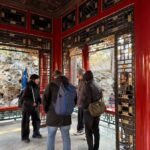
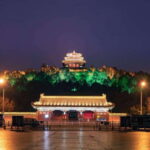
Lama Temple: the 54-foot sandalwood Buddha and the worship you can see
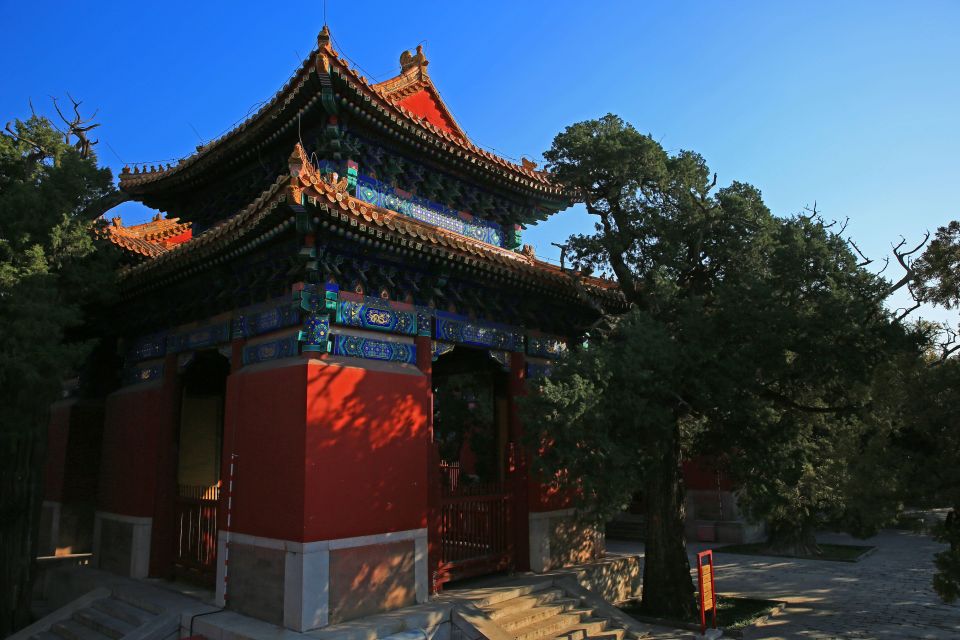
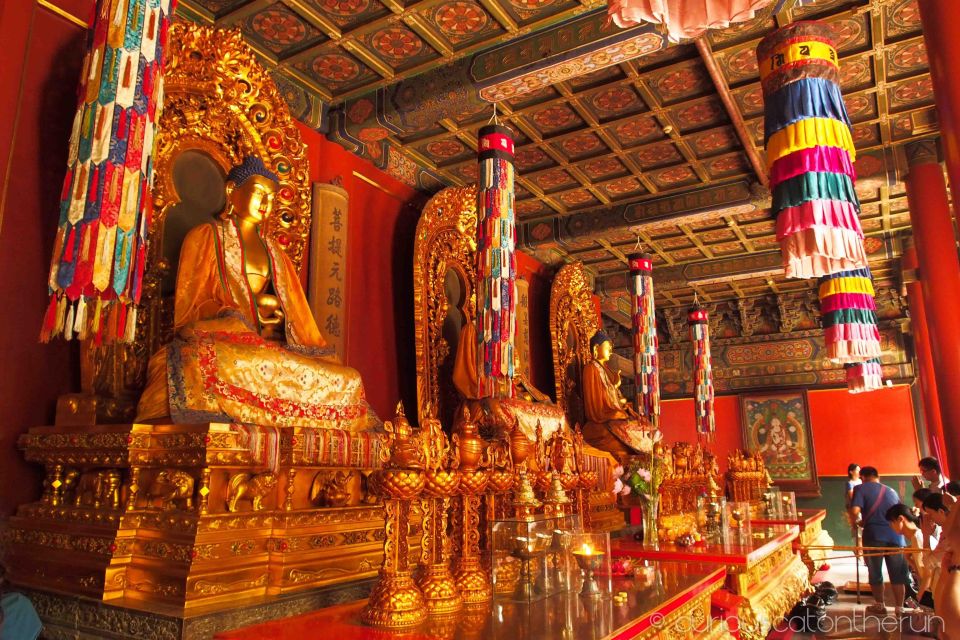
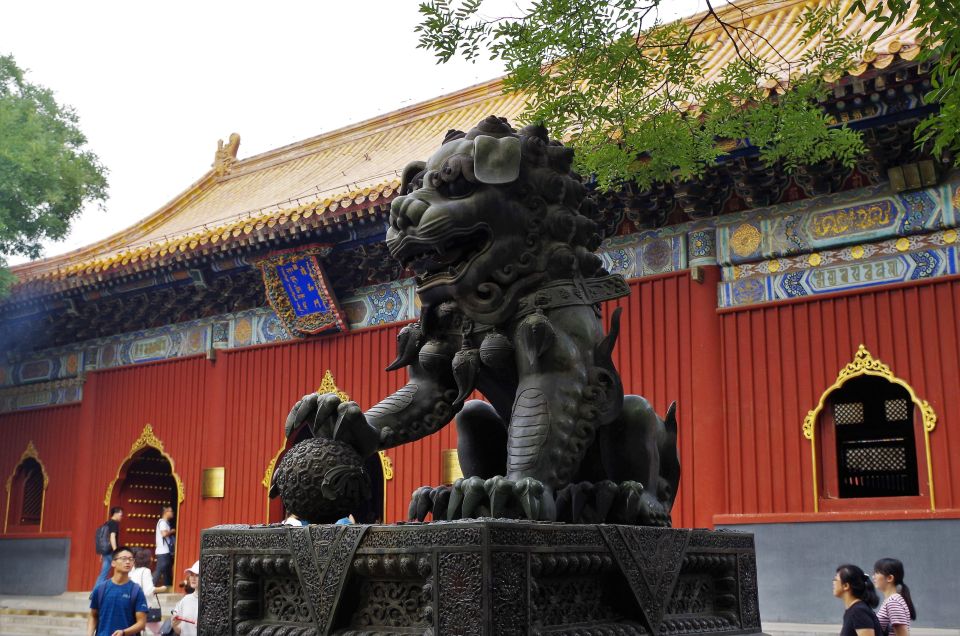
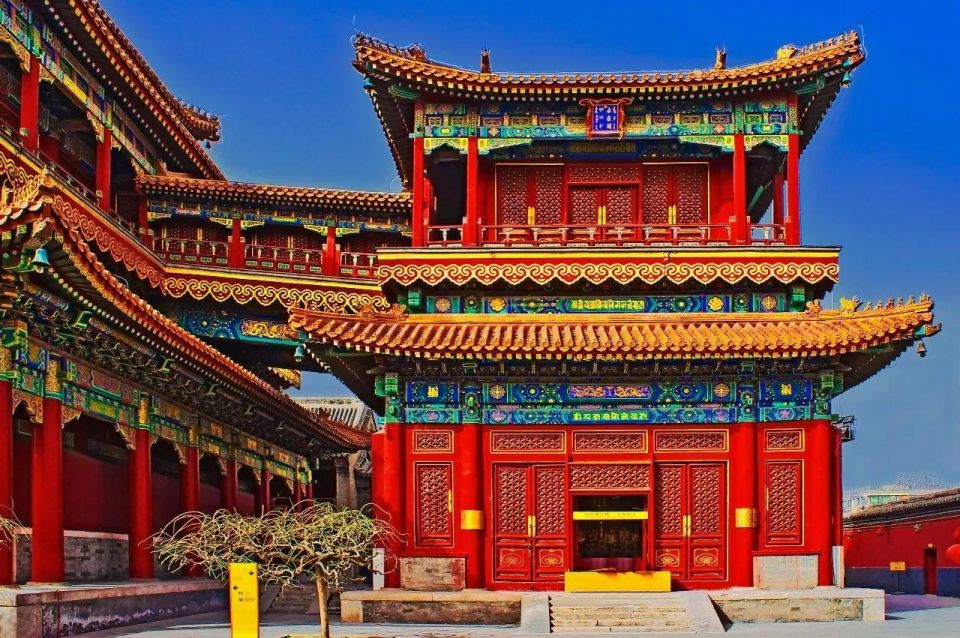
Lama Temple is where the tour earns its wow-factor fast. You follow your guide through courtyards and halls, moving from space to space with stories that help you interpret what you’re looking at. The star is the Buddha Maitreya statue: described as the biggest wooden Buddha in the world, carved from one precious white sandalwood log from Nepal, and towering at about 54 feet high.
I like this stop because the scale isn’t just a statistic. A sculpture like this changes how you stand, how you frame your photos, and how you notice details—wood grain, the feel of the hall, and the way people behave in front of it. Your guide also points you toward the religious meaning behind what you’re seeing, so it’s less about looking and more about understanding.
Another big plus is that you’re not only viewing the temple as an attraction. You watch how locals worship—what they do, when they pause, and how they move through the spaces. Even if you don’t know the terminology, you start to get a feel for the routines of devotion. That’s the kind of cultural context that makes temples more than buildings.
Practical consideration: Lama Temple can be busy. Your guide does the planning, but you still want patience in the tighter hall moments when people are lining up and settling in.
Confucius Temple and Guozijian Museum: stepping from worship to scholarship
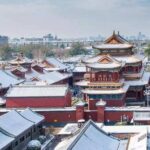
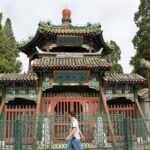
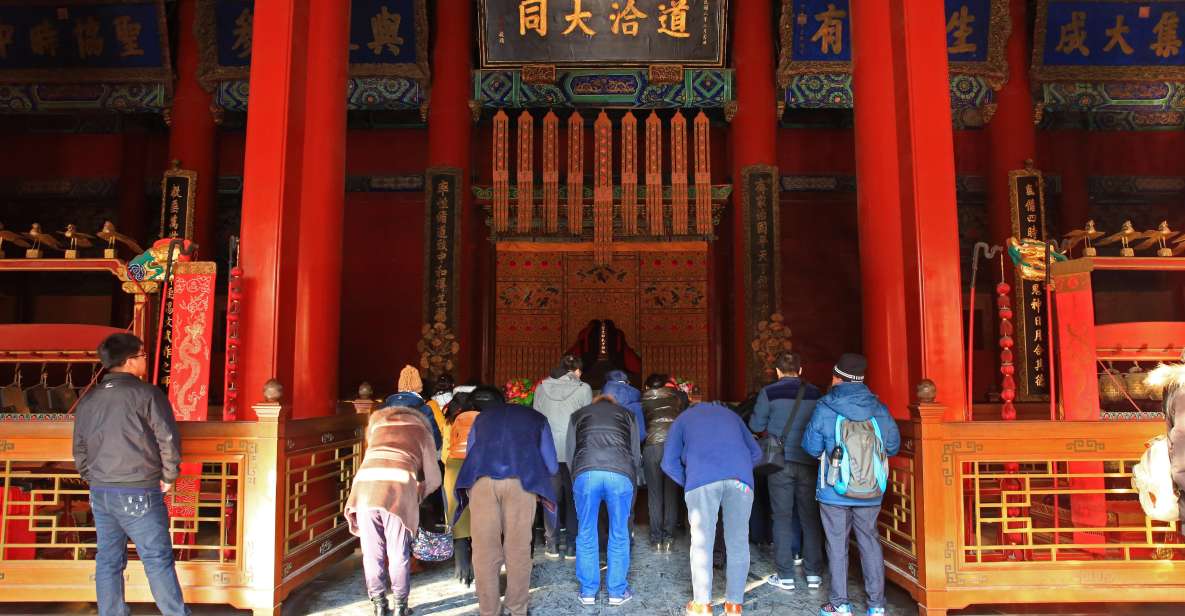
After Lama Temple, the tour shifts in tone. You walk through a quieter stretch of the area’s traditional lanes to reach the Temple of Confucius and Imperial College—called Guozijian Museum.
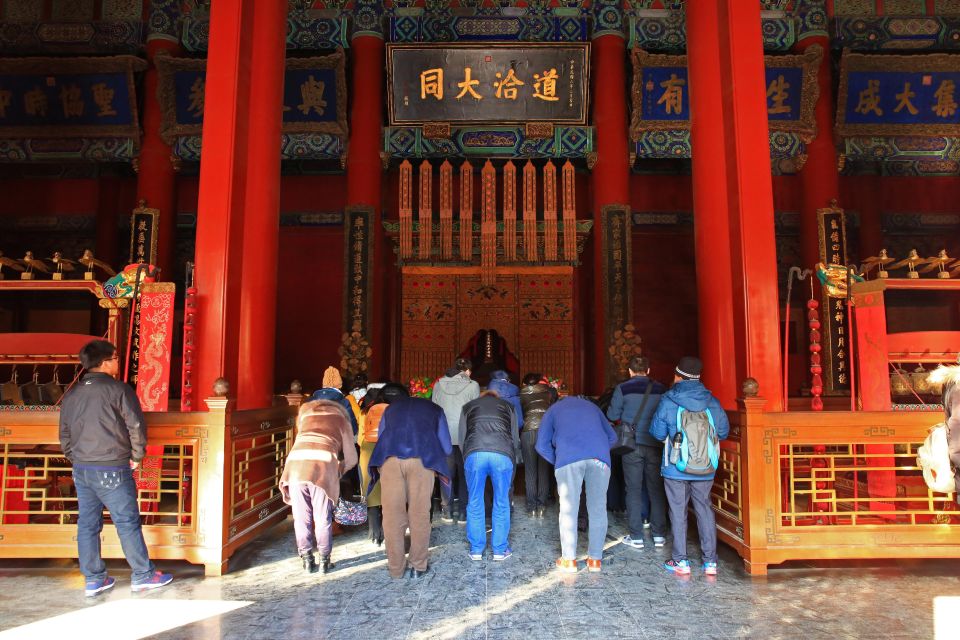
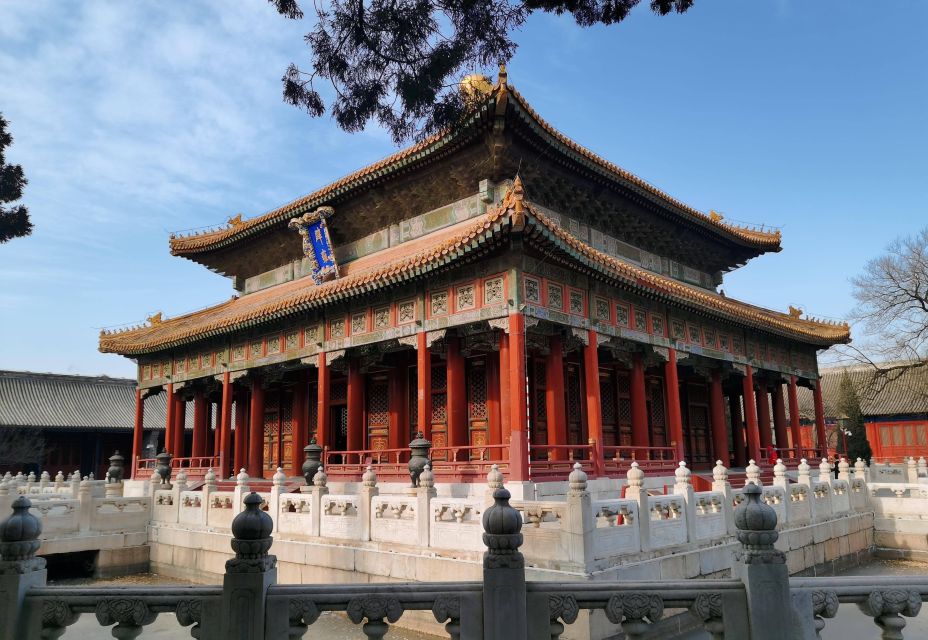
The value here is that you’re not treating Confucius as a name on a plaque. You’re being guided through the site’s logic: who it honored, why schooling mattered, and how imperial learning worked over centuries. The Imperial College story is especially useful. It was built by the grandson of Kublai Khan in 1306, and the former college served as the supreme academy during the Yuan, Ming, and Qing dynasties.
That date range gives you something concrete to hold onto. When you understand it was a major academic institution across dynasties, the buildings stop feeling random. You start noticing patterns: the layout of the grounds, the sense of ceremony in how space is used, and why the complex is still significant.
You’ll also spend time exploring courtyards and halls, where your guide connects the scenes to the broader Confucian and imperial themes. One drawback to flag: if you’re expecting a museum full of hands-on exhibits, you might find more of it is “read the space with your guide.” The payoff is in your interpretation, not in interactive gadgets.
Hutong alley strolling: why the walk is more useful than another souvenir stop
Then comes the part many people overlook until it’s too late: the Hutong walk.
After the temples, you stroll through beautiful, quiet Hutong alleys where you can see daily life in narrow lanes. Your guide also explains the history of the Beijing Hutong street, so you’re not just walking for scenery. You’re learning how these lanes fit into the city’s long-term patterns.
I especially like this segment because it balances the heaviness of major religious and historical sites. A Hutong walk gives your brain a rest and gives your eyes a new kind of information: how people live at a human scale—doors, walls, street corners, and the rhythm of a neighborhood.
The tour also gives you an extension option. Your tour ends after the Hutong alleys in the area, and your guide can suggest spending more time around Wudaoying Hutong. That matters because the best Hutong experience is usually unplanned. Once you’ve got the guide’s context, you can walk a little longer and make your own discoveries.
Optional add-on: you can combine the tour with a delicious dim sum meal. If you’re hungry, this is an efficient way to keep momentum without figuring out a place on your own right after temples and museum time.
What you’re really paying for: price, convenience, and a private English guide
The price is listed at $80 per person for about 4 hours. That might sound simple, but here’s what it typically means in practice.
You’re paying for three value drivers that are hard to replicate on your own during a short visit:
- A live English-speaking guide who can explain what you’re seeing, from statues to educational history.
- Hotel pickup and organized transport to keep the morning from turning into decision fatigue.
- Entrance fees handled for you, plus skip-the-ticket-line support so you spend time where it counts.
If you’re traveling with someone, the “private group” structure can also feel like a sweet spot. You’re not just getting access to sites; you’re getting someone to guide attention and pace. With major Beijing landmarks, that can be the difference between collecting snapshots and coming away with a mental map.
Room for caution: because this is a compact route, you shouldn’t expect the tour to include long sit-down breaks. If you want lots of resting time, plan to do that after the tour ends.

Getting around: taxi, subway, or private car
The tour offers choices for how you get from your hotel area to Lama Temple. You can go by taxi or subway, and you can also choose the private car option if you want less friction.
Here’s the honest way to think about it:
- Subway can be efficient, but it depends on how comfortable you are with station transfers and crowding.
- Taxi can save mental energy, especially if you’re carrying water or camera gear.
- Private car is the simplest route if you want to protect your time and keep the day calm.
Your tour guide coordinates the movement, so you’re not stuck sorting out directions mid-hall. That’s one of the underrated benefits of booking a guided plan.
Timing and pace: how 4 hours shapes what you’ll remember
A four-hour tour is an intentional trade-off. You get enough time to cover three major themes—Buddhism, Confucian scholarship, and Hutong neighborhood life—without turning the day into a half-marathon.
In real terms, you’ll spend:
- A solid chunk at Lama Temple for courtyards, halls, and the Maitreya Buddha highlight.
- Time at Temple of Confucius and Guozijian Museum for the Imperial College narrative tied to 1306 and later dynasties.
- A walking segment through Hutong alleys, including the option to continue later at Wudaoying Hutong.
This is why your guide’s role is so important. On your own, it’s easy to miss the meaning of what you’re seeing. In a timed tour, a good guide helps you choose what matters in each stop so you don’t just pass through.
If you like storytelling that connects objects to context, you’ll likely appreciate how different guides bring the sites to life. Names from past guide experiences include Ranee, Mike, Cassie, Aurora, and Anne, and the common thread is clear: they focus on making the details understandable and keeping the flow smooth, even when crowds hit.
Who this tour suits best
I think this tour fits best if you want three things at once:
- You want major Beijing landmarks—Lama Temple, Temple of Confucius, Guozijian Museum—without building a self-guided day from scratch.
- You like cultural explanation, like learning the story behind statues and understanding why a place mattered historically.
- You want a short walk that shows you Hutong life rather than only visiting polished tourist halls.
It may be less ideal if you’re:
- Hoping for long, slow browsing time in each hall.
- Interested in a hands-on museum style day (Guozijian here is more about historical context than interactive exhibits).
Tips before you go: small prep, big comfort
Because you’ll be moving between temples and then walking Hutong lanes, plan for comfort:
- Wear shoes you can walk in for several blocks and uneven surfaces.
- Bring a small water bottle, especially if you’re out during warmer parts of the day.
- If you’re into photos, remember that the best angles often depend on crowd flow. Go with the guide’s timing and you’ll likely get better results than forcing your own.
Also, mentally switch gears once you leave Lama Temple. The Confucius and Guozijian segment is about education and imperial cultural life; the Hutong segment is about everyday life. That shift keeps the tour from feeling repetitive.
Should you book this Lama Temple–Confucius–Guozijian + Hutong tour?
If you want a smart first-week-in-Beijing cultural hit, I’d say yes, especially for the value of an English-speaking private guide plus hotel pickup and entrance fees. The Maitreya highlight at Lama Temple, the Imperial College story tied to 1306, and the Hutong walking segment work together into a day that feels more like understanding Beijing than just collecting landmarks.
Book it if you:
- Prefer a plan with minimal stress.
- Want context for Buddhist and Confucian sites.
- Like the idea of ending with neighborhood life and having your guide suggest where to keep exploring.
Skip or consider alternatives if you need lots of free time inside sites or you hate moving at a steady pace. For everyone else, this is a solid way to connect temples, classics, and real streets in one efficient four-hour window.
FAQ
What places are included in this Beijing tour?
The tour covers Lama Temple, the Temple of Confucius, the Imperial College/Guozijian Museum, and a walk through nearby Hutong alleys, with guidance on where to continue after the tour.
How long is the tour?
The tour runs for 4 hours.
Is an English-speaking guide included?
Yes. You’ll have a live English speaking guide for the whole experience.
Do I need to buy tickets in advance?
No. Entrance fees are included, and the tour includes skip-the-ticket-line support.
Is hotel pickup included?
Yes. The guide meets you in your hotel lobby and looks for you with a sign bearing your name.
How do we get to the first stop, Lama Temple?
You can travel directly by taxi or subway, and there is also an option to use a private car for an easier trip.
Are transfers and drop-off included?
Hotel pickup is included. If you choose the option with private transfer, that’s included as well; if you choose the option without private car, transfer and hotel drop off are not included.
Is the group private?
Yes. This is listed as a private group.
Can I add a dim sum meal?
Yes, there’s an option to combine the tour with a dim sum meal.
Where does the tour end, and can I keep exploring?
The tour ends after the Hutong alleys. Your guide can suggest how to reach your next destination and can also suggest spending more time, including around Wudaoying Hutong.
Is free cancellation available?
Yes. Free cancellation is available up to 24 hours in advance for a full refund.