REVIEW · BEIJING
Beijing: Lama Temple (Yonghe Temple) Admission Ticket
Book on GetYourGuide →Operated by PANDA144 experience · Bookable on GetYourGuide
Incense, prayer, and imperial courtyards in one walk. This Lama Temple visit (also called Yonghe Temple) mixes Tibetan Buddhist devotion with Chinese imperial architecture, and the fast-track entry helps you get moving fast.
Two things I really like: the calm, sacred atmosphere once you step past the gates, and the jaw-drop scale of the temple’s main treasures, especially the 18-meter sandalwood Buddha. One consideration: you still pass security checks, and this is a real-name ticket site, so you need your passport details ready.
If you’re ready to slow down for an architectural and spiritual pause in Beijing, this is a strong pick. Here’s how to make it worth your time.
In This Review
- Key moments that make this ticket worth it
- Lama Temple in one sentence: Tibetan Buddhism meets imperial Beijing
- What the fast-track ticket really does for you
- The route inside: Yonghe Gate to the Palace Hall
- The Four Learning Halls: the names are part of the story
- Exhibition rooms: artifacts that add weight to what you see
- The 18-meter sandalwood Buddha: the moment you came for
- Architecture nerd moment (in a good way): blending styles you can actually spot
- Crowd reality: when peace turns into a prayer line
- How to do this visit without a guide (and still get a lot out of it)
- Booking and entry rules that matter on the ground
- What to bring, what to wear, and how to stay comfortable
- Who this Lama Temple ticket suits best
- Should you book this Beijing Lama Temple ticket?
- FAQ
- What does the ticket include?
- Is there a guided tour or audio guide included?
- Do I need to go through security checks?
- Do I need a passport?
- Is the GetYourGuide QR code valid for entry?
- What time do I need to arrive if the temple closes soon?
- Are pets allowed at the temple?
- How far in advance can I cancel for a full refund?
Key moments that make this ticket worth it
- Fast-track temple entry so you can spend your energy inside the halls, not waiting at the gate
- Major buildings included, including the Yonghe Gate, Yonghe Palace Hall, and the Four Learning Halls
- Guinness-listed 18-meter sandalwood Buddha that you see up close once you’re in the main worship spaces
- Tibetan Buddhist artifacts on display, like thangkas and sacred statues (not just empty rooms)
- A self-paced route that works well even without a guided tour
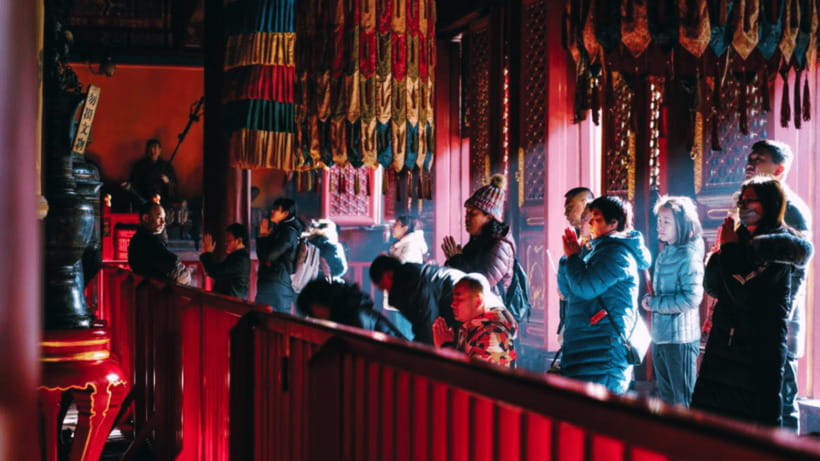
- Incense and prayer atmosphere, where locals come to worship as you look around
Lama Temple in one sentence: Tibetan Buddhism meets imperial Beijing
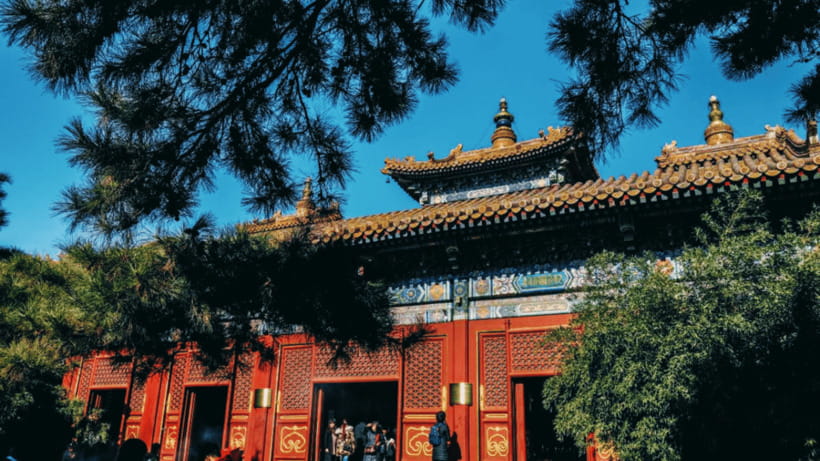
The Lama Temple in Beijing is a Tibetan Buddhist temple complex with deep links to the Qing-era imperial story. It was built in 1694 during Emperor Kangxi’s reign, became an imperial residence, and later was converted into a Tibetan Buddhist temple during Emperor Qianlong’s reign.
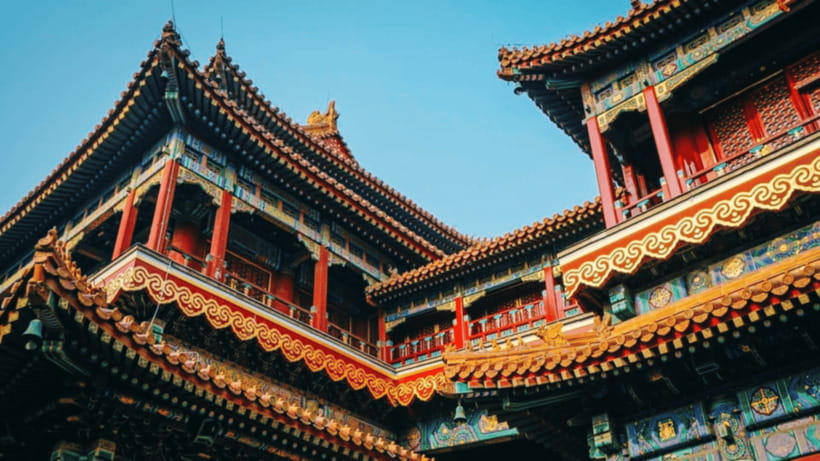
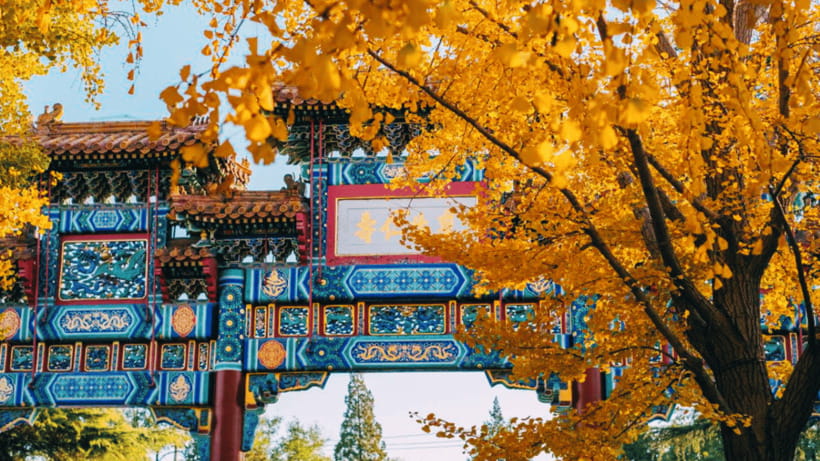
That timeline matters because the architecture feels like a conversation between cultures. You’ll see a blend of Han, Manchu, Tibetan, and Mongolian influences, which is part of why this place feels different from a typical “one-style” temple.
You can also read our reviews of more tours and experiences in Beijing

What the fast-track ticket really does for you
This ticket is priced around $10 per person, and the value comes from what’s included: fast-track entry plus access to the main temple buildings and cultural exhibition rooms. You’re paying for less friction at arrival, not for a guided tour or audio guide.
Do note the fine print style reality: this is fast-track for entry, but it does not skip security checks. So if you hate queues, bring patience for the moment you’re screened.
Also, this isn’t the kind of ticket where you can ignore details. The process is real-name based, and you’ll need to show your ticket at the designated entrance channel before going through security.
The route inside: Yonghe Gate to the Palace Hall
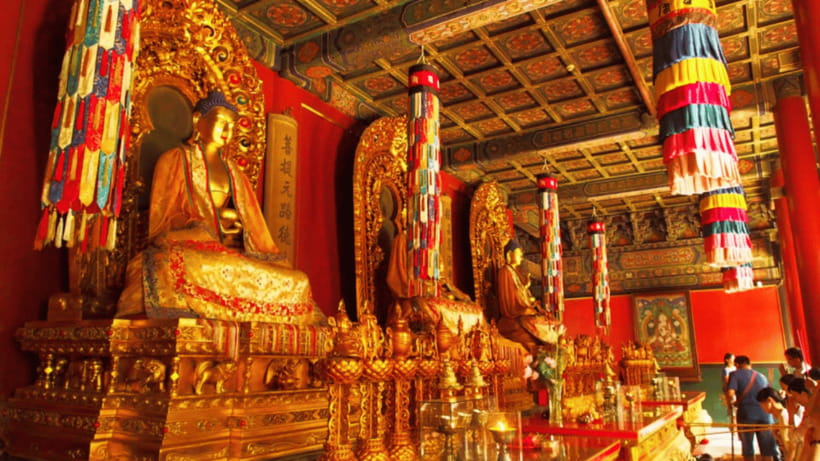
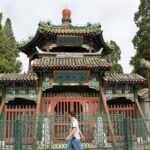
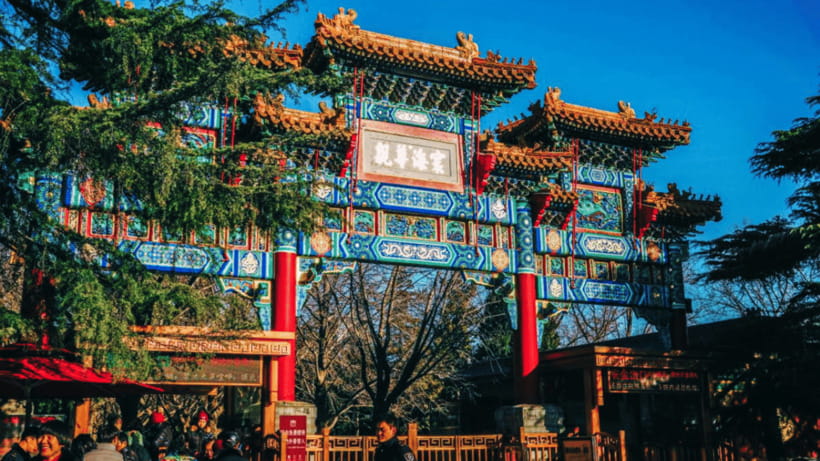
I like starting at the Yonghe Gate because it sets the tone right away: you’re moving from modern street energy into a space meant for reverence. Once you cross into the complex, the courtyards and hall entrances start guiding your walking path naturally.
From there, the Yonghe Palace Hall is where the complex’s “imperial-to-sacred” feel really lands. Expect grand hall space and a strong sense of organized worship areas. It’s not just for viewing; it’s also a working religious site, so the experience can feel alive while still staying respectful.
A practical tip: because you’re self-guided, don’t try to rush the sequence. Give yourself time to notice how each gate or hall transitions into the next, especially where decorative details frame the main worship zones.
The Four Learning Halls: the names are part of the story
One of the best parts of the complex is the Four Learning Halls, each dedicated to a different focus area:
- Hall of Medicine Buddha
- Mathematics Hall
- Tantric Hall
- Lecture Hall
Even without an audio guide, the titles help you read what you’re seeing. You’ll be surrounded by Buddhist statuary and sacred materials, including items like thangkas and other precious artifacts. The overall effect is that the halls aren’t only spiritual spaces; they’re also places where Buddhist learning and ritual traditions take shape.
Here’s what to expect as you move hall to hall: similar layout energy, but different areas of focus. If you’re the type who likes to compare spaces, this is where your brain stays busy in a good way.
If you’re going in winter or on a busy day, these halls can be a bit packed. I’d plan to pause, look carefully, and step aside when you need a clearer view rather than forcing it.
Exhibition rooms: artifacts that add weight to what you see
Besides the main worship buildings, the complex includes three exhibition rooms. This is where the visit becomes more than “architecture and photos.”
I like exhibition rooms at religious sites because they help you understand what you’re looking at. In this case, you can expect more context around sacred objects and temple heritage, which makes your later moments—like encountering the famous central figures—feel more meaningful.
If you only have energy for one slower stop, pick an exhibition room. It’s the best way to add depth without getting stuck in a long tour.

The 18-meter sandalwood Buddha: the moment you came for
The headline attraction is the 18-meter-tall sandalwood Buddha. This is widely known for its extraordinary scale, and it’s been listed in the Guinness World Records since 1990.
What I’d tell you to do here is simple: don’t treat it like a quick photo. Look up and then take a few seconds to re-center your view. At a certain point, the height and craftsmanship start doing something to your sense of scale.
You may also notice the role of offerings and incense around you. Even when you’re not participating, the environment shows you how the temple functions day to day.
Architecture nerd moment (in a good way): blending styles you can actually spot
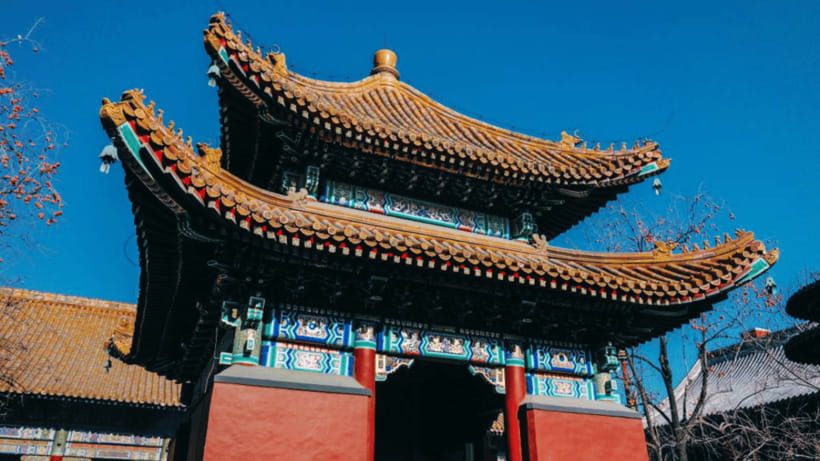
The temple complex is built to reflect multiple cultural influences. You’re not just told about that blend—you can often see it in the way halls are shaped, decorated, and arranged.
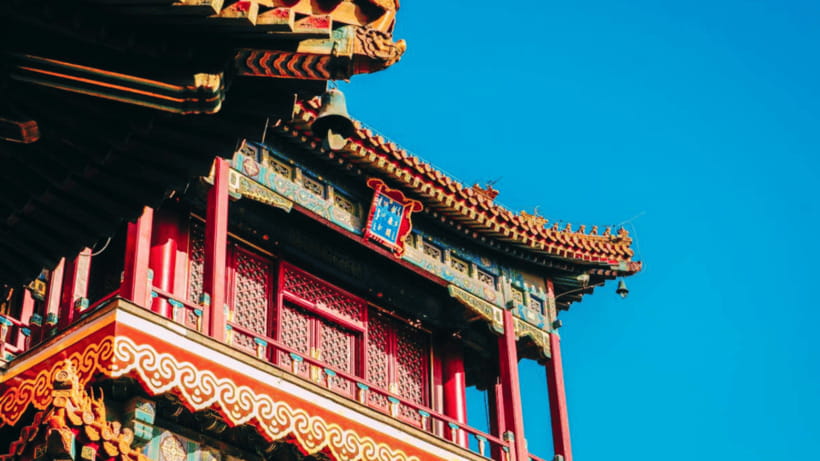
Since the architecture brings together Han, Manchu, Tibetan, and Mongolian styles, you may notice differences in ornamentation and visual cues from one part of the complex to another. It’s the kind of place where your eyes start doing homework without you realizing it.
If you like architecture, this is where the value of a longer, calmer visit shows. Ten minutes rushing through everything won’t let the blending “click.” Slow your pace, especially around major gates and the main hall entrances.
Crowd reality: when peace turns into a prayer line
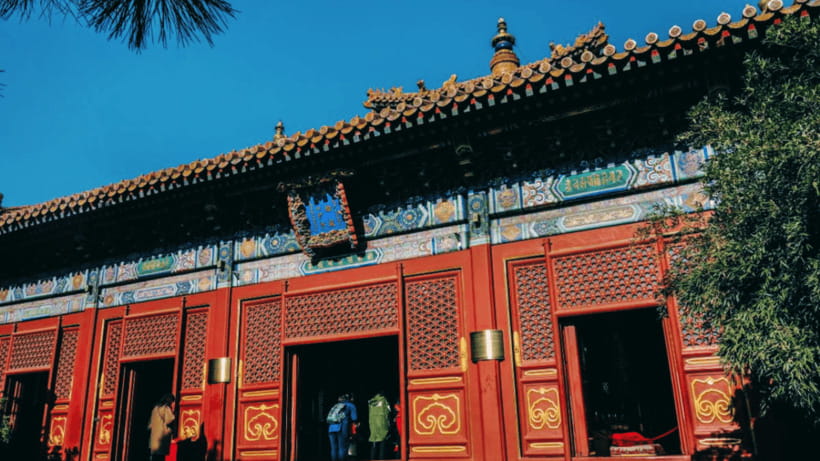
Lama Temple can be busy, especially around holidays. For example, on New Year’s Day the complex can be very crowded because people come to pray, and you may see prayer activity flowing through at a steady pace.
Crowds don’t ruin the experience here, but they change it. You might spend more time moving with the flow, and you may need to accept that you’ll see worship in action rather than just the building as a museum.
My advice is timing-focused: if you want quieter moments, avoid peak holiday days. If you go during a busy period, treat it like the real experience it is—worship and architecture working together.
Also, you may notice incense burning. That smoke and fragrance isn’t a gimmick; it’s part of the spiritual atmosphere and an important part of how locals experience the temple.
How to do this visit without a guide (and still get a lot out of it)
This ticket does not include a guided tour or an audio guide. That’s fine—because the site is built for a natural walking flow and because the temple layout gives you obvious landmarks.
Even so, you’ll likely want some light guidance for your first visit so you know what to prioritize. In practice, the provider you book with may send a short e-guide with key visiting info, which helps you move with less guessing.
If you want a simple self-guided plan, do it like this:
1) Start with the Yonghe Gate and let the courtyards guide you forward.
2) Spend time in the Yonghe Palace Hall area before moving into the Four Learning Halls.
3) Save the 18-meter sandalwood Buddha moment for your main pause, when you have the energy to slow down.
If you love structured itineraries, you might feel slightly unsatisfied without a guide. But if you like wandering with purpose, this setup can actually be a relief.
Booking and entry rules that matter on the ground
This is the part most people only learn when it’s stressful, so let’s keep it calm here.
Your booking must use the exact name and passport number matching your passport. Only real ID information works at the ticket gate. If your name or passport number isn’t provided on time, the booking can be canceled.
About tickets: a GetYourGuide QR code is not a valid ticket for entry on its own. Instead, you must communicate with the provider via WhatsApp or wait for a confirmation email. The goal is that you have the right ticket instructions ready for the entrance channel.
For timing near closing: final entry is one hour before closing, and you must exit 30 minutes before closing. That means you can’t “linger forever.” Build in enough time to see what you want before the exit window.
On site, you show your ticket at the designated entrance channel, then proceed through security checks before entering the temple grounds.
And because it’s a controlled site, keep in mind what’s not allowed: pets, weapons or sharp objects, and explosive substances.
What to bring, what to wear, and how to stay comfortable
Bring your passport. That’s not optional for the real-name entry process.
For comfort, think like you’re walking a temple complex: you’ll spend time on your feet, and the halls can be busy depending on the day. Dress for winter chill or summer heat based on your Beijing dates, and consider layers if you’ll be moving between courtyards and indoor spaces.
Also, if you plan to participate in incense or offerings, follow the local flow and stay respectful. If you’re not sure what to do, just watch how others handle it and keep your pace gentle.
Who this Lama Temple ticket suits best
This is a strong fit if you want:
- A major Beijing sight connected to Tibetan Buddhism
- A self-guided visit where you can spend time looking rather than following a script
- Architecture and cultural design that blends multiple regional influences
- A chance to see the 18-meter sandalwood Buddha in a temple setting where worship happens daily
It’s not the best fit if you want a full explanation from a guide or if you expect an audio system to narrate the highlights. Here, you’ll get access and entry support, but you’ll do the interpretation part yourself (or with the short info you receive from your booking provider).
Should you book this Beijing Lama Temple ticket?
Yes, book it if you like independent travel with minimal friction. For $10, fast-track entry plus access to the main buildings and exhibition rooms is good value, especially for a first-time Beijing stop.
I’d book especially if:
- You want to manage your own pace around incense, worship, and architecture
- You’re prepared with your passport details and you’ll follow the ticket confirmation steps
- You don’t need a guide to enjoy a landmark temple
Skip it or reconsider if:
- You’re not comfortable with real-name ID rules
- You need someone to narrate each hall, because there’s no guided tour or audio guide included
If you do book, plan your timing with closing in mind. One extra hour can make the difference between rushing the Four Learning Halls and actually absorbing them.
FAQ
What does the ticket include?
It includes fast-track entry, access to all major temple buildings and cultural exhibitions, and a reservation fee.
Is there a guided tour or audio guide included?
No. Guided tours and audio guides are not included.
Do I need to go through security checks?
Yes. This ticket does not skip security checks, but it helps with fast-track entry to the temple.
Do I need a passport?
Yes. You must bring your passport, and the ticket is booked using your passport name and passport number.
Is the GetYourGuide QR code valid for entry?
No. The GetYourGuide QR code is not a valid ticket. You need to communicate via WhatsApp or wait for your confirmation email.
What time do I need to arrive if the temple closes soon?
Final entry is one hour before closing, and you must exit 30 minutes before closing.
Are pets allowed at the temple?
No, pets are not allowed.
How far in advance can I cancel for a full refund?
You can cancel up to 24 hours in advance for a full refund.