REVIEW · BEIJING
Beijing: Red Theatre Acrobatics Show Ticket-Local Must-See
Book on GetYourGuide →Operated by Hua Hua Explore China · Bookable on GetYourGuide
One hour, and Beijing goes full acrobat. I love the thunderous live energy of the stunts and the way the show blends performance skill with traditional Chinese martial-arts flavor. The routines are big, athletic, and very watchable for a non-expert. One thing to plan around: the theater itself looks a bit dated, and you’ll want to keep an eye on crowd traffic so you’re not blocked near the start.
The best part is how focused the whole evening segment feels. You’re not wandering for hours; you’re buying a seat and getting a packed one-hour program at two daily showtimes. I also like that you get a Textual and Visual Guide (sent by email or WhatsApp ahead of time) plus an English guide book once you arrive.
If your schedule is tight, the timing helps. The downside is simple: this is a live show, so you’ll want to arrive with enough time to exchange for the physical ticket and settle quickly at your numbered seat.
In This Review
- Key things you’ll notice right away
- Beijing’s Red Theatre acrobatics: why it’s worth your night
- The show clock: 4:20 PM vs 5:40 PM, and what the hour feels like
- Getting your seat smoothly: ticket pickup and how to avoid stress
- Inside the Red Theatre program: what you’ll actually watch
- Women’s group show: soft and rigid, beauty and control
- Double skill and drill-circle: strength you can see and timing you can feel
- Turntable and ball skills: coordination at a higher level
- High Chair: a gold-award style challenge
- Jiu-jitsu: softness, fitness, and control
- Reading the theater: how to watch best and what to watch out for
- Price and value: what $42 buys you for one hour of Beijing performance
- Who this show is for (and who should rethink it)
- Should you book the Beijing Red Theatre acrobatics show?
- FAQ
- How long is the Red Theatre acrobatics show in Beijing?
- What time are the performances?
- How do I get my physical ticket at the Red Theatre?
- Is there an English guide available?
- What is included in the price?
- What age limits apply?
- Can I cancel, and is there a pay-later option?
- Is smoking allowed inside?
Key things you’ll notice right away
- Two performances daily at 4:20 PM and 5:40 PM, each lasting 1 hour
- A large-scale women’s group show built on soft-and-rigid skill and beauty
- Multiple difficult set pieces, including drill-circle, turntable, high chair, ball skills, and jiu-jitsu
- Internationally performed routines (the show has played the US, South Korea, France, Russia, and others)
- Reserved seating by ticket number, so you’re not guessing where to sit
- An English guide book to help you follow what you’re seeing
Beijing’s Red Theatre acrobatics: why it’s worth your night
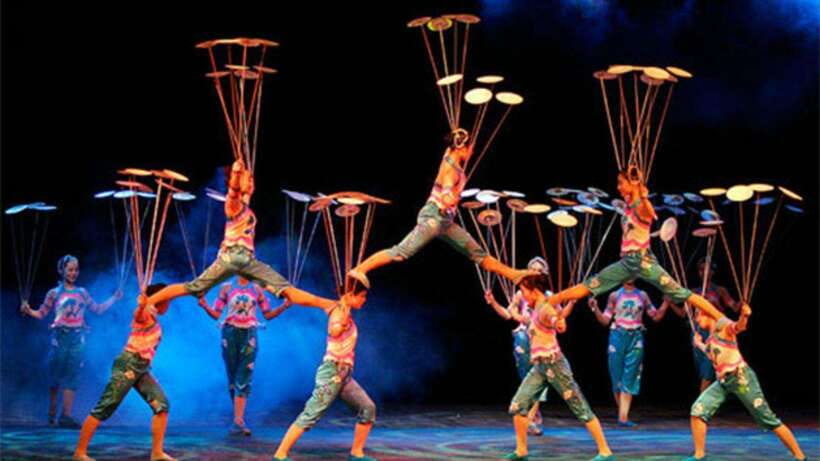
If you’ve spent days in Beijing doing temples, gates, and markets, this is a different lane—and that’s the point. The Red Theatre acrobatics show gives you a concentrated hit of performance craft. It’s not just tricks. The program is organized like a showcase of physical styles: strength, balance, speed, coordination, and control—all staged as a story you can follow even without fluent Chinese.
I found the show’s structure especially smart for visitors. You get variety without the performance feeling random. One segment leans into precision and collective timing, another highlights controlled power, and another leans into grappling-style movement. That mix makes it easier to stay engaged for the full hour.
And yes, it’s thrilling. But it’s also culturally specific. The show’s language is Chinese stage performance—where martial arts concepts are turned into choreography you can read with your eyes.
You can also read our reviews of more tours and experiences in Beijing



The show clock: 4:20 PM vs 5:40 PM, and what the hour feels like

Red Theatre runs two daily shows. You’re choosing between 4:20 PM and 5:40 PM, and both are 1 hour long.
In practical terms, the earlier show can fit neatly if you’re still doing dinner nearby. The later show works well if you like seeing the city slow down and you want your main activity to be a nighttime one. Either way, you’re committing to a single focused hour, which is a relief if you’re tired of long transport arcs.
What matters most is that the show is timed like a real performance, not a background spectacle. Plan to be seated and ready before it starts, because once the action begins, you don’t want to be wrestling with ticket exchanges or finding your row while others already settled in.
Getting your seat smoothly: ticket pickup and how to avoid stress
Here’s how the process works, and it’s simple if you follow it:
After you place your order, you’ll receive ticket details and a Textual and Visual Guide for the Red Theatre and the acrobatics show by email or WhatsApp about 2 days before your visit. At the theater, you use the name and phone number you provided during booking to exchange for a physical ticket at the front desk. Then you take your seat based on your ticket number.
This is one of those details that really affects your experience. When seating is numbered, you avoid the scramble and guessing that can eat up time in front of any theater. And since the ticket includes skip the ticket line, you’re not stuck waiting as the curtain time approaches—assuming you arrive with enough buffer for the physical exchange.
A useful bit from my standpoint: keep your phone ready and don’t rely on memory. The guide you receive is meant to get you oriented, and the numbered-seat system means you’ll thank yourself for double-checking your assignment before you move away from the desk area.
Inside the Red Theatre program: what you’ll actually watch
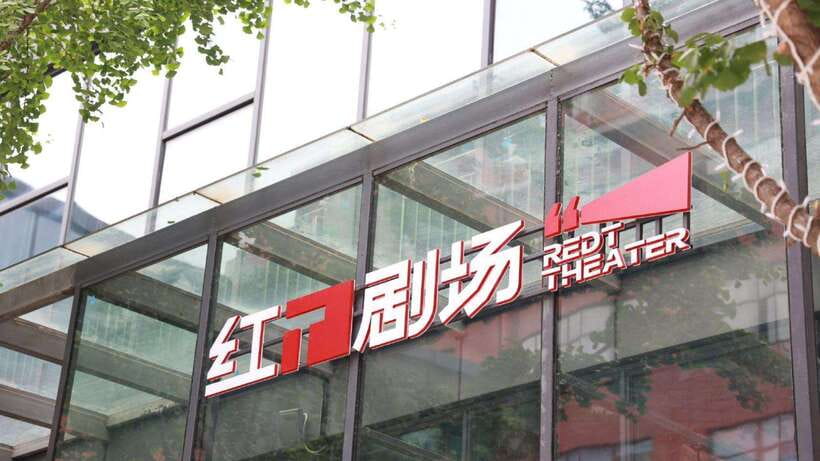
The Red Theatre is known for spectacular acrobatics and martial arts performances. This show is built as a sequence of difficult group acts, designed to show different physical skills and performance styles.
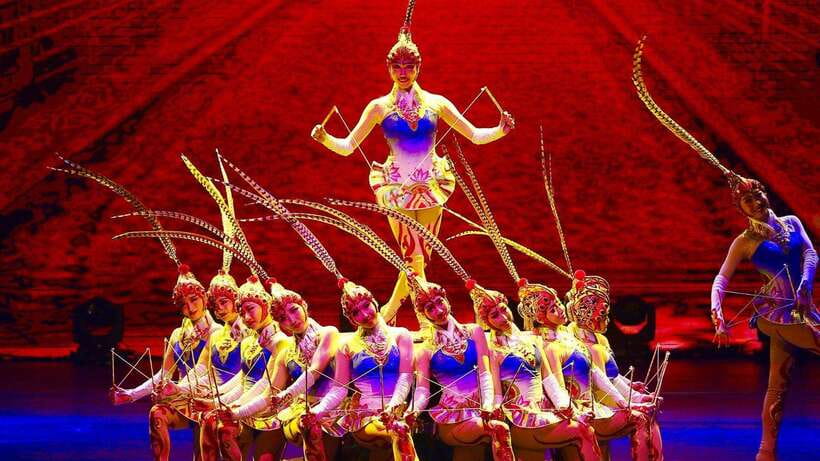
A key thing to understand: the program includes both women’s group segments and other spotlight-style features. Some sections are described as large-scale group work, emphasizing harmony, balance, and collective timing. Other moments highlight strength and athletic spectacle more directly. That variety keeps the pacing lively without turning chaotic.
Women’s group show: soft and rigid, beauty and control
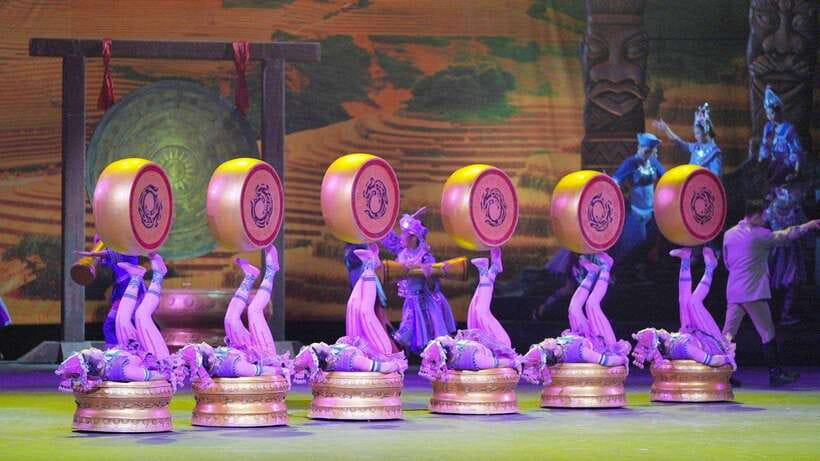
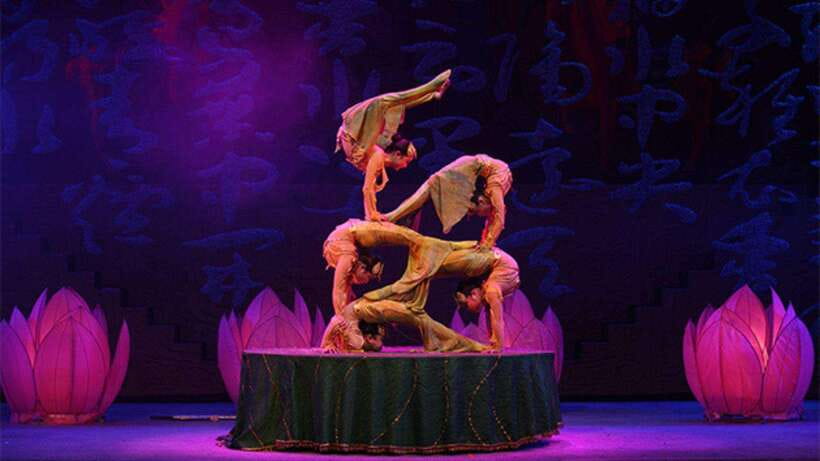
One of the main highlights is the large-scale women’s group performance. It emphasizes the combination of soft and rigid skills, along with the visual appeal of the performers’ choreography. This is the kind of act where timing has to be precise, because the visual effect depends on everyone hitting their positions at the right moments.
This segment also carries weight beyond Beijing. The show has performed in places like the United States, South Korea, France, and Russia, which is a strong clue that the staging translates well across cultures.
You can also read our reviews of more tours and experiences in Beijing
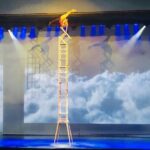
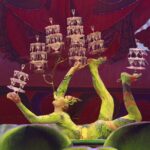
Double skill and drill-circle: strength you can see and timing you can feel
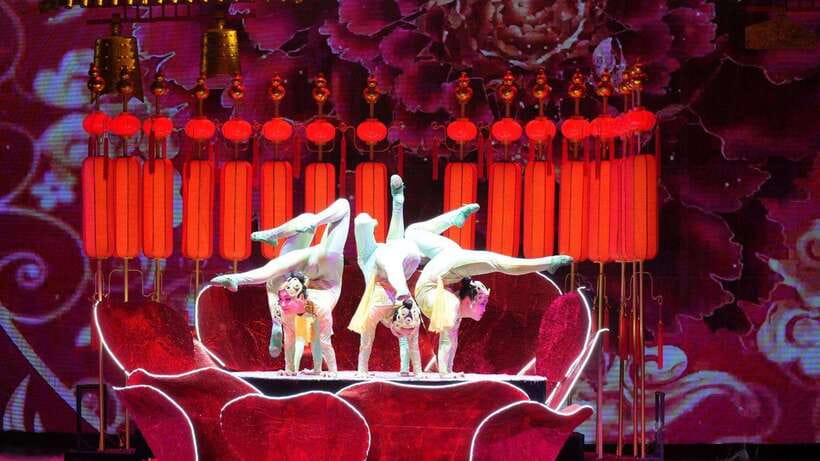
The show also includes a difficult double skill segment. The focus here is strength paired with beauty—meaning it’s not just hard moves. It’s hard moves that look controlled and intentional.
Then there’s a Drill Circle act that highlights masculinity and uses difficult skills tied to strong physical control. If you’ve ever watched martial arts and wished you could see the training show up as theatrical choreography, this is that bridge between sport and performance.
Turntable and ball skills: coordination at a higher level
The turntable segment is another difficult group program. The description emphasizes both the group structure and how popular it has been with foreign audiences. The choreography is built so the audience gets that wow moment from organization—performers moving together through demanding positions while keeping the visuals clean.
Ball skills are all about cooperation and tacit coordination. Even without the technical language, you’ll feel it: these acts depend on multiple performers timing their actions so smoothly that it looks almost effortless.
Ball skills have been performed in Beijing since 2001, and after continuous improvement, it has remained well received.
High Chair: a gold-award style challenge
There’s also an High Chair program, described as a Gold Award segment. High-chair acrobatics usually signals one thing: risk and precision. The audience can sense when balance is razor-thin, and that’s exactly what makes this kind of act gripping.
Jiu-jitsu: softness, fitness, and control
Finally, the show includes Jiu-jitsu, described as based on softness. That doesn’t mean weak movement. It means the choreography leans into control, physical fitness, and smoother transitions rather than purely explosive power.
It has been performed in places like Japan, France, and South Korea, which suggests the style and performance language work on an international stage too.
Reading the theater: how to watch best and what to watch out for
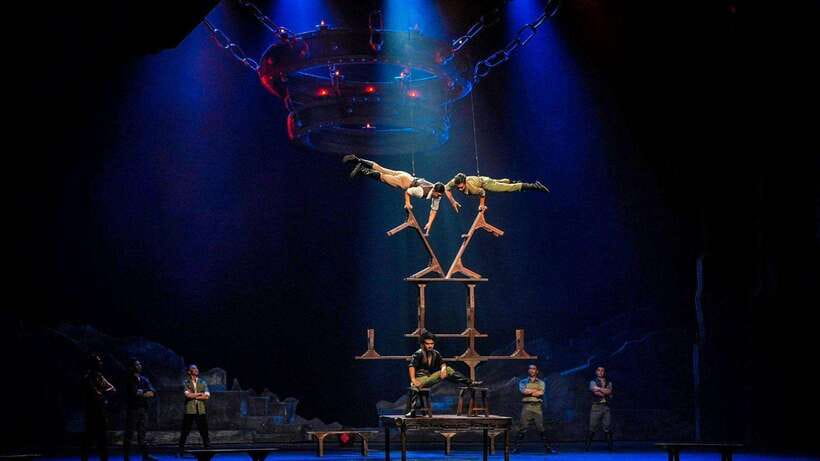
Your viewing experience depends on two things: where you sit and whether you’re fighting crowd movement.
The show’s seating is by ticket number, so once you’re seated, you should be able to watch without constant shifting. I like that. It reduces the usual theater stress where you’re trying to wedge into a view.
One concern worth flagging: at least one guest noted that the theater process and audience flow could be more disciplined. In plain terms, that means you may see people passing in front if the crowd isn’t managed tightly right as the show starts.
So do this:
- Arrive with enough time to exchange the physical ticket and get seated early.
- Once you’re in your row, stay put. Even if you see latecomers, don’t stand up to avoid blocking yourself or others.
And about the building: one review mentioned the theater itself may need renovation. That doesn’t stop the show, but it can affect comfort. Bring patience, and don’t expect a brand-new auditorium.
Price and value: what $42 buys you for one hour of Beijing performance
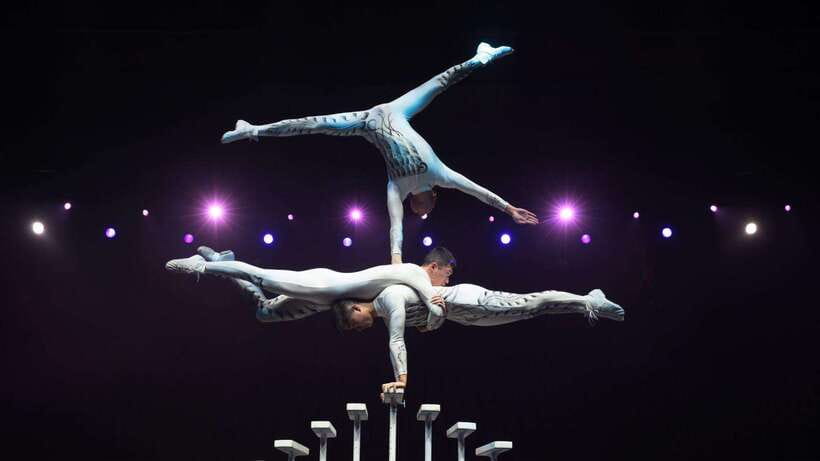
At $42 per person for a 1-hour show, you’re paying for live performance skill, a major staging effort, and reserved seating—plus you get an English guide book.
Here’s the value angle that matters: this isn’t a long tour with transport and multiple stops. It’s a concentrated experience. You’re buying a guaranteed slice of Beijing performing arts in a single evening slot, with little decision fatigue once you’re there.
If you like acrobatics and martial arts choreography, $42 for a full program with multiple difficult acts tends to feel fair. If you’re only mildly interested and you need total comfort in a modern facility, you might feel the price more keenly—but the core product is the show, and the show is the headline.
Also consider that you skip the ticket line, and you get pre-arrival info sent by email or WhatsApp. That reduces friction, which is part of what makes experiences like this worth paying for.
Who this show is for (and who should rethink it)
This is a strong fit if:
- You enjoy acrobatic performance and martial-arts-inspired choreography
- You want a compact, high-impact night in Beijing with reserved seating
- You appreciate shows that combine skill and stage presentation rather than just spectacle
It may not be ideal if:
- You’re traveling with young children. It’s not suitable for children under 6
- You’re dealing with mobility constraints or are very sensitive to crowds. There’s also a guideline that it’s not suitable for people over 95
And if your goal is a quiet, low-stimulation evening, this isn’t that. The whole point is speed, balance, and athletic risk performed live.
Should you book the Beijing Red Theatre acrobatics show?
I’d book it if you want one of Beijing’s most direct, entertaining cultural experiences in a single hour. The show is built around difficult, varied acts—women’s group work with soft-and-rigid skill, strength-and-control segments, and martial-arts styles like jiu-jitsu. You get structure, not randomness, and reserved seating keeps it visitor-friendly.
Book it especially if you’re the type who enjoys watching technique up close. If you’re not sure you’ll love acrobatics, pick the showtime that best fits your evening and arrive early so you can settle before anything starts.
If you’re picky about theater comfort or you know you dislike waiting and crowd movement, go in with realistic expectations about the venue condition, and plan arrival time carefully.
FAQ
How long is the Red Theatre acrobatics show in Beijing?
The show lasts 1 hour.
What time are the performances?
There are two performances daily: 4:20 PM and 5:40 PM.
How do I get my physical ticket at the Red Theatre?
After you order, you’ll receive ticket details and a Textual and Visual Guide about 2 days before. Bring the name and phone number used during booking to exchange at the Red Theatre front desk, then sit according to your ticket number.
Is there an English guide available?
Yes. You receive an English guide book for the Red Theatre and the acrobatics show.
What is included in the price?
Included are a ticket to the Red Theatre acrobatics show and the English guide book.
What age limits apply?
It is not suitable for children under 6 years old and not suitable for people over 95 years old.
Can I cancel, and is there a pay-later option?
You can cancel up to 24 hours in advance for a full refund. You can also reserve now and pay later.
Is smoking allowed inside?
Smoking is not allowed.