REVIEW · BEIJING
Beijing: Temple of Heaven, Panda House & Summer Palace Tour
Book on GetYourGuide →Operated by Discover Beijing Tours · Bookable on GetYourGuide
The day starts with pandas, then glides into imperial Beijing’s big ideas. This private 8-hour tour mixes wildlife cuteness with real history, guided by live English commentary so you can ask questions as you go.
I especially love how the plan flows across three major sites without making you feel herded, and how the guide’s stories connect details you’d otherwise miss.
One thing to watch: some areas inside Beijing Zoo and Summer Palace can require extra entry fees, so you’ll want to be ready for optional add-ons once you’re there.
In This Review
- Key takeaways before you go
- Pandas at Beijing Zoo: A fun start that actually sets the tone
- Summer Palace with Dragon Lady stories: When scenery becomes a plot
- Temple of Heaven: Echo Wall and the feeling of imperial scale
- Pearl Market shopping: Souvenirs with real bargaining guidance
- How the day is paced (and why the private group matters)
- Lunch included: A break that keeps the tour moving
- Price and value: Why $142 can make sense for a full imperial day
- Booking fit: Who this tour is perfect for
- Quick prep checklist (based on what you actually need)
- Should you book the Beijing Panda, Summer Palace, and Temple of Heaven Tour?
Key takeaways before you go
- Panda House first: you’ll see pandas doing the most interesting stuff while the day is still calm.
- Private, English live guidance: you can ask questions on the spot, not just listen passively.
- Summer Palace stories: Empress Dowager Cixi and court life bring the scenery to life.
- Temple of Heaven tricks for your ears: the Echo Wall is the kind of moment you’ll remember.
- Pearl Market time with bargaining tips: helpful pointers help you shop without stress.
Pandas at Beijing Zoo: A fun start that actually sets the tone
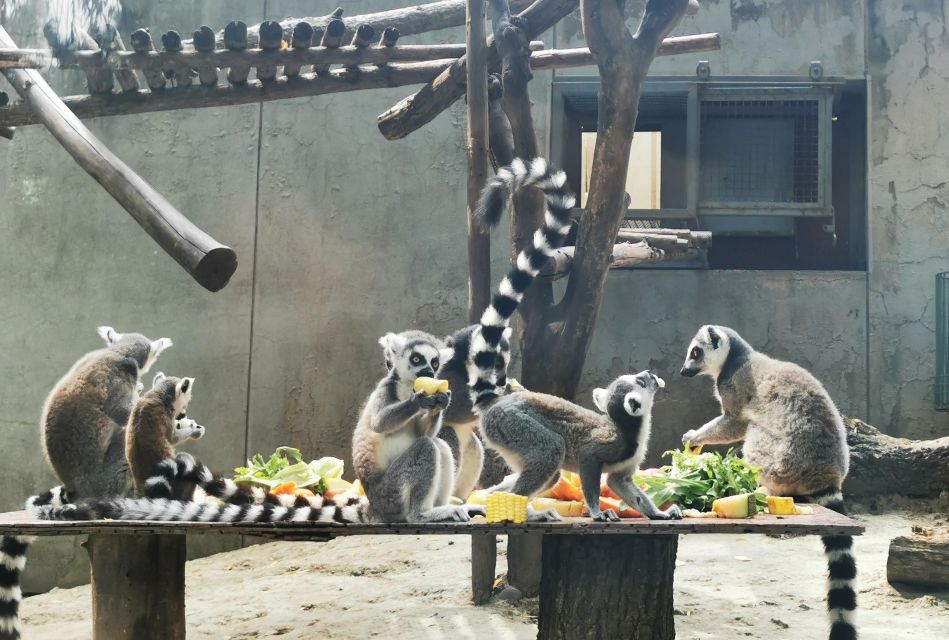
If you’re thinking you’ll just snap photos and move on, this stop surprises you. Starting at the Beijing Zoo’s panda area works well because you’re fresh, not yet tired, and your guide can shape the visit around what’s most active. In the Panda garden you can spot pandas playing, eating, and sleeping—three moods that make each encounter feel a little different.
What I like most is that you’re not left alone with vague directions. Your guide walks you through panda behavior, including details like their quirky eating habits and the bigger conservation picture behind them. And you’re not just staring at one exhibit: the zoo also has red pandas, tigers, golden monkeys, hippos, rhinoceroses, giraffes, and other animals. If you want to branch out, you can tell your guide and adjust within reason.
Even if you’re not a “zoo person,” this is a smart warm-up. It’s visual, light, and low-stakes compared with palace architecture and ceremonial space. Kids usually love it, and adults get a break from reading screens full of history facts—then you slide smoothly into the imperial stuff.
A small caution: the tour includes entrance fees to the sites, but additional entry fees inside Beijing Zoo may apply. If there’s a specific pavilion or deeper area you want, ask your guide what’s included versus what costs extra once you arrive.
You can also read our reviews of more tours and experiences in Beijing.


Summer Palace with Dragon Lady stories: When scenery becomes a plot

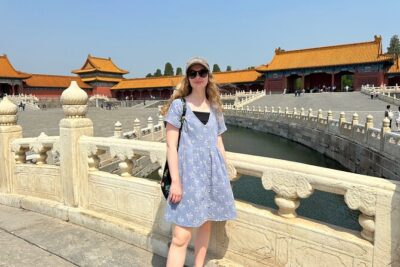
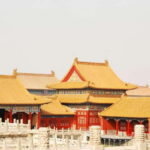
Next comes the Summer Palace, and it’s not just pretty. This was the royal retreat for emperors escaping the summer heat and later became Empress Dowager Cixi’s retirement playground. That context matters. With the guide’s commentary, you start noticing the spaces like they were designed for power, comfort, and performance—not just walking paths.
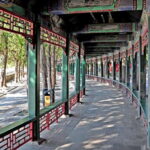
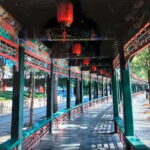
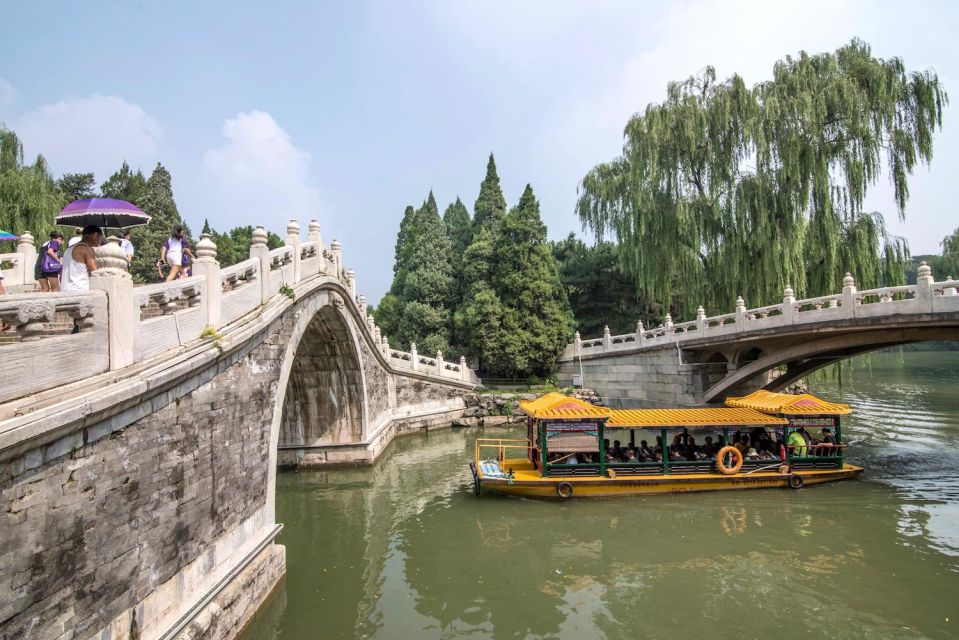
Expect picturesque pavilions, bridges, lakes, and courtyards. Your guide will tailor the pace to your group, aiming for a leisurely stroll rather than a sprint. That pacing is a big deal because Summer Palace is a place where the details reward you: a curve of the Long Corridor, the symbolism tucked into halls, and those “wait, look at that” views over water.
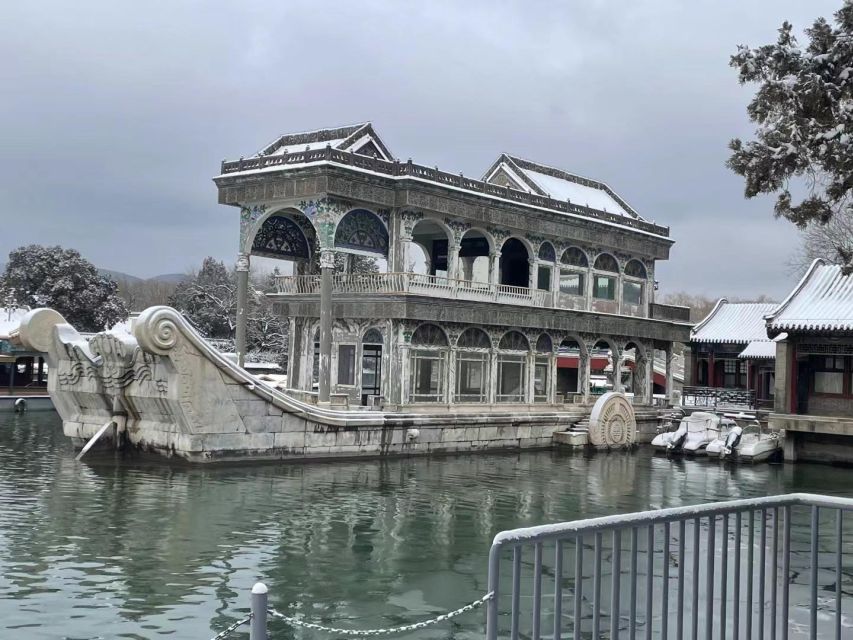
You’ll focus on major stops, including the Hall of Benevolence and Longevity, the Hall of Joy and Longevity, and the Hall of Jade Billows. You’ll also hit signature highlights like the Long Corridor and Marble Boat. If you’ve ever seen photos of this palace and wondered what you were looking at, the guide helps put names to shapes so the whole complex starts to feel coherent.
About Cixi: one of the tour highlights is hearing stories about the Dragon Lady. That label can sound like marketing, but in practice it’s a way to frame how court life worked—who had influence, why people built what they built, and how leisure space doubled as politics. It’s the difference between admiring a building and understanding why it exists.
Also, weather matters here. The tour runs rain or shine unless officials close the sites for safety. If it’s cold or wet, you’ll appreciate not being stuck outside forever, and several guides in past groups have been praised for adjusting on the fly when the weather gets uncomfortable.
Temple of Heaven: Echo Wall and the feeling of imperial scale
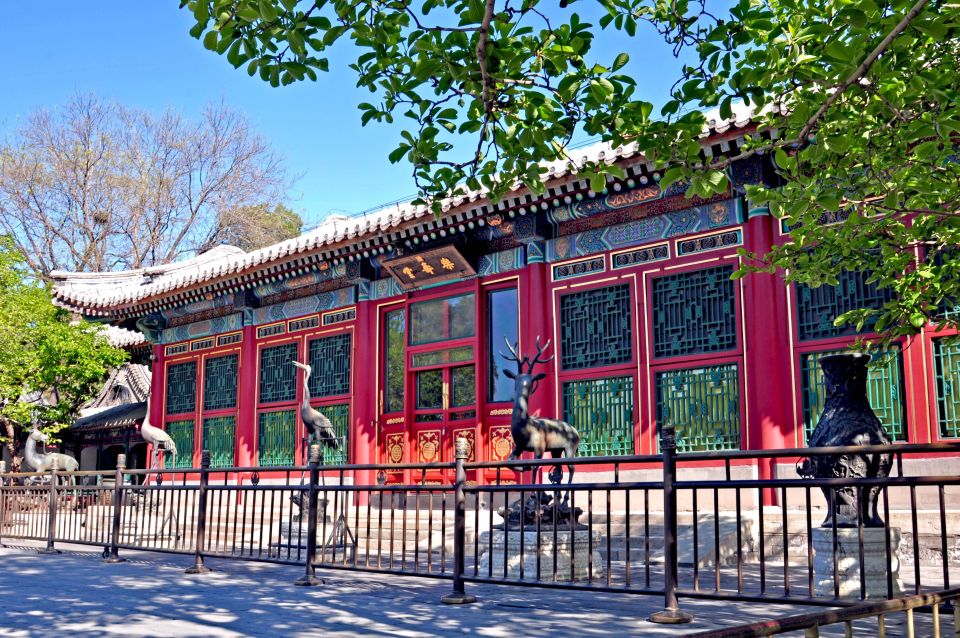
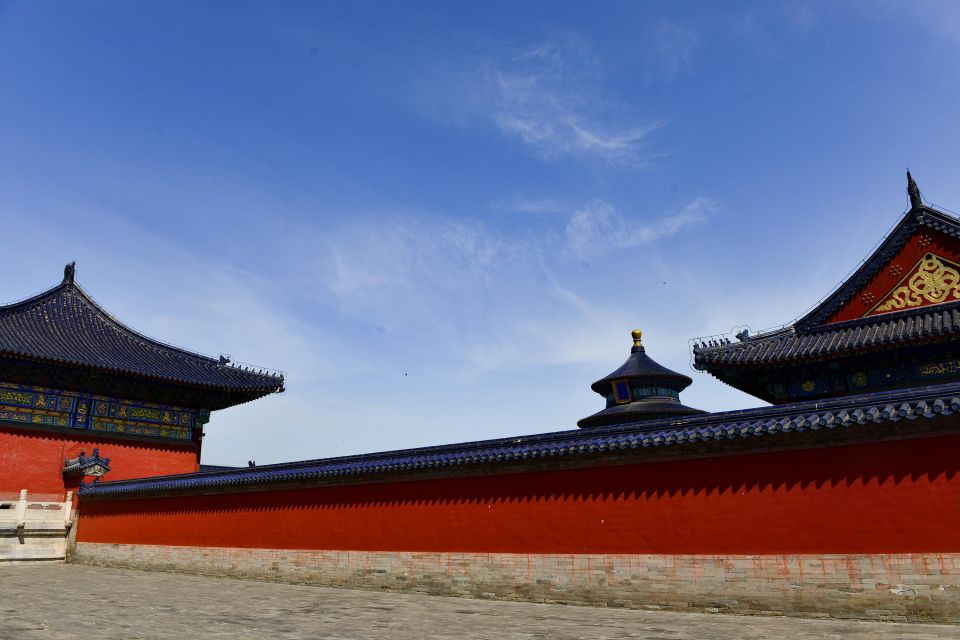
After lunch, you shift to the Temple of Heaven, and yes, it’s more than one temple. It’s an altar complex with origins in the early 15th century, and it’s described as the largest surviving complex of ancient sacrificial buildings in China. That’s a mouthful—but it also explains why it feels so expansive once you’re inside.
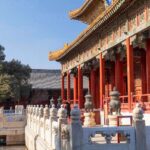
This is where the guide’s live English commentary pays off. You’ll visit key attractions like the iconic Hall of Prayer for Good Harvests. The point isn’t just to see the structure—it’s to understand what emperors believed they were communicating and why the design mattered.
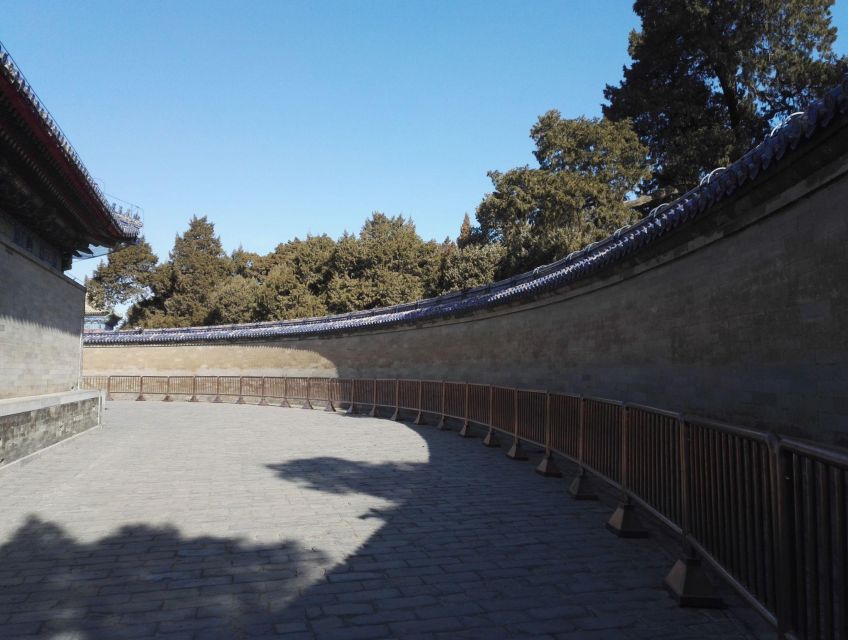
One of the coolest moments is the Echo Wall. You can experience the architectural trick where whispers travel across distances. It’s playful, but it also connects to how the site was engineered for ceremony and controlled sound. Then you’ll move to the Circular Mound Altar, where your guide shares the story of the Heavenly Heart Stone and how Ming and Qing emperors used grand rituals to interact with the heavens.
If you like history told through “how it worked,” this stop will feel satisfying. If you prefer strictly chronological facts, you can still follow the narrative because the guide ties structures to practices. Either way, it’s one of Beijing’s best places to feel the scale of imperial planning without needing advanced background knowledge.
One practical note: the Temple is a major walking area. Shoes that grip well help, especially if it’s slick. You’re on a full-day schedule, so pace yourself when you can—your guide can also help you step in and out of busy zones as needed.
Pearl Market shopping: Souvenirs with real bargaining guidance

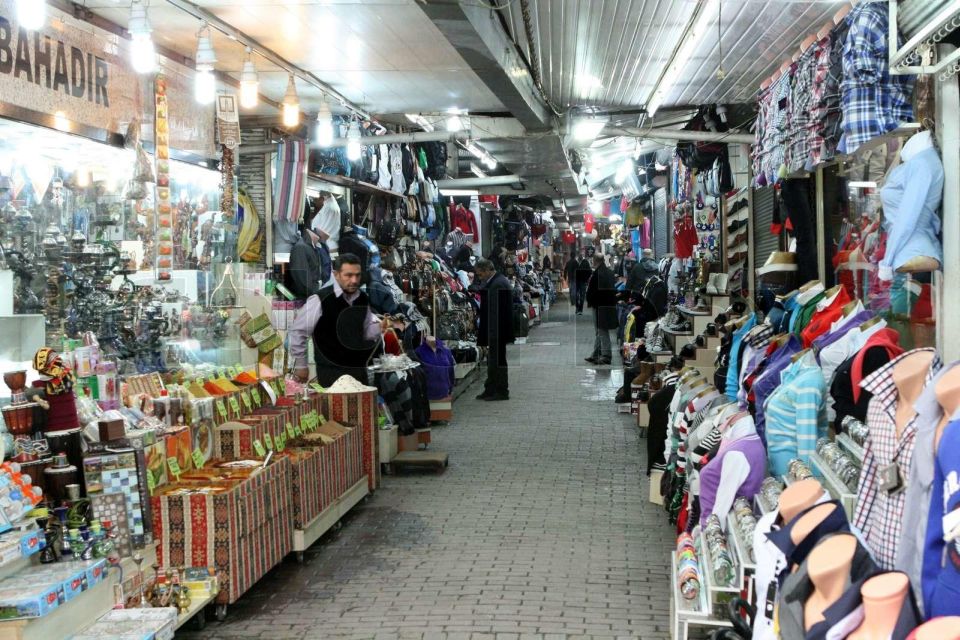
By the time you reach the Pearl Market, your brain is warmed up for browsing. This is the part of the day that can turn chaotic if you don’t have a plan, so I like that the tour includes time for shopping and—more importantly—tips on how to bargain.
You’ll find items like clothing, leather, jewelry, and electronics. Whether you want one memorable souvenir or a quick round-up for gifts, having a guide’s bargaining pointers keeps you from guessing at the start. It’s also useful if you’re trying to avoid paying “first offer” prices.
Keep your expectations practical. This isn’t a quiet museum shop. It’s a lively marketplace, and your guide’s job is to help you move efficiently and shop with more confidence.
If you’re sensitive to negotiation or you want to keep shopping time tight, tell your guide early. It’s easier to get a controlled browsing window than to change gears halfway through.
How the day is paced (and why the private group matters)
This is a private group, and that changes the tone from the start. Your guide meets you in the lobby of your downtown hotel holding a sign with your name, then you hop into a comfortable air-conditioned vehicle. The vehicle matters in Beijing. Even when the sights are great, transit comfort helps you stay focused and not feel wrecked halfway through the day.
The tour is listed as 8 hours. That’s long enough to cover three major sites without feeling like you only “touch” them. But it’s also long enough that you’ll want smart energy habits—water, snacks if you need them, and breaks when the weather calls for it.
Skip-the-ticket-line access is another quiet win. You’re still visiting big, popular places, but losing time to ticket queues can sabotage your ability to actually enjoy the architecture and exhibits. Here, the guide helps streamline the entry points.
Live English commentary is a big reason people rate this tour highly. You can ask questions, and your guide can tailor explanations to your curiosity level. I’ve seen many guides praised for English clarity and for being patient with families. Names that show up frequently in past groups include Sherry, Cindy, Lucy, Alice Gi, Linda, and Mike—each mentioned for English ability, pacing, and attention to needs like keeping kids comfortable.
Lunch included: A break that keeps the tour moving
Lunch is included, and that matters because it protects your time. Instead of spending your precious afternoon hunting for a decent meal, you’re scheduled into a restaurant stop.
In the experiences I saw described, lunch was often praised as fantastic or delicious, and some meals included local dishes like dumplings. One review also mentioned a buffet-style lunch with choices. I can’t promise the exact menu every day, but the consistent point is that you’re not left hungry or off-plan.
If you have dietary restrictions, you should flag them to your guide on the day. The tour structure gives you less flexibility than a free day, so communication upfront helps.
Price and value: Why $142 can make sense for a full imperial day
At $142 per person for an 8-hour private tour, the value equation comes down to what’s included and what you’re trying to avoid.
Here’s what you’re getting:
- Professional guide with live English commentary
- Entrance fees to the sites (with the note that additional entry fees inside Beijing Zoo and Summer Palace may still apply)
- Private vehicle with hotel pickup and drop-off
- Lunch
For many first-timers, the main cost you’re really paying is time and friction. Beijing’s big sights are spread out and popular. When you add transport, language help, ticket-line skipping, and a guide who can explain Echo Wall mechanics and ritual symbolism, the price starts to feel reasonable.
This tour also bundles three “must-see” themes:
1) wildlife (pandas)
2) royal leisure and politics (Summer Palace)
3) cosmology and ceremony (Temple of Heaven)
If you tried to do the same day on your own, you’d likely spend extra time figuring out timing, admissions flow, and logistics. The tour makes it simpler so you can focus on actually seeing things.
That said, if you already know Beijing well, hate guided explanations, and plan to move at your own pace, you might feel the structure is too tight. For that style of traveler, a less scheduled day could be a better fit.
Booking fit: Who this tour is perfect for
This is a strong choice for:
- Families who want a managed day with a kid-friendly panda start
- First-timers who want the big landmarks connected with stories
- People who care about efficient logistics (pickup, transport, skip-the-line)
- Anyone who appreciates hearing practical context while they walk
It’s less ideal if:
- You want to spend half a day totally alone wandering without commentary
- You dislike markets or only want museum-like stops
- You strongly prefer going slow with no group pacing at all
Quick prep checklist (based on what you actually need)
You’ll need a passport for this tour. Also, tours run rain or shine unless officials close sites for safety. Finally, wear comfortable shoes. This day includes a lot of walking across multiple large complexes.
If you’re sensitive to weather, Beijing can feel sharp in cold conditions, so plan layers and don’t assume you’ll always want to be outside long stretches.
Should you book the Beijing Panda, Summer Palace, and Temple of Heaven Tour?
Yes, if you want one well-run day that covers the best of Beijing’s wildlife, imperial palace life, and ceremonial architecture without you spending hours planning. I think the biggest selling point is how the guide connects what you see—Echo Wall, ritual spaces, and Cixi-era stories—so the day feels like a narrative, not three disconnected stops.
Book it if you’re traveling with kids, if you want live English explanations, or if you value skip-the-line entry and hotel pickup. Consider it a cautious yes if you’re expecting the Zoo and Summer Palace areas to be fully “one price, everything included,” since some internal areas can cost extra.
If you want a smooth first taste of Beijing with built-in pacing and real guidance, this is the kind of day that makes planning feel easy.