REVIEW · BEIJING
Beijing: Top Michelin Vegetarian Restaurant Reservation
Book on GetYourGuide →Operated by PANDA HAPPY JOURNEY IN CHINA · Bookable on GetYourGuide
Michelin vegetarian, right near the Forbidden City. This reservation experience gives you a smooth way into Jing Zhaoyin, a Michelin three-star plant-based restaurant that’s also tied to sustainability and health. I love that it’s serious fine dining, but still focused on real comfort food from the ground up.
I’m also a fan of the cooking style: meals are designed to be low in oil, fat, sugar, and salt, with an emphasis on fiber and no artificial additives. And I like the ingredient mix, especially mushrooms, soy products, vegetables, and whole grains, because it feels filling without being heavy.
One consideration: the average meal spend is around 1200 RMB per person, so the reservation fee looks small, but your total night budget still depends on what you order. If you want classic meat-forward Beijing dining, this place is vegetarian by design.
In This Review
- Key things to know before you book
- Jing Zhaoyin in Beijing: Michelin vegetarian near Tiananmen
- The restaurant philosophy you’ll feel in the food
- Chef Gary: Beijing roots plus nutrition-minded training
- What you’ll eat: mushrooms, soy, vegetables, and whole grains
- Your 2-hour dining flow: lunch, dinner, or afternoon tea
- Value and budget: $7 reservation vs ~1200 RMB dining
- Where to place this meal in your Beijing day
- Small-group reservation: why the group size helps
- Sustainability and the Harvard Business Review angle
- Service and the feel of the night
- Should you book Jing Zhaoyin?
- FAQ
- Where is Jing Zhaoyin located in Beijing?
- Is the reservation service only for dinner?
- How long is the experience?
- What does the price include?
- About how much should I budget for the meal?
- Do I need to pay when I book?
- Can I cancel?
- Is the restaurant wheelchair accessible?
- Is there a tour guide or audio guide included?
- Are there rules about smoking?
- Final thought: book if you want Michelin veg, done seriously
Key things to know before you book
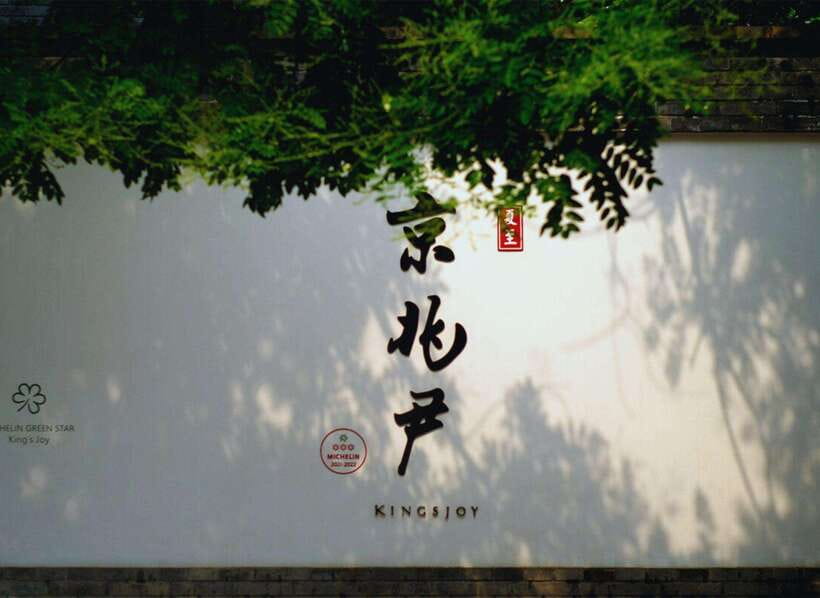
- Michelin Three-Star + Michelin Green Star streak: recognized for both quality and sustainable healthy concepts.
- Low-oil, low-sugar cooking: built around flavor without piling on salt or fat.
- Chef Gary’s credentials: a Beijing-rooted chef with nutrition science background and WSET Level 2 sommelier training.
- Plant-first menu: mushrooms, soy, vegetables, and whole grains show up as the core structure.
- Close to major sights: near Tiananmen Square, the Forbidden City, and Yonghe Temple.
Jing Zhaoyin in Beijing: Michelin vegetarian near Tiananmen
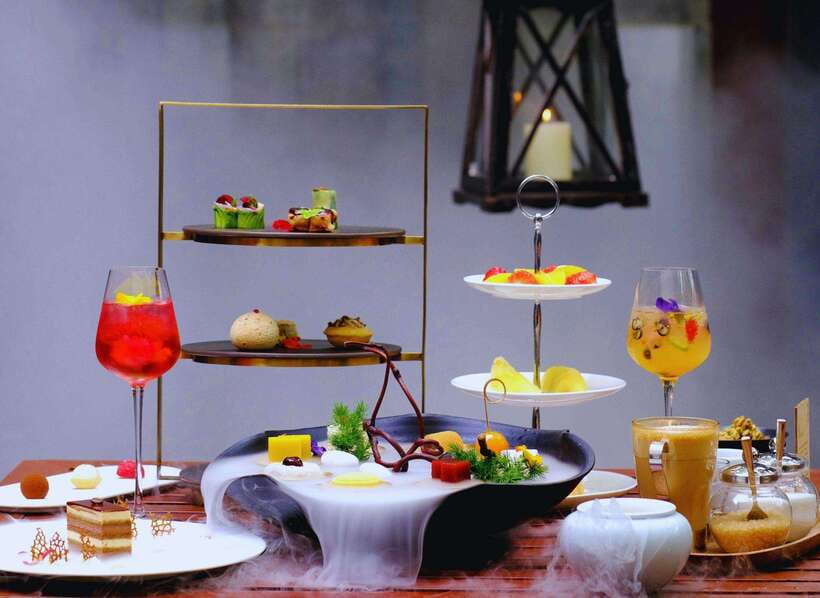
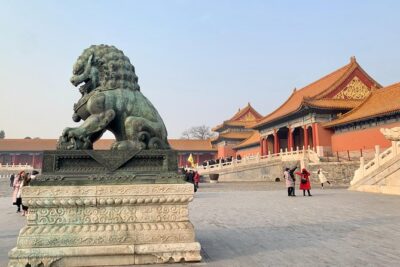
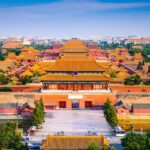
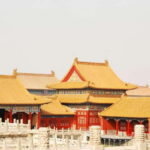
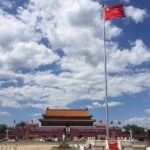
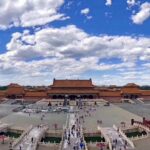
Jing Zhaoyin Vegetarian Restaurant is the kind of place you book when you want Beijing to feel both special and sensible. You’re not going to a random veg spot tucked away somewhere difficult to reach. It’s close to Tiananmen Square, the Forbidden City, and Yonghe Temple, so it fits naturally into a sightseeing day without stealing half your trip.
What makes this reservation experience interesting is that it’s not trying to turn the restaurant visit into a rigid show. The focus stays where it should be: you arrive at your reserved time, sit down, and eat. The “skip the waiting” feel matters in a city where peak dining times can get tricky.
And yes, the restaurant’s reputation is the real deal. In the 2024 Beijing Michelin Guide (released October 12, 2023), Jing Zhaoyin was awarded Michelin Three Stars and maintained its Michelin Green Star win for a fourth consecutive year. That combination—culinary excellence plus sustainability-minded health standards—is rare.
You can also read our reviews of more tours and experiences in Beijing

The restaurant philosophy you’ll feel in the food
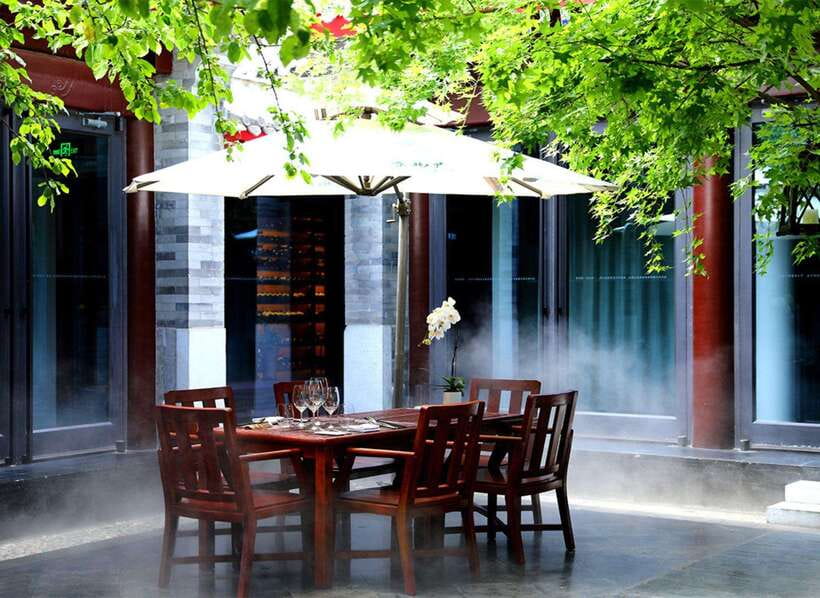
Jing Zhaoyin follows a philosophy called Joy, Harmony, and Slow Food with Precious Vegetables. That sounds poetic, but it’s also practical. You can expect a menu built around plant-based ingredients—wild, organic, and green natural foods are specifically part of how they describe their selection approach.
The biggest message is the cooking method. Their style is designed to be low in oil, fat, sugar, and salt, and free from artificial additives. They also emphasize fiber, which is a polite way of saying: you should feel satisfied, not drained.
For you, that matters because it changes the experience from a “special meal that’s a bit light” into something genuinely filling. Mushrooms bring deep savory flavor. Soy products add protein and texture. Vegetables keep it fresh and balanced. Whole grains give body so the meal doesn’t feel like an appetizer that never ends.
Chef Gary: Beijing roots plus nutrition-minded training
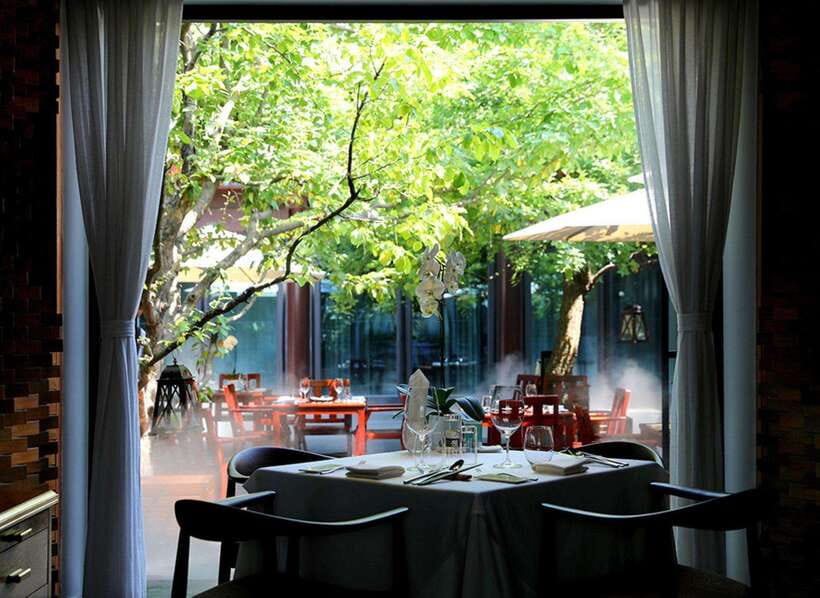
A big part of why this restaurant works is the way the head chef’s background lines up with the place’s goals. The head chef, Gary, has roots in Beijing and was influenced by a family with a rich culinary heritage. That family influence is the chef’s base layer: traditional food instincts, not only modern wellness theory.
Then come the credentials that explain why the restaurant talks about healthy living with confidence. Gary holds:
- a bachelor’s degree from Rotman School of Management at the University of Toronto
- an MBA from Glion Institute of Higher Education in Switzerland
- WSET Level 2 sommelier certification
- nutritional science credentials from the Department of Plant Sciences at Cornell University
That combo—management education, nutrition science, and sommelier training—often results in two things you’ll notice at the table. First, the meal tends to be structured and deliberate. Second, the flavors are usually engineered for balance, not just novelty.
Even if you don’t care about chef resumes, you’ll likely appreciate how the menu design supports the philosophy: low oil and salt, but still satisfying.
What you’ll eat: mushrooms, soy, vegetables, and whole grains
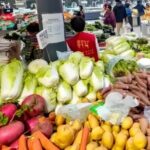
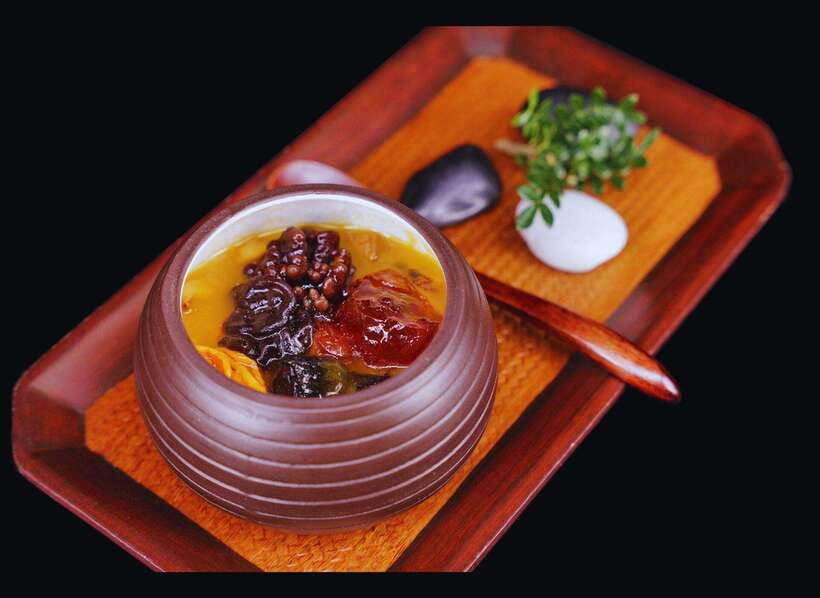
Jing Zhaoyin’s menu centers on a clear set of plant-based building blocks: mushrooms, soy products, vegetables, and whole grains. Those ingredients don’t just show up; they form the meal’s identity.
Here’s how that translates into real-world dining:
- Mushrooms are often the backbone for umami. They help you taste richness without relying on heavy fat.
- Soy products give protein and can mimic the kind of savory satisfaction people miss in vegetarian food.
- Vegetables keep the meal bright and balanced, especially when the cooking avoids excess oil.
- Whole grains add steadier fullness, so you’re not hungry again 45 minutes later.
And the place doesn’t frame this as a gimmick. The restaurant describes its approach as original, pure, healthy vegetarian dishes that capture the essence of nature. If you like food that tastes like it belongs in a kitchen, not a lab, this style often works well.
Your 2-hour dining flow: lunch, dinner, or afternoon tea
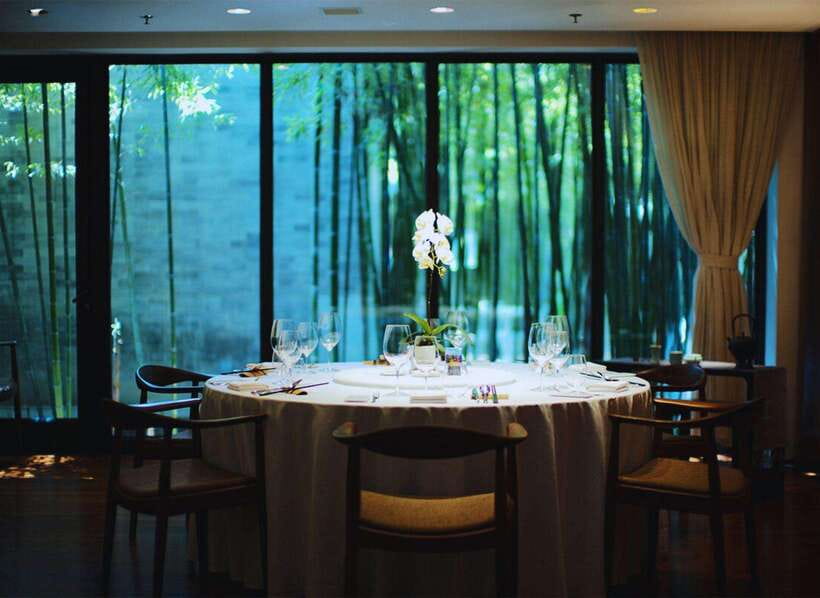
This is a 2-hour experience. That duration is a sweet spot: long enough to enjoy a paced meal, short enough to stay flexible with your sightseeing schedule. The reservation service covers lunch, dinner, and afternoon tea options, so you can match the meal to your energy level for the day.
What to expect timing-wise: you’ll arrive around your reserved time and then settle in for your meal. There’s no need to plan an extended route inside the restaurant before you eat, because the point of booking is that you’re not hunting for an opening or standing around waiting.
The restaurant also has a clear standard of behavior: smoking isn’t allowed. That’s the kind of rule you’ll appreciate if you’re sensitive to strong smells.


Value and budget: $7 reservation vs ~1200 RMB dining
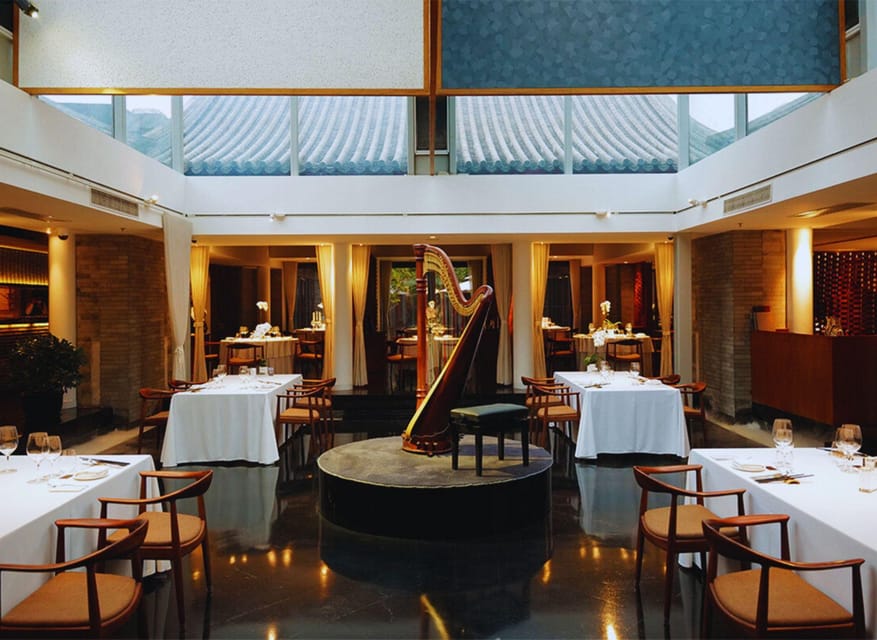
Price is where you have to read carefully. The experience is listed at about $7 per person for the reservation service, and the average spending per person is around 1200 RMB.
So what are you really paying for?
You’re paying for a few concrete benefits:
- a reserved table so you avoid the hassle and uncertainty
- a smooth arrival at your booked time
- a small-group experience tied to a high-demand restaurant
In Beijing terms, that can be worth it. The restaurant’s Michelin standing (Three Stars and Green Star honors) means demand is real. If you’ve ever tried to line up a top restaurant without planning, you know how fast “easy dinner” turns into stress.
Your main cost is still the meal itself. The average spend of 1200 RMB per person gives you a reality check for budgeting. If you want a Michelin-quality vegetarian experience and you’re okay treating dinner as a once-per-trip splurge, this reservation can be excellent value.
Where to place this meal in your Beijing day
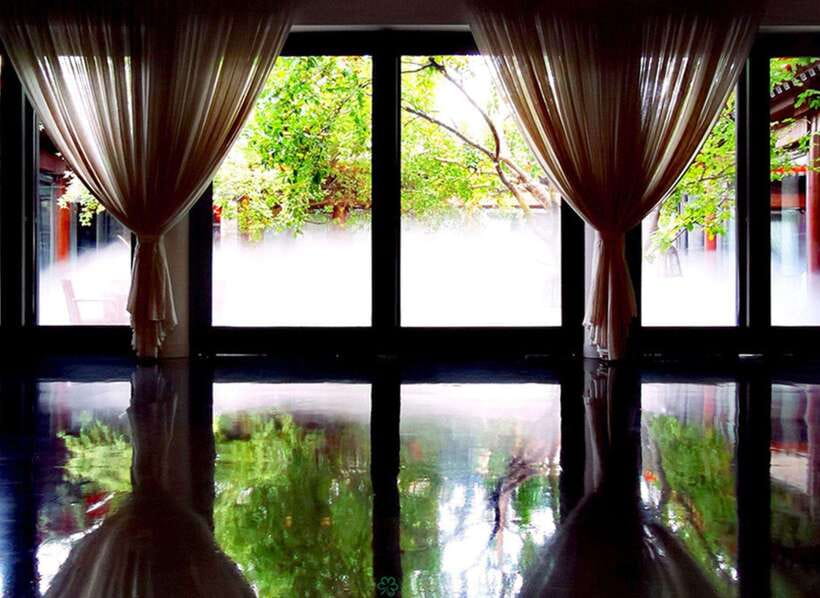
Because the restaurant is close to Tiananmen Square, the Forbidden City, and Yonghe Temple, you can build your day around it instead of around transportation puzzles.
A simple strategy:
- If you’re doing major sights like the Forbidden City area, plan your meal afterward so you can slow down when you’re done walking.
- If you’re doing Yonghe Temple earlier, afternoon tea at the restaurant can become a calm reset before you head onward.
Since the meal is two hours, you’ll usually have enough time to keep the rest of your day moving. You just need to be realistic: Michelin service and a paced vegetarian menu often means you’ll want to take your time with it.
Small-group reservation: why the group size helps
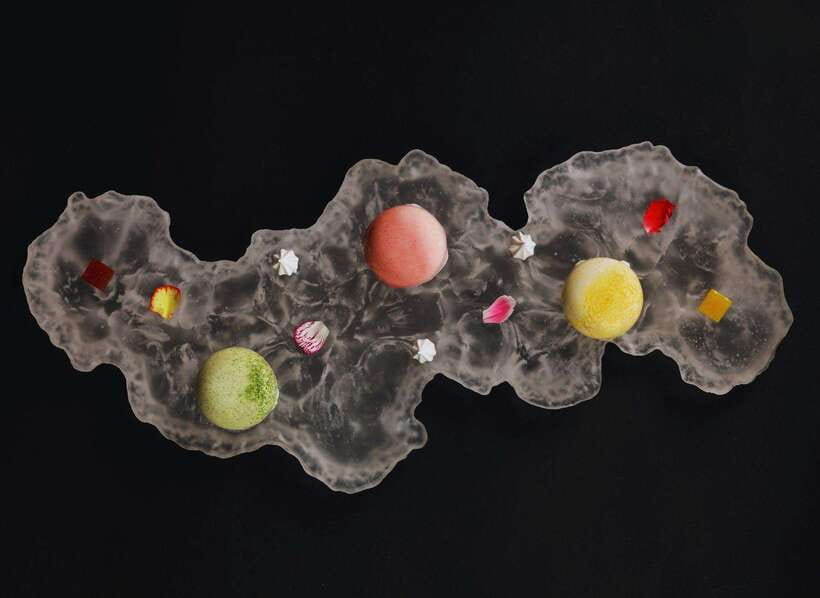
This experience is limited to 10 participants. That small limit can make a difference even when the activity is mostly about reserving your table. It helps keep the whole experience controlled and reduces the chaos that can happen with large groups rushing into a dining room.
Also, since a tour guide and audio guide aren’t included, your time isn’t split between listening and eating. You’re here for the meal.
If you want quiet focus—good food, good service, and the chance to actually taste what you’re eating—that format fits well.
Sustainability and the Harvard Business Review angle
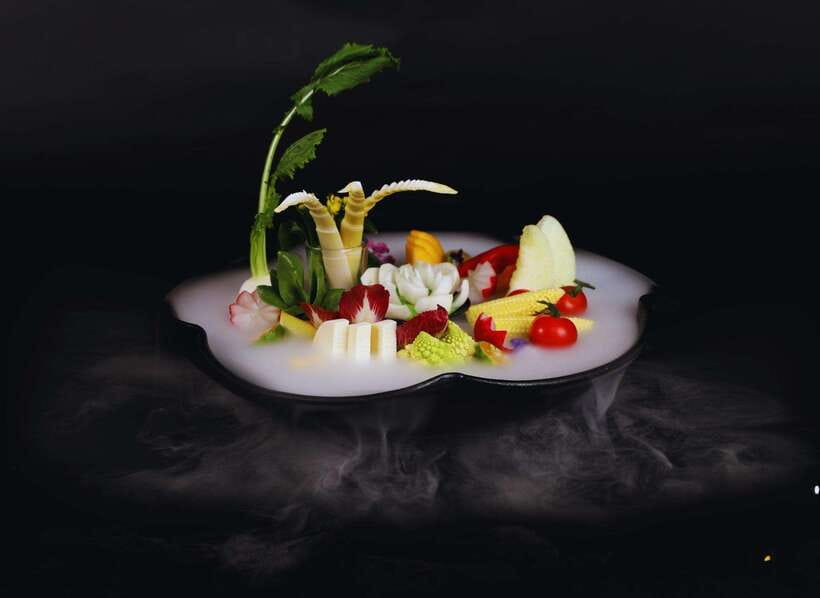
This restaurant isn’t only known for flavor. It’s been featured in a Harvard Business School case study published in the Harvard Business Review.
That kind of attention usually signals something about operations: how the restaurant maintains its standards, how it thinks about sustainability and health, and how it supports its concept at scale. You might not read a case study at the table, but it can shape how you perceive the restaurant once you’re there. It feels less like a one-off concept and more like a carefully run place.
And the Michelin Green Star streak backs up the sustainability side. Jing Zhaoyin was recognized as a Michelin Green Star winner for the fourth consecutive year while maintaining its high culinary status.
Service and the feel of the night
The best indicator of how a restaurant will land emotionally is consistency in the basics: food quality and service. The feedback you’ll see around Jing Zhaoyin tends to be upbeat and direct, with strong praise for the overall experience—people describe it as a real masterpiece-level meal and call out the service in a positive way.
That matches what the concept promises. When a restaurant puts energy into plant-based cooking that’s controlled for oil, salt, and additives, the meal has to be planned tightly. And when it’s planned tightly, service typically feels smoother too.
Should you book Jing Zhaoyin?
Book it if:
- you want a top-tier Michelin vegetarian meal in a convenient location near major Beijing sights
- you care about a menu that’s low in oil, fat, sugar, and salt and built around whole ingredients
- you’d rather secure a reservation than gamble on timing in a high-demand restaurant
- you’re comfortable with the idea that the meal is the main cost (around 1200 RMB on average)
Skip or rethink if:
- you want a meat-forward Beijing night out, because this is vegetarian by design
- you’re on a strict budget where even an average Michelin meal cost is hard to absorb
- you need a very flexible, walk-in dining plan rather than a timed sitting
If your goal is a memorable, health-minded fine dining experience that fits into a classic Beijing day, this reservation is a smart move.
FAQ
Where is Jing Zhaoyin located in Beijing?
It’s very close to Tiananmen Square, the Forbidden City, and Yonghe Temple.
Is the reservation service only for dinner?
No. The reservation service can be for lunch, dinner, and afternoon tea.
How long is the experience?
It’s listed as a 2-hour experience.
What does the price include?
The included part is the reservation service. Dining expenses at the restaurant are not included.
About how much should I budget for the meal?
Average spending is listed as around 1200 RMB per person.
Do I need to pay when I book?
The experience offers reserve now & pay later, so you can book without paying today.
Can I cancel?
Yes. Free cancellation is available up to 24 hours in advance for a full refund.
Is the restaurant wheelchair accessible?
Yes, it’s listed as wheelchair accessible.
Is there a tour guide or audio guide included?
No. A tour guide and audio guide are not included.
Are there rules about smoking?
Smoking is not allowed.
Final thought: book if you want Michelin veg, done seriously
If you want plant-based food that’s treated like fine dining—supported by Michelin recognition and a nutrition-minded approach—reserve a table at Jing Zhaoyin. Just budget for the meal cost, not the small reservation fee, and plan your timing so you can enjoy the full two hours without rushing.