REVIEW · BEIJING
Old Beijing Dinner Tour
Book on Viator →Operated by UnTour Food Tours · Bookable on Viator
Follow food into Beijing’s back lanes. This Old Beijing Dinner Tour is built for people who want hutong streets and family-run meals, not a lineup of tourist traps. I also like the small-group feel, since you can actually hear your guide and keep up on narrow lanes; the one thing to watch is that it’s an evening walking-and-eating format, so go in hungry but don’t overfill at the first stop.
What makes this night work is the rhythm: meet near Beixinqiao Station, walk through older neighborhoods, eat multiple tastings, then end with a quick snack on Ghost Street and a rice wine tasting. Guides can include Shan, Garth, Kelly, Zeben, Katie, Jesus, Eric, and Julia, and the common thread is story-led explanations tied to the food you’re eating. The main consideration is simple: plan for a few hours on your feet and expect portions that can be more than you’d normally order solo.
In This Review
- Key Points Before You Go
- Old Beijing at 7:00 pm: Meeting Point and Night Flow
- Hutong Walking With a Guide Who Knows the Tight Lanes
- Stop by Stop Dinner: From Hotpot to Dumplings to Sauced Meats
- Beer and Local Drinks: Why the Pairing Works
- Nuoyan Rice Wine Shop: A Short Tasting With a Cultural Hook
- Ghost Street (Gui Jie): The Snack Finish Near Guijie
- What $75 Buys in Value (and What You Should Compare It To)
- Getting There and Back: Simple Subway Access
- Who Should Book This Dinner Tour
- Should You Book the Old Beijing Dinner Tour?
- FAQ
- FAQ
- Where do I meet for the Old Beijing Dinner Tour?
- How long is the tour?
- How many people are in the group?
- Is there hotel pickup or drop-off?
- What food and drinks are included?
- Is the Ghost Street stop included?
- What happens at the rice wine shop?
- Is a mobile ticket provided?
- Can the tour handle dietary requirements?
- What if weather is bad?
Key Points Before You Go
- Small group (about 8, up to 12) keeps the evening relaxed and chatty
- Old Beijing hutongs give you the street-level look you won’t get from big sights alone
- Multiple dinner tastings add up to a full meal, so you likely skip dinner plans afterward
- Beer with your tastings and other local drinks keep the vibe social and easy
- Nuoyan rice wine stop adds a drink-focused cultural moment, not just another restaurant
- Ghost Street snack break (free, ~10 minutes) is a fun finish for grab-and-go bites
Old Beijing at 7:00 pm: Meeting Point and Night Flow
This tour starts in the evening at 7:00 pm, with the meeting point at Beixinqiao Station in Dongzhimen (Dongcheng District). The end point is near the intersection of Dongsi North St & Dongsi 10th Alley, close to Zhangzizhong Rd Metro Line 5, so you’ll have a straightforward way to head back afterward.
The format matters. You’re not trying to “do Beijing” in one rushed block. You’re walking, stopping, eating, and listening in a sequence that lets you notice how neighborhood food fits into daily life. Because you’re starting from a metro hub, you can build your own route for getting there without needing hotel pickup.
Also note the 3 hours (approx.) pace. That’s long enough for multiple tastings and a hutong walk, but short enough that you won’t feel trapped into a whole evening program. If you’re traveling with jet lag or you want a fun plan that still leaves energy for dessert afterward, this timing is a good match.
You can also read our reviews of more tours and experiences in Beijing

Hutong Walking With a Guide Who Knows the Tight Lanes
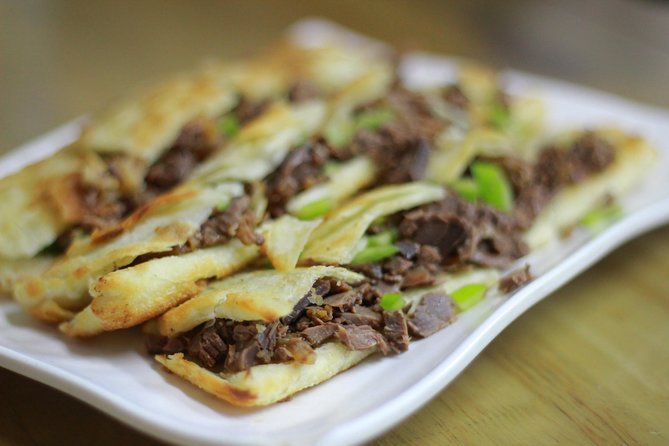
Old Beijing’s hutongs are narrow lanes, and that’s the point. Without local knowledge, it’s easy to get turned around, walk in circles, or accidentally pick the wrong alleys. With a guide leading the route, you follow an insider path through areas that are far less staged than the main tourist strips.
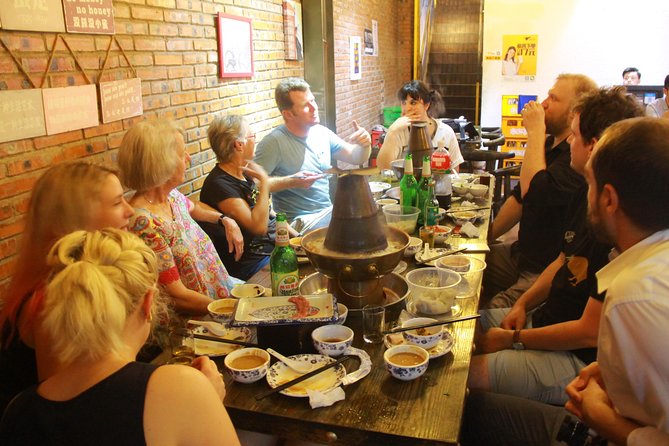
The tour also keeps the walking comfortable by using a small group size. The standard group is 8 people, and in some cases it can grow to 12 with a second guide. In practice, that smaller number changes the whole feel: you’re not shouting over a crowd, and your guide can answer questions about the food and the neighborhood as you go.
Comfort tip that’s worth taking seriously: hutong walking often means uneven sidewalks and lots of stop-and-start movement at restaurant entrances. Wear shoes you can walk in for a couple hours, and plan to stand as you eat. This is not a sit-down dinner where you barely move; it’s a neighborhood stroll tied to food stops.
Stop by Stop Dinner: From Hotpot to Dumplings to Sauced Meats
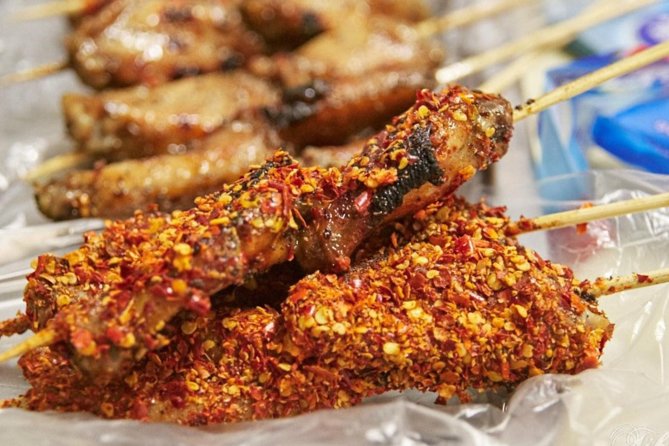
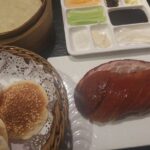
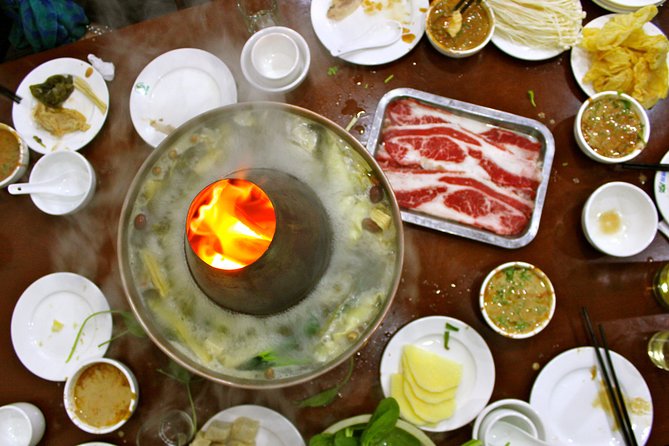
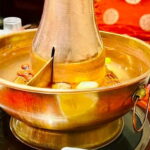
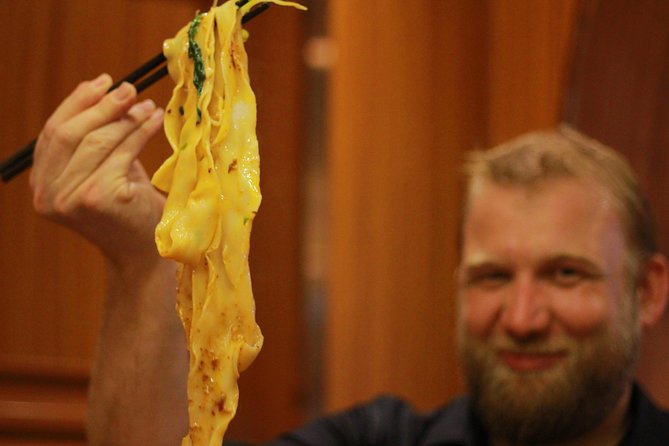
The tour’s heart is its series of local food stops. Instead of one restaurant meal, you sample across a few places—restaurants and street-food style counters—so you get range in flavors and textures. The tour description notes tastings that may include Mongolian-style hotpot, hand-stuffed boiled dumplings, and Beijing sauced meats, plus other traditional dishes you might not choose on your own.
What you’re really buying with this structure is decision relief. Ordering food in China can be part language, part menu confidence, part knowing what’s worth it. A guided tasting route solves that. You can focus on the “what is this and why do people eat it?” side, rather than the “how do I order this correctly?” side.
Here’s a practical expectation: the dinner tasting stops add up to a very large meal. In other words, you should plan to skip a heavy dinner afterward. One of the best values in tours like this is when the food replaces the thing you’d otherwise pay for later, not just adds on top.
You’ll also get context as you eat. In the best moments, your guide ties dishes back to local life and food origins, so you taste something familiar in a way that feels connected to the neighborhood rather than random. I like this approach because it turns food into a story you can remember, not just a list of dishes.
Beer and Local Drinks: Why the Pairing Works
A bottled beer is part of the tastings, and soft drinks plus local alcoholic beverages are included. That pairing matters because it takes the edge off the “formal dinner” expectation. You can be social without worrying about translating menus or asking whether the place serves what you like.
I also like that the tour plan includes bottled water. When you’re walking and eating across different spots, hydration keeps the evening enjoyable instead of slightly miserable. And if you’re the type who likes to try a drink but not turn the night into a night out, this is a balanced way to sample.
If you have dietary needs, ask early. The tour says you should advise any dietary requirements at booking so they can cater to restrictions. One review described a guide handling a shellfish allergy responsibly, which supports the idea that safety is taken seriously when you communicate clearly ahead of time.
One more real-world detail: because this is a walking tasting tour, portions can feel generous fast. It’s totally normal to want to slow down mid-evening. If you’re unsure, ask your guide for pacing advice when the first stop arrives.
Nuoyan Rice Wine Shop: A Short Tasting With a Cultural Hook
The evening doesn’t just move from food to food. It ends with a drink-focused stop at Nuoyan Rice Wine Shop, where you’ll get a small tasting flight and learn more about the traditional rice wine (mijiu). This stop is about 30 minutes, and it’s a different kind of learning than restaurant menus.
Rice wine can feel mysterious if you’ve only seen it on a bottle. The value here is that you’re tasting while your guide explains how it fits into Chinese drinking culture and long-standing brewing traditions. Even if you don’t become a rice wine fan instantly, it’s still a memorable local detail you can’t easily replicate on your own.
Also, it’s a nice tempo change. After a walking dinner stretch, sitting for a tasting makes the tour feel complete rather than endless. If you enjoy food-and-culture “side quests” that are short but meaningful, this stop is one of the best parts of the program.
You can also read our reviews of more tours and experiences in Beijing
Ghost Street (Gui Jie): The Snack Finish Near Guijie
The final flavor checkpoint is Ghost Street (Gui Jie), or Guijie. It’s a 10-minute stop, and it’s free as part of the experience. Think of it as a quick pass through one of Beijing’s most famous snack streets so you can continue snacking if you want to.
This part is practical. You’re already full-ish from the tastings, so you can choose to treat it like browsing time rather than a second dinner. If you spot something you want, you’ll be in the right place to follow up on curiosity without having to plan an extra outing.
And because the tour ends near Line 5, you’re not stuck far from transit. That matters late in the evening when you just want an easy ride back.
What $75 Buys in Value (and What You Should Compare It To)
At $75 per person for about 3 hours, you’re paying for an efficient bundle: guide service, multiple tasting stops, drinks, and a structured route through neighborhoods that are hard to navigate alone. The tour includes bottled water, soft drinks, and local alcoholic beverages, plus the guide fee and a post-tour welcome packet.
To judge value, compare it to what you’d pay if you tried to replicate the experience on your own. Without a guided route, you might spend money on one or two meals and still struggle with ordering confidence. Here, you’re paying for the navigation, the ordering help, and the fact that the tastings are designed to add up to a full meal.
I also like the post-tour welcome packet. It includes helpful restaurant recommendations and local travel tips, which is useful when you want your next meal to be another win. If you’re only in Beijing for a short stretch, having a short list of where to eat next can save you time and help you keep momentum.
One note on booking timing: it’s often booked about 24 days in advance on average, so don’t wait until the last minute if you have fixed plans. Evening food tours can fill up, especially in smaller groups.
Getting There and Back: Simple Subway Access
No hotel pickup, so you’ll handle getting to the start point yourself. The good news is that it meets near public transportation, specifically Beixinqiao Station. That makes it easy to build with your own day plan and keeps costs down.
The tour ends near Dongsi North St & Dongsi 10th Alley close to Zhangzizhong Rd Metro (Line 5). After the last snack stop, you can head to transit without needing a long taxi ride. One of the nice things about this setup is that it reduces end-of-night friction.
If you’re nervous about subway navigation, don’t overthink it. Go once earlier in the day just to get comfortable with the system and station exits. Then the evening becomes calmer because you’re not learning on the fly.
Who Should Book This Dinner Tour
This is a strong fit if you want:
- a guided way to explore Old Beijing hutongs
- an evening that focuses on food you won’t easily find on your own
- a small group where you can actually talk with the guide
- a structured meal so you don’t waste time guessing where to eat
It’s also good for first-timers who feel overwhelmed by Beijing’s size. A tasting route gives you a focused introduction to northern Chinese flavors, and the drink stop adds a cultural angle beyond just eating.
Skip it if you hate walking, need a totally sedentary plan, or you’re extremely picky about food choices and don’t want to try multiple dishes. Also, if you prefer single-destination dining with a long sit-down course, you may find the pacing less your style.
Should You Book the Old Beijing Dinner Tour?
Yes, if your priority is a guided night through hutong neighborhoods with a real food focus. The best reasons to book are the small-group setup, the off-tourist-street route, and the fact that the tastings are designed to cover a lot of ground in a short time.
I’d especially recommend it if you’re the kind of traveler who likes learning while you eat—asking why something is served a certain way, how it ties to local life, and how drinks like rice wine fit into the same everyday culture.
If you book, do two things: confirm your dietary needs during booking, and don’t plan a second big dinner after. This tour is built to feed you enough that you can end the night with a light snack or a final drink, not another full meal.
FAQ
FAQ
Where do I meet for the Old Beijing Dinner Tour?
You meet near Beixinqiao Station in Dongzhimen (Dongcheng, Beijing) at 7:00 pm.
How long is the tour?
The tour runs for about 3 hours (approx.).
How many people are in the group?
The standard group size is 8, and it can be up to 12 in some cases with a second guide.
Is there hotel pickup or drop-off?
No. Hotel pickup and drop-off are not included.
What food and drinks are included?
Dinner tastings are included, and they may feature dishes like Mongolian-style hotpot, hand-stuffed boiled dumplings, and Beijing sauced meats. You also get a bottle of local beer, plus bottled water, soft drinks, and local alcoholic beverages.
Is the Ghost Street stop included?
Yes. You stop at Ghost Street (Gui Jie) for about 10 minutes, and that stop is free.
What happens at the rice wine shop?
You visit Nuoyan Rice Wine Shop and get a small tasting flight with an explanation of the drink.
Is a mobile ticket provided?
Yes. The tour offers a mobile ticket.
Can the tour handle dietary requirements?
The tour asks you to advise any dietary requirements at booking so they can cater to restrictions.
What if weather is bad?
The experience requires good weather. If it’s canceled due to poor weather, you’ll be offered a different date or a full refund.