REVIEW · BEIJING
Beijing: Zhongshan Park Entrance Ticket
Book on GetYourGuide →Operated by China Tour Guide · Bookable on GetYourGuide
Beijing’s Zhongshan Park is history you can walk through. It’s a temple-and-garden space built from the older Shejitan altar tradition, and it’s also one of the city’s more relaxed spots to do a self-paced visit. I especially like the mix of big ceremonial relics and everyday wandering, plus the odds of spotting goldfish at Yu Garden while you’re there. One thing to watch: this is strictly an entrance ticket, so you won’t get a guided tour to explain what you’re seeing.
You’ll want to plan around ticket handling details. Booking has to be done at least one day ahead, and you’ll need to send your passport name details and a valid email or WhatsApp so you can receive the e-ticket QR images. If your QR doesn’t scan cleanly at the gate, it can mean a short back-and-forth with staff—budget a little extra time for entry just in case.
In This Review
- Key Points to Know Before You Go
- Zhongshan Park: You’re Visiting a Ceremonial Altar Turned Park
- Price and Value: $12 for Entrance Only (Still a Solid Deal)
- Where Entry Happens: Zhongshan Park Entrance Gate and Your QR
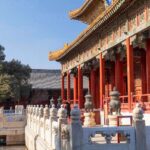
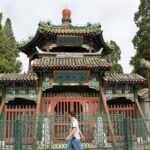
- What You’ll See: Altar Relics Across the Park’s Zones
- Sun Yat-sen’s Name on the Park: Why It Changes How You Read the Place
- Yu Garden Goldfish Watching and the Laijin Yuxuan Tea Stop
- How to Plan a Smooth 1-Day Visit Around Ticket Timing
- Who This Entrance Ticket Fits Best (and Who Might Skip It)
- Should You Book This Zhongshan Park Entrance Ticket?
- FAQ
- What is included in the Zhongshan Park Entrance Ticket?
- Does this ticket include a guided tour or hotel pickup?
- How much does it cost?
- How far in advance do I need to book?
- What information do I need to provide after booking?
- Where do I meet for entry?
- Do I need a passport?
Key Points to Know Before You Go

- Entrance ticket only: no tour guide, no hotel pickup, no meals
- Book one day ahead to secure the QR code
- Skip the ticket line at the entrance (with your QR)
- Meeting point is the entrance gate at Zhongshan Park
- It’s a self-guided visit through altar relics and garden spots
- Bring your passport for identity checks
Zhongshan Park: You’re Visiting a Ceremonial Altar Turned Park

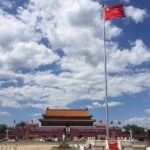
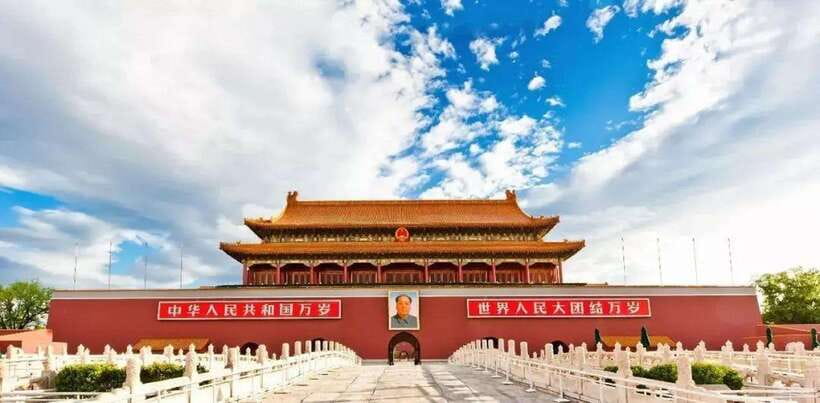
Think of Zhongshan Park as a “big formal site” that got re-purposed for public strolling. It sits in the center of Beijing, just west of Tian’anmen Square, covering 23.8 hectares—big enough that you’ll feel like you’re moving through different zones, not just one quick courtyard.
The core story starts with its earlier life as the Shejitan, or Altar of Land and Grain. It dates to 1421, built using the old imperial layout idea often described as left ancestral temple, right altar. In Ming and Qing times, emperors used the place for offerings connected to earth and agriculture—basically, linking imperial power with hopes for national harvests. When you walk around today, that grand purpose is still visible in the scale and structure.
Then in 1913, the altar was converted into a public park called Central Park. In 1928, it was renamed Zhongshan Park to honor Sun Yat-sen. That name shift is a clue for how to experience the park: you’re not only seeing old buildings, you’re also seeing how political meaning changed over time.
You can also read our reviews of more tours and experiences in Beijing

Price and Value: $12 for Entrance Only (Still a Solid Deal)
At about $12 per person, this ticket can be good value if you’re comfortable exploring on your own. The math is simple: you’re paying for admission to Zhongshan Park with a QR code that lets you enter with less friction.
What you aren’t getting is where the decision gets real. This option does not include:
- a guided tour
- hotel pickup and drop-off
- meals
So if you like having someone explain each hall and platform, you’ll feel the gap. On the other hand, if you enjoy reading a bit as you go, taking your time, and making your own pace, the lack of a guide isn’t a dealbreaker—it can even make the park feel calmer.
Also, because it’s self-guided, you control how long you stay. You can do a focused route through the altar buildings and call it a day, or linger among garden corners like Yu Garden and the Laijin Yuxuan teahouse area.
Where Entry Happens: Zhongshan Park Entrance Gate and Your QR
The meeting point is straightforward: Zhongshan Park Entrance Gate. For a ticket like this, that matters more than people think. If you show up without the right QR-ready setup, you’ll be stuck doing paperwork-style fixes while other visitors are already inside.
Here’s what you need to make entry smoother:
- Book at least one day before
- After booking, send your full name, passport number, and contact details
- Provide a valid email or WhatsApp so you can receive the ticket QR images
- Bring your passport
You’re also told the ticket is valid for 1 day, and you should check the available starting time options during booking. That means you’re not buying a vague “sometime today” pass—you’re tying your entry to the window shown when you reserve.
One practical caution: a past booking had an issue where the voucher didn’t line up with access control, and entry took around 30 minutes of discussion to resolve. It’s not guaranteed to happen, but it’s enough that I’d treat the first entry attempt like a “plan for delays” moment. If you’re going to pair Zhongshan Park with other sights nearby, give yourself buffer time.
What You’ll See: Altar Relics Across the Park’s Zones
This is where Zhongshan Park becomes more than just a pleasant walk. The ticket takes you into a place packed with older structures tied to its ceremonial purpose.
Based on what’s listed, look out for these highlights as you move around:
- Five-color Soil Altar
- Sacrificial Kitchen
- Sacrificial Storehouse
- Animal Sacrifice Pavilion
Even without a guide, you can use these as “waypoint targets.” They’re named like stops on a map for a reason: each one hints at how offerings worked in the old ceremonial system. If you’re the type who likes to understand what you’re seeing, pause near these structures and connect the dots: the park’s layout isn’t random—it’s shaped by the steps of a ritual.
A self-guided visit is also great for photography and slower observation. You can circle a building, step back for scale, then move on when you feel done. No pressure from a group timetable.
Possible drawback: because there’s no tour guide, you may not immediately know what parts to prioritize. If you want more meaning, I’d come prepared with a small plan—pick 3 to 5 “must-see” buildings (like the Five-color Soil Altar and Sacrificial Kitchen) and then let everything else be bonus.
Sun Yat-sen’s Name on the Park: Why It Changes How You Read the Place
Even if you’re not a politics person, the park’s renaming gives you a lens. The shift from Shejitan’s imperial offering role to a public space is major. In 1913, it becomes a public park. In 1928, it’s renamed for Sun Yat-sen, which tells you the park is now tied to a different story of national identity.
While you’re inside, look at your experience like this:
- Old structures still carry the “formal purpose” vibe
- The public-garden use changes the atmosphere around those same structures
- The name Zhongshan Park is a reminder that modern China remade older imperial spaces
That’s why this park can be satisfying even for people who don’t want a long museum day. It’s history you can physically navigate, without needing to sit through a lecture.


Yu Garden Goldfish Watching and the Laijin Yuxuan Tea Stop

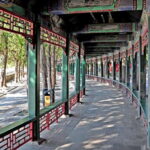
One of the most charming parts of Zhongshan Park is the mix of ceremonial relics with garden leisure. Yu Garden is a listed scenic area where you can watch precious goldfish. It’s the kind of stop that works well if you want a break from reading stone and architecture.
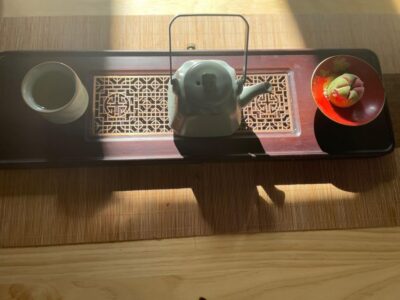
Then head toward the east side for Laijin Yuxuan, a century-old teahouse. The key benefit here is simple: you can reset without leaving the park. After walking among altar buildings, tea gives your body a chance to catch up while you still stay in the same calm environment.
If you’re trying to decide your route, I’d think in terms of energy:
- Walk the more “structured” altar sites first
- Then shift into lighter garden time at Yu Garden
- Finish (or pause) with the teahouse moment
That pacing keeps the visit from feeling like an endless loop of buildings.
How to Plan a Smooth 1-Day Visit Around Ticket Timing

This ticket doesn’t include guidance on a specific itinerary, but it does give you enough structure to plan your day sensibly:
- You have 1 day validity
- You’ll choose an entry window / starting time during booking
- You enter from the entrance gate
- You should expect identity checks with a passport
Here’s a practical way to build your day:
- Aim for a calm arrival near your chosen window. Since you’re using a QR for access, you don’t want to sprint to the gate at the last second.
- Start with the altar-focused stops (Five-color Soil Altar and the sacrificial buildings) so your attention is fresh.
- After you’ve walked the heavier “ceremony” elements, shift into Yu Garden and the teahouse area for a slower finish.
Also remember: you’re not getting hotel pickup. So if you’re staying far from central Beijing, your travel time is your variable. The park’s location west of Tian’anmen Square makes it easier to pair with other central sights—but only if you manage transit time well.
Who This Entrance Ticket Fits Best (and Who Might Skip It)
This is best for you if:
- you like self-guided exploring and want control over your pace
- you care about the park’s altar-and-garden layout more than you need a spoken explanation
- you’re already in central Beijing and want an easy add-on without hotel logistics
You might prefer a guided option elsewhere if:
- you want someone to translate what each altar structure means
- you hate figuring out a route without on-the-spot context
- you’re the kind of traveler who gets frustrated by QR ticket rules and want everything handled for you
The experience provider is listed as China Tour Guide, and in practice that likely means ticket QR delivery support. The broader “organizational” feel shows up in the overall rating, which includes examples of smooth organization—just don’t ignore the one access-control hiccup risk.
Should You Book This Zhongshan Park Entrance Ticket?
If your goal is a straightforward, central Beijing park visit with major altar relics and a couple of garden highlights, I’d say yes—this ticket can be a good value. The price is reasonable for entrance-only, and the QR system plus line-skipping claim can save you time if everything matches smoothly.
But make the call with clear expectations. You’re buying admission, not a narrative tour. If you want guided interpretation of the Five-color Soil Altar and the sacrificial buildings, plan to bring your own curiosity (or pair it with a separate guide elsewhere). And because entry depends on your passport details and the QR images sent to your email/WhatsApp, do the pre-booking admin carefully so you don’t lose time at the gate.
If that sounds like your style, Zhongshan Park is a satisfying way to spend a day in the middle of Beijing—part ceremonial site, part public garden, with goldfish watching and tea to balance it out.
FAQ
What is included in the Zhongshan Park Entrance Ticket?
You get admission ticket access to Zhongshan Park.
Does this ticket include a guided tour or hotel pickup?
No. It does not include a tour guide and it does not include hotel pickup & drop-off.
How much does it cost?
The price is listed as $12 per person.
How far in advance do I need to book?
You must book at least one day before to receive the e-ticket QR.
What information do I need to provide after booking?
Please send the visitor full name, passport number, and email or WhatsApp contact details for receiving the e-ticket QR images.
Where do I meet for entry?
The meeting point is Zhongshan Park Entrance Gate.
Do I need a passport?
Yes, you should bring a passport for entry.