REVIEW · BEIJING
Chinese Tea ceremony in Beijing Hutong courtyard
Book on GetYourGuide →Operated by Bayi Teahouse · Bookable on GetYourGuide
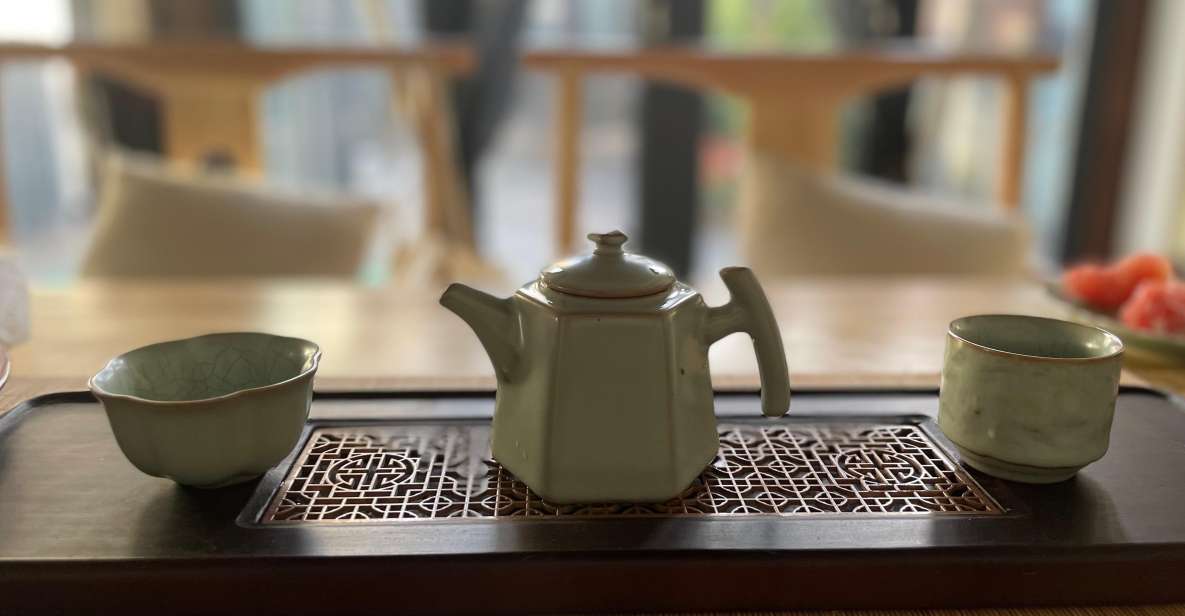
Tea in a Beijing courtyard hits different. This Beijing Hutong tea ceremony, run by Bayi Teahouse near the Forbidden City, lets you choose a tea style and drink one pot with complimentary snacks, plus a guided explanation of tea culture. I love the Hutong courtyard atmosphere and the chance to talk with local hosts like Limeng, who live the neighborhood rhythm. One thing to consider: there’s a separate 100 RMB per person charge that isn’t included in the base price.
What really makes it feel worth it is the format. You’re in a small group (up to 4 people) with an English-speaking instructor, so questions don’t get lost in the crowd. You also get real practice—brewing, serving, and how to hold the cup—so it’s more than a quick tasting stop.
In This Review
- Key things I’d plan around
- A Hutong Courtyard Tea Lesson Near the Forbidden City
- Picking Your Tea: Black, Green, Wulong, or Pu’Er
- Inside the 1-Hour Ceremony Schedule
- Why the Hutong-Hosted Part Feels More Real
- Tea Techniques You Can Use After You Leave
- Price and Value: What $31 Includes (and What Might Cost Extra)
- Who Should Book This Hutong Tea Ceremony
- Getting the Most Out of Your Visit
- Should You Book This Chinese Tea Ceremony in a Beijing Hutong Courtyard?
- FAQ
- How long is the Chinese tea ceremony?
- Where is it located in relation to the Forbidden City?
- What types of tea can I choose from?
- Is the ceremony taught in English?
- How many people are in the group?
- Is pickup included, and where do I wait?
- Is the 100 RMB charge included in the price?
- Can I get a refund if I cancel?
Key things I’d plan around
- 150 meters from the Forbidden City east gate: easy add-on to a day of major sights.
- Pick one pot from black, green, wulong/oolong, or Pu’Er: you’re not stuck with a single tea.
- Courtyard time with a family host: you’ll get more than facts; you’ll get daily-life stories.
- Up to 4 participants: the pace stays calm and interactive.
- Complimentary snacks with your tea: small, but it helps you taste more thoughtfully.
- English instruction plus tea ritual guidance: you’ll leave knowing what to do next time you brew.
A Hutong Courtyard Tea Lesson Near the Forbidden City
Beijing has a way of stacking experiences close together. This one is set in a traditional Hutong courtyard area, yet it’s still only about 150 meters from the Forbidden City’s east gate. That means you can do the big-ticket sightseeing first, then cool down with something slower, quieter, and very local.
The courtyard setting matters. It’s the opposite of the sightseeing sprint. Instead of flashing lights and tour groups moving in a line, you sit where people actually live and where tea is part of everyday culture. The host experience is a big part of that. You’re not just chatting with someone who studied tea somewhere. You’re talking with local hosts who have family roots tied to the courtyard life, the kind that lasts for generations.
It also helps that this isn’t a huge group experience. With a maximum of 4 participants, the mood stays personal. You can ask follow-up questions, and the instructor can adjust explanations to match what you’re curious about (flavor, brewing steps, what to choose, or why the ceremony is done a certain way).
Finally, it’s not hard to fit into your day. The tea workshop is also listed as around 800 meters west of the Forbidden City exit gate, so you can plan a simple route without long detours.
You can also read our reviews of more tours and experiences in Beijing.

Picking Your Tea: Black, Green, Wulong, or Pu’Er
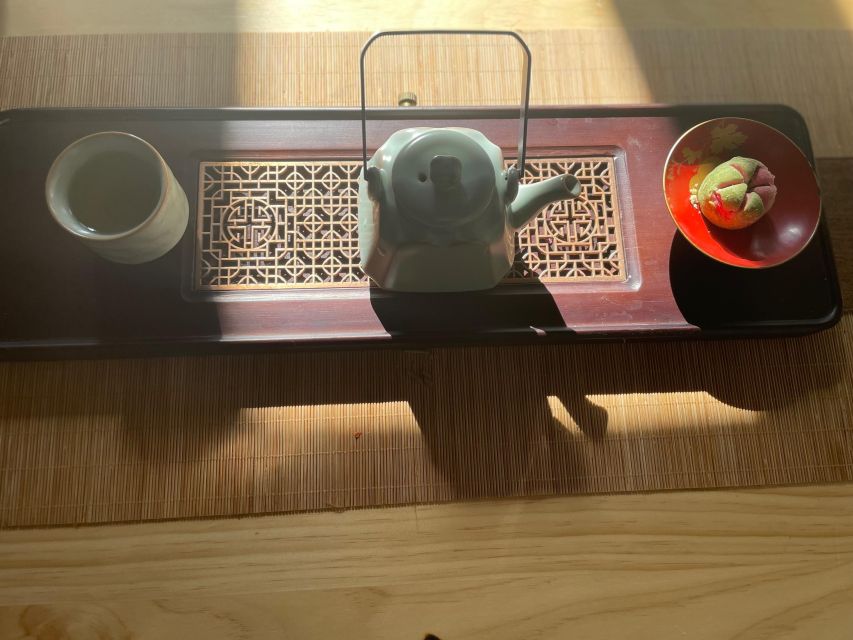
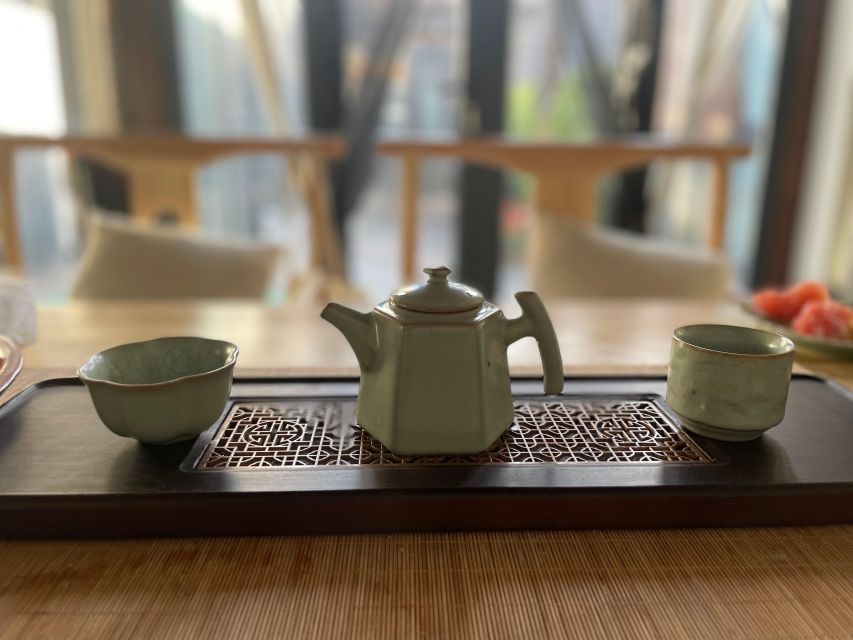
This ceremony gives you choice. You’ll be served one pot of Chinese tea, and you can select from black tea, green tea, wulong (oolong), and Pu’Er. That’s a good spread because these teas taste different for reasons you can actually learn and then detect.
If you’re new to tea, black tea tends to feel straightforward—comforting and rich. Green tea is usually lighter and can taste more grassy or crisp. Wulong is the sweet spot for many people because it often balances floral notes with deeper roasted or oaky flavors. Pu’Er is its own category: it can be earthy and aged, and it’s the one that surprises people who expected all tea to taste the same.
The ceremony includes an explanation of tea culture and knowledge while you’re drinking. You’ll get context that helps the tasting make sense, like how the brewing process changes aroma and flavor. Even if you don’t become a tea expert by the end of the hour, you should leave with a clearer idea of what you like and why.
Also, tea isn’t presented as a background detail. The tasting is the center of the experience, and the guide’s job is to help you notice what you’d otherwise miss—how the tea behaves when prepared correctly, and how different teas can feel like different moods.
Inside the 1-Hour Ceremony Schedule
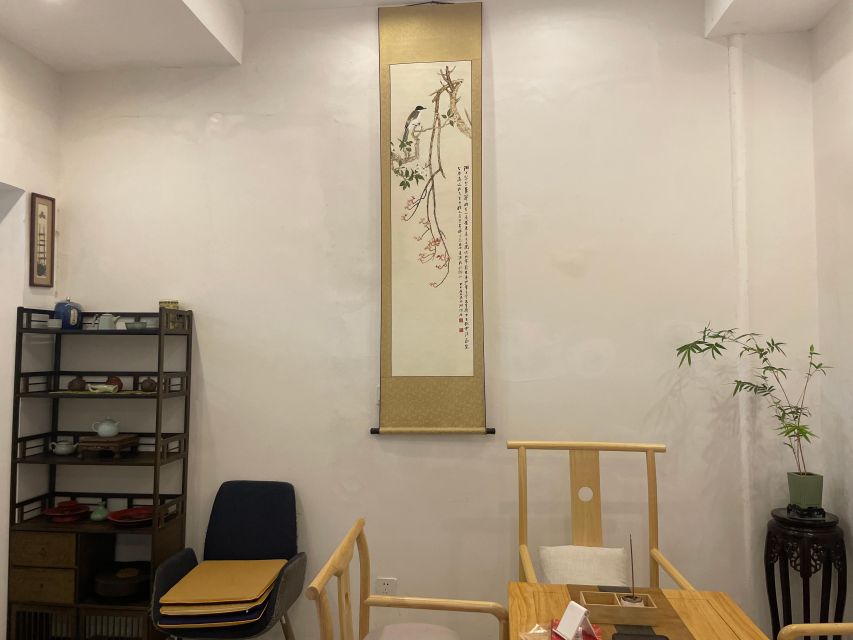
Think of the session as three parts: settling in, learning the ritual, and tasting with guidance.
First, you’ll be welcomed into the Hutong courtyard setting and led into the tea ritual. You then choose your tea style, and the host/instructor walks you through what’s in front of you and what you should pay attention to. The goal isn’t to overwhelm you with terminology. It’s more like: here’s what you’re drinking, here’s how it should be brewed, and here’s how to enjoy it the intended way.
Next comes the brewing and serving guidance. You’ll hear about tea culture—how tea has been part of social life, what the ceremony is trying to accomplish, and the logic behind the steps. Several people come in expecting to just sip. Instead, you practice the basics. Learning how to brew properly is a skill, not just a story.
Then you enjoy the tea with complimentary snacks. That snack pairing is small but useful. It gives your palate something to reset against, so you can taste more clearly. It also keeps the session from feeling like a pure lecture. You get flavor moments, quiet moments, and a chance to chat.
One detail that shows up in real-life experiences here: after the tea time, you may also get a short walk in the nearby Hutong lanes, close to major landmarks. It’s the kind of add-on that helps you switch gears from ceremony calm back into Beijing street life without jumping straight into traffic and crowds.
Why the Hutong-Hosted Part Feels More Real
Plenty of Beijing experiences involve culture in name only. This one tends to work better because the host presence is tied to courtyard life. You’re not just watching a performance. You’re meeting people who live with the space and the routines.
That local contact is where the experience becomes more than tea. Hosts often share stories about the courtyard and daily life—how people carry on traditions, how tea fits into gatherings, and what daily living in this part of Beijing is like. When you get that conversation element, the ceremony stops being a museum exhibit and starts feeling like a living practice.
You also get practical, human guidance. For example, some visitors highlight how warm the exchange feels and how easy it is to ask questions. In English, that matters. Tea culture is full of small meanings, and having an English-speaking instructor helps you connect the ritual steps to what they represent.
One name that comes up in the experience is Limeng—mentioned as a friendly host with strong English communication and thoughtful conversation. If your session includes Limeng, expect a lot of helpful context and a relaxed chat tone.
Tea Techniques You Can Use After You Leave
If you want a souvenir, this isn’t a thing. It’s the knowledge you can carry into your next cup of tea at home.
The most useful part is usually the brewing and serving practice. Many people arrive thinking tea is simple: hot water, steep time, done. But the ceremony helps you see that brewing is about timing, temperature, and technique—because those details shape taste.
You’ll also hear about how to drink tea properly in the Chinese ritual style. That includes small gestures, like how to hold a cup gracefully. It sounds tiny until you try it. Then you realize it changes the pace of your tasting. You sip slower. You notice aroma. You stop treating tea like a quick caffeine stop.
There’s also the habit of learning what tea fits different moments and seasons. Some people walk away with clear ideas about selecting tea based on the time of year and what they want to feel. The ceremony frames this as cultural knowledge, not medical claims, but the “why” behind tea choices helps you understand the logic of the tradition.
Even if you don’t remember every detail, you should remember the main takeaway: tea isn’t just a drink; it’s a ritual with steps for a reason.
Price and Value: What $31 Includes (and What Might Cost Extra)
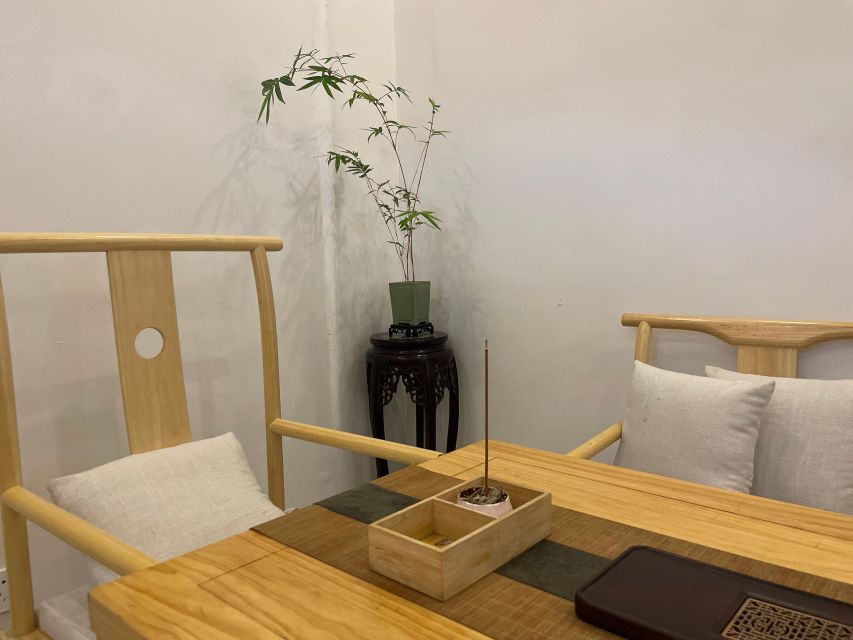
At $31 per person, the base price looks reasonable for a 1-hour small-group cultural activity near the Forbidden City. But you should watch one important line: the experience lists an additional 100 RMB per person charge that isn’t included.
So the real value question is simple: are you comfortable paying the extra on top of the ticket price? If yes, you’re paying for a controlled, small-group session with local hosting, one pot of tea you choose, snacks, and English explanation.
If you’re traveling with a group and you’re budget-tight, do the math before you book. One reviewer noted it felt like a steep price for a family of four, even though the experience didn’t disappoint. That matches the reality here: the activity value is strong, but the overall cost can rise quickly once the extra RMB charge is added.
My practical advice: plan for the full cost. If you’re paying in RMB on site, have some cash ready. Also, confirm what the 100 RMB is used for and whether it’s charged every time for every participant before you go. That one question prevents surprise budgeting.
Who Should Book This Hutong Tea Ceremony
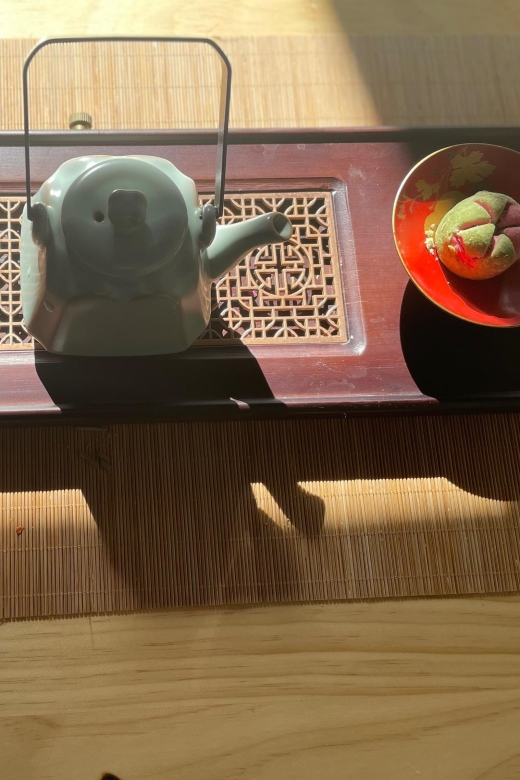
I’d recommend this if you like:
- Quiet cultural experiences that don’t feel scripted.
- Tea as a skill, not just tasting.
- Small group attention where you can ask questions.
- A nearby activity to the Forbidden City that doesn’t turn into another crowded line.
If you’re not a tea person, you can still enjoy it. Some visitors who didn’t come in as tea lovers still found the teas tasty and focused more on conversation and ritual than on strict tea nerd learning.
You might skip it if:
- You mainly want big sightseeing and don’t care about tasting/ritual.
- You’re strongly budget-driven and don’t want any extra on-site charge.
- You prefer experiences with more active movement. This is calm, seated time.
Getting the Most Out of Your Visit
Because the location is so close to major landmarks, you’ll want to pair it smartly. Do it at a moment when you can slow down.
If you’re touring the Forbidden City area, consider a plan like:
- Go early or late for sightseeing, then use the tea ceremony as a reset.
- Or do tea first, then walk into the heavier crowds with a clearer head.
Also, go in with a small mindset shift. Don’t treat tea like a beverage you can quickly rate. Treat it like something you’re learning to taste. Ask your instructor what to notice about each tea type. If you ask questions, you’ll get more from the hour than if you just sit back and wait for the “tea tour” part to happen.
Finally, since the experience is run in English and in a small group, it’s a good place to bring questions about what you’re seeing around Beijing—how tea culture connects to daily life in courtyards, and why these rituals keep going.
Should You Book This Chinese Tea Ceremony in a Beijing Hutong Courtyard?
If you want an hour that feels local, calm, and thoughtfully guided, I think you should book it. The combination of Hutong courtyard setting, small group size, tea choice, and host conversation makes it more than a standard tasting.
I’d just go in prepared for the extra 100 RMB per person charge so the final cost feels fair. If you’re okay with that, this is a strong value way to experience Chinese tea culture right where Beijing residents have long lived their daily lives.
FAQ
How long is the Chinese tea ceremony?
The experience lasts 1 hour.
Where is it located in relation to the Forbidden City?
It is about 150 meters from the east gate of the Forbidden City, and it is also listed as about 800 meters west of the Forbidden City exit gate.
What types of tea can I choose from?
You can choose from black tea, green tea, wulong (oolong) tea, and Pu’Er tea.
Is the ceremony taught in English?
Yes. The instructor provides English instruction.
How many people are in the group?
It is a small group limited to 4 participants.
Is pickup included, and where do I wait?
Pickup is included. You should wait in your hotel lobby 10 minutes before the scheduled pickup time.
Is the 100 RMB charge included in the price?
No. The experience specifies that it will charge 100 RMB per person, and this is not included.
Can I get a refund if I cancel?
Yes. Free cancellation is available up to 24 hours in advance for a full refund.