REVIEW · BEIJING
Beijing:Bullet Train Tour to Hanging Temple&Yungang Grottoes
Book on GetYourGuide →Operated by Fun Beijing Travel · Bookable on GetYourGuide
A cliffside temple in one day feels like a magic trick. This tour strings together two major stops—Hanging Temple and UNESCO Yungang Grottoes—with the convenience of a bullet train and private guiding. I especially like how the day mixes big-photo moments with actual explanations, so you don’t just look—you understand what you’re seeing.
The other standout for me is the logistics: hotel pickup, a driver who stays with you through the station process, then another guide on arrival in Datong. One drawback to keep in mind: it’s a long day (door-to-door often stretches 10–13 hours), and the Hanging Temple involves sections where comfort with heights matters.
In This Review
- Key Things I’d Block Off in Your Calendar
- The Big Idea: Two UNESCO Stops, One Bullet Train Day
- Beijing to Datong: Smooth Transfers That Save Your Sanity
- Hanging Temple: The Cliffside Temple That Feels Like a Photograph
- A practical note if heights affect you
- Time and pacing reality
- Yungang Grottoes: 252 Caves and 5th-Century Art With Big Range
- What makes the visit worth it
- The Day’s Flow: How the Tour Keeps You From Being Tired and Lost
- Price and Value: Why This One Is Actually Built for Convenience
- The deposit detail you should know
- What’s Included vs. What You Need to Handle
- Who This Tour Fits Best
- Small Things That Can Matter on This Itinerary
- Should You Book This Beijing to Datong Day Trip?
- FAQ
- How long is the tour?
- Is the bullet train included?
- What does the price include?
- Is food included?
- Do I need a passport or ID?
- Is there a deposit for train tickets?
Key Things I’d Block Off in Your Calendar
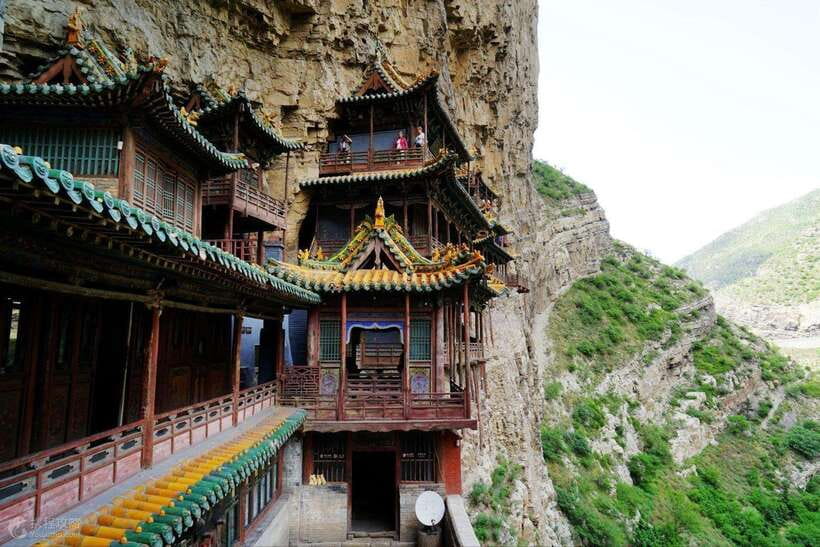
- Two UNESCO hits in one go: Hanging Temple plus Yungang Grottoes in the Datong area
- Train tickets handled for you with advance ticket support and private pickup/drop-off
- A guided, photo-friendly pace so you’re not rushing through either site
- Cliff-temple details: built in 491 A.D. and perched more than 50 meters above the ground
- Grottoes with scale you can’t fake: 252 caves and about 51,000 statues across the complex
- Private flow: dedicated guides in English/Chinese and drivers moving you between stations and sights
The Big Idea: Two UNESCO Stops, One Bullet Train Day
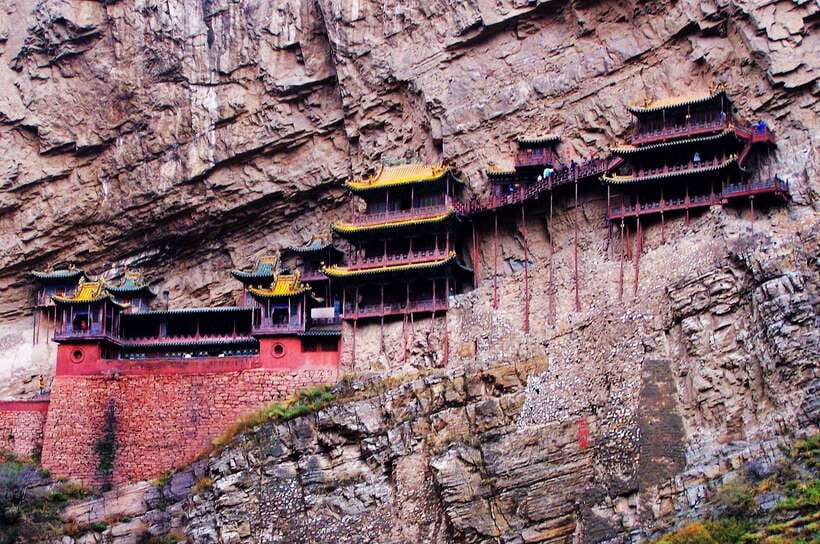
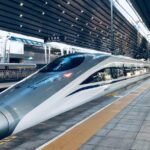
This trip is built for people who want a serious cultural day without turning it into a logistics project. You’re based in Beijing, then you pop over to Datong on a bullet train—about 2 hours—to see the Hanging Temple and Yungang Grottoes. That structure matters because it saves you from overnight travel and lets you spend your energy on the sites themselves.
The tour is also designed for first-timers. You get enough context to connect the dots: what makes a temple “peril, workmanship, and miracle,” and why Yungang’s carvings matter in the story of Buddhism in China. And because it’s private, you can move at a steadier pace than many group tours.
You can also read our reviews of more tours and experiences in Beijing.

Beijing to Datong: Smooth Transfers That Save Your Sanity
You start with pickup from your Beijing downtown hotel. Your driver meets you in the lobby holding a sign with your name, then handles the transfer to the station. The key point here isn’t just “transport”—it’s that the driver accompanies you to the right waiting area and helps ensure your tickets are correct before you board.
Then you ride the bullet train to Datong on your own (about 2 hours). When you arrive, your local tour guide greets you at the station and walks you through the itinerary en route to your first stop.
This is one of those unsexy advantages that really affects your day. When transfers are simple, you can stay present for the sights instead of burning mental bandwidth on schedules, platforms, and ticket questions.
Hanging Temple: The Cliffside Temple That Feels Like a Photograph
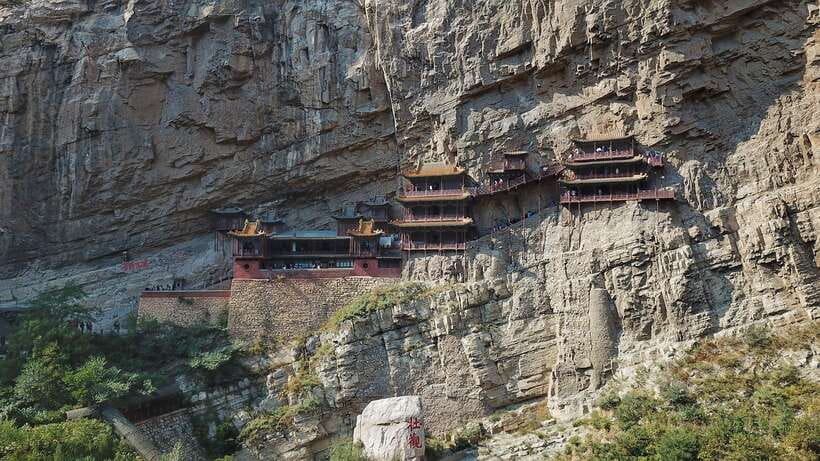
The Hanging Temple is the main “wow” stop of the day, and it earns it. It’s described as the only temple that has hosted worship for Taoists, Confucians, and Buddhists. Built in 491 A.D., it’s famous for its architecture: it’s mounted on the west cliff of Jinxia Gorge, more than 50 meters above the ground.
What I like about this stop is that it isn’t just a view. It’s a place with a built-in story. The temple’s reputation rests on those three ideas—peril, workmanship, and miracle—and your guide’s job is to make those words concrete. You’ll get explanations tied to the design and setting, plus the background that helps you understand why the temple’s position became such a symbol.
A practical note if heights affect you
Because the temple is literally on a cliff, comfort with heights matters. One highlight from prior visitors is how guides focus on safety and pacing on the approach areas, especially for people who aren’t thrilled by vertigo. If that’s you, tell your guide early—then expect a slower, more careful rhythm.
Time and pacing reality
You’ll have time to explore with your guide and stop for photos. But you’re also on a day plan that continues to Yungang afterward, so it’s not the kind of visit where you linger for hours and hours. Think “meaningful circuit,” not “wandering all afternoon.”
Yungang Grottoes: 252 Caves and 5th-Century Art With Big Range
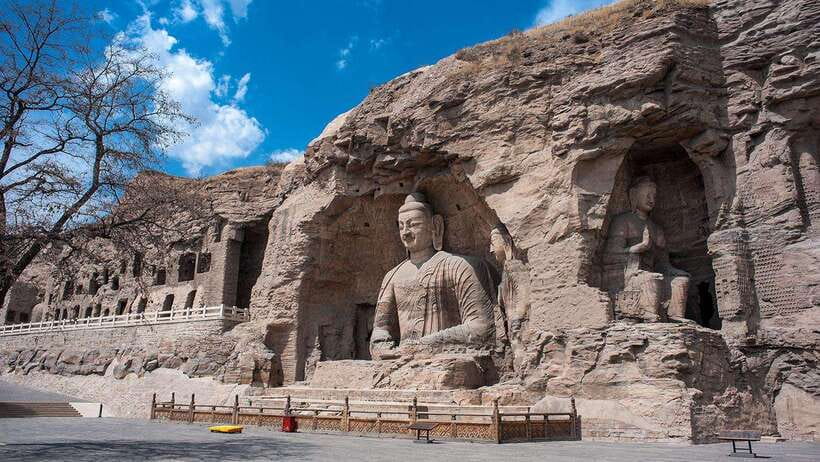
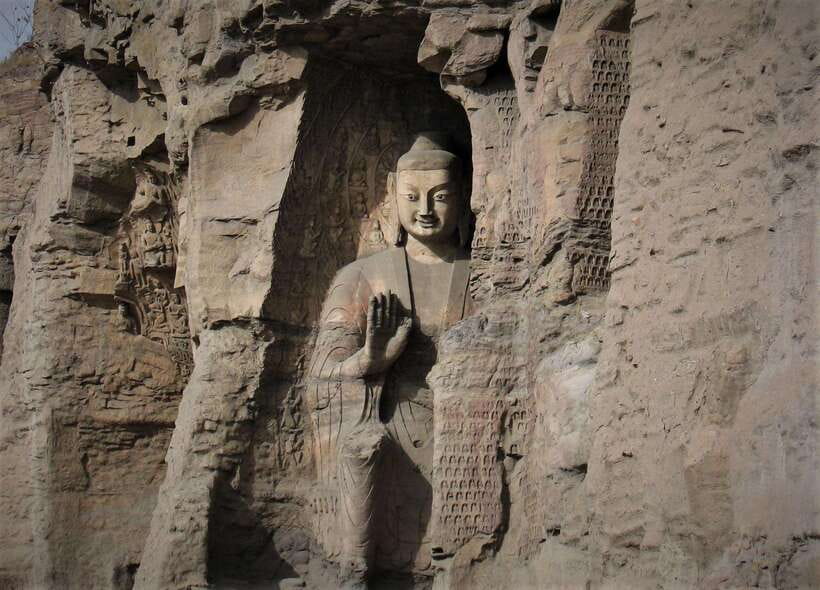
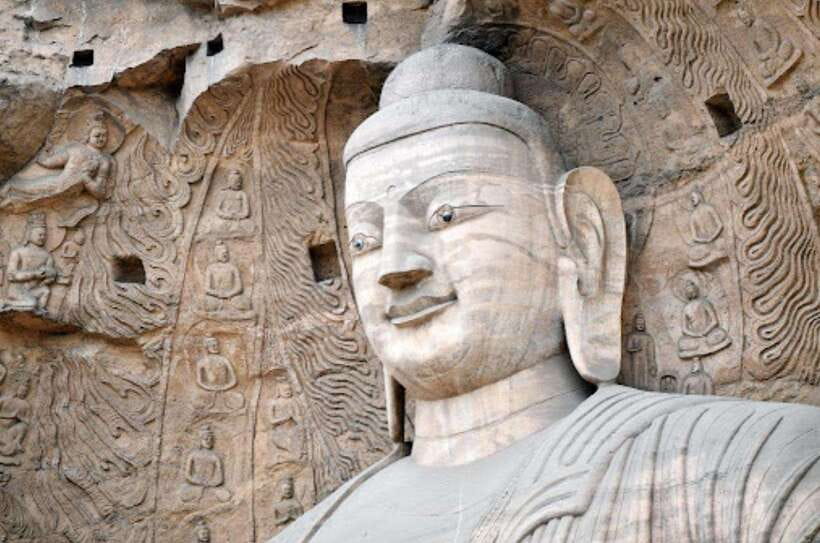
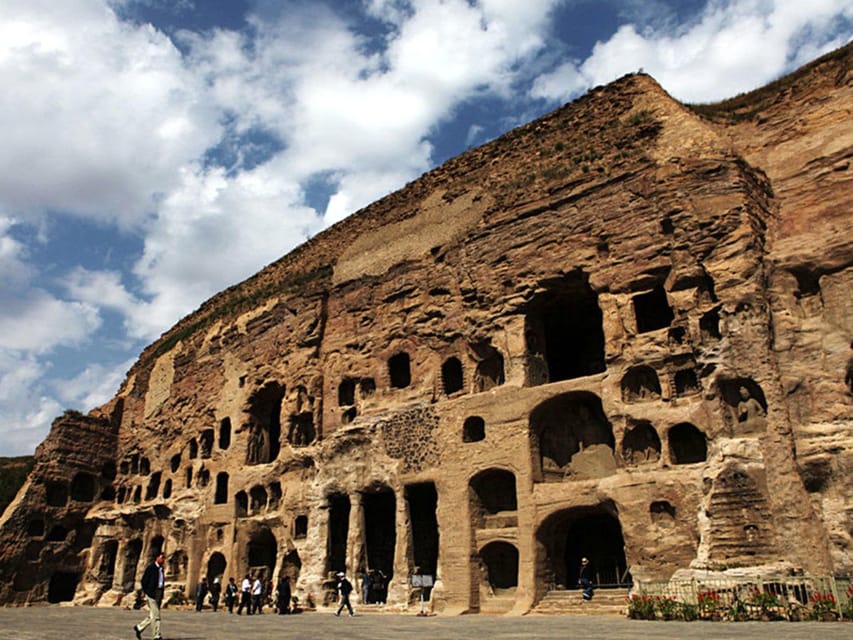
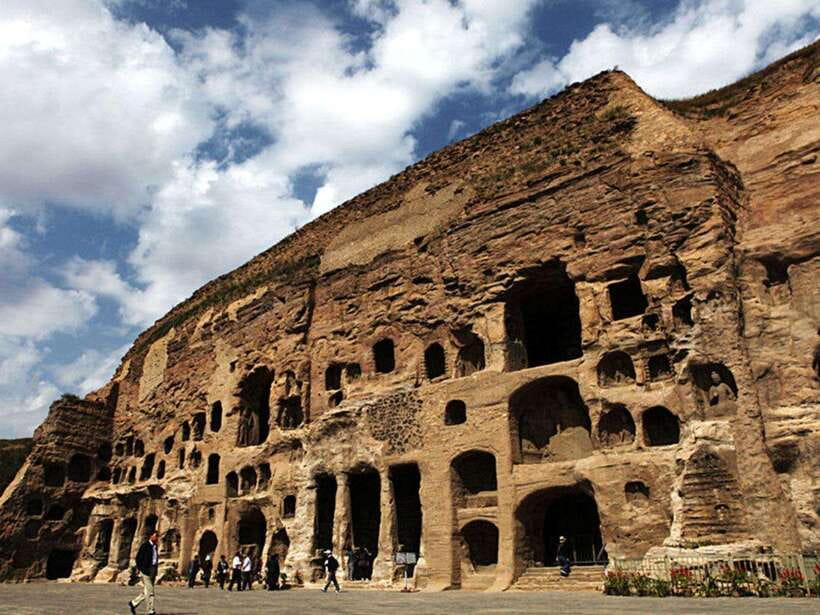
After Hanging Temple, you drive about 1.5 hours to Yungang Grottoes. This UNESCO site is often grouped with the other famous grotto clusters of China—Mogao Grottoes of Dunhuang and Longmen Grottoes of Henan—yet Yungang has its own signature look.
Here are the scale markers that help you mentally prepare:
- 252 caves
- roughly 51,000 statues
- art tradition starting in the 5th century CE under imperial auspices
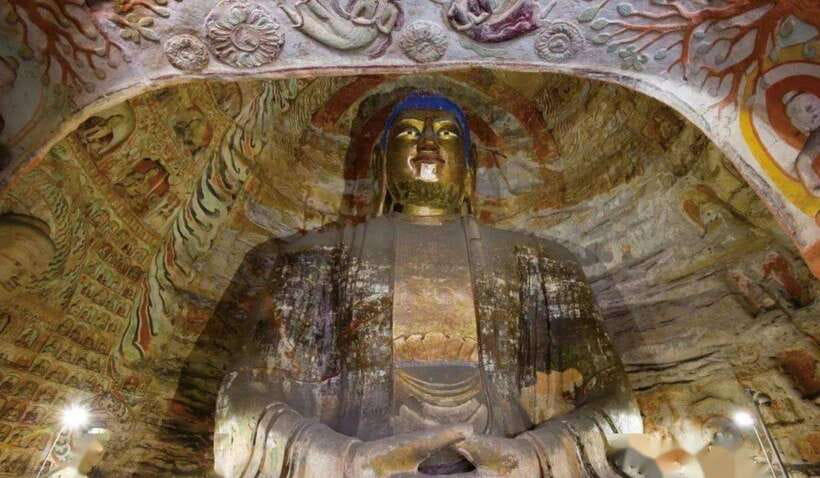
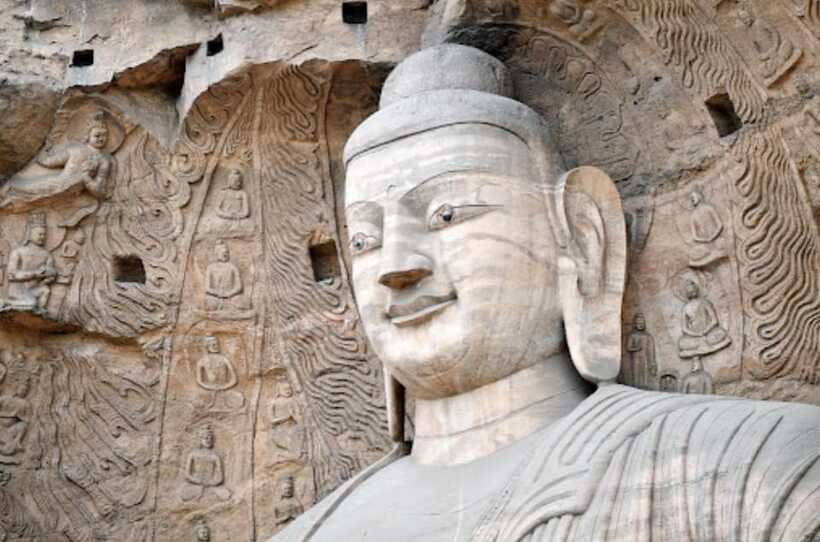
Your guide will connect the artistic dots. Yungang is described as a fusion: Buddhist religious symbolic art drawn from South and Central Asia blended with Chinese cultural traditions. That combination is the reason it’s more than a collection of carvings. It represents cultural exchange in stone, showing how belief systems and artistic techniques traveled and then got remade locally.
What makes the visit worth it
A lot of people think grottoes are all the same kind of sightseeing—quiet, dim, then you move on. Yungang works differently because the guide’s commentary helps you notice differences, not just shapes. The caves become a timeline you can walk through, even if you can’t see every detail in one day.
You’ll also get photo opportunities as part of the tour. Grottoes are best when you treat photos like a second purpose—not the only purpose. Your guide’s explanations make those pictures more useful later.
The Day’s Flow: How the Tour Keeps You From Being Tired and Lost
The tour is structured end-to-end, not in random chunks. Here’s the rhythm you can expect:
- Pickup in Beijing → transfer to station
- Bullet train to Datong (about 2 hours)
- Local guide meets you → explains itinerary
- Hanging Temple exploration with commentary
- Drive to Yungang Grottoes (about 1.5 hours)
- Return to Datong station after the tour
- Bullet train back to Beijing → hotel drop-off
The private setup matters because it reduces stress at the exact moments that usually cause problems: station navigation and connection timing. Your driver handles the “don’t-miss-it” parts, and the guides take over for the sites so you can focus on learning.
Also, bottled water is included, which sounds small until you’re doing a full day and you realize you don’t want to hunt for drinks between stops.
Price and Value: Why This One Is Actually Built for Convenience
At $348 per person for a 10-hour tour, it might look pricey at first glance—until you list what you’re getting for that cost.
This price includes:
- Round-trip bullet train tickets
- hotel pickup and drop-off
- private vehicle transport
- professional guide
- entrance fees
- bottled water
Food is not included, so you’ll need to plan for meals on your own. But the rest is the big-ticket part: trains and admission. In practice, those two things are exactly what can multiply costs and headaches when you DIY this trip.
Another value factor: it’s a private group. That usually means you don’t have to squeeze your timing around a big schedule. Your guide can adjust pacing to your group, especially helpful at a cliffside site.
The deposit detail you should know
To secure the train tickets, you’ll need a deposit (the information you’re given may list it as 50 USD or 100 USD per person, depending on the booking wording). You should expect it to be refunded on the tour day if everything proceeds as planned. If you purchase tickets and then cancel the tour, the deposit refund may not be available. This is the one part to read carefully before you confirm.
What’s Included vs. What You Need to Handle
This is a tour where the “heavy lifting” is taken care of, but you still control your comfort.
Included:
- Professional guide(s)
- entrance fees
- private vehicle transport
- round-trip bullet train tickets
- bottled water
- pickup/drop-off from your hotel
Not included:
- food
Bring:
- your passport or ID card (and you may also need a photocopy of everyone’s passport for ticket purchase)
If you’re the type who hates scrambling, you’ll appreciate that most of the key costs and logistics are already built in. Just remember you’ll still need to budget for meals.
Who This Tour Fits Best
I’d point this tour toward three kinds of travelers:
- First-time visitors in China who want major sites in a single day but still want real context from a guide.
- People who prefer private pacing and hate station confusion.
- History and art lovers who don’t want to choose between a cliff temple and a large grotto complex.
If you’re traveling with limited time in Beijing, it’s a practical way to expand your trip north without losing an entire day to travel chaos.
Small Things That Can Matter on This Itinerary
A few practical considerations based on how the day works:
- It’s long. The tour is listed as 10 hours, but with door-to-door transfers it can stretch to about 10–13 hours. Plan your energy like it’s a full day trip, not a short excursion.
- Comfort with heights. Hanging Temple is on a cliff. If that’s a concern, tell your guide and move slowly.
- Bring your ID. You’ll need it, and a passport photocopy is required for ticket purchase. Don’t assume your booking team has everything.
- Food planning. Since meals aren’t included, have a simple plan—especially if you’re picky or have dietary needs.
Should You Book This Beijing to Datong Day Trip?
If your goal is to see both Hanging Temple and Yungang Grottoes without spending days figuring out trains, admissions, and transfers, then this tour is a strong fit. The main reasons to book are the combo: bullet train convenience + guides at both ends of the sightseeing + entrance fees included. That’s what turns a faraway UNESCO day into something you can actually enjoy.
I’d think twice only if you’re highly sensitive to long days or you know the Hanging Temple’s cliff setting will stress you out. If those aren’t your issues, this is the kind of itinerary that gives you big cultural payoff with minimal guesswork.
FAQ
How long is the tour?
The tour is listed as 10 hours, but including door-to-door transfers it may run about 10–13 hours.
Is the bullet train included?
Yes. Round-trip bullet train tickets are included, and ticket support is provided in advance.
What does the price include?
It includes a professional guide, hotel pickup and drop-off, private transport, entrance fees, bottled water, and round-trip bullet train tickets.
Is food included?
No. Food is not included, so you’ll need to plan for meals on your own.
Do I need a passport or ID?
Yes. You should bring your passport or ID card. A photocopy of everyone’s passport is required to purchase the train tickets.
Is there a deposit for train tickets?
Yes. A deposit is required to secure train tickets (listed as 50 USD or 100 USD per person depending on the booking info). It is refunded during the tour day, but if you cancel after tickets are purchased, the deposit refund may not be available.