REVIEW · BEIJING
6-Hour Private Beijing Tour: Flower and Fish Market, Panjiayuan Antique Market and 798 Art Zone
Book on Viator →Operated by Unique Beijing Tours · Bookable on Viator
Markets here are the real Beijing. In six hours you’ll move from the Shilihe Flower, Fish and Insect Market to the Panjiayuan Antique Market, then finish at the 798 Art Zone—perfect if you want shopping and art without doing it the hard way. One thing to consider: the time per stop is about an hour, so you’ll want to move with purpose (or ask your guide to adjust the pace).
What makes this work well is the setup. You choose a start time (9am, 11am, 12pm, or 1pm), get hotel pickup and drop-off by private vehicle, and you travel with a private English-speaking guide who can translate what you’re seeing into something you can actually use. There’s also bottled water, plus a meal break that fits your schedule (Chinese lunch for morning starts, dinner for afternoon starts).
In This Review
- Key highlights worth planning for
- A Six-Hour Private Mix of Beijing Markets and 798 Art Zone
- Price and What You Get for $158
- Pickup Timing and How to Plan Your Day
- Stop 1: Shilihe Flower, Fish (and Insect) Market—Color With Purpose
- Stop 2: Panjiayuan Antique Market and Weekend Specialties
- Stop 3: 798 Art Zone—Contemporary Creativity Between Shops and Galleries
- Lunch or Dinner Break: A Simple Way to Keep the Pace
- Your Private Guide Makes or Breaks This One
- Shopping Notes, Bargaining Tips, and What to Watch For
- Getting Around and Comfort in Beijing’s Weather
- Who Should Book This Tour (and Who Might Skip It)
- FAQ
- How long is the Beijing private tour?
- What are the pickup times?
- Is lunch or dinner included?
- Do I need to pay for admission to the stops?
- Is this a private tour?
- What is the cancellation window?
Key highlights worth planning for
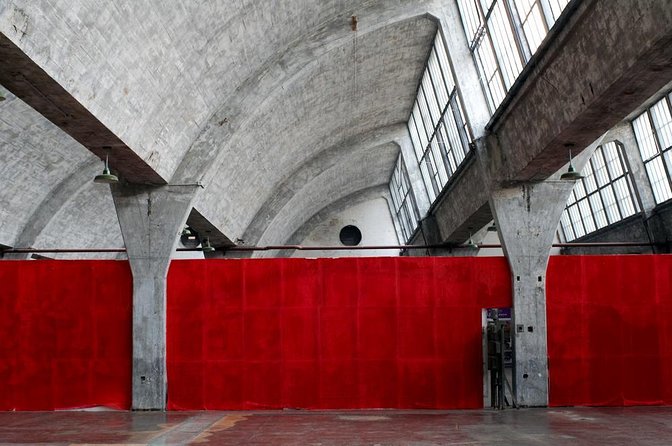
- A three-stop Beijing mix: old-school markets plus modern creativity at 798
- Private guide support that helps you read stalls, not just walk through them
- No entry fees at the stops (all marked free on the tour info)
- Panjiayuan gets better on weekends, when more local vendors show up
- Meal timing matches your start time, so you don’t end up hungry and cranky
A Six-Hour Private Mix of Beijing Markets and 798 Art Zone
This tour is basically a Beijing reality check in the best way. You’re not doing museum-on-rails. You’re watching daily commerce at the Shilihe market, flipping through the hunt-for-treasures vibe of Panjiayuan, and then stepping into 798, where contemporary galleries, shops, and cafés take over the scene.
The flow matters. You start with the loudest, most sensory stop—colorful fish and flower stalls are visually intense—and then you shift into antiques and small crafts, where you can slow down and ask questions. Finally, 798 is a change of texture: lots of independent spaces, design-forward boutiques, and art browsing that feels more relaxed than bargaining for a souvenir.
The private part is the difference. With a guide, you’re not guessing what’s worth looking at, or what’s just decorative clutter. Even the most confident bargain shoppers usually hit a language wall. Here, you get context and translation so you can shop with your eyes open, not just your wallet ready.
You can also read our reviews of more private tours in Beijing
Price and What You Get for $158
At $158 per person, this isn’t the cheapest way to see Beijing. But it is good value for a specific reason: you’re paying for time saved and friction removed.
You’re getting:
- hotel pickup and drop-off
- private vehicle transport
- a private guide
- bottled water
- a scheduled meal break (Chinese lunch or dinner depending on your start time)
If you were doing this alone, you’d spend time figuring out which markets are best on the day you go, how to get there efficiently, and how to ask questions once you’re standing in front of vendors. The guide reduces that guesswork fast. Reviews highlight that the guide’s explanations—market context, what people are buying, how to approach shops—make the day feel structured even when the browsing is chaotic.
One practical note: because the tour is six hours total, it’s not designed for deep, slow shopping marathons. If you’re the type who wants to inspect every item like you’re on an antiques documentary, you may want a longer tour or to plan a follow-up hour on your own.
Pickup Timing and How to Plan Your Day
You can start at 9am, 11am, 12pm, or 1pm, and pickup happens directly from your Beijing hotel. That flexibility is handy. Morning starts tend to pair better with an included Chinese lunch and then an easy transition into 798 later. Afternoon starts often mean you’ll be working into dinner at a local restaurant before heading back.
Because each stop is roughly one hour, you should think of the day as three guided browsing sprints. If you start at 12pm or 1pm, you’ll likely want to keep your energy up—markets are visually packed, and 798 can tempt you to linger.
Dress for comfort over style. The tour runs in all weather conditions, so bring layers you can handle in rain or dust or cold. Also, wear shoes you can walk in. Flower and fish markets especially can be tight and crowded, with plenty of narrow aisles and people stopping to look closely.
Stop 1: Shilihe Flower, Fish (and Insect) Market—Color With Purpose
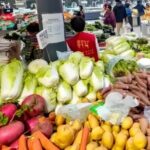
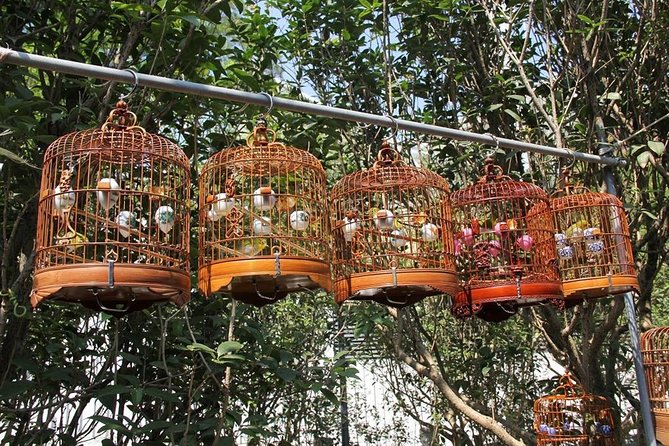
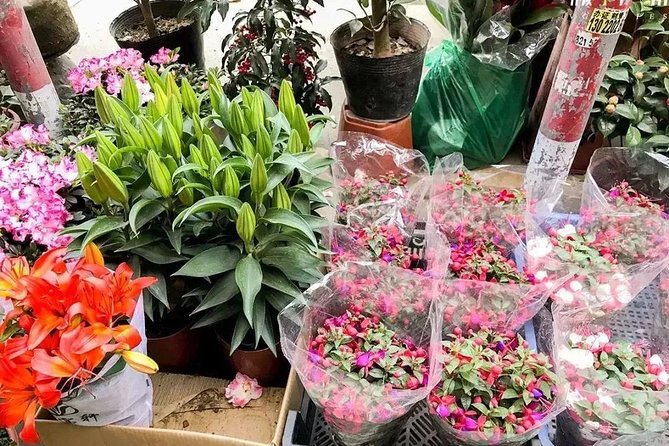
Shilihe is where the senses get turned up. You’re looking at stalls selling flowers and plants, colorful fish, and even insect-related items. Add in precious stones that vendors display, and you get a scene that feels part market, part living collection.
What I like about this stop is that it’s not just shopping—it’s a window into everyday Beijing. The market shows what locals actually buy and discuss: healthy-looking plants, vibrant aquarium fish, and the way sellers present their products with confidence. With a guide, you can ask the questions that matter instead of walking away with only vague impressions.
Here’s what to watch:
- The sheer variety can feel overwhelming at first. Let your guide point you toward what’s most interesting.
- If you’re hoping to buy something, ask how people typically transport it. The tour doesn’t spell out shipping or handling rules, so it’s smart to clarify before you purchase.
- Keep an eye on what’s for display versus what’s available for sale. Markets like this often have both.
Even if you don’t buy, this stop is worth the time. It’s one of the easiest ways to see a side of Beijing that most visitors skip because it isn’t on a postcard list.
Stop 2: Panjiayuan Antique Market and Weekend Specialties
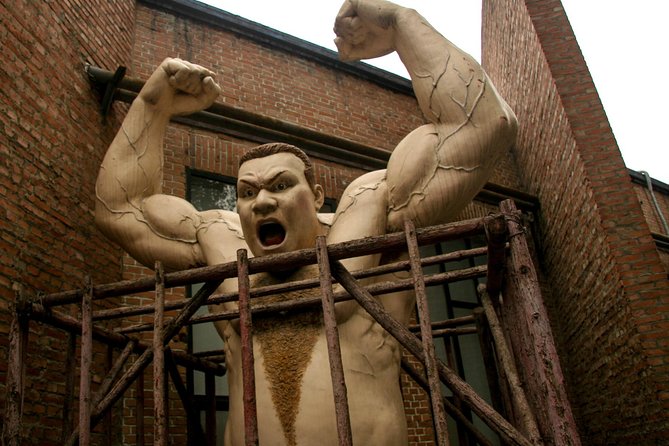
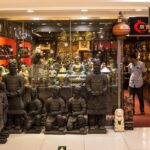
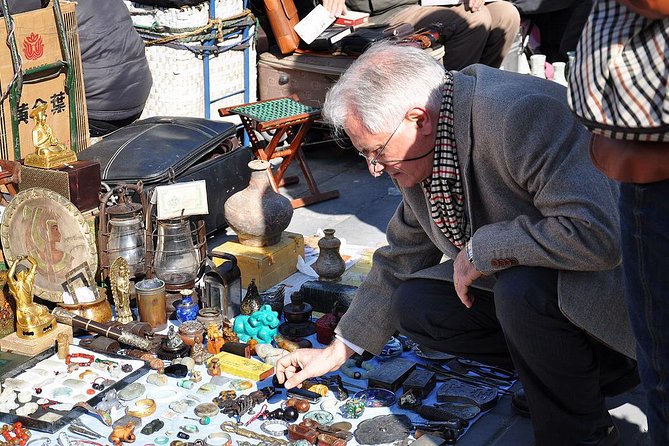
Panjiayuan is the place for the hunt: jewelry, ceramics, calligraphy items, teapots, ethnic clothing, Buddha statues, paper lanterns, and even Cultural Revolution memorabilia. You’ll also see older pieces such as Ming- and Qing-era furniture. It’s a lot to take in, which is exactly why a guide helps.
Panjiayuan can be lively most days, but it’s especially worthwhile on weekends, when more vendors show up. The tour info notes that the market tends to be livelier then. If your schedule allows, this is a good case for timing your trip so you hit the fuller selection.
The goal here is not to win at bargaining like a video game. It’s to know what you’re looking at. A strong guide will help you sort:
- What’s a decorative souvenir
- What looks like a collectible craft
- What might be older or more valuable, based on how it’s presented
One detail worth remembering: the time you spend here can easily run long. In at least one example with a guide named MIKO, the antique market portion took more time than the original plan, and the day was adjusted around that pace. So if you feel yourself getting carried away (easy at Panjiayuan), don’t panic—tell your guide early and see what they can reshape.
You can also read our reviews of more shopping tours in Beijing
Stop 3: 798 Art Zone—Contemporary Creativity Between Shops and Galleries
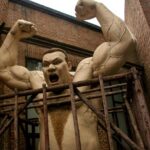
Then you shift gears to 798 Art Zone, and the feeling changes immediately. This is where you browse contemporary art galleries and independent spaces—boutiques, coffee shops, bars, and restaurants. If the first two stops are about objects people buy to live with, 798 is about ideas people build into their surroundings.
What I like here is the freedom. You’re not stuck chasing one list item. You can drift, look, pop into a gallery, and then reset with a drink or snack. With your guide, you’ll still benefit from practical pointers—where to spend your time, which shops feel more serious, and how to navigate the area efficiently without over-walking.
A common theme in guide feedback is that they make the art-zone visit feel doable. Even when you don’t know anything about contemporary art, you can still enjoy the textures: the design of stores, the vibe of cafés, and the way galleries present their work. And if you’re feeling curious rather than picky, this is a great zone to loosen your shopping goals.
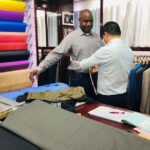
Also, if you’re open to a textile or craft detour, ask about flexibility. One guide named Alice was willing to add an extra stop at the Silk Market when time allowed. It’s not guaranteed as a standard inclusion, but it’s a solid example of how guides sometimes adapt when the schedule works.
Lunch or Dinner Break: A Simple Way to Keep the Pace
The included meal is more than a perk—it’s a pacing tool. Because you’re doing multiple browsing areas in one day, food prevents the “end-of-tour slump” that makes shopping feel pointless.
If you start in the morning, expect a Chinese lunch break. If you start in the afternoon, you’ll break for dinner at a local restaurant. Either way, your guide helps keep it straightforward so you’re not spending your limited time figuring out where to eat.
My advice: eat like you want energy for the second half of the day. Markets can be a lot on the senses, and 798 rewards extra walking. If you’re tempted to order a light snack only, consider saving heavier meals for later in Beijing.
And yes, you should mention dietary needs ahead of time if you have them. The tour info specifically asks you to advise dietary requirements during booking.
Your Private Guide Makes or Breaks This One
This is the part you should pay attention to, and it’s also the part that shows up again and again in strong feedback. The guides named across different experiences—Ranee, Alice, Lucy, Linda, MIKO, and the welcome support from Sherry and the driver Zang (Mr. Zhang is mentioned as well)—all point to the same idea: you’re not just paying for translation, you’re paying for context.
What you want a guide to do during a market tour:
- Explain what locals buy and why
- Help you focus on items that match your interests
- Answer questions in fluent English without making you feel rushed
- Adjust pacing when one stop takes longer than expected
You’ll feel this most at Panjiayuan, where the variety can get overwhelming. With the right guide, it turns into a guided “what am I looking at?” experience instead of wandering and hoping.
It’s also why the tour feels personal even though the itinerary is fixed. A private guide can steer you toward bargains you’ll actually understand and art that fits your taste rather than generic shopping pressure.
Shopping Notes, Bargaining Tips, and What to Watch For
Even with a guide, shopping in Beijing markets works best if you go in with a plan.
Before you buy anything:
- Ask what the item is and how it’s described by the seller.
- If you’re considering something that looks antique, keep expectations realistic. Panjiayuan covers everything from crafts to items that look older, and it helps to have guidance on what seems genuine versus souvenir-level.
- If you’re buying delicate items, ask about how you’d carry it today. The tour includes bottled water, but it doesn’t spell out additional shipping or packaging help.
Bargaining: you don’t need to turn it into a contest. The best approach is calm and curious. Show you’re interested, ask questions, and let your guide help translate the conversation so you don’t lose meaning. If you feel like you’re getting stuck or pushed, move on. Markets have more than one version of the same idea.
Also, decide what you want from each stop:
- Shilihe is for impressions and photos, and maybe small plant/fish-related purchases if you’re prepared for transport.
- Panjiayuan is for collectibles, crafts, and statement souvenirs.
- 798 is for design, art-related goods, and the kind of browsing you enjoy even without buying.
Getting Around and Comfort in Beijing’s Weather
This is a private vehicle tour with pickup and drop-off, which means you’re not dealing with public transport after each market detour. That sounds minor until you’re doing it in real life. Markets plus walking plus stairs plus weather is where days go sideways. Here, the logistics are handled.
The tour operates in all weather conditions, and it’s smart to dress appropriately. That means:
- layers for cool mornings or strong sun
- rain protection if the forecast looks wet
- comfortable shoes because you’ll walk through crowded stalls
You don’t need to pack a lot for this day, but you do need to stay comfortable. The more relaxed you are, the easier it is to enjoy the second stop where your brain has to switch from sensory browsing to evaluating objects.
Who Should Book This Tour (and Who Might Skip It)
Book it if you want a structured day that still feels free. This works especially well if:
- you love markets but hate the language barrier
- you’re curious about how Beijing sells culture—flowers and fish here, antiques there, modern art at the end
- you want a guide who can answer questions and help you shop with confidence
- you’re traveling with someone who might not want a full-day museum circuit
Consider skipping or upgrading your expectations if:
- you’re a serious collector who needs much longer than an hour to inspect items
- you already plan to spend lots of time at 798 separately and want a more focused market-only or art-only day
- your trip timing doesn’t line up with when you want Panjiayuan to feel its most active (weekends are noted as especially lively)
If you’re unsure, this is still a strong “best of” blend. It gives you three distinct Beijing flavors in one day without forcing you to guess your way through.
In short: if you like variety and you value a guide for interpretation, this tour makes sense. If you want slow shopping and deep evaluation, plan extra time elsewhere.
FAQ
How long is the Beijing private tour?
It’s about 6 hours total, depending on your start time and how your pace goes at each stop.
What are the pickup times?
You can choose pickup from your hotel at 9am, 11am, 12pm, or 1pm.
Is lunch or dinner included?
Yes. The day includes a meal break timed to your schedule—Chinese lunch if you start in the morning, and dinner if you start in the afternoon.
Do I need to pay for admission to the stops?
No. The tour info lists admission tickets as free for each stop (the market and 798 Art Zone).
Is this a private tour?
Yes, it’s a private tour/activity, so only your group participates.
What is the cancellation window?
You can cancel for a full refund up to 24 hours before the experience’s start time. If you cancel less than 24 hours before, the amount paid won’t be refunded.