REVIEW · BEIJING
Noon Calligraphy Class
Book on Viator →Operated by Hutong Calligraphy Class · Bookable on Viator
Chinese calligraphy is weirdly relaxing.
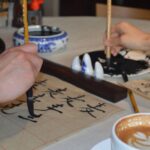
This Hutong calligraphy class turns Beijing’s daily life into a hands-on cultural lesson, where you learn how ink, brush, and paper work together. You also get cultural context from your art teacher as you practice strokes and make a final piece to take home.
What I like most is the structure and the attention to your hand. You’re not just shown a character and sent off; you get practice before your final piece, and the teacher explains what you’re doing as you do it. Another big plus is the feel of the class: it starts light, then settles into something calmer—an experience that can feel close to a quiet morning routine.
One thing to consider: you’ll want to manage expectations. Calligraphy is hard at first, even if your handwriting is decent, and the class time is limited—so you’re making a good first attempt, not mastering a lifetime skill in 1 hour.
In This Review
- Quick hits before you go
- A Hutong calligraphy class that slows you down
- Choosing your time: 30 minutes, 1 hour, or 1.5 hours
- What happens in class: from tools to your first real strokes
- The cultural part: calligraphy as language you can feel
- Seal carving, ink stones, and why the details matter
- The Hutong vibe and the meet-up point by Wangfujing
- Small group lessons: why max 15 matters
- Price and value: what $20 actually buys in Beijing
- Who this class suits (and who should think twice)
- Practical tips to get the most from your brush time
- Should you book the Noon Calligraphy Class?
- FAQ
- How long is the calligraphy class?
- What times are available?
- Where do I meet for the class?
- Is the price $20 per person and what’s included?
- Do I get to take my work home?
- Is this class suitable for children?
- How large is the group?
- Is there a mobile ticket?
- Is it easy to get there by transit?
- What is the cancellation policy?
Quick hits before you go
- Small group size (max 15): more chances for the teacher to correct your brush control
- Pick your length: 30 minutes, 1 hour, or 1.5 hours depending on what you booked
- Supplies included: brush, ink, rice paper, and tools are provided for class use
- Strokes to meaning: you learn deeper context, not only how to copy shapes
- Take-home final piece: you leave with something you made, not just photos
- Midday-friendly scheduling: multiple class times daily, with a noon option
A Hutong calligraphy class that slows you down
If Beijing feels like a lot—traffic, crowds, big sights—this class gives your brain a softer landing. You trade screens for brush movement and ink marks, which is a nice change of pace on travel days when you want something cultural but not exhausting.
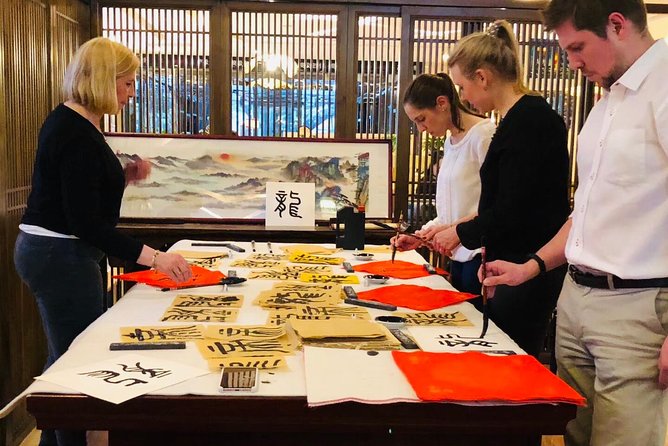
You’ll work at a table with traditional materials, and the teacher’s focus stays on the basics: how to hold the brush, how to guide it through different strokes, and how to avoid rushing. That matters, because calligraphy rewards steady control more than artistic talent.
And yes, it can feel almost meditative. The way the session shifts from lively instruction into a calmer working mood is part of what people remember most.
You can also read our reviews of more tours and experiences in Beijing


Choosing your time: 30 minutes, 1 hour, or 1.5 hours
This experience is designed around flexible scheduling. You can pick the class length when you book: 30 minutes, 1 hour, or 1.5 hours.
Here’s how to choose based on your style:
- If you want a quick cultural activity and don’t want to think too hard, go short.
- If you’d rather learn properly and get more hands-on coaching, choose the longer class.
- If you’re fitting this into a tight sightseeing day, the 1-hour option is the cleanest fit.
The lesson is built for groups, not private tuition. So the longer you stay, the more time you’ll have to practice the strokes that make the final character actually look like something.
What happens in class: from tools to your first real strokes
The class is led by an art teacher (names you may hear include Richard, and another instructor mentioned in the experience is Li). Your teacher walks you through the tools and then puts you to work.
You’ll learn about:
- Brush techniques: how pressure, angle, and speed change the line
- Rice paper basics: what the surface responds to
- Ink stone and ink handling: how the ink gets used and why it matters
- Strokes you can control: the building blocks of a character
One of the best parts of this setup is that you get actual coaching while you practice. People often expect calligraphy lessons to be more like watching. Here, the rhythm is more like learning a new skill: try, adjust, try again.
The cultural part: calligraphy as language you can feel
Chinese calligraphy isn’t only handwriting. It’s treated as a way of expressing human language in a tangible form—something you can see as well as understand.
In the class framing, you learn why calligraphy matters in Chinese culture: it’s described as life experienced through energy in motion, with time and rhythm playing roles in shifting space. That might sound poetic, but it translates into practical instruction: slow down, watch the line develop, and stop forcing the brush.
You’ll also get insight into meaning while you work. One strong theme from the experience is that the teacher doesn’t just say which strokes go where; you also learn the deeper significance behind what you’re writing.
Seal carving, ink stones, and why the details matter
Even if you’ve never touched a calligraphy tool before, the class focuses on the parts people usually skip. You’ll learn about seal carvings (and how that fits into the idea of marking meaning), plus the roles of the ink stone and brush.
Why this is valuable: calligraphy is a system. If you only practice the shapes but ignore the tools, you miss why the marks look the way they do. Ink stone use, for example, connects the ink to how it flows and sits on paper.
In a one-hour experience, you’re not becoming a master. But you can leave understanding what’s going on under your hand, which is what turns a fun activity into a real cultural lesson.

The Hutong vibe and the meet-up point by Wangfujing
The meeting point is at Hilton Beijing Wangfujing (王府井东街8号, Dongcheng District). The activity ends back at the meeting point, so you’re not stuck figuring out where to go after the class.
The calligraphy location is described as downtown Beijing, and it’s tied to the Wangfujing Dongjie area (No.8 Wangfujing Dongjie). That’s helpful because it keeps the experience in a central zone where you’re already likely to spend time.
You’ll also be near public transportation. That sounds boring, but it makes a difference when you’re traveling. It means you can pair this class with nearby sites instead of planning an extra detour.
Small group lessons: why max 15 matters
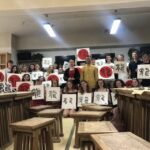
This class caps at 15 travelers, which sounds like a random number until you’re in the room. In practice, a smaller group means the teacher can actually notice what you’re doing—when your brush line gets shaky, when your stroke starts too heavy, or when your timing goes uneven.
You’re also more likely to get questions answered. The class is led by an art teacher, and part of the experience is that you can ask questions as you go.
And because you’ll be practicing while others practice, the room stays active. It’s not silent studio mode. It’s more like a focused workshop, with enough calm to feel good.
Price and value: what $20 actually buys in Beijing
At $20 per person, the big value isn’t just the instruction—it’s what’s included. You get class time plus calligraphy supplies to use during the class.
That matters in Beijing. If you had to buy a starter set on your own, you’d spend more than $20 fast, and you’d still need guidance to use the tools correctly. Here, you get the tools and coaching as one package.
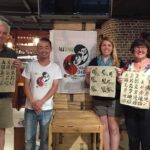
You also typically leave with your work. One highlight from the experience is that you practice multiple times and then create a final piece you can take home. That makes the whole session feel tangible, like you made something real rather than attended a demo.
Is it a deal? For many people, yes—especially if you want a cultural activity that doesn’t require any prior skills and still ends with a physical souvenir.
Who this class suits (and who should think twice)
This experience is best for you if you want:
- a calm cultural break between sightseeing blocks
- hands-on learning (you like doing, not just watching)
- a friendly group class with teacher guidance
- something that works for adults and children (with an adult)
It’s also useful if you’re traveling with a rain-day schedule. The experience is described as a great choice on bad weather days because it stays focused indoors and doesn’t depend on walking around outside.
Who might not love it? If you only have 15 minutes, you’ll be too short for the rhythm of practice. Also, if you hate slow, methodical tasks, calligraphy may feel challenging at first—because it is. The good news is that the teacher keeps things approachable.
Practical tips to get the most from your brush time
You’ll get a better experience if you go in with a simple mindset: treat this like learning to ride a bike, not like producing a masterpiece.
A few practical ideas:
- Expect to practice more than once. The class is built around learning through repetition.
- Don’t aim for perfect on the first attempt. Focus on smoother control of your strokes.
- Wear something comfortable. You’ll be concentrating on your hands, so mobility helps.
- Bring curiosity. The cultural context is part of why the class feels more than just a craft session.
And if you’re coming with kids, this is one of those activities that can genuinely hold attention. The structure gives them something to do right away.
Should you book the Noon Calligraphy Class?
I’d book it if you want an experience that’s small-group, teacher-led, and genuinely hands-on—without requiring artistic talent or language skills. The practice-first approach and the chance to take a final piece home make it feel worth your time, and the calm mood shift is a real plus when you’re tired from sightseeing.
Skip it only if your schedule is too tight for a 30–90 minute activity, or if you want a lecture-heavy cultural tour instead of a workshop where you write with brush and ink.
If you’re in Beijing around Wangfujing and you want a break that still feels authentically Chinese, this class is a smart way to spend your midday.
FAQ
How long is the calligraphy class?
The class is about 1 hour on average. When booking, you can choose a length of 30 minutes, 1 hour, or 1.5 hours.
What times are available?
The experience offers multiple daily class times so you can fit it into your schedule. There is also a noon option.
Where do I meet for the class?
You meet at Hilton Beijing Wangfujing at Wangfujing Dongjie address (No.8 Wangfujing Dongjie, Dongcheng District). The activity ends back at this meeting point.
Is the price $20 per person and what’s included?
Yes, it’s $20 per person. The included items include the calligraphy class time you choose, and calligraphy supplies to use during the class.
Do I get to take my work home?
Yes. The experience includes a final piece that participants can take home after practicing.
Is this class suitable for children?
Children are welcome, but they must be accompanied by an adult.
How large is the group?
The class has a maximum of 15 travelers.
Is there a mobile ticket?
Yes, the experience includes a mobile ticket.
Is it easy to get there by transit?
Yes, it’s described as near public transportation.
What is the cancellation policy?
Free cancellation is available. You can cancel up to 24 hours in advance for a full refund. Less than 24 hours before the start time is not refundable.