REVIEW · BEIJING
From Beijing: Small Group Hike at Jinshanling Great Wall
Book on GetYourGuide →Operated by Great Wall Hiking Adventure · Bookable on GetYourGuide
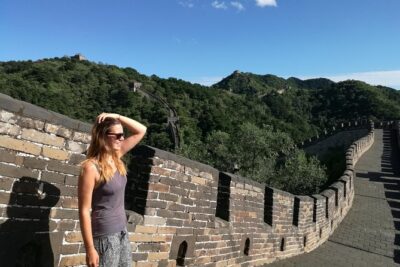
The Great Wall, but less crowded and more real. This Jinshanling hike mixes wild, original watchtowers with a restored stretch for photos and views.
I like that the day is paced around hiking first, driving second. You’ll start with a morning pick-up, then hit the wall at about 10:30am after the drive from Beijing.
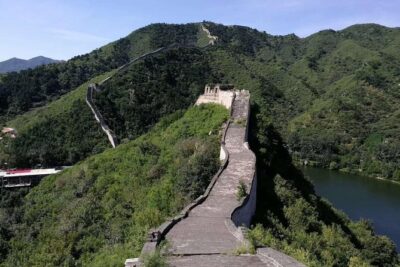
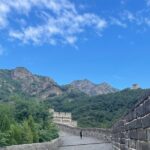
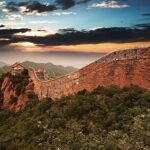
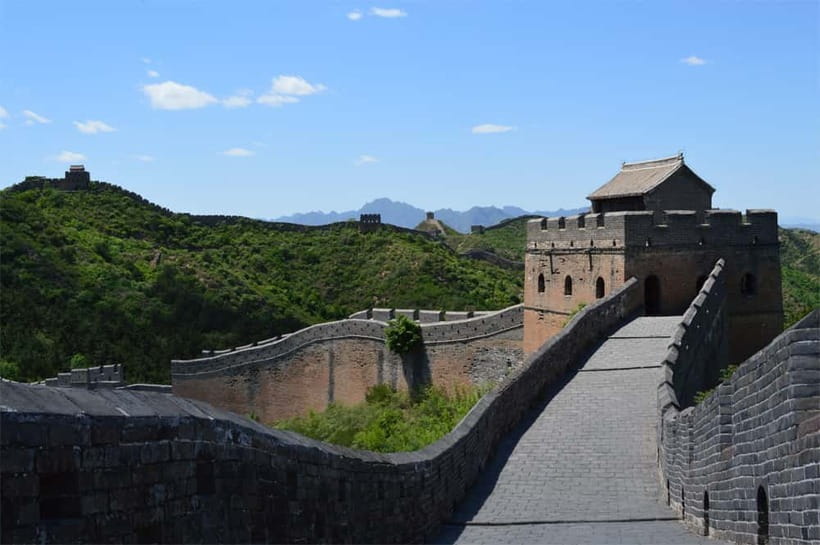
What I love most is the variety of the wall here: you get more than 15 watchtowers, with different roof shapes and stories. You’ll see two- and three-level towers, plus flat, rounded, and pitched roof styles with upturned eaves.
The one real drawback to plan for is the fitness factor. This is a steep, step-heavy hike, and there’s no toilet on the wall, so you need to manage breaks and bathroom planning carefully.
In This Review
- Key highlights worth waking up for
- How the day actually feels: timings that fit a real hike
- Driving from Beijing: the value of getting there without stress
- Jinshanling East to the main gate: why this hike is so rewarding
- The watchtowers: more than 15 reasons to keep stopping
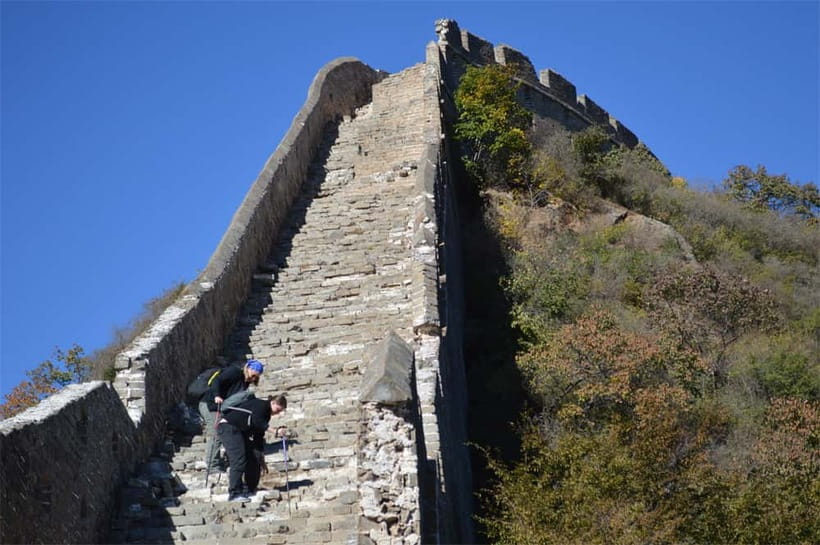
- Steep steps: plan for effort, not just scenery
- Photo strategy: how to get the best shots without slowing everyone down
- Lunch at the end: simple food, correctly timed
- Small-group experience: what max 12 really changes
- About the guide and what language support looks like
- Bathroom reality check: what to do since there are no toilets on the Wall
- What to pack for Jinshanling (and what to leave out)
- Who this hike suits best
- Price and value: is $52 worth it?
- Should you book this Jinshanling small-group hike?
- FAQ
- Where do I meet the group in Beijing?
- What time does the trip start?
- How long is the hiking portion?
- What is the total duration of the day trip?
- Is lunch included?
- What’s included with the price?
- Are there toilets on the Great Wall during the hike?
- Do I need to buy a cable car?
- What should I bring?
- Is this tour suitable for everyone?
Key highlights worth waking up for
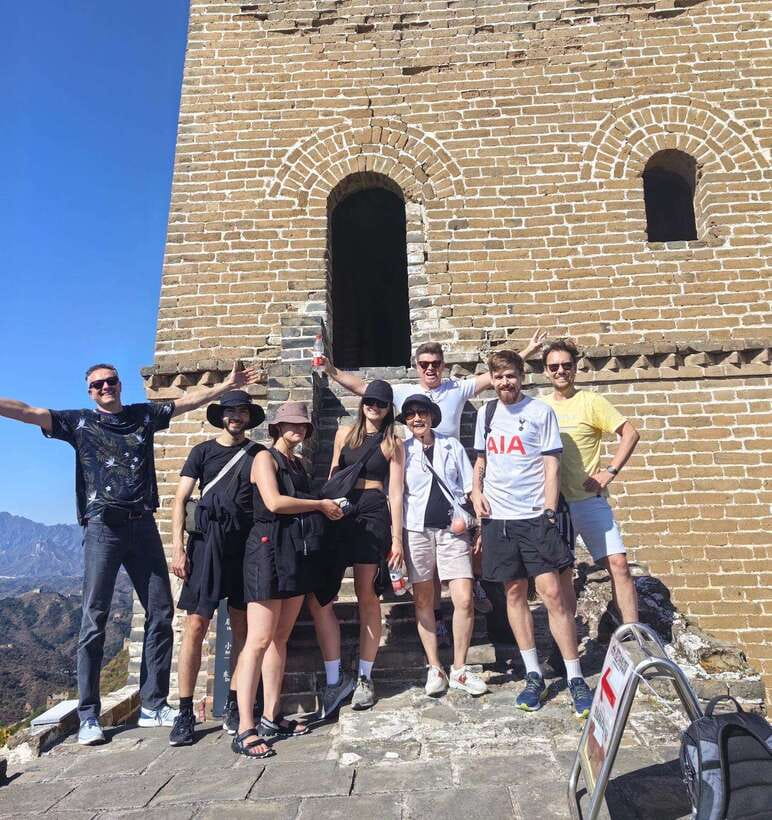
- Wild-to-restored route at Jinshanling: a mix of ruined, preserved, and restored segments in one walk
- Photo-friendly watchtower variety: over 15 towers, with different sizes and roof styles
- Small group size (max 12): you avoid the herd feeling and can move at your pace
- Practical support built in: water, snacks on the wall, and trekking poles are included
- Local farmer’s lunch after the hike: simple, local food at the end of your walking day
How the day actually feels: timings that fit a real hike
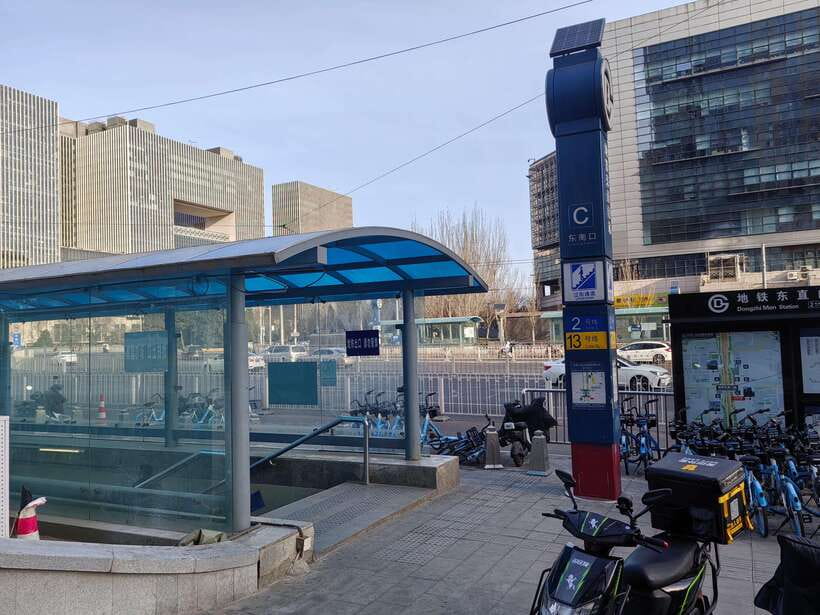
This is built as a full-day outing from Beijing, typically starting with a meet-up at 8:00am at Exit C, Dongzhimen Station (Subway Line 2 & 13). You’ll spend roughly 2.5 hours driving out to Jinshanling, then begin hiking around 10:30am.
The core walking segment is about 3 hours from Jinshanling East toward the main gate. After that, you’ll have lunch for about an hour at a local farmer’s restaurant, then return to Beijing with another ~2.5 hours of driving. The total day length is listed as 9 hours, so you can expect a schedule that’s active but not exhausting in the driving sense.
What matters here is the order: you get your walking when your energy is best and the crowds can still be thin, especially if you choose the less peak-ish days. In multiple trip reports, people describe being away from other hikers for long stretches, which is exactly why Jinshanling East is often chosen over the most famous wall sections.
You can also read our reviews of more hiking tours in Beijing
Driving from Beijing: the value of getting there without stress
A lot of Great Wall trips fail at the simple part: logistics. This one handles the hard part for you—an air-conditioned vehicle with an experienced driver—so you’re not wrestling with transit schedules and complicated local connections.
From Beijing, you’re looking at about 2.5 hours each way by van. You’ll also have entrance fees covered and, in the best-case scenario, you can skip ticket-line hassles so you spend more time on the wall and less time in queues.
One small detail that shows up in real-world experience: drivers often communicate clearly and keep things moving. People also report comfortable, safe driving and even readiness with water, fruit, or small snacks for the ride. You don’t need those extras for the trip to work, but they make the whole day feel smoother.
Jinshanling East to the main gate: why this hike is so rewarding
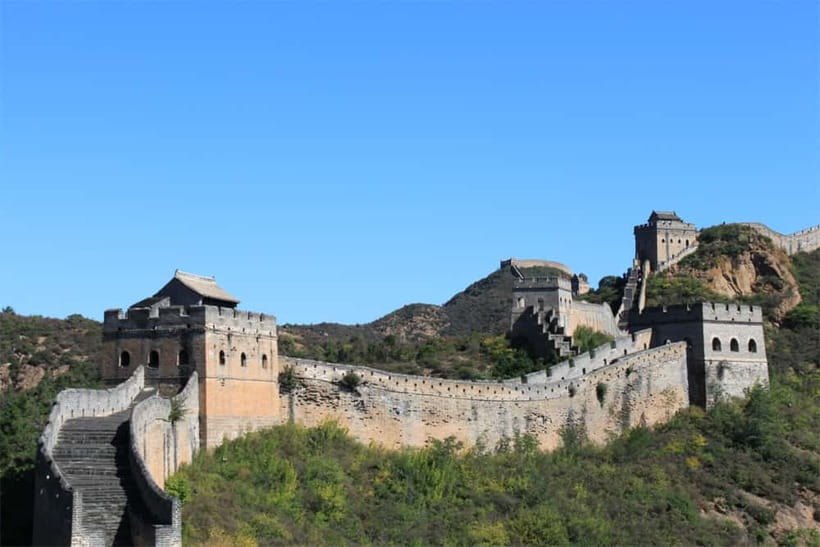
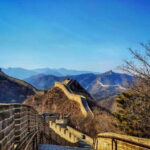
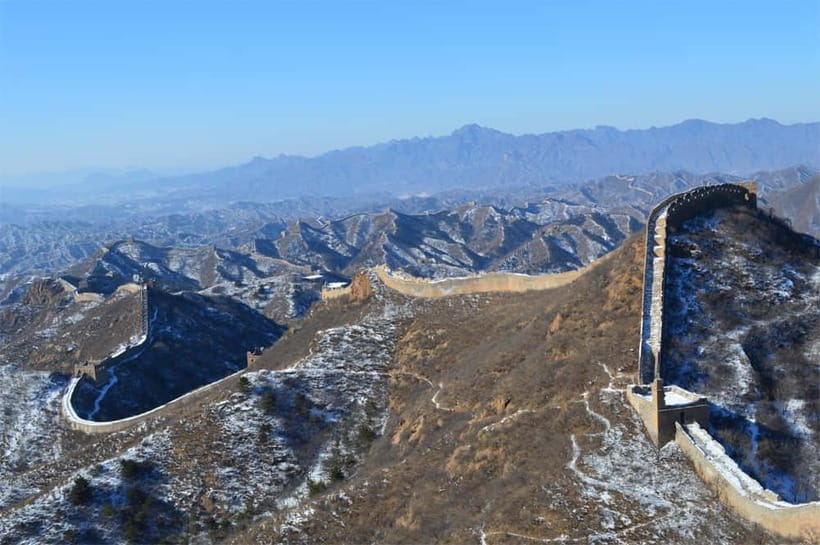
This is the “why” of the trip. Jinshanling East to the main gate is often described as one of the best hiking segments on the Great Wall because it delivers constant visual variety without feeling like a theme park.
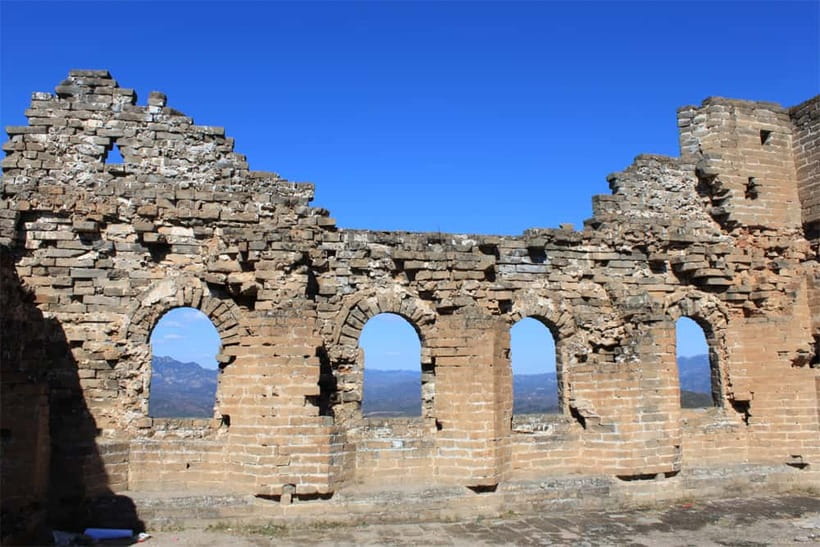
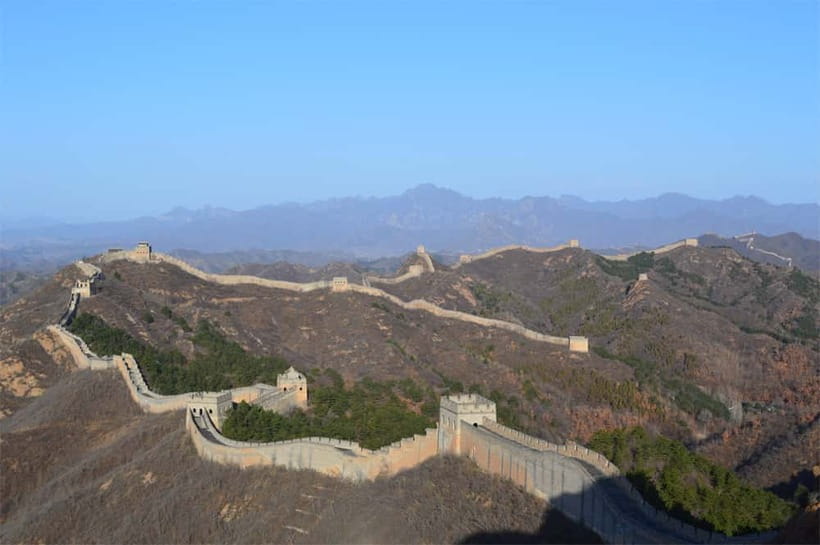
You start in the East area, and as you walk, the wall changes character. You’ll move between areas that feel wild and original and areas that are restored and easier to read from a distance. It’s a walk that helps you understand the wall as a system—watchtowers, ridgelines, and defensive spacing—rather than a single photo stop.
The watchtowers: more than 15 reasons to keep stopping
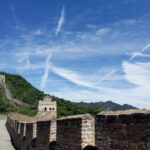
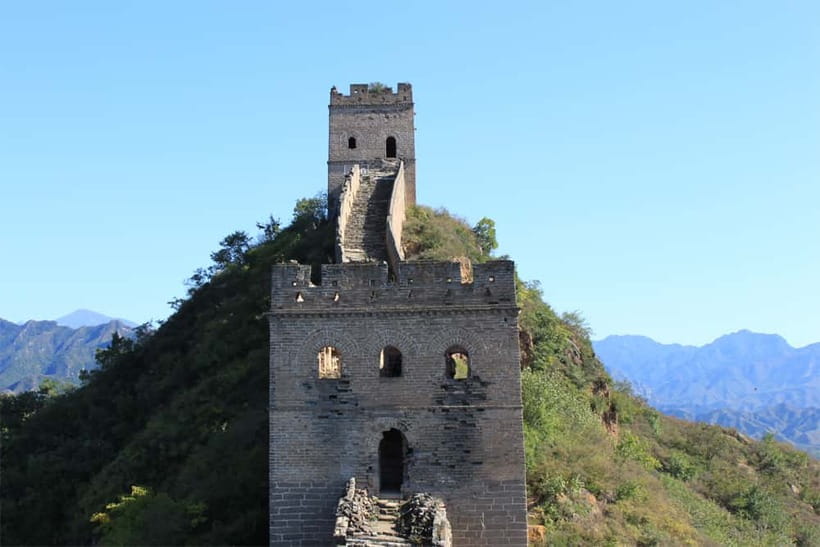
One of the strongest points here is the number and variety of watchtowers. You’re looking at over 15 watchtowers, and they don’t all look the same.
Expect differences like:
- two-storey vs. three-storey towers
- flat roofs vs. rounded roofs
- pitched roofs with upturned eaves
Those small architecture changes make your photos better because you’re not shooting the same silhouette repeatedly. It also makes the hike feel less monotonous: as the trail rises and dips, the towers appear and disappear, so your viewpoints keep resetting.
On a clear day, the photo opportunities are hard to miss. Even when visibility isn’t perfect, the watchtowers still give the eye something to track along the ridge.
Steep steps: plan for effort, not just scenery
This is not a flat sightseeing stroll. The wall involves steep gradients and plenty of steps up and down. People describe it as demanding enough to feel like a real workout, but manageable with steady pacing and good footwear.
Trekking poles are included, which is a big deal on a stair-heavy hike. Use them, especially on the downhills, to save your knees and keep your rhythm.
If you’re sensitive to steep terrain, this is the part where you should be honest with yourself. It’s also listed as not suitable for people with heart problems, and it’s not recommended for pregnant travelers.



Photo strategy: how to get the best shots without slowing everyone down
The route is naturally photogenic, but you’ll get better results if you manage stopping points. Here’s a simple approach I’d use when you’re on the wall.
- Start moving first, then take real breaks at watchtower clusters. The towers are the consistent anchors for composition.
- Save longer pauses for the restored areas where the wall looks more structured. Those sections can give you clearer lines for wide shots.
- Keep a small day pack for water stored in the van. Since unlimited bottled water is provided and kept in the vehicle, you’ll want a place to carry it once you’re on the route.
In winter, photos can look extra dramatic with snow or cold air clarity, but sections may close. That can affect the route shape and time spent, so go in with flexibility.
Lunch at the end: simple food, correctly timed
Lunch is organized after the hike, with a listed duration of about 1 hour at a local farmer’s restaurant. In practice, this is exactly what many hikers want: fuel after stairs, not another pre-planned buffet stop.
A few people note the lunch spot is more like a simple local setup than a polished restaurant, and that’s fine. The value is the timing and the location—food close to where the hike ends, so you don’t lose the day in transport.
If you’re choosing the option with lunch included, this is one part of the day that feels designed for hikers. You’ll already be carrying some fatigue, so having food handled is a nice payoff.
Small-group experience: what max 12 really changes
The group size is capped at 12, which tends to make the hike feel calmer. It also gives your guide or driver a better chance to check in with everyone, rather than rushing through a crowd-control schedule.
Depending on the option you select, you may have a personal English-speaking hiking guide, or you may be set up for a more hands-off experience with driver support. Either way, you get something valuable: entrance fees, water, poles, and route guidance so you’re not guessing at the wall.
In real-world accounts, people also describe scenarios where they effectively had space to themselves for long stretches, especially on weekdays or in colder months when the wall is quieter.
About the guide and what language support looks like
The experience can include an English-speaking hiking guide (if you select that option). The activity also lists live tour guide support in English and Chinese, which matters on a Great Wall day because explanations help you understand what you’re looking at.
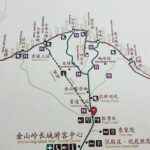
Even when a guide’s English isn’t perfect, the practical support can still be strong. Some people report using translation apps or messaging tools to coordinate the day and confirm pick-up timing. Others mention getting maps and instructions that help them hike at their own pace.
One important note: you’re also likely to be approached by local farmers when you start the hike. If you don’t want any interaction, be firm at the beginning. A softer response can lead to persistence, so treat it like a boundary-setting moment, not a debate.
Bathroom reality check: what to do since there are no toilets on the Wall
This is the one “read this twice” part.
There are no toilets on the wall. Toilets are available at the entrances of Simatai West and Jinshanling. That means you should use facilities before you start hiking and carry what you need for emergencies—especially toilet paper, since it isn’t guaranteed on the route.
Plan your break timing around your own pace. If you expect lots of side stops for photos, you should still keep an eye on bathroom timing before you go into longer stretches.
What to pack for Jinshanling (and what to leave out)
Bring:
- Passport or ID card
- Comfortable shoes (boots are a plus)
- Sunglasses and sun cream
- Lip balm and cap
Also:
- You’ll want a small day pack to carry water since it’s stored in the van.
- Consider any personal snacks if you know you burn through energy on steep hikes. Some people end up wishing they had extra food, because the end of the day can arrive later than a typical half-day outing.
Not allowed:
- Pets
- Smoking
Who this hike suits best
This works best if you:
- want Great Wall hiking rather than short photo stops
- care about fewer crowds and more breathing room
- enjoy steep walking and can handle steps without drama
- want strong photo variety through different watchtower styles
It may not suit you if you:
- have significant mobility limitations
- have heart problems
- are pregnant (this is listed as not suitable)
Price and value: is $52 worth it?
At $52 per person for a 9-hour day, the cost isn’t just the entrance ticket. You’re paying for a package that includes transport from Beijing, entrance fees, unlimited bottled water, trekking poles, and (depending on your option) an English-speaking guide plus lunch.
That’s good value if you’d otherwise have to pay for:
- a private vehicle or hard-to-assemble logistics
- guide time for route clarity
- extra gear like hiking poles
- transport coordination that saves you time at the wall
If you’re the kind of traveler who wants a predictable day with fewer moving parts, it’s a fair price. If you’re a hardcore do-it-yourself planner who already knows the wall segments and logistics, you might find cheaper options. But for most people, the included support makes the day easier to manage.
Should you book this Jinshanling small-group hike?
Book it if you want the Great Wall as a hike—not a quick stop. Jinshanling East delivers the kind of watchtower variety and ridge walking that makes photos interesting even after the first hour, and the small-group size helps keep the day feeling human.
Skip it (or reconsider) if you can’t handle steep steps or if you’re very sensitive to route uncertainty in winter. Also, be honest about the bathroom reality—there’s no toilet on the wall, so you need to go prepared.
If you match the fitness level and like quieter sections of the Wall, this is one of the more practical ways to get a memorable Jinshanling day without the usual stress.
FAQ
Where do I meet the group in Beijing?
You meet at Exit C, Dongzhimen Station, Subway line 2 & 13.
What time does the trip start?
The guide meets you at 8:00am, with driving to Jinshanling before you start hiking around 10:30am.
How long is the hiking portion?
It takes about 3 hours to complete the hiking from Jinshanling East to the main gate.
What is the total duration of the day trip?
The duration is listed as 9 hours.
Is lunch included?
Lunch in a local farmer’s restaurant is included if you choose the option that includes lunch. The lunch stop is about 1 hour.
What’s included with the price?
Included items are air-conditioned vehicle transport, an experienced driver, an English-speaking hiking guide if you select that option, entrance fees, unlimited bottled water and snacks on the wall, trekking poles, and a lunch stop if you select that option. A certificate of completion is also included.
Are there toilets on the Great Wall during the hike?
No, there are no toilets on the wall. Toilets are at the entrances of Simatai West and Jinshanling, so you should prepare before hiking and carry toilet paper.
Do I need to buy a cable car?
Cable car is not included.
What should I bring?
Bring your passport or ID card, comfortable shoes, sunglasses, and sun protection like sun cream, lip balm, and a cap.
Is this tour suitable for everyone?
It is not suitable for pregnant women or people with heart problems. Pets are not allowed, and smoking is not allowed.