REVIEW · BEIJING
Half Day Tour To Lama Temple and Confucius Temple in Beijing
Book on Viator →Operated by Lily's Tour Company · Bookable on Viator
Two temples, one efficient half-day. You’ll move through Buddhist and Confucian Beijing with a private, English-speaking guide, plus skip-the-line tickets that keep the morning from turning into queue time. What I like most is the door-to-door hotel transfer that removes transport hassle, and the pre-booked admissions that help you get inside without wasting daylight.
One possible catch: this is tightly timed (about four hours total), so you’ll have to be selective about what you linger on. Also, Confucius Temple closes on Mondays, so your guide will pivot to the Drum Tower and Bell Tower instead of your first planned stop.
In This Review
- Key things to know before you go
- Why the Lama Temple + Confucius Temple pairing is smart
- Price and value: what the $88 really buys
- Hotel pickup and line-skipping: how you save real time
- Lama Temple (Yonghegong): the wood Buddha and the temple’s main axis
- Confucius Temple and Guozijian: worship plus the old imperial classroom
- Monday swap: Drum Tower and Bell Tower instead of Confucius Temple
- Make the most of your four hours (without burning out)
- Who should book this tour
- Should you book this Lama Temple + Confucius Temple half-day?
- FAQ
- What sites are included in this half-day tour?
- How long is the tour?
- What time is pickup?
- Are entrance tickets included?
- What happens if I’m visiting on a Monday?
- Is lunch included?
- What’s included besides the guide and tickets?
- Is it a private tour?
- How does ticketing work?
- Is there free cancellation?
Key things to know before you go
- Hotel pickup and drop-off make the whole trip feel low-stress
- Pre-booked tickets help you bypass long lines
- Morning or afternoon start lets you match a busy schedule
- Two big cultural sites in one coherent half-day
- Monday swap option keeps the tour running even when Confucius Temple is closed
- English-speaking private guide turns monuments into context you can actually use
Why the Lama Temple + Confucius Temple pairing is smart
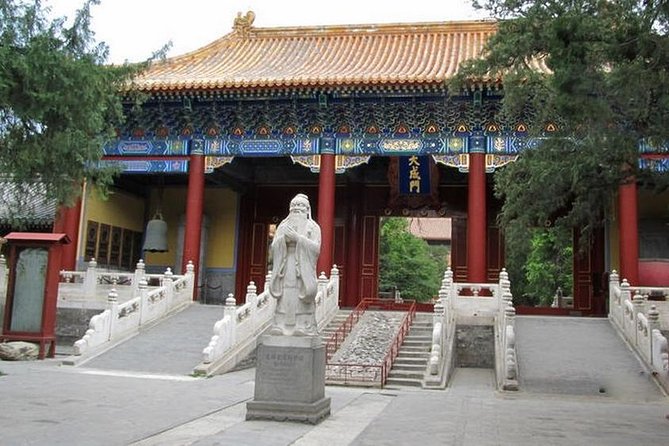
This half-day combo works because it shows you two different belief systems without the usual “see more, understand less” problem. Lama Temple (Yonghegong) gives you Beijing’s major Buddhist atmosphere in a very concentrated way. Confucius Temple and the Guozijian area then shifts gears to education, worship, and the old idea that learning was a moral duty.
I also like that the flow makes sense. You start with a grand, highly visual religious complex, then shift to a calmer, more reflective learning site. You’ll likely find the contrast helps your brain remember details instead of blending everything into one big blur of gates and halls.
And since you’re on a private guide, you’re not stuck with a generic script. A good guide (one named Lisa is specifically praised for clear English and patience) can help you connect what you’re seeing to why it mattered in Chinese life.
You can also read our reviews of more tours and experiences in Beijing.

Price and value: what the $88 really buys
At $88 per person for about four hours, this isn’t a “budget only” tour. But it’s also not just paying for someone to walk beside you.
Your money covers the essentials that usually cost you time or effort on your own:
- Private guide
- Entrance tickets to the included sites
- Hotel transport by taxi/Uber car, or a private van/bus for larger groups
- Bottled water
Lunch isn’t included, so plan on handling food outside the temples. The value here is time. If you’re visiting Beijing and want to spend your limited daylight on interiors and architecture instead of lines and logistics, pre-booking + door-to-door transfer is where the value shows up.
Hotel pickup and line-skipping: how you save real time
Beijing’s temple sites can be crowded, especially if you arrive without a plan. This tour is built to reduce that friction. You get pickup from your hotel around 08:30 for the morning tour or 13:30 for the afternoon tour.
The big win is that your admission is already arranged. That means you’re not stuck figuring out ticket counters while your group decides which lane to stand in. You’re there to walk, look, and learn.
The tour also uses a mobile ticket, which is convenient if you’re already traveling light and relying on your phone for plans. Add a private setup and you can ask questions at a human pace instead of waiting for the group to regroup.
Lama Temple (Yonghegong): the wood Buddha and the temple’s main axis
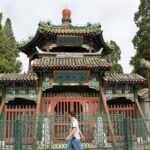
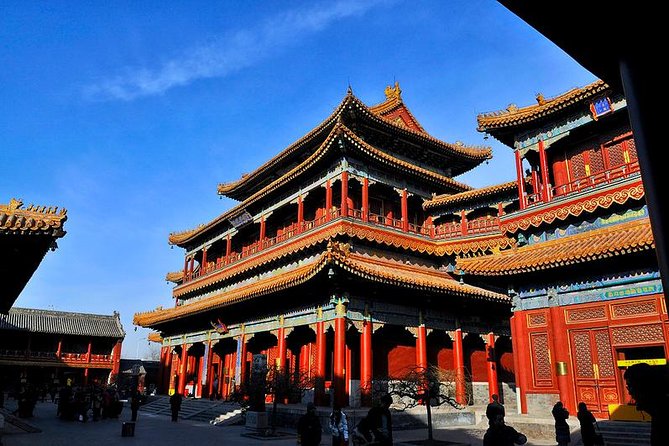
Your first stop is Lama Temple (Yonghegong), often described as Beijing’s biggest lamasery. It was built in 1694, so you’re stepping into a complex with a lot of staying power. Expect a set-piece layout designed to guide your eyes along a central path.
Here’s what makes the place special:
- Five halls along a central axis
- Three memorial archways
- A main building called the Hall of Harmony and Peace
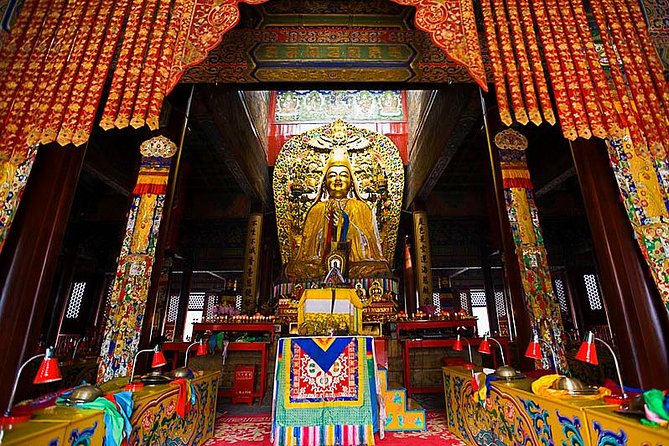
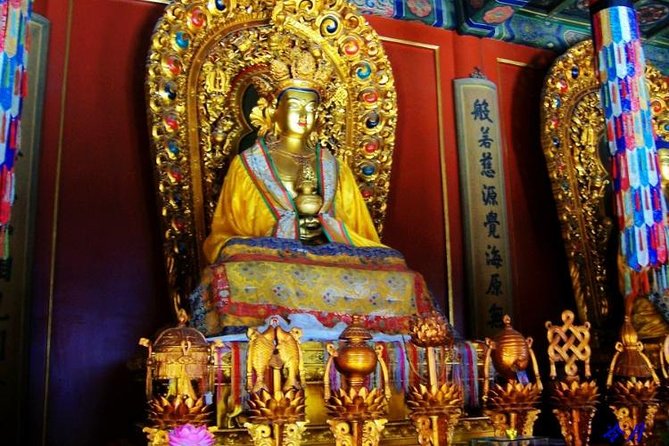
The star attraction is one of those facts that feels almost too specific to be true: the temple houses the biggest single wood Buddha statue in the world. Even if you’re not a sculpture person, this is the kind of object that stops you mid-walk. It’s also a reason local Buddhists and visitors keep returning to this site again and again.
What you should watch for during your visit is the rhythm. Don’t rush from one hall to the next. The architecture and placement are doing the storytelling for you. With a private guide, you’ll also get context for why certain spaces feel more public and others feel more ceremonial.
Heads-up for your timing: you’ll spend about 1 hour 30 minutes here. If you love photos, bring patience. If you prefer quieter looking, keep your phone put away during the most crowded viewing moments.
Confucius Temple and Guozijian: worship plus the old imperial classroom
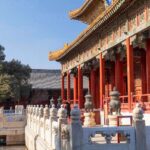
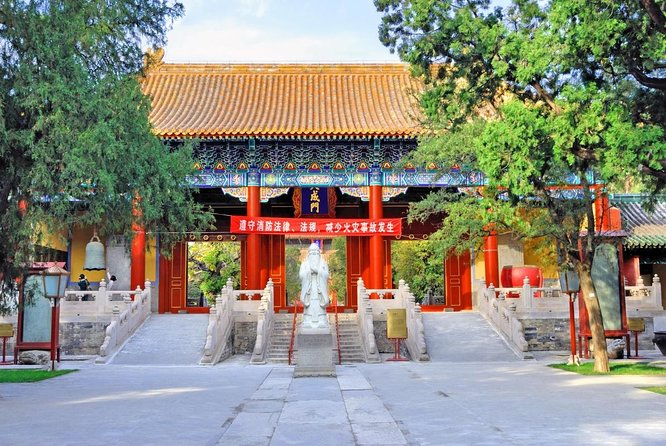
After Lama Temple, the tour shifts to Confucius Temple and the Guozijian Museum area, also known as the Imperial College. This is where Beijing shows you a different kind of reverence: respect for learning, teachers, and social order.
A few details you’ll find helpful as you walk:
- Confucius Temple in Beijing is the second largest in China
- It was built in 1302
- It was a place where people paid respects to Confucius
Then there’s Guozijian (Imperial College). This area functioned as the top education institute during the Yuan, Ming, and Qing dynasties. Emperors in imperial China would frequent the site to read Confucian classics for large groups of students. That’s a big clue about the tone of the place: it wasn’t just schooling. It was authority and values, made physical.
This stop is scheduled for about 2 hours, which feels about right. You’ll have enough time to see the layout, absorb the calmer pace, and still move on without feeling dragged along.
A practical note: Confucius Temple sites can feel less dramatic than huge religious halls. If you only like spectacle, you might need a minute to adjust. But if you enjoy meaning, symbols, and the way culture shapes behavior, you’ll probably find this portion surprisingly rewarding.
Monday swap: Drum Tower and Bell Tower instead of Confucius Temple
If your travel dates include a Monday, don’t panic. Confucius Temple is closed every Monday, and your guide will adapt the plan.
On Mondays, you’ll visit the Drum Tower and Bell Tower instead. The key value here is that your half-day doesn’t collapse. Your guide keeps you moving through historic Beijing rather than leaving you staring at closed gates.
If you’re planning your schedule around Monday specifically, I’d treat this as a bonus. Towers can be a refreshing change from temple halls. They’re also a good way to get a different slice of Beijing’s heritage without losing your efficient half-day structure.
Make the most of your four hours (without burning out)
Four hours in Beijing can disappear fast if you try to do everything. This tour keeps it realistic, but you still get the best results if you plan your mindset.
Here are a few practical ways to enjoy it more:
- Choose your priorities before pickup. Are you there for Buddha statues, architectural symmetry, or cultural context?
- Use the guide’s explanations. With a private guide, your questions matter. Even one or two smart questions can help you “read” the halls instead of just looking at them.
- Bring comfortable shoes. You’ll be walking between halls and through courtyards where the ground can change from smooth to uneven.
- Plan for photos, not photo-marathon behavior. Lama Temple in particular can attract crowds, so take your shot and move.
- Don’t plan lunch as a sit-down event. Lunch isn’t included, so keep your meal flexible after you’re dropped back.
Also, if you’re lucky enough to have a guide with strong English and calm pacing, you’ll feel the difference fast. A guide named Lisa has been praised for being patient, answering questions, and encouraging lots of photos without rushing people. That kind of pace makes the half-day feel like a personal experience instead of a checklist.
Who should book this tour
This is a great fit if you want a focused cultural day without the usual Beijing logistics stress. It works especially well for:
- Busy schedules where you can’t spare a full day
- First-time visitors who want both Buddhism and Confucianism in one go
- People who like architecture and symbolic objects (the wood Buddha is a strong hook)
- Travelers who prefer private guidance over joining a loud group
It’s also ideal if you care about time value. Paying $88 isn’t just paying for entry. You’re paying to protect your schedule, avoid long waits, and get context while you’re there.
If you’re the type who loves slow wandering with no structure at all, you might feel slightly constrained by the time boxes. But if you’re visiting Beijing for a short trip, this kind of efficiency can be exactly what you need.
Should you book this Lama Temple + Confucius Temple half-day?
I’d book it if you want maximum cultural payoff in a single half-day, with hotel pickup, pre-arranged tickets, and a private guide who can explain what you’re seeing. The price makes sense when you consider what’s included: guide time, transport, and admissions.
Skip it if you’re traveling at a super unstructured pace and you’re happy to handle ticket lines and transit yourself. Also, if you’re visiting on a Monday, know that Confucius Temple won’t be available and you’ll switch to the Drum and Bell Towers instead.
Overall, this is a clean, sensible way to see two of Beijing’s most meaningful historic sites without letting your day get eaten by logistics.
FAQ
What sites are included in this half-day tour?
You’ll visit Lama Temple (Yonghegong) and the Confucius Temple area with Guozijian Museum. Entrance tickets are included.
How long is the tour?
The tour runs about 4 hours (approx.).
What time is pickup?
Pickup is offered from your hotel at 08:30 am for the morning tour or 1:30 pm for the afternoon tour.
Are entrance tickets included?
Yes. Entrance tickets are included for the listed stops.
What happens if I’m visiting on a Monday?
Confucius Temple is closed every Monday. On those days, your guide will take you to the Drum Tower and Bell Tower instead.
Is lunch included?
No. Lunch is not included.
What’s included besides the guide and tickets?
The tour includes bottled water, a professional guide, taxi or Uber car transport, and entrance tickets. A private van or bus is used for groups over 5 pax.
Is it a private tour?
Yes. It’s private, and only your group participates.
How does ticketing work?
The tour uses a mobile ticket.
Is there free cancellation?
Yes. Free cancellation is offered, with full refund if you cancel up to 24 hours in advance of the experience’s start time.