REVIEW · BEIJING
Private Excursion Tour to East Qing Tombs from Beijing
Book on Viator →Operated by Catherine Lu Tours · Bookable on Viator
Eastern royal tombs usually mean crowds. This one is different: more breathing room and a private guide to connect the stones to stories. You’ll see why the Qing ruling class built the Eastern Qing Tombs with a clear look back at the Ming, but with their own Manchu identity. Expect a long-ish day, yet the route feels smooth thanks to hotel pickup and an organized schedule.
What I liked most is how your guide turns the grounds into a timeline you can follow, not just a walk among buildings. Another win: the complex is larger and better preserved than many other tomb sites, so your photos and your understanding both improve as you go. The one thing to plan for is the full day away from Beijing, plus possible extra time cost if your tour runs beyond the stated window.
In This Review
- Key things to know before you go
- East Qing Tombs: why this royal complex feels worth the drive
- How the 8–9 hour schedule really plays out
- What you actually see at the Eastern Qing Tombs
- The Qing visual language: carvings, symbolism, and rank
- Qianlong’s influence: Tibetan Buddhism echoes
- Dowager Cixi’s dramatic legacy
- A later chapter: turmoil and tomb robbery
- Why a private guide matters more than you think
- Ming versus Qing: how the comparisons enhance your visit
- Photo time and pacing: how to make the most of the quiet
- Price and logistics: is $176 per person good value?
- Who should book this tour (and who might not)
- Small practical tips that will help on the day
- Should you book the Private Excursion Tour to East Qing Tombs?
- FAQ
- How long is the East Qing Tombs private excursion?
- Does the tour include hotel pickup and drop-off?
- Are entrance tickets included?
- What is the dress code?
- Is this tour private or shared?
- Is free cancellation available?
Key things to know before you go
- Private, English-speaking guide who helps you make sense of Qing-era symbolism without guessing.
- Hotel pickup and drop-off in an air-conditioned vehicle, so you don’t burn time figuring out transport.
- Entrance tickets included, which saves waiting and keeps the day moving.
- Quieter than the Ming Tombs, so you get a calmer pace and better photo conditions.
- A full 8–9 hour day, including travel time, not just time inside the complex.
- Smart casual dress recommended, since you’ll be walking and sitting outdoors for parts of the visit.
East Qing Tombs: why this royal complex feels worth the drive
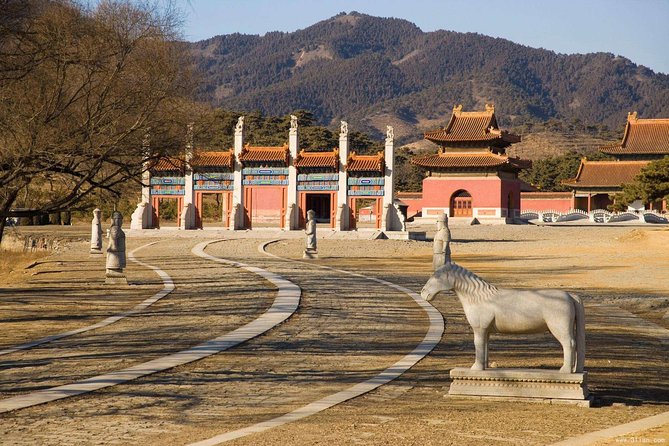
The Eastern Qing Tombs are the kind of site where the details matter. From the layout to the stone carvings, you’re not just looking at graves—you’re looking at how a dynasty wanted to be remembered. The Qing rulers were Manchurians from northeastern China, and their tomb design tries to outshine the earlier Ming tradition while still echoing it.
I like that the experience naturally compares eras as you move through the complex. You’ll notice the architectural and decorative DNA that feels familiar if you’ve been around Beijing’s imperial sights, yet the mood is distinct. The Qing emphasis on rank, ritual, and cultural influences makes the stonework feel purposeful, not decorative fluff.
Another strong reason this works: the site tends to be less crowded than the better-known Ming Tombs. That changes everything. You can actually look. You can stop. You can take photos without constantly stepping aside. If you’re hoping for that calm, respectful atmosphere where you can pay attention, this is a great match.
You can also read our reviews of more private tours in Beijing

How the 8–9 hour schedule really plays out
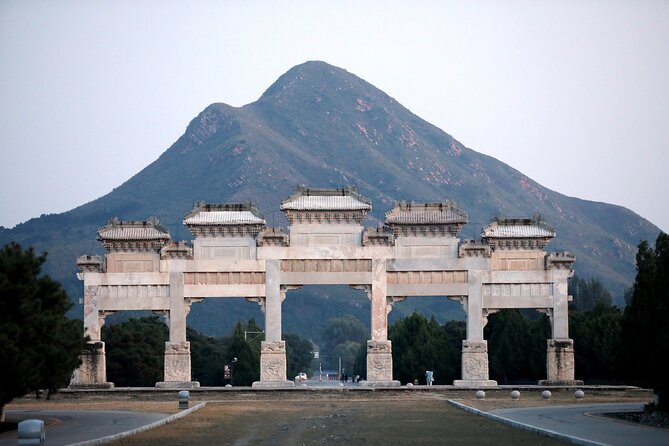
This is listed as an 8–9 hour experience, and the timing makes sense once you account for Beijing-to-tombs travel. One traveler noted the drive can be about two hours each way, which is real enough that you should treat it as part of the tour—not dead time.
A practical way to think about it:
- You’ll start with morning hotel pickup, so you’re not racing the clock on your own.
- You’ll spend around three hours at the tomb site, which is enough time to see the major highlights if you’re not trying to linger at every single carving for hours.
- The rest of your time goes to transit and the small rhythm of a guided outing: ticket handling, restroom breaks, walking between key areas, and time to ask questions.
If you hate long rides, this tour can feel like a commitment. If you like structured days with a clear destination and minimal logistics work, the timing is a good trade.
Also, keep the day flexible in your head. The tour notes an extra fee if the tour runs beyond the 9-hour mark, so it’s smart to plan your evening close to normal and not stack other commitments right after.
What you actually see at the Eastern Qing Tombs
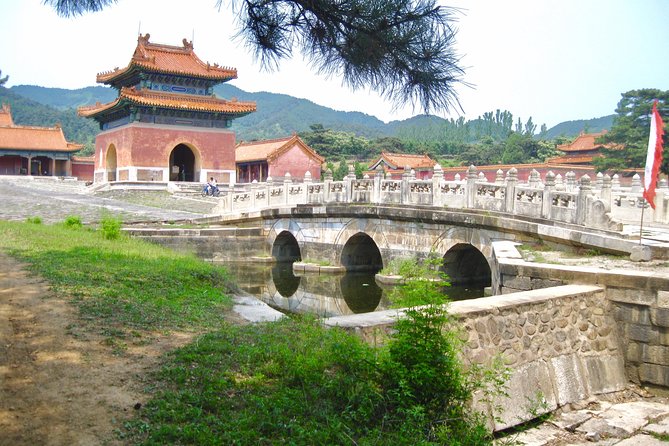
This tour is centered on one big stop: the Eastern Royal Tombs of the Qing Dynasty. That may sound simple, but it means your time inside is concentrated. You don’t lose energy bouncing between different sites; instead, you get to follow the story of the Qing emperors through the designed spaces of the complex.
The Qing visual language: carvings, symbolism, and rank
One of the reasons these tombs stand out is the quality and visibility of the stone elements. You’ll see signature Ming/Qing architectural similarities, but with Qing-specific choices that help mark the dynasty’s identity. The carvings and layout aren’t random. They reflect the Qing desire for power, legitimacy, and order.
If you’re the type who enjoys reading meaning into design, you’ll likely love this part. If you only want broad, quick sightseeing, it can still work—but you’ll benefit from paying attention to what your guide points out.
Qianlong’s influence: Tibetan Buddhism echoes
A highlight connected to Emperor Qianlong involves religious reflection in the tomb setting, including Tibetan Buddhist influences. That’s the kind of detail that makes the tomb complex feel more than just imperial architecture. It shows cultural cross-currents and helps explain why the Qing period feels layered compared with earlier dynasties.
Your guide is key here. Without interpretation, you might recognize names, but miss why a motif matters.




Dowager Cixi’s dramatic legacy
Dowager Cixi is another theme tied into what people remember about the Qing dynasty. Her story is often discussed in Chinese history as political strength and control, and her tomb’s reputation brings a different kind of attention to the site. The takeaway for you: the tomb complex isn’t only solemn. It’s also connected to political drama and the dynasty’s power at its height.
That context tends to make the monuments feel more human, even though you’re surrounded by stone and tradition.
A later chapter: turmoil and tomb robbery
There’s also a darker historical note tied to the 1920s, when tombs were robbed by warlords. That part is important because it changes how you view preservation and damage. It also helps you understand why the story of the tombs includes both grandeur and instability.
Even if you’re not seeking grim history, this context adds weight to the site. It’s a reminder that history doesn’t stay frozen behind temple walls.
Why a private guide matters more than you think
You’re not just buying entry and transport. You’re buying time and clarity. A private English-speaking guide helps you move from seeing to understanding—especially at a site like this, where meaning is embedded in design choices.
I also liked that some guides working through Catherine Lu Tours—like Rita and Cynthia, based on prior group experiences—are described as attentive and very qualified. When that happens, the tour becomes less of a script and more of a conversation. You can ask questions about names, symbols, and why the Qing made certain design decisions the way they did.
This is one of those tours where the guide can save you from confusion. The complex has multiple meaningful elements, and self-guided visits often turn into a fast walk-through. With a guide, you can pace yourself and still feel like you got the story.
And because it’s private, it’s only your group. That small detail matters on a longer day. You’re not stuck waiting for everyone else to decide what they want to photograph.
Ming versus Qing: how the comparisons enhance your visit
Even without being asked, your brain will compare these tombs to other imperial sites in Beijing. That’s a good thing here.
You’ll find Ming/Qing architectural similarities—enough that the site feels familiar—but you’ll also notice differences in design tone and emphasis. The comparison point matters because it helps you understand historical evolution. The Qing rulers weren’t only following tradition; they were also rewriting how royal legitimacy looked in stone.
And because the site is generally less crowded than the Ming Tombs, you can actually enjoy the comparison. You can step back and notice proportions. You can look at carvings without constantly moving around other groups.
In other words: this tour is a smart pick if you want to compare eras without turning sightseeing into a sprint.
Photo time and pacing: how to make the most of the quiet
One of the most practical benefits of a less-crowded tomb complex is simple: you can photograph with patience. If you want architectural shots, symmetry, or wide views, you’ll have an easier time framing without constant interruptions.
Aim to use your guide’s cues for when to slow down. Carvings often look better once you know what you’re looking for. If you rush, you’ll see stone. If you slow slightly, you’ll see meaning.
Also, because the tour is scheduled for about three hours inside, keep an eye on your own energy. That’s enough time to enjoy the highlights and ask questions, but it’s not designed for hours of lingering at every single detail. If you’re traveling with older family members or anyone who tires easily, you might want to ask your guide how the walking pace will feel early on.
Price and logistics: is $176 per person good value?
At $176 per person, this is not a budget outing. But it does include the big cost drivers that often add up when you DIY: hotel pickup and drop-off, a private air-conditioned vehicle, an English-speaking guide, and entrance tickets.
Here’s the value logic I use:
- If you were to arrange transport yourself, hire a driver, and manage tickets and timing, costs often creep up fast.
- You’re also paying for time you don’t have to spend coordinating. On a full-day trip, that time matters.
- The private format helps you get more out of the visit, which is hard to replicate on your own.
So for the money, you’re mostly buying friction-free access plus interpretation. That’s especially valuable at a site where symbolism and historical context make the difference between sightseeing and truly getting it.
One small consideration: meals are not included. The tour doesn’t promise lunch or dinner, so you’ll want to eat before or plan for a meal break on your own during the day. Since the schedule runs 8–9 hours total, you should make peace with that planning step.
Who should book this tour (and who might not)
This is a strong fit if:
- You like royal history but want it explained in a way that feels connected, not like a textbook.
- You prefer a calmer experience with fewer people so you can slow down.
- You’re traveling as a group and want everyone moving together with one guide.
It may feel less ideal if:
- You hate long days or long drives and want more time within the city.
- You want a fully flexible, do-what-you-want schedule with no set pacing.
If you’re pairing this with other Beijing sights, you’ll be happier when you build the rest of your itinerary around the fact that today is about one major destination.
Small practical tips that will help on the day
Wear smart casual. That usually means comfortable shoes that can handle walking outdoors and uneven surfaces. Bring a layer as well; morning air in Beijing can feel cooler than you expect, even if the day warms up.
If you’re particular about photos, use your questions strategically. Ask what viewpoint or section the guide recommends first, then let them steer your stops. You’ll still be able to take your own photos, but you won’t waste time guessing what’s most worth your effort.
And because this is a private day, keep the flow easy. If you need breaks, just ask. That’s part of what makes a private setup work better than a crowded group tour.
Should you book the Private Excursion Tour to East Qing Tombs?
If you want a full-day Beijing trip that’s peaceful, historically meaningful, and low-stress to organize, I’d book this. The combination of hotel pickup, entrance tickets, and a private English guide makes it a practical way to experience a major Qing site without turning the day into logistics.
I’d especially recommend it if you value quiet time and clearer context. The Eastern Qing Tombs can turn into a meaningful visit quickly once someone helps you decode what you’re seeing. Just remember it’s an 8–9 hour commitment with meals on your own, so plan your day like you’re away for most of it—not like you’re doing a quick morning outing.
FAQ
How long is the East Qing Tombs private excursion?
The tour lasts about 8 to 9 hours.
Does the tour include hotel pickup and drop-off?
Yes. Hotel pick up & drop off are included.
Are entrance tickets included?
Yes. Entrance tickets are included in the tour price.
What is the dress code?
Smart casual dress is recommended.
Is this tour private or shared?
It’s a private tour/activity. Only your group will participate.
Is free cancellation available?
Yes. You can cancel for a full refund up to 24 hours in advance of the experience start time.
-400x267.jpg)