REVIEW · BEIJING
Traditional Chinese Tea Ceremony Experience
Book on Viator →Operated by Hutong Calligraphy Class · Bookable on Viator
Tea has its own language. In Beijing, a friendly tea master guides you through a traditional tea ceremony that’s more ritual than quick sip, with Oolong and several other styles on the table. I especially like how the steps feel intentional (from warming the teapot to pouring), and I like that you get to sample multiple teas instead of just one. One possible drawback: the session is only about 30 minutes, so you’ll get a taste of the culture rather than a full, deep class.
This experience also works for different ages. It’s designed to be fun and interesting for both adults and kids, and it stays small (maximum of 15). Keep in mind there’s no separate tour guide, so the tea master is your main guide through the ceremony.
In This Review
- Key highlights worth your attention
- A 30-minute tea ritual near Jian Nei Da Jie
- Meeting the tea master: ritual, respect, and a calm pace
- Five mini cups included: tasting oolong, pu-erh, green, jasmine, and flower tea
- Why the ceremony feels different from a casual tea stop
- What’s happening at Chang An Grand Theater, and why it matters
- Optional tea purchases: how to handle the extra spend
- Best for families, first-timers, and kids who like hands-on moments
- Price and value: how $9.90 fits a 30-minute cultural experience
- Should you book this Beijing tea ceremony?
- FAQ
- How long does the traditional Chinese tea ceremony last?
- What’s included in the $9.90 price?
- Is a tour guide included?
- Where do I meet, and where does the experience end?
- Is the experience ticket mobile?
- Can I get a full refund if I cancel?
Key highlights worth your attention
- Small group size (max 15): easier questions, less waiting, more personal pacing
- Five mini cups included: you sample multiple tea types in one short session
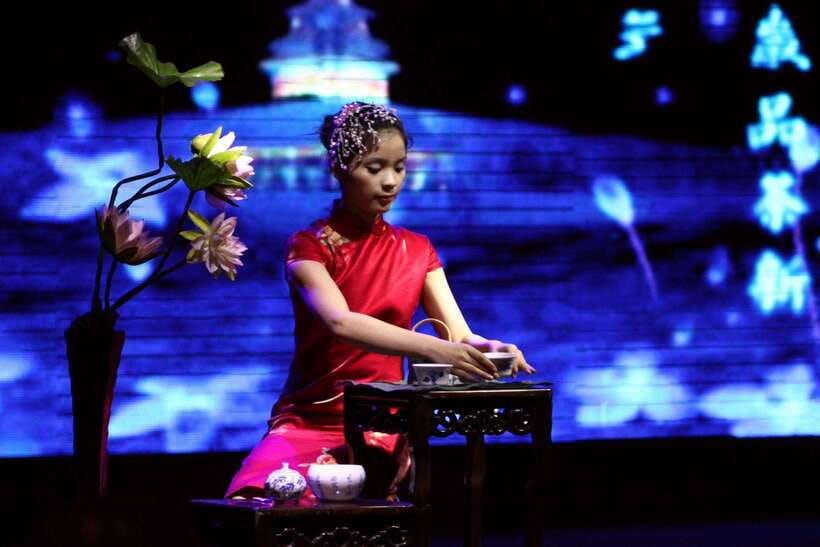
- A tea master leads the ritual: you’ll follow the flow of the ceremony step-by-step
- It’s about more than drinking: respect, harmony, and mindfulness are part of the meaning
- Optional tea shopping: you may buy tea afterward, but it’s at your own expense
A 30-minute tea ritual near Jian Nei Da Jie
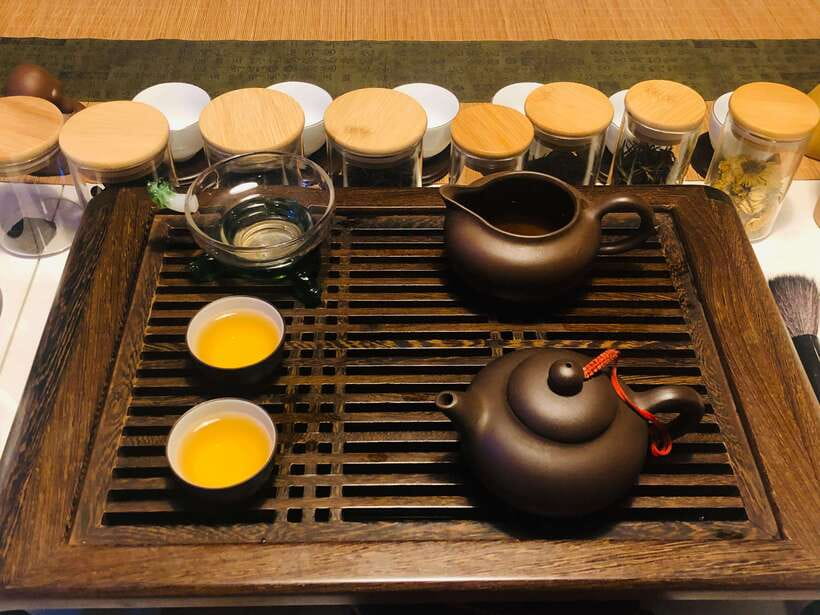
Beijing can feel fast. This tea ceremony gives you a pause. The session runs about 30 minutes, and it’s built for people who want culture without committing half a day. For the price point, the math is simple: you’re paying for a short guided ritual plus 5 mini cups of tea, not a long, staged production.
The meeting area is the Jian Nei Da Jie area (Dongcheng District), starting from Jiannei Avenue. The experience notes also point to Chang An Grand Theater as a key stop along the way. That matters because it usually means you’re gathering in a central, easy-to-reach zone rather than on the far edges of town.
You’ll also have a mobile ticket, which is great if your travel day already includes trains, buses, and too many paper items. The session is capped at 15 participants, which tends to keep the atmosphere friendly and allow the tea master to correct technique or answer questions without rushing.
One more practical thing: the listing says no tour guide. That’s not a deal-breaker, it just sets your expectation. You’re not joining a sightseeing group with a separate interpreter. Instead, the ceremony itself is the event, led by the tea master and staff.
You can also read our reviews of more tours and experiences in Beijing.



Meeting the tea master: ritual, respect, and a calm pace
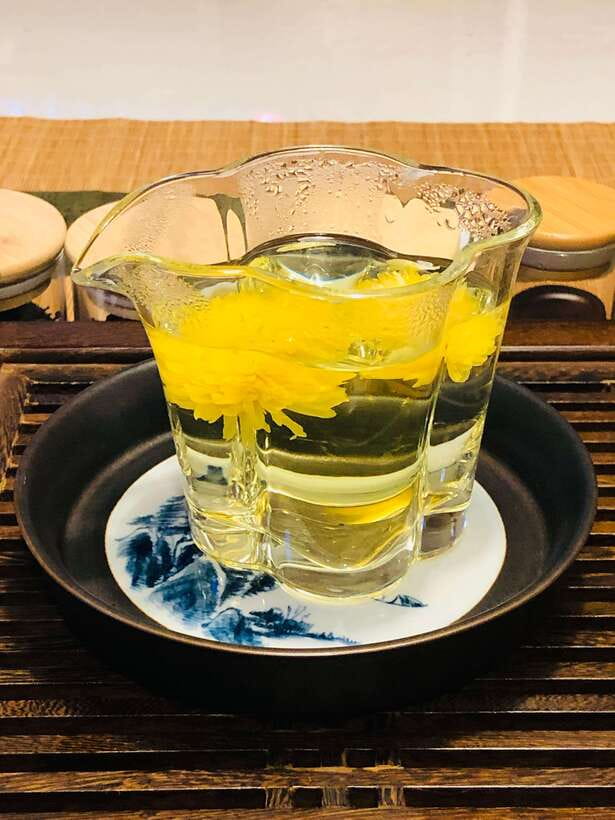
The core of this experience is a traditional tea ceremony. In plain terms, you’re not just tasting. You’re learning how the ceremony frames drinking as a mindful act—built around respect, harmony, and mindfulness.
A tea master greets you when you arrive. Then you follow the sequence of steps that make the ritual feel deliberate, not mechanical. The ceremony emphasizes proper technique: warming the teapot, then pouring the tea with care. Those small actions may sound simple on paper, but in a live setting they change your attention. You start noticing smell and presentation as much as taste.
Also, the tone is described as friendly. In the positive feedback associated with this experience, people specifically praised Richard and the tea master for being welcoming and lovely, and the staff for making the experience feel easy to enjoy. Even if your Chinese is limited, a ceremony like this usually communicates a lot through gestures, pacing, and the tea master’s demonstrations.
If you’re traveling with kids, this format often helps. Kids don’t need a complex lecture; they need a structure they can watch. Then, they get to taste the result in mini cups, which keeps things light and approachable.
Five mini cups included: tasting oolong, pu-erh, green, jasmine, and flower tea
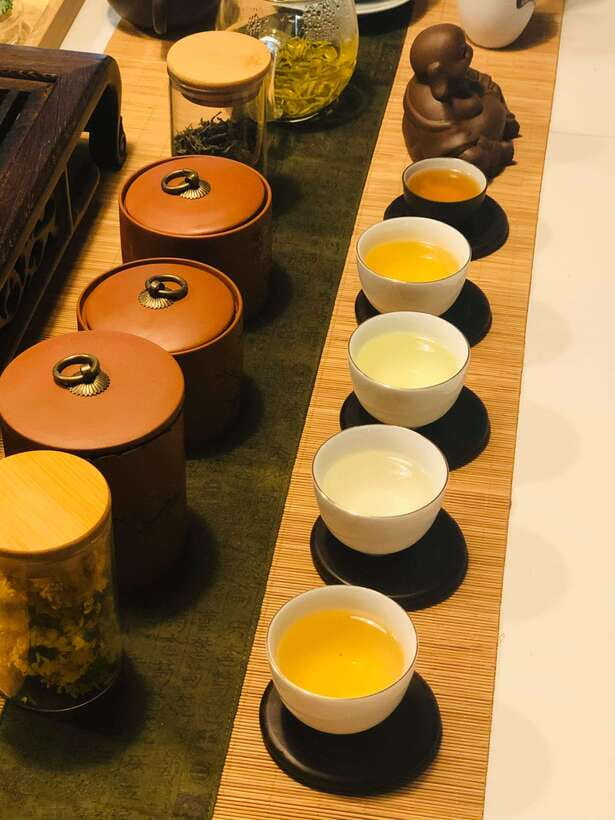
Here’s why this experience is good value. You’re not paying for one tea. You’re sampling several. The ceremony includes tasting different types such as:
- Oolong
- Pu-erh
- Green tea
- Jasmine tea
- Flower tea
That variety is useful for first-timers. If you only taste one tea, you might leave thinking you either like tea or you don’t. With five, you’re more likely to find at least one style that matches your preferences. It also helps you understand that Chinese tea isn’t one flavor family—it’s a range shaped by processing and aromatics.
In a short 30-minute window, the session uses 5 mini cups to keep sampling manageable. Mini cups are also practical for younger participants. You get enough tea to notice the differences without feeling overloaded.
Tip for getting more out of the tasting: don’t rush your reactions. After each mini cup, take a quick moment to note what you notice first—aroma, warmth, and how it tastes on the finish. You don’t need fancy words. Your goal is to build a personal reference. Later, when you see tea on a market shelf, you’ll remember how each style felt in the ceremony.
One small consideration: since the tasting is time-limited, you won’t have time for long back-and-forth flavor comparisons. If you’re the type who wants extended discussion about tea origins, brewing parameters, and how each tea behaves in multiple infusions, you might feel slightly finished early.
Why the ceremony feels different from a casual tea stop
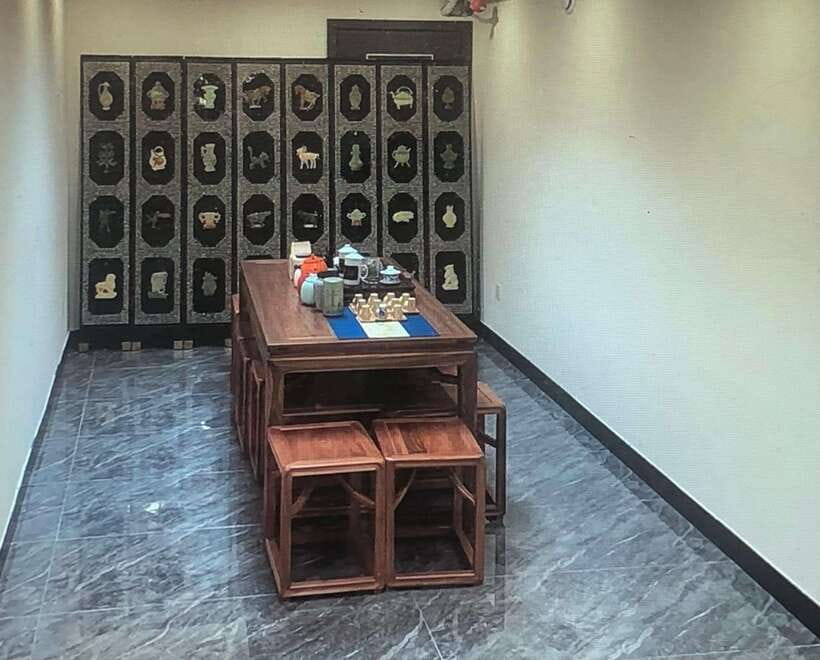
A casual tea shop can be fun. A tea ceremony aims for something else. The experience is built around the idea that the ceremony teaches how to enjoy tea properly. The ritual emphasizes the process—warming the teapot, pouring carefully, and appreciating the sensory details—so you end up tasting with better attention.
That’s where the cultural part becomes real for you. You’re not getting a checklist of facts. You’re practicing a mindset. The ceremony highlights respect (for the process and people sharing it), harmony (how actions stay in sync and not rushed), and mindfulness (slowing down enough to notice tea as more than a drink).
Even if you’ve never taken part in a tea ceremony before, the structure helps. The tea master demonstrates techniques, and you follow along. Because it’s a small group, the pace can stay more human. There’s room to watch, learn, and taste without feeling like you’re standing in line at a crowded attraction.
This also makes the ceremony a solid “cultural reset” during a busy Beijing itinerary. If you’ve been jumping between markets, museums, and major landmarks, a calm, guided sensory experience can change the mood of your day in a way a standard stop won’t.
What’s happening at Chang An Grand Theater, and why it matters
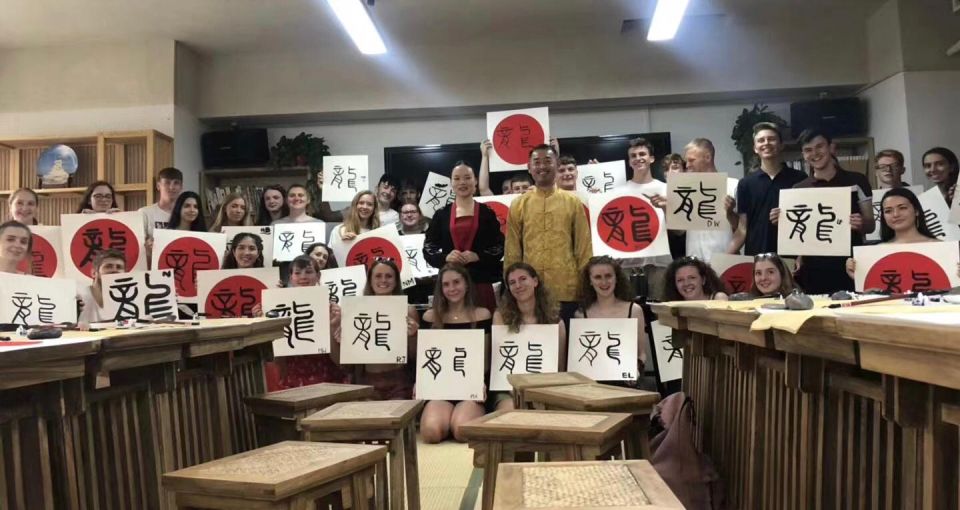
The experience route lists Chang An Grand Theater as a stop. You don’t need to treat that as a separate sightseeing mission. Think of it as a practical anchor point—somewhere easy to locate and manage for a short ceremony.
Why that helps you: a 30-minute experience lives and dies by timing. If the gathering point is clear and central, you waste less time trying to find the right door or waiting around at the wrong entrance. The information also notes you’ll be near public transportation, which usually makes a short session like this much smoother.
After the ceremony, the tea master manager walks you back either to the meeting point or to the Jianguomen Subway station. That’s a big deal for a short experience. It reduces the risk of leaving “on your own” and then having to figure out the next hop while you’re still thinking about the tasting.




Optional tea purchases: how to handle the extra spend
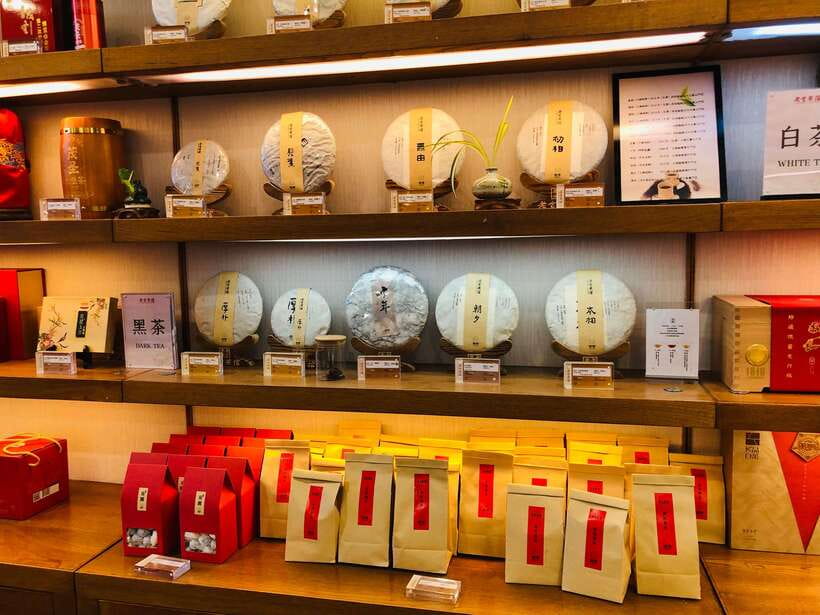
After the ceremony, you’ll have the option to purchase some tea to take home. The key detail here: purchasing is at your own expense.
Should you buy? Maybe. Tea ceremonies are a gentle way to find what you actually like, and leaving with a personal reference can be fun. If you found one style especially enjoyable during the tasting, it’s reasonable to consider taking that style home.
How to make the purchase decision wisely:
- If you’re unsure, taste notes during the session are your best guide.
- Keep your budget in mind. The ceremony price covers the session and mini cups, not souvenirs.
- Ask questions and compare what you’re considering, but don’t feel pressured to buy immediately.
The ceremony setting can make tea feel more special, which is exactly why shopping happens afterward. That doesn’t mean you have to spend. But it does mean you’re in the right mindset to choose something you’ll actually use.
Best for families, first-timers, and kids who like hands-on moments
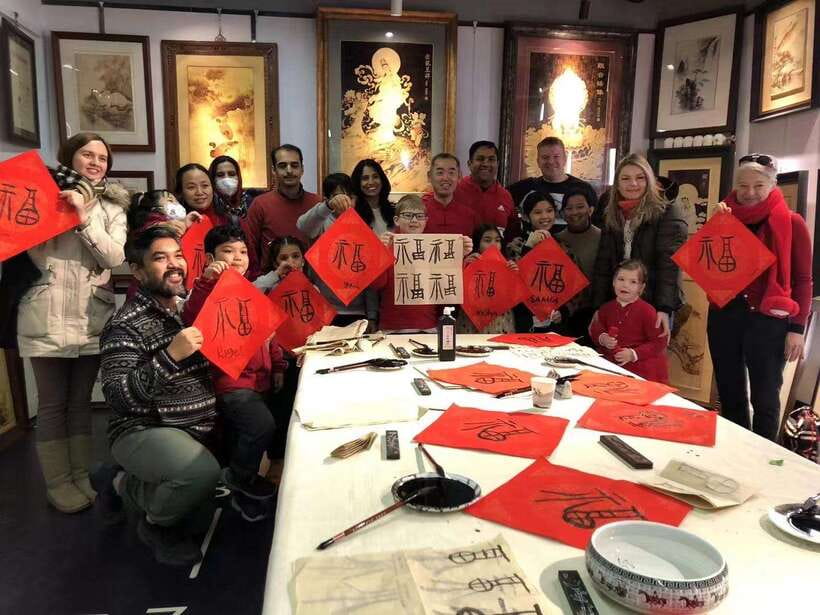
One of the strongest points in the experience description is that it’s fun and interesting for both adults and kids. For families, that usually means two things:
- It’s structured enough to hold attention.
- The tasting portions are small and manageable.
The group cap of 15 travelers helps too. With a smaller group, kids are less likely to feel lost, and the tea master can respond to questions without speaking over the whole room.
For first-timers, the ceremony is also a good entry point. You’re introduced to multiple tea styles quickly, and you learn the “proper way to enjoy tea” in an approachable format. You don’t need to already know tea terminology. You just need curiosity and a willingness to pay attention.
If you’re traveling as a couple, friends, or solo, it can still be a good fit. Tea ceremonies work well as a shared activity because everyone gets to taste the same set of teas and compare notes afterward.
Price and value: how $9.90 fits a 30-minute cultural experience
At $9.90 per person, the value here is mostly about what you get for that time. You’re paying for:
- the tea ceremony itself
- 5 mini cups of tea
That’s a lot of “included experience” for a short session. The lack of a separate tour guide also keeps the structure tight—this isn’t a half-day guided program with additional staff time. Instead, your money goes into the ceremony and the tasting.
Two value notes to keep you grounded:
- You should budget for optional tea purchases afterward if you want souvenirs.
- Since the session is only about 30 minutes, your learning is introductory. It’s the kind of activity that gives you direction for what to look for next, not the kind that makes you a tea professional.
Still, the overall rating is 5/5 from 7 reviews, with praise aimed at friendliness and warmth from the staff and tea master, and people highlighting Richard. That’s a good sign that the experience can feel personal, not stiff.
Also, the average booking window is 33 days in advance. That doesn’t mean you can’t book last minute, but it’s a hint that slots can move. If you want a time that matches your schedule, it’s smarter to reserve with a bit of lead time.
Should you book this Beijing tea ceremony?
Book it if you want a short, calm cultural experience that’s easy to fit into a day in Beijing. You’ll likely enjoy it most if you care about process—how something is done—more than collecting a pile of facts. The small group size and tea master-led ritual make it welcoming, including for kids.
Skip it (or look for a longer program) if you’re expecting a deep, long lesson on brewing methods and tea science. With only 30 minutes, you get an overview through a guided tasting. It won’t turn you into a tea expert by itself.
If you’re on the fence, here’s the decision rule I’d use: if you’re excited to taste oolong, pu-erh, green tea, jasmine, and flower tea in one go, and you’re happy with an introductory format, this is a very good match for the money.
FAQ
How long does the traditional Chinese tea ceremony last?
The ceremony lasts about 30 minutes.
What’s included in the $9.90 price?
Your price includes the tea ceremony and 5 mini cups of tea.
Is a tour guide included?
No. The experience specifically notes no tour guide.
Where do I meet, and where does the experience end?
You start around Jiannei Avenue / Jian Nei Da Jie (Dongcheng District). The activity ends back at the meeting point, and after the ceremony the tea master manager can walk you to the meeting point or to Jianguomen Subway station.
Is the experience ticket mobile?
Yes. The experience uses a mobile ticket.
Can I get a full refund if I cancel?
Yes. You can cancel for a full refund if you cancel up to 24 hours in advance of the experience start time.