REVIEW · BEIJING
Temple Heaven, Summer Palace, Lama Temple, Hutong Bus Tour
Book on GetYourGuide →Operated by Beijing Mubus · Bookable on GetYourGuide
Five stops, one very full Beijing day. You’ll move from imperial Beijing to Tibetan Buddhist grandeur, then into the quiet rhythm of Hutong life and out to the royal gardens of the Summer Palace, with a built-in night-photo finish at the Bird’s Nest. It’s a lot for one day, but the structure makes it workable.
I especially like how the day pairs the Temple of Heaven with the Yonghe Lama Temple—two spiritual worlds that shaped how people in the city imagined power and the heavens. I also like the free-flow Hutong lunch time, plus the optional Imperial Waterway Cruise when you want a break from walking.
The main drawback is simple: expect lots of walking with few sit-down moments between stops. If you’re low on stamina, you’ll feel it by mid-afternoon.
In This Review
- Key highlights at a glance
- A one-day Beijing route that actually makes sense
- Meeting point and pacing: what to know before you go
- Temple of Heaven: the empire’s answer to a good harvest
- Yonghe Lama Temple: Han and Tibetan style in one powerful monastery
- Hutong time: old Beijing neighborhoods without forcing it
- Summer Palace: royal gardens, lake views, and the Long Corridor
- The practical reality of 9:00am to 5:00pm
- Bird’s Nest night-view finish: use the last hour wisely
- Price and value: is $58 money well spent?
- Who should book this bus tour (and who shouldn’t)
- Should you book Temple Heaven, Lama Temple, Hutongs, and Summer Palace?
- FAQ
- FAQ
- What time does the tour start and end?
- Where do I meet the guide?
- What sights are included in the full day?
- Does the tour include entrance tickets?
- Is the English guide included?
- Is the Imperial Waterway Cruise included?
- Where does the tour end?
- What should I bring?
- Is this tour suitable for low fitness levels?
- Are there options to book with flexible payment?
Key highlights at a glance
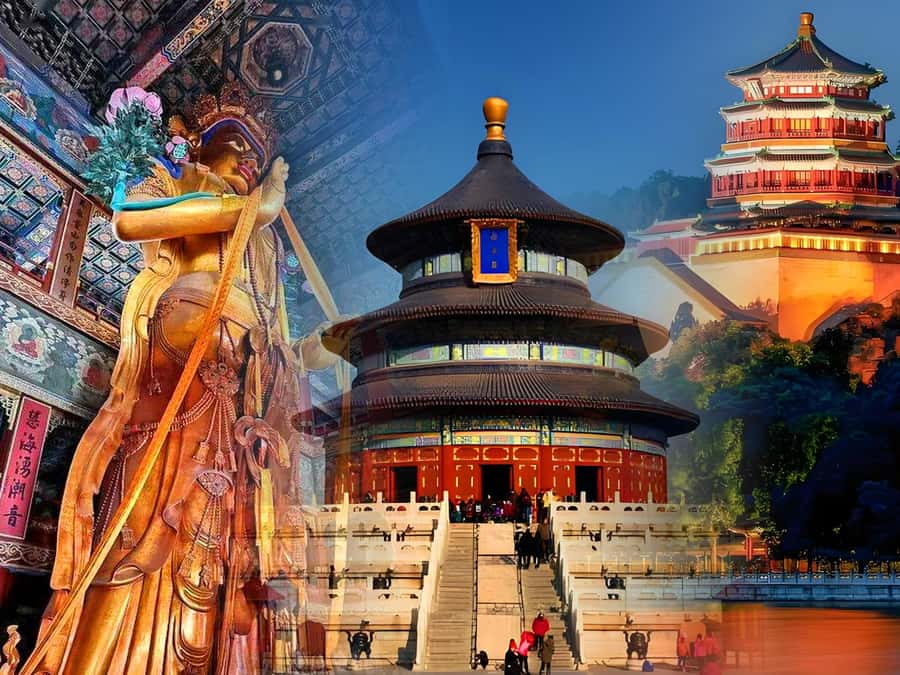
- Temple of Heaven: the Hall of Prayer for Good Harvests and the larger imperial worship complex
- Yonghe Lama Temple (Lama Temple): a standout 18-meter Maitreya Buddha carved from a single sandalwood tree
- Hutong alleys: traditional old Beijing neighborhoods with lunch time at your own pace
- Summer Palace: Kunming Lake, the iconic Long Corridor with painted scenes, and UNESCO-listed royal gardens
- Optional Imperial Waterway Cruise: a boat route used by royalty (¥100 per person)
- Bird’s Nest finish: night views right after the tour ends
A one-day Beijing route that actually makes sense
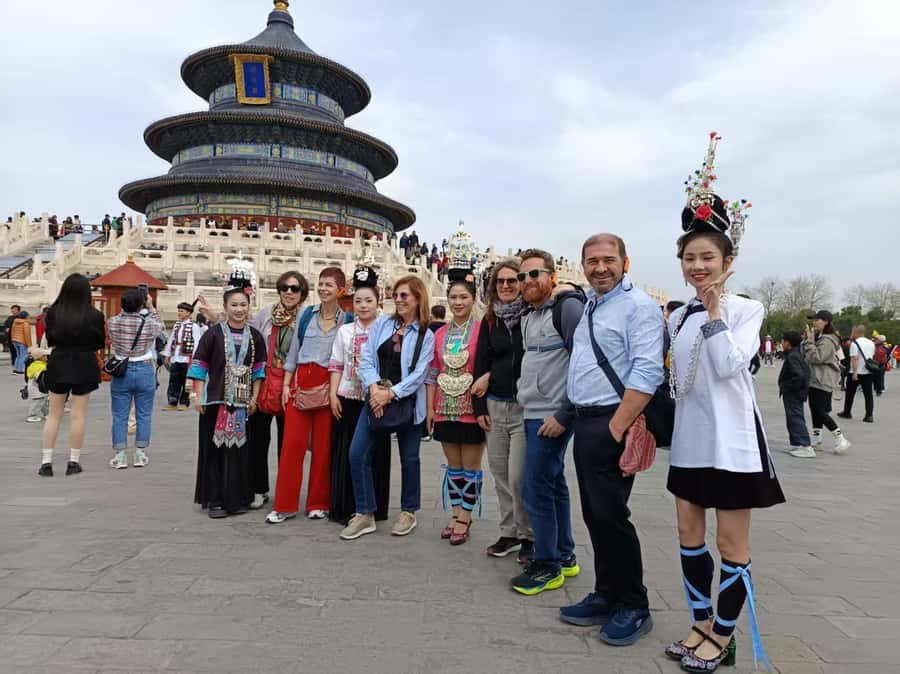
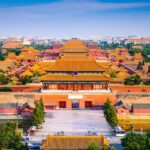
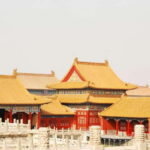
This is the kind of day tour you book when you want the big mental picture fast: how Beijing looked to emperors, how it felt in sacred spaces, and how daily life still lingers in old neighborhoods. You’re covering Temple of Heaven, Lama Temple, Hutongs, and the Summer Palace—then finishing at the Bird’s Nest when the city light show starts.
For many first-timers, the best value here is not just “more sights.” It’s the timing and sequencing. You hit the most photo-heavy temples earlier, when the light and crowd flow are usually easier to manage. And you end with the Olympic landmark, which works nicely if you want to keep exploring after 5:00pm.
You can also read our reviews of more tours and experiences in Beijing.
Meeting point and pacing: what to know before you go
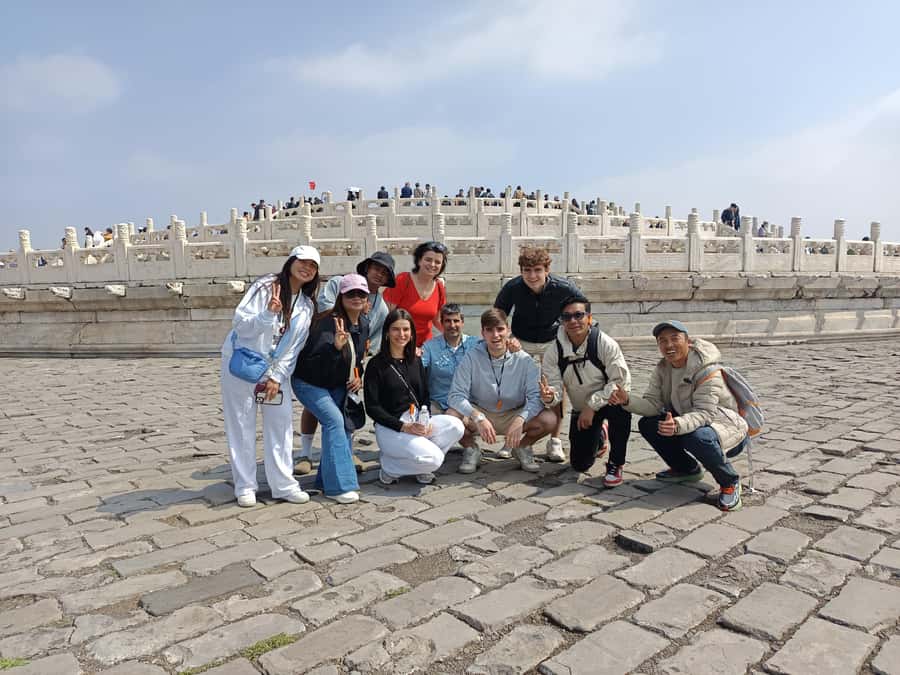
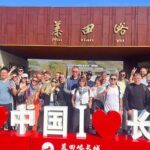
Your day runs 9:00am to 5:00pm. You meet at Subway Line 5, TIANTANDONGMEN Station, Exit A2, and your guide holds a Mubus signboard.
Between attractions, the tour uses bus transportation (round-trip bus is included if you select that option). Still, the walking load inside each site is real. Even with the coach between stops, you should plan on spending most of your time on your feet—temple courtyards, palace paths, and lakeside promenades add up quickly.
Practical tip: wear comfortable shoes and bring your ID/passport. This is one of those days where you’ll thank yourself for not thinking you can do “a little walking” with sneakers that don’t breathe.
Temple of Heaven: the empire’s answer to a good harvest
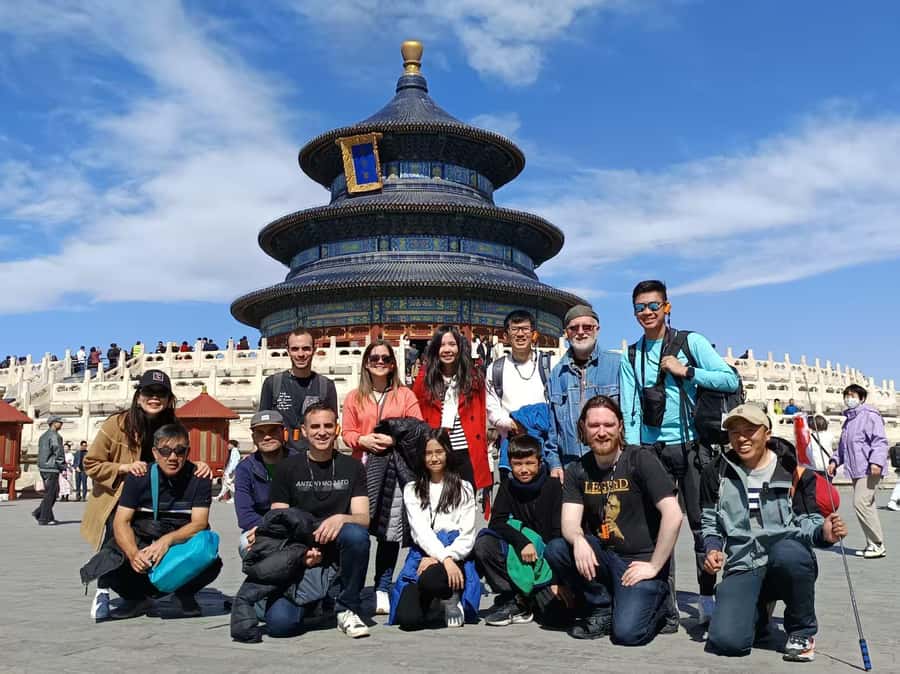
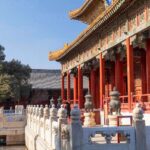
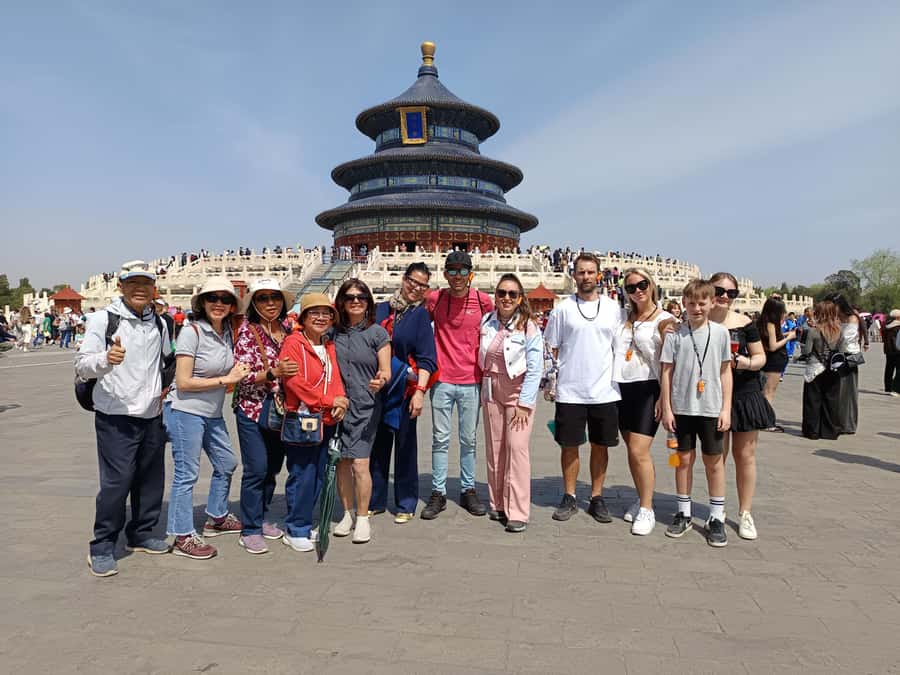
You start with the Temple of Heaven, the largest imperial altar complex in China. Emperors once prayed there for good harvests, so you’re not just seeing buildings—you’re seeing the place where rulers tried to influence the natural world through ritual.
The main stop is the Hall of Prayer for Good Harvests, widely regarded as one of the most important pieces in the complex. When you stand in that area, look for how the design supports the idea of ceremony: open space, strong symmetry, and that “great sky” feeling that makes the prayers feel bigger than the walls.
What makes this stop work in a bus tour format is the focus. You’re guided through the core structures rather than wandering for hours trying to figure out what matters most. If you’re short on time in Beijing, this is one of those places where a guide helps you “read” the site instead of just taking pictures.
Yonghe Lama Temple: Han and Tibetan style in one powerful monastery
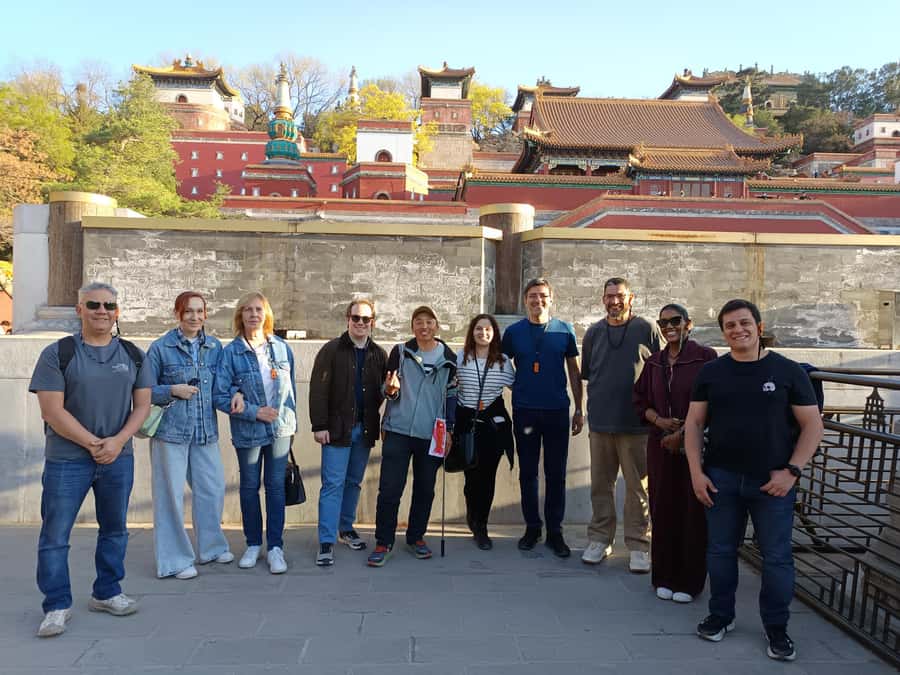
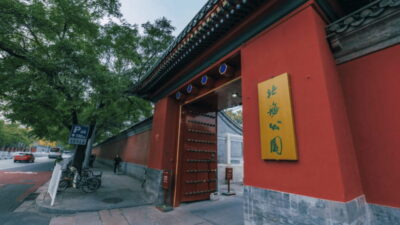
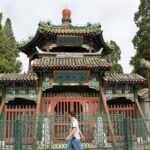
Next up is the Yonghe Lama Temple (the famous Lama Temple in Beijing). This is described as the most prestigious Tibetan Buddhist monastery in northern China, and it feels that way from the architecture alone—part Tibetan, part Han, and very intentionally grand.
A standout moment is the 18-meter-tall Maitreya Buddha, carved from a single sandalwood tree. Whether you’re religious or not, it’s the kind of object that changes your scale instantly. You also get a feel for why this monastery became so central to northern Buddhist life: it’s both sacred and visually commanding.
One thing I’d watch for: your attention span. This site is detailed, but you’ll get the best experience if you keep your energy up. If your guide is energetic and story-driven (names like Joy, Jimmy, and Helly come up often for this route), you’ll be able to follow the meaning behind carvings, halls, and layout instead of just moving from one room to the next.
Hutong time: old Beijing neighborhoods without forcing it
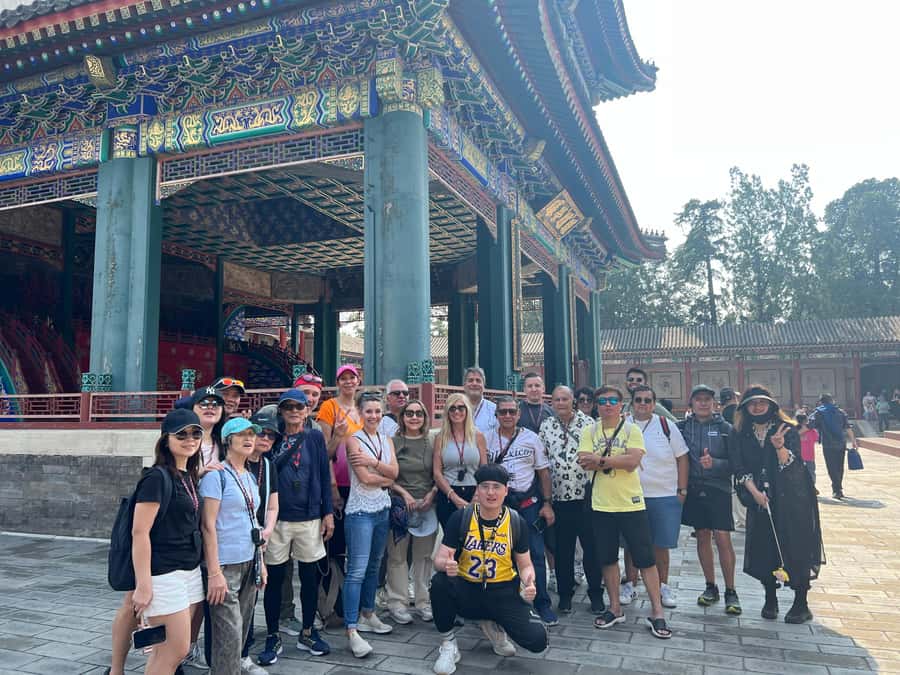
After the temple stops, you get walking time through Beijing Hutongs, the old alley neighborhoods where traditional residential life still shows up in the layout and the street culture. The pace here shifts. It’s not just a museum stop. It’s a chance to notice how the city breathes beyond monuments.
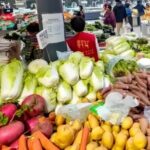
The tour builds in lunch freedom. You can grab food on your own during this stretch, which is a smart move because Hutongs have plenty of choices and you’ll have different appetite preferences.
Here’s how to use this time well:
- Pick a direction and don’t over-plan. In Hutongs, the fun is often the wrong turn that becomes a better street view.
- Keep an eye on the group’s meeting point and time. This part is “free,” but it’s still inside a schedule.
Also, be realistic about crowds. Some parts of the major sights can be busy even in good weather, and Hutongs can surprise you with foot traffic at peak times.
Summer Palace: royal gardens, lake views, and the Long Corridor
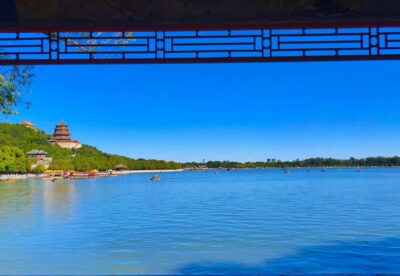
The Summer Palace is next, and it’s a big one. This UNESCO-listed imperial garden is often called the Museum of Royal Gardens for a reason: the layout feels designed for strolling, pausing, and looking back at what you just walked past.
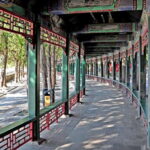
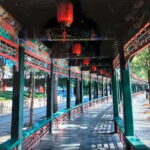
You’ll spend time around Kunming Lake and the Long Corridor, famous for its painted scenes. One detail you should know before you arrive: the Long Corridor is around 728 meters long, and it’s packed with scenes—so yes, you can treat it like an outdoor art gallery. If you want the best experience, don’t try to absorb every painting at once. Look at a few panels deeply, then let your eyes rest.
The tour also gives you a clear option to slow down: the Imperial Waterway Cruise. It’s optional and costs ¥100 per person. The idea is simple—you ride part of the historic route once used by royalty to enter the Summer Palace by boat. If your feet feel cooked at this point in the day, this is one of the best “spend a little, rest a lot” upgrades you can make.
If you have extra stamina and time inside the palace, you might also aim for viewpoints like the area near Foxiangge (Tower of Buddhist Incense) for panoramic views of Kunming Lake. And if you catch it when the sun is lower, bridges and pavilions can look dramatic even when the crowds are thick.
The practical reality of 9:00am to 5:00pm
This tour is intense in a good way. You’re stacking major sights, so don’t expect long, relaxed breaks. Coach rides help, but inside the sites you’ll mostly stand and walk.
I’d plan for:
- Weather impact: cold or heat changes how long you want to linger.
- Shade: you may get short patches to rest, but don’t rely on it.
- Crowd flow: even when you see standout monuments, you’ll still share space with lots of other visitors.
One small way to make the day easier: build your own mini-goals. At Temple of Heaven, aim for the Hall of Prayer for Good Harvests and one or two key structure areas. At Summer Palace, pick a corridor section plus one lake viewpoint rather than trying to “finish everything.”
Bird’s Nest night-view finish: use the last hour wisely
The tour ends at the Bird’s Nest, the Olympic Stadium. This is a fun ending because it lets you switch gears—from sacred sites and palaces to a modern Beijing icon—and then keep exploring when the light changes.
Since your tour stops around 5:00pm, you have a natural opening to stick around for evening atmosphere. If you’re the type who likes photos, this is where you’ll want to slow down and take in the surrounding area.
Tip: once you’re dropped near the Bird’s Nest, keep your map open and plan one simple next step. You don’t want to burn your energy trying to figure out your route after a long day already on your feet.
Price and value: is $58 money well spent?
At $58 per person, this route can be a very good deal if you choose the right options. The tour includes English-speaking guide (if selected), round-trip bus transportation (if selected), plus entrance tickets to Temple of Heaven and Summer Palace (if selected), and Lama Temple and Hutong (if selected).
The value angle is time. Temple of Heaven and Summer Palace alone are big enough that many people end up piecing them together with extra transport and ticket confusion. Here, you get a guided path that tells you what to prioritize, and the coach reduces the headache of hopping between far-apart areas.
What you should check before you book: make sure your selected package includes the entrance tickets you care about. Since tickets are listed as included only if selected, the best value depends on that choice.
Also, consider the optional ¥100 boat. Even if you don’t buy it, the option itself is part of the value. You’re not stuck doing everything on foot no matter what your energy is doing.
Who should book this bus tour (and who shouldn’t)
This tour fits best if you want a strong one-day sweep and you like understanding what you’re seeing—not just photographing it. It’s also a good match if you enjoy a guide who explains symbolism and context clearly; many guides on this route are praised for keeping the group engaged and giving practical directions on where to meet next.
It’s less ideal if you have limited mobility or low stamina. The tour notes it isn’t suitable for people with low level of fitness, and the pace confirms why: lots of walking, few chances to sit, and long site time where you’ll be standing in lines or moving along paths.
If you want quiet, uninterrupted exploration where you linger for hours with no schedule pressure, you might prefer a slower plan. But if you want the headline experiences of Beijing in one day, this one earns its spot.
Should you book Temple Heaven, Lama Temple, Hutongs, and Summer Palace?
I’d book it if:
- You’re short on time and you want the most recognizable Beijing landmarks in one shot.
- You like guided explanations that help you understand why places matter.
- You don’t mind a packed schedule as long as the route keeps moving.
I’d think twice if:
- You know you struggle with long walking days.
- You want a slower, calmer pace with lots of downtime.
- You prefer to control every detail independently (this tour is structured to keep you on schedule).
My practical advice: go in with a comfortable shoe plan, and pick one “rest strategy” in advance—either the Imperial Waterway Cruise at Summer Palace or a clear point where you’ll stop for a snack and reset. Done right, this day can feel like you’re getting the Beijing story in chapters, not as random site hopping.
FAQ
FAQ
What time does the tour start and end?
The tour runs from 9:00am to 5:00pm.
Where do I meet the guide?
You meet at Subway Line 5, TIANTANDONGMEN Station, Exit A2. Your guide will be holding a Mubus signboard.
What sights are included in the full day?
You visit Temple of Heaven, Yonghe Lama Temple, Hutong alleys, and the Summer Palace, and the day ends at the Bird’s Nest.
Does the tour include entrance tickets?
Entrance tickets are included only if you select the option for them. Temple of Heaven and Summer Palace tickets are listed as included if selected, and Lama Temple and Hutong tickets are also listed as included if selected.
Is the English guide included?
An English-speaking tour guide is included if that option is selected.
Is the Imperial Waterway Cruise included?
No. The Imperial Waterway Cruise is optional, and it costs ¥100 per person if you choose it.
Where does the tour end?
The tour ends at the Bird’s Nest area, where you can continue exploring and enjoy night views.
What should I bring?
Bring your passport or ID card.
Is this tour suitable for low fitness levels?
No. It is not suitable for people with low level of fitness.
Are there options to book with flexible payment?
Yes. The tour offers reserve & pay later, where you can book your spot and pay nothing today.