REVIEW · BEIJING
Discover Old Beijing: Hutong Walking Tour & Calligraphy
Book on GetYourGuide →Operated by AUTHENTIC TRAVEL CHINA · Bookable on GetYourGuide
Old Beijing still has a pulse in its alleys. This 3.5-hour walking tour mixes Hutong courtyard time with a hands-on Chinese calligraphy session, plus landmark views that most people rush past. I especially liked the way the guide ties everyday neighborhood life to big-picture changes, and I also enjoyed the snack-and-photo rhythm that keeps it fun.
One thing to consider: the price you see can feel different depending on whether booking adds a service fee, since this tour style is often treated like a free, tip-based walk.
Meet your guide near Hufangqiao Metro (Line 7, Exit D), grab the directions even though Google Maps can be unreliable, and plan to arrive early. If you do that, you’ll get a smooth flow from opera-theatre context to Hutong lanes, then into the more commercial streets and gates toward Qianmen.
In This Review
- Key highlights you should care about
- Old Beijing on foot in 3.5 hours: what you’re covering
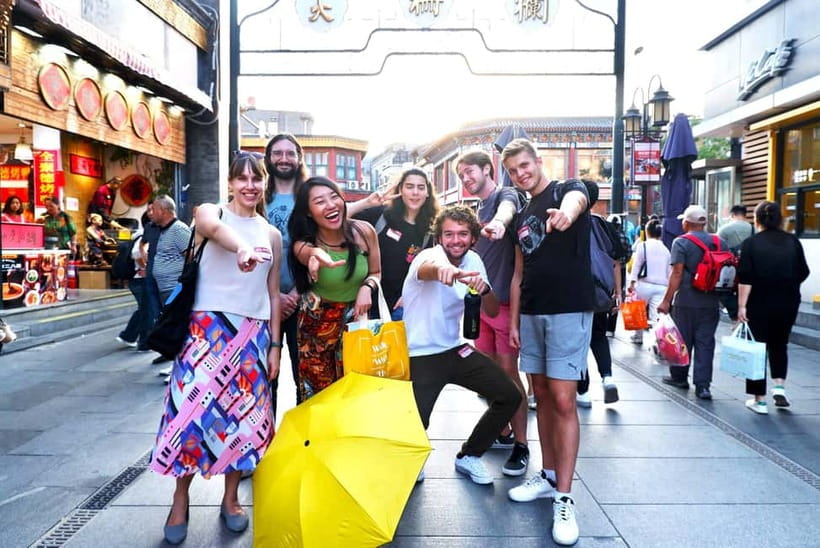
- Where the tour starts: Hufangqiao Metro, Exit D, and the yellow umbrella
- Huguang Guild Opera Theatre: why this opera site sets the tone
- Beijing Hutongs and the narrow-lane experience
- A secret courtyard stop: the quiet pause you’ll remember
- Yangmeizhu Byway and Daguanlou Cinema: local details, then big meaning
- Dashilan residential district and Qianmen Street: finishing with the downtown pulse
- Calligraphy studio: make it yourself, take it home
- Guide style matters: clear storytelling and friendly pacing
- Price and value: $25 is only a bargain if the final fee is fair
- Practical tips for an easy walk (without overthinking it)
- Who should book this Hutong walk and calligraphy session?
- Should you book Old Beijing: Hutong Walking Tour & Calligraphy?
- FAQ
- How long is the tour?
- Where does the tour start?
- What should I look for at the meeting point?
- Is the tour in English?
- What does the tour include besides walking?
- Is there time to visit a courtyard?
- Are food and drinks included?
- What if I use Google Maps?
- How early should I arrive?
- What is the cancellation and payment policy?
Key highlights you should care about
- Authentic Hutong courtyard visit that slows everything down for real neighborhood atmosphere
- Calligraphy you make yourself and take home as a lasting souvenir
- Street-level stories from people connected to old Beijing neighborhoods and how life changed
- Film-related stop tied to Beijing’s cinema heritage
- Snack breaks and photo stops built into the walk so you are not just marching from sight to sight
- Chill social vibe where you can meet fellow walkers and share travel plans
Old Beijing on foot in 3.5 hours: what you’re covering
This tour is built for first-timers who want the feeling of Beijing beyond the big-ticket spots. In just 3.5 hours, you move through a compact mix of imperial-era landmark area and daily-life Hutongs, with time layered in for stories, food, and an activity.
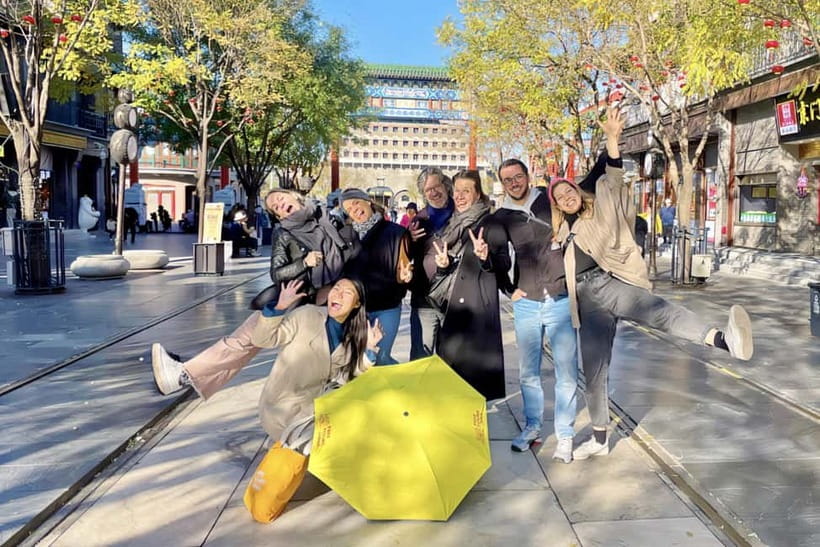
You’ll start at the Huguang Guild Opera Theatre area, then work your way through Beijing Hutongs and a few key downtown connections. The walk also points you toward the major-government-square zone with a view from outside Tiananmen Square, plus gate and arrow-tower context around the Zhengyang Gate area and a stop on Qianmen Pedestrian Street.
The pacing is generally “guided wandering”: lots of stopping to listen, quick photo breaks, and short guided segments rather than one long lecture. That matters because Hutongs are easy to get lost in, and the stories are the part that makes the streets feel meaningful.
You can also read our reviews of more walking tours in Beijing



Where the tour starts: Hufangqiao Metro, Exit D, and the yellow umbrella
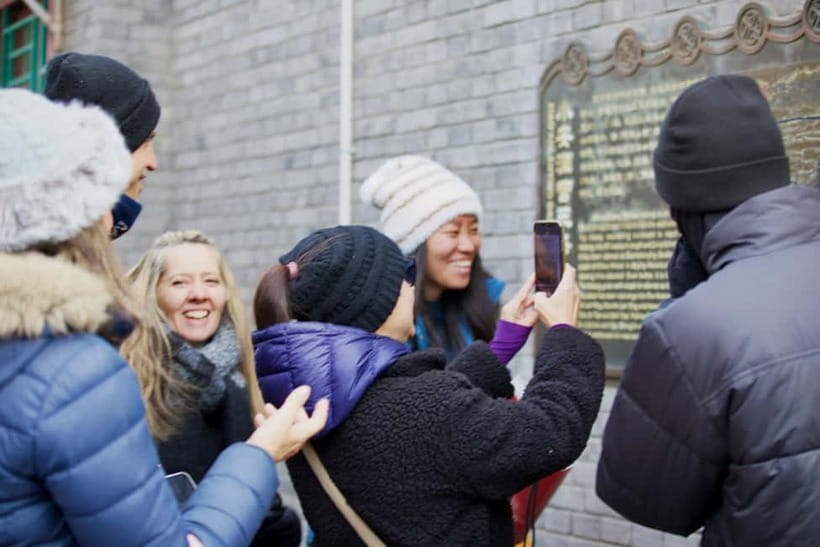
Your best bet is to treat the meeting instructions as the source of truth. The tour meets at Hufangqiao Metro Station (Line 7), Exit D (South-West Exit). After you exit, go to the main road, turn right, and walk about 60 meters east to the green space at the intersection.
The taxi address is at the corner of Hufang Road & Luomashi Avenue, near the Huguang Guild Opera Theatre. And because Google Maps doesn’t work reliably in China, you’ll want to ignore any pin you see and follow the written directions instead.
You should plan to arrive 5–10 minutes early. The guide will wait up to 20 minutes at the meeting point, but the tour can’t hold if you’re late. This is the kind of tour where missing the start means missing the whole flow.
Huguang Guild Opera Theatre: why this opera site sets the tone
The first guided block is at the Huguang Guild Opera Theatre, around 30 minutes. This is a smart opener because it gives you a framework for understanding how older Beijing neighborhoods supported performance culture, community gatherings, and local identity.
I like when a tour starts with a place that explains how the city functioned socially, not just what it looked like. Here, that theatre stop acts like a launchpad: you go from a recognizable landmark zone into less obvious lanes, with a better sense of what you’re seeing.
You’ll also receive welcome gifts plus a China survival guide, which is useful if you’re still figuring out how everyday life works in Beijing. Small add-ons like this can save you time later in your trip.
Beijing Hutongs and the narrow-lane experience
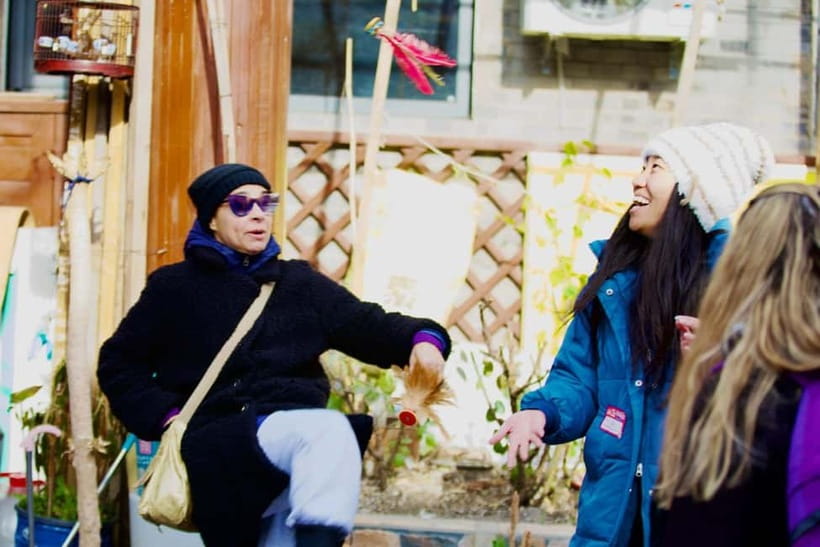
Next comes the heart of the walk: Beijing Hutongs for about 30 minutes. This is where the tour helps you connect the visual reality of the lanes—dense, intimate, and full of everyday movement—with the larger story of how Beijing has changed.
The route includes time for an area known for local antique shopping and street culture, along with a look at some of the tighter, more hidden-feeling alley patterns. The tour highlights the narrowest Hutong in Beijing, which is a perfect example of why a guide matters. It’s not just about walking through an alley; it’s about realizing how space, scale, and community were built together.
The tour also promises local stories from people who have “survived” and adapted in these older neighborhoods. I value this part because Hutongs can look like simple scenery unless someone explains the lived-in logic behind them.
A secret courtyard stop: the quiet pause you’ll remember
One of the most satisfying parts is the secret stop, about 20 minutes. This is where you visit an authentic Hutong courtyard, and that courtyard time is the kind of pause most people never plan for on their own.
Courtyards are where old Beijing stops being a concept and becomes architecture you can feel. Even in a short visit, you get a sense of layout—how people organized daily life around shared space—plus the human stories that make the place more than a photo backdrop.
If you like cultural experiences you can’t easily replicate by wandering, this is the section to hold onto. It’s short, but it gives your brain a different texture after the street walking.


Yangmeizhu Byway and Daguanlou Cinema: local details, then big meaning
You’ll then move to Yangmeizhu Byway for around 30 minutes. This is a good segment for street-level context—how neighborhoods connect to commerce, where people actually eat and shop, and how daily rhythm differs from the tourist-hardened routes.
Snack time fits naturally here, including a break to enjoy local street food and drinks. The stop isn’t just eating; it’s learning how food choices and small markets shape the feel of the neighborhood. You’ll come away with ideas for what to try later, not just one bite during the tour.
After that, you go to Daguanlou Cinema for about 20 minutes. The tour ties this stop to Beijing’s cinema roots, which helps you see how entertainment and community history overlap. I like the approach because it keeps “culture” from staying abstract.
Dashilan residential district and Qianmen Street: finishing with the downtown pulse
The final longer stretch moves through Dashilan Residential District for about 30 minutes, then onto Qianmen Street for about 40 minutes. Dashilan is where you see the residential side of the downtown edge—less about gates and more about how people live near major city corridors.
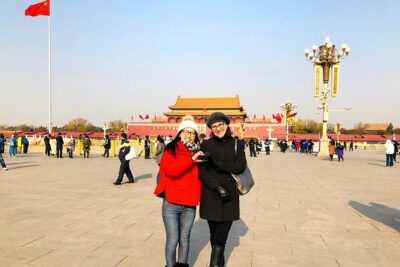
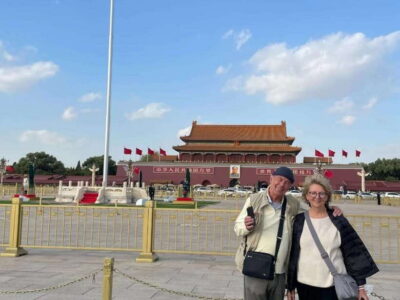
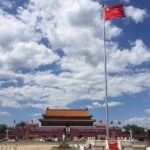
Then you hit Qianmen Street, including the Zhengyang Gate and Arrow Tower context and time on the Qianmen Pedestrian Street zone. The highlight list also includes a view from outside Tiananmen Square, which can be a powerful end-cap if you want the feeling of the central axis without trying to force it through heavy crowds.
This ending works well because it turns your earlier Hutong learning into a bigger map. You start with intimate scale, then you shift into the grand, policy-facing center of Beijing.
Calligraphy studio: make it yourself, take it home
The tour includes a Chinese calligraphy studio experience where you create your own artwork. The best part is that you take the calligraphy home as a free souvenir, so you are not leaving with only a few photos and a vague memory.
This is also a great mental reset. Walking is intense in Beijing’s winter conditions, and your hands-on activity gives you something different to focus on. It’s the kind of interactive stop that feels personal, especially if you have limited time and don’t want to spend hours hunting for a studio later.
If you get a guide who explains the cultural context clearly, calligraphy becomes more than a craft. I’ve seen this approach work well with guides like Carrie, who focuses on the past, present, and the way Beijing is planned for the future. Even if your style is just to enjoy the process, you’ll still come away with a tangible piece.
Guide style matters: clear storytelling and friendly pacing
A good Hutong walk lives or dies by the guide. In particular, I’ve heard about guides like Shery delivering explanations in a way that feels friendly and approachable, even when you’re not fully fluent in Chinese.
What you’re looking for is a guide who can bounce between street detail and city-level change. That’s exactly what this tour aims to do: connect how neighborhoods worked to how they function now, then point you toward what modern Beijing is trying to become.
You also get the social perk of meeting fellow travelers along the way. If you’re solo, that matters more than you might think, especially during a busy sightseeing run.
Price and value: $25 is only a bargain if the final fee is fair
On paper, the tour price is $25 per person for a 3.5-hour experience. That’s a solid value when you factor in what’s included: a local English-speaking tour guide, welcome gifts, snack breaks, and a calligraphy session with take-home artwork, plus the time spent at an opera-theatre start and multiple guided stops.
But here’s the caution I’d give you: one review noted that it can feel like a mismatch when the platform price jumps for something that is essentially a free walking tour style (tip-based). I’d treat this as a “check the final total” situation. If the booking fee makes it much higher than you expected, the value can shrink.
In other words: the tour content is worth your time. The deal depends on what you actually pay after any service charges.
Practical tips for an easy walk (without overthinking it)
This is a walking tour, so dress and pace accordingly. I’d plan your day so you’re not rushing right after—give yourself time to enjoy the calligraphy and the snack stops instead of sprinting to the next activity.
Also, count on metro navigation. Beijing’s stations can be huge, and you’re specifically directed to the Line 7, Exit D path. Build in extra minutes to find the green space and confirm you’re in the right spot.
And keep this simple rule: follow the written meeting instructions, not a possibly wrong map pin. That one adjustment prevents a lot of stress.
Who should book this Hutong walk and calligraphy session?
You’ll likely love this tour if:
- You want Old Beijing atmosphere without spending days planning routes
- You like culture that you can touch (calligraphy) rather than just look at
- You enjoy short, guided stops where the guide connects streets to stories
- You want a mix of Hutongs and major downtown landmarks in one go
It’s especially good for a first visit because you get a “beginner map” of how the city’s older neighborhoods connect to the central axis. And if you’re traveling solo, the built-in chance to meet other walkers can make the afternoon feel less like a checklist.
If you hate walking, this might feel like too much. But if you’re comfortable moving for a few hours and listening while you go, it’s a strong way to spend one day.
Should you book Old Beijing: Hutong Walking Tour & Calligraphy?
Book it if you want the best mix of street-level storytelling, a real courtyard moment, and a calligraphy souvenir that you actually keep. The tour’s structure makes it easy to learn quickly and still have fun—snacks, photo stops, and multiple neighborhood angles instead of one long slog.
Skip or shop around only if the final price after fees makes it feel steep compared to what you expected for a walking-tour style experience. If you get that pricing right, you’ll walk away with something rare: not just photos of Beijing, but a clearer feeling for how Hutongs lived, how they changed, and how Beijing holds onto parts of its older self.
FAQ
How long is the tour?
The tour lasts 3.5 hours.
Where does the tour start?
The meeting point is Hufangqiao Metro Station (Line 7), Exit D. After exiting, head straight to the main road, turn right, and walk about 60 meters east to the green space at the intersection near the Huguang Guild Opera Theatre.
What should I look for at the meeting point?
Look for the YELLOW umbrella at the green space.
Is the tour in English?
Yes, the tour includes a local English-speaking guide.
What does the tour include besides walking?
It includes welcome gifts and a China survival guide, snack breaks, and a Chinese calligraphy studio experience where you create your own artwork and take it home.
Is there time to visit a courtyard?
Yes. There is a secret stop with a visit to an authentic Hutong courtyard.
Are food and drinks included?
Yes. There are snack breaks with local street food and drinks along the way.
What if I use Google Maps?
The instructions say Google Maps does not work reliably in China, so you should follow the written directions for the meeting point.
How early should I arrive?
Please arrive 5–10 minutes early. The guide waits up to 20 minutes, but late arrivals can’t be accommodated.
What is the cancellation and payment policy?
There is free cancellation up to 24 hours in advance for a full refund, and you can reserve now & pay later.