REVIEW · BEIJING
2-Day Beijing Must-See Tour:4 UNESCO Sites+Tian’anmen&Hutong
Book on GetYourGuide →Operated by Fun Beijing Travel · Bookable on GetYourGuide
Beijing can fit into two calm days. You get a private guide and all attraction tickets included, so you spend less time hunting, queuing, and translating. I especially like the way the Forbidden City is paced for real understanding, and how the Great Wall segment comes with photo-ready context (not just big-window views). One drawback to plan for: lunch isn’t included, so you’ll want to budget time for a quick local meal.
I also like that this tour is built around flexibility. You can choose between Mutianyu (often calmer) and Badaling (most famous and easiest to reach), and the guide can tailor the day to your pace. If you’re lucky, you might be paired with a guide like Lucy, Sherry, or Jack, all of whom were praised for being attentive and easy to follow.
The logistics are straightforward too. Pickup happens from your downtown hotel or the airport, with a driver holding your name, and the main sites are handled in a smooth order—though Tiananmen Square can be affected by political events or long security lines, and you may be offered a drive-and-explain alternative (no refund if you miss the square).
In This Review
- Key Highlights You’ll Actually Notice
- Two Days in Beijing: What This Tour Saves You
- Tiananmen Square and the Forbidden City Courtyards: The 600-Year Shortcut
- Hutongs and Yinding Bridge: Real Old Beijing, Not a Theme Park
- Temple of Heaven: Where Ritual Explains Architecture
- Great Wall Choice: Mutianyu vs Badaling for Your Style
- Summer Palace Highlights: Long Corridor to Longevity Hill
- Olympic Park Photo Stop: A Fast Reality Check Before the Garden
- How a Private Guide Changes the Whole Trip (Lucy, Sherry, Jack)
- Price and Value: What $278 Really Covers
- Timing Tips: Make the Most of a Tight Two-Day Window
- Who This Tour Fits Best
- Should You Book This 2-Day Beijing Must-See Tour?
- FAQ
- What UNESCO sites are included in this 2-day tour?
- Are attraction tickets included, or will I need to buy them?
- Which Great Wall sections can I choose from?
- Is lunch included during the tour?
- What if Tiananmen Square is closed during my visit?
- What do I need to bring to join the tour?
Key Highlights You’ll Actually Notice
- Skip the ticket line with bundled admissions, so your first morning doesn’t vanish in queues
- Forbidden City coverage that moves from major halls to the royal living areas, not just the postcard buildings
- Hutong street-level Beijing, with guided stops like historic lanes and Yinding Bridge
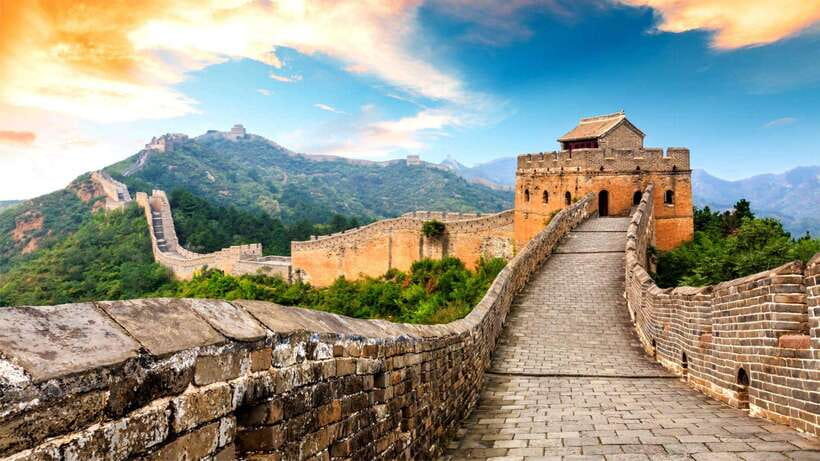
- Great Wall choice between Mutianyu and Badaling, plus optional cable car/toboggan activities at your own cost
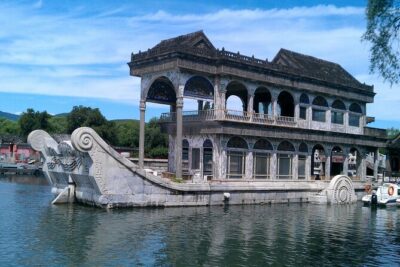
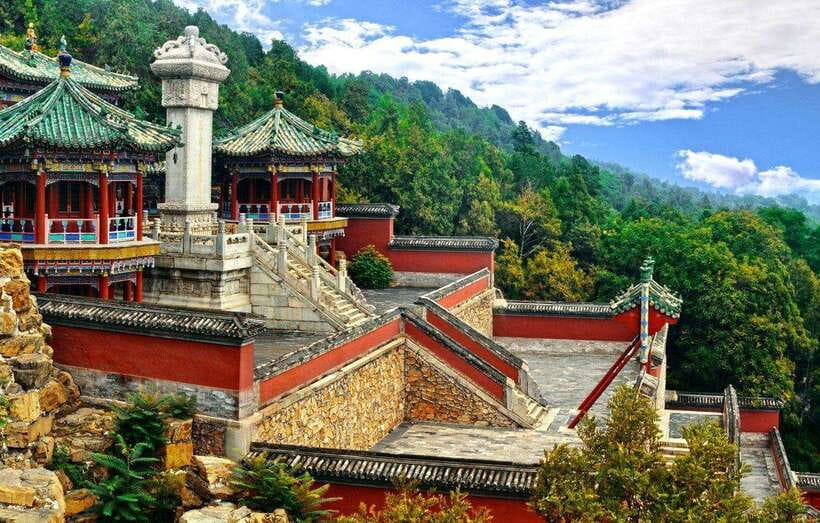
- Summer Palace power stops like the Long Corridor, Marble Boat, and Longevity Hill, with stories tied to the gardens
- Private pacing that works well if you prefer photos, slower walking, or extra questions
Two Days in Beijing: What This Tour Saves You
Beijing is big, spread out, and famous for lines. This kind of private, ticket-included format is a time-saver in the real world, not just on paper. You’re paying for the “how,” and that’s what makes two days feel more substantial.
You also get a dedicated English-speaking guide the whole time, which matters at these sites. The Forbidden City, Temple of Heaven, and the Great Wall are easier to understand when someone ties the architecture and rituals to plain stories you can remember. And because it’s a private group, you’re not stuck matching someone else’s pace.
The price—$278 per person—looks reasonable when you remember admissions, a private air-conditioned vehicle, and a guide for two full days are included. Your main extra costs are lunch and optional add-ons at the Great Wall.
You can also read our reviews of more tours and experiences in Beijing

Tiananmen Square and the Forbidden City Courtyards: The 600-Year Shortcut
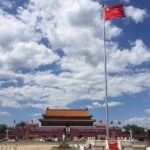
Day 1 starts in the city center with Tiananmen Square, a place you can either “see fast” or get sidelined by politics and security. This tour is prepared for that reality. If the square closes or the security line runs too long during peak times, you’ll be driven around and your guide will explain what you would have seen—then you continue without refund for the missed stop since the square is originally free.
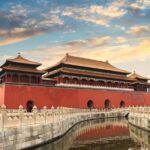
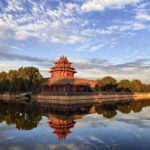
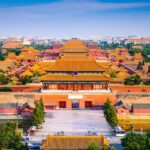
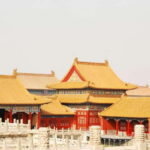
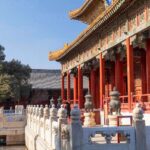
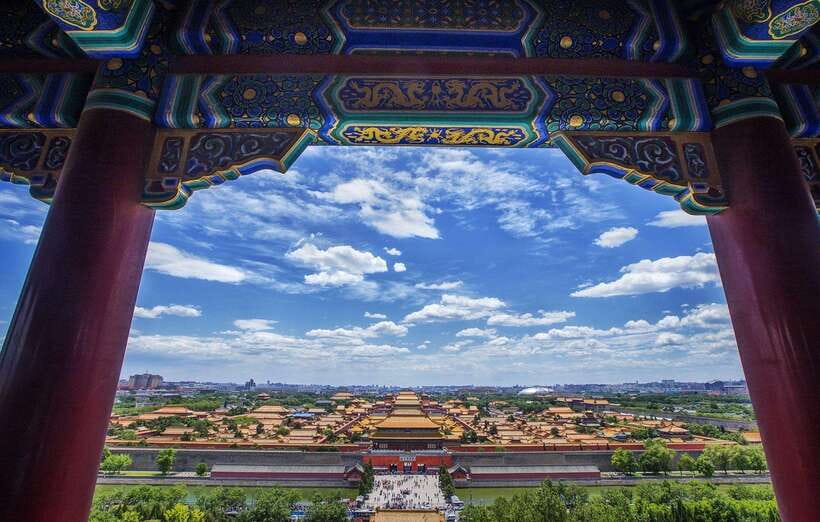
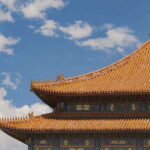
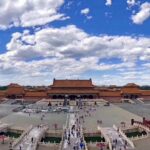
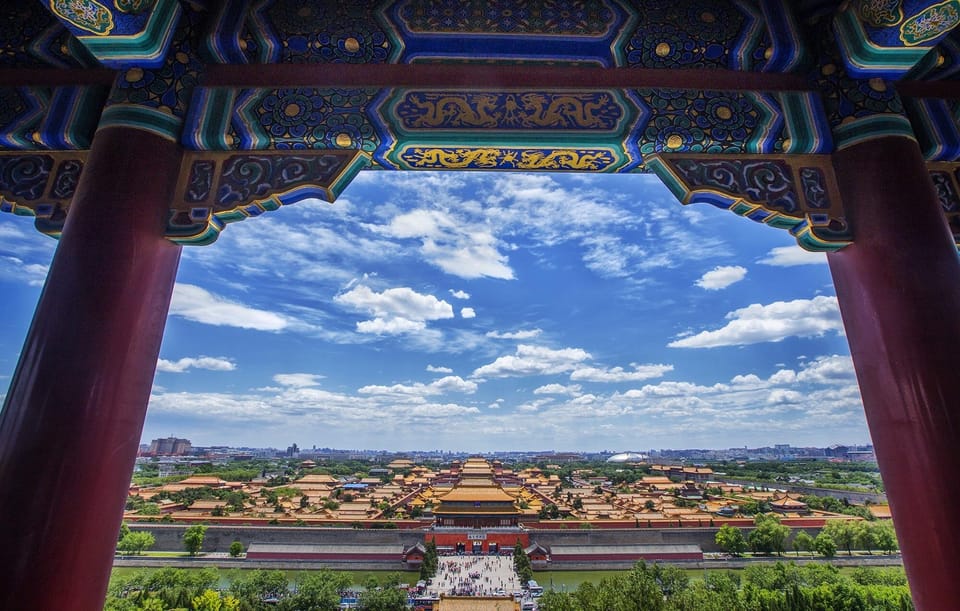
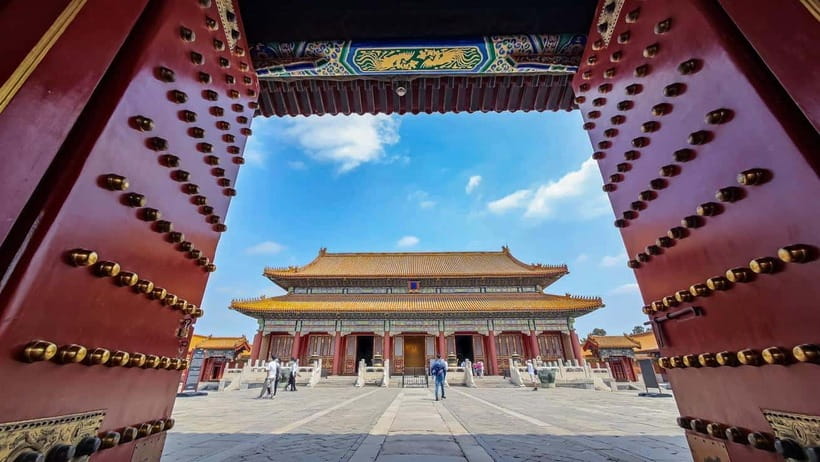
Then you move into the Forbidden City, a UNESCO site where the best value is in how the visit is structured. You’re not just touring one famous hall; you’re walking through the layers of power. Expect the guide to take you through the outer courtyard focus areas—the Halls of Supreme/Central/Complete Harmony—and then onward into the inner quarters, the royal family’s private living spaces.
What I like about this approach is how it changes the feel of the palace. The outer courtyards help you grasp imperial authority and ceremony. The inner quarters shift your thinking toward daily life and court reality. Even if you only “half-listen,” the layout makes sense when someone points out what you’re looking at.
Practical note: arrive ready for crowds and lots of walking. The benefit of having a guide is not magic speed; it’s smoother movement and clearer priorities.
Hutongs and Yinding Bridge: Real Old Beijing, Not a Theme Park
After the palace, the tour shifts to Hutongs, the narrow lanes where older Beijing still shows up at street level. This is the part that often gets skimmed on short trips, but it’s exactly where the city feels human.
Your guide walks you through authentic alleyways lined with traditional courtyard houses, and you’ll pass spots such as Yinding Bridge. The point here isn’t to treat Hutongs like a museum. It’s to notice the scale and rhythm—how the lanes guide movement, how courtyards shape community life, and how “small” buildings carry big history.
If you enjoy photography, this section is worth slowing down for. The narrow corridors create strong angles and close-up textures. Just be ready for the reality of local life around you; you’ll get better pictures if you keep your pace calm and respectful.
Temple of Heaven: Where Ritual Explains Architecture
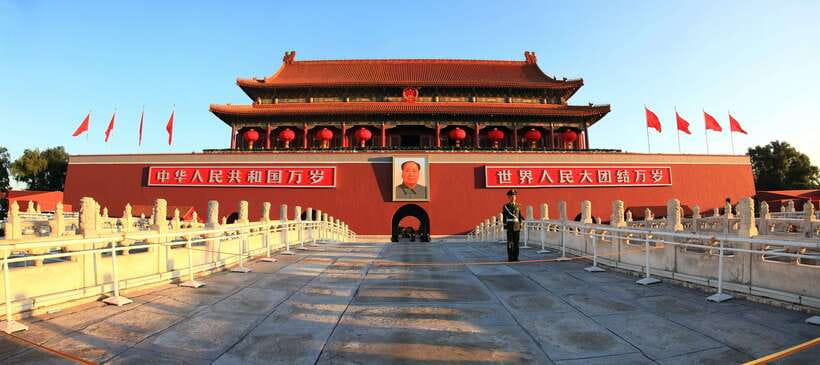
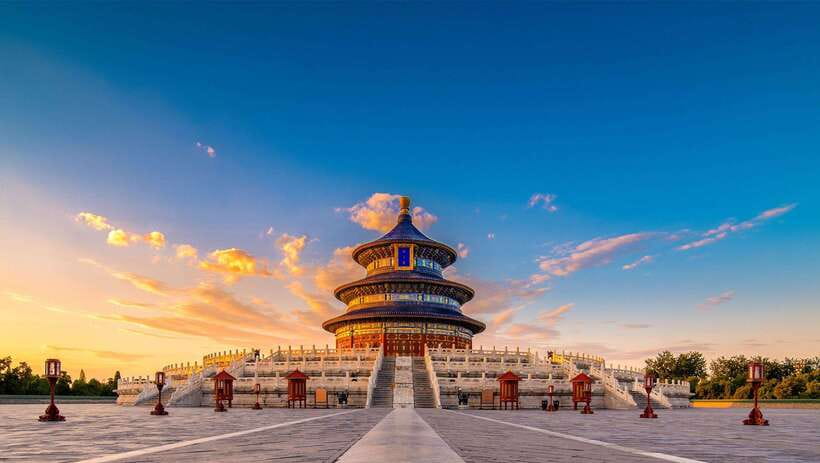
Day 1 ends at the Temple of Heaven, another UNESCO site. This place is famous for its big round forms and symbolic details, but it’s also easy to wander without understanding why it looks the way it does.
The tour focuses on key structures including the Hall of Prayer for Good Harvests, the Imperial Vault of Heaven, and the Circular Mound Altar. What makes a guided visit valuable here is the way your guide connects these buildings to ancient rituals and architectural symbolism. Once you understand the logic, the whole complex feels like a single designed system rather than separate attractions.
This is also one of those sites where you can enjoy a mix of walking and scenic pauses. You’re not forced into constant rushing, and that makes it a good evening stop for photos.
Lunch isn’t included, but your guide can recommend local options based on your preferences. That’s useful because around major monuments you’ll find tourist menus and higher prices. A local-food suggestion can save both time and money.
Great Wall Choice: Mutianyu vs Badaling for Your Style
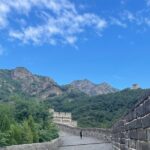
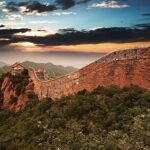
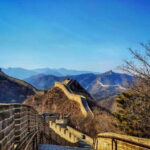
Day 2 is the big one: the Great Wall. The best part is that you choose your section between:
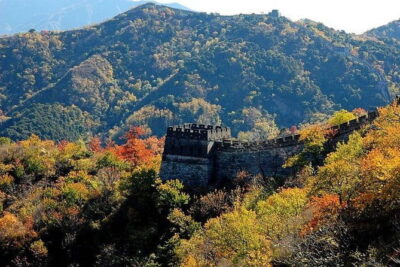
- Mutianyu: often less crowded with strong scenery
- Badaling: the most famous and usually the easiest to access
Both are world-famous. The difference is vibe and comfort. If you’re after a more relaxed atmosphere for photos and fewer bottlenecks, Mutianyu tends to fit that better. If you want the most recognizable name and a smoother logistics route, Badaling is the straightforward pick.
Your private guide leads you along the fortifications and provides facts you can actually use while you’re walking. You also get ample free time to explore at your own pace and take photos. That balance—guided context plus breathing room—is the sweet spot on the Wall.
Optional activities exist too. Cable car/chairlift and toboggan slides are available at your own cost, which is great if you want less walking or a faster return.
One more practical thought: wear shoes you can trust. Even on the “choose your section” option, the ground can be uneven and the stairs are real.
Summer Palace Highlights: Long Corridor to Longevity Hill
On the way to the Summer Palace, there’s a photo stop at Olympic Park—time enough to see iconic venues like the Bird’s Nest and Water Cube. It’s a quick hit, but it helps break up a long day before you shift into imperial garden mode.
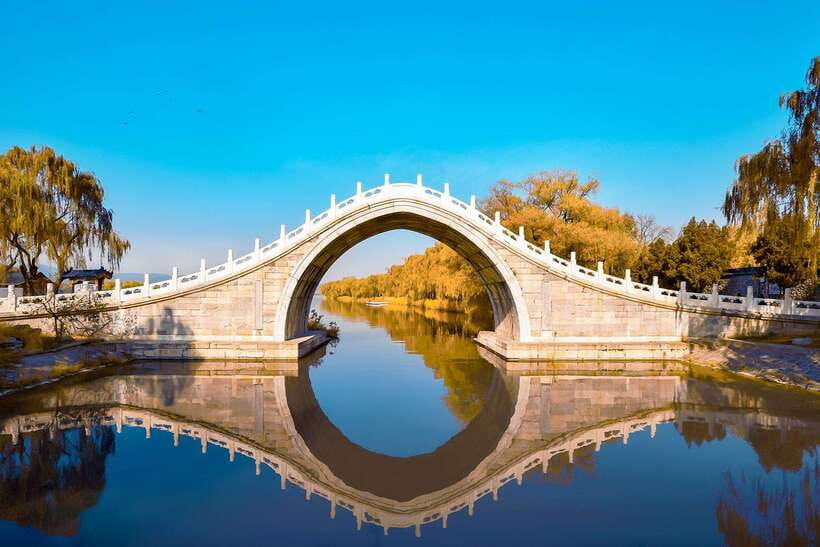
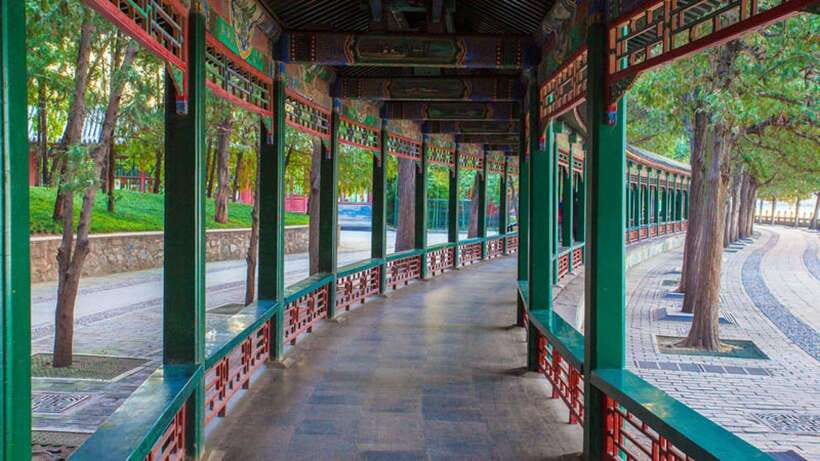
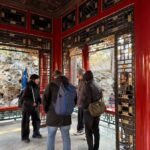
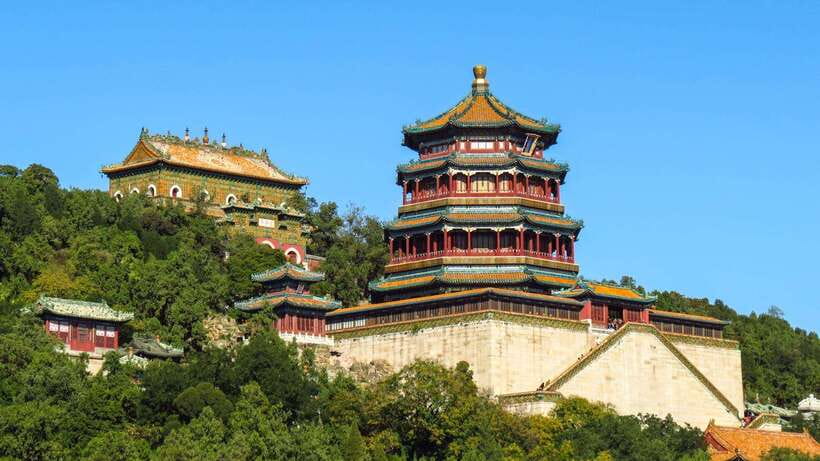
Then it’s off to the Summer Palace, UNESCO-listed and described as China’s largest imperial garden. This place is a masterclass in how landscape design creates calm. Even if you’re not a “garden person,” the tour’s structure helps you notice what matters.
You’ll explore standout stops including:
- the Hall of Happiness and Longevity
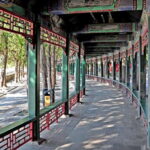
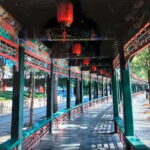
- the Long Corridor (the world’s longest covered corridor)
- the Marble Boat
- Longevity Hill
- and views across Kunming Lake
The guide adds the stories that make the buildings feel alive—especially tales tied to Empress Dowager Cixi and how the garden played a role in royal life. When your guide ties the setting to the people who used it, the Palace becomes more than scenery.
This is also a great day for photos because the complex gives you constant perspective changes. Open lake views, long corridor lines, and hill vantage points all offer different angles without you needing extra transport.
Olympic Park Photo Stop: A Fast Reality Check Before the Garden
The Olympic Park stop isn’t a full tour, and it doesn’t pretend to be. It’s a photo break timed to fit the flow of the day.
Why it works: it gives you a modern Beijing contrast before you step into imperial architecture. If you like context, that before-and-after contrast makes the day feel like two eras of city planning in a row.
Just keep expectations realistic. This is for quick photos and orientation, not an hours-long wandering session. If you want more time at Olympic Park, you can use the tour’s customizable nature to ask for extra focus.
How a Private Guide Changes the Whole Trip (Lucy, Sherry, Jack)
A private guide isn’t just “someone who knows answers.” It’s someone who helps you read the place while you’re standing in it.
In this tour’s guide lineup, names like Lucy, Sherry, and Jack come up in feedback for a reason: people value calm clarity, preparation, and attention to small needs. That’s what you want at crowded UNESCO sites. You don’t need endless facts—you need the right story at the right moment.
A well-run guide also helps with micro-decisions:
- when to slow down for photos
- what details to look for in doorways and halls
- how to pace walking so Day 2 doesn’t wipe you out
You’ll also ride with a dedicated private driver. One example called out a driver named TianWei who handled traffic safely and efficiently—exactly what you want when Beijing roads turn into a moving puzzle.
Price and Value: What $278 Really Covers
Here’s the honest value breakdown based on what’s included:
- Private air-conditioned vehicle
- Private English-speaking tour guide
- Entrance tickets (bundled for the main sites)
- Bottled water
That combination is why this feels practical. You’re not juggling separate ticket purchases, ticket-window chaos, or extra planning for each monument.
What you should budget extra:
- Lunch (not included on either day)
- Cable car at the Great Wall if you choose it
- Accommodation (obviously, but worth stating for total trip cost)
If you compare this to piecing together guide + tickets + transfers separately, the bundled format is often cheaper in the “time cost” sense, even if you find individual components cheaper on paper.
For two days, the private pace is also part of the value. You’re paying to make the schedule fit you, not the other way around.
Timing Tips: Make the Most of a Tight Two-Day Window
Two days in Beijing is fast. The trick is knowing where you need your energy most.
- Day 1 is heavy on monuments: Tiananmen (time-dependent), Forbidden City walking, Hutong wandering, then Temple of Heaven. If you want good photos, bring a steady pace and don’t treat every courtyard like a sprint.
- Day 2 is physically more demanding: Great Wall first, then Summer Palace. Pick the Great Wall section that matches your comfort. If you hate stairs, consider how optional cable car options could reduce fatigue.
Also, carry your passport. This tour notes it’s needed for ticket booking, including full name and nationality details. That small admin step is worth doing carefully.
Finally, don’t underestimate weather. You’ll walk a lot and spend time outdoors, especially at the Great Wall and Temple of Heaven.
Who This Tour Fits Best
This tour is a great match if you want:
- a short, high-impact Beijing itinerary that still feels thoughtful
- a guide-led explanation at the big UNESCO sites
- private pacing (especially if you’re traveling solo or don’t want to merge into a group)
- built-in flexibility around the Great Wall choice
It might be less ideal if you hate guided time. This is not a free-form “wander and hope” plan; it’s a guided route with room for you to explore during key free-time windows.
If you’re traveling with limited time and want the core Beijing hits in a clean order—this is the kind of structure that reduces stress fast.
Should You Book This 2-Day Beijing Must-See Tour?
If your goal is to see the main Beijing icons without turning your trip into a logistics project, I’d book it. The big selling points are private guide time, ticket coverage, and an itinerary that connects palace, street life, ritual architecture, wall walking, and imperial gardens.
I’d hold off or reconsider if you’re strict about keeping lunch totally self-planned, or if you want complete control over Tiananmen Square timing. Political closures and long security queues can happen, and the tour’s approach is to keep moving with an explanation-by-car option instead of guaranteeing entry.
If you do book, pick your Great Wall section carefully, pack comfortable shoes, and give yourself permission to stop for photos. Two days can feel rushed anywhere. With this setup, it feels more like a guided story than a checkbox sprint.
FAQ
What UNESCO sites are included in this 2-day tour?
You’ll visit four UNESCO-listed places: the Forbidden City, Temple of Heaven, the Great Wall, and the Summer Palace.
Are attraction tickets included, or will I need to buy them?
Entrance tickets are included, with a focus on skipping the ticket line so you don’t spend time on admissions.
Which Great Wall sections can I choose from?
You can choose between Mutianyu and Badaling for your Great Wall day. Your guide will bring you to your selected section.
Is lunch included during the tour?
No. Lunch isn’t included on either day, but your guide can recommend local places based on what you prefer.
What if Tiananmen Square is closed during my visit?
Tiananmen Square is normally free, but it can be closed due to political events or affected by security lines. If it’s not accessible within a long queue threshold, you’ll be offered a driving tour of the square with the guide explaining its history, and there’s no refund for skipping it.
What do I need to bring to join the tour?
You should bring your passport, since passport details are required for ticket booking (full name and nationality).