REVIEW · BEIJING
Night Market Haggling Adventure with an English Guide!
Book on GetYourGuide →Operated by Wonder Locals · Bookable on GetYourGuide
Night markets can feel chaotic until you have a translator. On this Panjiayuan haggling adventure, you get an English guide plus a plan for where to shop, what to eat, and how to talk price. It’s a fun way to see the old-meets-new side of Beijing after dark, right at a market that traces back to the Qing Dynasty.
Two things I like a lot: the English-speaking guide who helps you bargain street-side, and the included time for local snack stops so you don’t just wander and forget to eat. The one potential drawback is simple: this is a shopping-and-bargaining-focused evening, so if you’re not into markets, you may feel like you’re being nudged toward purchases (even though spending is on you).
In This Review
- Key Highlights You’ll Actually Use
- Why Panjiayuan at Night Works So Well for First-Timers
- Meeting Up at Panjiayuan (And Getting Oriented Fast)
- The Haggling Part: How an English Guide Changes Everything
- Stop 1: Shopping at Panjiayuan for About an Hour
- Stop 2: Snacks and Street Food for About 30 Minutes
- Stop 3: A Longer Second Shopping Round (About 1.5 Hours)
- The Walk Back to Panjiayuan: Finishing Without the Rush
- Price and Value: Is $68 Worth It?
- Who This Tour Fits Best (And Who Might Skip)
- Practical Tips for Your Best Night Market Bargains
- Accessibility and Comfort Considerations
- Should You Book This Night Market Haggling Tour?
- FAQ
- Where does the tour meet?
- What time does the tour start?
- How long is the experience?
- Is this a private group tour?
- What language is the live guide?
- What is included in the price?
- What is not included?
- Is the tour wheelchair accessible?
- Can I cancel for a refund?
- Is pay later available?
Key Highlights You’ll Actually Use
- English guide support for bargaining and translation so you can shop with confidence
- Panjiayuan’s long-running antique market feel, now mixing older stalls with younger makers
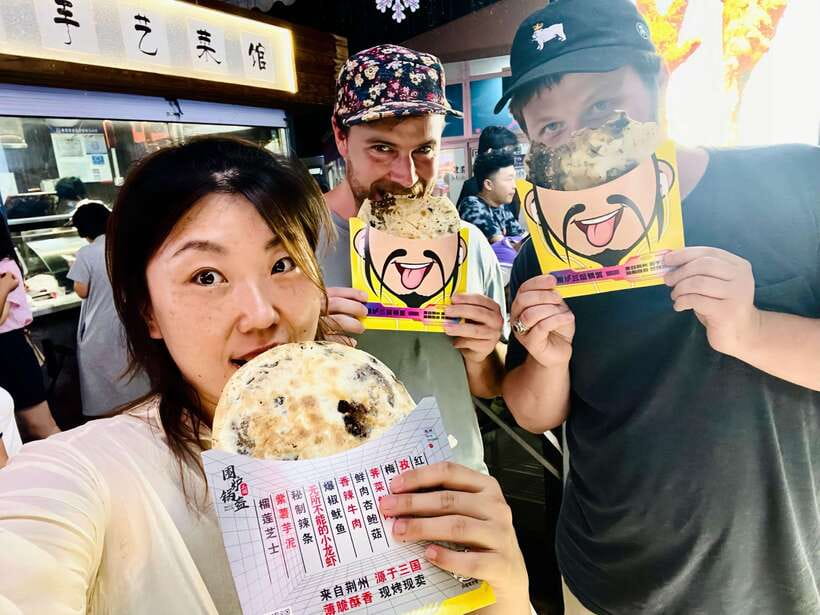
- Snack time built in, with bottled water plus street food included
- Private small group style, customized just for you (no big crowd experience)
- Different sellers each visit, so the hunt feels fresh even if you’ve heard of it before
Why Panjiayuan at Night Works So Well for First-Timers
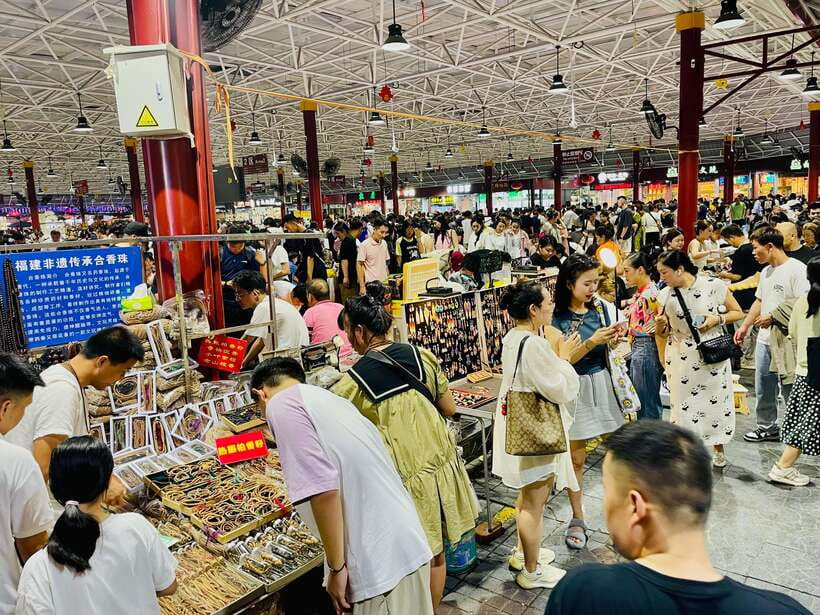
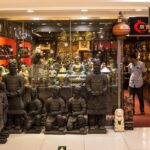
Panjiayuan Night Market is one of those Beijing places that feels both historic and alive. The market’s roots go back to the Qing Dynasty, when it was known for antiques, but today it’s a mix of traditional items and handmade crafts you might see from younger local artists. That combo matters because it gives you more than one kind of “shopping mood” in the same walk.
At 6:30 PM, the market shifts from daytime routine to evening action. You’ll be walking through stalls as shoppers and vendors are out in full swing, which makes bargaining more realistic and interactive. If you’ve ever tried to shop in China without help, you know how much harder it is to get the price conversation right.
The private small-group setup also changes the tone. Instead of being rushed by a fixed script, you get a tour that’s paced around what you actually want to look at, and your guide can respond as you go. That’s a big deal in a market like Panjiayuan, where the “best stuff” often depends on your personal taste.
You can also read our reviews of more guided tours in Beijing


Meeting Up at Panjiayuan (And Getting Oriented Fast)
Your meetup point is in front of Line 10, Panjiayuan Station, Exit B. The practical benefit here is that you’re not trying to figure out where to stand in the dark; you have a clear station anchor.
Once you’re together, you’ll start at Panjiayuan and then move into the shopping rounds and snack time. The tour is designed so you don’t just arrive and freeze while you decide what to do first. With an English guide handling the back-and-forth, you can spend your energy on choices, not confusion.
If you’re the type who likes to take control, you’ll still feel that freedom here. The guide can help translate and negotiate, but you still get to choose which stalls you stop at and what you want to examine up close.
The Haggling Part: How an English Guide Changes Everything
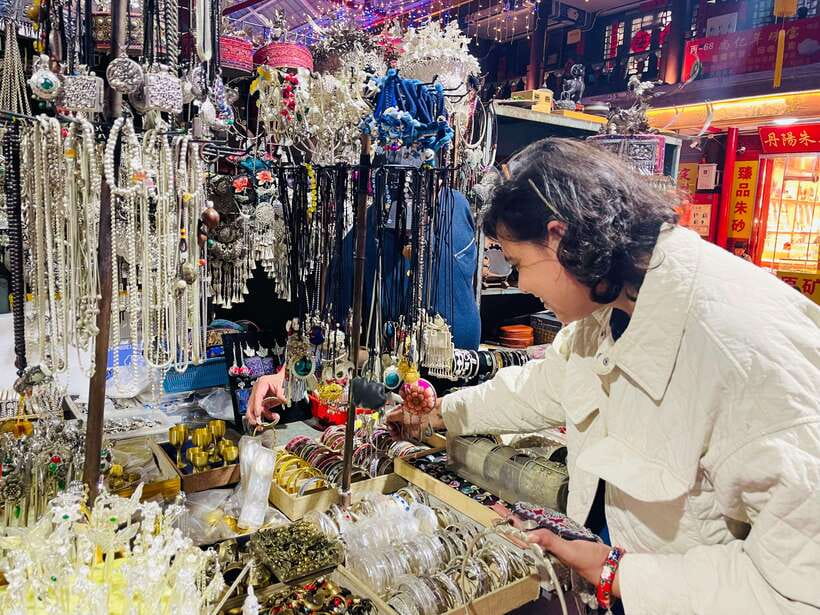
Bargaining is the whole point, and the value comes from the language plus the social rhythm. When you’re not speaking the same way vendors expect, you can accidentally kill the conversation before it starts. With an English-speaking guide, you get help not only with words, but also with timing—when to ask, how to respond, and how to keep things friendly.
In the experience, guides like Lan (and sometimes July) are known for being enthusiastic and practical. People also specifically note that their guide will help bargain at stalls so you can get to a price that feels fair. That’s not just “translation as a service”—it’s a shopping skill unlocked for you.
There’s also a nice real-world detail from the feedback: cash is often not a problem for most vendors if phone payments (WeChat/Alipay) fail. It’s worth keeping some cash on hand anyway, because in a market setting you don’t want your phone to decide whether you can buy something.
One more thing I appreciate: you’re not trapped into one kind of stall. You can stop where you’re curious, then move on. That’s how you avoid the all-too-common problem of spending your money on whatever the vendor pressures you into.
Stop 1: Shopping at Panjiayuan for About an Hour
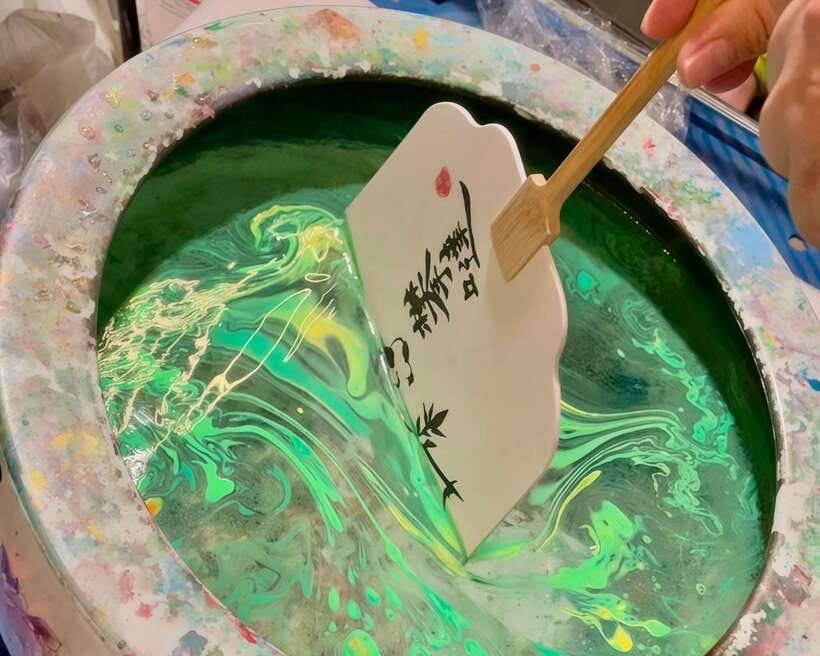
Your evening begins with a focused shopping block—about one hour—so you can get your bearings and start hunting. This first round is where you’ll learn what the market’s “language” looks like: what vendors have ready, what’s flexible, and how different stalls present their items.
I like this first hour because it’s long enough to compare without turning into a full marathon. With an English guide, you can ask questions you might otherwise skip. And because Panjiayuan mixes antiques energy with newer handmade crafts, you’re likely to discover a style you genuinely like rather than forcing a purchase just because something is available.
A quick mindset shift helps here: don’t treat this like a museum stop. Treat it like a conversation. If you’re curious about craftsmanship, materials, or what something is used for, ask. The guide’s help turns curiosity into actual communication.
Stop 2: Snacks and Street Food for About 30 Minutes
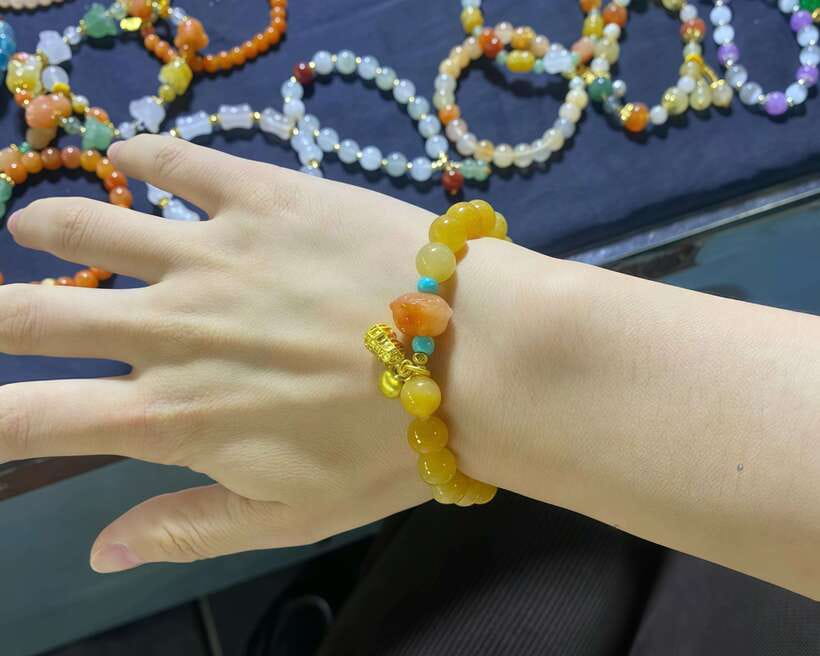
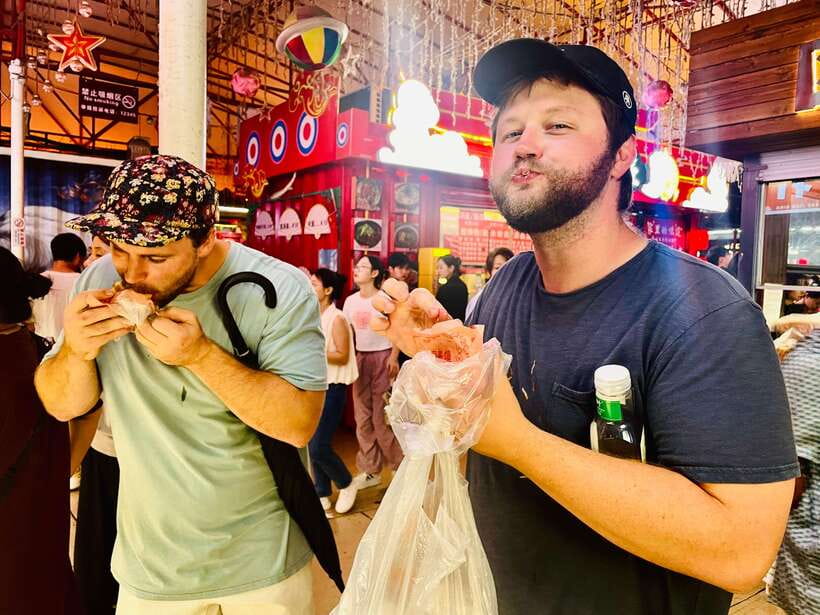
Half an hour might sound short, but it’s timed in a smart way. After your first shopping circuit, you’re warmed up, hungry, and able to appreciate what you’re eating without rushing. Plus, having snack time built in means you don’t end up spending the whole tour only thinking about prices.
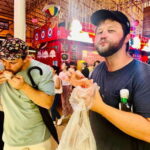
You’ll get bottled water along with snacks and street food included in the tour. I like that because it removes a common problem on market tours: you’re wandering, you’re busy, and then suddenly you’re paying extra for food while you’re already tired.
Use this break to reset your bargaining game. After you eat, you often shop more calmly. You’re less likely to impulse-buy out of exhaustion, and you can better evaluate whether something is worth the price you’re being offered.
You can also read our reviews of more shopping tours in Beijing


Stop 3: A Longer Second Shopping Round (About 1.5 Hours)
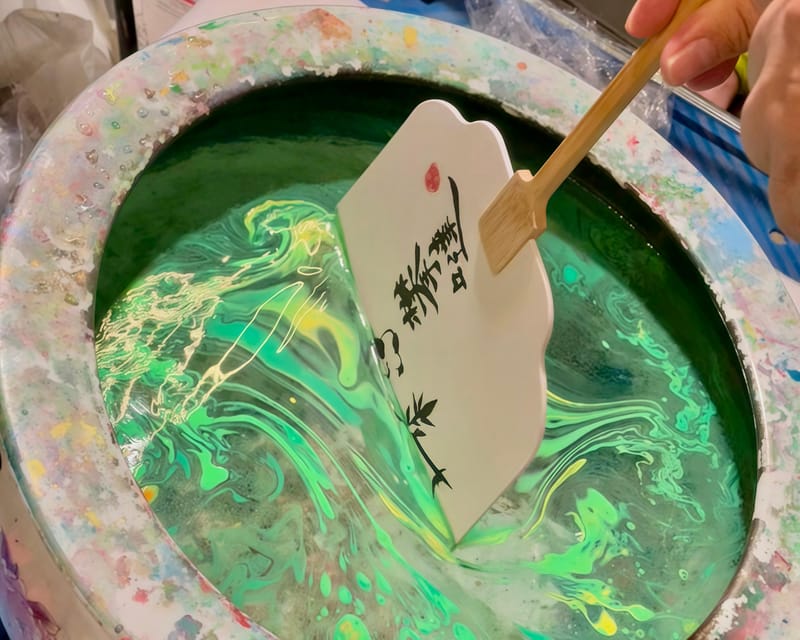
The second shopping block lasts about 1.5 hours, and it’s where the fun tends to intensify. By now, you’ve seen enough stalls to understand patterns. You can recognize which types of items repeat across booths, which sellers feel more approachable, and which choices match your budget.
This part is also where the guide’s bargaining support pays off most. You’ll have more opportunities to try your luck on different stalls, compare prices, and adjust what you want based on what’s realistic. Since the tour is private and customized, you can focus on what you care about instead of moving just to check boxes.
One detail worth knowing: the market can feel different each time because vendors rotate. That means you’re not just chasing one “best stall” that might not exist tomorrow. You’ll feel like you’re shopping in a living place, where today’s finds could be totally different from last week’s.
The Walk Back to Panjiayuan: Finishing Without the Rush
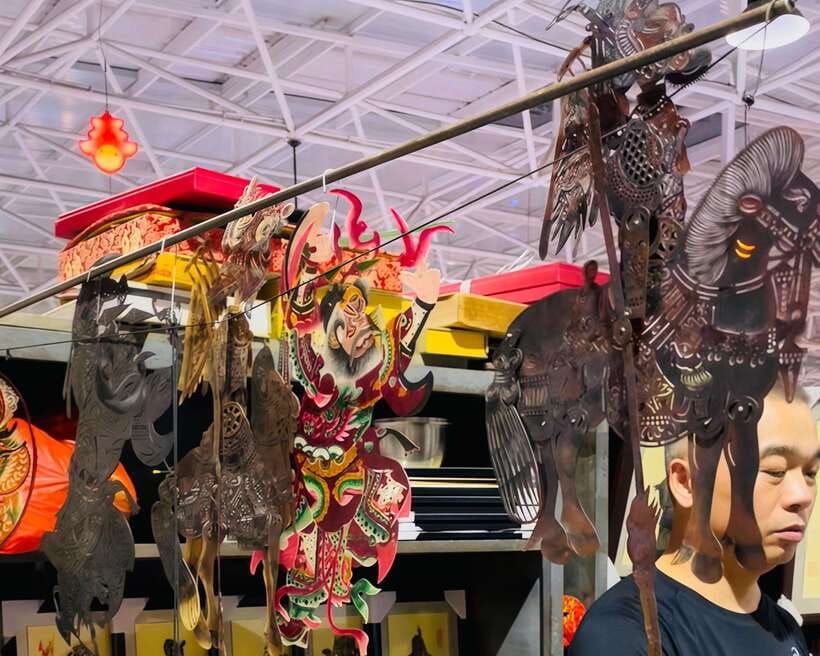
You’ll arrive back at Panjiayuan to end the tour. This is a good structure for a night market experience because you aren’t trying to sprint through multiple areas of Beijing on an early cutoff schedule. You get to keep your attention on one place, one atmosphere, and one shopping style.
If you bought something, you’ll also have time to reassess before you go. You can still ask questions, confirm details, and decide whether an item really fits what you wanted in the first place. The guided approach helps you avoid the regret spiral—buying something because you felt pressured, then losing the conversation about what it really is.
Price and Value: Is $68 Worth It?
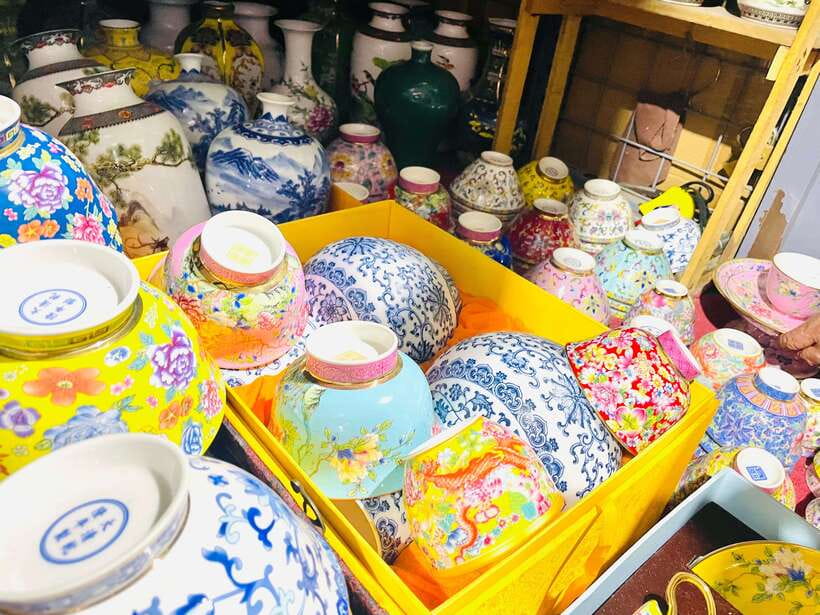
At $68 per person for an about-three-hour experience (with the tour highlighted as roughly 3.5 hours), the value depends on what you’re hoping to get out of the evening. If you’re simply sightseeing and snack-hunting, you could probably wander on your own. But if your goal is to bargain confidently and actually understand what you’re buying, this price starts to make sense fast.
Here’s what you’re paying for in practical terms:
- An English-speaking guide who helps you bargain and translate
- Bottled water plus snacks and street food included
- A private group feel, meaning you’re not stuck behind strangers
- A structured plan so you don’t lose time figuring out what to do next
Also, bargaining isn’t just about lowering a number. It’s about having the conversation. When you can communicate, you shop smarter. You’re more likely to find an item you genuinely want at a price you feel good about.
Who This Tour Fits Best (And Who Might Skip)
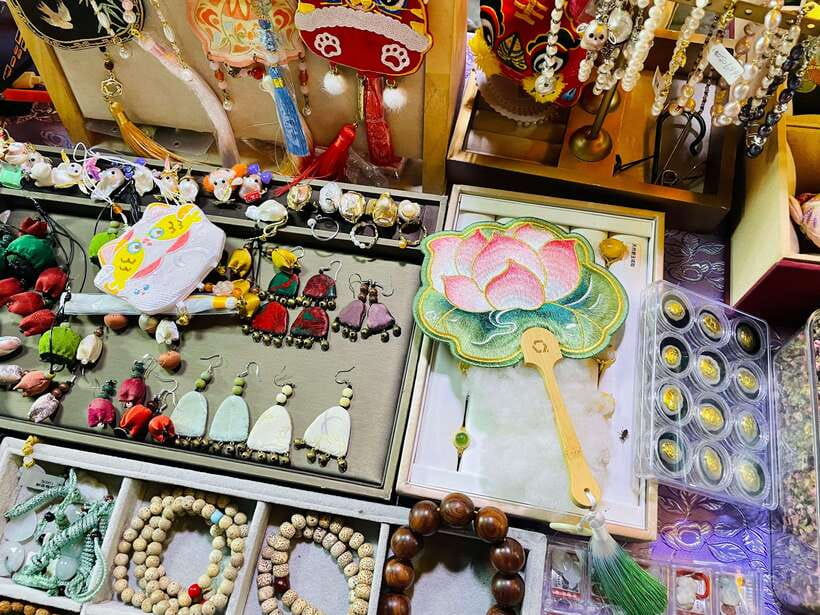
This is ideal if you’re:
- New to Beijing markets and want a stress-free start
- Interested in antiques, crafts, or both styles of shopping
- Okay with negotiating, or at least curious to learn how it works
- Traveling with someone who likes food but also wants a reason to keep walking
It may not be the best match if you:
- Don’t want any shopping focus at all
- Prefer quiet cultural sights over night market energy
- Get easily tired by lots of stalls and decision-making
That said, even people who aren’t “market people” can enjoy it when the tour includes snack time and guide support. The guiding factor is whether you’re open to the market rhythm.
Practical Tips for Your Best Night Market Bargains
To get the most out of the bargaining portion, I’d treat the experience like a skill-building evening. Ask questions. Look closely before you commit. And don’t be afraid to move on—if you’re comparing multiple stalls, you’ll naturally sharpen your sense of value.
A few practical ideas:
- Bring some cash as backup, since phone payments aren’t always guaranteed in real-world settings
- Expect that you’ll see different sellers, so your “perfect item” might appear after you’ve walked a bit
- Use the snack break to cool off your decision-making
- If something is unclear, ask the guide to help you translate before you buy
And one simple tip: decide your budget before you start haggling. It keeps bargaining fun instead of stressful.
Accessibility and Comfort Considerations
The tour is listed as wheelchair accessible. Panjiayuan is a market environment, so expect uneven stall setups and tight places in certain sections, but the experience is designed with accessibility in mind. If you use a wheelchair or mobility device, it’s still worth going with the mindset that you may need a slightly slower pace.
Should You Book This Night Market Haggling Tour?
Book it if you want a guided way to shop at a well-known Beijing night market without the language headaches. The English-speaking bargaining support is the big reason to pay, and the included snacks make the evening feel complete instead of just “shopping drills.”
Skip it if you’re looking for a quiet, purely cultural walk where you don’t plan to interact with vendors. This is a hands-on market experience, and it rewards curiosity, conversation, and a willingness to negotiate.
If you want a memorable first taste of Panjiayuan—especially if bargaining sounds intimidating—this is a solid choice.
FAQ
Where does the tour meet?
Meet in front of Line 10, Panjiayuan Station, Exit B.
What time does the tour start?
The tour starts at 6:30 PM when the market comes alive.
How long is the experience?
It’s listed as a 3-hour tour, and the tour description highlights about 3.5 hours.
Is this a private group tour?
Yes, it’s a private group experience.
What language is the live guide?
The live guide speaks English.
What is included in the price?
The tour includes an English-speaking guide, bottled water, snacks, and street food.
What is not included?
Personal spending and other fees not listed are not included.
Is the tour wheelchair accessible?
Yes, it is listed as wheelchair accessible.
Can I cancel for a refund?
You can cancel up to 24 hours in advance for a full refund.
Is pay later available?
Yes, it offers a reserve now & pay later option.