REVIEW · BEIJING
Beijing: Hutong Culinary Walking Tour with 15+ Tastings
Book on GetYourGuide →Operated by Fun Beijing Travel · Bookable on GetYourGuide
Follow your nose through Beijing’s oldest lanes. This Hutong culinary walking tour brings 15+ tastings and pairs every stop with clear eating etiquette plus local stories about how people actually live and eat. I especially like that guides such as Jimmy, Mike, and Anson adjust the route for your comfort level, from classic bites to bolder picks like lamb skewers and baijiu. One consideration: some options lean spicy or adventurous, so you’ll want to set boundaries early.
You’ll start at a real transit landmark—Dongsi Subway Station exit B—then wind through quieter Hutong alleyways on foot. I like the way the tour feels practical: quick bites, close stops, and enough explanation to turn random street food into something you understand. Expect a 3–4 hour session in a private group, with bottled water and local soft drinks included, plus hotel pickup/drop-off available if you choose the option.
Below is how it typically plays out, what to look forward to, and who this is best for.
In This Review
- Key points to know before you go
- Meet at Dongsi Station, then step into Hutong rhythm
- 3–4 hours of real food: how the tastings stay fun, not chaotic
- The core lineup: what you’re likely to taste in Beijing Hutongs
- Sesame cakes and Ma hua: crunchy-sweet starters
- Jianbing and fried ring snacks: Beijing’s fast breakfast energy
- Dumplings and soup noodles: comfort food with technique
- Beijing jar yogurt and steamed rice cakes: sweet breaks that work
- Malatang and baijiu: spicy and strong, with guardrails from your guide
- Xinjiang lamb skewers: the endgame snack that people remember
- Optional adventure stops: donkey burger, 1000-year egg, and more
- Guides make or break it: why the English private guide matters
- Price reality check: is $76 good value for 15+ tastings?
- What to tell your guide before you start
- Who this Hutong culinary tour is best for
- Should you book this Beijing Hutong Culinary Walking Tour?
- FAQ
- Where is the meeting point for the Hutong food tour?
- How long is the tour?
- Is this tour private?
- How many food tastings are included?
- What types of food might I try?
- Can the guide adjust the stops based on my preferences?
- Are there options if I’m not up for the most adventurous foods?
- Does the tour include drinks?
- Is hotel pickup and drop-off available?
- Can I cancel after booking?
Key points to know before you go
- 15+ tastings packed into 3–4 hours, so you eat like a local, not like a museum guest
- Dongsi Hutong meeting point at Subway exit B, with your guide holding a sign with your name
- Route adapts to you: classic Beijing flavors or more daring surprises, depending on what you tell the guide
- Handpicked local spots for sesame cakes, pancakes, dumplings, and more, with short walks between places
- English-speaking private guide who explains food origins, neighborhood context, and how to eat properly
- Extra-adventure items cost extra when you choose them, so you control how far you go
Meet at Dongsi Station, then step into Hutong rhythm
The day starts simple: meet at Dongsi Subway Station exit B. Your guide will be easy to spot, holding a sign with your name. You can taxi there or use the subway, then walk straight into the maze of Hutong alleyways where the pace slows down.
From the first minutes, the tour focuses on “how this place works.” You’ll hear about Hutongs as a living neighborhood, not just an old-photo backdrop. The guide also sets expectations for eating: how snacks show up, how sharing is done, and what’s typical at each kind of stop.
If you chose hotel pickup, that’s handled separately with a private transfer. Either way, the walking portion is the point, and you’ll get your bearings fast because the tour keeps you moving between nearby places.
You can also read our reviews of more walking tours in Beijing


3–4 hours of real food: how the tastings stay fun, not chaotic
This tour is built around volume, but it doesn’t feel like you’re rushing between ten thousand things. The tastings are designed to fit the length of the tour, and multiple reviews mention that stops stay close together and food service moves quickly.
In plain terms: you’ll eat enough that you may not want a meal right after. One consistent takeaway is to arrive hungry. Your guide will also adjust order and selections based on your preferences—classic Beijing-style comfort food if that’s what you want, or bolder alley-adventure dishes if you’re ready to be challenged.
You’ll also get bottled water and local soft drinks to keep things comfortable during the walk. That matters because you’re sampling lots of textures: chewy, crispy, steamed, fried, and sometimes spicy-salty broths.
The core lineup: what you’re likely to taste in Beijing Hutongs
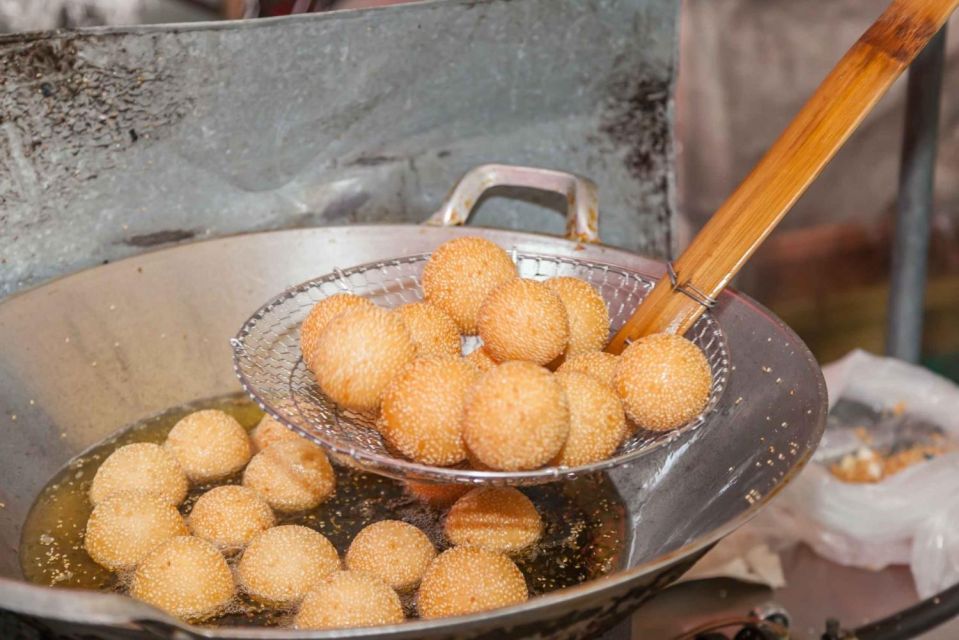
Stops vary daily, but the tour typically hits a mix of sweet, savory, fried, noodle, dumpling, and spicy options. The list below is the tour’s typical menu of candidates, and your guide selects the day’s best matches for your tastes.
Sesame cakes and Ma hua: crunchy-sweet starters
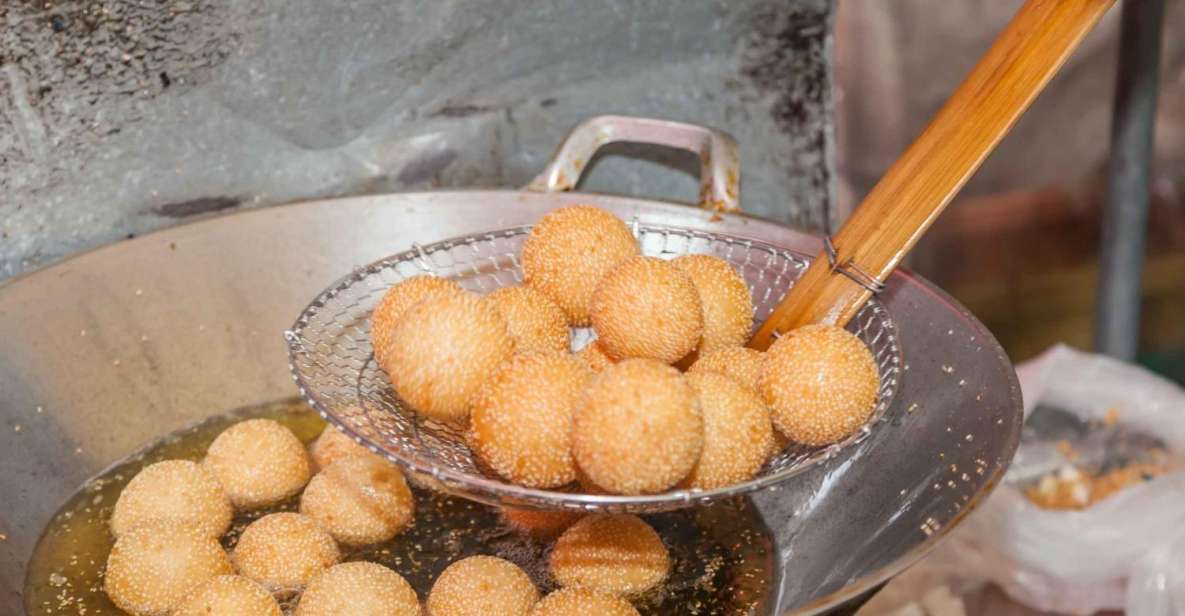
Sesame cakes are a go-to early stop—seeds with a sweet pull, often paired with honey as a sweetener. They’re the kind of bite that makes you understand why snack culture matters in Beijing: simple ingredients, strong flavor, and built for street-level eating.
You may also try ma hua, a fried dough twist that’s crispy and snackable. It’s a great way to get your palate warmed up because it’s fun texture first, flavor second.
Jianbing and fried ring snacks: Beijing’s fast breakfast energy
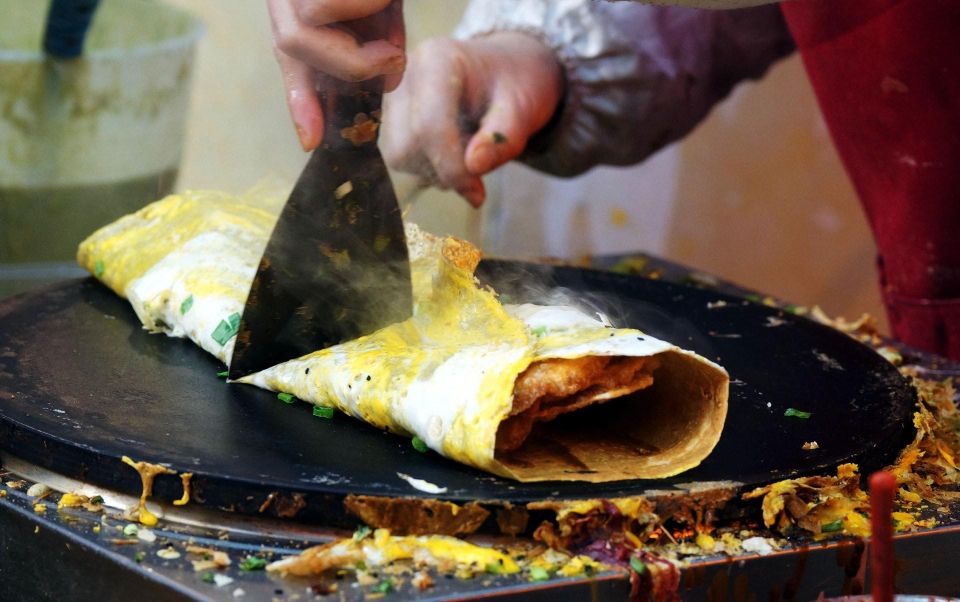
Jianbin (often spelled jianbing in English) is a fried pancake—savory, hot, and made to order at many local counters. It’s the kind of food you can eat standing up, which fits the Hutong walking style perfectly.
A crispy fried ring snack is another classic household item. Think crunchy, salty, and ideal as a “between stops” snack that keeps you from getting that hangry dip during walking.

Dumplings and soup noodles: comfort food with technique
Soup dumplings are on the list, and the big deal with them is the experience of eating carefully—hot, delicate wrappers, and that moment when the flavor hits. If you’re new to them, your guide can help you with proper eating etiquette.
Cross Bridge Rice Noodles also appears as a possibility. It’s originally from Yunnan, which is a nice reminder that Beijing food culture isn’t sealed off. You’re tasting Beijing through a wider China lens.
Beijing jar yogurt and steamed rice cakes: sweet breaks that work
Beijing jar yogurt is another common stop option. It’s tangy-smooth and different from typical dairy desserts, so it’s a useful palate reset after fried or savory bites.
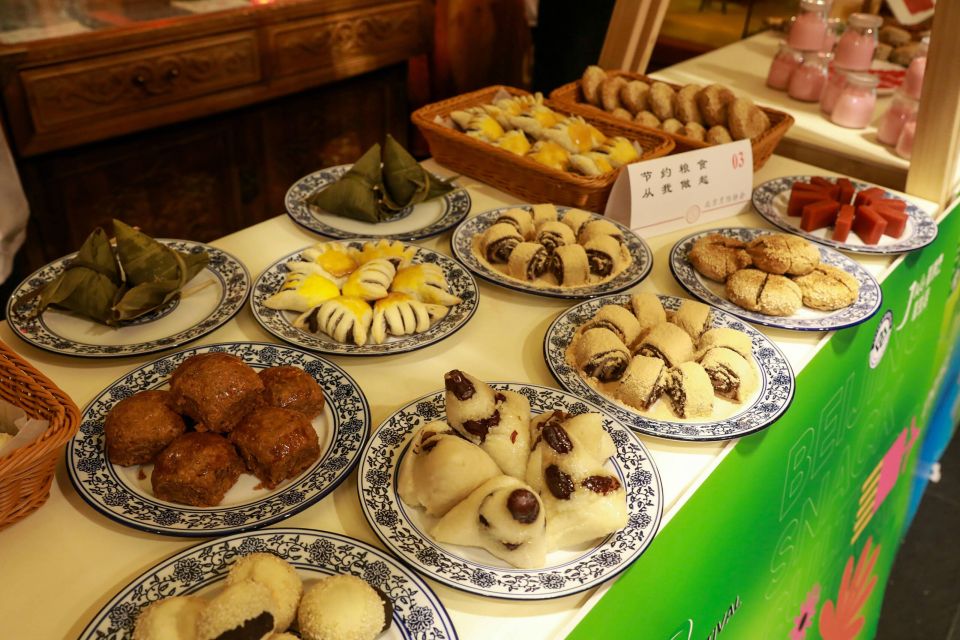
Steamed rice cakes with sweet stuffing show up too, which helps balance the tour’s savory weight. These are comforting and warm, especially when the weather is chilly and your body wants soft food more than crunchy bites.
Malatang and baijiu: spicy and strong, with guardrails from your guide
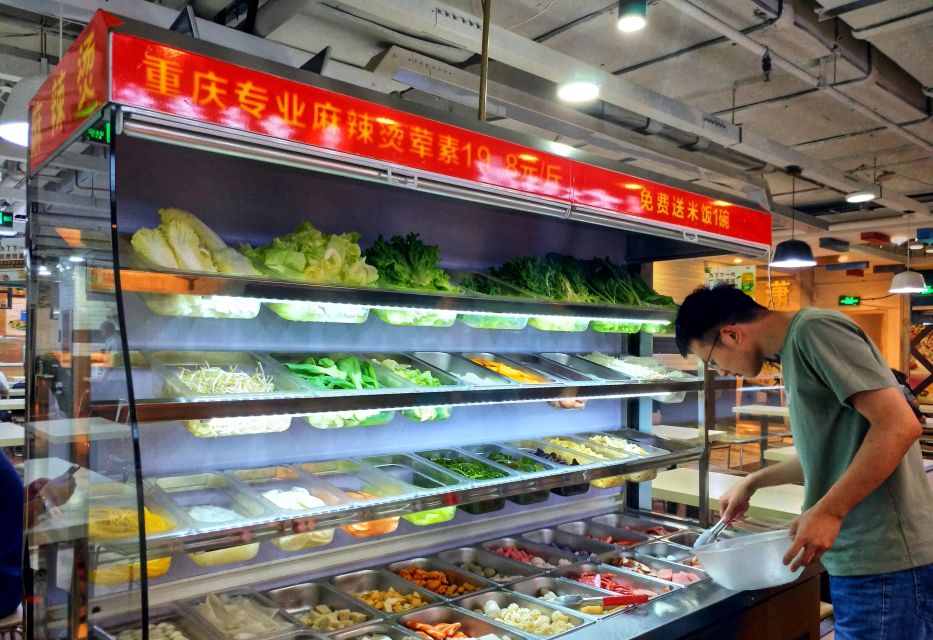
Two items on the menu push the experience into bold territory: malatang and baijiu.
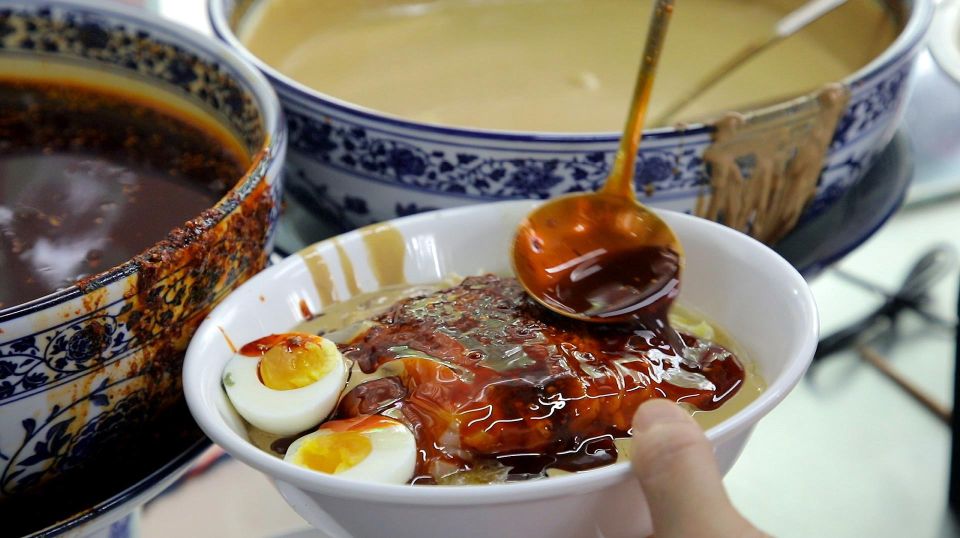
Malatang is part of hot-pot family style: a spicy soup base with a mix of ingredients like vegetables, meats, seafood, and noodles. It’s the kind of tasting that can surprise you—in a good way if you like heat, or in a rough way if you do not.
Baijiu is a colorless Chinese liquor that can run roughly 35% to 60% alcohol by volume. That’s not something to treat like a casual sip. The tour includes it as a possible tasting, so you should tell your guide early if you want to skip alcohol or go light.
This is where the guide’s flexibility matters most. Reviews highlight how guides adjust picks based on preferences, so you’re not stuck with the tour’s toughest items.
Xinjiang lamb skewers: the endgame snack that people remember
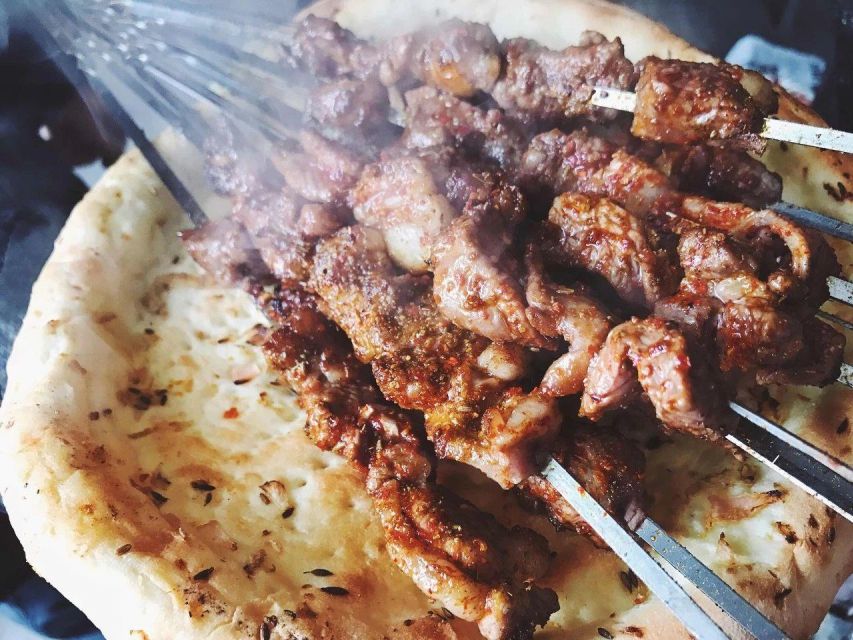
For many people, the tour’s finale is Xinjiang lamb skewers, often with nang bread and kabobs that include lamb/vegetable options. It’s a satisfying closing note because it’s smoky, filling, and flavor-forward.
One review specifically highlighted the Beijing Dongsi Lu restaurant as a standout stop for the group’s overall experience. Another common theme: the route includes food you would not naturally find on your own, which is exactly what you want from a Hutong walk—access, not just food.
If you like meat-forward street food, this section is where you’ll likely stop talking for a second and just eat.
Optional adventure stops: donkey burger, 1000-year egg, and more
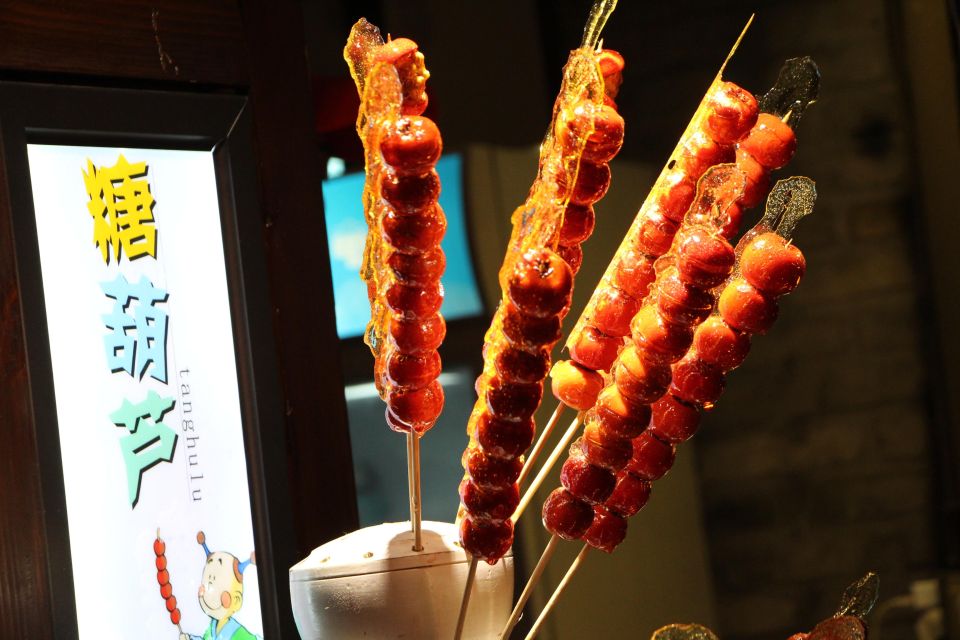
If you’re the type who wants to say yes to almost everything, the tour can add extra surprise items at your own cost. The list includes things like donkey burger, fried liver, intestine soup, 1000 year old egg, and bamboo worm (at your cost).
Here’s the practical way to handle this: treat it as a choose-your-own-level experience. If you want the story and the challenge, pick one or two. If you’re cautious, ask for a substitute meal. One review mentions that an Intestine soup challenge was swapped out for others after preference was discussed, which is what you want—options without pressure.
Guides make or break it: why the English private guide matters
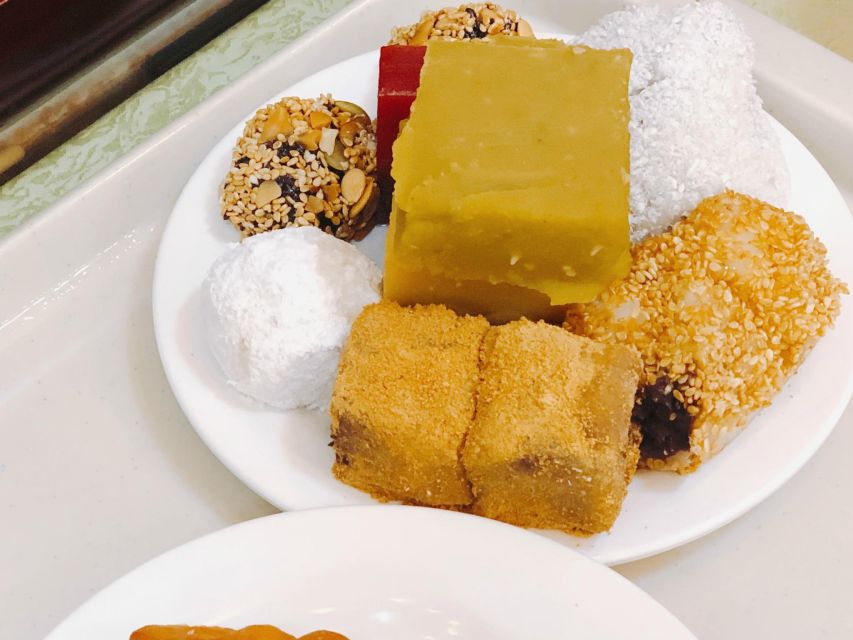
This tour is English-speaking and private, so you get real conversation instead of group chaos. Reviews repeatedly mention guides asking preferences and then shaping the stops around them.
You’ll see names like Jimmy, Mike, May, Allen, Anson, Andy, Lucy, Miko, and Jay in the feedback, and a theme repeats: guides explain what you’re eating and why it belongs in Beijing’s food story. That turns a snack crawl into something you can repeat at home by recognizing what you’re tasting.
One review also noted made-to-order soup and even noodles being made by hand during the tour. Another mentions a sunset walk through a Hutong. Those details aren’t guaranteed every day, but they show the tour’s style: it’s not just eating; it’s seeing food culture in motion.
Price reality check: is $76 good value for 15+ tastings?
At $76 per person for 3–4 hours and 15+ tastings, this can be excellent value—mostly because so much is bundled.
You’re paying for:
- More food than you can easily assemble yourself in a short walk without hunting for reliable local spots
- An English guide who helps you order, eat with less guesswork, and understand what’s going on
- Water and soft drinks included
- Time saved by not doing the guessy part of finding the right places in a Hutong maze
If you planned to buy 15+ snacks on your own, you’d still pay for the food. The guide’s role is what you’re really buying: access to good spots plus context so the meal turns into knowledge you can use later.
If you’re a light eater or you dislike most spicy/strong options, the value drops because you may not be able to fully enjoy the tasting range. For picky or cautious eaters, the best move is to message your guide with clear limits before you go.
What to tell your guide before you start
To get the tour you want, set expectations early. Tell your guide:
- Whether you prefer classic Beijing or want more adventurous picks
- If you want to avoid or reduce spice
- If you don’t drink alcohol or want no baijiu
- Any dietary limits
One family review mentioned that the guide took extra care to include vegetarian dishes for a child, which suggests the guides make real adjustments when they can. You still need to speak up, since the tour includes a wide range of foods.
Who this Hutong culinary tour is best for
I think this is ideal if you:
- Are visiting Beijing for the first time and want a fast, local intro
- Love street food and want to try many types in one neighborhood
- Prefer a guided walk where you don’t have to point and guess
- Like your travel with both food and story
It’s also a strong fit for families in some cases, based on review feedback about a family of four and a child’s vegetarian needs.
I’d be more cautious if you:
- Have a strong intolerance to spicy food
- Refuse alcohol and are worried about the tour including baijiu as a tasting option
- Prefer slow sit-down meals only
Should you book this Beijing Hutong Culinary Walking Tour?
Book it if you want a packed, high-value night of food in real Hutong lanes, with an English guide who tailors what you eat. The consistent standout is the number of tastings—15+ in 3–4 hours—plus the way guides like Jimmy, Mike, and Anson explain what you’re eating so it feels meaningful, not random.
Skip or choose another option if you’re not comfortable with spicy or adventurous items, or if you want a relaxed, low-food-walk experience. In that case, you might end up with fewer tastings you actually enjoy.
If you do book: eat lightly beforehand, be clear about your boundaries, and trust the guide’s plan for turning alley snacks into a proper Beijing introduction.
FAQ
Where is the meeting point for the Hutong food tour?
The meeting point is Dongsi Subway Station exit B. Your guide will hold a sign with your name.
How long is the tour?
The tour runs 3–4 hours.
Is this tour private?
Yes. It is listed as a private group with a live English guide.
How many food tastings are included?
You get 15+ food tastings included.
What types of food might I try?
The tour may include sesame cakes, ma hua fried dough twist, soup dumplings, Beijing jar yogurt, cross bridge rice noodles, jianbing fried pancake, crispy fried ring snacks, steamed rice cakes with sweet stuffing, malatang, baijiu, and Xinjiang lamb skewers with nang bread.
Can the guide adjust the stops based on my preferences?
Yes. The guide adjusts stops depending on what you like—classic bites or more bold picks. Stop locations can also vary daily.
Are there options if I’m not up for the most adventurous foods?
The tour mentions surprise items that can be available for an extra cost, and you can ask for alternatives if you don’t want certain dishes.
Does the tour include drinks?
Yes. Bottled water and local soft drinks are included.
Is hotel pickup and drop-off available?
Pickup is optional. If you choose that option, your guide will arrange a private transfer, and your guide will wait in the hotel lobby holding your name sign.
Can I cancel after booking?
There is free cancellation up to 24 hours in advance for a full refund.