A hutong night makes dinner feel personal. This small-group walk through Beijing’s alleyways mixes comfort food, family-run kitchens, and a serious beer stop. You’ll eat multiple Beijing staples while a guide explains what you’re looking at and how locals actually order and share.
I especially love the small-group format. You get time to ask questions and talk with your guide, and the pace stays relaxed enough to enjoy the courtyards and lanes. I also like that the tour is built around real food stops, from copper-pot hotpot to spring pancakes and the famous Beijing noodles.
One thing to plan for: you’re mostly eating a full plate at each location, not a snack sampler with tons of tiny bites. If you’re a super-big eater, you’ll want to mention that early so the guide can help you get what you need.
In This Review
- Key highlights worth centering
- Hutong lanes at night: how the 3.5-hour rhythm works
- Shichahai or Lama Temple: your meeting point and what to do with it
- The food plan: four tastings that actually add up
- Stop 1: hotpot in copper, with a clear broth focus
- Stop 2: spring pancakes at a husband-wife kitchen
- Stop 3: noodles at the Yan family home (100+ years)
- Stop 4: open-flame meat and wrap-style eating (plus variety)
- Beer, soda, and a craft pint at the brewery end stop
- Your guide makes or breaks the night
- Food quantity vs. your appetite: the real value question
- Dietary needs: vegetarian can work, vegan is harder, gluten is tricky
- Practical tips that help you enjoy every stop
- Should you book this hutong food and beer tour?
- FAQ
- What does the tour include?
- How long is the Beijing hutong walking food and beer tour?
- How far do we walk?
- Where does the tour start and what time does it begin?
- Where does the tour end?
- What kinds of food should I expect?
- Is there unlimited beer on the tour?
- Is the tour suitable for vegetarians?
- Is it gluten-free friendly?
- What if it rains or it’s cold?
- How big is the group?
Key highlights worth centering
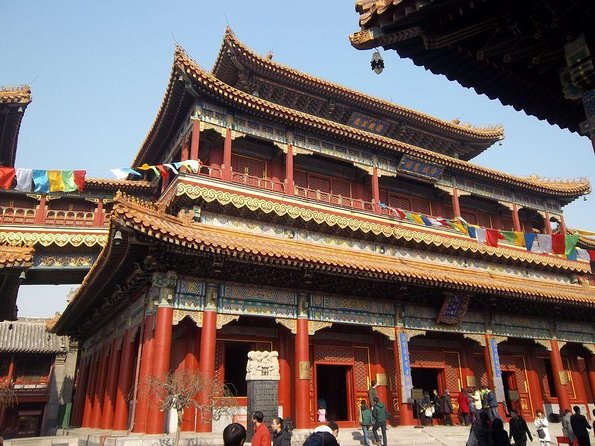
- A hutong walk that starts at a metro hub, so you can arrive easily and get moving fast
- Four food stops that feel like dinner, with unlimited beer and soda during the night
- Family-run places and homes, including a 100+ year old Yan family spot for noodles
- Craft beer at the end, with a pint included from a local brewery bar
- English-speaking guide with story-first explanations, not just a food list
Hutong lanes at night: how the 3.5-hour rhythm works
This tour is designed for evenings in Beijing’s older residential areas, where lanes twist and courtyards open like rooms inside a maze. You’ll meet your English-speaking guide and group (max 12), then head off on foot. There’s no parade route or tacky uniforms. The group size is small enough that you can actually hear what the guide is saying.
Timing matters here. The experience runs about 3.5 hours, and most of the walking is short segments between stops. The materials describe roughly 2 km / 1.25 miles on foot, split into several legs. Another version of the route mentions about 2.5 km, so expect something in that ballpark, not a long hike.
You also want to dress for the season. This is a rain-or-shine format. In colder months, you’ll be glad you layered up before you start moving through the darker hutong stretches.
You can also read our reviews of more walking tours in Beijing


Shichahai or Lama Temple: your meeting point and what to do with it
Meeting points can be confusing in Beijing, and this tour gives clear guidance after booking. The details you receive by email will tell you where to meet.
The info provided references two nearby options:
- Shichahai metro station is listed as a start point in the walking route description.
- Lama Temple subway station (lines 2 and 5) is listed as the 6:30pm start in the FAQ.
Either way, the key is simple: use the emailed directions and plan to arrive a few minutes early. Once you’re with the guide, the walking portion flows quickly and doesn’t feel like you’re waiting around.
The tour ends at a brewery area about 10 minutes on foot from the last meeting point location. The meeting-point details mention the South Luogu Lane / Nan Luo Gu Xiang zone, which is a convenient area to keep wandering after the tour if you want.
The food plan: four tastings that actually add up
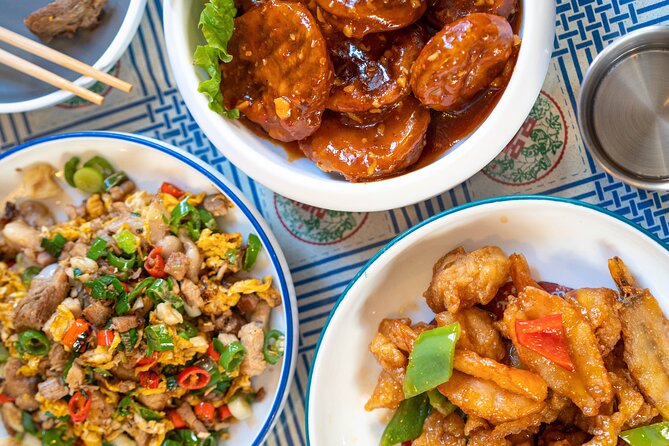
The tour is not a tiny-snack crawl. It’s a structured food-and-beer evening with four food stops equivalent to dinner. You should come hungry. If you think you’ll struggle to finish, tell your guide. The tour is designed so you won’t feel cut off after the scheduled stops.
Also, dishes can vary by stop, but you can expect classic Beijing flavors and cooking styles. The plan includes noodles, spring pancakes, meat cooked on open flames, and wrap-style bites made with fresh Beijing-style ingredients.
Here’s what each stop is aiming to deliver.
Stop 1: hotpot in copper, with a clear broth focus
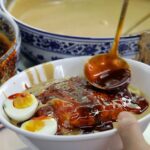
Your first major plate is a hotpot stop that centers on a traditional copper pot and a clear broth. The emphasis is on quality ingredients and thin slices of mutton cooked at the table. Some versions of the description also mention rooftop views connected to Beijing’s bell tower area, which is a nice bonus if the weather cooperates.
What you should pay attention to:
- How the broth is kept clear and light rather than heavy.
- How you manage heat and timing at the table so you don’t overcook the slices.
Drawback to consider: hotpot can be filling fast. If you’re also planning to drink through the evening, pace your first bites.
Stop 2: spring pancakes at a husband-wife kitchen
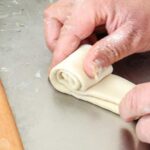
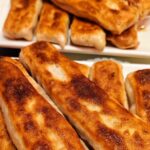
Next comes spring pancakes, tied to a seasonal tradition. This stop is run by a husband-wife team and the pancakes are made family-style with the kind of care you don’t see in mass-production places. Spring pancakes are described as being traditionally enjoyed around Chinese New Year to celebrate the arrival of spring and a good harvest.
The experience here is as much about how the food is assembled as the taste itself. Expect the pancakes to come with typical accompaniments and a short explanation of the meaning behind the dish.
If you like comfort food with a story, this is one of the easiest stops to enjoy.
You can also read our reviews of more food & drink experiences in Beijing

Stop 3: noodles at the Yan family home (100+ years)
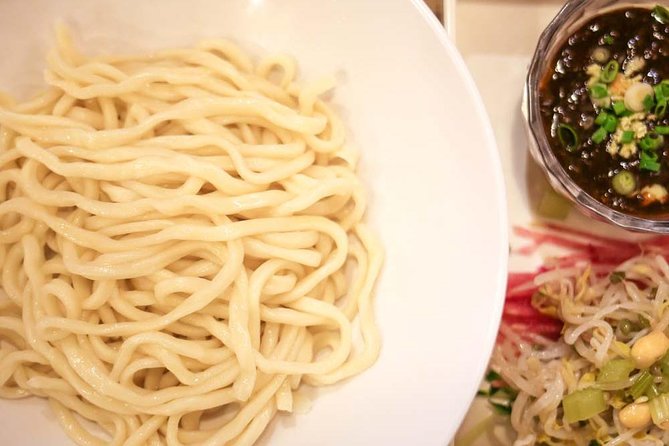
Then you get the centerpiece for noodle lovers. This stop is described as the Yan family’s 100+ year old home, where you eat what the tour frames as Beijing’s go-to noodle dish. In other words, it’s not just noodles; it’s noodles with local pride.
What makes this stop valuable isn’t only the food. It’s the setting. Eating at a family home changes how you think about the cuisine. It feels less like a performance and more like what neighbors do.
The typical vibe: you’ll learn how the noodles are served and what makes this style special in a way you can remember later when you order noodles on your own.
Stop 4: open-flame meat and wrap-style eating (plus variety)
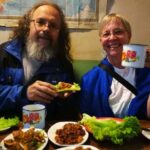
The final part of the food schedule is built around variety: meat cooked on open flames and wraps made with fresh Beijing ingredients. The exact dish details can vary by night, but the intention stays consistent—give you more than one category of Beijing cooking.
If you like eating with your hands, this is the stop where you’ll feel most at ease. If you’re not comfortable with wrap-style dining, ask your guide to show the technique once and then follow their lead for the rest.
Beer, soda, and a craft pint at the brewery end stop
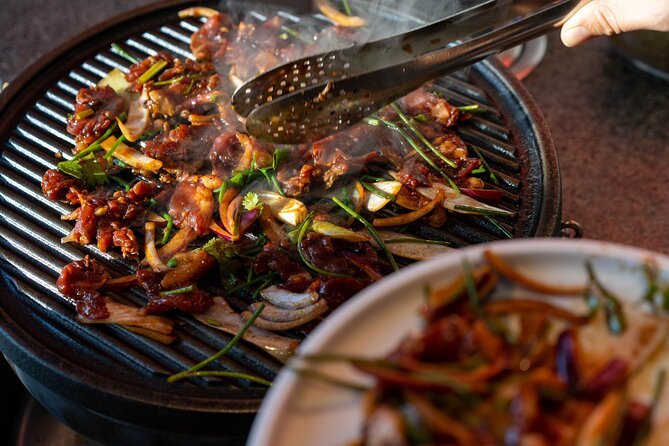
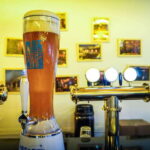
This is a food-and-beer tour, not just a dinner that happens to be paired with drinks. During the walk, you’ll have unlimited local beer and soda. Then, at the end, you’ll get a pint of craft beer included at the brewery stop, and you can choose your brew.
Two practical notes I’d follow:
- Eat before you drink too fast. Even if the beer is free-flowing, your stomach still needs time.
- Sip and pace, because your last stop is meant to land as a satisfying finish, not a rushed landing.
It’s also worth knowing that cold weather can sneak up on you in hutongs. One guide-style tip you’ll often hear from this kind of tour is to dress warm and plan for your walk to take longer if you’re stopping to take photos or chat.
Your guide makes or breaks the night
This tour lives or dies by the guide’s energy, and the provided names show a consistent pattern: guides are enthusiastic, friendly, and big on explanations.
You might get guides such as Ernstina, Yoyo, Janice, Winnie, Tracy, Haitao, Jo, Zooey, or Tony. Across these examples, the common thread is not just fluent English. It’s the way they connect food to daily life in hutong neighborhoods.
You can expect:
- Technique tips, like how to approach the meal at the right pace.
- Short stories tied to the food and the lanes you’re walking.
- Time for questions in a way that feels natural, not scripted.
One review theme also points out a downside you can avoid: if you’re especially interested in historical explanations, consider taking the daytime version instead. At night, the alleyways can get dark fast, so the guide may spend more time on navigation and less on seeing every detail.
Food quantity vs. your appetite: the real value question
At $80 per person, you’re paying for three things: four substantial food stops, unlimited beer and soda during the walk, and a craft pint at the end. If you treat it like dinner plus drinks, the math usually makes sense.
Where value can feel uneven is portion size. A small number of people felt the portions weren’t enough for the price. That’s not what the tour is trying to deliver, but it’s a reminder: if you’re used to large meals, say so at the start.
Also keep in mind the format. This tour can feel more like four meals than a snack parade. If you want lots of tiny bites and frequent “one-off” street snacks, you may wish for more stops. The tradeoff is that the meals you do get are proper and filling.
Dietary needs: vegetarian can work, vegan is harder, gluten is tricky
You do have options. The materials say a vegetarian option is available, and the FAQ also frames the tour as able to accommodate many diets. But it adds an important reality check: not every dish will have a direct substitute in every case.
Vegan is called out as not recommended. Gluten is also a point to handle carefully because the info provided includes conflicting statements about gluten-free friendliness. The safest move is simple: when you book, specify your needs clearly and confirm what the guide can manage.
If you’re vegetarian, this is likely one of the better ways to experience Beijing food without eating your way into a panic. If you’re gluten-free, plan your expectations and communicate early.
Practical tips that help you enjoy every stop
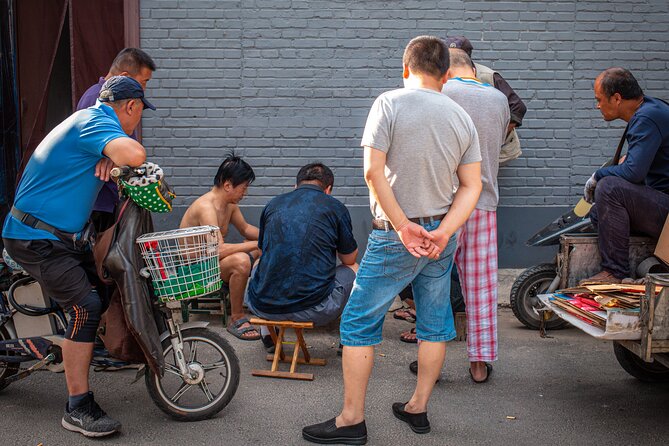
A hutong walking tour is small comfort, not luxury. Here’s how to make it smooth:
- Wear comfy shoes. The walking is manageable, but you’ll appreciate traction. The tour materials basically say leave heels at home.
- Bring a light umbrella if rain is possible. The tour runs in bad weather unless extreme conditions force cancellation.
- Don’t arrive stuffed. The tour is built so you can eat a full dinner over multiple stops, plus drink.
- If you want more beer or soda at any point, the tour is designed around unlimited pours during the walking portion.
Finally, go with the mindset of learning how locals eat, not just ticking off dishes. That’s where the evening feels most real.
Should you book this hutong food and beer tour?
If you want an evening in Beijing that feels local, walkable, and food-forward, this is an easy yes. The structure is built around four filling stops, and the guide experience seems consistently strong. I’d especially recommend it if you like noodles, hotpot, and spring pancakes, and if you enjoy beer with your meal.
Skip it or think twice if:
- You want tiny street-snack samples at many stops instead of fuller courses.
- You have strict dietary requirements and need guaranteed substitutes for gluten-heavy dishes.
- You’re taking it specifically for big nighttime visibility or deep hutong sightseeing; darkness can limit what you see.
Overall, this tour is best when you treat it like dinner plus drinks in Beijing’s hutong world, guided by someone who knows how to translate the food for you.
FAQ
What does the tour include?
You get 4 food stops equivalent to dinner, an English-speaking guide, and unlimited local beer and soda during the tour. You also get one glass (a pint) of locally brewed craft beer at the last stop.
How long is the Beijing hutong walking food and beer tour?
It runs about 3.5 hours.
How far do we walk?
It covers about 1.25 miles / 2 km by foot, with a few short walks between the stops.
Where does the tour start and what time does it begin?
The FAQ says it starts at 6:30pm at Lama Temple subway station. Other materials mention Shichahai metro station as a starting point. After booking, you receive the exact meeting location details by email.
Where does the tour end?
It ends at a brewery about a 10-minute walk from the meeting location. You can get directions from your guide for wherever you need to go next.
What kinds of food should I expect?
You can expect Beijing staples such as hotpot, spring pancakes, and Beijing noodles. The tour also describes possible meat cooked on open flames and wrap-style bites made with fresh Beijing ingredients.
Is there unlimited beer on the tour?
Yes. You’ll have unlimited local beer and soda during the walking portion, plus one glass of craft beer at the last stop.
Is the tour suitable for vegetarians?
A vegetarian option is available. When booking, you should provide dietary requirements so the guide can plan for you.
Is it gluten-free friendly?
The information provided includes notes that it is not gluten-free friendly, and the FAQ also describes it as gluten-free friendly while saying substitutions may not exist for every dish. If you are gluten-free, you should communicate your needs in advance.
What if it rains or it’s cold?
The tour operates in all weather conditions. Dress appropriately. If there are extreme conditions, your guide may cancel and provide a full refund.
How big is the group?
The minimum is 2 and the maximum is 12 travelers.