REVIEW · BEIJING
Beijing Private Hutong Food Walking Tour
Book on Viator →Operated by Discover Beijing Tours · Bookable on Viator
Follow food into old Beijing. This private hutong food walking tour turns Dongsi Hutong and LongFuSi Jie into a full-on meal route, with a guide who keeps the focus on what locals actually eat.
I love that it’s built for real conversation. When our group had questions (and a few very specific needs), guides like Jay and Miko handled the details and kept the pace comfortable for walking and eating.
My only caution: this is not a light snack tour. You’ll be offered 20+ dishes, including some items that are more adventurous than the usual dumplings-and-friends plan, so come ready and pace yourself.
In This Review
- Key highlights that make this tour work
- Why hutong food beats the usual Beijing food tour
- Price and what you really get for $82
- Dongsi Hutong: first tastings in centuries-old lanes
- LongFuSi Jie: the 20+ tasting stretch with local favorites
- The food list mindset: go hungry, but don’t rush
- How your guide changes the whole day (Allen, Jay, Miko, Lucy, Cassie)
- Architecture, courtyards, and how the neighborhood teaches food
- What to expect from stops, timing, and comfort
- Vegetarian and diet needs: how flexible is it?
- Who should book this hutong food walking tour
- Should you book it? My take
- FAQ
- How long is the Beijing Private Hutong Food Walking Tour?
- Where does the tour take place?
- What is the price per person?
- How many food tastings are included?
- Is bottled water included?
- Is pickup available?
- Do you offer vegetarian options?
- Can the guide accommodate dietary restrictions?
- Is this a private tour?
- What is the cancellation policy?
Key highlights that make this tour work
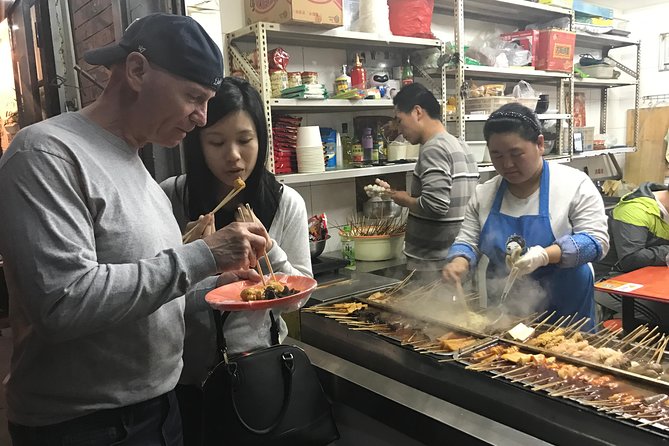
- 20+ tastings across markets, small shops, bakeries, and restaurants, so you get a sampler without guessing what to order
- A private guide for just your group, with plenty of time to ask questions and adjust pace
- Hutong neighborhood focus with real courtyards and historic lanes, not a bus-to-market loop
- Dietary flexibility (vegetarian options are available; guides have handled restrictions on the spot)
- Meet shop owners and learn the stories behind local eating habits and dishes
Why hutong food beats the usual Beijing food tour
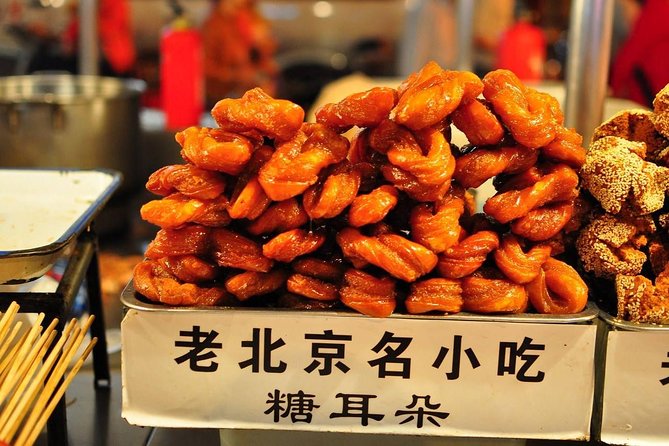
Beijing’s hutongs are where daily life still shows up in the small details: narrow lanes, courtyard-style neighborhoods, and food shops that feel like they’ve been serving the same people for years. This tour leans into that setting instead of trying to cram you into a few tourist-friendly restaurants.
The result is simple. You learn the flavors of Beijing cuisine while walking through the neighborhood that shaped them. It’s the kind of experience where food becomes a shortcut to culture, not just a list of dishes.
You can also read our reviews of more walking tours in Beijing


Price and what you really get for $82
At $82 per person for about 4 hours, this tour is priced like a true guided experience, not a “pay for a coupon booklet” situation. The big value piece is that it includes food tastings (20+ dishes) plus bottled water, so you’re not adding meal costs stop by stop.
It’s also private. That means you’re not fighting for space in a crowded group line, and your guide can slow down (or speed up) based on your comfort. Several reviews note pacing adjustments for walking speed and food choices, which is exactly what you want from a private format.
One practical note: a private transfer is included only if you select it. If you don’t, you’ll need to cover the transportation yourself, so budget for subway/taxi time if you’re meeting independently.
Dongsi Hutong: first tastings in centuries-old lanes
Dongsi Hutong is the kind of place where you notice the architecture before you even taste anything. Hutongs are the traditional neighborhood layout of Beijing, and the tour uses that setting to get you thinking about how people lived, shopped, and ate.
This stop is about 2 hours, and it’s not just walking. You’re paired with a guide who shares how Chinese culinary traditions connect to the neighborhood—what people buy, how foods are prepared, and why certain items show up often in daily life.
What I like here is the “on-the-ground” feel. Instead of handing you a map and hoping you figure it out, the guide helps you read the street—so you understand why a certain shop sells a certain type of snack, and what locals expect from it.
LongFuSi Jie: the 20+ tasting stretch with local favorites
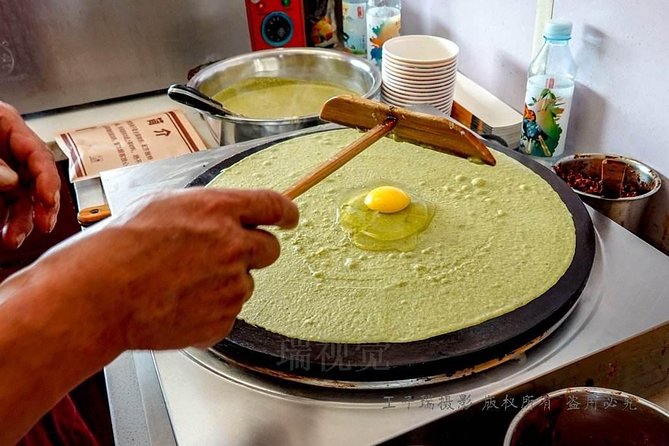
After the first hutong orientation, the tour shifts into a food-heavy rhythm at LongFuSi Jie. This is the second 2-hour block, and it’s where you hit the real variety: markets, shops, bakeries, and small restaurants.
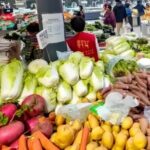
The tour is designed as a sampler. You’re offered more than 20 different dishes, which is a huge advantage in Beijing, where menus are often in Chinese and a “what should I order?” question turns into a stressful guessing game.
This is also the part where guides really earn their keep. In reviews, guides improvised when needed—like arranging vegetarian options on the fly or working around specific health restrictions. That kind of flexibility matters because you’re not just buying food; you’re building a Beijing flavor profile.
The food list mindset: go hungry, but don’t rush
This is a “come hungry, leave happy” type of tour, and it’s worth taking that seriously. One tourmate tip that keeps showing up: don’t eat a big meal before you start. You’ll likely feel stuffed by the end, even if you’re not the type to clean your plate.
Pacing is part of the experience. The route is structured so you eat, then walk a bit, then eat again—so your body has time to catch up. Several reviews also mention that guides slow down when needed, including matching walking speed and keeping you comfortable through the stops.
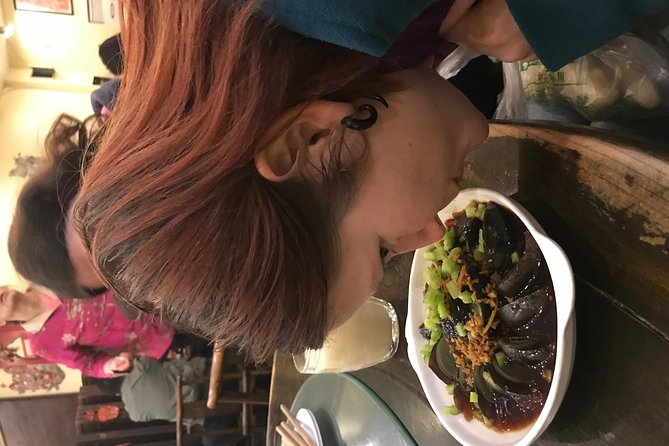
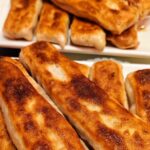
Be ready for surprises in the best way. Some dishes are more adventurous than what most visitors expect. Guides have even checked the group’s comfort level before serving items like pig intestine, then adjusted when someone wasn’t feeling it. Translation: you can have fun, but you’re not forced into anything that makes you uncomfortable.
You can also read our reviews of more food & drink experiences in Beijing
How your guide changes the whole day (Allen, Jay, Miko, Lucy, Cassie)
The guide is the heart of this tour. You’re not just following directions; you’re learning why the food works, how locals eat it, and what to look for in the neighborhood.
A few examples from real experiences:
- Allen is described as funny and helpful, delivering lots of different dishes without feeling chaotic.
- Jay stood out for attentiveness to diabetic diet restrictions and for giving extra context beyond the food itself.
- Miko is praised for tailoring the tour to the group’s needs and even helping with logistics like making the DiDi app work.
- Lucy earned strong notes for friendly, low-pressure guiding and for extra help with subway navigation and apps.
- Cassie is mentioned for giving a classic hutong food lesson pace, including pushing people to sample douzhi and reminding them not to overdo finishes.
That last point matters. When your guide tells you not to finish everything, it’s not politeness—it’s strategy. The food quantity is real, and listening keeps the experience fun instead of painful.
Architecture, courtyards, and how the neighborhood teaches food
Food tours often treat the street like scenery. Here, the hutong itself is part of the curriculum.
As you move between stops, you see the traditional neighborhood layout in action: lanes that feel like they connect everyday life, and historic corners that make Beijing feel less like a museum and more like a place where people still live. Reviews also mention multi-generational courtyard houses and the feeling of time passing through the architecture.
This is why the “meet local shop owners” element is such a big deal. When someone running a small place explains the customs around a dish, you get details you would never catch from a menu. It also gives you a better sense of what’s normal for locals—so you taste with context.
What to expect from stops, timing, and comfort
The tour runs about 4 hours, with two main blocks of roughly 2 hours each. That’s long enough to feel like you actually saw something, not long enough to trap you in one stretch where you’re hungry, tired, and stuck.
You should also expect the guide to manage the sequence. In reviews, guides arranged seating at local places in advance so food arrives with minimal waiting. That sounds small, but in practice it keeps the energy up and helps the day feel smooth.
Another comfort detail: restroom access tends to be handled through the route, and guides have been noted for giving opportunities as you go. That’s especially helpful when you’re eating steadily for hours.
Vegetarian and diet needs: how flexible is it?
You don’t have to guess whether this tour can handle your needs. The tour notes that a vegetarian option is available if you request it, and the guide is expected to accommodate dietary requirements.
In reviews, guides have handled situations where the vegetarian request wasn’t communicated properly, then improvised on the spot. Other reviews mention tailoring around diabetic restrictions and slowing down the pace to keep things comfortable.
If you have strict dietary rules, tell your guide clearly ahead of time. Don’t assume they’ll read your mind. The more specific you are, the easier it is for them to build a safe, satisfying tasting route.
Who should book this hutong food walking tour
This tour is a great match if:
- You want a guided Beijing food plan where you don’t have to translate menus
- You like walking and seeing hutong neighborhoods up close
- You enjoy learning how food fits daily life, not just collecting bite-sized samples
- You’re okay trying unfamiliar dishes, with the understanding that your guide can adjust if you’re not
It may be less ideal if:
- You strongly dislike offal or very experimental foods. Even then, guides can sometimes adjust, but the tour is still a sampler and includes items outside the comfort zone.
- You’re expecting a gentle “tea and cake” vibe. This route is built around eating a lot.
Should you book it? My take
Yes, book it if you want Beijing through the lens of local lanes and real neighborhood eating. The 20+ tastings plus the private guide and hutong focus are what make this feel worth your time, especially on a first or early visit when you want to learn what to look for later.
If you know you’re sensitive to specific foods, message your dietary needs up front and ask how they’ll handle vegetarian or restrictions. The tour seems set up to make it work, and the best guides treat that as part of the job, not an afterthought.
One last tip: plan your schedule so you start this tour with an empty stomach and comfortable walking shoes. Your future self will thank you while you’re still full, not after you’re trying to power through dinner.
FAQ
How long is the Beijing Private Hutong Food Walking Tour?
The tour lasts about 4 hours.
Where does the tour take place?
It’s in Beijing, China, focused on hutong areas including Dongsi Hutong and LongFuSi Jie.
What is the price per person?
The price is $82.00 per person.
How many food tastings are included?
The tour includes food tastings of 20+ different items.
Is bottled water included?
Yes. Bottled water is included.
Is pickup available?
Pickup is offered (and a private transfer is included if that option is selected).
Do you offer vegetarian options?
Yes, a vegetarian option is available. You need to request it at booking.
Can the guide accommodate dietary restrictions?
Yes. You should advise your dietary requirements at booking.
Is this a private tour?
Yes. It’s private, and only your group participates.
What is the cancellation policy?
You can cancel for a full refund up to 24 hours in advance. If you cancel less than 24 hours before the start time, the amount paid is not refunded.