REVIEW · BEIJING
Beijing: Juyongguan Great Wall, Sacred Way & Ming Tombs Trip
Book on GetYourGuide →Operated by Fun Beijing Travel · Bookable on GetYourGuide
Juyongguan feels like a time machine. This Beijing day trip blends Juyongguan Great Wall with the Ming Tombs complex (Sacred Way + Dingling), and the best part is how the guide turns what you see into understandable stories—history plus Fengshui logic you can actually notice on site.
What I like most is the option to go private with a guide and car waiting for you, so the day stays smooth and you are not stuck in a crowd-shuffle. I also like the way the tour connects details—how Juyongguan functioned as a key pass, and how the Sacred Way’s marble figures line up with Ming-era beliefs about harmony between earth and heaven.
The main drawback to consider is timing: it is a full 8 hours, and if you choose package 2, tickets and lunch are extra, so your final price can creep up once you add entry fees and food.
In This Review
- Key Things to Know Before You Go
- Picking the Right Package: Transfer-Only vs All-Inclusive
- Private Pickup in Beijing: Getting Out Early Without Stress
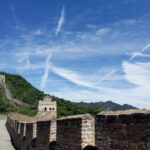
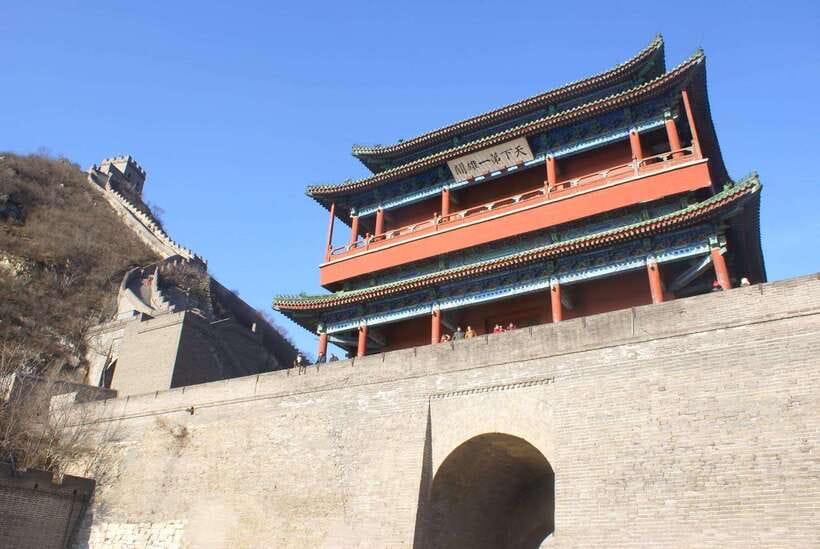
- Juyongguan Great Wall: Towers, Temples, and Pass Engineering
- Sacred Way of the Ming Tombs: The 18 Marble Pairs and Fengshui Logic
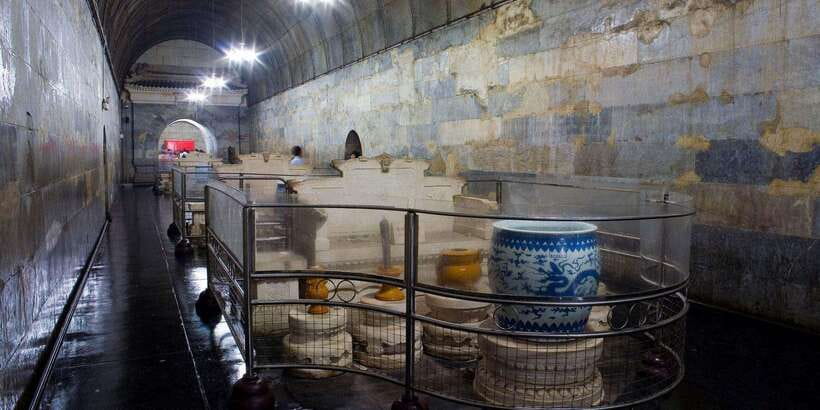
- Dingling Tomb: Wanli, the Two Empresses, and the Underground Palace Experience
- Lunch Choices: Local Food Without Losing the Flow
- English Guidance That Handles Real Questions
- Price and Value: Is $66 a Good Deal?
- Who This Beijing Day Trip Fits Best
- Should You Book This Juyongguan–Ming Tombs Tour?
- FAQ
- What are the available package options for this Beijing tour?
- What’s included in Package 1?
- Does the tour include lunch?
- How long do you spend at Juyongguan and the Ming Tombs sites?
- Is the guide available in English?
- Where is pickup and drop-off handled?
- How long is the whole experience?
Key Things to Know Before You Go
- Three package levels let you match your budget: transfer-only, guided, or all-inclusive with lunch and tickets.
- Private car + guide means you can move at a human pace instead of waiting on a big group.
- Juyongguan focuses on towers and pass history, plus the religious sites that sprang up there over centuries.
- Sacred Way is built for observation, not just walking—look for the 18 pairs of marble figures and the antithesis layout.
- Dingling gives you underground-scale perspective, including the museum and the five-chamber underground palace.
- English explanations come with Q&A, and many guides are praised by name for handling lots of questions calmly.
Picking the Right Package: Transfer-Only vs All-Inclusive
Before you even picture the Great Wall steps, decide which version of the day fits your style.
If you want to keep it flexible and pay only for transportation, choose Package 1 (transfer-only). You get picked up and dropped off with a driver waiting at the parking area while you explore Juyongguan first, then you move on to the Sacred Way and Dingling. The trade-off: no English guide, and you cover tickets and lunch yourself.
If you want the historical context without locking in extra costs, choose Package 2 (guided). In this version, you meet the guide in your hotel lobby and get an English explanation while riding—about 1.5 hours of commentary on the way to Juyongguan, plus guided time on the sites. Tickets and lunch are still your responsibility, but the guide will recommend good local spots.
If you want the easiest day—less decision-making—go Package 3 (all-inclusive). You get the English guide, entry ticket coverage, and lunch included, with the guide taking you to a local restaurant.
Here is the practical thinking: if you are comfortable handling tickets and you do not need deep interpretation, Package 1 can be good value. If you want your time to count (and you enjoy asking questions), Packages 2 or 3 tend to be the better buy.
You can also read our reviews of more tours and experiences in Beijing.


Private Pickup in Beijing: Getting Out Early Without Stress
This trip runs on hotel pickup and drop-off, using a private vehicle. You either meet your guide in the hotel lobby (with your name) or coordinate around the pickup area listed as Qianmen Residential District.
That matters more than it sounds. A Great Wall day can turn into a logistics game—waiting, crowd navigation, and figuring out where to eat. With a private car, you are not stuck bargaining with local transport or guessing how long lines might last. The day is structured so the guide handles the flow while the driver keeps things moving.
Also, several guides are praised for organization and pacing. People mention things like early starts for fewer crowds and guides who help minimize queue time. While you cannot control everything outside your control, this format gives you a better shot at a calmer, more enjoyable visit.
Juyongguan Great Wall: Towers, Temples, and Pass Engineering
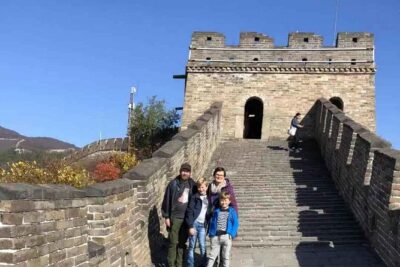
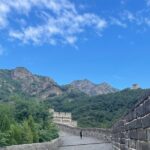
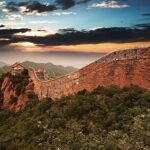
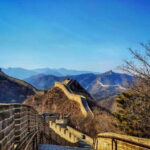
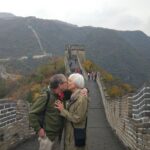
You will spend about 2 hours on Juyongguan Great Wall. This is a section known for its strategic position as a pass, and the tour is set up so you do not just walk the wall and call it a day.
What I like about Juyongguan as a choice is the way the pass tells multiple stories at once:
- It was built with multi-functional structures—not only for defense, but also for logistics and management.
- In the Yuan Dynasty, Juyongguan served as a major travel and supply artery between Beijing and Inner Mongolia.
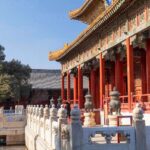
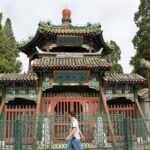
- From the 14th to early 20th century, religious life clustered around the area, with Buddhist, Taoist, and Confucianist temples and shrines constructed along the pass.
When you are walking and climbing, a good guide helps you notice how the wall is not one single “thing.” It is part fortress, part corridor, and part stage for human life and belief.
What to expect on the ground: you will follow your guide through a loop that lets you hike and explore different towers. You are not rushed into a single viewpoint. The goal is a real sense of structure—how towers connect, where the pass channels movement, and why this part of the wall mattered.
One more tip: if you are the type who enjoys quieter sightseeing, ask your guide which tower area they recommend based on crowd patterns that day. Many guides are known for steering guests to less congested spots.
Sacred Way of the Ming Tombs: The 18 Marble Pairs and Fengshui Logic
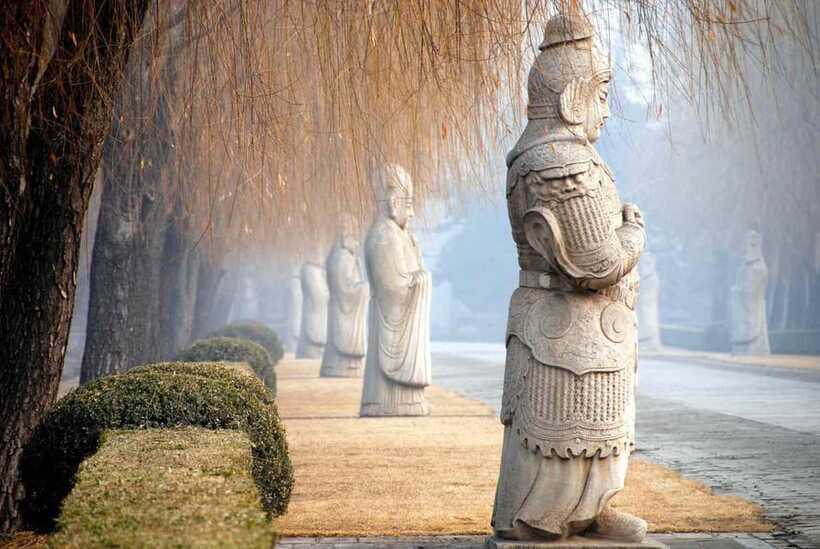
After lunch, you head to the Sacred Way and the Ming Tombs area—and this part is surprisingly visual.
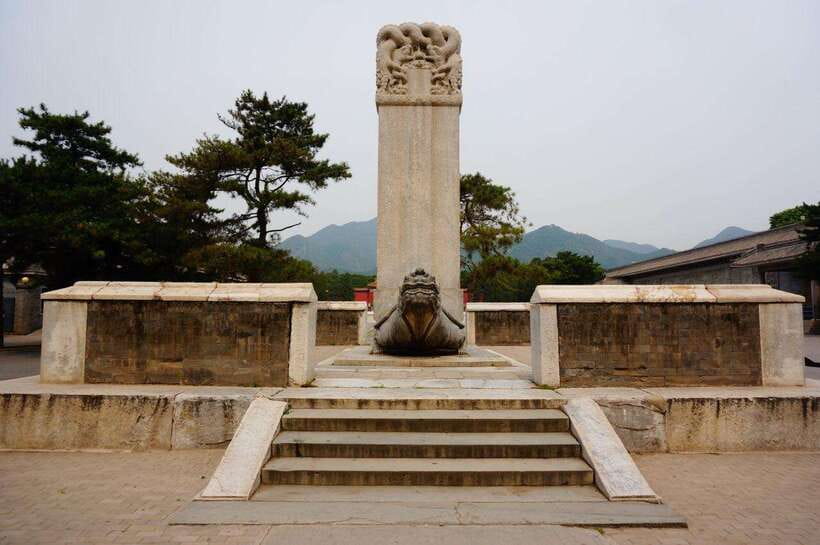
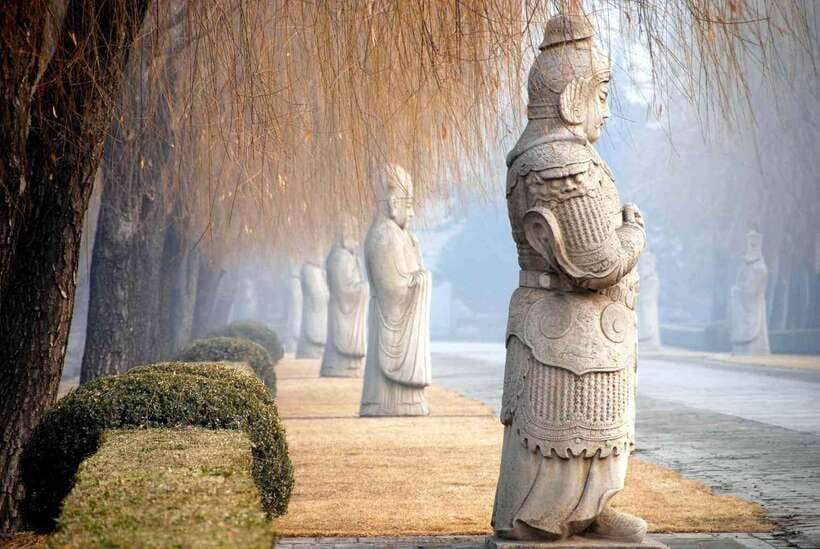
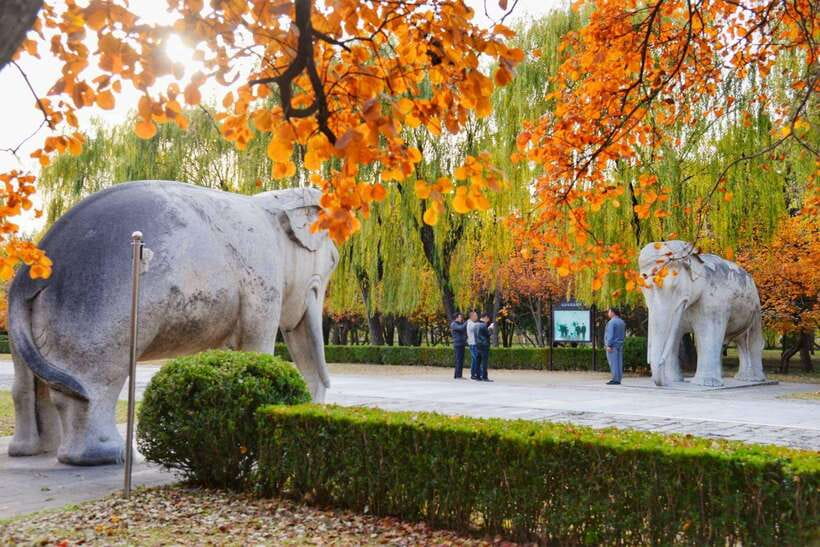
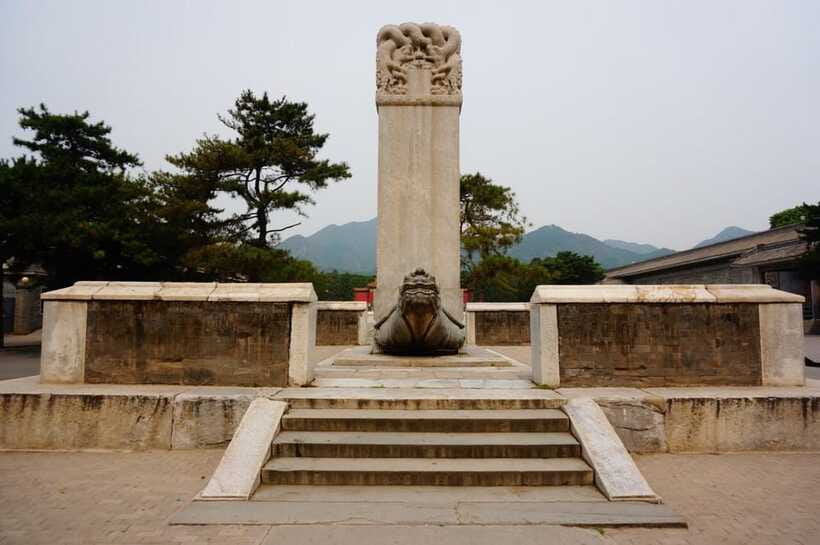
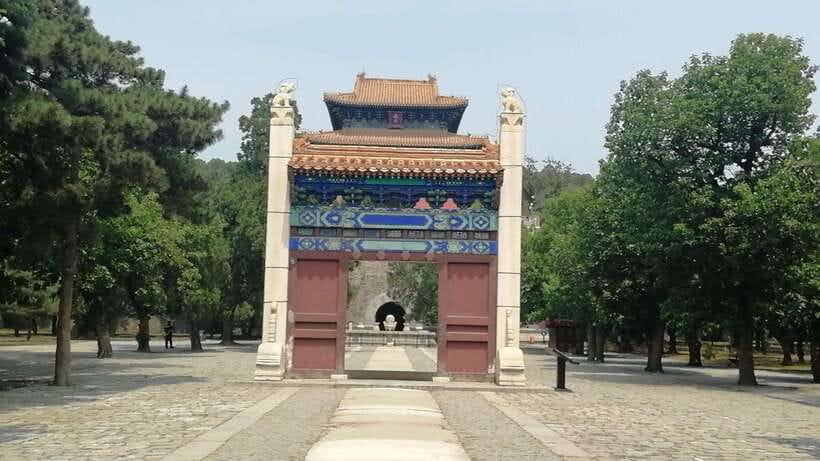
The Sacred Way is essentially a ceremonial walkway lined with statues. The headline detail is the 18 pairs of marble figures arranged in antithesis, with the setup dating back over 500 years. Even if you have seen photos before, the physical rhythm of walking the path helps the layout sink in.
Here is where the guide earns their pay: Fengshui theory. You are not asked to memorize belief systems. Instead, the guide explains the practical meaning behind the design choices—why order, alignment, and symmetry mattered in Ming thinking about cosmic balance and authority.
As you stroll, you are looking for patterns: the repetition of figures, the sense of processional staging, and the way the path frames perspective. It is history as choreography. If your brain likes connections, you will enjoy this stop.
If your day includes photography, this is also one of the best stretches to slow down for pictures. The statues and perspective lines help you get shots that look like a real journey, not just a snapshot in front of a landmark.
Dingling Tomb: Wanli, the Two Empresses, and the Underground Palace Experience
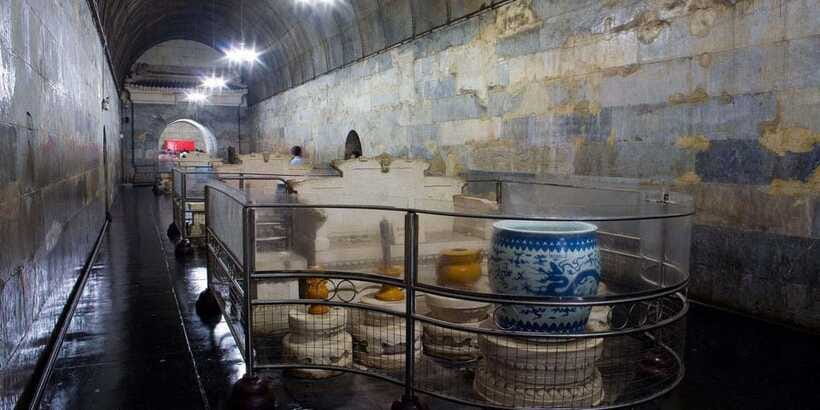
Next comes Dingling Tomb of the Ming Tombs, the star stop for many people because it takes you below the surface.
The construction began in 1584 and finished six years later. In 1620, Emperor Wanli and his two empresses were buried here. That timeline is more than trivia—knowing it helps you understand the scale and intention of what you are seeing.
You will explore:
- the museum, where treasures found from the underground palace are displayed, and
- the five-chamber underground palace, where you experience the grandeur in a more direct way than you get from a tomb you only view from above.
Practical note: underground spaces can feel cooler or different in air flow. Wear layers you can manage, and plan on taking your time inside. If you rush, you miss the “wow” factor that makes Dingling distinct from just seeing a graveyard-like complex.
This stop is also a great place to ask questions. A strong guide can connect the physical layout to Ming beliefs—again, Fengshui logic comes back into play in a way that helps you interpret what you are walking through.
Lunch Choices: Local Food Without Losing the Flow
Lunch timing can be the make-or-break part of a long day. Here, you have two different setups:
- Package 3: lunch is included, and the guide brings you to a local restaurant.
- Package 2: lunch is at your expense, and the guide recommends nearby places.
- Package 1: you handle food on your own.
What I like about having the guide involved (Packages 2 and 3) is that you are not stuck scanning menus while also trying to catch up with the next site. You can just eat, rest your legs, and get back into the day.
From guide feedback shared by other guests, you can expect the lunch experience to lean local. There is mention of options like dumplings and the ability to handle vegetarian preferences when requested. I cannot promise every restaurant will match your exact dietary needs, but the structure is there for the guide to help.
English Guidance That Handles Real Questions
A Great Wall trip can turn into a lecture-by-brochure situation if your guide is stuck reading facts. This tour is built around the opposite: English-speaking guidance designed to answer what you actually want to know.
The day includes explanations during the drive (about 1.5 hours) and then guided time at each stop. You can ask questions any time, and guides are described as patient—especially with groups that move at different speeds or ask lots of history questions.
You will also see familiar names in guide feedback, like Andy, Sherry, Aurora, Lucia, Linda, Cindy, Judy Zhu, Kevin, Jack, Lily, Sophie, Leo, and Jin. Guides like these are praised for clarity, pacing, and bringing together the meaning behind the wall, the Sacred Way, and Dingling.
If you care about understanding rather than only sightseeing, this is a major reason to choose Packages 2 or 3. You are buying interpretation, not just transportation.
Price and Value: Is $66 a Good Deal?

$66 per person for an 8-hour private-car day can be a strong value—if you pick the right package for what you want to pay for.
Think of it like this:
- You are paying for private transportation and the time commitment of getting to a major Great Wall and Ming Tombs area.
- If you choose Package 3, your price value improves because tickets and lunch are included. That reduces decision fatigue and avoids surprises.
- If you choose Package 1 or 2, the base cost can still be fair, but you must budget for entry fees and, in Package 2 and 1, lunch as well.
The real question is not just price. It is whether your day feels efficient. With a guide, you can spend your time on the best sections and ask why things are arranged the way they are—especially with Fengshui elements, where the symbolism can be missed if you are sightseeing solo.
If you are traveling in a small group or you want flexibility in walking pace, the private format can beat DIY. If you are on a very tight budget and you already enjoy self-guided interpretation, transfer-only can work.
Who This Beijing Day Trip Fits Best
This trip is a great fit if you:
- want a one-day Great Wall + Ming Tombs combo without juggling separate tickets and transportation,
- enjoy history with practical explanations (not just dates),
- like architecture and symbolic design—especially on the Sacred Way,
- prefer a private pace over crowds and waiting.
It might not be the best fit if you:
- hate long days in transit (it is 8 hours total),
- want only a quick photo stop with minimal walking,
- or are planning to rely entirely on your own planning and interpretation (then you might prefer a different self-guided approach).
Should You Book This Juyongguan–Ming Tombs Tour?
Yes—if you want a day that feels planned, calm, and meaningful, especially with a guide. I would book Packages 2 or 3 if you care about understanding Fengshui ideas, Ming-era context, and why Juyongguan and Dingling were built with such intention. If you choose Package 3, you also reduce the hassle of tickets and meal stops, which matters on a long day.
Book Package 1 only if you are confident handling tickets and lunch yourself and you are okay with reading signs and piecing things together without an English guide.
If you decide to go, bring your passport, wear comfortable shoes for walking and climbing, and give your guide freedom to suggest the best tower and viewing areas that day. The day runs on a simple promise: you see the big highlights, and you understand them.
FAQ
What are the available package options for this Beijing tour?
There are three options: Package 1 is transfer-only with a driver; Package 2 adds an English-speaking guide but tickets and lunch are at your own expense; Package 3 is all-inclusive with an English-speaking guide, entry tickets, and lunch included.
What’s included in Package 1?
Package 1 includes hotel pickup and drop-off, private vehicle transport, and a driver service. The driver will wait while you visit Juyongguan, then you’ll be transferred to the Sacred Way and Dingling Tomb, with the driver waiting again.
Does the tour include lunch?
Lunch is included only if you choose Package 3. For Package 2, lunch is at your own expense, and for Package 1, lunch is also at your own expense.
How long do you spend at Juyongguan and the Ming Tombs sites?
The schedule includes about 2 hours at Juyongguan Great Wall and about 2 hours for the Ming Dynasty tombs area.
Is the guide available in English?
Yes. The tour provides an English-speaking guide for Packages 2 and 3.
Where is pickup and drop-off handled?
Pickup and drop-off are handled at your hotel (your guide meets you in the lobby with your name). The listed pickup location is Qianmen Residential District.
How long is the whole experience?
The total duration is listed as 8 hours.