REVIEW · BEIJING
Beijing: Hutongs & Drum Tower City Walking Tour
Book on GetYourGuide →Operated by JTB Travel Agency · Bookable on GetYourGuide
Beijing’s old lanes can still surprise you. This Hutongs & Drum Tower City Walking Tour threads together Houhai and Qianhai lakes, age-old hutongs (often described as 300–700 years old), and the Drum Tower area, so you get more than postcard Beijing. I like how the route mixes scenery with stories, and I also like the human side: you can meet locals and learn how a traditional courtyard home works, not just see it from behind a fence.
The one thing to consider is that the tour is mostly walking plus a short rickshaw ride, and entrance tickets aren’t included, so any paid tower access or shows may require extra cash on the spot.
In This Review
- Key things I’d watch for
- Where the Hutongs Still Feel Like Beijing
- Starting at Shichahai: The Fast Way to Get Oriented
- The Taoism Temple by Jing-hang Canal and Wanning Bridge
- Yandai Byway: Where You Can Graze Like a Local
- Rickshaw Through the Old Lanes: Hooded Tricycle Nostalgia
- Courtyard House Visit: The Human Scale of Hutong Life
- Walking the Hutongs Toward the Drum Tower Square
- Climbing the 600-Year-Old Drum Tower and Taking the View
- Food Strategy: Snacks, Drinks, and the Cash Reminder
- What the $69 Price Buys You (and What It Doesn’t)
- Who This Tour Suits Best (and Who Might Want to Skip It)
- Should You Book This Hutong & Drum Tower Tour?
- FAQ
- How long is the Beijing Hutongs & Drum Tower City Walking Tour?
- Where do I meet the tour guide?
- Is the tour guide English-speaking?
- What’s included in the price?
- Are entrance tickets included?
- Do I need cash for this tour?
- What should I bring?
- Is the tour wheelchair accessible?
Key things I’d watch for

- Hutongs by the lakes: calmer lanes with water nearby, not just a straight line through alleys
- Rickshaw through the old grid: a hooded tricycle ride that nods to how visitors (including Nixon) once experienced the area
- Taoism stop by Jing-hang canal and Wanning Bridge: quick context about local belief and temple life
- Yandai Byway snack time: a built-in chance to graze and buy small souvenirs
- Drum Tower climb and square time: you get the big view and the city’s old center layout
Where the Hutongs Still Feel Like Beijing
I love that this tour treats the hutongs as the main character, not a background detail. Beijing’s hutongs are lanes and alleys spread through the old city like veins. On this walk, you’re meant to feel the difference between “a photo spot” and “a neighborhood.” When the lanes are still active—people moving in and out, scooters slipping by, shop signs glowing—you understand why Beijing’s old layout matters.
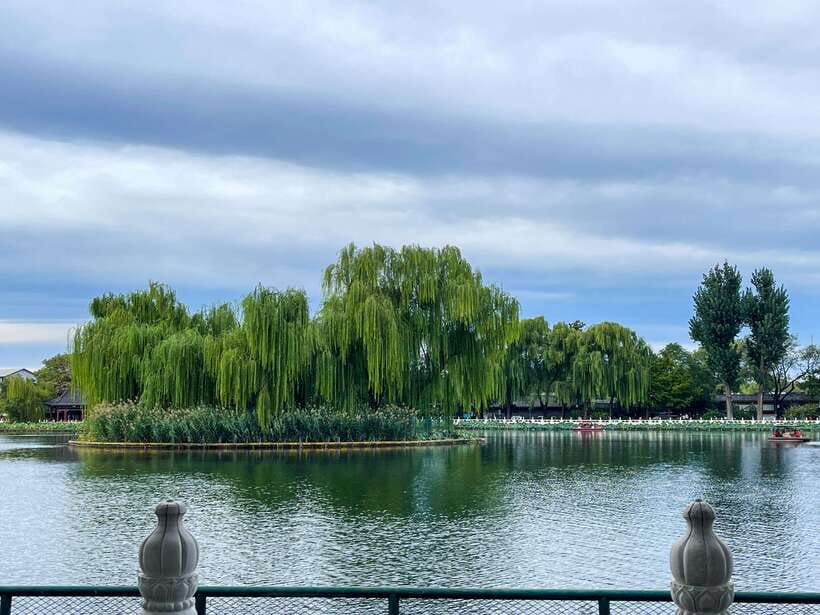
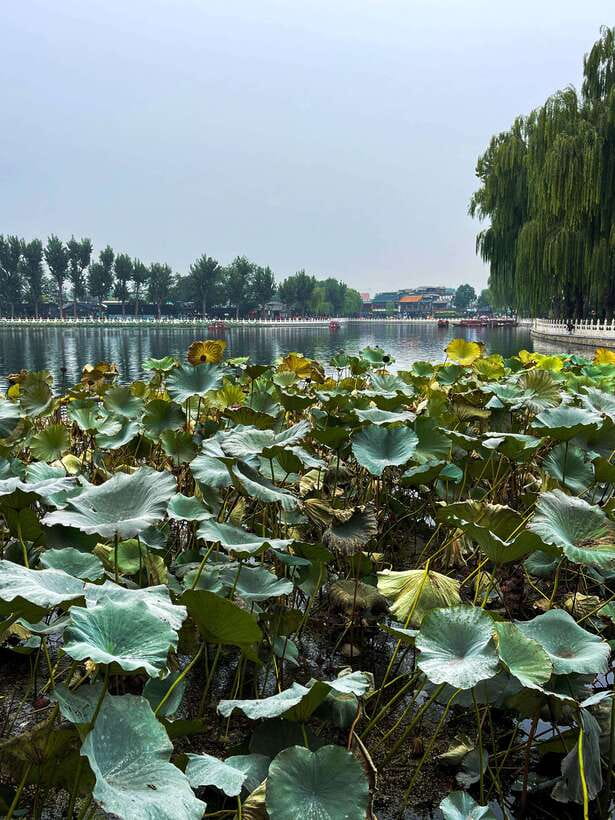
Two things make this experience feel especially pointed for a short visit. First, the hutongs are paired with Houhai and Qianhai. Those lakes act like a gentle anchor: you’re not stuck in narrow streets the whole time. Second, the Drum Tower area ties the day together geographically. You’re moving through the old civic center and ending near one of Beijing’s symbolic landmarks, where the city story becomes easier to picture.
If you want a simple rule: bring comfortable shoes and a flexible attitude. Some parts are quieter, some are lively, and the best moments tend to happen when you slow down and let your guide’s pacing do the work.
You can also read our reviews of more walking tours in Beijing



Starting at Shichahai: The Fast Way to Get Oriented

You’ll meet your English-speaking guide at Exit A2 of Shichahai subway station (Line 8), and that matters more than it sounds. Shichahai is already close to where the old city’s lanes start to feel real, so you’re not wasting time cutting across modern Beijing just to reach the “good stuff.”
The first minutes set the tone. Your guide will explain what you’re about to walk into—how hutongs formed, how courtyard life works, and why the lakes and canal matter. You’ll also get the practical rhythm of the day: when you’ll walk, when you’ll pause for snacks, and when you’ll step into more structured stops like temples and the Drum Tower.
I also like that the tour is offered as private or small groups. That usually means less waiting around and more chances to ask questions about food, daily life, or the meaning behind what you’re seeing.
The Taoism Temple by Jing-hang Canal and Wanning Bridge

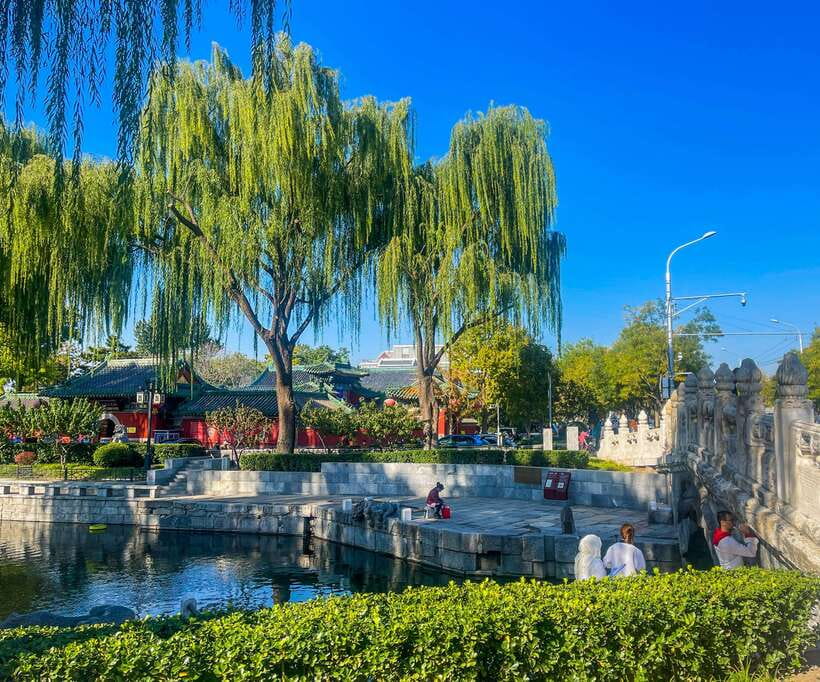
One of the most interesting “side trips” is the stop at a Taoism temple near the Jing-hang canal and Wanning Bridge, a bridge built during the Mongolian dynasty. This isn’t a long detour, but it can change how you interpret everything you see afterward.
Here’s what you’re likely to pick up: Chinese temple life isn’t just about old buildings. It’s about what people believe, how they talk about gods and stories, and what young people choose to pay attention to today. Your guide is there to translate the symbolism so you’re not just looking at incense smoke and guessing.
This part of the tour is also a nice reset from alley walking. Canal-side space gives your eyes a break, and it can make the later courtyard visit feel even more grounded.
Practical note: wear layers. Temple areas can be breezy near water, and the day shifts between sun and shade.
Yandai Byway: Where You Can Graze Like a Local
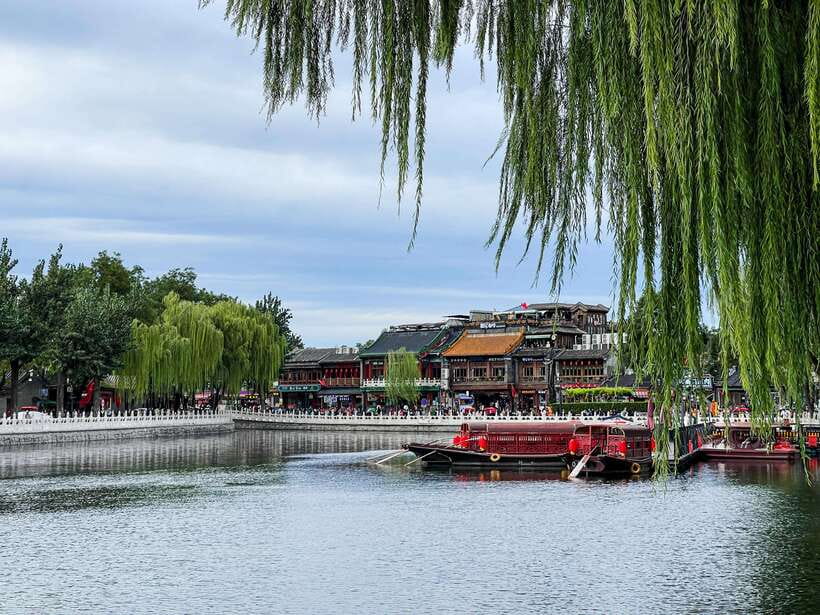
After the temple and canal area, you’ll walk beside the water to Yandai Byway, described as an ancient commercial street. This is where the day turns from “learning mode” to “taste mode.”
The tour includes time for you to try local snacks and also to buy small souvenirs from nearby shops. That mix is smart because it prevents two common problems on short city tours:
- You don’t run out of time before you find food.
- You don’t spend your whole snack budget on one overpriced stop because you’re rushing.
I’d treat this segment like a buffet with rules. Start with one hot item and one cold or sweet item. If something is messy, eat it quickly and keep moving. Then save your final pick for something you can actually bring back as a souvenir.
Bring Chinese cash if you want to buy food. This is explicitly advised, and I agree—cards aren’t always the default in small local shops.
Rickshaw Through the Old Lanes: Hooded Tricycle Nostalgia
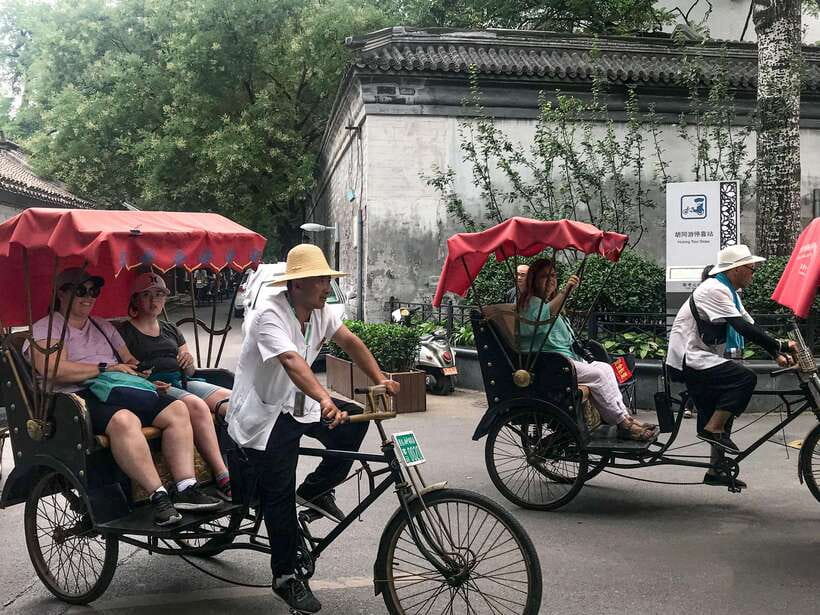
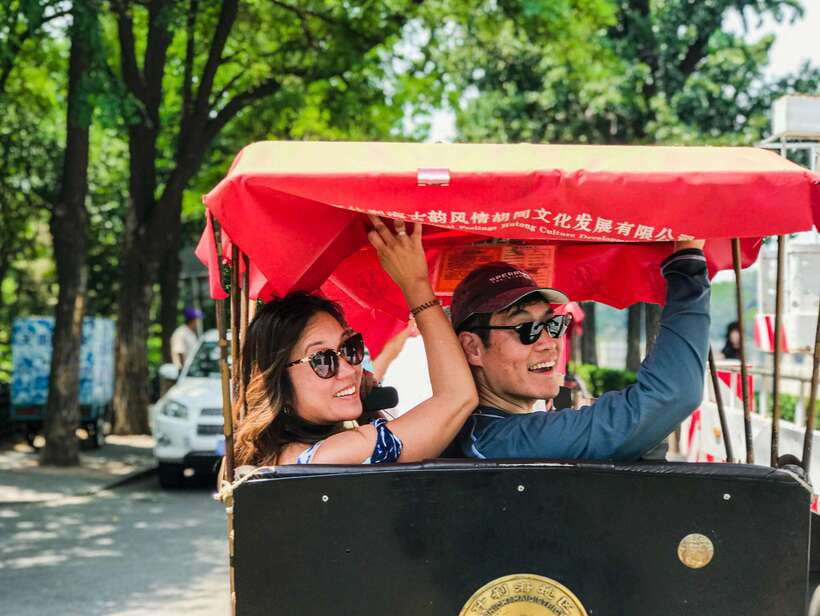
The rickshaw ride is one of the headline experiences here, and it’s not just for fun. It’s a way to cover the tighter lanes without having to jog through them, and it gives you a different rhythm of movement. You’ll ride a hooded tricycle, described as an old taxi used by nobles and rich business people.
There’s also a cool historical detail your guide may share: when President Nixon visited in 1972, he and his wife reportedly enjoyed this kind of wandering through old alleyways beside the water. That story helps explain why rickshaws became part of the classic Beijing visitor experience.
From a practical standpoint, here’s what to expect:
- You’ll ride for about 30 minutes.
- The format noted is 2 people per rickshaw.
- A figure of 200 CNY for two participants is mentioned, so if you’re deciding between options or want extra riding time, it’s worth confirming the cost for your exact package.
The best part of the ride is the feel of the hutongs. The hood gives you a little shade and the lanes feel like a living maze. You’re close to doors, walls, and everyday details that don’t show up well on a slow walk.
You can also read our reviews of more city tours in Beijing


Courtyard House Visit: The Human Scale of Hutong Life
If you choose the option to visit a local family, this becomes the most memorable and intimate part of the day. You’ll say ni hao to locals, chat freely, and be welcomed into a traditional courtyard house—with a chance to see spaces like the kitchen and living areas, and sometimes more of the layout.
This is valuable because hutongs are easy to admire as architecture. They’re harder to understand as living systems. A courtyard home is built around light, airflow, privacy, and daily routine. When you see how rooms connect and how people use each space, you stop treating the hutong as a museum.
It’s also where your guide’s role matters most. In the best cases (and the reviews strongly suggest this is common), guides explain what you’re seeing in plain language, and they help you respect what’s private. If you’re shy, the ride and the walking help break the ice before you step into a home.
One more useful angle: some tour paths include seeing how courtyard areas differ for richer and poorer residents. That contrast helps you understand the social structure embedded in the neighborhood layout.
Walking the Hutongs Toward the Drum Tower Square
After the intimate courtyard time, you shift back into city-scale movement. You’ll walk through hutong lanes that show different traditional courtyard houses and hear stories about how Beijingers lived in the past and how life changes now.
The day then moves toward a square located between the Drum and Bell Towers. This kind of stop is more than a photo pause. It gives you a map in your head. When you’re standing between these towers, the old city’s logic feels clearer: this is where civic life and symbolism clustered.
Your guide will share stories about Beijingers from older dynasties up to today. You don’t need a textbook for this—your job is to look at the street layout and listen for what ties the past to the present.
Climbing the 600-Year-Old Drum Tower and Taking the View
The tour culminates with a climb of the Drum Tower, noted as being about 600 years old. Climbing a tower is often a “been there, done that” activity on tours. Here, the point is the perspective.
From up high, you can spot why hutongs are hard to navigate on your own at first. The city pattern becomes visible. You see how lanes thread between blocks, and you understand why a guide is a real advantage.
Some guides also help you catch a drum ceremony/show timing if it lines up with your visit. Since timing depends on the day, don’t plan your schedule around it—just treat it as a bonus if it happens.
After the Drum Tower, the tour usually includes time for local snacks or food, so you can close the loop: you learn the story, see the view, then eat your way out.
Food Strategy: Snacks, Drinks, and the Cash Reminder
This tour is built around food without turning into a food-only tour. You’ll have snack opportunities at Yandai Byway, and you’ll likely try items after the Drum Tower as well. In some versions (mentioned in one of the options), the tour can pair with a lakeside segment with stops for Beijing drinks and snacks.
If you’re picky, don’t fake it. One thing that stands out from the guides described in the experience is how they help people choose what they can actually eat. A few named guides are mentioned as helping with snack choices for different dietary preferences and finding alternatives so you stay comfortable through the day.
My practical advice:
- Bring Chinese cash for small shops and snack counters.
- Eat lightly at the beginning so you’re hungry for Yandai.
- If you get offered something unfamiliar, ask what it is first. Guides are there to help you make smart choices fast.
What the $69 Price Buys You (and What It Doesn’t)
At $69 per person for 3–4 hours, you’re paying for three things: an English-speaking guide, local access (like the courtyard and neighborhood context), and the guided structure that keeps you from wandering aimlessly.
The tour includes:
- English-speaking tour guide
- Rickshaw ride
- Home visit if you select that option
Not included:
- Public transportation
- Entrance tickets
So value comes from what’s included socially and experientially, not from ticket bundles. If you’re comfortable navigating on your own and only want scenic sights, you might feel the cost. But if you want the meaning behind hutongs, plus a chance to talk with locals, the price starts to make sense quickly.
Also, the high rating—4.9 with 57 reviews—suggests consistent performance, especially around guide quality and pacing. Names like Alice, Amber, Lisa, Jenny, Susan, Tony, Linda, Johnny, Kolar Lee, Toyo, and others show up in the feedback tied to clear English, attentive care, and thoughtful help with food.
Who This Tour Suits Best (and Who Might Want to Skip It)
This tour fits you best if you:
- Want a hutong experience that stays close to water and ends near the Drum Tower core
- Prefer a short, structured day over hours of random wandering
- Like cultural stops that explain belief and everyday life, not only monuments
- Enjoy walking but still want a rickshaw break for the tightest lanes
You might skip it if you:
- Want a full-day deep-dive with lots of museum time
- Hate walking in uneven lane conditions
- Are only interested in major ticketed attractions, since entrance tickets are not included
For families, the home visit and snack timing can be a win. For solo visitors, small-group or private formats help you keep the day comfortable and interactive.
Should You Book This Hutong & Drum Tower Tour?
Yes, if you want Beijing that feels specific, not generic. This is a strong choice for your first hutong day because it pairs the lanes with the Drum Tower area and gives you multiple “anchors” to remember: Houhai/Qianhai, Yandai Byway, a Taoism temple by the canal, and the courtyard life stop.
If you book, do one thing that makes the whole day better: set your expectations. This isn’t a sprint. It’s a guided walk where the details come through if you slow down. With comfortable shoes, some cash, and a willingness to ask questions, you’ll leave with a better sense of how old Beijing works—street by street, room by room.
FAQ
How long is the Beijing Hutongs & Drum Tower City Walking Tour?
The tour lasts about 3 to 4 hours.
Where do I meet the tour guide?
The meeting point can vary depending on the option booked, but the tour guide meets at Exit A2 of Shichahai subway station (Line 8).
Is the tour guide English-speaking?
Yes, the tour includes an English-speaking live guide.
What’s included in the price?
The tour includes the English-speaking guide and the rickshaw ride. A home visit is included only if you select that option.
Are entrance tickets included?
No. Entrance tickets are not included.
Do I need cash for this tour?
Bring Chinese cash if you plan to buy food from local stores.
What should I bring?
Bring your passport.
Is the tour wheelchair accessible?
Yes, the tour is listed as wheelchair accessible.