REVIEW · BEIJING
Beijing: National Art Museum of China Entry Reservation
Book on GetYourGuide →Operated by PANDA HAPPY JOURNEY IN CHINA · Bookable on GetYourGuide
National Art Museum of China is a fast art reset. With a pre-booked entry reservation, you can skip the ticket line and spend about two hours wandering modern and contemporary Chinese art at your own pace. I especially like having an English textual and visual guide on hand, and I like how the museum’s mix includes ink paintings, calligraphy, and sculpture. The main drawback is that the visit runs on a set start time, so 2 hours can feel tight if you want to read every label carefully.
This is one of those Beijing stops that works even if you’re not an “art tour” person. You can choose your route, slow down where something grabs you, and move on before you get museum-fatigued. Just plan on bringing your passport or ID, since that’s required for entry.
In This Review
- Key points to know before you go
- Price and logistics at NAMOC: why $6 makes sense
- Getting in smoothly: reserving, redeeming, and starting on time
- Use the English guide like a shortcut to understanding
- Your 2-hour plan inside NAMOC (so you don’t rush art)
- What to look for: modern and contemporary Chinese art you can actually track
- Traditional ink painting, calligraphy, and sculpture: the contrast that clicks
- Special exhibitions and events: what you might catch during your visit
- Practical tips that make a big difference at NAMOC
- Who this entry reservation is best for
- Should you book this NAMOC entry reservation?
- FAQ
- What is the National Art Museum of China entry reservation in Beijing?
- How much does it cost?
- How long is the visit?
- Does this reservation include an English guide?
- Is the ticket line skipped?
- What do I need to bring for entry?
- Is wheelchair access available?
- Is free cancellation available?
- Can I book now and pay later?
- Are there any restrictions once inside?
Key points to know before you go
- Skip-the-line entry with a reservation, so you don’t waste time at the ticket desk
- English textual and visual guide included, which helps a lot with context
- Modern and contemporary Chinese art, plus traditional ink painting, calligraphy, and sculpture
- Two-hour visit window, which is doable if you have a simple plan
- Wheelchair accessible, making it easier to plan for mobility needs
- Fast redemption at the ticket office, based on real on-site experience
Price and logistics at NAMOC: why $6 makes sense
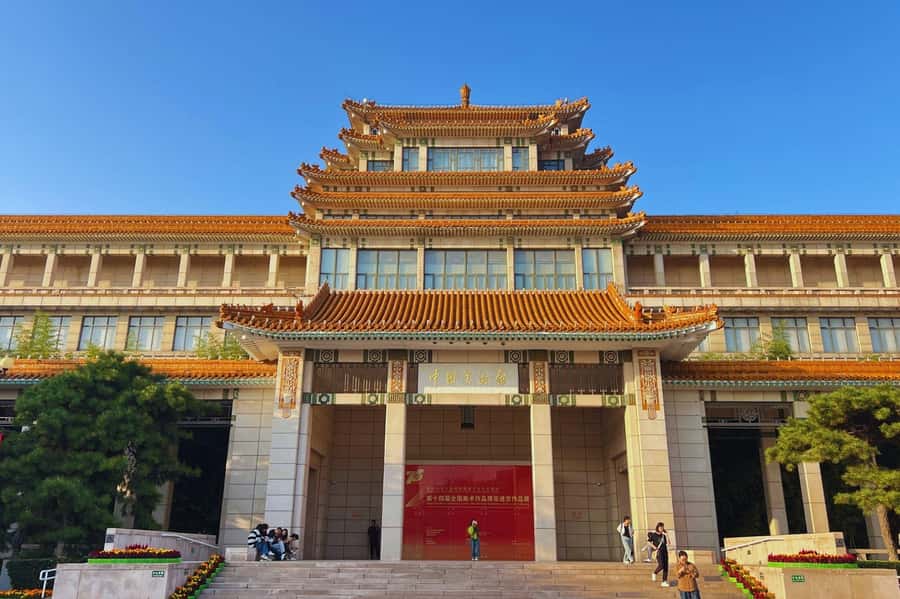
At about $6 per person, this entry reservation is priced like a bargain compared to how much time and artwork you get inside. You’re not just buying “a door ticket.” You’re also getting an English textual and visual guide, plus a smoother entry process that helps you start exploring sooner.
Two hours is a sweet spot for many people: long enough to see the museum’s main currents, short enough to avoid that end-of-visit slump. Still, it’s not an all-day museum pass. If you’re the type who reads every label like it’s a book, you’ll feel the clock.
For money value, the big win is simplicity. A pre-booked reservation means you spend your energy looking at art, not solving entry puzzles.
You can also read our reviews of more museum experiences in Beijing


Getting in smoothly: reserving, redeeming, and starting on time
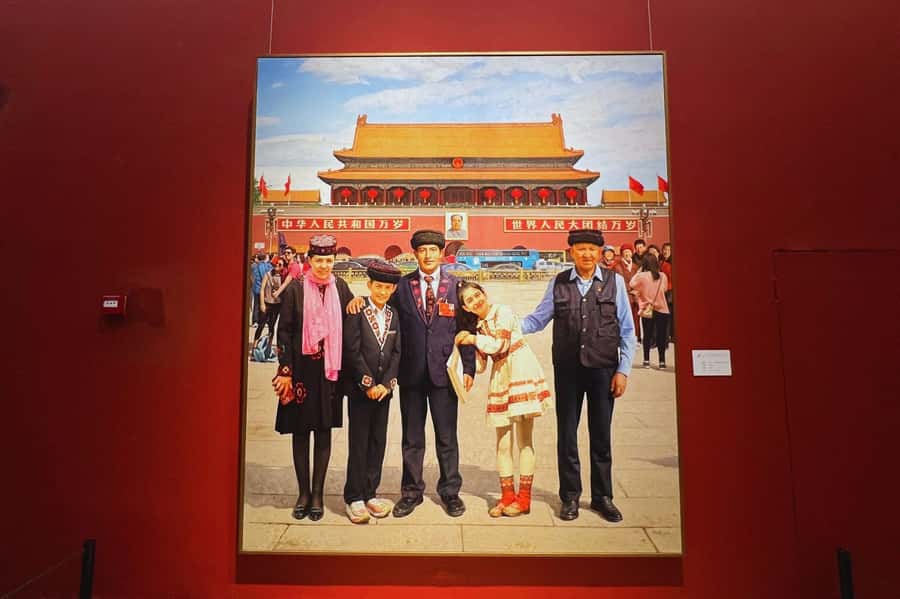
This experience is built around one job: reserve your entry in advance for the National Art Museum of China in Beijing. When you arrive, you can redeem at the ticket office rather than hunting for the right purchase window. That’s the kind of detail that matters, especially in a big museum setting where lines can turn into a time sink.
Your visit runs for about 2 hours, and you pick a start time from available options. That’s great for planning, but it’s also why you should have a quick game plan before you walk in. If your slot is, say, late in the day, you don’t want to waste 30 minutes getting oriented.
One practical note: bring your passport or ID card. The museum setup is simple, but they do check.
Use the English guide like a shortcut to understanding
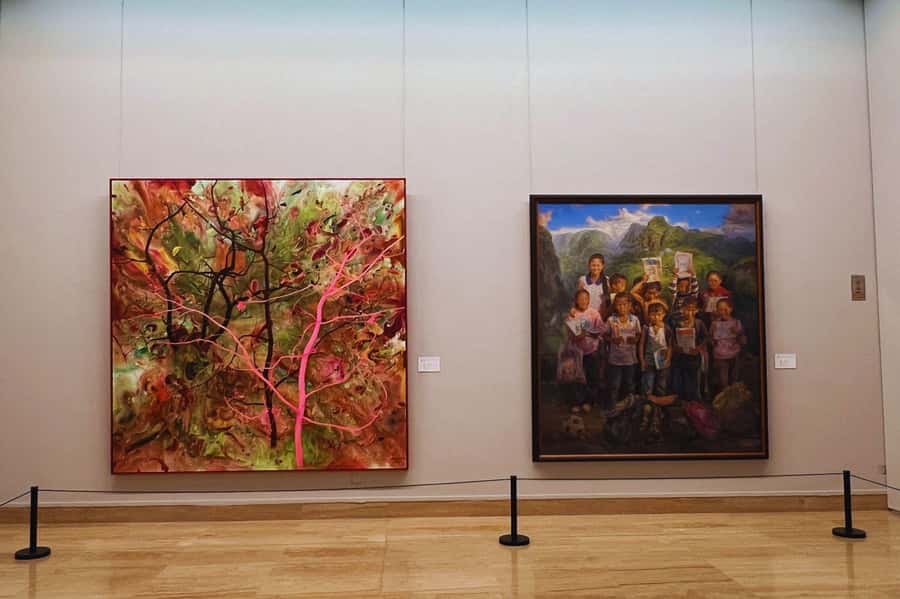
The included English version of the textual and visual guide is the difference between wandering aimlessly and actually “getting something” from what you see. Even if you don’t read every line, the guide helps you place what you’re looking at in the bigger story of China’s art.
Here’s how I’d use it:
- Start by scanning the guide early, just to find the art styles or themes that interest you most
- Pick a couple of focus areas so you don’t bounce around randomly
- Use the guide to understand what you’re looking at before you decide if you want to spend more time there
Because NAMOC spans modern and contemporary Chinese art, plus traditional mediums like ink paintings, calligraphy, and sculpture, the guide helps you spot connections. You’ll get more out of the visit if you don’t treat it like a checklist of rooms.
Your 2-hour plan inside NAMOC (so you don’t rush art)
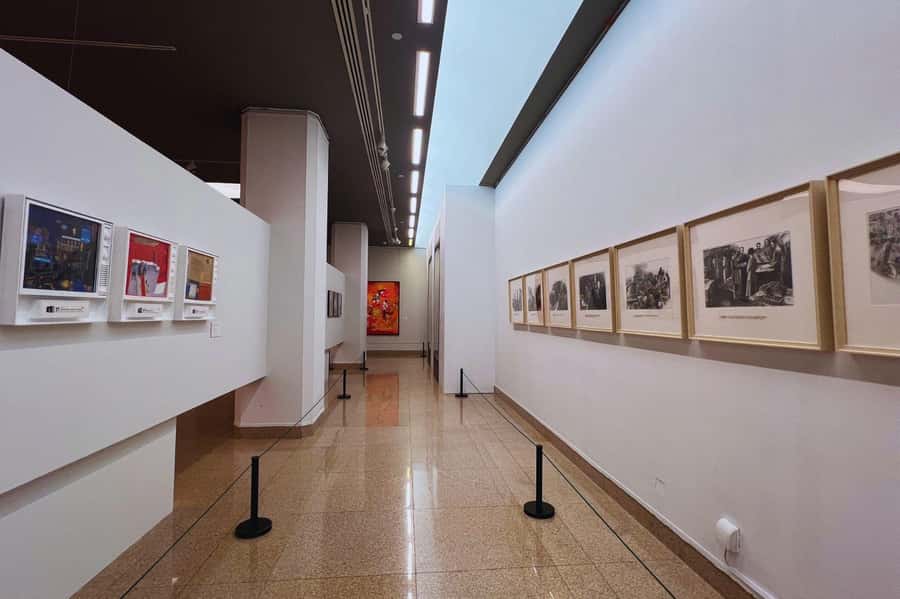
NAMOC has a major collection, with over 100,000 pieces. That’s a lot of material, even for serious art fans, so the smart approach in a 2-hour slot is selectivity.
Think of your visit in three passes:
Pass 1: Orient and choose your path
Give yourself the first 15–20 minutes to pick your direction. Don’t worry about seeing everything. You’re aiming to get a clear feel for the museum’s overall range.
Pass 2: Slow down where style changes
The museum mixes eras and mediums. As soon as you notice a shift—like moving from modern works into ink-based traditions—pause and let that contrast teach you something. That “change of mode” is often where museums become memorable.
Pass 3: Confirm with a second look
For one or two works that stuck with you, take another look using the guide’s context. A second glance often turns a surface impression into a better understanding.
The biggest reason people leave disappointed isn’t the museum—it’s trying to do too much in too little time.
What to look for: modern and contemporary Chinese art you can actually track
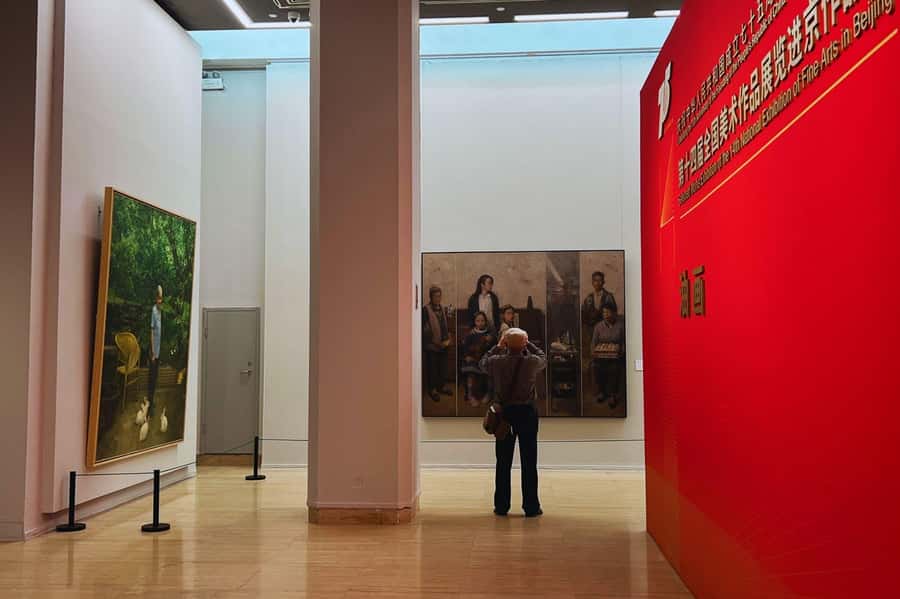
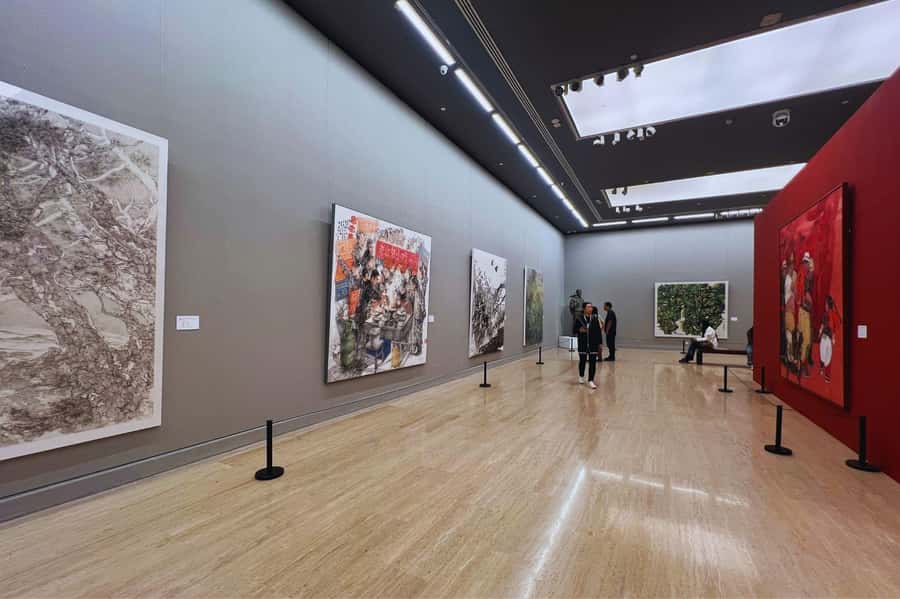
NAMOC is known for modern and contemporary Chinese art, including works by prominent Chinese and international artists. Even without a deep art history background, you can still follow the “language” of the collection.
Here’s what you can watch for as you browse:
- How artists use new styles to respond to modern life and changing society
- How themes repeat across different works and mediums
- How modern approaches sit next to traditional forms rather than replacing them
You’ll also notice that the museum doesn’t treat art as a single straight timeline. Instead, it lets you compare ideas side-by-side—what stays, what evolves, and what breaks into something new.
The payoff: you come away with a clearer sense of how Chinese art shifted over time, not as a dry list of dates, but as a living conversation.



Traditional ink painting, calligraphy, and sculpture: the contrast that clicks
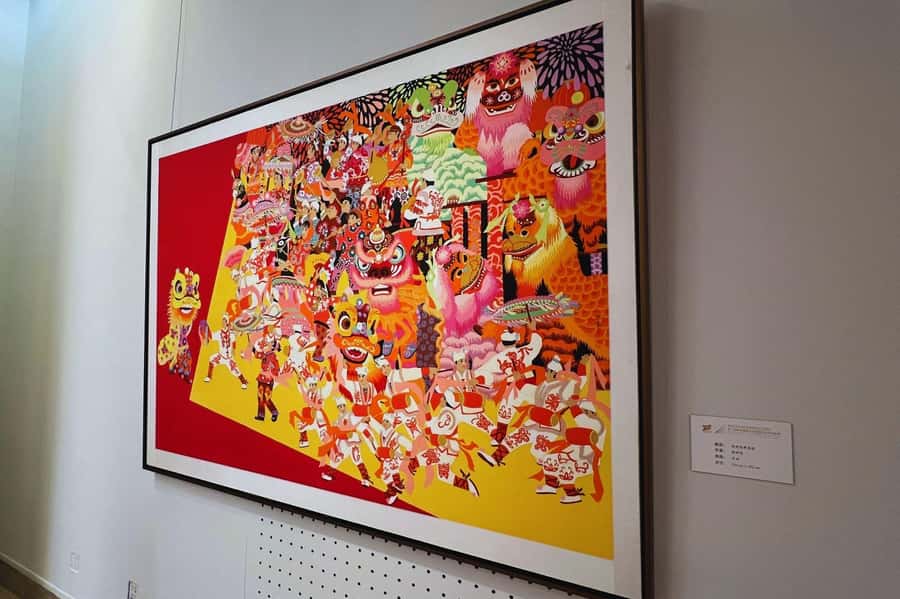
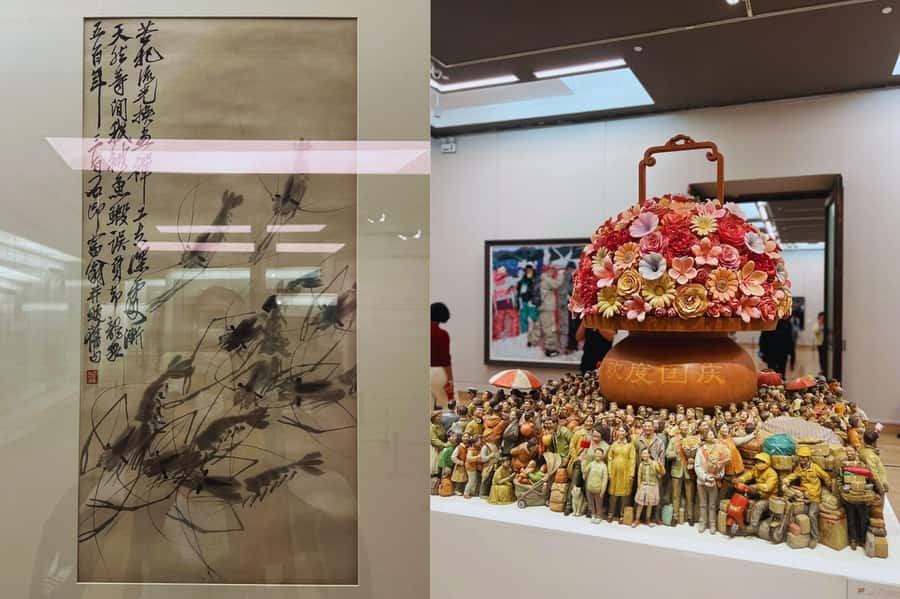
One of the best parts of this visit is the museum’s inclusion of traditional ink paintings, sculptures, and calligraphy. This isn’t just “extra stuff” at the edges. It’s the main point for understanding artistic evolution.
Ink painting and calligraphy are especially useful for building a basic “feel” for traditional aesthetics: space, gesture, and how meaning can be carried without looking like Western oil-paint realism.
For me, the most satisfying moments come when you see how traditional art forms influence the way modern artists think. Even if you don’t master the symbolism, the contrast helps you notice:
- how form can communicate emotion or ideas
- how artists treat brushwork as more than technique
- how sculpture and writing can share a sense of rhythm
If you’ve ever wondered how Chinese cultural heritage shapes contemporary creativity, this museum’s mix gives you a direct answer—through the art, not lectures.
Special exhibitions and events: what you might catch during your visit
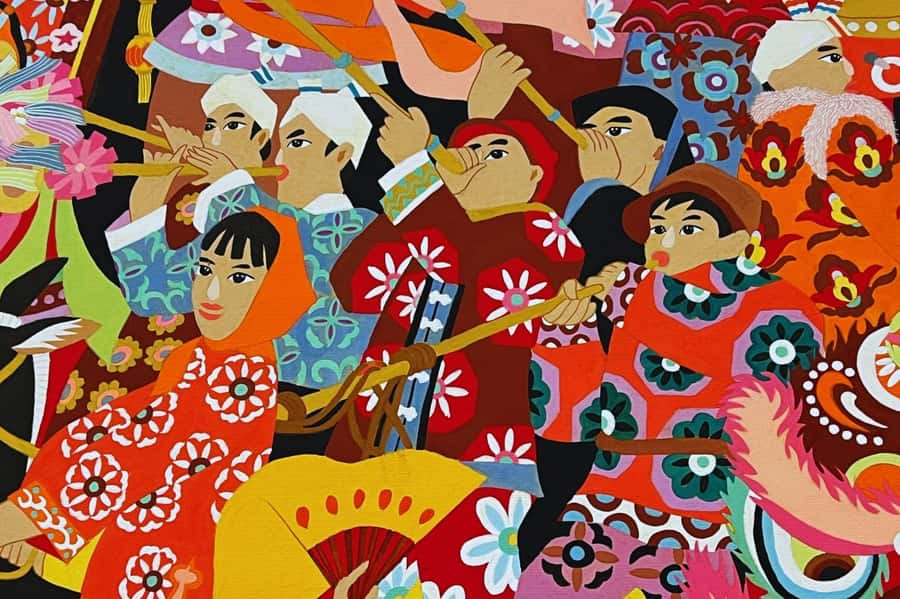
NAMOC regularly hosts special exhibitions and events. That means your experience might include more than the standard collection route, depending on what’s running during your exact dates.
You shouldn’t plan your whole trip around an exhibit you can’t confirm, but you can keep your eyes open when you enter. If something temporary looks interesting, it’s worth adjusting your route slightly. Just remember your 2-hour limit and don’t let one detour steal your chance to see the core collection.
Practical tips that make a big difference at NAMOC
A few small moves can turn this into an easy win:
- Arrive with your slot in mind. Since entry starts at a chosen time, you’ll want to be ready to redeem quickly.
- Bring your ID/passport so you don’t hit a last-minute problem at the desk.
- Use the English guide early, not after you’ve already seen half the galleries.
- Choose 2–3 focus areas (for example: modern art, ink/calligraphy, and sculpture) so your two hours feel intentional.
- Don’t over-pack your expectations. With a timed visit, you’re not trying to cover the whole museum. You’re trying to experience its range.
Also, no smoking is listed as a restriction. If you’re traveling with people who smoke, set expectations early so nobody feels surprised.
Who this entry reservation is best for
This is a smart pick if you:
- want a low-cost, efficient museum visit in Beijing
- care about understanding Chinese art without struggling through language alone
- like self-paced exploring rather than a fixed guided route
- want an English guide and an easy entry process
It may be less ideal if you’re the type who needs a full half-day (or more) per museum. Two hours can feel short in a place with a massive collection.
It’s also not suitable for children under 2 years, based on the posted guidance.
Wheelchair access is noted, which is helpful for planning a visit with mobility needs.
Should you book this NAMOC entry reservation?
I’d book it if you want an efficient, affordable way to experience National Art Museum of China without turning your visit into a logistics exercise. The combo of skip-the-line entry reservation plus an English textual and visual guide makes the museum feel usable, not intimidating.
Skip it only if you’re looking for a long, slow museum day or you strongly prefer a guided talk. With a 2-hour slot, you’ll have to keep your focus.
If you’re planning a Beijing itinerary and want one culture-heavy stop that doesn’t require serious planning skills, this reservation is a solid value.
FAQ
What is the National Art Museum of China entry reservation in Beijing?
It’s a pre-booked entry reservation for the National Art Museum of China (NAMOC) in Beijing, so you can enter with your reserved ticket.
How much does it cost?
The price is $6 per person.
How long is the visit?
The duration is 2 hours. Starting times depend on availability.
Does this reservation include an English guide?
Yes. It includes an English version of the textual and visual guide.
Is the ticket line skipped?
Yes, it’s designed to help you skip the ticket line.
What do I need to bring for entry?
You should bring your passport or ID card.
Is wheelchair access available?
Yes, the experience is wheelchair accessible.
Is free cancellation available?
Yes. You can cancel up to 24 hours in advance for a full refund.
Can I book now and pay later?
Yes. The option is Reserve now & pay later, meaning you pay nothing today.
Are there any restrictions once inside?
Smoking is not allowed.