REVIEW · BEIJING
Beijing: Yonghe Lama Temple Tickets with guide (optional)
Book on GetYourGuide →Operated by Chinatravelhelper · Bookable on GetYourGuide
Want a Beijing temple with real personality? The Yonghegong Lama Temple feels like a living mix of Tibetan Buddhism and traditional Chinese architecture, and the pre-booked ticket keeps your time from getting eaten by ticket lines. You’ll also walk through a massive complex built in 1694, where the courtyards tighten and the hall heights rise as you move north.
I especially like two things here. First, the architecture walk is easy to follow: gates, towers, main halls, then more sacred spaces, all laid out like a slow, intentional journey. Second, having an English-speaking guide in a small group helps you understand what you’re looking at, not just where to stand for photos.
One consideration: this is a lot of walking on temple grounds, and it’s not set up for wheelchair users, so plan accordingly if mobility is an issue.
In This Review
- Key highlights worth your time
- Yonghegong’s layout: three archways, five halls, and over 1,000 rooms
- Price and what $12 buys you (and why it’s fair value)
- Getting there and timing: metro Line 5 and the entry cutoff
- Walking the temple route: Zhaotai Gate to the Pavilion of Ten Thousand Blessings
- Zhaotai Gate and the start of the complex
- Bell Tower and Drum Tower: sound and ceremony cues
- Yonghe Gate and the shift into the main sacred halls
- Grand Hall (Hall of Great Buddha): the anchor stop
- Yongyou Hall and Hall of the Wheel of Dharma
- Pavilion of Ten Thousand Blessings: finishing with a message
- Why this Tibetan-Chinese blend feels different from other Beijing sights
- Optional English guide and the small-group advantage
- Rules, essentials, and who should book this visit
- Should you book Yonghegong Lama Temple tickets with a guide?
- FAQ
- How long is the Yonghegong Lama Temple experience?
- Where is the temple located?
- What are the opening hours?
- Is there an English guide?
- What is included in the price?
- What do I need to bring?
- Are alcohol, drugs, or fires allowed?
- Is this activity wheelchair accessible?
- Can I cancel and get a refund?
- Can I book now and pay later?
Key highlights worth your time
- Pre-booked ticket: skip the on-the-spot ticket hassle and go straight into the temple flow
- Big-site design: three archways, five main halls, over 1,000 rooms in a 66,400-square-meter complex
- Tibetan + Chinese blend: you’ll see cultural influences across Han, Manchu, Mongolian, and Tibetan traditions
- Temple route makes sense: the south-to-north layout narrows while hall heights increase
- Optional English guide: clearer context for the main halls and key structures
- Strict rules: plan around the no-alcohol/no-drugs policy and last-entry timing
Yonghegong’s layout: three archways, five halls, and over 1,000 rooms
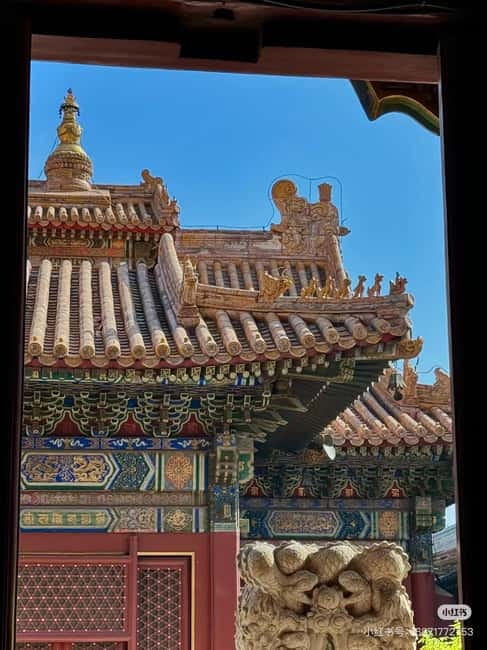
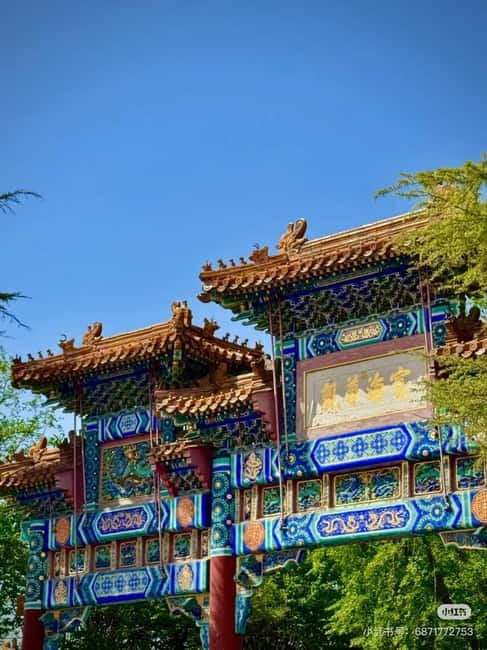
Yonghegong Lama Temple (Yonghe Gong) sits in Beijing’s Dongcheng District, in the northeastern corner of the old city feel. It began in 1694, during Emperor Kangxi’s reign in the Qing Dynasty, and later became the highest-ranking Buddhist temple in the late Qing period. That “important-but-still-spiritual” status is part of why the place feels ceremonial rather than touristy.
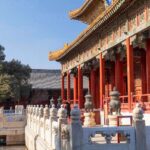
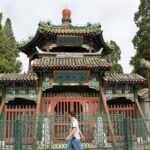
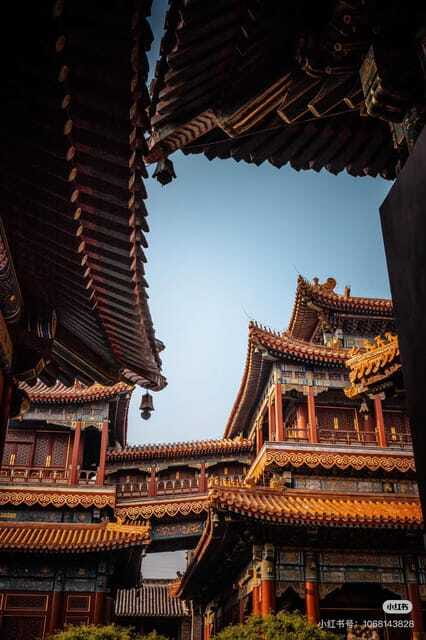
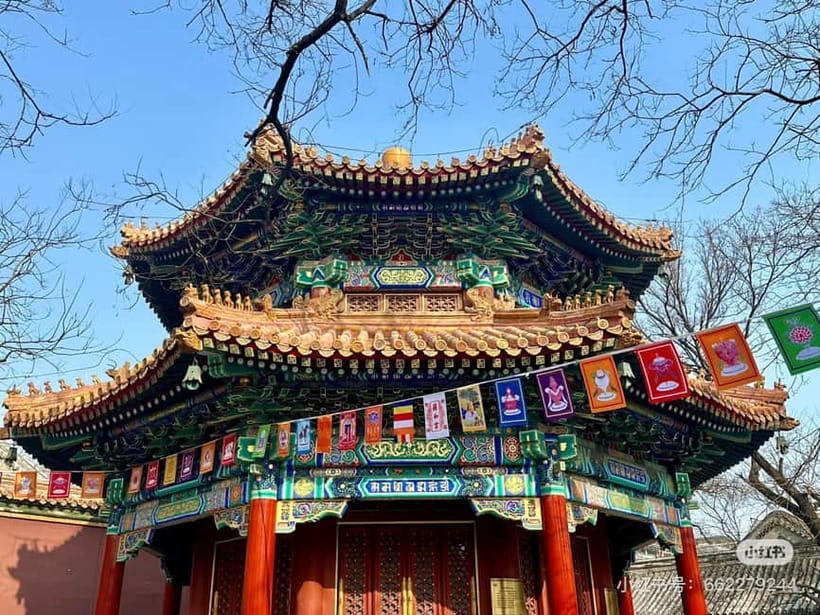
What really makes the complex special is how it’s built. The temple grounds cover 66,400 square meters and contain over 1,000 rooms, but you’re not meant to get lost like it’s a random maze. The courtyards gradually narrow as you head from south to north, and the halls get taller in sequence, which gives you that slow build-up effect as your eyes track upward.
If you love architecture that has a purpose, this is a good stop. The design isn’t just pretty. It guides your pace, your sightlines, and your sense of progression—like the site is teaching you how to move through it.
You can also read our reviews of more tours and experiences in Beijing
Price and what $12 buys you (and why it’s fair value)
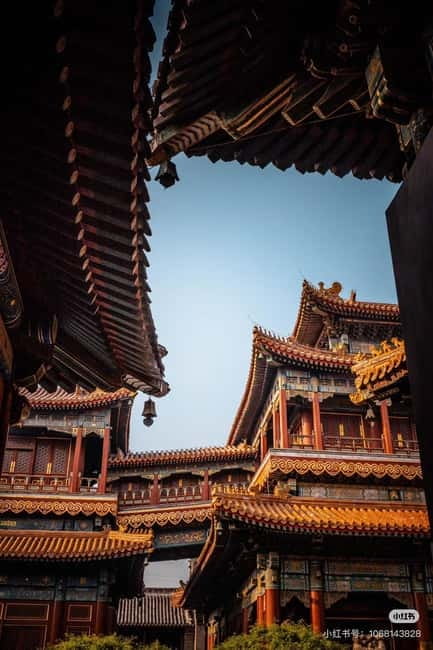
At $12 per person, this ticket with optional guide is priced like a practical add-on rather than a luxury tour. The included package covers the Yonghegong Lama Temple ticket plus an information service fee. In other words, you’re not paying extra just to be present—you’re paying for access and a bit of interpretive help.
Here’s how I see the value. You’re visiting a major Beijing temple with a limited entry window by season, so anything that helps you enter smoothly matters. Pre-booking also reduces stress because you don’t have to hunt for the right counter, line up at the wrong time, or worry you’ll arrive and miss the last stretch.
The optional guide adds more value if you want meaning, not just landmarks. With English interpretation, you’ll spend less time trying to decode what a hall is, what a structure’s role might be, and why that matters in Buddhist practice.
Getting there and timing: metro Line 5 and the entry cutoff
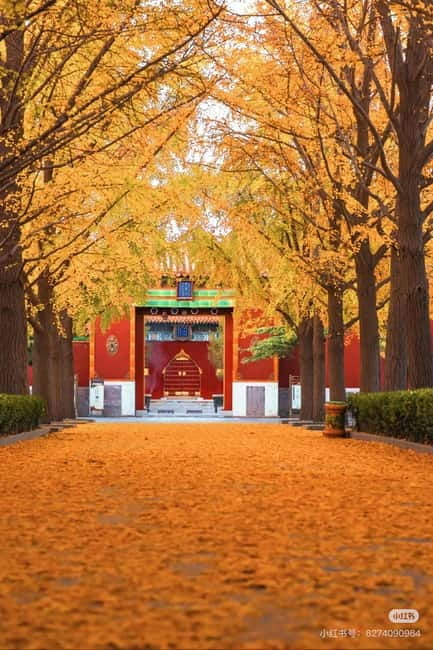
This is one of those tours where logistics are simple, which is exactly what you want. You’ll head to No. 12 Yonghegong Street, Dongcheng District, and the easiest route is by metro: get off at Yonghe Lama Temple station (Line 5).
Timing is the bigger deal. The temple’s hours shift with seasons:
- Summer and autumn (April 1–October 31): 9:00–17:00, with last admission at 16:30
- Winter season (November 1–March 31): 9:00–16:30, with last admission at 16:00
And there’s an extra note you should take seriously: stop entering at 16:00. That means even if you’re close to the final time, you should aim to be arriving earlier rather than testing your luck.
My practical tip: treat this as a morning-or-early-afternoon kind of visit. You’ll have better pacing, fewer crowds near the key halls, and you won’t feel rushed while reading details or taking a moment to look around.
Walking the temple route: Zhaotai Gate to the Pavilion of Ten Thousand Blessings
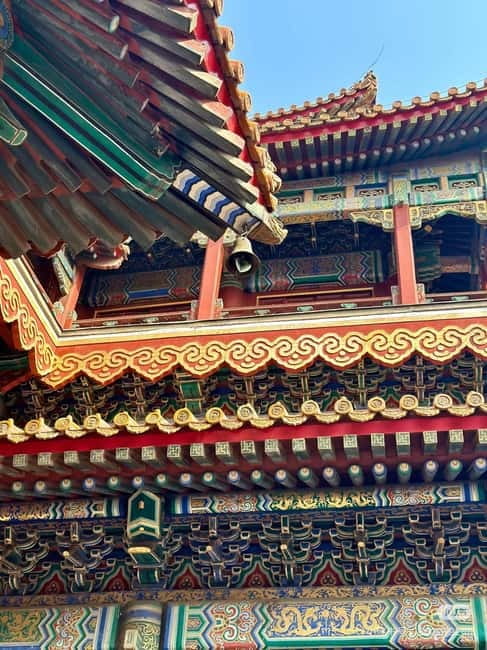
The best way to enjoy Yonghegong is to let the layout carry you. Think of it as a sequence of “thresholds,” where each gate or hall marks a new step deeper into the spiritual space.
Zhaotai Gate and the start of the complex
You enter through the Zhaotai Gate, which sets the tone. As you move forward, you’re not just traveling across a site—you’re moving through a designed rhythm of approach and reverence.
This first section is where a guide can help most. Even if you’re not chasing religious doctrine, learning what each structure is called and what it’s associated with makes the whole walk feel more intentional.
You can also read our reviews of more guided tours in Beijing
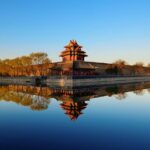
Bell Tower and Drum Tower: sound and ceremony cues
Next you’ll pass the Bell Tower and Drum Tower. These aren’t random decorations; in temple traditions, bell and drum signals connect daily rhythms, ceremonial timing, and the sense that the space is alive with routine and meaning.
If you’re into cultural context, this is a great moment to ask questions. An English guide can help you connect what you see with why sound has been important in religious practice across East Asia.
Yonghe Gate and the shift into the main sacred halls
After the towers, you reach the Yonghe Gate. This is a key transition point. The atmosphere usually feels more focused, and you’ll start noticing the “main hall” scale—bigger spaces, stronger axes, and clearer sightlines.
Here’s where patience pays off. The site is large, but it doesn’t require sprinting. If you slow down, the change from gate to hall becomes part of the experience rather than just a route to check off.
Grand Hall (Hall of Great Buddha): the anchor stop
The Grand Hall (Hall of Great Buddha) is one of the main highlights. This is the kind of space where your eyes naturally go upward and forward, because the hall is meant to dominate your sense of scale.
This is also where I think a guide earns their keep. Even basic explanations—what the hall is for, how people typically behave in the space—can make you feel like you’re visiting with understanding instead of wandering.
Yongyou Hall and Hall of the Wheel of Dharma
Then you’ll continue to Yongyou Hall and the Hall of the Wheel of Dharma. The Wheel of Dharma idea ties directly to Buddhist teachings, so it’s a meaningful stop even if you’re not deeply religious. It’s the kind of hall name that begs for interpretation, and an English guide helps you connect the label to what you’re actually seeing.
A practical note: these areas can feel crowded at peak times. If you want quieter viewing, hang back for a few minutes after groups flow through, and you’ll often get a calmer window.
Pavilion of Ten Thousand Blessings: finishing with a message
The route continues to the Pavilion of Ten Thousand Blessings. It’s a good place to take your time because the tone is less about “arrive and go” and more about reflecting on the atmosphere.
This is where the design choices you noticed earlier—narrowing courtyards, rising hall height—start to feel like they were part of a bigger plan. You’re not just passing through rooms; you’re moving through a sequence that shapes how you experience the complex.
Why this Tibetan-Chinese blend feels different from other Beijing sights
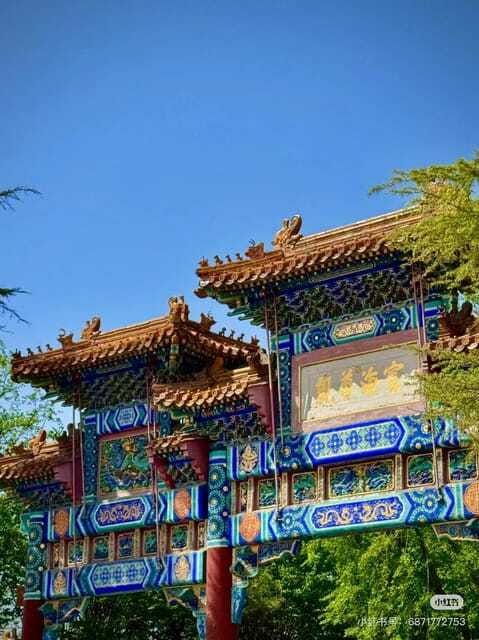
Beijing has plenty of temples, but Yonghegong’s specific flavor comes from its cultural and architectural mix. The temple reflects influences tied to Han, Manchu, Mongolian, and Tibetan traditions, all blended into a Qing-era complex.
That fusion matters because it’s visible in the architecture and the overall “feel” of the sacred spaces. You might notice rooflines and hall forms that feel unmistakably Chinese, while other elements and stylistic choices give you the sense of Tibetan Buddhist influence.
What I like about that mix is that it doesn’t turn the temple into a costume. It feels integrated, like the site grew into this hybrid identity over time. And because the layout is so structured, you can actually make sense of it as you walk.
Optional English guide and the small-group advantage
This experience includes a live tour guide in English (with an option for a guided experience). The small group format is useful because it keeps questions from being lost in a crowd. It also helps you move at a human pace—especially in a complex with many named halls.
If you’re the type who likes to understand what you’re seeing, you’ll get more out of the guide option. A guide can connect the hall names to what you can observe in the space, which is the difference between a quick photo stop and a real cultural visit.
If you prefer independent wandering, you can still enjoy the site. But knowing the key structures—Zhaotai Gate, Yonghe Gate, Hall of Great Buddha, Yongyou Hall, Hall of the Wheel of Dharma, and the Pavilion of Ten Thousand Blessings—already gives you a strong frame.
Rules, essentials, and who should book this visit
A few practical constraints matter at Yonghegong:
- Bring a passport
- No alcohol and drugs
- No making fire
Also note: this tour is not suitable for wheelchair users. If you rely on accessibility support, you’ll want to plan an alternative route or another attraction with better access.
Who this fits best:
- You want a high-value cultural stop in Beijing that’s more than just a gate-and-go photo
- You enjoy architecture and want to understand how design affects your experience
- You like religious sites but want context in plain English
Who might find it less ideal:
- You’re short on time and hate walking inside large complexes
- You need accessibility accommodations not supported here
Should you book Yonghegong Lama Temple tickets with a guide?
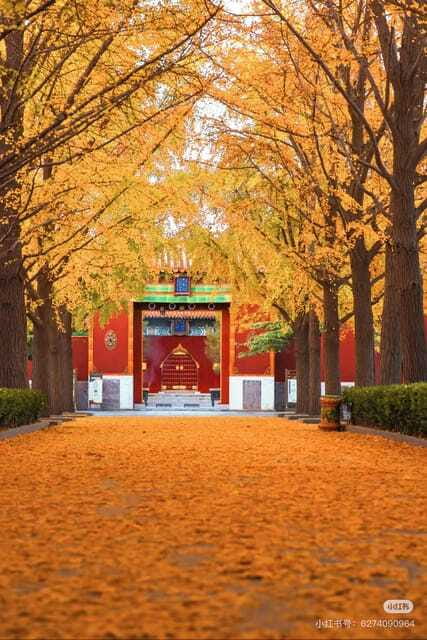
I’d book this if you want an easy, well-structured visit with pre-booked access and the option for English explanations. At $12, you’re paying for a ticket that saves effort plus the chance to understand the key halls without guesswork.
Skip the guide option only if you’re fully comfortable reading and self-interpreting what you see on the grounds. Otherwise, the guide turns a big temple into a clearer story you can actually follow.
If you’re visiting in the summer, autumn, winter, or spring, don’t wait until the last moment. The entry window is real, and stop entering at 16:00—so arrive early and you’ll enjoy the complex at a calmer pace.
FAQ
How long is the Yonghegong Lama Temple experience?
The duration is listed as 1 day.
Where is the temple located?
It’s at No. 12 Yonghegong Street, Dongcheng District, Beijing.
What are the opening hours?
For summer and autumn (April 1–October 31), it’s 9:00 AM–5:00 PM with last admission at 4:30 PM. For winter (November 1–March 31), it’s 9:00 AM–4:30 PM with last admission at 4:00 PM. There is also a note that entry stops at 16:00.
Is there an English guide?
Yes. The tour includes a live tour guide in English.
What is included in the price?
It includes the Yonghegong Lama Temple ticket and an information service fee.
What do I need to bring?
You should bring your passport.
Are alcohol, drugs, or fires allowed?
No. Alcohol and drugs aren’t allowed, and making fire isn’t allowed.
Is this activity wheelchair accessible?
No. It’s listed as not suitable for wheelchair users.
Can I cancel and get a refund?
Yes. Free cancellation is available up to 24 hours in advance for a full refund.
Can I book now and pay later?
Yes. The option is listed as reserve now & pay later, so you can book your spot without paying immediately.