Hot pot and craft beer are a great start. This evening tour threads you through Beijing’s hutongs for four distinct tastings, capped with spring pancakes for that Chinese New Year spring-energy feeling.
I love how the walk is short and focused (about 2.5 km) while still giving you real local textures: courtyard restaurants, rooftop views, and alleyway history. My other big win is the lineup variety, from “Beijing Noodles” to the rare Empress Cixi-linked Muslim dish. The main catch is simple: it’s still a walk, so it’s not suitable for mobility impairments, and you’ll want comfy shoes.
You meet at Shichahai at night, when the neighborhood feels most human. Guides like Janice, Joe, Tony, Haitao, Yoyo, Uyi, and Winnie are often praised for making the food make sense in context, not just listing dishes. One more consideration: vendors can swap or adjust stops day to day, so don’t plan this tour as your only shot at any single dish.
In This Review
- Quick hits before you go
- Why Shichahai at 6:30 PM sets the tone
- Meeting at Shichahai Exit C: the part that can make or break your night
- The hutong walk: 2.5 km of real neighborhood geometry
- Copper-pot mutton hotpot with craft beer and bell-tower views
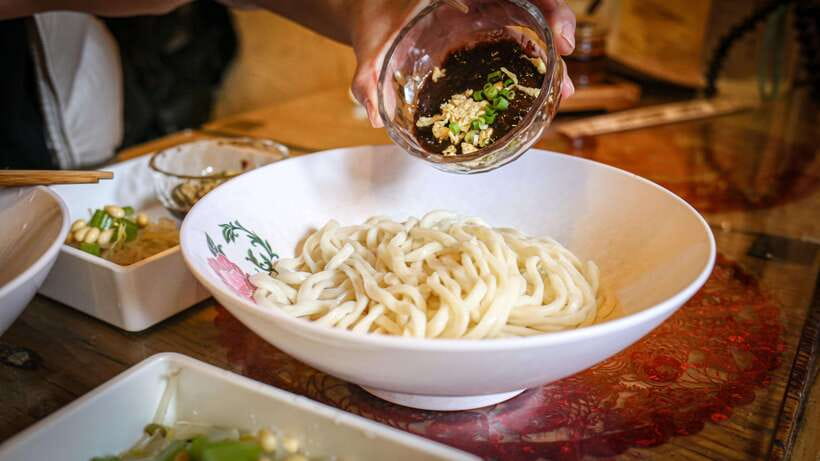
- Beijing noodles in a hole-in-the-wall courtyard
- The Empress Cixi favorite: a rare Muslim speciality
- Spring pancakes: Chinese New Year comfort, wrapped like a burrito
- The drinks plan: unlimited beer, plus local spirit energy
- Price and value: what $75 buys in real Beijing time
- Who should book this tour (and who should skip it)
- Should you book this Beijing hutong food and beer tour
- FAQ
- Where do I meet the tour guide?
- How long is the tour, and what time does it start?
- What food and drinks are included?
- What dishes should I expect to try?
- Is the tour suitable for people with mobility impairments?
- What if the tour cancels or the itinerary changes?
Quick hits before you go
- Start at Shichahai Subway Station (Exit C) and get going right at 6:30 PM
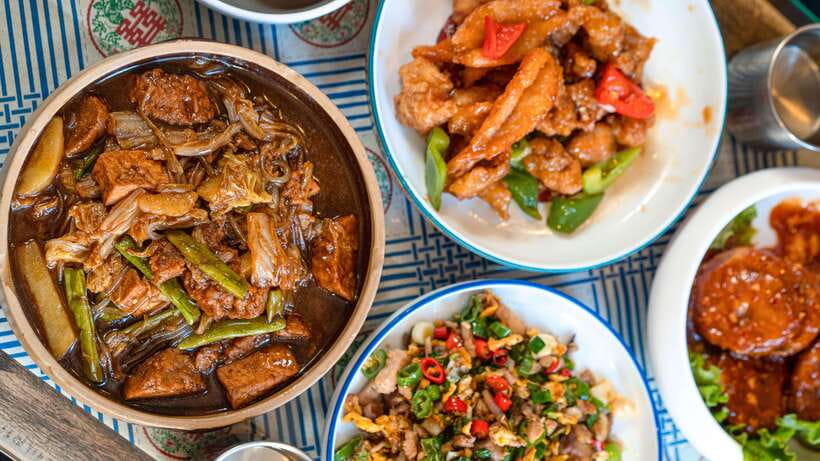
- Copper-pot hotpot + a pint of local craft beer with rooftop bell-tower views
- “Beijing Noodles” at a hole-in-the-wall spot inside a hutong courtyard
- A rare Muslim speciality tied to Empress Dowager Cixi, plus a very Beijing spirit-counter vibe
- Spring pancakes made to order, wrapped and eaten like a burrito for that family reunion meaning
- Unlimited beer and sodas during the tour, so the tastings feel like a real dinner
Why Shichahai at 6:30 PM sets the tone
Beijing food tastes better when you’re moving through the streets, not just hopping between landmarks. This tour starts at Shichahai Subway Station and heads into the hutong lanes while the day cools down, so the neighborhood feels lived-in rather than “tourist display.”
I like that the guide doesn’t just feed you. They connect what you’re eating to what you’re walking past: hutong lanes formed between rows of courtyard houses built by officials and wealthy families. It’s the kind of context that makes Beijing feel like a city with memory, not just a checklist.
The timing also matters for comfort. You’ll be walking for roughly 3.5 hours total, with the food stops acting like pacing breaks. If you’re the type who hates rushed tours, this one keeps a steady rhythm: eat, walk a bit, eat again.
You can also read our reviews of more food & drink experiences in Beijing
Meeting at Shichahai Exit C: the part that can make or break your night
Meet at Shichahai Subway Station, Exit C (street level). When you ride Line 8, follow signs to Exit C; the meeting is upstairs just outside the exit.
If you’re taking a taxi or Didi, the tour info flags heavy traffic in the area, especially at rush hour. So I’d rather you overestimate time than show up stressed. This is one of those evenings where being 10 minutes early makes the whole start calmer.
Also note the route involves walking through narrow alleyways. You don’t need to be an athlete, but you do need to be comfortable on your feet. The tour explicitly says it’s not suitable for people with mobility impairments, so don’t assume you can “power through” it.
The hutong walk: 2.5 km of real neighborhood geometry
You’ll cover about 1.5 miles (2.5 km) of hutong alleyways. That distance sounds small on paper, but it’s the right amount for two things:
1) you get the alley feel—tight turns, courtyard walls, old-school street life
2) you don’t run out of energy before the best tastings
Hutongs date back to the 12th century, and your guide explains what the word “hutong” means and how these lanes evolved around the courtyard houses of officials and wealthy residents. You’ll also hear how hutongs spread out in a maze pattern from the area near the Forbidden City.
This is the “why” behind the food tour. Beijing’s cuisine is tied to where people live and how neighborhoods function. The alleyway tour isn’t a side quest—it’s the frame that helps each dish land.
Copper-pot mutton hotpot with craft beer and bell-tower views
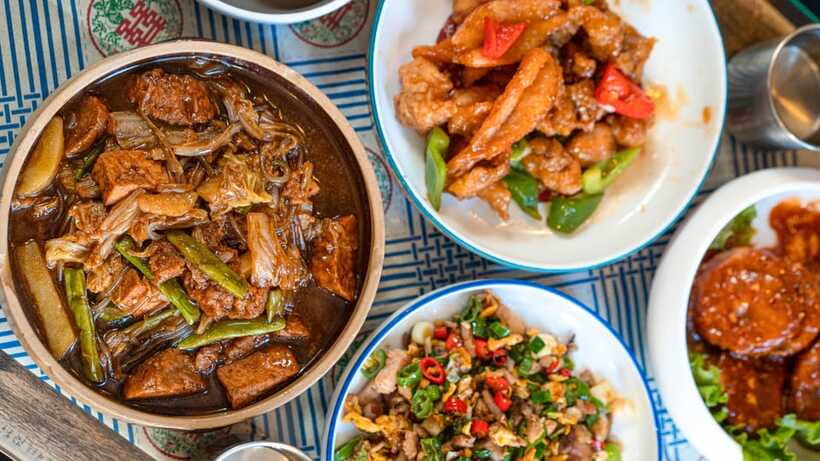
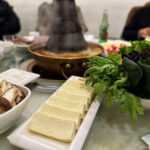
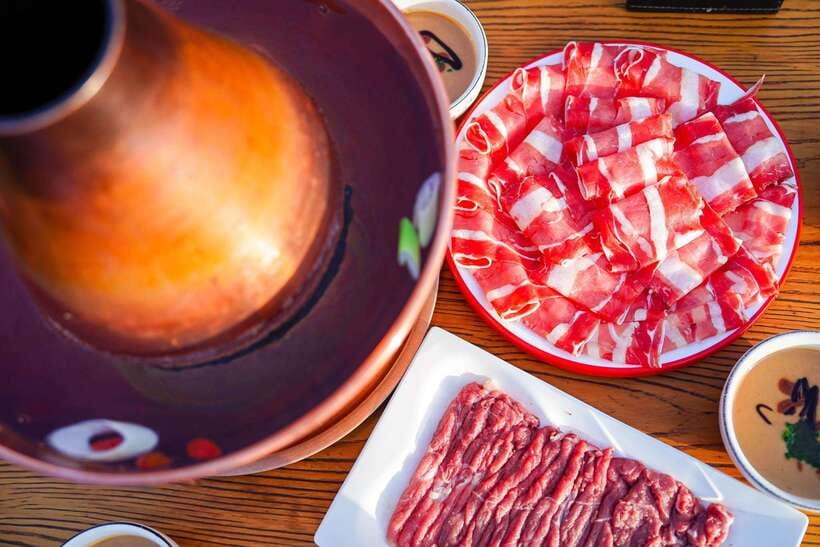
The first big food moment is Beijing hotpot served in a traditional copper pot. The broth is clear, which is a useful clue: the quality ingredients do the heavy lifting, not thick sauces or gimmicks.
You get thin slices of mutton and beef cooked quickly in the pot. Then the dipping sauce comes into play, with sesame paste noted as the base flavor. This matters because hotpot isn’t just “eat meat in soup.” It’s a choose-your-own balance of broth character, dipping richness, and how quickly you cook the meat.
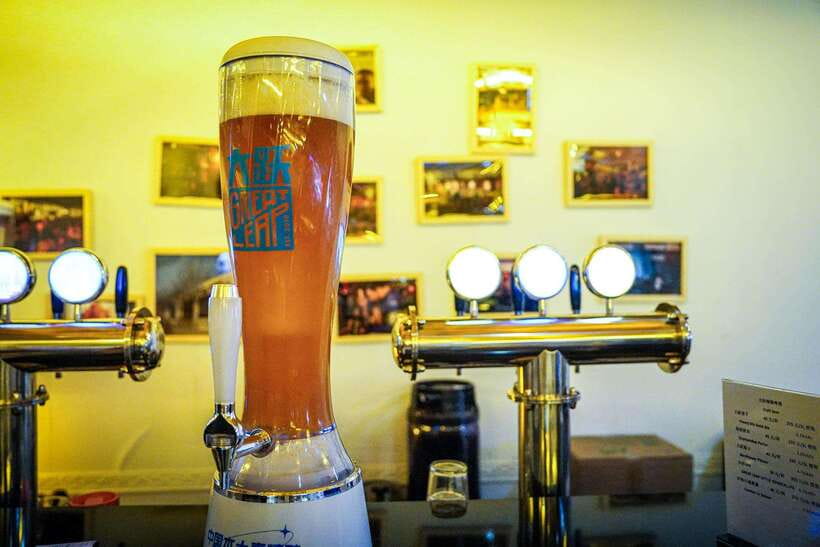
And then comes the pairing: a pint of locally brewed craft beer, plus unlimited beer and sodas across the tour. That’s a lot of liquid, so expect the hotpot to be hearty rather than light. If you’re used to beer with fried foods, this feels different: the carbonation cuts the richness and helps the next bite taste clean again.
One detail I really like is the rooftop-style view. The tour highlights a summer view with views of the bell tower, which is a nice reminder that you’re eating in a living city, not a staged dining room.
Practical note: hotpot is warm, and beer adds more chill. If you run hot or cold easily, dress in layers. The weather is handled by the tour (it operates in all weather conditions), but your body still has to handle it.
Beijing noodles in a hole-in-the-wall courtyard
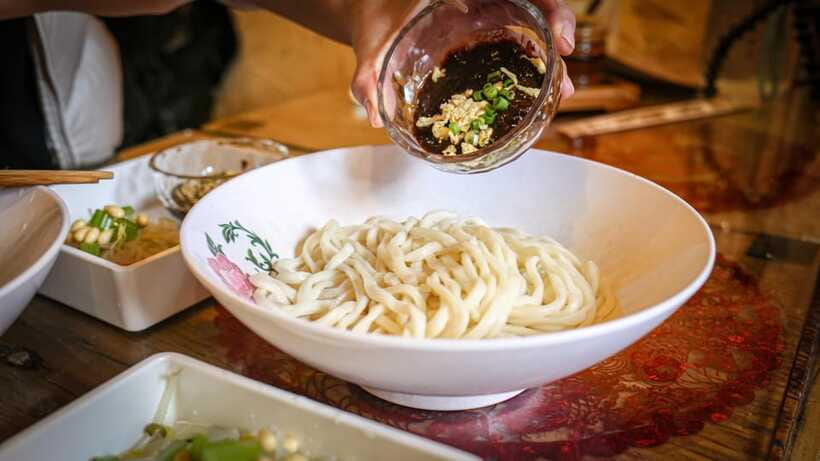
When Beijingers talk about noodles, the goal is simple: get you the real thing fast. This stop is built around a hidden hole-in-the-wall noodle place tucked deep inside a hutong courtyard.
You’re tasting the restaurant’s made-from-scratch recipe, and the tour stresses that this is the kind of spot you’d visit when you want the dish people literally call “Beijing noodles.” That’s a bold statement, but it also tells you what to pay attention to: the noodle texture, the flavor balance, and the way the broth or seasoning clings without going overboard.
Why it works on a food tour: noodles are a reset. After hotpot’s steam and richness, noodles feel lighter but still deeply satisfying. It’s also a great moment to slow down and actually taste rather than chase the next thing.
If you’re the sort of eater who usually skips soups, don’t. Even if you don’t finish every sip, noodles often let you understand Beijing flavor with less intensity than hotpot.
You can also read our reviews of more tours and experiences in Beijing

The Empress Cixi favorite: a rare Muslim speciality
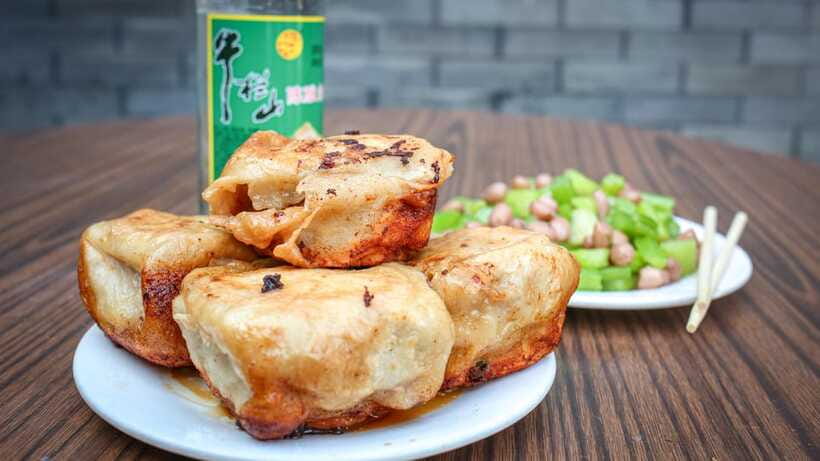
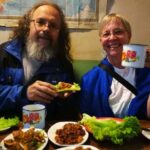
This part is the most “only-in-Beijing” on the menu. You’ll eat at a hutong eatery that’s frequented almost exclusively by neighborhood men, and the description includes bottles of baijiu kept behind the counter. The tour calls the speciality endangered, meaning it’s rare enough that only a few places still serve it.
The key storyline: this dish was a favorite of Empress Dowager Cixi. That’s not trivia for trivia’s sake. When a food has a historical patron like that, it often signals something about ingredients and regional practice—why that dish survived, why it’s hard to find, and why locals still care.
For you, the takeaway is not just the flavor. It’s the feeling of eating in a place that has stayed consistent with neighborhood routines. You’re not going to a generic “tourist Muslim restaurant.” You’re going into a local pattern of dining.
One consideration: the setting is men-focused and very neighborhood-run. It’s still welcoming within a guided tour structure, but if you’re someone who needs a formal dining room vibe, this might feel more raw and casual than you expect.
Spring pancakes: Chinese New Year comfort, wrapped like a burrito
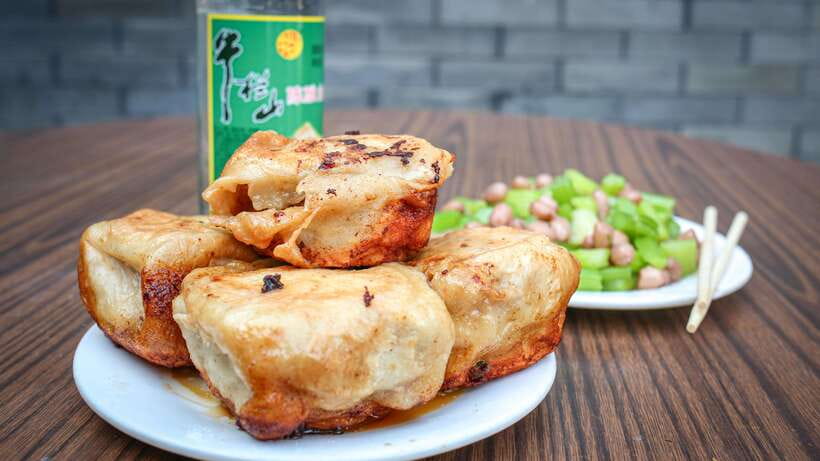
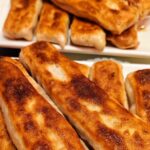
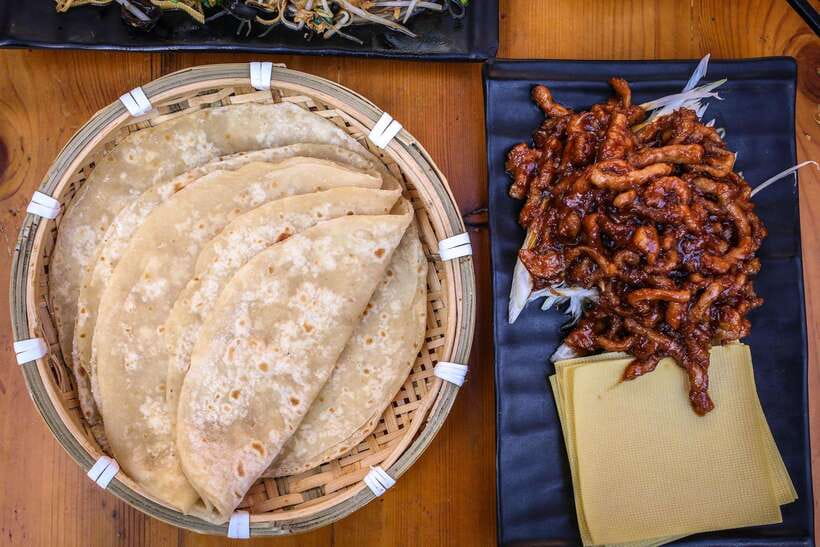
The final food stop shifts gears into spring symbolism. You’ll visit a restaurant run by a husband-wife team that specializes in spring pancakes, a dish traditionally enjoyed with family during Chinese New Year to celebrate spring and a good harvest.
The pancakes are made fresh to order. You eat them like a burrito—meaning they’re handheld, folded, and built for bite-after-bite momentum. That matters because by the end of the tour you’ll likely be full, and handheld food keeps the experience comfortable instead of messy.
This stop also gives the tour emotional balance. Hotpot and noodles are heavy on comfort and carbs. Spring pancakes bring a different “seasonal” flavor idea: it’s not just filling you up. It’s reinforcing the idea that Chinese food is also about time, family, and the calendar.
If you want a souvenir without buying one, this is it. The meaning behind spring pancakes is exactly the kind of thing that sticks after you leave Beijing.
The drinks plan: unlimited beer, plus local spirit energy
The tour includes a pint of locally brewed craft beer and unlimited beer and sodas during the walk. That turns the food tastings into a true dinner-level meal.
Several guides and dishes also create room for local spirit culture. Some groups mention baijiu and even local wine/spirit experiences as part of the evening. Even if you’re not chasing strong alcohol, this is worth knowing: the restaurants are real neighborhood spots, and that spirit culture is part of their daily rhythm.
Practical advice: pace yourself. With hotpot and pancakes in the mix, beer can sneak up faster than you expect. If you’d rather drink less but still enjoy, take small sips and let the food do the starring.
Price and value: what $75 buys in real Beijing time
At $75 per person for about 3.5 hours and four food stops with tastings (equivalent to dinner), this is priced like a proper guided meal, not a snack tour.
Here’s what you’re really paying for:
- getting access to places you’d likely miss on your own (courtyard courtyards, neighborhood counters, rare dish providers)
- having an English-speaking guide connect dish choices to hutong life and history
- tasting four distinct styles of Beijing food rather than repeating the same theme
The “value” question comes down to your priorities. If you love food and want to meet Beijing through the way people actually eat, this tour’s structure is efficient. If you’re mainly chasing sights, it might feel food-heavy.
But if you’re arriving in Beijing and want one night that sets your palate up for the rest of your trip, $75 can make sense quickly—especially because drinks are included.
Who should book this tour (and who should skip it)
Book this if you:
- want an easy first evening to understand Beijing food beyond the obvious
- like beer pairings with savory dishes like hotpot
- enjoy hutong walking with real neighborhood restaurant energy
- appreciate guides who explain both the dish and the street context
Skip or reconsider if you:
- have mobility limits and can’t manage a 2.5 km walking route through alleyways
- prefer very formal, quiet dining spaces
- don’t like alcohol pairings (beer is included and unlimited)
Also, the tour notes that the itinerary can adjust based on vendor operations and availability. If you’re traveling with strict “must eat exactly X” needs, build a bit of flexibility into your plan.
Should you book this Beijing hutong food and beer tour
I’d book it if you want a night that feels like Beijing, not like Beijing brochures. The hotpot with craft beer and rooftop bell-tower views sets a memorable mood. The noodle courtyard stop gives you the iconic “Beijing noodles” style in a way you’re unlikely to find alone. Then the Empress Cixi dish and spring pancakes add two strong flavors with cultural meaning.
If you’re on the fence, use this simple checklist:
- Do you want four tastings that add up to dinner?
- Are you okay walking about 2.5 km at night?
- Do you like the idea of pairing food with unlimited beer?
If you answered yes to those, this tour is an efficient way to eat well and see the hutongs through the eyes of the people who live there.
FAQ
Where do I meet the tour guide?
You meet at Shichahai Subway Station, Exit C (street level). The guide will be upstairs outside the exit about 10 minutes before the 6:30 PM start.
How long is the tour, and what time does it start?
The tour lasts about 3.5 hours and begins at 6:30 PM.
What food and drinks are included?
You get four food stops with tastings (equivalent to dinner), a pint of locally brewed craft beer, and unlimited beer and sodas.
What dishes should I expect to try?
You should expect tastings including mutton hotpot with craft beer, Beijing noodles at a hole-in-the-wall noodle house, the rare Muslim speciality linked to Empress Cixi, and spring pancakes made fresh to order.
Is the tour suitable for people with mobility impairments?
No. The tour is not suitable for people with mobility impairments.
What if the tour cancels or the itinerary changes?
There’s a minimum number of 2 people required for the tour to operate, and it’s possible the tour could be canceled if that minimum isn’t met. Also, stops can adjust based on daily vendor operations and availability, but the tour is designed to stay excellent.