REVIEW · BEIJING
Beijing: Dumpling Making Workshop with Meal and Tea
Book on GetYourGuide →Operated by HAPPY PANDA TRAVEL AGENCY CO.,Ltd. · Bookable on GetYourGuide
Flour on your hands, stories in your ears. This Beijing dumpling-making workshop turns an everyday skill into a shared, food-first evening, ending with a communal meal and tea. I like that it’s hands-on and social without feeling like a performance.
I especially like the step-by-step shaping coaching from English-speaking hosts, with past groups naming guides such as Leo, Jenny, Janine, Julie and Rachel, and Erik. I also like how the lesson connects dumplings to what’s going on culturally, including Lunar New Year traditions and regional twists.
One drawback to plan for: a few people noted the fillings can be partly prepared ahead, so you might not do every scratch step yourself. And there’s no hotel pickup, so you’ll want to get to the hotel lobby meeting point on time.
In This Review
- Key things I think you’ll care about
- A 16:30 dumpling class that feels like dinner, not a show
- Where you meet and what to wear in Beijing
- Kneading, filling, and pleating like you mean it
- Dough and hands-on prep
- Fillings: what changes, what stays the same
- Shaping: pleats are the real skill
- Learning dumpling symbolism and why Lunar New Year matters
- Tea, beer, and the communal dinner that follows
- What else might show up on your table
- The hutong-style home feeling
- Price and value: why $35 can work better than you think
- Who this workshop suits best (and who should skip it)
- Should you book this Beijing dumpling-making workshop?
Key things I think you’ll care about
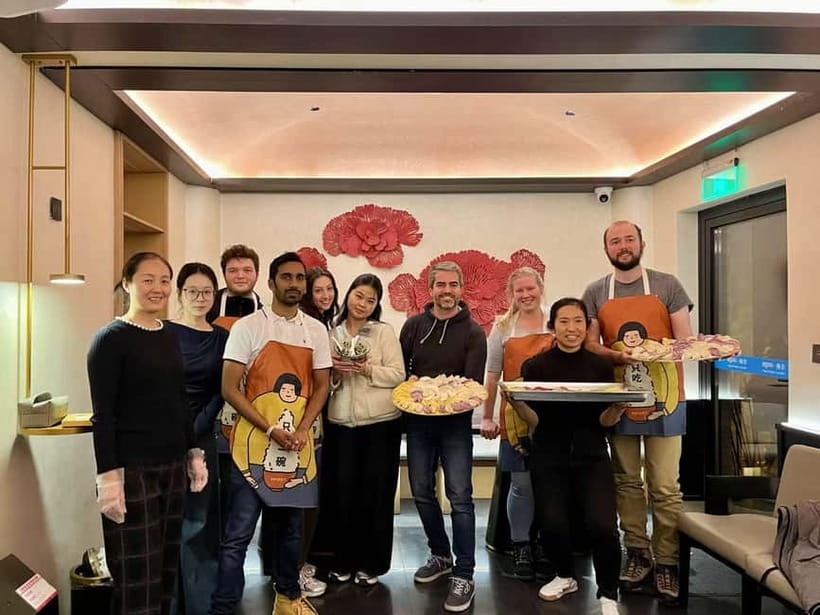
- Hands-on dumpling pleats with an English instructor who walks you through the process.
- Dumpling symbolism explained, including Lunar New Year traditions and regional differences.
- Tea pairing with your meal, plus beer and other drinks included.
- A cozy communal dinner setup, often described as a traditional hutong home vibe.
- More than just dumplings on the table, with examples like Kung pow chicken and desserts coming up in feedback.
A 16:30 dumpling class that feels like dinner, not a show
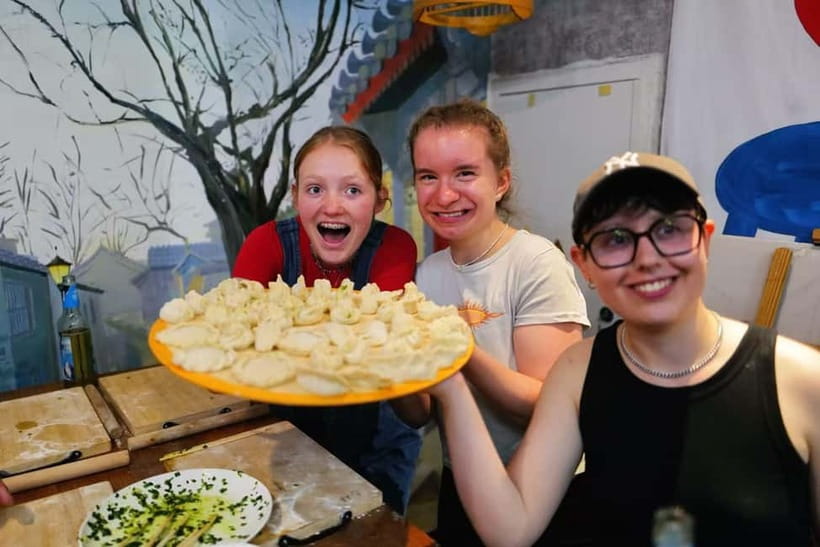
Beijing dumplings are one of those foods that almost every visitor wants to eat. This experience is different because you make them yourself, then sit down and eat what you shaped. At the center is a 3-hour session that starts at 16:30, so you get that sweet spot where the city is shifting toward evening and the workshop feels relaxed, not rushed.
The biggest win is the combination: your hands learn the technique, and your guide explains the meaning behind the food. You’re not just copying motions. You’re building understanding as you knead dough, make fillings, and shape dumplings.
If you like practical travel—learn a skill, eat a real meal, talk to the people at your table—this hits. It’s also a nice alternative to another bus-and-brochure stop, especially if you want something you can take home later: a folding and pleating method that you can try again.
You can also read our reviews of more tours and experiences in Beijing

Where you meet and what to wear in Beijing
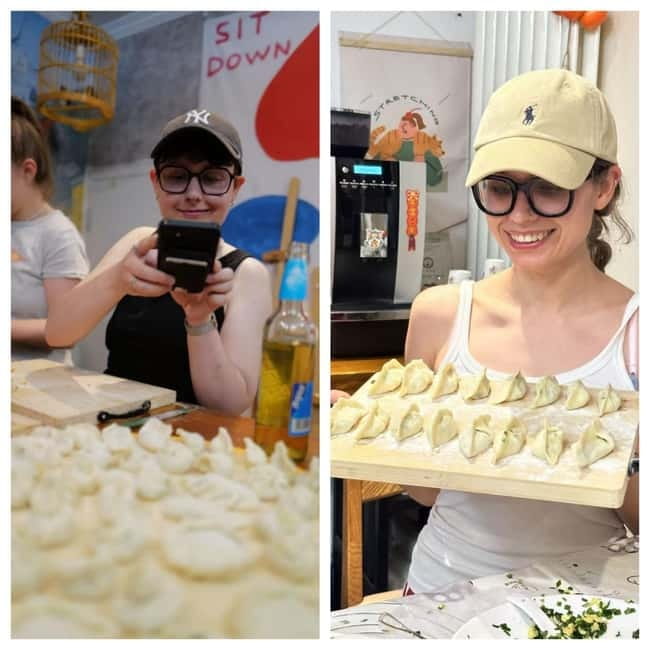
You meet your guide at the hotel lobby. Hotel pickup and drop-off are not included, so you’ll handle getting there yourself. That sounds basic, but it matters: dumpling classes run on timing, and Beijing streets can be confusing when you’re tired.
Plan for the physical side. Wear comfortable clothes you don’t mind getting a little flour on. You’ll also be working with food prep ingredients and doing hand motions for pleats, so loose sleeves and flexible shoes are a safe bet. Smoking isn’t allowed, which is standard for food settings, but good to know.
One more practical note: booking at least 12 hours in advance is required. If you’re the type who likes last-minute plans, you’ll want to set a reminder early.
Kneading, filling, and pleating like you mean it
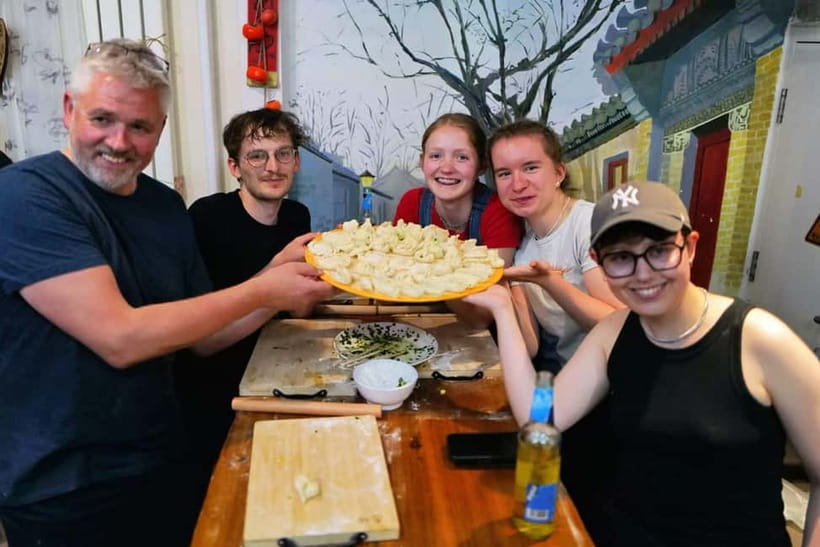
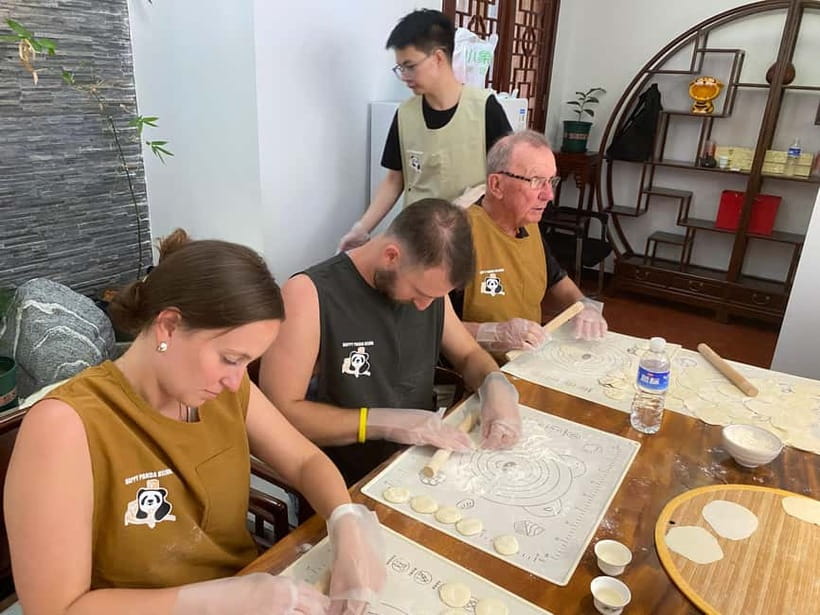
The heart of the workshop is the dumpling-making process: knead dough, create fillings, and shape dumplings. The class is in English, and the instruction is described as clear and patient, which matters if you start with zero kitchen experience.
Here’s what you should expect in real-life terms:
Dough and hands-on prep
You’ll mix ingredients and work with the dough so you can understand texture and thickness. Some people loved that they made the dough themselves and got hands-on guidance for rolling it out. A few people said they would have liked to prepare the dough more, which suggests the exact balance of rolling versus assisted steps may vary by class setup.
What I’d take from that: you will definitely practice the method with a guide. If you’re hoping for a fully hands-on, from-scratch cooking marathon, keep your expectations flexible. You’re paying for a skill lesson and a meal, not a production line.
Fillings: what changes, what stays the same
Your guide helps you craft fillings and then assemble dumplings. Past feedback includes notes that dumpling fillings may be partly prepared ahead, though they’re still described as tasty. At the same time, other groups report they did the filling step with the materials provided.
So, you should expect something like this: you’ll learn how to portion filling, avoid overstuffing, and keep the edges clean for sealing. That’s the part you’ll remember, and it’s the part that actually affects dumpling quality.



Shaping: pleats are the real skill
The shaping step is where the class turns from cooking to technique. You’ll practice how to hold the wrapper, place filling, fold, and pinch in pleats. Multiple people highlight that the instructors were patient with beginners and explained the steps clearly.
This matters because dumplings aren’t just food. They’re technique plus timing:
- Too much filling makes sealing harder.
- A sloppy fold can burst while boiling or pan-frying.
- Even thickness changes how the dumpling cooks.
And yes, the workshop includes both boiled and pan-fried options, so you get to see how the same dumpling idea behaves differently. That’s useful if you want to reproduce it later.
Learning dumpling symbolism and why Lunar New Year matters
This workshop doesn’t treat dumplings like a random dish. You get an explanation of the history and symbolism behind dumplings, including connections to Lunar New Year traditions and how different regions put their own twists on them.
Even if you’ve eaten dumplings before, the value here is in the story you attach to the technique. When you learn that dumplings carry seasonal meaning and regional identity, the food stops being generic comfort and becomes part of how Chinese culture marks time and community.
This is also where a good English guide adds real value. People describe the explanations as step-by-step and clear, not a long lecture. Expect the symbolism to show up as you work, so you’re translating meaning while your hands are busy.
Tea, beer, and the communal dinner that follows
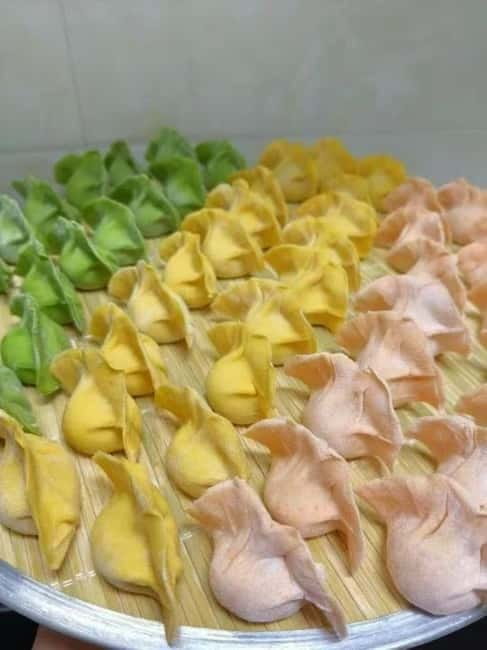
After the cooking comes the best part: you sit down. The meal is communal, cozy, and designed for bonding. You’ll eat the dumplings you made, with drinks including tea pairings and beer or other beverages.
Tea pairing is one of those details that can sound fancy until you actually taste it with food. Then it clicks: tea changes how you experience richness, salt, and texture. Since you learn dumpling meaning during the class, the tea pairing at the end feels like a natural finish. It turns the evening into a full food lesson, not just a single cooking step.
What else might show up on your table
Dumplings are the headline, but the meal often includes other dishes. Examples that show up in feedback include:
- Kung pow chicken
- egg and tomato with cabbage
- breaded chicken nuggets
- desserts, plus a variety of tea and drinks
You should treat this as a menu that can vary, but the key point is clear: you’ll leave full, and the dinner isn’t limited to a few dumplings plus water.
The hutong-style home feeling
Several people describe the setting as comfortable and traditional, with one mention of a traditional hutong home vibe. You’re not eating in a loud restaurant. You’re sharing a table in a place that feels lived-in. That’s the kind of environment where conversation happens naturally, even if your Mandarin is still in the survival stage.
Price and value: why $35 can work better than you think
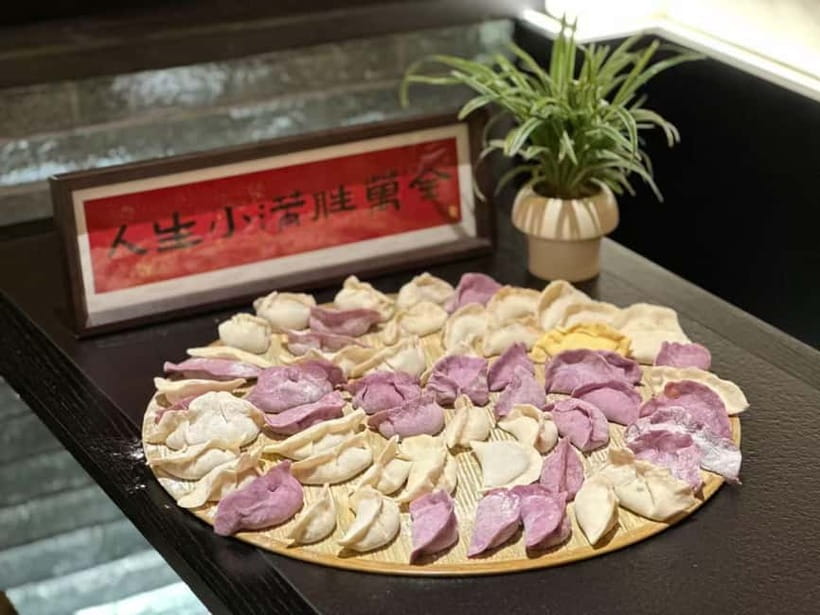
The price is $35 per person for a 3-hour dumpling-making class with all ingredients, tea pairing, and a meal that includes additional foods plus beer and other beverages.
Here’s the value logic I’d use if I were deciding for myself:
- You’re paying for instruction (English guide), not just ingredients.
- You’re getting a full dining experience at the end, not a snack.
- You get both the practice (kneading and pleating) and the payoff (boiled and pan-fried dumplings, plus sides).
If you’ve done cooking classes elsewhere, the “class plus meal” combination often costs more once you add drinks and the time of instruction. In this case, the price structure is straightforward: you’re buying a skill lesson and a dinner package.
So yes, it’s not a freebie. But it’s a solid deal for a 3-hour activity where you actually eat what you make.
Who this workshop suits best (and who should skip it)
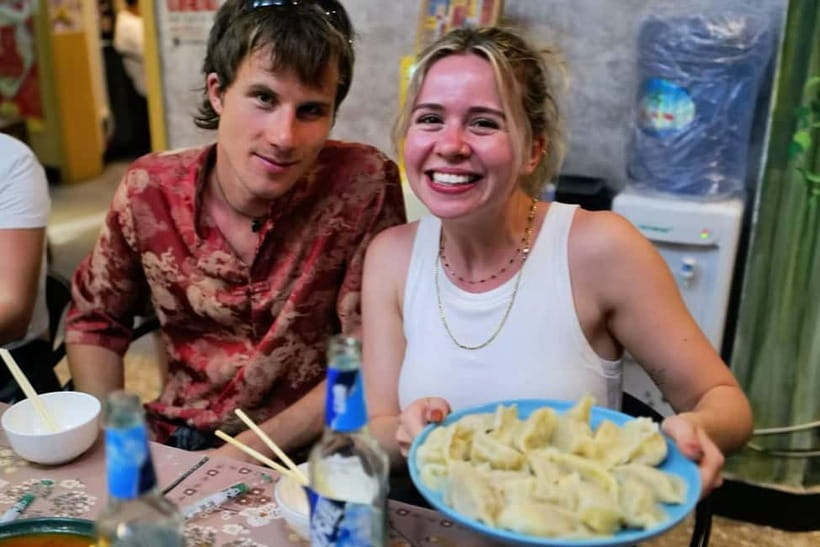
This is a great fit if:
- you want hands-on food learning instead of another photo stop
- you like clear step-by-step instruction and a friendly group dinner format
- you’re curious about everyday Chinese culture, not just major landmarks
- you want to practice a dumpling technique you can repeat at home
It may not be the best fit if:
- you have food allergies. The activity is explicitly not suitable for people with allergies.
- you need every step to be fully from scratch. Some feedback suggests fillings may be partly prepared ahead, and a couple of people wanted more dough-prep time.
If you’re traveling with someone who loves cooking and someone who just wants a comfy evening, this still works. The food is the bridge, and the guide keeps the process moving.
Should you book this Beijing dumpling-making workshop?
Yes, I’d book it if you want a real Beijing food moment that combines technique, stories, and a proper meal. The main reason is simple: you leave with something practical (folding skills) and something satisfying (a full dinner with tea and beer).
I’d hesitate only if you have food allergy concerns or if you’re the type who needs hotel pickup and perfectly timed transfers without doing any planning. Otherwise, show up at the hotel lobby on time, wear comfortable clothes, and go in ready to get your hands a little messy.