REVIEW · BEIJING
Beijing: China National Film Museum Entry Reservation
Book on GetYourGuide →Operated by PANDA HAPPY JOURNEY IN CHINA · Bookable on GetYourGuide
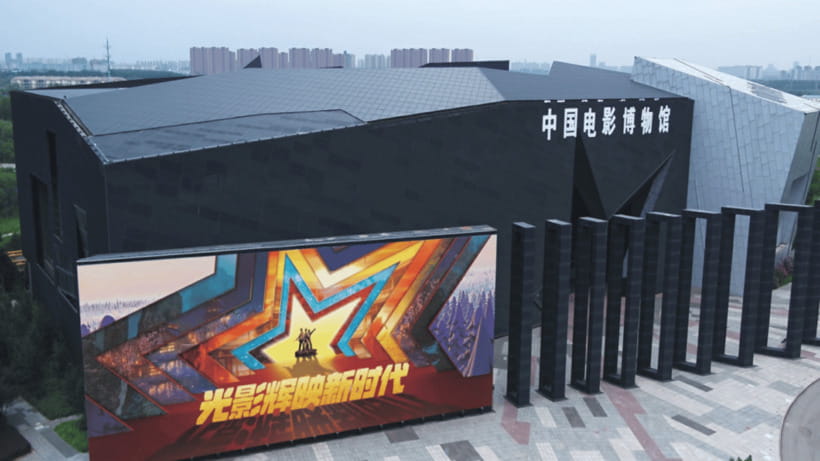
Film history, built into one big museum. This Beijing stop turns Chinese cinema into walk-through exhibits, with 21 exhibition halls and QR code entry that keeps the whole visit moving.
I love the way the museum is organized by film eras, so you’re not just looking at posters—you’re seeing how filmmaking evolved over time.
I also like that the experience includes an English textual and visual guide, which helps you follow the story even if the main labels are harder to read. Add in the museum’s scale (six movie halls, including an IMAX GT hall), and you get options if you want more than just galleries.
One drawback to plan for: some on-site information can be Mandarin-heavy, so non-Chinese speakers will rely on the guide more than they might expect.
In This Review
- Key highlights at a glance
- China National Film Museum in Beijing: why this is worth your time
- Price and value: paying for entry, not a pricey guided tour
- Getting in with the right QR code (and avoiding the common mix-up)
- How to spend your 2 hours: a simple floor-by-floor game plan
- First floor: The Theme Exhibition of A New Journey of Struggle
- Second through fourth floors: A Century of History, A Century of Glory
- Movie halls, including IMAX GT: when to add a screening
- English help that actually matters: using the included guide
- Timing and pacing: how to avoid “I saw it all” disappointment
- Who this museum fits best (and who might bounce off)
- Small but helpful on-site notes
- Should you book this Beijing China National Film Museum entry?
- FAQ
- How long is the China National Film Museum entry reservation valid?
- What is included with the reservation?
- Are movie screenings included?
- Do I need a QR code to enter?
- How will I receive my ticket?
- What should I bring to the museum?
- Is the museum accessible for wheelchair users?
- Can I cancel my booking?
- Are there restrictions on what I can do inside?
Key highlights at a glance
- QR entry that goes straight to the museum (use the QR code you receive separately)
- A museum built around film eras, not random displays
- 21 exhibition halls plus 6 movie halls, including IMAX GT
- English textual and visual guide included with your reservation
- Theme exhibitions by floor, so you can structure your time fast
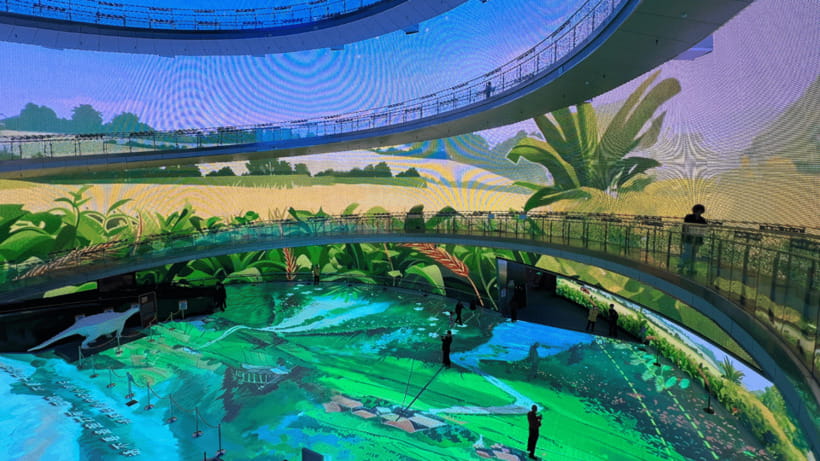
- Friendly staff and memorable special touches, like the dinosaur-related area
China National Film Museum in Beijing: why this is worth your time
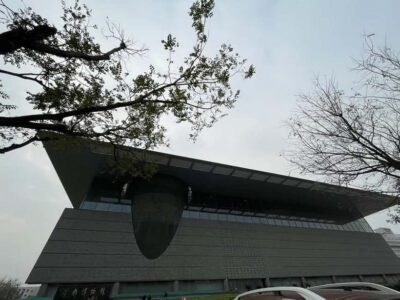
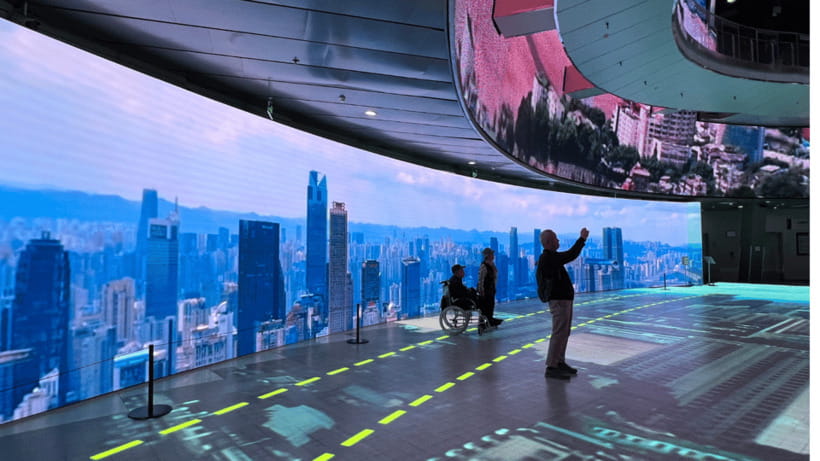
The China National Film Museum is one of those places where the theme does the work for you. You walk in expecting film history, and the building delivers it in physical form: multiple floors, lots of halls, and then movie halls for when you want to switch from reading to watching.
For a quick 2-hour visit, that matters. You don’t need to treat it like a full-day project to get value. The museum’s layout is built for a guided pace, even when you’re going on your own. With 21 exhibition halls and the film timeline spread across upper floors, you can pick a path and still feel like you covered something meaningful.
It’s also good value. At around $4.82 per person, you’re paying for entry plus the included guide—not for a paid tour, and not for movie tickets. That means you can decide whether you want extra screening time later without being forced into it upfront.
You can also read our reviews of more museum experiences in Beijing


Price and value: paying for entry, not a pricey guided tour
At roughly $4.82 per person for entry reservation, the best way to judge this is what’s included versus what isn’t.
Included:
- Entry reservation for the China National Film Museum
- English version of the textual and visual guide
Not included:
- Cost of paid movie screenings
- Personal expenses
- Live guide
So you’re not paying for a guide to translate while you wander. Instead, you get a tool that helps you understand what you’re seeing. For many visitors, that’s the sweet spot: you get flexibility, and you still have help.
The other value point is time. This experience is set up as a 2-hour visit, with “reserve now & pay later” options. Even if you don’t end up using the full time, the reservation keeps you from wasting part of your day stuck in lines.
Getting in with the right QR code (and avoiding the common mix-up)
This is where a lot of people get tripped up, and it’s worth getting right.
After you place your order, you’ll receive an e-ticket by email or WhatsApp. Entry happens using the QR code provided to you for admission.
Important detail: the QR code inside the GetYourGuide app is not your entry ticket. You need to use the QR code sent separately for admission.
Plan tip: save both the email/WhatsApp QR and a screenshot on your phone. If your connection is weak at the entrance, you’ll still be fine. Also, bring your passport—it’s listed as what you should have with you.
Once you’re in, you can move directly into the exhibition areas. The whole point here is avoiding a ticket-line bottleneck so you can spend your time inside the museum rather than at the counter.
How to spend your 2 hours: a simple floor-by-floor game plan
The museum is big, but it’s organized enough that you can handle it without feeling lost. The key is choosing a route that matches the way the museum is built.
Here’s the structure:
- First floor: Theme exhibition called A New Journey of Struggle
- Second, third, and fourth floors: A Century of History, A Century of Glory (film history across time periods)
- Six movie halls (including an IMAX GT hall)
With only 2 hours, I’d treat this as: “one theme floor + one film-history section group,” plus a quick glance toward movie halls if you’re curious.
First floor: The Theme Exhibition of A New Journey of Struggle
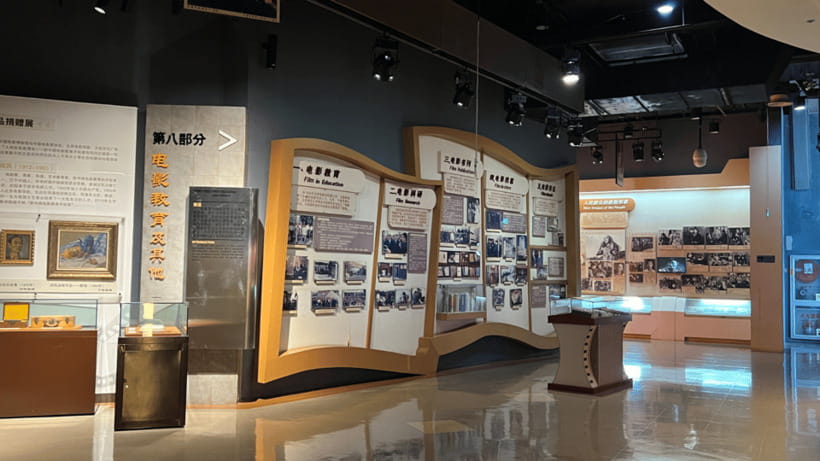
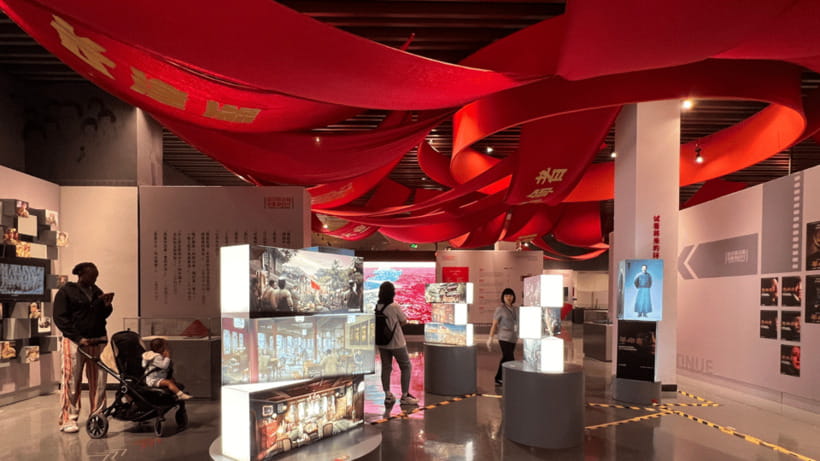
On the first floor, the museum spotlights The Theme Exhibition of A New Journey of Struggle. This is your entry ramp into the larger story of Chinese cinema.
What you’ll like here is that it feels themed and purposeful. Instead of jumping straight into a timeline, you start with an interpretive frame—how the museum wants you to think about motion pictures as part of culture, society, and creative life.
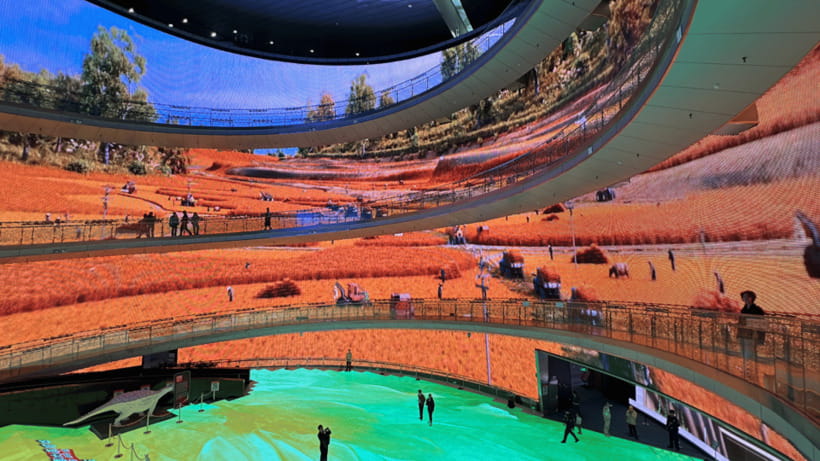
Also, this is where you may encounter a memorable special area—some visitors found the entrance to the dinosaur-related exhibition area especially fun. Even if you’re not there for “kid attractions,” this kind of visual staging can help you understand the museum’s tone: it’s not only academic.
Practical note: if you’re short on time, scan the layout signs on entry, pick the most relevant sections of the theme exhibit, and keep walking. You’ll get more out of moving through the museum’s logic than stopping for a full read on every panel.




Second through fourth floors: A Century of History, A Century of Glory
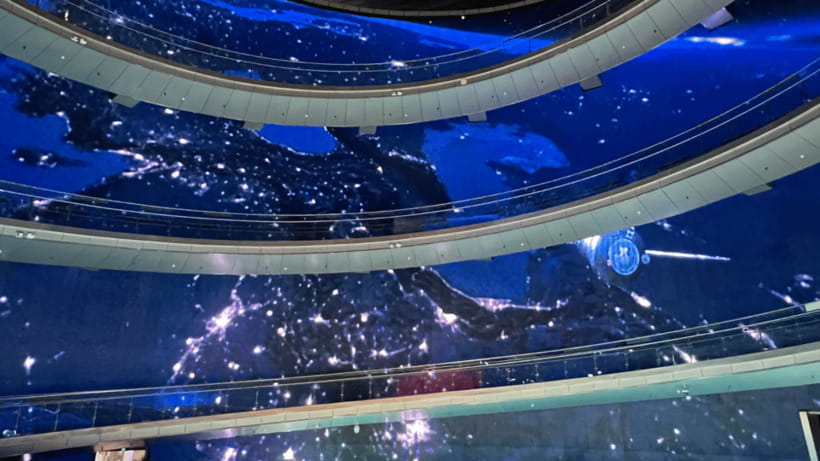
The real backbone is on the upper floors. The exhibition A Century of History, A Century of Glory covers the development of films across different periods and stages.
This is the section built to answer the questions you didn’t know you had:
- How did Chinese filmmaking change over decades?
- What artistic achievements defined different eras?
- What do the “secrets of film making” look like in practical terms?
The museum also points toward something important for visitors: the story isn’t just about famous movies. It’s about the filmmaking process, and about film-makers as creative professionals with identifiable contributions.
For many non-Chinese speakers, this is also the hardest part—because you may see more Mandarin on walls than you expect. The good news is that the experience includes an English textual and visual guide, which can help you connect the dots. If you only have one job while walking this section, it’s to check the guide often enough that you’re not reading blind.
Movie halls, including IMAX GT: when to add a screening
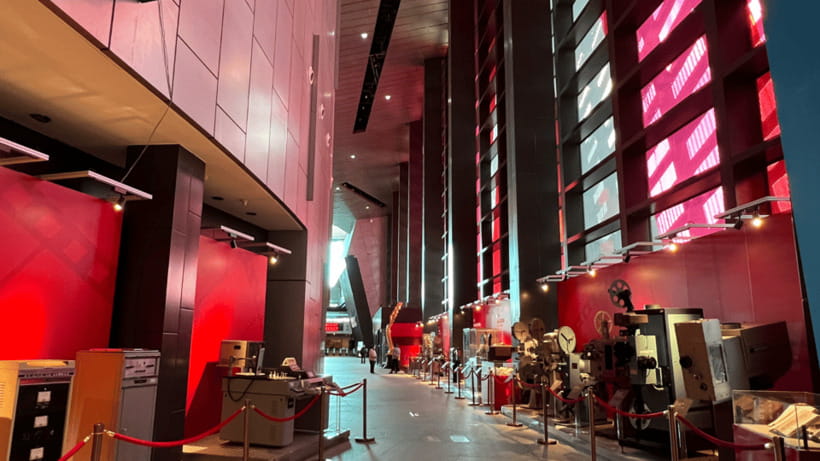
Six movie halls sit within the museum complex, and one of them is an IMAX GT hall. Capacity is listed as over 1,000 people, which gives you a hint about how seriously the museum treats film watching—not only displaying artifacts.
Here’s how to decide whether to add a screening without wasting your time:
- If you want film history plus something you can watch, consider a screening—but remember movie screenings are not included in the reservation price.
- If you’re more interested in exhibits than seats and schedules, skip the movie halls and focus on halls and timeline content.
Since your booking duration is 2 hours, I’d only plan a screening if you can do it without sacrificing the timeline exhibition. If you can’t, at least take a look at the movie halls area so you know what you’re walking past.
English help that actually matters: using the included guide
The included English version is the biggest support for visitors who don’t read Chinese fluently. That includes English textual and visual guidance, and it’s built into the experience.
How to use it well:
- Use the guide to understand what the panel is trying to explain, not to translate every word.
- When you hit a section that seems important—like an era or a film-maker—spend a little more time with the guide so you get the context.
- Don’t get stuck trying to decode every label; you’ll end up rushing the rest of the museum.
Based on what I’ve seen in visitor feedback, the museum can feel like it’s designed for Chinese-language readers. Still, the included guide changes the experience. With it, you can make the visit feel coherent rather than confusing.
Timing and pacing: how to avoid “I saw it all” disappointment
With only 2 hours, the museum can be a lot. The trick is not trying to “cover everything,” because 21 exhibition halls is a huge number.
Instead, pick a pace that fits your goal:
- If you love film history: focus on the timeline exhibition across the upper floors and treat the first floor theme as a warm-up.
- If you like modern culture and visual displays: give more time to the theme exhibit and the parts of the timeline that look most image-heavy.
- If you’re curious about filmmaking as a process: spend extra minutes where you see explanations of production methods and “how it’s made” concepts.
This is also why the QR entry matters. If you spend your first 20 minutes stuck checking in or decoding the wrong code, you’ll feel the squeeze immediately once you’re inside.
Who this museum fits best (and who might bounce off)
This museum works best for:
- People who enjoy film history and want a structured timeline
- Visitors who like museums with clear themes and lots of visual material
- Anyone comfortable using a guide while they walk
It may be less satisfying for people who:
- Expect English signage everywhere (you might not get that)
- Want a fully guided, live explanation in English
- Are very short on time and only want “highlights,” because the structure encourages steady movement through exhibits
If you’re a cinema buff, you’ll probably have fun. If you’re mostly there for a quick stop, plan to choose the most interesting floors and keep it moving.
Small but helpful on-site notes
A few practical details can smooth your visit:
- No smoking is stated as not allowed.
- The museum covers a large space, so comfortable shoes are smart even if you only plan two hours.
- Use your phone for the QR entry and keep the guide handy while walking.
- If you’re going with kids or family, the dinosaur-related area mentioned in feedback can add a lighter moment.
Should you book this Beijing China National Film Museum entry?
I’d book it if you want an affordable, self-paced way to see how Chinese cinema evolved. The price is low, the museum is substantial, and the included English guide gives you real support.
Skip it only if you strongly prefer live guides and English signage everywhere, or if two hours feels too short for you to enjoy museum browsing. In that case, you might end up wishing you had more time or translation help.
If your goal is film history on a schedule, this is a solid choice—and getting in with the correct QR code means you can start learning right away.
FAQ
How long is the China National Film Museum entry reservation valid?
The experience duration is listed as 2 hours. Check availability to see starting times.
What is included with the reservation?
You get entry reservation for the China National Film Museum plus an English version of the textual and visual guide.
Are movie screenings included?
No. The cost of paid movie screenings is not included.
Do I need a QR code to enter?
Yes. You enter using the QR code provided for admission. The QR code inside the GetYourGuide app is not your entry ticket.
How will I receive my ticket?
After ordering, you’ll receive your e-ticket via email or WhatsApp.
What should I bring to the museum?
You should bring your passport.
Is the museum accessible for wheelchair users?
The experience is listed as wheelchair accessible.
Can I cancel my booking?
Free cancellation is available up to 24 hours in advance for a full refund.
Are there restrictions on what I can do inside?
Smoking is not allowed.