REVIEW · BEIJING
Beijing: Hutong Private Culinary Walking Tour
Book on GetYourGuide →Operated by Discover Beijing Tours · Bookable on GetYourGuide
Food and alleys go together in Beijing. This private Hutong culinary walking tour turns a normal meal-hunt into a guided stroll through real neighborhoods, with 20+ tastings at markets, shops, bakeries, and small restaurants. I like that it’s built for local pace and conversation, not a conveyor-belt tasting circuit.
Two things I really like: the guide can tailor the route and items to your dietary requirements, and you get genuine culinary context as you eat. A possible drawback: some bites lean fermented or include richer options (for example, offal broth or stinky tofu), so you’ll want to tell your guide what’s a no-go for you.
In This Review
- Key Hutong Food-Walk Takeaways
- Why the Hutong is the real Beijing food stage
- Private pickup and how the tour starts from your hotel
- More than 20 tastings across markets, shops, and eateries
- The food rhythm: what happens after each stop
- From jianbing to baozi: the classics you’ll likely taste
- The “B” team flavors: sweets, breads, and small snacks that change the night
- When the tour leans bold: fermented, offal, and the spicy side
- My practical advice
- Optional upgrade: Peking duck or hot pot dinner with locals
- Hot tip about alcohol
- Guides make the difference: names, style, and real conversation
- Price and value: is $79 a good deal for Beijing Hutong food?
- Who the price makes the most sense for
- What to wear and how to pace yourself
- Who should book this Hutong culinary tour
- Should you book this Beijing Hutong Private Culinary Walking Tour?
- FAQ
- How long is the Beijing Hutong Private Culinary Walking Tour?
- Is hotel pickup and drop-off included?
- Do I need to arrange transport to the Hutong area?
- How many food tastings are included?
- Can the tour be tailored to dietary requirements?
- Is there an upgrade for Peking duck or hot pot?
- Is alcohol included?
Key Hutong Food-Walk Takeaways
- Hotel pickup and drop-off makes the “where do we start?” problem disappear.
- Dietary tailoring means you’re not stuck eating around the menu.
- 20+ tastings across 7+ stops keeps things moving and variety high.
- Expert English-speaking guide adds context on regional Chinese food habits.
- Optional Peking duck or hot pot dinner lets you level up the local-food experience.
- Small-group, no-crowd feel makes it easier to ask questions and chat with shop owners.
Why the Hutong is the real Beijing food stage
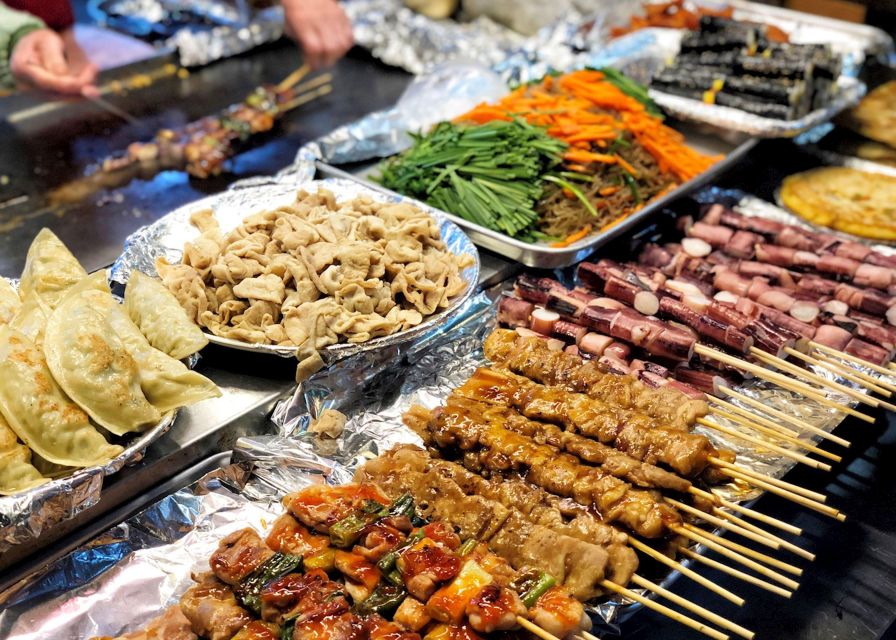
Hutong streets aren’t a theme park. They’re narrow, lived-in lanes where you can see how food fits into daily rhythm—quick stops, family-run counters, and regulars moving through their evening routine.
What makes this tour special is the mix of tasting + place. You’re not just sampling food; you’re learning why certain flavors and styles show up in Beijing, how habits differ by region, and how specialties became “go-to” items in this area.
You can also read our reviews of more walking tours in Beijing


Private pickup and how the tour starts from your hotel
The tour begins in a simple, traveler-friendly way: your guide meets you in the lobby holding a sign with your name. From there, you’ll head toward the Hutong area.
If you choose the private option, you’ll go by a private car or minivan. If you don’t, you’ll use subway/taxi at your own expense to get there, so plan your time accordingly. Either way, the tour runs about 4 hours, and it’s designed to feel personal rather than rushed.
More than 20 tastings across markets, shops, and eateries
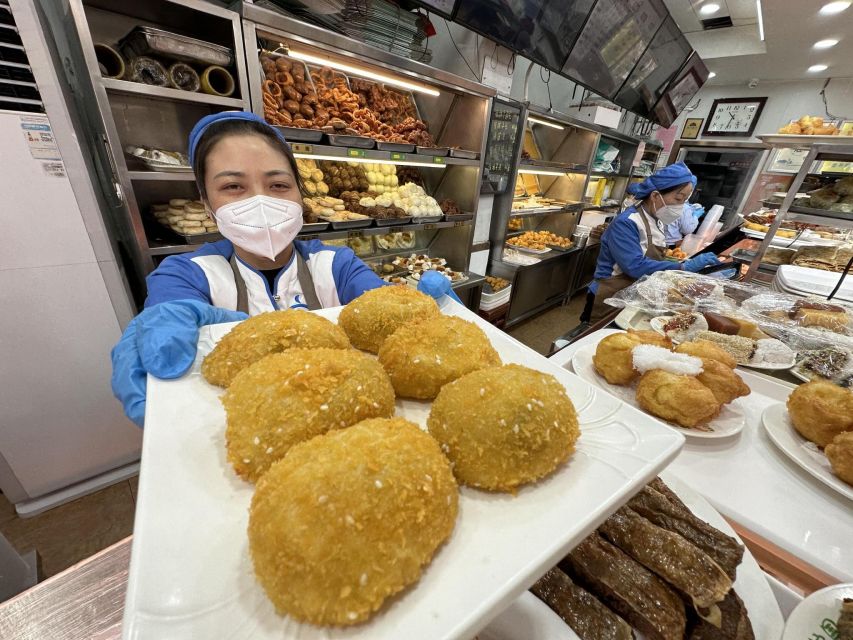
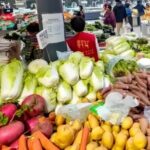
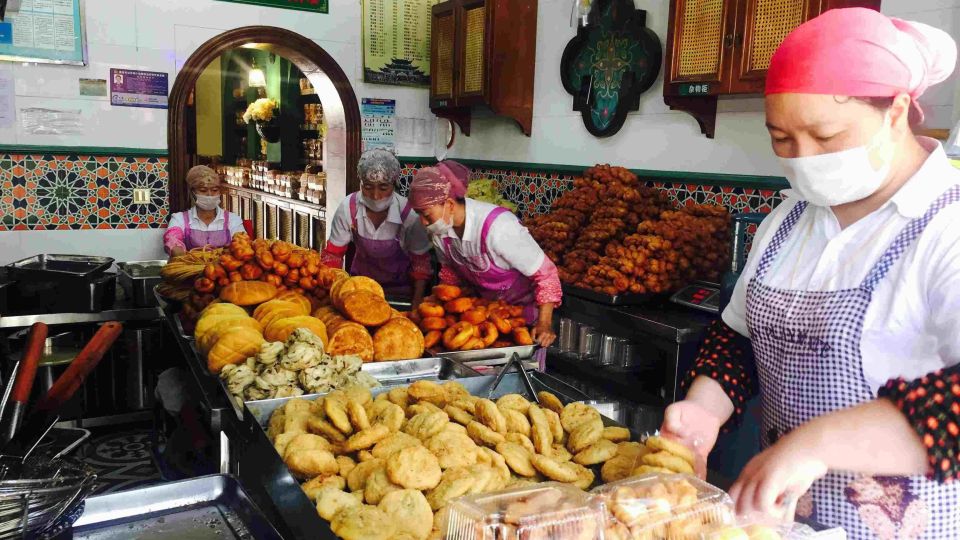
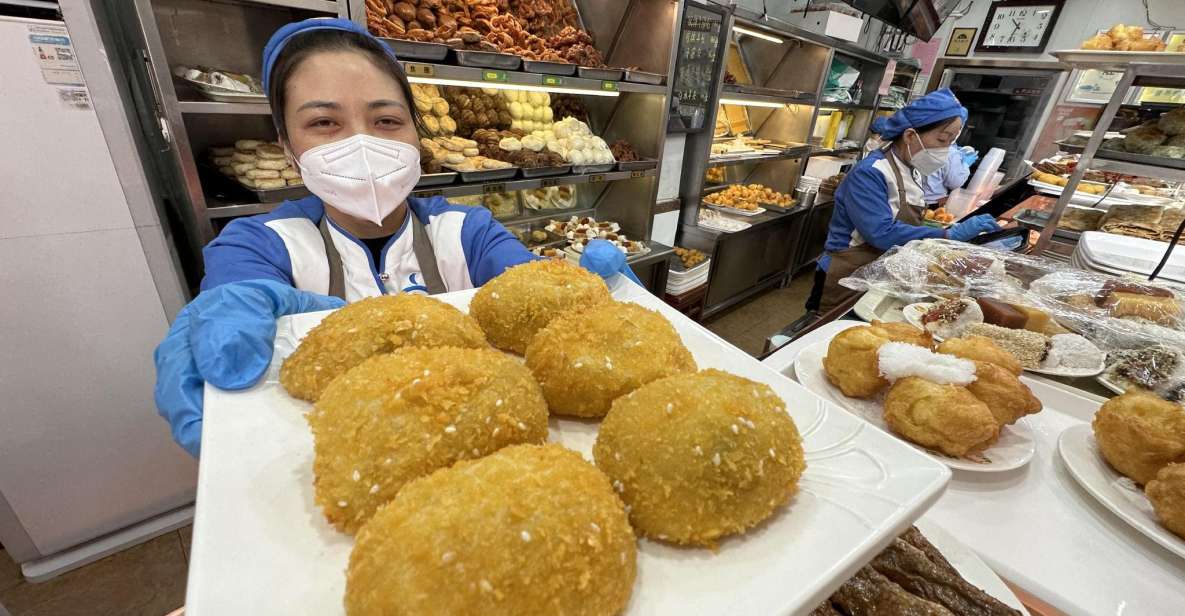
This is a serious “eat-walk” route. You’ll stop at diverse places like markets, shops, bakeries, and restaurants—places where locals come for everyday favorites, not just photo ops.
The tasting count matters: you’ll enjoy 20+ different food samples across more than seven stops. That’s how the tour keeps its rhythm—each stop builds the next flavor story, instead of repeating the same base dish.
You’ll also get opportunities that feel genuinely local: interacting with the people running stalls and shops, and visiting historical sites that most standard sightseeing routes never touch.
The food rhythm: what happens after each stop
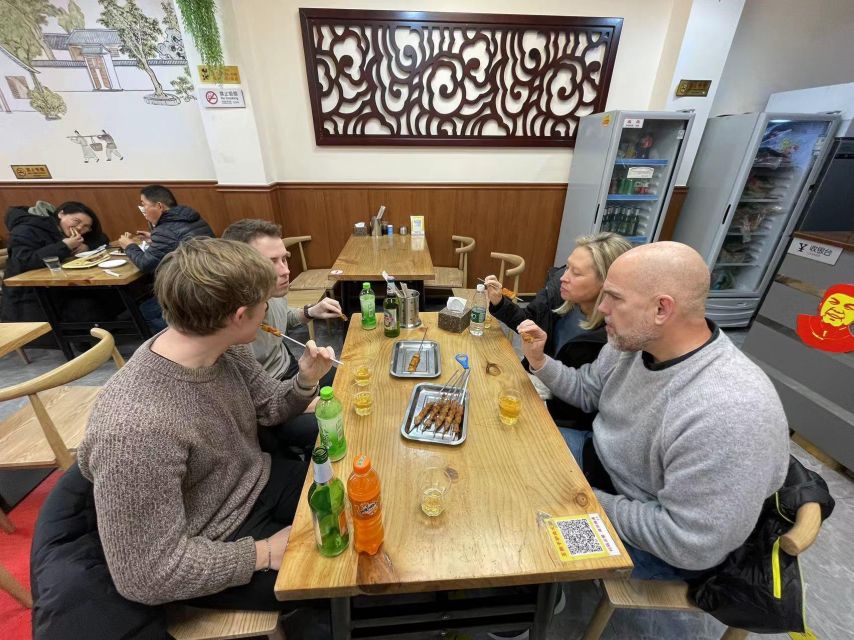
A typical flow goes like this: you arrive at a food spot, sample several items, then your English-speaking guide ties it back to food habits and culinary history. Expect plenty of chances to ask questions as you go.
If you’re the type who likes to understand what you’re eating—breads, dough styles, fermentation, and regional ingredients—this pacing is perfect. If you just want to eat fast, you can still do that, but the real value is in the small explanations that turn snacks into knowledge.
From jianbing to baozi: the classics you’ll likely taste
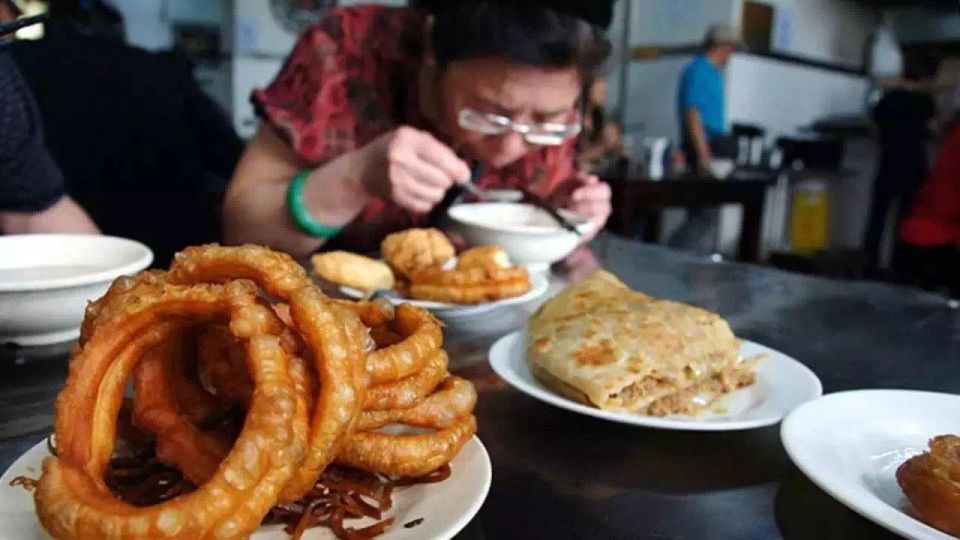
Hutong food is famous for street classics, and this tour leans into that. You may get multiple bites that cover breakfast-style comfort, bread-and-filling snacks, and savory handhelds.
Here are some of the specific items that can show up, and what to expect from each:
- Jianbing: those thin millet-flour pancakes cooked crisp, often topped and folded. This is one of Beijing’s “walk-and-eat” icons.
- Baozi: steamed, round dumplings with a soft exterior—usually filled, usually comforting, always a crowd-pleaser.
- Roujiamo: beef in bread—think of it as a portable, savory sandwich that hits hard when it’s freshly made.
- Ma Hua (fried flour): a crisp, fried dough snack that’s simple but very satisfying.
And don’t sleep on the sweet-and-snack variety. Items like Tang Er duo (fried sugar cake) and Moon Cake fried bread with red beans give you the sweet counterpoint to all the savory bites.
You can also read our reviews of more private tours in Beijing

The “B” team flavors: sweets, breads, and small snacks that change the night
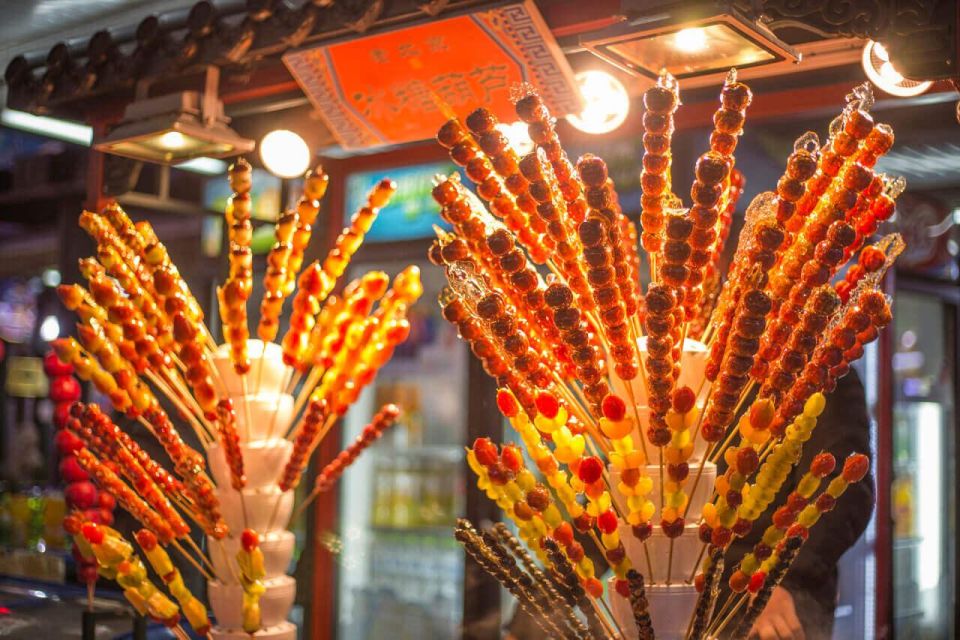
One of my favorite parts of food tours is when they don’t just serve the big names. This one includes lots of smaller bites that teach you how Chinese snacking works—tiny portions, fast flavors, and variety you can taste in one evening.
Some examples of snack-style items that may appear:
- Shaobing (baked sesame seed cake): crisp, layered bread with sesame aroma.
- Beijing Suan Nai (Beijing yogurt): tangy, creamy, and great for resetting your palate between stronger flavors.
- Zha Guan Chang (fried corn flour cakes): chewy-crisp bites with a distinct corn base.
- Baozi and baked/savory breads that help balance the more intense items later.
Because the route can be tailored, your guide may adjust the mix so it matches your tolerance for sweetness, spice, and heavier foods.
When the tour leans bold: fermented, offal, and the spicy side
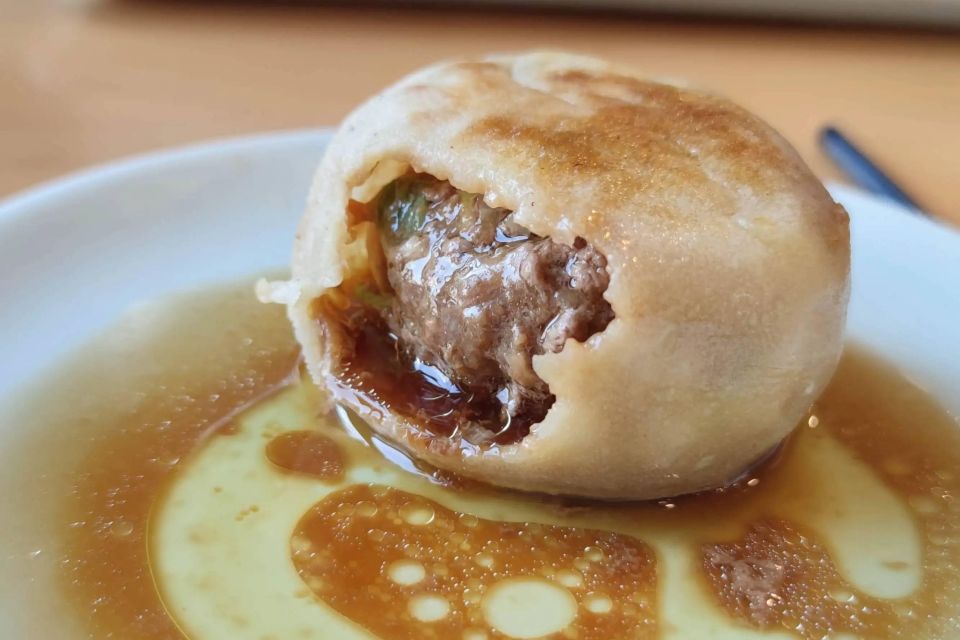
This is not a cautious “only mild flavors” experience. The tour can include foods that are intense in smell, texture, or richness.
A few examples of items from the menu options:
- Ma dou fu: dried fermented mung bean juice. Fermentation fans love the tang; people who want mild flavors should approach carefully.
- LUZHU HUOSHAO: wheaten cake boiled in meat broth, with pig’s intestine and liver. This is classic “people eat this” comfort, but it’s not for everyone.
- Stinky toufu (option): if it’s offered for your group, the name is accurate. Decide ahead of time whether you want to try it.
Spice also comes into play with Spicy Hotpot (with either meat or vegetable on sticks). If you’re sensitive, tell your guide early so the hot and the strong stuff stays in your comfort zone.
My practical advice
Before you start, do a quick sanity check: tell your guide what you want to try, what you can handle, and what you’d rather skip. If you hate strong fermented smells, say so. If you’re open-minded, you’ll have a much better time with the bolder picks.
Optional upgrade: Peking duck or hot pot dinner with locals
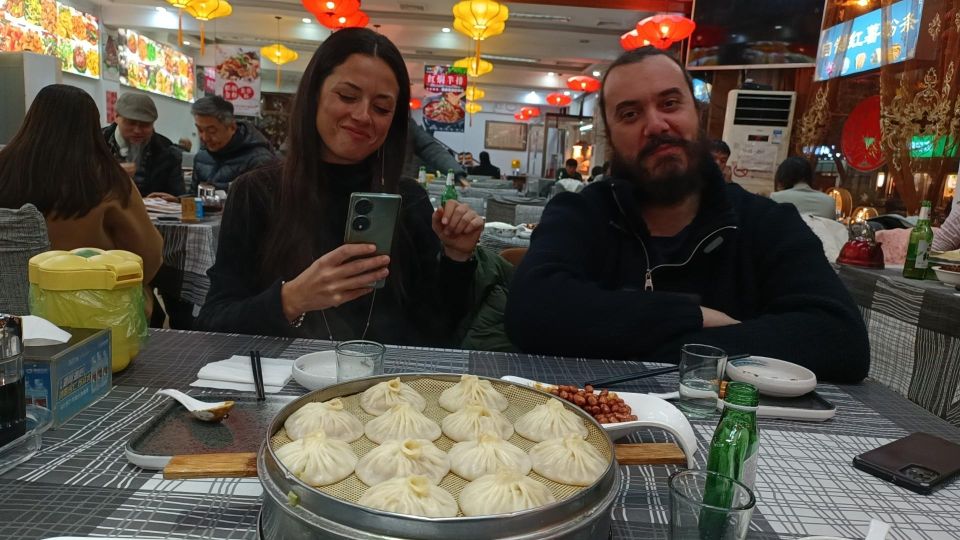
If you want the full Beijing-food moment, you can upgrade the experience with a Peking duck or hot pot dinner. This adds a sit-down element after the walking tastings, and it’s where you can slow down and eat a “main event” meal.
One review highlight described Peking duck as a standout moment, and another mentioned a guide-style menu that brought extra local favorites into the conversation. Even if your exact dinner differs, the logic stays the same: the upgrade turns your snack tour into a fuller evening of Beijing dining.
Hot tip about alcohol
Baijiu is listed as a tasting option, but the tour notes that alcohol isn’t included. If you want it, plan on choosing it intentionally—and if you don’t drink, you can still enjoy the food portion without pressure.
Guides make the difference: names, style, and real conversation
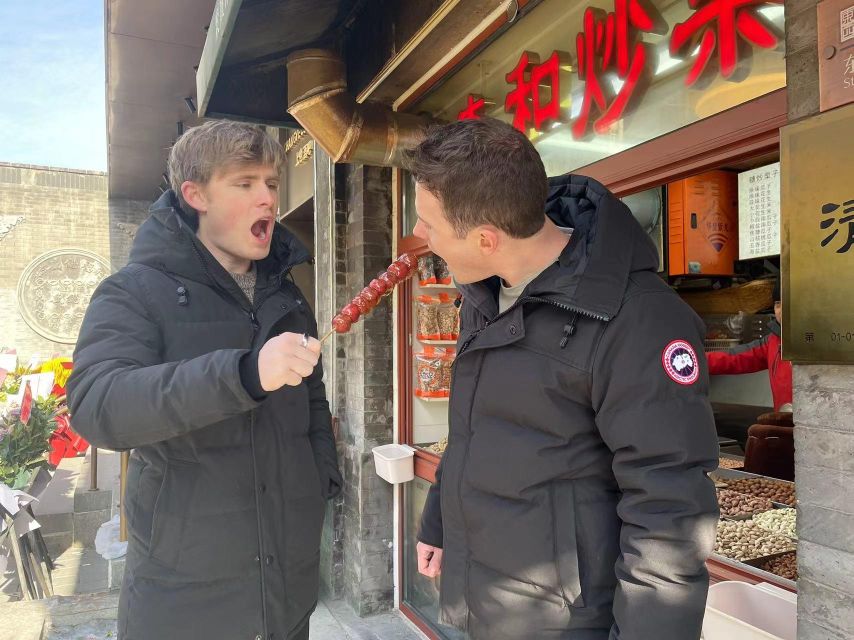
The guide is where this tour becomes more than food. The best part isn’t just explaining ingredients—it’s how they shape the night around you.
From recent guide experiences, you can see a pattern: English stays clear, and customization happens in real time. Guides like Anson, Andy, Miko, Jay, Jimmy, Mike, and Lucy were singled out for being friendly, prompt, and flexible with taste preferences—especially dietary adjustments.
In one case, a guide even confirmed details ahead of time and arrived early, which matters when you’re trying to start smoothly after hotel pickup. Another review noted a guide ordering foods based on what the person wanted to eat—exactly the kind of personalization that makes a private tour feel worth paying for.
Price and value: is $79 a good deal for Beijing Hutong food?
At $79 per person for 4 hours, this sits in the “value when you eat a lot” category. Why?
- You’re paying for an English-speaking guide plus hotel pickup and drop-off.
- You get 20+ food tastings across more than seven stops, which is the core product.
- You’re also getting context—history and culinary habits—so you leave with more than just a full stomach.
There are also tradeoffs to keep in mind. If you choose the option without transfer, you’ll cover your own subway/taxi to reach the Hutong area. And alcohol isn’t included, so don’t build your budget around baijiu or drinks unless you plan to pay separately.
Who the price makes the most sense for
This is a great buy if you:
- want a private, low-stress alternative to self-guided street wandering
- care about food history and regional styles
- enjoy trying lots of small dishes in one night
What to wear and how to pace yourself
Because it’s a walking tour, comfortable shoes are non-negotiable. Hutong lanes can be tight and uneven, so save your fancy footwear for later dinner plans.
Also, pace your bites. With 20+ tastings, it’s easy to overdo the first half and feel stuffed by the time you reach the more intense items like fermented flavors or hot broth options. If you know you want to try the bolder items, keep room for them.
Finally, bring your appetite—but also your preferences. This tour works best when you tell the guide what you want more of (or less of).
Who should book this Hutong culinary tour
Book it if you want:
- A local-feeling Beijing food evening without tour-bus crowds
- a guide who can explain the “why” behind the flavors
- flexibility for dietary requirements
- a tour built around real snacks and street-ready dishes, not just one big meal
Skip or choose carefully if you:
- dislike fermented foods or strong smells
- refuse offal-style dishes
- want only restaurant-style meals with zero street food
The great thing is you can steer the tasting lineup. The tour is designed to be tailored, so use that power.
Should you book this Beijing Hutong Private Culinary Walking Tour?
I’d book it if you’re the kind of traveler who loves eating your way through a place and wants the guidance to do it well. The combination of hotel pickup, English-speaking private guidance, and 20+ tastings is a strong package for the price.
If you’re picky or sensitive about certain flavors, you’ll still likely have a good time as long as you tell your guide early. You’ll get a lot more out of the night when the route matches your tastes—because this is a food tour where the details (and the choices) really matter.
FAQ
How long is the Beijing Hutong Private Culinary Walking Tour?
The tour lasts about 4 hours.
Is hotel pickup and drop-off included?
Yes. Your guide will meet you in your Beijing hotel lobby and you’ll also be dropped off at the end.
Do I need to arrange transport to the Hutong area?
If you choose the option with pickup by private car/minivan, you won’t need to handle that part. If you choose the option without transfer, you’ll use subway or taxi at your own expense.
How many food tastings are included?
You’ll enjoy 20+ tastings across more than seven stops.
Can the tour be tailored to dietary requirements?
Yes. The itinerary and food items included can be tailored to match your dietary needs.
Is there an upgrade for Peking duck or hot pot?
Yes. When you book, you can add a Peking duck or a hot pot dinner to eat with the locals.
Is alcohol included?
Alcohol is not included.